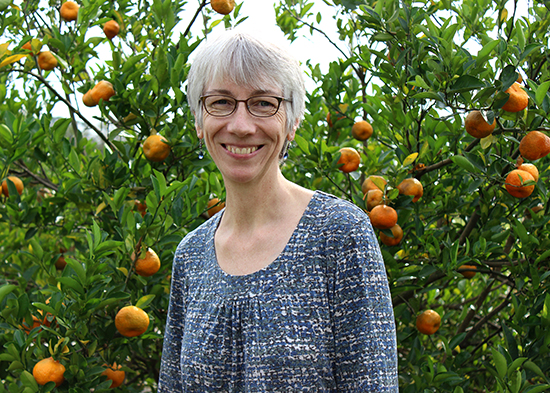
Heather J. McAuslane is Professor in the Department of Entomology and Nematology at the University of Florida , where she also serves as Associate Dean in the College of Agricultural and Life Sciences . Her research focuses on plant-insect interactions and chemical ecology , particularly for pests affecting Florida’s horticultural and agricultural systems. Academic Rank: Professor University: University of Florida School: College of Agricultural and Life Sciences Department: Entomology and Nematology Department McAuslane’s work addresses insect pest management for species such as Calpodes ethlius (larger canna leafroller), Parasitoids and Predators of oleander caterpillars, and the Bemisia tabaci whitefly vector. She emphasizes biological control , cultural management , and chemical ecology in her publications. Her research often integrates host plant resistance , insect behavior , and sustainable pest control strategies. Her recent articles (2017–2025) span topics including leaf-rolling Lepidoptera , whitefly-transmitted plant viruses , and insect-plant interactions . These works appear in the Featured Creatures series and journals like Florida Entomologist and Environmental Entomology , with keywords such as Entomology , Agricultural Sciences , and Ecology , and sub-fields like Insect Pest Management , Lepidopteran Biology , and Vector-Borne Plant Pathogens . She co-authored the Better Mentorship, Better Student Experience series (2024), highlighting her commitment to academic mentorship . Her publications frequently address practical control methods for pests impacting crops like canna, oleander, and tomato, including parasitism , pathogen-induced mortality , and chemical control .
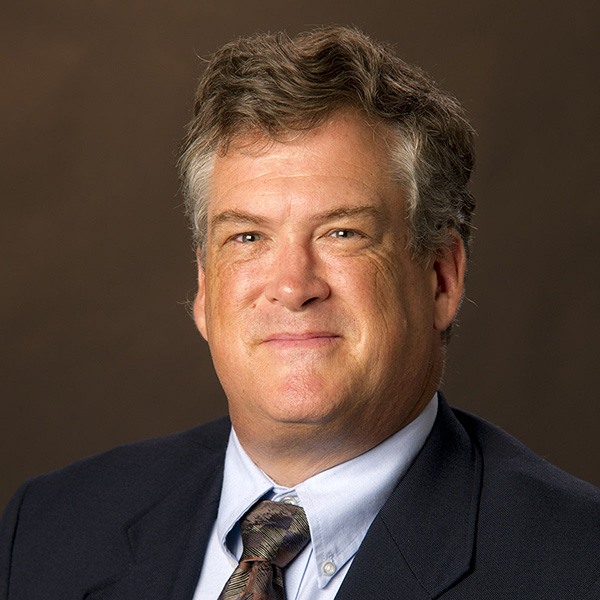
Leonard Munstermann is a Senior Research Scientist in the Department of Epidemiology of Microbial Diseases at Yale School of Public Health and an Affiliated Faculty member at the Yale Institute for Global Health. He also serves as the Head Curator of Entomology at the Yale Peabody Museum of Natural History, where he oversees one of North America's most significant entomological collections. With over four decades of experience, Dr. Munstermann has established himself as a leading expert in sand fly taxonomy and ecology, particularly focusing on the genus Lutzomyia comprising approximately 400 species of New World vectors of leishmaniasis. His educational background includes: PhD in Zoology from the University of Notre Dame (1979) MA in Zoology from the University of Minnesota (1968) BA in Psychology from the University of Minnesota Morris (1964) Dr. Munstermann's research spans insect biodiversity in tropical forests, development of new trap methods for insect vectors, and translating medical entomology research into K-12 teaching curricula. His scientific investigations examine epidemiological interactions between humans, sandflies, reservoir hosts, and parasites in novel epidemic situations of cutaneous leishmaniasis. His expertise encompasses vector-borne diseases, medical entomology, insect genetics, and public health education, with research interests including Biological Evolution, Entomology, Genetics, Global Health, Insect Vectors, Leishmaniasis, and Malaria. His extensive publication record demonstrates consistent contributions to vector biology, with recent work increasingly incorporating genomic approaches to study vector populations and disease transmission across different geographic regions. His research on Aedes albopictus population structure and genotyping arrays represents cutting-edge applications of molecular techniques to vector surveillance and control. Dr. Munstermann has received numerous scientific honors: Distinguished Alumnus of the Year, University of Minnesota, Morris (2004) Elected President, Connecticut Entomological Society (2001) Team Research Award from the Florida Entomological Society (2000) 14th Rozeboom Lecturer in Medical Entomology, John Hopkins University (1998) Published photographs of Insect Vectors of Disease in 42 newspapers, research journals and books, including Science, New York Times and Yale Medicine Throughout his career, Dr. Munstermann has secured significant grant funding, most notably a 15-year set of education grants focused on translating current research in medical entomology into K-12 teaching curricula. His Peace Corps experience teaching biology in Ghana and subsequent field work in tropical regions have informed his approach to public health education and vector-borne disease research. He has collaborated extensively with researchers across multiple institutions and countries, particularly in South America where leishmaniasis is endemic. As Head Curator of Entomology, Dr. Munstermann oversees collection management, research support, and public education initiatives related to insects. His work has included developing new trap methods using LED technology, as documented in his 2008 publication. His museum exhibits on vector-borne diseases, including the 'Invasion of the Bloodsuckers' exhibit, have reached wide audiences and contributed to public understanding of these important health issues.
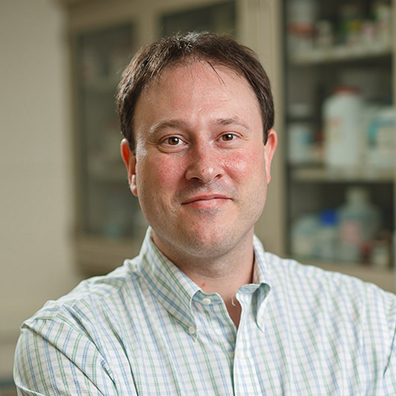
Dr. Bruce Noden is an Associate Professor in the Department of Entomology and Plant Pathology at Oklahoma State University, affiliated with the Institute for Biosecurity & Microbial Forensics. His research focuses on medical and veterinary entomology, particularly the detection of human pathogens in insect vectors. He holds a B.S. in Biology from Houghton College (1989) and a Ph.D. in Immunology & Infectious Diseases from Johns Hopkins Bloomberg School of Public Health (1995). His work emphasizes tick and mosquito-borne pathogens, including studies on Rickettsia, Ehrlichia, and West Nile virus. Recent projects include investigating how woody plant encroachment alters vector distributions and pathogen transmission dynamics in the Great Plains. He collaborates with colleagues on interdisciplinary projects addressing vector ecology and One Health challenges. Dr. Noden’s publications highlight vector behavior, pathogen detection methods, and the impact of environmental changes on disease ecology. His research spans topics like tick species speciation, mosquito community responses to urbanization, and molecular diagnostics for livestock pathogens. No scientific awards are explicitly mentioned, but his contributions to vector-borne disease research are substantial. He advises no listed students but engages in outreach efforts, including educational materials on ticks and mosquito-borne diseases. His lab is part of a broader network addressing biosecurity and microbial forensics at Oklahoma State.
Deepa Senapathi is a Professor at the University of Reading, specializing in pollination ecology, climate change impacts on biodiversity, and sustainable agroecosystem management. Her research integrates landscape ecology, insect behavior, and conservation biology to address pollinator declines, pest dynamics, and climate adaptation in agricultural systems. Her core research interests include: Pollinator community responses to land-use and climate change Ecological intensification of agriculture through habitat management Phenological shifts in species interactions under warming Pesticide risk assessment for beneficial insects Citizen science approaches to ecological monitoring Publication analysis reveals strong emphasis on multi-scale drivers of biodiversity in farmed landscapes, with recurring themes of: Climate-driven mismatches in plant-pollinator-pest systems Agroecological interventions for pollination enhancement Transdisciplinary methods for pollinator conservation Landscape configuration effects on beneficial insects
Professor Geoff Gurr is a leading academic in Applied Ecology at Charles Sturt University's School of Agricultural, Environmental and Veterinary Sciences. He holds a distinguished position as a Professor specializing in Agriculture, with extensive leadership experience including former roles as Associate Dean Research and Director of the Rural Management Research Institute at the University of Sydney. His academic journey began with a BSc (Hons) from Plymouth, followed by a PhD from London, DIC from Imperial College, GradCert from Sydney, and DSc from Charles Sturt University. Professor Gurr's research focuses on developing ecologically-based strategies to harmonize agriculture with the environment. His work spans biological control of insect pests, plant defense mechanisms, insect-vectored plant pathogens, and chemical and molecular ecology. He has pioneered approaches for promoting natural enemies of pests while delivering additional ecosystem services that build resilience in farming systems. These methods have been adopted across tens of thousands of farms in Australia and internationally, with companion cropping becoming nationally-recommended policy in Chinese rice agriculture. His research portfolio demonstrates consistent high-impact output across entomology, sustainable agriculture, and ecological engineering. Professor Gurr has published over 200 scientific papers in prestigious journals including Nature Plants, Nature Genetics, Nature Communications, PNAS, and Annual Review of Entomology. His work shows strong interdisciplinary connections between agricultural science, ecology, and molecular biology, with particular emphasis on translating research into practical farming applications that benefit both producers and the environment. Engagement Australia's excellence award for Outstanding Research Engagement (2020) Thousand Talents fellowship for work in China Fellow of the Royal Society NSW Fellow of the Royal Entomological Society Nation's top researcher for 'Insects & Arthropods' in The Australian special reports (2020, 2021) Professor Gurr has successfully supervised 43 HDR students (38 as principal supervisor) and has secured nearly $20 million in research funding from diverse sources including the Australian Research Council, Australian Centre for International Agricultural Research, rural research and development corporations, CRCs, and international donors like the McKnight Foundation. His current projects on vineyards, regenerative agriculture, beneficial insect ecology, sesame, and hazelnuts are funded by Wine Australia, the Drought Innovation Hub, the Gulbali Institute, and Agrifutures. He maintains extensive international collaborations, with over 91% of his publications co-authored with international researchers, reflecting his significant global research network.
Dr. Francesco Baldini is a Senior Lecturer at the University of Glasgow, coordinating the Vector Biology and Disease Group within the School of Biodiversity, One Health and Veterinary Medicine. He holds affiliations with the Ifakara Health Institute and contributes to the VectorsGlasgow initiative. His research focuses on malaria vector biology, with expertise in mosquito ecology, insecticide resistance, and innovative surveillance tools using spectroscopy and AI. He completed a PhD in Medical Entomology across Harvard University, Perugia University, and Imperial College London. Key research areas include developing non-invasive diagnostic methods (mid-infrared/quantum spectroscopy), understanding vector population genetics, and exploring biocontrol strategies. His work bridges field studies in Africa with lab-based molecular analyses. Recent projects emphasize insecticide resistance in Anopheles species, cryptic taxa discovery, and age-grading techniques. Grant support includes Bill and Melinda Gates Foundation funding for malaria vector surveillance, and collaborations with global health institutions. Supervised PhD topics include AI-driven mosquito analysis, tsetse fly trypanosomiasis surveillance, and avian malaria epidemiology. Scientific awards include an AXA ISSF Fellowship (2015–2017) and an Academy of Medical Sciences award (2022–2024). Key publications address genomic studies of Anopheles funestus, quantum cascade laser spectrometry, and Wolbachia symbiont impacts on vector competence.
Ibtissem BEN FEKIH serves as a Postdoctoral Research Fellow at the University of Liège within the Gembloux Agro-Bio Tech faculty. She is embedded in the GxABT department and the Sustainable Management of Bio-aggressors research group, operating under the TERRA research unit—a specialized entity focused on biological engineering applications in agronomy, biotechnology, and environmental science. Her position falls under the academic rank of Research Fellow, reflecting her active role in advancing sustainable pest management solutions. Her research centers on biological control methodologies as alternatives to chemical pesticides, with particular emphasis on entomopathogenic fungi for managing aphids, fall armyworm, and other agricultural pests. She investigates integrated pest management (IPM) strategies to replace neonicotinoids in crops like sugar beet, examines multitrophic interactions involving natural enemies, and explores how biodiversity loss impacts pest regulation. Her work spans laboratory validation, field application techniques (including dropleg spraying), and ecological assessments across diverse agroecosystems. Analysis of her 15 most recent publications (2023–2025) reveals a cohesive research trajectory targeting vector-borne pathogen mitigation through biological control agents. Key themes include the efficacy of Beauveria bassiana isolates against aphids and fall armyworm, intraguild predator dynamics mediated by aphid honeydew, and global assessments of biological control shortfalls. Her field studies in the Democratic Republic of Congo highlight practical applications in resource-limited settings, while genomic analyses of resistant bacteria demonstrate interdisciplinary reach into environmental microbiology. Dr. BEN FEKIH contributes to the Sustainable Management of Bio-aggressors team based at Passage des déportés 2, Gembloux, where the group develops eco-friendly pest control frameworks aligned with TERRA's mission to guarantee high-quality agricultural production that respects environmental boundaries. Her work directly supports the University of Liège's strategic focus on sustainable food systems and biological engineering innovation.
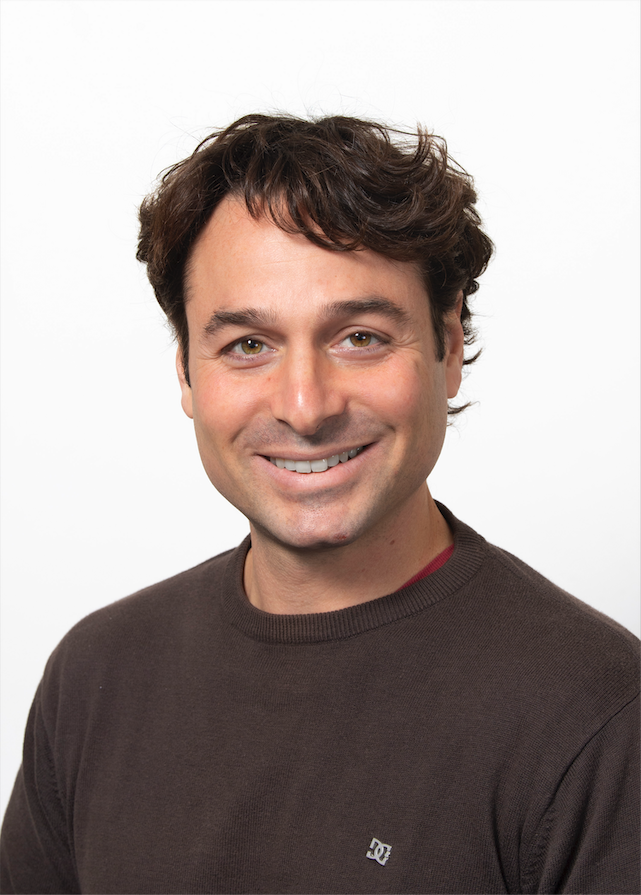
Zainulabeuddin 'Zain' Syed is an Associate Professor of Public Health Entomology at the University of Kentucky's Department of Entomology within the Martin-Gatton College of Agriculture, Food and Environment. His research focuses on insect chemical ecology, sensory physiology, and olfactory behavior, particularly in disease vectors and agricultural pests. He leads the Syed Laboratory, which investigates how insects detect and respond to chemical signals in their environment, with applications in pest and vector management. Dr. Syed earned his PhD in insect chemical ecology from the University of Neuchâtel, Switzerland, and has held postdoctoral positions at the Free University of Berlin and the University of California, Davis. His work integrates molecular biology, neurophysiology, and behavior to understand olfactory mechanisms in insects like mosquitoes, ticks, and fruit flies. Key research themes include the molecular basis of odor detection, evolution of olfactory receptors in closely related species, and the development of eco-friendly repellents/attractants. His lab collaborates on projects addressing vector-borne diseases (e.g., malaria, leishmaniasis) and agricultural pests (e.g., Drosophila suzukii).
Amanda Callaghan is a Professor of Invertebrate Zoology at the University of Reading, where she serves as Curator of the Cole Museum of Zoology and School Director of Recruitment and Admissions. Her academic work spans teaching, research, and museum curation, with a focus on entomology and invertebrate zoology. Professor Callaghan's research interests primarily center around mosquito ecology and vector control, microplastics research in freshwater ecosystems, and museum specimen conservation. Her work has significant implications for public health, environmental management, and biodiversity conservation. She leads research projects on British mosquito ecology and control in collaboration with Public Health England, and British mosquito population modeling with the Centre for Ecology and Hydrology. Her recent publications demonstrate a strong focus on trends in vector ecology and environmental toxicology . Callaghan's work examines the intersection of environmental change, pollution (particularly microplastics), and vector-borne disease transmission. She has pioneered research on using natural predators for mosquito control and investigated how environmental factors influence mosquito behavior and population dynamics. Among her scientific honors , Callaghan is a: Senior Fellow of the Higher Education Academy Fellow of the Royal Society of Biology Fellow of the Royal Entomological Society Commonwealth Commission Postgraduate Scholarship Advisor She has also served as former editor of Antenna, the bulletin of the Royal Entomological Society. In terms of advising and research support , Professor Callaghan has supervised numerous PhD students over her career, both at the University of Reading and through collaborations with other institutions including the Centre for Ecology and Hydrology and Public Health England. Her current PhD students include Daniel Smith, Alex Vaux, and Claire Smith. She has received funding from various sources including NERC, Public Health England, and self-funding arrangements. Professor Callaghan is actively involved with the Cole Museum of Zoology , where she serves as Curator. She also engages in significant outreach activities, including media interviews on mosquito research and co-authoring the popular science booklets "Garden Entomology" for the Royal Entomological Society. Her international collaborations include researchers from South Africa, Nigeria, and the United States, while her national collaborations involve scientists from the Centre for Ecology and Hydrology, Queens University Belfast, and Public Health England.
Giles E. Duffield is an Associate Professor in the Department of Biological Sciences at the University of Notre Dame, College of Science. His research focuses on the molecular mechanisms of circadian rhythms in both mammals and mosquito vectors, with implications for human health, metabolic disorders, and vector-borne disease control. Research Interests: Dr. Duffield’s work investigates the molecular basis of circadian clocks, particularly the role of Inhibitor of DNA binding ( Id2 , Id4 ) genes in regulating the mammalian circadian system and metabolic homeostasis. His lab studies circadian control of metabolism, photic entrainment, and the genomic regulation of rhythmic gene expression in the malaria vector Anopheles gambiae . His interdisciplinary approach integrates molecular biology, genomics, behavioral analysis, and proteomics. Recent Research Trends: His recent publications highlight a strong focus on circadian regulation in disease vectors, including how artificial light alters mosquito biting behavior and how circadian clocks influence insecticide resistance. In mammalian systems, his work explores the intersection of circadian disruption with metabolic diseases such as obesity, diabetes, and alcoholic liver disease. His research also contributes to methodological advances in circadian genomics. Scientific Awards and Grants: Indiana CTSI Fall Core Pilot Grant (2011) Supported by NIGMS, American Heart Association, Indiana CTSI, Eck Institute for Global Health, and Center for Rare and Neglected Diseases Previously funded by Royal Society and Wellcome Trust Advising and Grants: Dr. Duffield has mentored numerous graduate and undergraduate students, many of whom have pursued advanced degrees in medicine and science. His lab has secured significant external funding, enabling cutting-edge research in circadian biology and vector control. Collaborations span institutions including Indiana University, Dartmouth, Oxford, and the University of Washington. Labs and Teams: The Duffield Lab at Notre Dame employs transgenic mouse models, real-time bioluminescence imaging, transcriptomics, and behavioral assays to study circadian function. The team includes postdoctoral researchers, graduate students, and undergraduates, and maintains active collaborations with experts in proteomics, metabolism, and vector biology.
Lee Rafuse Haines is an Associate Research Professor in the Department of Biological Sciences at the University of Notre Dame, where she leads research in medical and veterinary entomology, focusing on insect-borne diseases and vector-parasite-symbiont interactions. She previously held senior research and program management roles at the Liverpool School of Tropical Medicine, UK. Education: PhD in Tropical Medicine, University of Liverpool, UK MSc in Biochemistry and Molecular Parasitology, University of Victoria, Canada BSc in Biology, Trinity Western University, Canada Her research interests span insect microbiota, symbiosis, neglected tropical diseases, malaria control, and science communication . She investigates how gut bacteria influence vector immunity and transmission capacity, develops assays for measuring insect bite exposure, and studies tsetse breeding behavior. Her work integrates field studies in Kenya, Uganda, and Saudi Arabia with laboratory models. Her recent publications reveal a strong focus on vector biology, parasitology, and microbiome interactions , particularly in tsetse flies and sand flies. Themes include reproductive physiology, host-seeking behavior, symbiont isolation, and drug repurposing for disease control. Her research bridges basic science with translational applications for global health. Scientific Awards and Recognition: Award-winning mentor Dr. Haines is a dedicated mentor and science communicator, actively engaged in public outreach through science festivals, youth workshops, blogs, and radio. She champions mental health in STEM and promotes equity for underrepresented researchers. She collaborates with the Acosta-Serrano group on repurposing herbicidal compounds for vector control and has developed innovative insect-rearing modules for student education. Her lab maintains colonies of tsetse, mosquitoes, triatomines, and sand flies, supporting both research and teaching.
Jesmond Dalli is Professor in Molecular Pharmacology at the William Harvey Research Institute , part of Queen Mary University of London , where he has served as Lipid Mediator Unit Director since 2015. His research focuses on lipid mediator biology , particularly specialized pro-resolving mediators (SPMs) in inflammation, with applications spanning cardiovascular disease , arthritis , neuroinflammation , and HIV . Education : PhD in Biochemical Pharmacology (2005-2009), Queen Mary University of London His work systematically explores pro-resolving pharmacology across acute and chronic inflammation models, including diabetes , obesity , and traumatic brain injury . Articles demonstrate expertise in LC-MS/MS lipid mediator profiling , immune cell metabolism , and translational immunology . Scientific Awards : Sir Henry Dale Fellowship (Royal Society & Wellcome Trust) As Lipid Mediator Unit Director , he leads multidisciplinary studies integrating mass spectrometry platforms , cellular models , and animal models to dissect lipid mediator pathways in disease contexts.
Nancy C. Hinkle is a Professor in the Department of Entomology at the University of Georgia , associated with the College of Agricultural & Environmental Sciences. As the Extension Veterinary Entomologist for Georgia, her work focuses on research and public education about domestic and companion animal ectoparasites, particularly pests linked to confined animal production systems. Her research integrates a multi-disciplinary approach , collaborating with agricultural engineers, animal scientists, waste management experts, and sociologists to address entomological challenges in livestock and poultry systems. Key research areas include insecticide resistance in veterinary pests, biological control , cultural techniques , and insecticide resistance management to develop ecologically sound pest control strategies. She emphasizes innovative delivery systems for insecticides and biological controls, ensuring compatibility with modern animal husbandry practices. The articles in her record reflect expertise in cat fleas , poultry pests , Salmonella transmission , and insecticide susceptibility testing . Themes span insect physiology , urban pests , and public health implications of entomological issues. Her work addresses both basic biological understanding and applied control methods for pests affecting domestic animals and humans.
Dr. Bryony C. Bonning is an Eminent Scholar and Professor of Entomology and Nematology at the University of Florida's Institute of Food and Agricultural Sciences, where she also serves as Director of the Center for Arthropod Management Technologies (CAMTech), a National Science Foundation Industry/University Cooperative Research Center. Her research program focuses on developing novel, environmentally benign alternatives to chemical insecticides for insect pest management. Dr. Bonning completed postdoctoral appointments at the Natural Environment Research Council Institute of Virology in Oxford, UK and at the University of California, Davis, USA. She joined the faculty at Iowa State University before moving to the University of Florida in 2017. Her research centers on insect physiology and pathology, with particular emphasis on citrus pest management targeting $$Diaphorina citri$$ (Asian citrus psyllid). Current projects include studying insect hormones and enzymes, optimizing $$Bacillus thuringiensis$$ toxins, genetic optimization of insect viruses for pest management, insect virus discovery, and the use of viral proteins for development of insect resistant transgenic plants. This work bridges fundamental biological insights with practical applications for sustainable agriculture. Dr. Bonning's extensive publication record spanning three decades demonstrates a clear trajectory from basic research on insect-pathogen interactions toward practical applications in agriculture. Her work shows increasing sophistication in protein engineering approaches for targeted pest control while minimizing environmental impact, with recent focus on citrus greening disease management. Eminent Scholar designation at the University of Florida Director of NSF-funded Industry/University Cooperative Research Center (CAMTech) Extensive patent portfolio in insect pest management technologies Dr. Bonning mentors graduate students and postdoctoral researchers while leading a multidisciplinary team through CAMTech. Her laboratory collaborates with industry partners to translate research findings into practical pest management solutions, securing significant grant funding for sustainable agriculture research. The Bonning Lab maintains active research programs in insect pathology, biotechnology, and pest management, with a focus on developing environmentally sustainable approaches to agricultural challenges, particularly in citrus production systems affected by $$Diaphorina citri$$ and citrus greening disease.
Dr. Daniel R. Swale is an Associate Professor and Associate Director in the Entomology and Nematology Department at the University of Florida. His research focuses on insect toxicology and physiology, particularly studying ion channels and transporters in arthropods to improve vector control and enhance beneficial arthropod health. Education: B.S. in Biological Sciences, Christopher Newport University M.S. in Life Sciences, Virginia Tech Ph.D. in Insect Toxicology, University of Florida Postdoctoral Fellowship in Neuropharmacology, Vanderbilt University Medical Center Research Interests: Ion channel physiology in arthropods Pathogen-vector interactions Honey bee health and immunity Development of novel insecticide targets Vector-borne disease mitigation strategies Publications Trends: Dr. Swale’s work emphasizes potassium ion channels as critical targets for controlling disease vectors like mosquitoes and ticks. Recent studies explore bioinsecticidal agents, herbicide-pesticide synergies, and mechanisms underlying insecticide resistance. Labs/Teams: Swale Lab at the University of Florida, focusing on arthropod physiology and toxicology.