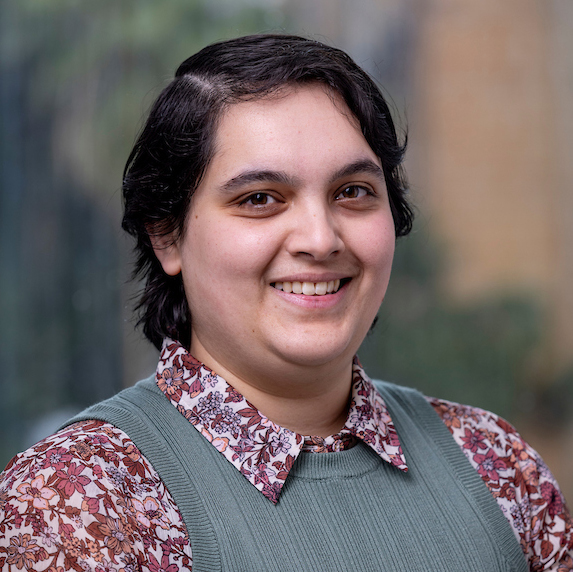
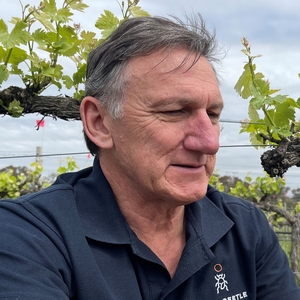
Professor Dieter Hochuli leads the Integrative Ecology research group in the School of Life and Environmental Sciences at the University of Sydney. His research focuses on biodiversity conservation in urban environments, with particular emphasis on arthropod ecology, habitat management, and the ecological dynamics of human-dominated landscapes. His work bridges community ecology and landscape-scale conservation strategies. Research interests center on urban biodiversity conservation, insect-plant interactions, ecosystem function in modified environments, and the ecological impacts of invasive species. Current projects examine how urban planning decisions affect biodiversity, the role of green infrastructure in supporting ecosystem services, and human-wildlife interactions in urban fringes. Analysis of recent publications reveals consistent themes: urban pollinator ecology, wildlife disease ecology at the urban interface, experimental approaches to urban green space management, and biodiversity responses to urbanization. His work integrates ecological theory with practical conservation applications. Professor Hochuli leads field-based ecology projects across Sydney's urban environments and collaborates with local councils on biodiversity mapping initiatives. He currently supervises graduate students researching urban arthropod communities, wildlife conservation, and ecosystem restoration.
Ben KEFFORD is an Associate Professor at the University of Canberra, affiliated with the Centre for Applied Water Science and Systems Ecology. His research focuses on the ecological effects of contaminants and environmental stressors in freshwater systems. He leads projects addressing salinization, pesticide impacts, climate change, and alpine stream ecology. Key areas of expertise include macroinvertebrate community dynamics, toxicology, and ecosystem function assessment. He is actively involved in 15+ research projects, including studies on firefighting chemical effects, alpine ecosystem resilience to climate change, and ecological impacts of mange treatment in wombats. His work emphasizes bridging laboratory experiments and field observations to inform conservation and management strategies. KEFFORD's research outputs (107+ publications) highlight innovative methods for assessing environmental risks, such as improved toxicity testing and trait-based biomonitoring. He collaborates globally, with recent contributions to initiatives like GLOBSALT analyzing freshwater salinization impacts. His projects often integrate mesocosm experiments with large-scale ecological data to address pressing environmental challenges. While no formal awards are listed, his extensive grant history and project leadership reflect his recognition in freshwater ecology. He advises PhD students exploring chemical stressors in streams, ecological realism in risk assessment, and trait-based approaches to biomonitoring. KEFFORD's work extends to policy-relevant areas like algal bloom management in Lake Burley Griffin and the effects of road de-icing salts in alpine regions. His interdisciplinary approach combines field studies, experimental work, and trait databases to advance freshwater conservation science.
Michelle Leishman is a Professor and Director of the Smart Green Cities Research Centre and Australian Harmony Centre for Ecosystem Futures at Macquarie University's School of Natural Sciences. Her work bridges urban ecology, plant conservation, and climate change adaptation through projects like Which Plant Where (with Hort Innovation), urban greening initiatives (with Sydney Water), and ecosystem restoration (with Botanic Gardens of Sydney). Her research focuses on urban greenspace and plant-environment interactions , particularly invasive species impacts , vegetation responses to climate change , and ecosystem restoration . She has published extensively on topics like urban tree resilience , riparian vegetation recovery , and plant-pathogen dynamics . Her recent work includes biostimulant applications for drought tolerance and myrtle rust susceptibility in Australian flora. Michelle is a Fellow of both the Royal Society of NSW and the Australian Academy of Technological Sciences and Engineering . She received the 2022 NSW Premier's Prize for Biological Sciences and the 2017 BHERT Award for Outstanding Collaboration , reflecting her leadership in applied ecological research.
Dr Fernanda Cardoso is a Senior Research Fellow at the Institute for Molecular Bioscience, University of Queensland. She holds dual Brazilian-Australian citizenship and specializes in venom peptide-based biodiscovery and therapeutics development for neurological disorders such as chronic pain, motor neuron disease (MND), and irritable bowel syndrome (IBS). Her interdisciplinary expertise spans neuropharmacology, medicinal chemistry, and drug discovery. Education: Bachelor's, Universidade Federal de Minas Gerais (UFMG) MSc in Molecular Pharmacology, UFMG PhD in Biochemistry and Immunology, UFMG Research Interests: Mechanisms and therapies for chronic pain/visceral pain/IBS Neurodegeneration pathophysiology and drug development Venom pharmacology of spiders, cone snails, and snakes Structure-function relationships of venom peptides Voltage-gated ion channel modulation Grants & Projects: Current: Peptide Inhibitors Targeting Sodium Channels (2023-2026) Past: Multifunctional analgesic inhibitors (2020-2023), IBS pain therapies (2018-2019) Supervision: Recently advised 14 students on projects including ALS therapies, venom peptide characterization, and ion channel modulation. Current openings focus on venom bioactives and neurological disorder treatments. Achievements: Pioneered venom-based ion channel modulator discovery, identified neuroprotective venom peptides, and developed a schistosomiasis vaccine candidate. Her work bridges basic research with clinical applications for global health challenges.
Rich Edwards is an Adjunct Associate Professor at the University of New South Wales (UNSW) and a Principal Research Fellow at the University of Western Australia (UWA) Oceans Institute, leading the Minderoo OceanOmics Centre. He specializes in evolutionary and conservation genomics, focusing on marine vertebrate genome sequencing and applications in biodiversity monitoring. His expertise includes genome assembly, bioinformatics, and the use of environmental DNA (eDNA) for conservation. Edwards holds a PhD in Genetics from the University of Nottingham and has extensive experience in collaborative projects across Australia and internationally. Education: PhD in Genetics (University of Nottingham, 2002), BSc (Hons) in Genetics (University of Nottingham, 1998). Research Interests: Biodiversity genomics, genome assembly methodologies, conservation genomics, marine vertebrate evolution, and applications of eDNA in ecosystem health. He leads projects generating high-quality reference genomes for diverse species, including fish, amphibians, and plants, to support conservation and evolutionary studies. Grants & Collaborations: Collaborates with the Minderoo Foundation, the Ramaciotti Centre for Genomics, and international partners. Projects include the Ocean Genomes and Genomics of Australian Plants initiatives. His lab focuses on advancing genome assembly techniques and their application to real-world conservation challenges. Labs/Teams: Directs the Ocean Genomes Laboratory at UWA, equipped with high-throughput sequencing and computational biology facilities. The team includes researchers like Lara Parata and Emma de Jong, working on marine vertebrate genomics and biodiversity projects.
Dr Kenya Fernandes is an ARC DECRA Research Fellow at the University of Sydney's School of Life and Environmental Sciences. Her work bridges microbial ecology, drug discovery, and pollinator health. She investigates fungal pathogenesis mechanisms, antifungal therapies, and the antimicrobial properties of Australian honeys from bees and ants. Key affiliations include the Sydney Environment Institute, Sydney Institute of Agriculture, and the Centre for Drug Discovery Innovation. Her research emphasizes the ecological role of microbial communities in pollinator health, with a focus on stingless bees and their sugarbag honey. Recent studies explore how hive stress impacts honey activity and bee gut microbiomes. She also develops novel antifungal strategies using lactoferrin and amphotericin B combinations. Teaching responsibilities include lecturing in microbiology courses (MICR3021, MICR2031) and developing online content for infection biology. Currently supervises 2 PhD students and has guided 7 honours researchers in microbiology-related fields. Notable achievements include the 2025 Superstar of STEM title, multiple best presentation awards at international mycology conferences, and media recognition for discoveries on ant honey antimicrobial properties. Her work has been featured in outlets like The Guardian and Science magazine.
Professor James Cook is a Theme Leader for Plants, Animals and Interactions at the Hawkesbury Institute for the Environment (HIE) at Western Sydney University. He holds the academic rank of Professor and leads research focused on ecology, evolution, and symbiosis, with particular emphasis on pollination systems and insect ecology. Professor Cook received his BA in Zoology from Oxford University and his PhD in Evolutionary Biology from Imperial College London. His previous academic appointments include positions at La Trobe University, Imperial College London, and the University of Reading. Professor Cook's research interests lie at the intersection of ecology, evolution, and symbiosis , with particular emphasis on pollination systems and insect-microbe interactions . His work spans multiple scales from molecular to ecosystem levels, investigating how species interactions shape biological communities. He is particularly renowned for his expertise in fig-pollinator mutualisms and stingless bee biology . His research integrates field studies, laboratory experiments, and molecular approaches to address fundamental questions in evolutionary ecology while also addressing applied challenges in agricultural pollination and conservation biology . Analysis of Professor Cook's recent publications reveals a strong focus on pollination ecology and insect-microbe symbioses . His work spans both fundamental research on evolutionary processes and applied studies addressing agricultural challenges. A significant portion of his recent work examines stingless bees as potential managed pollinators for Australian horticulture, alongside investigations into alternative pollinators beyond honey bees. His research increasingly incorporates molecular methods to understand microbial communities and their impacts on host biology. There's also a growing emphasis on climate change impacts on pollination systems and the development of resilient pollination strategies for future agricultural systems. Natural Environment Research Council (NERC, UK) College Member (2007-2010) Royal Entomological Society Symbiosis Special Interest Group Convenor (2005-2012) Editorial Board Member, Journal of Evolutionary Biology (2005-2008) NERC Advanced Research Fellow (1998-2003) SERC Research Fellow (1993-1995) Royal 1851 Commission Research Fellow (1991-1993) Australian Entomological Society Conservation Committee Member (2017-present) Invited collaboration with Professor Wan-Jin Liao's group at Beijing Normal University Professor Cook currently leads multiple significant research projects focused on pollination services for Australian horticulture. His grant portfolio includes projects on stingless bee husbandry , alternative pollinators including flies, and pollinator health . He collaborates extensively with researchers across Australia and internationally, with projects spanning from basic research on fig-wasp mutualisms to applied studies on crop pollination. Professor Cook has authored over 70 research articles and six book chapters, demonstrating sustained research productivity throughout his career. Professor Cook's research involves extensive field, laboratory, and glasshouse work, with a strong emphasis on molecular methods. His work connects with collaborators across Australia, India, China, France, the UK, and the USA, creating a robust international research network focused on pollination ecology and insect symbioses. His leadership in the Plants, Animals and Interactions research theme at HIE provides a framework for integrating fundamental ecological research with practical applications for sustainable agriculture and conservation.
Professor Femi Akinsanmi is a Professorial Research Fellow at the Queensland Alliance for Agriculture and Food Innovation (QAAFI), a research institute within The University of Queensland. His research focuses on crop protection, specifically studying the biology, epidemiology and ecology of economically significant diseases and insect pests in agricultural systems. Professor Akinsanmi holds a Bachelor of Agricultural Science and a Masters (Research) from Obafemi Awolowo University, and a Doctor of Philosophy in Plant Pathology from The University of Queensland. His educational background has equipped him with expertise spanning agricultural science and plant pathology. His research interests center around Plant Disease Epidemiology and Management, with specific focus on Diagnostics, Ecology, Biology and Management of Plant Diseases, and Host-Pathogen interactions. Professor Akinsanmi's work aims to facilitate innovative and sustainable management of crop pests using disruptive new tools that can be incorporated with less harmful existing control options in diverse farming systems. Professor Akinsanmi's recent publications demonstrate a strong focus on macadamia diseases, particularly flower diseases, husk rot, abnormal vertical growth syndrome, and Phytophthora root rot. His research spans from fundamental studies of pathogen biology to applied field studies aimed at developing practical disease management strategies for growers. He has secured substantial research funding from organizations including Horticulture Innovation Australia Limited, Grains Research & Development Corporation, and Queensland Department of Agriculture and Fisheries. Current projects include 'An Integrated Disease Management program for the Australian almond industry' and 'Macadamia Industry Benchmarking and Industry Sustainability Insights.' Professor Akinsanmi is actively supervising multiple PhD students working on various aspects of crop protection, particularly focusing on macadamia diseases, almond diseases, and walnut diseases. His supervision history shows successful mentorship of numerous PhD candidates who have researched topics ranging from Botryosphaeria branch dieback to husk spot resistance in macadamia breeding families. Professor Akinsanmi leads a research group within QAAFI that focuses on crop protection, with particular emphasis on horticultural crops. His team employs a range of methodologies from traditional plant pathology techniques to molecular approaches and field epidemiology studies to address complex disease problems in agricultural systems.
Bishwo Mainali is a Senior Research Fellow in Applied BioSciences at Macquarie University (2019–present). Previously held roles including Senior Research Officer at Macquarie University (2015–2019), Research Fellow at the National Institute of Crop Science in South Korea (2012–2015), and Research Assistant at Andong National University (2009–2012). Technical Officer at Nepal Agricultural Research Council (1998–2009). Education: PhD in Applied Entomology, Andong National University (2012) MS in Agricultural Biology, Andong National University (2008) BSc in Agriculture, Mahatma Phule Agricultural University (1998) Research Interests: Focus on biological control, applied insect chemical ecology, and sustainable pest management. Specializes in fruit flies (e.g., Queensland fruit fly), stink bugs, and development of benign pest control methods like traps and Sterile Insect Technique (SIT). Recent work includes optimizing larval diets, pheromone studies, and fungal biocontrol agents. Key Projects: Raising Qfly Sterile Insect Technique to World Standard (2015–ongoing) Enhancing fruit fly SIT via improved gel diets (2021–2026) Automated monitoring systems for crop pests (2024–2029) Media Contributions: Highlighted in press for pilot SIT programs reducing fruit fly populations in Australia (e.g., Cobram and Hillston initiatives). Labs/Teams: Collaborates on multidisciplinary teams addressing pest management challenges, including AI-driven monitoring and biological control strategies.
Rohan Shah is a Lecturer at Swinburne University of Technology's Department of Chemistry and Biotechnology, School of Science, Computing and Emerging Technologies. He holds a PhD from Swinburne, supported by the Victoria-India Doctoral Scholarship, and was awarded the Sparrho Early Career Researcher Prize for lipid nanoparticle work. His research focuses on nanomedicine, antimicrobial peptides, and sustainable biotechnology solutions for global health challenges. He has held academic roles at Swinburne and RMIT, including Lecturer and Academic Tutor, and is a registered pharmacist and Chartered Member of the Royal Australian Chemical Institute (RACI). Dr. Shah's research explores targeted drug delivery systems, systems biology, and metabolomics applications in food and environmental science. He has secured significant grants (e.g., $1.2M+ in external funding) and collaborates globally. His editorial roles include Frontiers in Sustainable Food Systems, Metabolites, and Food Science and Nutrition Cases. He has authored over 100 publications, with recent work addressing PFAS toxicity in wildlife, food additive health impacts, and nanoformulated drug delivery. Professional activities include serving as Treasurer of the RACI's Early Career Chemists Group and committee roles in the Young Chemists Group. His work spans 15+ years of grants, 99+ publications, and supervision of four HDR students. He advocates for food additive reformulation, sustainable technologies, and improved drug delivery systems.
Jeremy Brownlie is an Associate Professor of Genetics and Evolution at Griffith University's School of Environment and Science, specializing in symbiotic bacteria like Wolbachia and their impact on insect biology. He leads research initiatives addressing insect-borne disease control, agricultural pest management, and human evolution through genomic studies of ancient Australasian populations. His roles include Director of the Griffith Sciences Partnerships Office and Deputy Head of his school, emphasizing external collaborations and policy advocacy. Brownlie holds a PhD from ANU and has secured significant grants, including ARC Discovery Projects, focusing on Wolbachia's antiviral mechanisms and biosecurity applications. His work bridges molecular biology, applied entomology, and human evolutionary studies, with active involvement in science policy through the National Science and Technology Council. Educations: PhD in Genetics, Australian National University (2003) BSc (Hons) in Biological Sciences, Australian National University (1996) Research Interests: Symbiont biology, pest control strategies, Wolbachia-mediated antiviral protection, and genomic analysis of human migration in Southeast Asia/Australia. Key Collaborations: Australian Research Centre for Human Evolution, Environmental Futures Research Institute, and international agricultural agencies. Grants: Over $1.5M in funding from ARC, Griffith University, and industry partners for projects on Wolbachia, biofilm diagnostics, and pest control technologies. Professional Roles: President of Science & Technology Australia (2019–2021), Board Member of the National Science Council, and leader in STEM policy advocacy. Advisory Work: Supervised over 20 PhD/MSc students on topics ranging from Wolbachia genetics to antimicrobial resistance and bioinformatics. His laboratories focus on innovative solutions for global challenges in food security, disease control, and sustainable biotechnology, with interdisciplinary approaches combining genomics, entomology, and clinical microbiology.
Professor Geoff Gurr is a leading academic in Applied Ecology at Charles Sturt University's School of Agricultural, Environmental and Veterinary Sciences. He holds a distinguished position as a Professor specializing in Agriculture, with extensive leadership experience including former roles as Associate Dean Research and Director of the Rural Management Research Institute at the University of Sydney. His academic journey began with a BSc (Hons) from Plymouth, followed by a PhD from London, DIC from Imperial College, GradCert from Sydney, and DSc from Charles Sturt University. Professor Gurr's research focuses on developing ecologically-based strategies to harmonize agriculture with the environment. His work spans biological control of insect pests, plant defense mechanisms, insect-vectored plant pathogens, and chemical and molecular ecology. He has pioneered approaches for promoting natural enemies of pests while delivering additional ecosystem services that build resilience in farming systems. These methods have been adopted across tens of thousands of farms in Australia and internationally, with companion cropping becoming nationally-recommended policy in Chinese rice agriculture. His research portfolio demonstrates consistent high-impact output across entomology, sustainable agriculture, and ecological engineering. Professor Gurr has published over 200 scientific papers in prestigious journals including Nature Plants, Nature Genetics, Nature Communications, PNAS, and Annual Review of Entomology. His work shows strong interdisciplinary connections between agricultural science, ecology, and molecular biology, with particular emphasis on translating research into practical farming applications that benefit both producers and the environment. Engagement Australia's excellence award for Outstanding Research Engagement (2020) Thousand Talents fellowship for work in China Fellow of the Royal Society NSW Fellow of the Royal Entomological Society Nation's top researcher for 'Insects & Arthropods' in The Australian special reports (2020, 2021) Professor Gurr has successfully supervised 43 HDR students (38 as principal supervisor) and has secured nearly $20 million in research funding from diverse sources including the Australian Research Council, Australian Centre for International Agricultural Research, rural research and development corporations, CRCs, and international donors like the McKnight Foundation. His current projects on vineyards, regenerative agriculture, beneficial insect ecology, sesame, and hazelnuts are funded by Wine Australia, the Drought Innovation Hub, the Gulbali Institute, and Agrifutures. He maintains extensive international collaborations, with over 91% of his publications co-authored with international researchers, reflecting his significant global research network.
Stephen J. Richards is a researcher at James Cook University specializing in amphibian conservation, biodiversity assessment, and ecological dynamics. His work spans tropical regions, particularly focusing on Australian and New Guinean ecosystems. Research Themes: Amphibian population declines and disease ecology (chytridiomycosis) Taxonomic reassessment of rainforest frogs Climate change impacts on biodiversity Long-term ecological monitoring Conservation strategies for threatened species Island biogeography and field surveys Publications include collaborations on global vertebrate conservation, frog taxonomy, and disease spread analysis. His scientific contributions integrate fieldwork, molecular methods, and policy evaluation.
Karam Singh is an Adjunct Professor at the Institute of Agriculture, The University of Western Australia. His research focuses on plant genomics, pathology, and molecular mechanisms underlying plant-insect and plant-pathogen interactions. He has contributed significantly to studies on lupin genetics, disease resistance mechanisms, and genomic resources for crop improvement. His work aligns with UN Sustainable Development Goals related to sustainable agriculture and food security. Research Interests: Plant genomics and gene expression Molecular plant pathology Resistance to fungal pathogens and insect pests Lupin domestication and genetic improvement Epigenetic regulation of flowering time and vernalization Grant Activities: Genomic approaches to explore plant-insect interactions (UWA Led) Strategies to Provide Resistance to Rhizoctonia solani Lupin B Conglutin Seed Protein Characterization (EU-funded) TeraBase sequencing for mutant development (ARC-funded) Innovative Approaches to Necrotrophic Pathogen Resistance Key Achievements: Developed the first chromosome-length reference genome for narrow-leafed lupin, identified novel resistance genes against fungal pathogens, and elucidated molecular pathways controlling plant defense responses.
Professor Stephen Simpson AC FAA FRS is a leading academic in nutritional biology and entomology at the University of Sydney. As a Professor in the School of Life and Environmental Sciences, he holds adjunct roles including Executive Director of Obesity Australia and former Academic Director of the Charles Perkins Centre. His research focuses on the Geometric Framework of nutrition, swarming behaviors in locusts, and dietary impacts on human and animal health. Simpson earned his undergraduate degree from the University of Queensland and PhD from the University of London before a 22-year tenure at the University of Oxford. He has been honored with prestigious awards including Fellowship of the Royal Society and Companion of the Order of Australia. His work bridges ecological, physiological, and societal dimensions of nutrition, with over 300 publications and collaborations across disciplines. Research interests include integrative nutrition modeling, metabolic biology, and public health interventions. Current projects explore precision nutrition, macronutrient balance in aging, and dietary influences on chronic diseases. Simpson leads a multidisciplinary team at the Sydney Centre for Healthy Societies and Sydney Policy Lab, addressing obesity and sustainable diets. His work has been translated into bestselling books like The Nature of Nutrition and Eat Like the Animals , bridging scientific research with public education. Notable achievements include co-developing the protein leverage hypothesis, elucidating locust swarm neurochemistry, and serving as a scientific advisor for documentaries like Great Southern Land . Awards include the Eureka Prize, NSW Scientist of the Year, and Honorary Fellowship from the Royal Entomological Society. Grants and collaborations span national and international institutions, focusing on aging, metabolic health, and food systems. Current research students investigate topics like macronutrient signaling, dietary effects on neurological conditions, and heart health optimization. Simpson’s lab integrates animal models (mice, birds, fish) with human studies, employing techniques from neurophysiology to computational modeling. His work emphasizes translational impact, aiming to inform policy and clinical practice through rigorous, cross-scale biological inquiry.