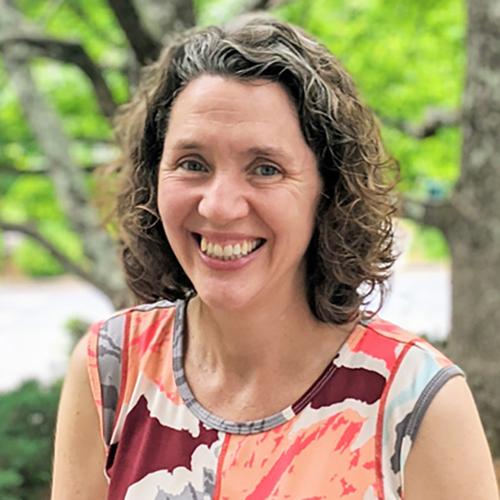
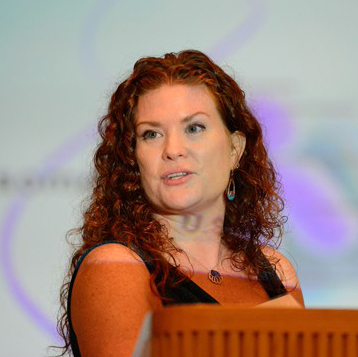
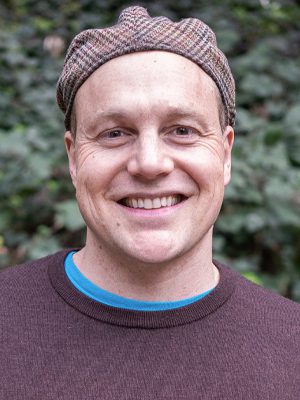
Nicole Gerardo is a Professor at Emory University and Director of the Graduate Division of Biological and Biomedical Sciences. Her lab studies evolutionary ecology in insect-microbe systems, including aphid-bacteria symbioses and fungus-growing ants. Education includes a Ph.D. from University of Texas at Austin (2004) and B.A. from Rice University (1997). Research integrates experimental evolution , genomics , and field ecology to address: Mechanisms of symbiont-mediated pathogen defense Transmission dynamics in mutualisms Host immunological trade-offs Agricultural applications of protective microbes Recent work examines priority effects in symbiont colonization, monarch butterfly microbiomes, and coevolution in ant-fungal systems. Field sites span Panama, Brazil, and agricultural ecosystems.
Rachel O'Neill serves as a Board of Trustees Distinguished Professor in the Department of Molecular and Cell Biology at the University of Connecticut's College of Liberal Arts and Sciences. Her research bridges molecular genetics, cytogenetics, and computational genomics to investigate fundamental mechanisms of genome stability and evolution across diverse eukaryotic species. Her primary research interests focus on retroelement transcription, centromere function, chromosome evolution, and species-specific genomic adaptations. O'Neill's lab pioneers telomere-to-telomere (T2T) genome assembly methodologies using next-generation sequencing technologies, establishing non-traditional model organisms including marsupials, monotremes, birds, marine species, plants, and insects for comparative genome biology studies. Human Telomere-to-Telomere Consortium Primate T2T Consortium Gibbon T2T Consortium Earth Biogenomes Project Ruminant T2T Consortium Fly T2T Consortium Deep Ocean Genomes Project Antarctic Genomes Consortium Colossal Foundation UConn’s Biodiversity and Conservation Genomics program O'Neill's recent publications (2021-2025) demonstrate leadership in large-scale genomics initiatives, with significant contributions to understanding centromere biology, sex chromosome evolution, and conservation genomics. Her work spans marsupial mole genomics, ruminant chromosome evolution, and epigenetic regulation of X-chromosome inactivation, reflecting her lab's broad impact across evolutionary biology, conservation, and fundamental genome science. Her laboratory actively trains students through cohort-based programs including the RaMP Cohort and Biodiversity and Conservation Genomics Program, securing substantial collaborative funding through multi-institutional consortia. The lab maintains strong infrastructure for advanced genome assembly and epigenomic analysis, with particular expertise in challenging repetitive regions and non-model organism genomics.
Dr Ruan Elliott is Dean of the Doctoral College and Senior Lecturer in Nutrition at the University of Surrey's School of Biosciences. He holds a PhD in Nutritional Metabolism (2017) and BA in Natural Sciences from Cambridge (1988). His research focuses on nutritional modulation of DNA repair mechanisms, functional genomics in nutrigenomics, and micronutrient homeostasis of iron, copper, selenium, and zinc. He has led studies on vitamin D efficacy, food bioavailability, and oxidative stress biomarkers. Education: PhD (University of Surrey, 1992), BA (University of Cambridge, 1988) Previous Roles: Senior Scientist (Institute of Food Research, 1994-2009), Postdoctoral Fellow (University of British Columbia, 1992-1994) His research integrates molecular biology and nutrition to address health impacts of dietary components. Recent work explores oat-based milk alternatives' sensory profiles, vitamin D supplementation efficacy, and DNA repair pathways in cardiovascular disease. He collaborates internationally on projects like the D2-D3 Study and NuGO initiatives. Publications emphasize translational research, including systematic reviews on insect protein efficacy and meta-analyses of vitamin D supplementation. His work bridges lab-based models (e.g., Caco-2 cells for iron studies) and clinical applications. No scientific awards were explicitly listed in the provided texts. He advises on doctoral training programs and has contributed to grant-funded projects like the University of Surrey's food and infection biosciences initiative (2024). Collaborations include studies on probiotics' immune effects and transcriptomic analysis of metabolic conditions.
Yang Kuang is Professor of Mathematics at Arizona State University's School of Mathematical and Statistical Sciences, with joint affiliations with the CRESMET and Mathematical Computational Modeling Sciences Center. His research bridges mathematical biology, oncology, population dynamics, and delay differential equations. His cancer modeling investigates glioblastoma growth mechanisms, tumor-immune interactions, and prostate cancer treatment optimization. Ecological work pioneers stoichiometric modeling of producer-grazer systems and virus-host-environment interactions. He directs NSF-funded projects including 'Mathematical Classification of Complexity in Population Dynamics' and 'Predictive Modeling of Pattern Formation'. Publications demonstrate recurring themes: reaction-diffusion tumor models, wastewater-based epidemiology during pandemics, and ecological stoichiometry. His textbook Introduction to Mathematical Oncology establishes core frameworks for cancer modeling.
Matthew Ronshaugen is a Senior Lecturer in the Division of Developmental Biology & Medicine (L5) at the Faculty of Life Sciences, University of Manchester. He has held academic positions since 2007 as a Manchester Fellow, followed by Lecturer (2012-2017), and Senior Lecturer since 2017. 1991-1995: Bachelor of Arts in Philosophy and Linguistics, University of Nevada, Las Vegas 1995-1997: Master of Science in Systematics, University of Nevada, Las Vegas 1997-2002: Doctor of Philosophy in Cell and Molecular Biology, University of California, San Diego 2003-2007: Ruth L. Kirschstein NIH Postdoctoral Fellow at University of California, Berkeley His research focuses on non-coding RNAs (ncRNAs), particularly their roles in gene expression and developmental differentiation. His lab investigates how ncRNA evolution contributes to metazoan body plan diversification, centering on the Hox complex—a conserved genomic region rich in ncRNAs. He uses tiling microarrays and fluorescent in situ hybridization to analyze ncRNA dynamics in Drosophila, Tribolium, and Parhyale. Recent publications highlight his work on miRNA functions in embryonic development, aging-related changes in myeloid cells, and comparative transcriptomics across arthropods. His team employs genetics tools to dissect ncRNA roles in transcriptional regulation, epigenetic control, and silencing mechanisms. Scientific Awards: Ruth L. Kirschstein NIH Postdoctoral Fellow Manchester Fellow He supervises research on developmental transcriptomes and contributes to datasets on piRNA expression and Hox complex analysis. Collaborations span immunology, genomics, and evolutionary development, with outputs cited in fields like RNA interference, transgenics, and wound healing.
Ottar Bjornstad is a Distinguished Professor of Entomology and Biology at Pennsylvania State University, holding the Huck Chair of Epidemiology. He is affiliated with multiple research centers, including the Center for Infectious Disease Dynamics, One Health Microbiome Center, and Center for Mathematical Biology. His research focuses on population ecology, epidemiological modeling, and the mathematical foundations of infectious disease dynamics. He investigates how climate change affects ecological systems, transmission patterns of zoonotic diseases, and the interplay between host demographics and disease spread. Recent publications highlight his work on dengue virus transmission, vaccine distribution logistics, and age-structured epidemic models. His studies span disciplines including ecology, virology, and computational epidemiology. Elected to Norwegian Academy of Sciences and Letters (2021) He collaborates with institutions worldwide, addressing global health challenges like Lassa virus spread and measles persistence mechanisms. His methodological contributions include statistical frameworks for epidemic analysis and spatial synchrony metrics.
Dr. Troy Anderson is a Professor in the Department of Entomology at the University of Nebraska-Lincoln. His research focuses on arthropod-borne disease prevention, pollinating insect protection, and beneficial insect conservation, integrating entomological and chemical sciences to advance human, animal, and environmental health. B.S. in Biological Sciences, Wichita State University, 1999 M.S. in Ecotoxicology, Wichita State University, 2001 Ph.D. in Insect Toxicology, Kansas State University, 2006 Post-Doctoral Fellow in Neurotoxicology, Virginia Tech, 2008 Anderson’s research program spans basic to applied studies in insect physiotoxicology, targeting chemical modes of action, resistance mechanisms in pathogen-transmitting arthropods, and mitigating agrochemical risks to beneficial insects. His work employs toxicology, biochemistry, electrophysiology, genomics, and molecular biology to address global vector control and pollinator health challenges. His recent publications highlight trends in mosquito control, insecticide resistance management, and pollinator protection. Key themes include the role of potassium ion channels in honey bee immunity, the impact of environmental stressors on detoxification enzymes, and the development of biorational compounds to counter pesticide resistance. Collaborations and international partnerships underpin his transformative approach to sustainable entomological solutions. As of the latest records, Dr. Anderson actively contributes to his field without indications of part-time status or awards listed. His work remains central to advancing both scientific understanding and practical applications in entomology and toxicology.
James B Nardi serves as a Researcher in the Department of Entomology at the University of Illinois Urbana-Champaign, with 64 scholarly outputs including a 2023 Princeton University Press book. His work focuses on insect model systems like Manduca sexta and hemipterans to investigate developmental biology, immunology, and host-microbe symbiosis through cellular and morphological analyses. Dr. Nardi's research centers on Insect Immunology, Developmental Biology, and Entomology, with key investigations into hemocyte function, epithelial monolayer dynamics during metamorphosis, and microbial interfaces in insect midguts. His fingerprint analysis highlights Manduca Sexta (100%), Hemocytes (61%), and Epithelial Cells (53%) as core research pillars, utilizing advanced techniques to study tissue remodeling and immune responses. Recent publications (2018-2023) reveal concentrated exploration of insect midgut physiology and developmental transitions, particularly protein secretion during molting, luminal membrane structures in lace bugs, and abdominal epithelial remodeling in Manduca. These studies bridge Cell Biology, Microbial Ecology, and Insect Physiology, emphasizing the interplay between developmental processes and microbial associations. Scientific Awards: No awards, fellowships, or medals were documented in the source materials. Advising and grants: Information regarding student mentorship, postdoctoral supervision, or research funding sources was not provided in the available data. Laboratory infrastructure: While collaborations with Miller, Bee, and Wallace are evident, specific research teams, laboratory facilities, or institutional centers were not described.
Jeri Barak is a Professor and Associate Dean for Academic Affairs at the University of Wisconsin-Madison's College of Agricultural and Life Sciences. She leads the Barak Lab, focusing on bacterial-plant interactions with implications for food safety. Education : BS in Marine Biology and English (San Jose State University, 1993); PhD in Plant Pathology (UC Davis, 2000) Research Interests center on how plant pathogens like Xanthomonas gardneri and Pseudomonas syringae pv. tomato alter host physiology to create niches for secondary microbes, particularly Salmonella enterica . Her work examines: Pathogen-induced apoplast modifications Bacterial community dynamics in infected plants Vector-mediated pathogen transmission (e.g., leafhoppers, thrips) Environmental factors affecting colonization Foodborne pathogen persistence Publication Trends reveal a focus on Salmonella and Xanthomonas interactions in tomato and lettuce systems. Keywords include microbial ecology, plant-pathogen dynamics, and agricultural safety. Student Mentorship highlights include advising Sofia Weinstein , who spearheaded the UW Organic Collaborative and Electric Food Truck initiative. Outreach & Education involves teaching Global Food Security (PP311) and leading initiatives like the Food Recovery Network. Her lab bridges plant pathology and public health through applied research.
Lucia Zappalà is a Full Professor of General and Applied Entomology at the University of Catania's Department of Agriculture, Food and Environment (Di3A) since 2020. She serves as University Delegate for International Relations since 2019 and President of the European University Alliance EUNICE since 2024. Her research focuses on Hymenoptera parasitoids, integrated pest management (IPM), and pesticide effects on natural enemies. She is a member of the Italian Entomological Society's Agricultural Entomology section and the Italian National Academy of Entomology. PhD in Agricultural Entomology (University of Naples Federico II, 2001) Postdoctoral fellowship at University of Florida (2003) University of Catania faculty since 2006 Visiting professor at UC Berkeley (2015) Her research spans biological control agent discovery, pesticide risk assessment, and invasive pest management across Mediterranean agroecosystems. She has published over 300 indexed articles (h-index 37) on parasitoid-pest interactions and sustainable control strategies. Recent work examines botanical extract compatibility with natural enemies and essential oil-based plant defenses . She contributes to Phytoparasitica and European Journal of Entomology editorial boards. Scientific awards include a 2003 postdoctoral fellowship. She has served as Principal Investigator for national (FIR, PRIN) and international (FP7, ARIMNET 2) projects, and contributes to EFSA's Plant Health Panel. Her laboratory (Biocontrol Lab, Di3A) conducts applied entomology research on invasive Hemiptera and quarantine pest evaluations .
Louisa Wu is an Associate Professor in the Department of Molecular & Cellular Biology at the University of Maryland. Her research focuses on host defense mechanisms against pathogens, particularly the innate immune response in Drosophila melanogaster. She investigates signal transduction pathways and cellular interactions critical for immune function. Dr. Wu earned her Ph.D. from the University of California, San Diego in 1995. Her work combines genetic, biochemical, and cellular approaches to understand how insects combat infections. Recent studies include analyzing phagocytosis assays in vivo and the role of autophagy in immune regulation. She has contributed to elucidating Toll pathway roles in antiviral defenses and identified key genes like Rab14 and ird1 in bacterial immunity. Dr. Wu is affiliated with the BISI-Molecular & Cellular Biology (MOCB) graduate program. Her research has been published in journals such as Cell Reports, Journal of Immunology, and Development. While no specific awards are listed, her contributions to Drosophila immunity research are widely recognized. Her lab explores topics like RNA splicing factors' roles in immune regulation and vesicle trafficking pathways. Collaborations with colleagues like Norbert Perrimon and Eric Baehrecke highlight interdisciplinary approaches to studying immune mechanisms.
Abigail Bigham is an Associate Professor and Vice Chair for Undergraduate Studies in the Department of Anthropology at the University of California, Los Angeles (UCLA). Her research focuses on human population genetics, molecular evolution, and high-altitude adaptation, particularly in Andean and Tibetan populations. She holds a PhD in Anthropology from Penn State University (2008) and a BA in Anthropology from the University of Arizona (2001). Her team investigates genetic and epigenetic mechanisms underlying adaptation to hypoxia, diet, and infectious diseases. Key research areas include the genetic basis of altitude-related traits like hemoglobin concentration, pulmonary function, and metabolic adaptations. Her lab also explores the evolutionary impact of dietary changes (e.g., potato-rich diets in the Andes) and immune responses to pathogens such as HIV and dengue. Recent work includes epigenetic studies of high-altitude acclimatization and the functional validation of adaptive alleles. Dr. Bigham’s projects often involve interdisciplinary collaborations, integrating genomic data with physiological measurements and anthropological fieldwork. She has conducted field studies in Peru, Tibet, Guatemala, and Nepal, focusing on indigenous populations to understand how genetic variation contributes to survival in extreme environments. Her lab’s website (https://bigham-lab.anthro.ucla.edu/) provides access to datasets and research tools. Her academic contributions span over 50 peer-reviewed articles and grants addressing high-altitude physiology, evolutionary genetics, and global health. She actively advocates for ethical discussions on race and genetics, challenging simplistic biological determinism through public outreach and educational initiatives.
John Marshall is a Professor in the Department of Biostatistics and Epidemiology at the School of Public Health, University of California, Berkeley. His research focuses on using mathematical models to inform novel genetics-based strategies for mosquito control and to support efforts to control and eliminate mosquito-borne diseases such as malaria, dengue, and Zika virus. Dr. Marshall received his PhD in biomathematics from UCLA in 2008, with a dissertation on the use of GM mosquitoes to control malaria transmission. Prior to joining UC Berkeley, he worked on several aspects of this project as a PostDoc at the UCLA Center for Society & Genetics, the Malaria Research and Training Center in Mali, Caltech, and Imperial College London. His research interests include mathematical modeling of infectious diseases, genetics-based strategies for mosquito control, malaria elimination, dengue control, Zika virus control, gene drive systems, and vector control. He has developed the Mosquito Gene Drive Explorer (MGDrivE), a framework for testing gene-drive releases for mosquito-borne diseases control that models inheritance matrices, life-history, and migration across spatial landscapes. Dr. Marshall has secured significant funding for his research, including an $800,000 grant from the Bill & Melinda Gates Foundation in 2021 for genetics-based malaria mosquito control and an NIH grant in 2020 for mosquito movement and control research. He leads the Marshall Lab which collaborates with researchers from Tecnológico de Monterrey and IHME through the Mosquito Networks Taskforce (MoNeT). His recent publications demonstrate interdisciplinary work spanning epidemiology, genetics, computational biology, and vector control, with a focus on gene drive systems, surveillance methods, and cost-effectiveness analyses for malaria elimination. $800,000 grant from the Bill & Melinda Gates Foundation (2021) NIH grant for mosquito movement and control (2020) Dr. Marshall mentors numerous students and researchers including Héctor M. Sánchez C. (lead of MoNeT), Kevin Islas Abud, Luis Rodrigo Careaga Sotomayor, and others working on machine learning applications, network theory, and spatial analysis related to mosquito-borne diseases. He teaches courses PH 252B Modeling the dynamics of infectious disease processes and PH 295 Infectious disease modeling seminar at UC Berkeley.
Louis Lambrechts is a Researcher and Head of the Insect Infection & Immunity Group at the Institut Pasteur in Paris, France, within the Department of Virology. His research focuses on the ecology, evolution, and genetics of mosquito-virus interactions, particularly involving Aedes aegypti and arboviruses such as dengue and Zika. He leads a dynamic research team and multiple national and international projects funded by agencies including ANR and EU consortia. His research interests include arbovirus transmission dynamics, vectorial capacity, mosquito genetics, evolutionary ecology, host-pathogen interactions, and the role of microbiota in vector competence. He employs genomics, quantitative genetics, and experimental evolution to understand the mechanisms underlying variation in mosquito susceptibility to viral infection. His work has important implications for predicting and controlling arboviral disease outbreaks. Lambrecht’s recent publications reveal key insights into the genetic and environmental factors influencing arbovirus transmission, including the role of mosquito population variation in Zika transmission in Africa, the impact of endogenous viral elements, and the discovery of antiviral roles for cytochrome P450 enzymes. His research integrates molecular biology, field studies, and computational modelling, contributing to a comprehensive understanding of vector-borne disease systems. He has mentored numerous PhD students, postdoctoral researchers, and visiting scientists, fostering a collaborative and interdisciplinary research environment. His lab collaborates widely with institutions across Europe, Africa, and the Americas. Lambrecht’s work is supported by multiple ongoing projects such as CAZIKANO, INTRANZIGEANT, ANR PILGRIM, and LIPOARBO-IVI, focusing on Zika virus transmission, genetic drivers of vectorial capacity, and mosquito-virus specificity. His lab is also involved in broader initiatives like the LabEx IBEID and the Emerging Infectious Diseases program at Institut Pasteur.
Stamen Radulović is an Associate Professor at the Department of Nutrition and Botany within the Faculty of Veterinary Medicine. His academic role focuses on advancing research in animal nutrition and feed science, with affiliations centered on veterinary biosciences and agricultural technology. His research examines critical areas in animal husbandry, including: Feed Technology : Optimization of nutrient digestibility, alternative protein sources (e.g., insect meal), and selenium/vitamin supplementation in poultry and swine. Food Safety : Mycotoxin contamination in feeds, heavy metal bioaccumulation in animal products, and risk mitigation strategies. Sustainable Practices : Use of phytobiotics, essential oils, and prebiotics as growth promoters and antibiotic replacements. Radulović's publications (2012–2022) reflect a consistent focus on enhancing animal health and product quality through nutritional interventions. Key trends include feed additive efficacy, contaminant detection in animal products, and biotechnology applications in feed formulation. His work frequently involves collaborative studies with colleagues across veterinary and environmental sciences.