Jennifer A Berryمشاهده پروفایل
استاد مدعو
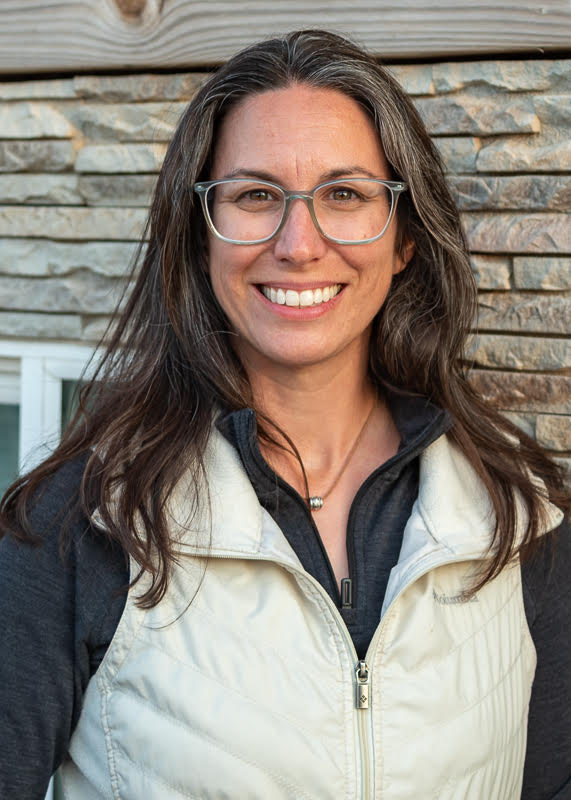
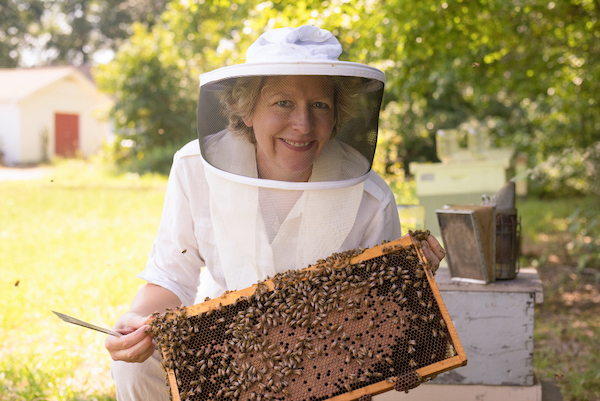
Jennifer A Berry serves as an Adjunct Professor in the Department of Entomology within the College of Agricultural & Environmental Sciences at the University of Georgia. With over 25 years of experience as the Apicultural Research Professional and Lab Manager for the UGA Honey Bee Program, she maintains a prominent role in both research and education. She teaches the UGA Entomology course 'Bees, Beekeeping and Pollinator Conservation' following her recent completion of a PhD in Entomology. Her educational background includes: PhD, 2024, University of Georgia, Entomology M.S., 2000, University of Georgia, Entomology B.S., 1997, University of Georgia, Entomology Berry's research spans honey bee health, queen breeding, pesticide effects on beneficial insects, and integrated pest management techniques for varroa mites and small hive beetles. Her work extends to pollinator conservation through habitat restoration and identifying optimal plantings for non-traditional horticultural landscapes. She has published extensively on practical beekeeping topics, with recent articles focusing on seasonal management, pest control, and international beekeeping practices. Her publications reveal a consistent focus on practical apicultural solutions, with particular emphasis on sustainable pest management and educational outreach. The trend shows increasing attention to social aspects of beekeeping, including prison rehabilitation programs and international education initiatives. Berry has made significant contributions to community engagement through multiple high-impact initiatives: Founding the Georgia Beekeeping Prison Program, certifying over 200 inmates through the UGA Master Beekeeper Program International volunteer work teaching beekeeping to women and teens in Central and South America Extensive public education on pollinator importance and native habitat restoration Regular column in Bee Culture magazine since 2005 with over 50 published articles As Lab Manager for the UGA Honey Bee Program, she oversees research operations while actively participating in field studies on queen breeding, pesticide effects, and IPM techniques. Her international speaking engagements reach diverse audiences from local beekeeping associations to international conferences, making her a prominent figure in both academic and practical apiculture circles.