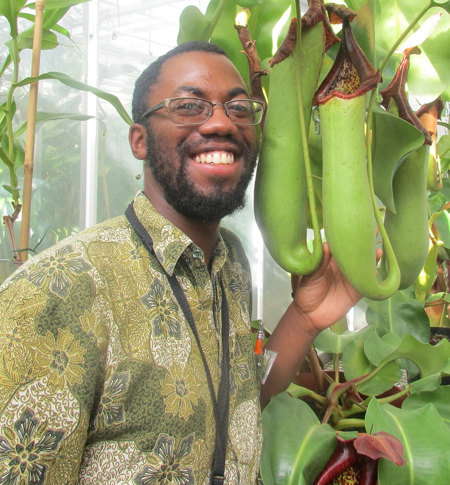
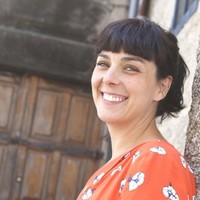
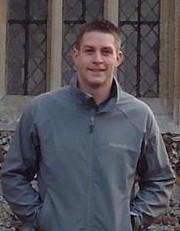
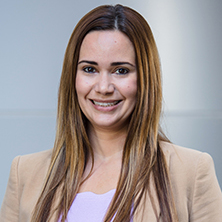
Kadeem Jamal Gilbert is an Assistant Professor at Michigan State University (MSU) affiliated with multiple programs and institutes: Plant Biology, Kellogg Biological Station, Molecular Plant Sciences Program, Plant Resilience Institute, and Ecology, Evolution & Behavior Program. His research focuses on plant-animal/microbe interactions, symbiosis, physiological regulation of leaf microenvironments, and carnivorous plants. Education: Ph.D. from Harvard University Dr. Gilbert's work integrates ecological and physiological approaches to study plant interactions with insects, microbes, and environmental gradients. His lab employs transcriptomics, chemical ecology, and community ecology frameworks to investigate carnivorous plant adaptations, phylloplane regulation, and global change impacts on species interactions. Recent publications highlight his research trajectory across plant physiology, microbial ecology, and evolutionary biology. These include studies on anthocyanin-mediated plant-insect interactions, fluid regulation in Nepenthes pitcher plants, and landscape-scale transcriptomic responses to environmental stressors. His work reveals fundamental insights about ecological filters in plant microhabitats and evolutionary tradeoffs in carnivorous species. Current research themes include plant volatile signaling in herbivore specialization, pH-mediated microbial community assembly, and ecological transcriptomics across environmental gradients. The Gilbert Lab maintains active outreach and press engagement while maintaining field sites at the Kellogg Biological Station.
Stephen Teale serves as Professor and Chair of the Department of Environmental Biology at the State University of New York College of Environmental Science and Forestry (SUNY-ESF), located in Illick Hall. His leadership spans academic administration and active research in forest entomology and chemical ecology. Teale's research centers on chemical signaling in forest insects, particularly pheromone systems of invasive species like Sirex noctilio (woodwasp) and Anoplophora glabripennis (Asian longhorn beetle). His work integrates chemical ecology with forest conservation, focusing on invasive species management through pheromone-based detection and biological control. Key themes include cuticular hydrocarbon communication, host-parasitoid interactions, and resin defense mechanisms in conifers. His publications demonstrate consistent expertise in identifying sex pheromones, optimizing chemical lures, and analyzing tri-trophic interactions between insects, fungi, and host trees. His recent publications reveal strong emphasis on invasive cerambycid beetles and siricid woodwasps, with frequent collaborations across North America and China. Notable contributions include the identification of female-produced pheromones in Anoplophora glabripennis and discovery of dual-attractant systems involving Amylostereum areolatum fungi. Research trends show progression from fundamental pheromone chemistry to applied pest management solutions. Teale actively mentors graduate students, currently advising Michaela Fitzgerald (PhD candidate in Environmental & Forest Biology). His teaching portfolio includes Entomology (EFB 352), Chemical Ecology (EFB 412/612), Insect Physiology (FCH 440), and Forest Health (EFB 570). As department chair, he shapes curriculum in forest entomology and chemical ecology. His scholarly impact is evident through 50+ publications since 1981, including the co-edited volume Forest Health: An Integrated Perspective (Cambridge University Press, 2011). Current research continues to address urgent forest health challenges through chemical ecology approaches.
Joanna Chiu is a Professor and Chair in the Department of Entomology at the University of California, Davis, affiliated with the College of Agricultural and Environmental Sciences and the UC Davis Genome Center. She holds a B.A. in Biology and Music from Mount Holyoke College and a Ph.D. in Molecular Genetics from New York University. Her research focuses on molecular mechanisms underlying animal behavior, circadian rhythms, seasonal biology, and insect genomics, with applications in pest management and agricultural science. Key research interests include understanding how circadian clocks integrate environmental cues like temperature and light to regulate physiology and behavior, particularly in insects. Her work involves molecular genetics, transcriptomics, and genomic tools to study pest species such as Drosophila suzukii and Tuta absoluta, addressing challenges like pesticide resistance and invasive species control. She has developed diagnostic tools (e.g., RPA-Cas12a assays) and software (e.g., CRUMB app) for analyzing insect behavior and genetics. Recent publications highlight studies on circadian temperature compensation, seasonal adaptation in insects, and the molecular basis of pest resistance. Her lab’s collaborations span entomology, genomics, and computational biology, with implications for sustainable agriculture and chronobiology. Grants and funding support her work on pest genomics, circadian mechanisms, and translational applications in pest control. Joanna Chiu mentors students and researchers in entomology, biochemistry, and genetics through UC Davis graduate groups (ENT, BMCDB, IGG, ABGG). Her lab actively contributes to genome assembly projects for agricultural pests and explores novel strategies for integrated pest management using molecular and genetic approaches.
John Grieco is a Research Professor in the Department of Biological Sciences and a joint faculty member at the Eck Institute for Global Health at the University of Notre Dame. He serves as Associate Director of the Eck Institute and co-director of the Belize Vector and Ecology Center (BVEC), where he leads a multidisciplinary research program focused on the ecology, behavior, and control of vectors of diseases such as malaria, dengue, Chagas, and Japanese encephalitis. University: University of Notre Dame School: College of Science Department: Department of Biological Sciences Position: Research Professor Joint Appointment: Eck Institute for Global Health Leadership Role: Associate Director, Eck Institute for Global Health; Co-Director, BVEC Dr. Grieco completed his Ph.D. at the Uniformed Services University, an M.S. at Texas A&M University, and earned his B.S. from the University of Notre Dame. His research spans vector behavior, spatial repellency, insecticide resistance, and disease risk modeling using GIS and remote sensing. He has led and collaborated on field studies in Belize, Thailand, Nepal, Peru, Mexico, and South Korea, and maintains partnerships with industry leaders such as BASF, SC Johnson, and Olfactor Laboratories. His recent publications highlight innovations in spatial repellent deployment, mosquito trap efficacy, and novel vector control strategies. The research consistently emphasizes translational outcomes for public health, particularly in low-resource settings. His work is supported by major initiatives including the Spatial Repellents Program, IMPACTS, AEGIS, and BRICC, often in collaboration with WHO, PAHO, and the Mayo Clinic. Dr. Grieco actively mentors undergraduate and Master of Science in Global Health students, supervising numerous capstone projects on vector-borne disease interventions. His lab, the Achee/Grieco Lab, is known for its field-based, interdisciplinary approach and commitment to training the next generation of global health scientists. Medical Entomology Vector Ecology and Behavior Vector Control Strategies Spatial Repellents and Irritants Infectious Disease Dynamics Disease Risk Mapping (GIS/Remote Sensing) Arbovirus and Malaria Transmission Scientific awards and honors are not explicitly mentioned in the provided texts. Dr. Grieco advises numerous students at both undergraduate and graduate levels, particularly through the Master of Science in Global Health program. His lab supports student research on topics including insecticide resistance, community perceptions of vector control, disease surveillance, and behavioral effects of repellents. He also leads the High-Throughput Screening System (HITSS) for evaluating vector behavioral responses. The Achee/Grieco Lab operates the Belize Vector and Ecology Center (BVEC), which conducts extensive field research, community outreach, and surveillance in Belize. BVEC collaborates with the Ministry of Health, University of Belize, and international partners. The lab also participates in global networks such as the Worldwide Insecticide Resistance Network (WIN) and the Remote Emerging Disease Intelligence NETwork (REDI-NET).
Mar Sobral Bernal is a Professor at the Department of Geography, University of Santiago de Compostela, Spain, affiliated with the Faculty of Geography and History. She holds a PhD from the same institution (2010) focusing on selection pressures on fruit traits in Crataegus monogyna . Her work emphasizes evolutionary ecology of plant-animal interactions and global change impacts on biodiversity, particularly carbon cycling. She has conducted research at CNRS (France) and Stanford University (USA), and collaborates with groups like ANTE and EcoPast. Research interests include plant defense mechanisms, transgenerational plasticity, functional diversity effects on soil carbon, and science outreach addressing gender equity. Key findings explore how mammal biodiversity influences soil organic matter composition and how herbivory shapes plant phenotypic traits across generations. Publications span plant-animal interactions, climate impacts on ecosystems, and biodiversity-carbon links. Her recent work highlights the role of functional traits in carbon dynamics and transgenerational effects of herbivory. She advocates for equitable science through outreach and policy engagement.
Lucia Zappalà is a Full Professor of General and Applied Entomology at the University of Catania's Department of Agriculture, Food and Environment (Di3A) since 2020. She serves as University Delegate for International Relations since 2019 and President of the European University Alliance EUNICE since 2024. Her research focuses on Hymenoptera parasitoids, integrated pest management (IPM), and pesticide effects on natural enemies. She is a member of the Italian Entomological Society's Agricultural Entomology section and the Italian National Academy of Entomology. PhD in Agricultural Entomology (University of Naples Federico II, 2001) Postdoctoral fellowship at University of Florida (2003) University of Catania faculty since 2006 Visiting professor at UC Berkeley (2015) Her research spans biological control agent discovery, pesticide risk assessment, and invasive pest management across Mediterranean agroecosystems. She has published over 300 indexed articles (h-index 37) on parasitoid-pest interactions and sustainable control strategies. Recent work examines botanical extract compatibility with natural enemies and essential oil-based plant defenses . She contributes to Phytoparasitica and European Journal of Entomology editorial boards. Scientific awards include a 2003 postdoctoral fellowship. She has served as Principal Investigator for national (FIR, PRIN) and international (FP7, ARIMNET 2) projects, and contributes to EFSA's Plant Health Panel. Her laboratory (Biocontrol Lab, Di3A) conducts applied entomology research on invasive Hemiptera and quarantine pest evaluations .
Joshua Benoit is a Professor of Biological Sciences at the University of Cincinnati, specializing in insect physiology and stress biology. His research focuses on mechanisms of insect stress tolerance, hormonal regulation of metabolism, and reproductive physiology, with applications to vector biology and pest control. He holds a B.S. in Biochemistry from Wittenberg University (2005) and a Ph.D. in Entomology and Physiology from Ohio State University (2009). His work integrates molecular, organismal, and population-based approaches to study medically important insects such as mosquitoes, tsetse flies, and ticks. Key research areas include insect lactation, dehydration tolerance, and the role of insulin in nutrient regulation. He leads the Benoit Lab , which emphasizes training biologists in diverse techniques (bioinformatics, field research, lab methods). Dr. Benoit has secured over $4.5M in federal grants, including NIH and USDA funding for projects on mosquito hydration, tick biology, and parasite resistance. Recent studies explore how environmental stress impacts vector-borne disease transmission and insect reproductive bottlenecks. His work bridges fundamental biology and applied pest management strategies.
Aleksi Lehikoinen is an Associate Professor at the University of Helsinki's Faculty of Biological and Environmental Sciences, holding a docentship and serving as Supervisor in the Doctoral Programme in Sustainable Use of Renewable Natural Resources and the Doctoral Programme in Wildlife Biology. He works in the Zoology Unit as Chief Superintendent and is based at the Biocenter 3 in Viikinkaari, Helsinki. His research focuses on ornithology, climate change impacts on biodiversity, and conservation biology, with extensive field work in Finnish ecosystems. Lehikoinen's research interests center on bird population monitoring, climate change effects on avian communities, and biodiversity conservation. His work examines how climate warming influences species distributions, community composition, and ecosystem functioning, particularly in boreal regions. He investigates the effectiveness of protected areas in mitigating climate change impacts and studies human-wildlife interactions through citizen science initiatives. His research combines long-term monitoring data with advanced statistical approaches to understand ecological patterns and processes. His recent publications (2024-2025) demonstrate a strong focus on climate change ecology, with particular attention to how warming temperatures affect bird communities in boreal regions. The research spans multiple scales from individual species responses to community-level changes, examining thermal niches, distribution shifts, and biodiversity-stability relationships. His work increasingly incorporates interdisciplinary approaches, connecting ecological monitoring with human dimensions of conservation through studies of citizen science and public engagement in bird monitoring. BirdLife Suomen kultainen ansiomerkki (2024) Environmental award of Sophie von Julins society to Hanko Bird Observatory (2010) Helsingin Seudun Lintutieteellisen yhdistyksen Tringan BirdLife -ansiomerkki (2011) Influencer of the year in the Finnish Museum of Natural History (2011) Newcomer of the year 2010 in the Museum of the Natural History (2010) Lehikoinen actively supervises doctoral students in sustainable resource use and wildlife biology programs. He leads multiple significant research projects including 'Lajien kumulatiiviset ja vuorovaikutteiset vasteet ilmastonmuutokseen' (2024-2028) funded by the Academy of Finland, 'HABITRACK RIA' (2024-2027) with the European Commission, and 'Digitaalinen kansalaistiedekeskus Erkko' (2024-2028) funded by the Jane and Aatos Erkko Foundation. His work combines scientific research with practical conservation applications. Lehikoinen is deeply involved in large-scale biodiversity monitoring initiatives, particularly bird population monitoring programs in Finland. He collaborates with the Finnish Museum of Natural History and participates in citizen science projects that engage the public in data collection. His work with the 'Lintuatlas' (Bird Atlas) project represents a significant contribution to understanding bird distribution changes across Finland, combining professional scientific monitoring with volunteer observations.
Dr Fernanda Cardoso is a Senior Research Fellow at the Institute for Molecular Bioscience, University of Queensland. She holds dual Brazilian-Australian citizenship and specializes in venom peptide-based biodiscovery and therapeutics development for neurological disorders such as chronic pain, motor neuron disease (MND), and irritable bowel syndrome (IBS). Her interdisciplinary expertise spans neuropharmacology, medicinal chemistry, and drug discovery. Education: Bachelor's, Universidade Federal de Minas Gerais (UFMG) MSc in Molecular Pharmacology, UFMG PhD in Biochemistry and Immunology, UFMG Research Interests: Mechanisms and therapies for chronic pain/visceral pain/IBS Neurodegeneration pathophysiology and drug development Venom pharmacology of spiders, cone snails, and snakes Structure-function relationships of venom peptides Voltage-gated ion channel modulation Grants & Projects: Current: Peptide Inhibitors Targeting Sodium Channels (2023-2026) Past: Multifunctional analgesic inhibitors (2020-2023), IBS pain therapies (2018-2019) Supervision: Recently advised 14 students on projects including ALS therapies, venom peptide characterization, and ion channel modulation. Current openings focus on venom bioactives and neurological disorder treatments. Achievements: Pioneered venom-based ion channel modulator discovery, identified neuroprotective venom peptides, and developed a schistosomiasis vaccine candidate. Her work bridges basic research with clinical applications for global health challenges.
Stamen Radulović is an Associate Professor at the Department of Nutrition and Botany within the Faculty of Veterinary Medicine. His academic role focuses on advancing research in animal nutrition and feed science, with affiliations centered on veterinary biosciences and agricultural technology. His research examines critical areas in animal husbandry, including: Feed Technology : Optimization of nutrient digestibility, alternative protein sources (e.g., insect meal), and selenium/vitamin supplementation in poultry and swine. Food Safety : Mycotoxin contamination in feeds, heavy metal bioaccumulation in animal products, and risk mitigation strategies. Sustainable Practices : Use of phytobiotics, essential oils, and prebiotics as growth promoters and antibiotic replacements. Radulović's publications (2012–2022) reflect a consistent focus on enhancing animal health and product quality through nutritional interventions. Key trends include feed additive efficacy, contaminant detection in animal products, and biotechnology applications in feed formulation. His work frequently involves collaborative studies with colleagues across veterinary and environmental sciences.
Elissa A Hallem is a Professor in the Department of Microbiology, Immunology, and Molecular Genetics at the David Geffen School of Medicine, University of California, Los Angeles (UCLA) . Her research lies at the intersection of neurobiology and parasitology , focusing on the sensory neural circuits that drive host-seeking behavior in skin-penetrating nematodes like Strongyloides stercoralis , a human-parasitic worm. She also investigates chemosensation , host-pathogen interactions , and sensory plasticity using both parasitic nematodes and the free-living Caenorhabditis elegans as comparative models. Education BA in Biology and Chemistry from Williams College (1999) PhD in Neuroscience from Yale University (2005) Postdoctoral training in Biology at Caltech (2010) Research Focus Her work addresses fundamental questions about how sensory circuits enable parasitic worms to detect and infect hosts. Key findings reveal the neural basis of heat seeking , chemosensory valence , and experience-dependent plasticity in nematodes. She has developed genetic tools for Strongyloides and studies steroid hormone pathways in Pristionchus pacificus . Scientific Awards 2023: UCLA Life Sciences Excellence in Research Award 2020: UCLA Faculty Mentor Award 2016: HHMI Faculty Scholar Award 2015: Burroughs-Wellcome Fund Investigators in the Pathogenesis of Disease Award 2014: NIH Director's New Innovator Award 2012: MacArthur Fellowship 2011: Rita Allen Foundation Fellowship Lab Overview The Hallem Lab at UCLA emphasizes inclusive research and tool development for parasitic nematode studies, aiming to uncover novel strategies for preventing infections through understanding sensory-driven parasitic mechanisms.
Miguel Prieto Maradona is a Professor at the Department of Hygiene and Food Technology , Faculty of Veterinary , Universidad de León. His research focuses on Food Safety , Biopreservation , and Antimicrobial Resistance in food systems. Research Interests: Microbial ecology in food processing Genomics-based safety assessments Regulatory compliance for novel foods Key Article Trends (2022-2024): Prior work emphasizes Listeria monocytogenes control, plasma-activated water applications, and QPS (Qualified Presumption of Safety) updates for food/feed microorganisms. His publications align with EU novel food regulations (Regulation (EU) 2015/2283). Labs/Teams: Affiliated with the research group NEWTEC (New Food Preservation Technologies and Food Safety).
Kristel Bernaerts is a Professor at KU Leuven's Faculty of Engineering Sciences within the Department of Chemical Engineering, leading research in Chemical and Biochemical Reactor Technology and Safety (CREaS). She serves as Program Director for POC Safety Engineering and holds multiple leadership roles including membership in the Faculty Council of Engineering Sciences and the Committee for Prevention and Protection at Work. Faculty of Engineering Sciences Chemical and Biochemical Reactor Technology and Safety (CREaS) iSi Health - KU Leuven Institute for Physics-based Modeling Her research focuses on microbial biotechnology with emphasis on oral microbiome engineering, biofilm dynamics, and chemical process safety. Key areas include probiotic delivery systems for periodontal treatment, microbial reactor optimization, and safety engineering for biological products. She develops innovative technologies like slow-release devices for oral probiotics and electrospinning-based encapsulation methods. Recent publications reveal strong trends in oral biofilm modulation (65% of 2023-2025 works), microbial community engineering (25%), and safety/risk analysis (10%). Her work bridges fundamental microbial ecology with clinical applications, particularly in periodontitis treatment and probiotic delivery. As an active supervisor, she mentors PhD candidates including Loverdou, N. and Bäcker, L.E. across interdisciplinary projects spanning chemical engineering, dentistry, and synthetic biology. Her current €15M+ research portfolio includes: EU-funded MICROTUNe platform for bioprocess optimization (2024-2030) Probiotic dry toothpaste development (2024-2027) Wood-eating beetle microbiome valorization (2023-2027) AI-driven antivirulent protein design (2024-2028) She leads the POC Safety Engineering program and contributes to chemical engineering education through courses on process safety, reactor engineering, and analytical chemistry.
Soumya Kar is a Researcher at Wageningen University & Research , specializing in animal nutrition and gut health. Their work bridges microbiome analysis, alternative protein development, and stress adaptation in livestock. Key Research Areas: Gut microbiome interactions, methane emission reduction in dairy cattle, intestinal integrity in broilers, epigenetic responses to heat stress, and insect-based feed alternatives. Notable Projects include leading 'Coupling gut metabolome to microbiome' and 'MicroBiome @ WUR.nl'. Their research has been featured in Frontiers in Microbiomes and Frontiers in Veterinary Science , with datasets on amine metabolites and endotoxin exposure. Collaborations span Wageningen teams and international partners, focusing on sustainable livestock systems and protein alternatives like black soldier fly larvae. Their work appears in 54 total research outputs, including 23 peer-reviewed articles.
Philip Matthews is an Associate Professor in the Department of Zoology within the Faculty of Science at the University of British Columbia. He leads the Matthews Lab, which focuses on Comparative Respiratory Physiology and Biomechanics. Dr. Matthews joined UBC in 2014 after completing his PhD at the University of Adelaide (2008) and holding ARC Postdoctoral Fellow and ARC Discovery Early Career Research Award positions at the University of Queensland (2008-2014). Dr. Matthews' research program centers on understanding the respiratory adaptations of insects, particularly those that have re-adopted an aquatic lifestyle. His work explores how insects have adapted their tracheal gas exchange systems to function in different environments, leading to investigations of unusual biomechanical systems in insects. Current projects include studying how aquatic chaoborid midge larvae control buoyancy and examining the energetics and mechanics of bugs that generate megapascals of tension within their feeding pumps to suck xylem sap from plants. The Matthews Lab employs a wide range of experimental techniques, including in vivo measurements using implantable fiber-optic sensors, flow-through respirometry systems, video tracking, and motion detectors. They have developed microscopic implantable oxygen sensors (FIETs) for non-invasive monitoring of O 2 levels within small organisms. The lab has published numerous high-impact papers in journals including Current Biology, Proceedings of the Royal Society B, and Journal of Experimental Biology, with several publications featured in the New York Times. Dr. Matthews has received significant funding for his research, including NSERC Discovery Grants, an NSERC Accelerator Award, and a CFI JELF grant for the Facility for the Study of Insect Adaptability and Physiology (FSIAP). His work has been recognized with prestigious awards, including the Journal of Experimental Biology's Outstanding Paper of 2019 for his research on spittlebug respiration. Dr. Matthews has mentored numerous graduate and undergraduate students, including PhD candidates, MSc students, and summer scholars. His former students have gone on to win awards and achieve success in their careers. He teaches courses including Biol 453 (Insect Physiology), Biol 325 (Introduction to Animal Mechanics and Locomotion), and Zool 503 (Comparative Animal Physiology Seminar Series). The lab is actively recruiting new PhD students for 2025/26 to study xylem feeding in cicadas and the evolution of biomolecular adaptations in Chaoborus midges.