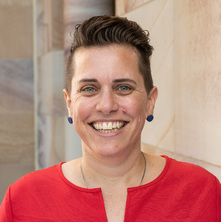
Louise McCuaig is an Honorary Associate Professor and Project Manager at the School of Human Movement and Nutrition Sciences at the University of Queensland. With a focus on health and physical education (HPE), she explores critical pedagogy, curriculum development, and the intersection of health education with social justice. PhD in Education from the University of Queensland (2008) Research interests: Critical HPE, health literacy, teacher education, school-family-community partnerships Collaborated with scholars like Eimear Enright, Doune Macdonald, and Karen Shelley Current projects: Teacher wellbeing interventions, external curriculum provision, and salutogenesis theory Her publications span books, book chapters, and 35+ journal articles, emphasizing policy analysis, critical discourse, and pastoral power dynamics. While her 2021 studies with Hepburn et al. highlight teacher stress management, her 2020 work with Quennerstedt and 2019 research with Shelley address physical literacy and boundary-spanning teaching roles. McCuaig's work challenges normative HPE practices and advocates for transformative educational frameworks that bridge health, policy, and social equity. She has contributed to global conferences on HPE curriculum redesign since 2007.
TEERAWATTANANON Yot is a medical doctor and health economist with significant contributions to global health policy. He currently serves as a Visiting Professor at the Saw Swee Hock School of Public Health , National University of Singapore, while maintaining primary affiliation with Thailand's Health Intervention and Technology Assessment Program (HITAP) . He is also a Non-resident Fellow at the Center for Global Development (2020-present) and co-founder of both HTAsiaLink and the international Decision Support Initiative (iDSI) . Research Focus: His work centers on health economic evaluation , health technology assessment (HTA) , and health systems research , with particular emphasis on equitable resource allocation, universal health coverage, and vaccine policy optimization. He has led capacity-building initiatives in HTA across Bhutan, China, Ethiopia, Ghana, India, Indonesia, Japan, Kenya, Korea, Laos, Myanmar, Nepal, the Philippines, South Africa, Sri Lanka, Tanzania, Timor-Leste, and Vietnam. Scientific Awards The Thailand Research Fund’s Outstanding Researcher of the Year (2015) Thailand Ministry of Public Health’s Best Research Award (2008) Best Podium Presentation, Asia-Pacific ISPOR Conference (2006)
Kathleen Liddell is the Herschel Smith Senior Lecturer of Intellectual Property Law at the University of Cambridge, where she serves as the Founding Director of the Cambridge Centre for Law, Medicine and Life Sciences and is a member of the Cambridge Centre for IP and Information Law. She holds degrees including a D.Phil from Oxford, LLB (hons) and BSc from Melbourne, and an MBioeth from Monash. With experience in both academic and practical legal settings, including private practice and public sector legal services for a health department, Dr. Liddell brings a comprehensive perspective to her interdisciplinary work at the intersection of law, medicine, and technology. Dr. Liddell's educational background reflects her interdisciplinary approach: D.Phil in Law from the University of Oxford, focusing on regulation of controversial genetic technologies in morally pluralist societies LLB (hons) and BSc from the University of Melbourne MBioeth from Monash University Her research focuses on health, medicine and society, with particular emphasis on intellectual property frameworks that govern medical innovation. Dr. Liddell examines how intellectual property rights both help and hinder the translation of medical discoveries into effective clinical treatments, and how these frameworks could be modified to be more effective and just. She leads international collaborations investigating intellectual property law across five key areas of bioinnovation: pharmaceutical repurposing, antibiotics, biologics, rare diseases, and machine-learning based precision medicine. Her work also addresses legal challenges in pre-mortem interventions for organ transplantation, regulatory gaps in healthcare, and the application of theoretical insights from regulatory and political theory to biomedical controversies. Dr. Liddell employs diverse legal methodologies including statutory and case law analysis, normative analysis drawing on moral philosophy, regulatory theory, empirical investigations (interviews, surveys, patent mapping), and expert meetings. She has made significant contributions to understanding the impact of patent law on life sciences innovation, particularly regarding genetic technologies, precision medicine, and diagnostic tools. Her notable scientific contributions include: Principal investigator for a major research project on intellectual property rights, precision medicine and genomic medicine (2015-2018) International collaborations on intellectual property law in bioinnovation Empirical studies on the impact of patent law on medical innovation Research on regulatory frameworks for emerging health technologies Analysis of legal implications for organ transplantation and antimicrobial resistance Dr. Liddell actively supervises research theses at all levels, including PhD students, and teaches across various courses including Law and Ethics of Medicine, Law, Medicine and Life Sciences, Intellectual Property, and the Law PhD Research Methodologies course. She also serves as a Senior Fellow at the University of Melbourne, teaching 'Law and Emerging Health Technologies.' Her research has significant practical applications, informing policy development in areas such as: Intellectual property frameworks for medical innovation Regulation of diagnostics and pharmaceuticals Legal aspects of precision medicine and genomic medicine Machine learning applications in healthcare Stem cell and regenerative medicine Gene editing technologies
Leah Christensen serves as Professor of Legal Writing at the University of San Diego School of Law, where she joined the faculty in 2018 after teaching positions at Thomas Jefferson School of Law, University of St. Thomas School of Law, and University of Wisconsin School of Law. Her educational background includes a JD from the University of Iowa College of Law (1995) and BA from the University of Chicago (1992). Her academic journey began with a clerkship for Justice William A. Bablitch of the Wisconsin Supreme Court, followed by legal practice in medical malpractice, environmental law, and public education law. Her research focuses on innovative legal pedagogy with special emphasis on neurodiverse learners, professional responsibility training, and evidence-based learning strategies for law students. Christensen's scholarly output reveals consistent thematic development across 13 publications from 2006-2018, demonstrating evolving expertise in legal education psychology. Her work increasingly addresses learning differences in legal training while maintaining strong connections to professional ethics and practical lawyering skills, reflecting both theoretical depth and practical application in legal education reform. Among her distinctions: Professor of the Year (2006-2013) Lewis and Clark Award for Innovation (2013) Awards from Black Allied Law Students Association (BALSA) Awards from Women Law Students Association (WLSA) She has received research grants from the Legal Writing Institute and Association of Legal Writing Directors. Christensen actively contributes to legal education discourse through presentations at American Association of Law Schools (AALS), Legal Writing Institute, and Law School Admissions Council conferences. Her empirical research methodology, particularly regarding student learning patterns and editorial processes in legal scholarship, demonstrates rigorous academic approach to improving legal education outcomes.
Joseph G. Allen is an Associate Professor at Harvard T.H. Chan School of Public Health, where he directs the Harvard Healthy Buildings Program and serves as Deputy Director of the Harvard Education and Research Center for Occupational Safety & Health . He holds leadership roles in major public health initiatives including as Commissioner for The Lancet COVID-19 Commission and Scientific Advisor to the White House (2022-2024). His work bridges environmental health, building science, and public policy to advance human health in indoor environments. Education: D.Sc. in Exposure Assessment, Environmental Epidemiology & Biostatistics – Boston University MPH in Environmental Health – Boston University BS in Biology – Boston College Certified Industrial Hygienist (CIH) Research Focus: Dr. Allen's work centers on indoor environmental quality and its impact on human health. His research examines: 1) Airborne pathogen transmission mitigation strategies, 2) Chemical exposure pathways in built environments, 3) Climate-resilient building design, and 4) Global health equity in environmental interventions. His studies employ field measurements, computational modeling, and epidemiological approaches to develop evidence-based building standards. Publications: His recent 15 publications demonstrate consistent focus on air quality interventions, chemical exposure assessment, and health-focused building design. Key themes include pandemic-responsive ventilation standards, PFAS contamination mitigation, global health equity in environmental interventions, and technological innovations in exposure monitoring. His work appears in both scientific journals and policy-oriented outlets like Harvard Business Review. Awards & Leadership: Scientific Advisor to White House & Massachusetts Governor Chair of Lancet COVID-19 Task Force for Safe Work/Schools/Travel Co-Chair of Harvard Sustainability Committee's 2050 Subcommittee Program Direction: As Director of the Harvard Healthy Buildings Program, Dr. Allen leads interdisciplinary research translating building science into public health practice. The program collaborates with governments and industries worldwide to implement health-focused building standards and exposure reduction strategies.
Emilio Villa González serves as a Professor at the University of Granada, Spain, within the Faculty of Sports Sciences and Department of Physical Education and Sports since 2017. As a founding member of the PROFITH research group (established 2013), he bridges academic expertise with a decade of prior professional experience in fitness centers as a personal training specialist. His academic credentials include a Bachelor's in Physical Activity and Sports Sciences from Alfonso X el Sabio University (2004-2009), followed by a Master's and Doctoral Program in Biomedicine at the University of Granada. He earned the Extraordinary Doctorate Award in the health area and holds two additional master's degrees plus four postgraduate expert qualifications. Professor Villa González's research centers on active displacement , physical condition assessment , muscle strength training for youth , physical activity promotion in educational contexts , sports initiation/specialization , and health-oriented fitness trends . His interdisciplinary approach integrates exercise science, public health, and educational theory to develop evidence-based interventions for youth health improvement. Analysis of his 2023-2025 publications reveals consistent focus on school-based interventions, particularly active commuting and muscular fitness. His work employs systematic reviews, meta-analyses, and RCTs with international collaborations, showing significant policy impact—such as influencing U.S. National Institute for Health guidelines through his 2018 active transport review. Emerging trends include gamified resistance training (RETRAGAM protocol) and physical literacy assessment within 24-hour movement frameworks. His scientific recognition includes: Extraordinary Doctorate Award for the health area While specific grant details aren't provided, his international research stays (Ecuador, Chile, New Zealand, Porto) and high-impact publications indicate active involvement in funded projects. His mentorship likely extends through PROFITH group initiatives, though student names aren't specified in source materials. The PROFITH research group forms his primary collaborative environment, uniting exercise scientists, public health experts, and educators to advance physical activity promotion through rigorous, policy-relevant research.
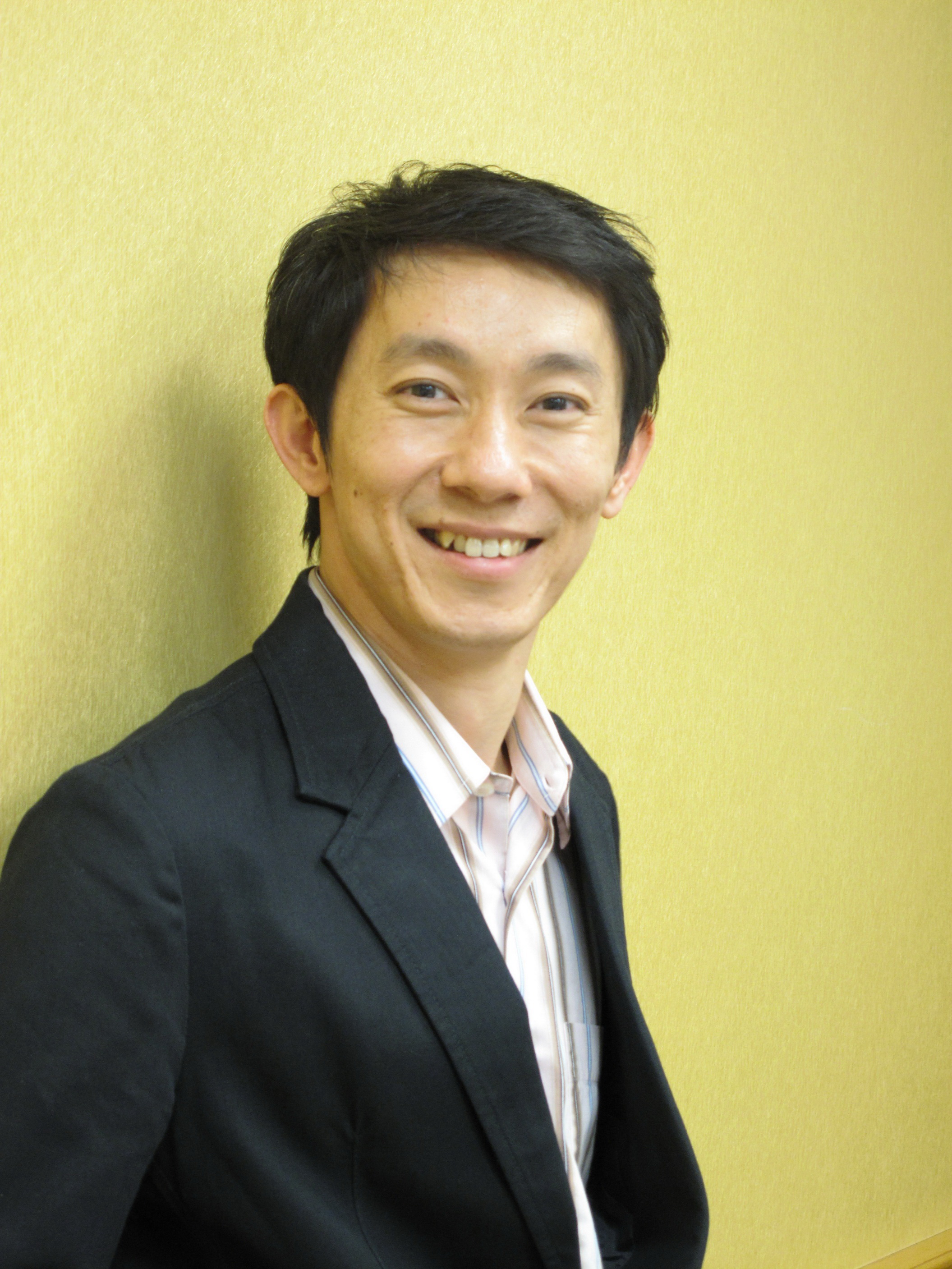
Edward S. Ahn, M.D., is a Professor of Neurosurgery and Pediatrics at Mayo Clinic in Rochester, Minnesota. As a pediatric neurosurgeon, he specializes in minimally invasive techniques for craniosynostosis, fetal surgery for myelomeningocele, and management of pediatric neurovascular disorders like arteriovenous malformations and moyamoya disease. Education: B.A. in Biology and East Asian Studies, Harvard University (1999) M.D., New York University School of Medicine (2000) Internship in General Surgery, University of Maryland Medical Center (2001) Residency in Neurosurgery, University of Maryland Medical Center (2006) Fellowship in Pediatric Neurosurgery, Children’s Hospital (2007) Dr. Ahn’s research focuses on improving surgical outcomes for children with neurosurgical conditions, including craniosynostosis , hydrocephalus , and Chiari malformation . He pioneered image-based craniometric diagnostics for early craniosynostosis detection and explores telehealth applications for neonatal cranial screening. His recent work analyzes machine learning integration in surgical diagnostics. His publications span pediatric neurosurgical outcomes , fetal interventions , and vascular anomaly management . Dr. Ahn serves on editorial boards for Journal of Neurosurgery: Pediatrics and Child's Nervous System , and has received multiple Top Doctor recognitions since 2011. He also contributes to surgical education as Director of Neurosurgical Medical Student Education at Johns Hopkins University (2013–2014).
Alessandro Di Vita is an Associate Professor at the Department of Psychological, Pedagogical, Physical Exercise and Training Sciences, School of Medicine and Surgery, Università degli Studi di Palermo (UNIPA). His work centers on educational psychology, career orientation, and pedagogical methodologies for adolescents and university students. Research Interests: Expressive writing for life planning, self-efficacy development, performance anxiety management, peer tutoring, and intercultural education. Key Projects: «Telemaco» (remote peer tutoring), «FOrCe» (career guidance interventions), and «FOrP» (school-university transition). Collaborations: Worked with international institutions like Universidad Austral (Argentina) and Universidad de Estudios de Palermo (Italy). His publications from 2007–2025 reflect a consistent focus on adolescent relationships, educational reform, and digital pedagogy. He has contributed to validation studies for psychological scales like the Worry Emotionality-Junior (WE-J) and developed methodologies such as «SeCo» for post-diploma decision-making. Alessandro also emphasizes Student Voice in educational processes, promoting active participation and resource utilization. Recent works include international comparative studies on peer tutoring and training programs for secondary school teachers.
Dr. Jennifer Huntsley serves as Senior Lecturer in Primary Education at York St John University's School of Education, Language and Psychology . With a background in primary teaching (UK) and international school leadership (Thailand), she specializes in reflective practice in teacher education and enterprise education integration. University of Cambridge QTS qualification (2008) Assistant Primary Principal, Thailand International School Senior Lecturer, University of Huddersfield (2016-2021) Her research explores epistemological tensions between academic theory and classroom practice through her PhD-in-progress, while developing critical interventions like academic writing support systems and enterprise education partnerships. Publications examine how reflective writing bridges university training and teaching placements. Current teaching responsibilities include: Primary PGCE Program English Curriculum Development Science Pedagogy Wider Curriculum Modules
Professor Kylie Tucker is a distinguished academic at the University of Queensland, serving as Professor and School Director of Teaching and Learning in the School of Biomedical Sciences within the Faculty of Health, Medicine and Behavioural Sciences. She is also an Affiliate of the Centre for Innovation in Pain and Health Research (CIPHeR) and currently serves as President of the International Society of Electrophysiology and Kinesiology (ISEK) for the term 2024-2026. Professor Tucker leads a dynamic research environment focused on advancing knowledge about muscles and movement control, with significant contributions to understanding how pain impacts movement, methods for estimating muscle forces, and assessment of childhood movement control and adolescent skeletal maturity. Professor Tucker earned her Bachelor of Arts, Bachelor of Science, and Doctor of Philosophy from the University of Adelaide. Her academic journey has positioned her as a leader in neuromuscular research, particularly in the areas of motor control and pain adaptation. Within the School of Biomedical Sciences, she has held significant leadership roles including Deputy Director of Teaching and Learning (2018-2020), inaugural chair of the REMEDE committee (2021-2023), and Director of Teaching and Learning (2024-2025). She also co-facilitates UQ's flagship Career Progression for Women program. Her research interests span motor control, pain research, biomechanics, electromyography, neuromuscular control, pediatric movement, scoliosis, and muscle physiology. Professor Tucker's work has transformed understanding of pain's impact on movement and advanced assessment methods for childhood movement control and skeletal maturity. She has recently proposed new insights into scoliosis progression, identifying unique muscle features that can be non-invasively detected early in curve progression. Approximately 3-7% of children worldwide develop adolescent idiopathic scoliosis, often requiring surgical intervention when conservative treatments fail. Analysis of Professor Tucker's recent publications reveals a strong focus on neuromuscular control mechanisms, particularly in relation to pain, scoliosis, and pediatric movement disorders. Her work integrates advanced methodologies including electromyography, shear wave elastography, and biomechanical modeling to investigate muscle function across diverse populations. A notable trend is her leadership in consensus projects (CEDE) establishing standardized methodologies for electromyography research, reflecting her commitment to methodological rigor in the field. Professor Tucker actively mentors the next generation of researchers, supervising numerous PhD students across projects related to scoliosis, knee osteoarthritis, pain research, and pediatric movement disorders. Her research is supported by significant funding including NHMRC MRFF EPCDR grants for chronic musculoskeletal conditions in children and the SRS Research Grant for novel insights into adolescent idiopathic scoliosis. She leads the Motor Control and Pain Research Lab, a collaborative environment bringing together basic science and clinical researchers. The lab focuses on two main research streams: Motor Control and Pain Research and Child and Adolescent Neuromotor Control Research. Professor Tucker teaches across 10 UQ programs with class sizes ranging from 70-1400 students, demonstrating her commitment to education alongside her research leadership.
Professor Irwin Nazareth serves as Professor of Primary Care and Population Science at University College London's Department of Primary Care & Population Health. He previously held leadership roles including Head of Department (2006-2015) and Director of the MRC General Practice Research Framework (2005-2012), and currently directs the PRIMENT Clinical Trials Unit. His work bridges clinical practice, research, and education in primary care settings. His research spans mental health in primary care , with specific focus on depression, anxiety, psychosis, addiction disorders, and unexplained medical symptoms. Methodologically, he specializes in designing complex intervention trials and analyzing big data from clinical databases. His work extends internationally across Europe, South America, Africa, and South Asia, with significant projects in India. Nazareth's recent publications reveal strong trends in functional neurological disorders (particularly Physio4FMD trials), epilepsy dietary interventions (KIWE trials), and digital health solutions for tobacco cessation. His work consistently combines clinical neurology, mental health, and innovative trial methodologies with practical primary care applications. As an educator, he supervises doctoral students in Primary Care and Mental Health, teaches clinical medicine to medical students, and provides continuing education for GPs. He also leads Commonwealth Fellowship programs training healthcare professionals from Africa, India, Southeast Asia, and the Caribbean. Secured major funding from MRC, Wellcome Trust, Cancer Research UK, European Commission, and NIHR Extensive international collaborations across multiple continents Focus on implementation of research findings into clinical practice Expertise in complex intervention trials and big data analysis
Professor Marilyn Lennon is a leading academic in the Department of Computer and Information Sciences at the University of Strathclyde , holding the title of Professor in Digital Health and Care. She founded and directs the Digital Health and Wellness Group (DHaWG) , focusing on multidisciplinary research for designing, evaluating, and implementing digital technologies that enhance individual and population health and wellbeing. First class BSc in Psychology (University of Glasgow, 1998) PhD in Computing Science (University of Glasgow, 2002) Postgraduate diploma in academic practice (Fellow of Higher Education Academy) With over two decades of experience in Human-Computer Interaction (HCI) , usability, and user-centered design, her research spans wearable and mobile technologies for home healthcare, including remote monitoring (predictive falls monitoring), remote diagnosis (colon capsule technology evaluations), and smart home solutions for social care. She specializes in addressing technical and social barriers to real-world health technology implementation, emphasizing robust yet rapid evaluation methods. Recent publications highlight her work in 3D healthcare visualization, telehealth implementation, and medication management systems. Her research combines lab-based usability testing with real-world ('in the wild') evaluations of technologies like smart home systems and telehealth solutions. Key trends include cross-disciplinary collaboration, accessibility for sensory-impaired individuals, and AI-driven healthcare innovations. Scientific Awards MyCity: Glasgow - Gamechanger Award (Gold Medal) 2025 Images of Research 2025 Shortlist Emerald Outstanding Paper Award 2013 Best Paper Award (most replicable scientific paper) 2013 As course director for the Masters in Digital Health Systems , she has supervised 5 PhD students (2 completed) and over 100 honors projects. Current projects include the No Need to Fall initiative funded by the Health Foundation (£400k) and the PREMIO project co-creating clinical trials in advanced breast cancer. She maintains active collaborations with NHS, charities, and international institutions like the University of Waterloo.
Professor Natalie Ciccone is a Professor in Speech Pathology at Edith Cowan University's School of Medical and Health Sciences. She joined ECU in 2009 after working in Speech Pathology programs at Curtin University since 1999. Professor Ciccone is currently involved in two NHMRC-funded projects: a multi-centre randomized control trial of very early intervention for people with aphasia after stroke and an exploration into communication disorders after stroke and traumatic brain injury in Aboriginal peoples in Western Australia. Her educational background includes a Doctor of Philosophy in Human Communication Science from Curtin University of Technology (2003) and a Bachelor of Science in Speech & Hearing Science from the same institution (1996). Professor Ciccone's research focuses on neurogenic communication disorders, particularly aphasia intervention, clinical decision making, communication difficulties after stroke in Aboriginal Australians, and the use of discourse in the analysis and treatment of aphasia. Her work bridges clinical practice with culturally responsive care, emphasizing the importance of understanding communication disorders within specific cultural contexts, particularly for Aboriginal populations. Analysis of her recent publications reveals a strong emphasis on culturally responsive rehabilitation for Aboriginal Australians with brain injuries, early intervention for aphasia after stroke, treatment fidelity in clinical trials, and innovative educational approaches in speech pathology. Her work shows a consistent trajectory toward addressing health disparities and developing culturally safe rehabilitation practices. Member of the Editorial Committee for the Journal of Clinical Practice in Speech Language Pathology Active participant in national and international speech pathology and allied health conferences Professor Ciccone has supervised numerous research students, including PhD candidates and Master's students, with projects focusing on aphasia rehabilitation, simulation-based learning, and culturally responsive care. Her research projects have secured substantial funding from organizations including the National Health and Medical Research Council, Department of Health WA, and the Perron Institute for Neurological and Translational Science. She has led projects totaling over $8 million in research funding, with current projects focusing on AI-driven virtual character simulation for aggression de-escalation training and enhancing rehabilitation services for Aboriginal Australians after brain injury. Professor Ciccone maintains active clinical connections, having worked as a speech pathologist in acute and rehabilitation hospital settings as well as community-based clinics in Perth and Darwin, primarily working with patients with communication and swallowing difficulties following stroke and head injury.
J. Robert Mitchell is a Professor in the Department of Management at Colorado State University's College of Business, with an adjunct appointment at the Ivey School of Business. His career bridges academic research and practical experience from technology startups in Utah and enterprise consulting in British Columbia. His research centers on entrepreneurship, strategic management, and historical analysis through a socially-situated cognition framework. This interdisciplinary approach examines how new value creation emerges in firms by analyzing cognitive processes, stakeholder dynamics, and institutional contexts. Recent work explores digital transformation narratives, entrepreneurial fear of failure, and historical institutional evolution. Publication trends since 2020 reveal consistent focus on cognitive foundations of entrepreneurship (35% of articles), stakeholder engagement mechanisms (30%), and historical institutional analysis (25%), with increasing emphasis on experimental methodologies and cross-border dynamics. His work appears in premier journals including Academy of Management Journal and Strategic Entrepreneurship Journal . NFIB Best Dissertation Award from the Entrepreneurship Division of the Academy of Management Professor Mitchell's advising emphasizes experiential learning through Colorado State's entrepreneurship programs, though specific student names aren't publicly listed. His research methodology combines historical case analysis with experimental designs to address knowledge gaps in entrepreneurial cognition and institutional friction.
Dr. Saila Poulter is a Senior University Lecturer at the Department of Educational Sciences, University of Helsinki, and a supervisor in the Doctoral Program in School, Education, Society and Culture. She co-leads the Learning, Culture & Interventions (LECI) and Humanities and Social Sciences Education (HuSoEd) research units. Docent, University of Jyväskylä (since 2018) Visiting Researcher, Aarhus University (2025–) Her research spans existential psychology in education, worldview diversity, and early childhood curriculum innovation. Recent projects focus on climate crisis pedagogy, citizenship education, and grief support for children. Key trends include narrative methods, intercultural dialogue, and ethical education frameworks. 2024: Työyhteisöteko award for collaborative projects 2015: Finnish Association of Science Education Research Doctoral Thesis Award 2014: Best Article of 2013, Kasvatus-lehti Poulter has advised doctoral researchers in projects like CiTe (2023–2027) and KUPERA (2018–2021), with 116 activities recorded across conferences, public talks, and media engagements. She actively participates in academic networks and has 109 publications, including book chapters and peer-reviewed articles.


/prod01/yorksjacuk/media/content-assets/staff-profile-images/Jennifer-Huntsley.jpg)