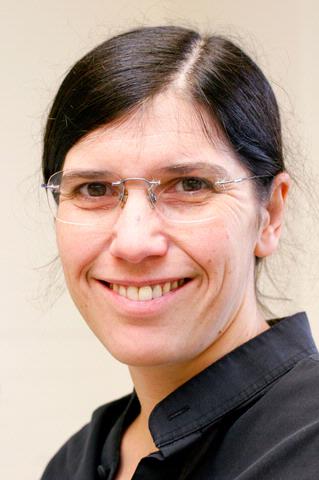
Christopher R. Cederroth is an Associate Professor and Senior Researcher at the Karolinska Institutet, Department of Physiology and Pharmacology. He leads the Translational Auditory Neuroscience research group, which focuses on understanding the mechanisms of hearing loss and tinnitus to develop preventive and curative strategies. His research employs a dual approach using animal models and human genetics to identify therapeutic targets. Research Interests: Molecular Mechanisms: Synaptic decoupling in the ear and homeostatic plasticity in the brain during tinnitus. Translational Auditory Neuroscience: Bridging basic research with clinical applications for hearing disorders. Genetic Epidemiology: Identifying genetic risk factors for tinnitus and hearing loss through GWAS and family studies. Neuroimaging & Electrophysiology: Characterizing neural signatures of tinnitus severity and auditory processing deficits. His recent publications (2021–2025) demonstrate a strong focus on large-scale genomic studies (e.g., GBD collaborations), innovative therapeutic approaches (e.g., cochlear gene therapy), and neurophysiological characterization of tinnitus. Trends include leveraging global health datasets, advancing gene-editing techniques for hearing restoration, and exploring cortical/subcortical biomarkers for auditory pathologies. Labs and Teams: Heads the Translational Auditory Neuroscience group at Karolinska Institutet, fostering collaborations with clinical researchers and industry partners to accelerate drug development for hearing disorders.
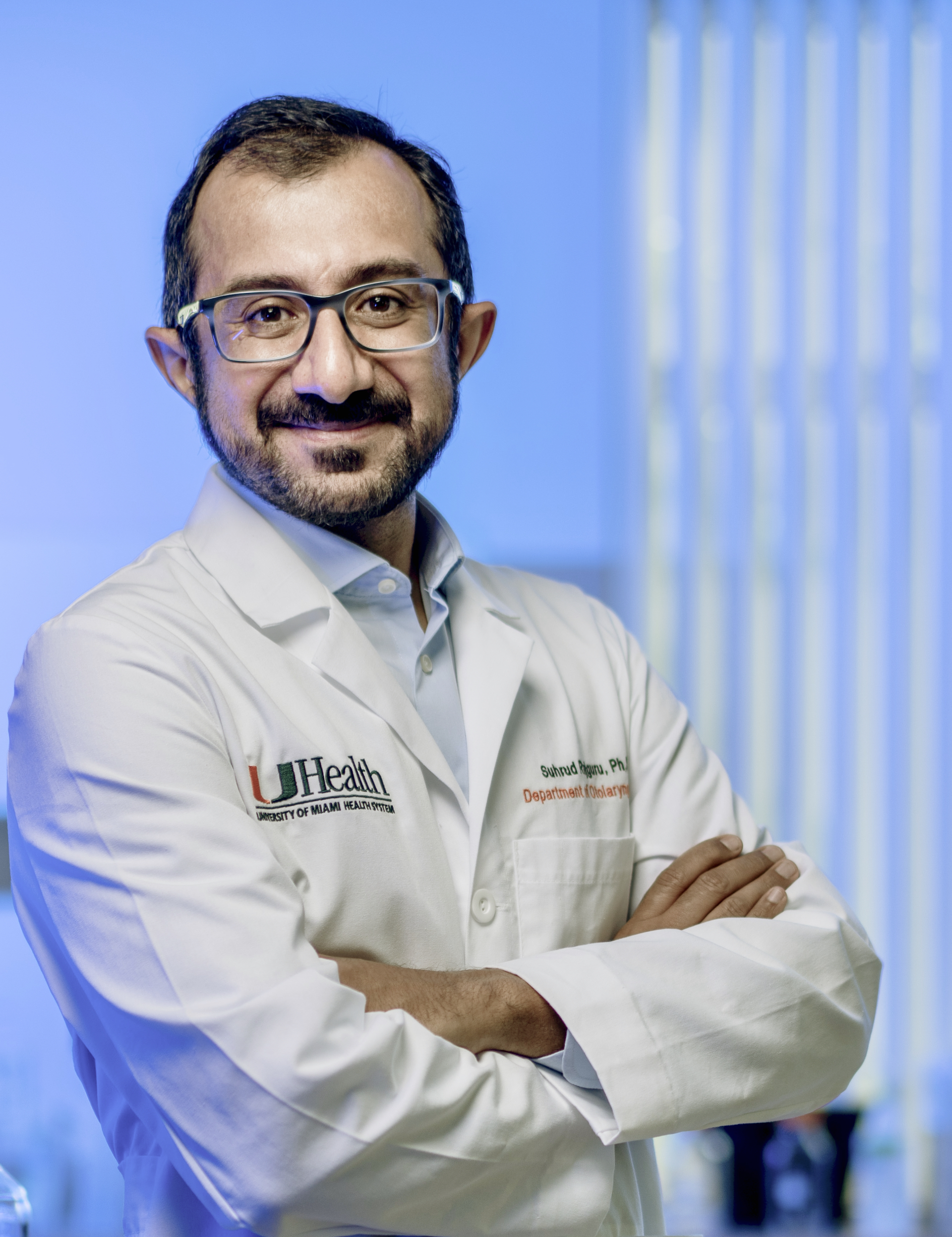
Suhrud M Rajguru is a Professor in the College of Engineering at the University of Miami, holding dual appointments in Biomedical Engineering and Otolaryngology/Head & Neck Surgery. His research focuses on neuroprotection strategies for auditory and vestibular systems, particularly targeting noise-induced hearing loss (NIHL) and cochlear injury. Assistant Vice Provost for Research Workforce Development Director of the University of Miami CTSI Workforce Development Research Interests encompass therapeutic hypothermia, apoptosis inhibition, and biomedical device development for inner ear protection. His work bridges computational modeling, molecular biology, and clinical translation to address NIHL mechanisms and interventions. Mild Therapeutic Hypothermia (MTH) for cochlear and vestibular protection Transcriptomic analysis of hypothermia-induced neuroprotection Vestibular system damage in occupational noise-exposed populations Novel medical devices (e.g., transcanal catheter, cooling neck collar) Link between NIHL and neurodegenerative diseases like Alzheimer's Article Trends highlight MTH as a central theme, with applications in cochlear injury, vestibular system protection, and pharmacological strategies like pan-caspase inhibition. Studies range from rodent models to human clinical trials, emphasizing translational research. Grants & Research include work supported by the University of Miami CTSI and collaborative efforts with institutions like the Miller School of Medicine. His lab investigates biomarkers for NIHL and develops non-invasive otoprotective therapies.
Dr. Fangyi Chen is an Associate Professor in the Department of Biomedical Engineering at Southern University of Science and Technology (SUSTech), where she has been faculty since 2012. She previously served as Executive Chair of the Department of Biomedical Engineering from 2016 to 2018. Her research focuses on auditory and vestibular physiology, with particular emphasis on developing innovative methods for evaluating hearing and balance function in model organisms. Dr. Chen received her academic training at prestigious institutions: BS in Biomedical Engineering from Tsinghua University (1997) MS in Biomedical Engineering from Tsinghua University (2000) PhD in Electrical Engineering from Boston University (2005) Postdoctoral training at Oregon Health and Science University (2005-2006) Dr. Chen's research program centers on auditory and vestibular physiology, with several major themes. She has pioneered the development of vestibular function testing systems for zebrafish and mice that use eye movements as primary parameters, enabling automated, quantitative, and precise evaluation of vestibular damage. Her work spans multiple disciplines including hearing physiology , vestibular function , inner ear hair cell development , mechanisms of vertigo and tinnitus , and animal behavior analysis . Her research instruments are used by institutions such as Stanford University, the University of Virginia, Creighton University, and Tsinghua University. Analysis of Dr. Chen's recent publications reveals a strong focus on translational research bridging basic science and clinical applications. Her work frequently employs zebrafish and mouse models to study hearing and balance disorders, with particular attention to hair cell development and regeneration , vestibular function assessment , and genetic models of hearing loss . Many of her publications appear in high-impact journals including Nature Neuroscience, Journal of Neuroscience, and Frontiers in Cellular Neuroscience, demonstrating the significance of her contributions to the field. Dr. Chen has received notable recognition for her work: The Recruitment Program of Global Youth Experts, China central government (2012) Postdoctoral Fellow, Cochlear Mechanics Lab, Oregon Hearing Research Center (2005-2006) Dean's Award for the best Poster in Science and Technology Day, Boston University (2003) Dean's Fellowship, College of Engineering, Boston University (2000-2001) Dr. Chen has been actively involved in mentoring students and securing research funding. Her laboratory has developed specialized equipment for vestibular function testing that is now used by multiple international institutions, indicating successful technology transfer and research impact. She has established collaborations with researchers across various disciplines, including neuroscience, genetics, and biomedical engineering. Her research team focuses on developing and applying advanced techniques for auditory and vestibular assessment, with particular expertise in video-oculography, behavioral analysis, and molecular approaches to study sensory function. The lab maintains specialized facilities for working with zebrafish and mouse models, including equipment for precise vestibular function testing without surgical intervention.
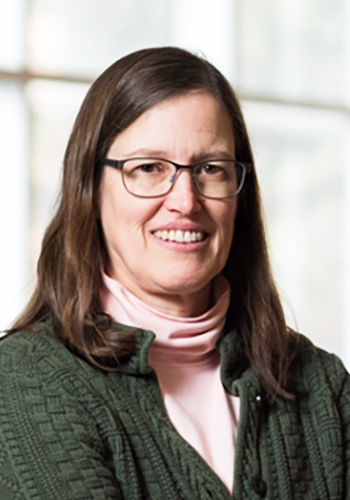
Laurel H. Carney is the Marylou Ingram Professor in Biomedical Engineering and holds joint appointments in Neuroscience at the University of Rochester's Hajim School of Engineering & Applied Sciences. She earned her B.S. in Electrical Engineering from MIT, followed by M.S. and Ph.D. degrees in Electrical Engineering from the University of Wisconsin-Madison. Her postdoctoral training in Psychology at the University of Pennsylvania preceded faculty roles at Boston University (1991–2004), Syracuse University (2004–2007), and her current position at the University of Rochester (2007–present). Her research integrates neurophysiological, behavioral, and computational approaches to understand neural mechanisms underlying sound perception, particularly in complex acoustic environments. Key interests include auditory neuroscience, signal processing for hearing aids, and the design of physiologically based strategies to aid hearing-impaired listeners. Her work bridges behavioral limits, neural coding, and computational modeling to address challenges in hearing loss compensation. Dr. Carney has received prestigious awards, including Outstanding Professor of the Year at Boston University and the University of Rochester, and is a Fellow of the Acoustical Society of America and the American Institute for Medical and Biological Engineering. Her lab focuses on detecting acoustic signals in noise, amplitude fluctuation perception, and developing computational models to enhance hearing aid technologies. Her research has led to advancements in understanding neural fluctuation cues, envelope processing, and the role of midbrain neurons in speech perception. Ongoing projects include modeling subcortical auditory pathways with efferent gain control and applying deep learning frameworks for hearing loss mitigation.
Robert Raphael is an Associate Professor of Bioengineering at Rice University and Principal Investigator of the Neuroengineering IGERT program. He leads research on auditory system mechanics, focusing on ion transport in inner ear membranes and cochlear implant development. His work bridges biophysics with engineering to address hearing loss and deafness. Affiliations: Rice University/Baylor College of Medicine Neuroengineering IGERT Grants: $3M NSF IGERT grant (2018), NIH R01 (collaborative) Research interests include membrane biophysics, computational modeling of ion transport, and carbon nanotube-based cochlear implants. He develops 3D cell culture systems using magnetic levitation and studies mitochondrial diversity in auditory cells. His lab integrates optical imaging, computational modeling, and micromechanical techniques. Recent articles explore synaptic transmission in vestibular systems, potassium transport dynamics, and electromagnetic wave effects on auditory cells. Key awards include the NSF CAREER Award (2005), three Hamill Innovation Awards (2006–2018), and the Charles W. Duncan Jr. Achievement Award (2010). Advising focuses on interdisciplinary neuroengineering training through the IGERT program. Collaborations span Rice, Baylor, and University of Chicago. His lab pioneered the first biophysically-based inner ear ion transport model and advances magnetic nanotechnology for biomedical applications. Current projects include optogenetic studies of membrane proteins and equity initiatives for deaf professionals.
Ramesh A. Shivdasani is a Professor of Medicine at Harvard Medical School and a medical oncologist and laboratory investigator at the Dana-Farber Cancer Institute and Brigham and Women's Hospital. He directs research efforts in the Gastrointestinal Cancer Center, focusing on gastrointestinal cancer biology and translational research. His work bridges clinical oncology with fundamental molecular and cellular investigations of gastrointestinal development and disease. Dr. Shivdasani received his medical and graduate degrees from the University of Michigan School of Medicine in 1989. His postgraduate training includes: Residency in Internal Medicine at Brigham and Women's Hospital Fellowship in Medical Oncology at the Dana-Farber Cancer Institute Post-doctoral research training at The Howard Hughes Medical Institute and Children's Hospital Boston Dr. Shivdasani's research program investigates the normal mechanisms of development and cell differentiation in the gastrointestinal tract, with particular focus on the molecular pathways that control epithelial differentiation. His laboratory combines molecular and cell biology techniques with genetically engineered mouse models to elucidate genetic pathways controlling gastrointestinal epithelium differentiation. A major emphasis is on understanding the Wnt, Hedgehog, and Notch signaling pathways and their interactions with tissue-restricted transcription factors. His translational research laboratory unites several Dana-Farber efforts in gastrointestinal cancers to identify new molecular targets for cancer therapy. Analysis of Dr. Shivdasani's recent publications reveals a consistent focus on gastrointestinal stem cell biology, epithelial differentiation, and cancer mechanisms. His work spans from fundamental developmental biology to translational cancer research, with particular emphasis on transcription factor networks, chromatin regulation, and stem cell niche organization. The research employs cutting-edge techniques including organoid models, single-cell analysis, and advanced genomic approaches to understand gastrointestinal development and disease. Dr. Shivdasani has received significant recognition for his scientific contributions: Association of American Physicians (2009) American Society for Clinical Investigation (2005) Harvard Medical School Class of 2007 teaching award, Best Tutor of the Year (2004) Brian ODell Memorial Research Award from the Leukemia & Lymphoma Society (2003) As a mentor and educator, Dr. Shivdasani has guided numerous trainees through his laboratory research program at Dana-Farber. His teaching excellence was recognized with Harvard Medical School's Best Tutor of the Year award. His research has been supported by various grants from the National Institutes of Health and other funding agencies focused on gastrointestinal cancer biology and stem cell research. Dr. Shivdasani directs a vibrant research laboratory that studies mechanisms of cell differentiation in the gastrointestinal epithelium. The lab maintains active collaborations across Dana-Farber and Harvard Medical School, with particular emphasis on translational research that bridges basic science discoveries with clinical applications in gastrointestinal cancer treatment.
Ronna Hertzano is a Clinical Professor at the Department of Otorhinolaryngology-Head & Neck Surgery, University of Maryland School of Medicine. Her research focuses on hearing science, inner ear biology, and multi-omic data integration. Established the Hearing Science Accelerator initiative Developed the gEAR portal for multi-omic data exploration Contributed to the BRAIN Initiative Cell Census Network Pioneered cochlear organoid models for hair cell differentiation studies Her work spans transcriptomic profiling of the inner ear, epigenetic mechanisms in hearing loss, and interdisciplinary collaborations with bioengineers and computational biologists. Recent publications emphasize noise-induced hearing loss , age-related auditory degeneration , and sex-specific differences in hearing biology. She serves as a key figure in the Neuroscience Multi-Omic Archive and has developed platforms like NeMO Analytics for Alzheimer's disease research. Her clinical focus includes cochlear implants , pulsatile tinnitus , and ototoxicity prevention. Notable contributions: Created the first cell type-specific transcriptomic atlas of the inner ear Developed 3D-biofabrication protocols for tissue engineering Advanced understanding of miR-96 and GFI1 roles in hearing Explored estrogen signaling for hearing protection
Liu Dong serves as Associate Professor in the Department of Neuroscience at Southern University of Science and Technology's School of Life Sciences. Previously, he held research and teaching positions at Peking University's School of Life Sciences (2008-2017) and completed postdoctoral training at the University of Oregon's Institute of Neuroscience (1999-2008). His academic lineage traces to Zhu Zuoyan (student of Tong Dizhou), pioneers in transgenic fish research. B.S. in Biology, Wuhan University (1987) M.S. in Genetics, Institute of Hydrobiology, Chinese Academy of Sciences (1990) Ph.D. in Molecular Endocrinology, University of Toronto (1999) Postdoctoral Fellowship, University of Oregon (2004) His research focuses on zebrafish models for understanding inner ear development, hair cell regeneration mechanisms, and modeling human neurological disorders including hearing loss, balance disorders, ADHD, and Parkinson's disease. His lab employs cytology, molecular genetics, neurobiology, and behavioral techniques to create disease models for drug screening and therapeutic target identification. Current projects include CRISPR/Cas9 genome editing, dCas9 fusion systems, and non-coding RNA functional analysis. Analysis of his recent publications reveals strong emphasis on translational neuroscience, with 63% of publications (2018-2021) utilizing zebrafish models to study neurological disorders and cancer metastasis. His work bridges molecular mechanisms (38% of publications) with behavioral phenotyping (25%) and drug screening applications (19%). Shenzhen Municipal Leading Talent (2018-2023) SUSTech Outstanding College Mentor (2017-2018) International Zebrafish Society Travel Award (2017) Roche Fellowship Award, PKU (2012) Peking University Talents Program (2008-2011) Liu Dong has secured multiple research grants including the Peking University Talents Program and Canadian Institutes of Health Research funding. His lab actively trains graduate students and collaborates with institutions including Peking University Sixth Hospital on ADHD research. Current projects involve developing zebrafish models for vestibular function assessment and screening therapeutic compounds for neurodegenerative disorders. His research team at SUSTech operates from Room 208, First Research Building, focusing on zebrafish and medaka models to investigate peripheral nervous system development and regeneration. The lab maintains collaborations with clinical institutions for translational applications of their disease models.
Anne Duggan is a Research Assistant Professor in the Department of Anesthesiology at Northwestern University's Feinberg School of Medicine, where she conducts cutting-edge research on inner ear development and hearing mechanisms through the Northwestern University Institute of Neuroscience (NUIN). Her academic journey includes: BA from Harvard University (1985) PhD from Columbia University (1998) Postdoctoral Fellowship in Neurobiology at Harvard Medical School (2002) Dr. Duggan's research centers on molecular regulation of cochlear hair cell development, specializing in transcription factors like Tbx2 and INSM1 that determine inner versus outer hair cell differentiation. Her work has uncovered critical mechanisms for hair cell specification and regeneration, with direct implications for treating hearing loss. Recent discoveries include identification of a novel auditory pain pathway that may protect against noise-induced damage, positioning her at the forefront of sensory neuroscience and regenerative hearing research. Analysis of her publication record reveals consistent focus on genetic control of otic development, with high-impact studies in Nature demonstrating how master regulators program hair cell identity. This work establishes foundational knowledge for future hair cell regeneration therapies. No scientific awards are documented in available materials. Disclosures indicate no external professional relationships for 2024, reflecting adherence to institutional integrity policies. As an active NUIN member, she collaborates within Northwestern's neuroscience ecosystem, leveraging interdisciplinary resources to advance understanding of sensory biology and potential hearing restoration strategies.
Dr. Marjo Salminen is a Senior University Lecturer at the Faculty of Veterinary Medicine , University of Helsinki, specializing in Genetics , Developmental Biology , and Physiology . Her research focuses on transcription factor networks (particularly GATA2 and GATA3) in neuronal and lymphatic development, with significant contributions to understanding midbrain GABAergic neuron specification, inner ear morphogenesis, and mechanosensitive lymphangiogenesis. Key collaborations with Juha Partanen (University of Helsinki) and international institutions Leading expert in mouse models for developmental gene function Research keywords include Neuroscience , Molecular Embryology , and Transcriptional Regulation , with recent work on REM-sleep regulatory neuron development (2022) and mechanotransduction in lymphatic vessel formation (2018). She has supervised numerous doctoral and Master's theses, served on thesis committees, and contributed to textbook development in Finnish. Scientific recognition includes the 2003 Scientific Book of the Year award. Current affiliations include the Veterinary Biosciences department and the Doctoral Programme in Clinical Veterinary Medicine . Her ORCID is 0000-0003-0696-6845 .
Professor Brigitte Malgrange is Research Director at the Belgian National Fund for Scientific Research (FNRS) and General Director of the GIGA Interdisciplinary Center for Biomedical Research at the University of Liège. She also serves as Vice-Director of GIGA-R and holds an appointment within the Faculty of Medicine, Department of Clinical Sciences, and the Neurology unit. Education: Doctor of Pharmacy, University of Paris, 1989 European DEA in Fundamental and Applied Toxicology, 1990 PhD in Experimental Biomedical Sciences, University of Liège, 1994 Research Interests: Professor Malgrange’s research is centered on developmental neurobiology and neuroscience , with particular emphasis on the inner ear and hearing loss . Her laboratory investigates mechanisms of cochlear hair cell regeneration , neuroprotection following stroke , and cell fate decisions during development. She employs stem cell models , nanomedicine-based drug delivery , and mouse genetics to translate fundamental discoveries into therapeutic strategies for sensorineural hearing loss and neurodegenerative diseases . Across her recent publications, a clear trend emerges toward nanomedicine approaches for sustained drug delivery to the inner ear, molecular regulation of cochlear cell fate , and epigenetic control of neural development . These studies collectively advance both basic understanding and translational applications in auditory neuroscience. Scientific Awards: Galien Prize (1996) Alverenga de Piauhy Prize (2004) Comte de Launoit Prize, Friends of ULiège (2005) Grant Leadership & Collaborations: Professor Malgrange coordinates major European initiatives, including the NANOEAR project funded under the EuroNanoMed3 Horizon 2020 program, uniting academic and industrial partners across France, Spain, Belgium, and Turkey to advance nanomedicine for hearing disorders. Laboratory & Platforms: She leads the Developmental Neurobiology Unit within GIGA-Neurosciences, leveraging access to cutting-edge core facilities such as Genomics , In vitro and In vivo Imaging , Viral Vectors and Gene Editing , and Animal Facilities (Mouse & Zebrafish), positioning her team at the forefront of biomedical innovation at the University of Liège.
Carolina Abdala is a Professor in the Caruso Department of Otolaryngology-Head and Neck Surgery at the University of Southern California. She leads the AbdaLab, focusing on cochlear function across the human lifespan. Her research integrates advanced otoacoustic emission (OAE) techniques to study maturation, aging, and hearing disorders. Key projects include disentangling distortion and reflection components of OAEs, developing protocols for sensorineural hearing loss diagnosis, and exploring cochlear mechanics in newborns and elderly populations. Her work is funded by the NIH-NIDCD, emphasizing translational applications for clinical audiology and cochlear modeling. Research interests span auditory neuroscience, cochlear biophysics, and diagnostic technologies. Collaborations include USC faculty like Dr. Christopher Shera. The lab’s innovations in swept-tone OAE protocols and joint reflection-distortion profiling aim to refine hearing assessments. No awards are explicitly listed, but her extensive publications reflect significant contributions to auditory science. Labs/Teams: AbdaLab (specializing in cochlear function and OAE analysis). Grants: NIH-NIDCD-funded projects on human cochlear maturation and aging. Students/Advising: No advisees listed in the provided data. Future work includes advancing OAE-based diagnostics and modeling cochlear nonlinearities.
Dr. Patricia M. White is an Associate Professor in the Department of Neuroscience and a Joint Appointment in the Department of Otolaryngology at the University of Rochester School of Medicine and Dentistry. She holds a B.S. in Biology (1989) and a Ph.D. in Developmental Biology (2000) from the California Institute of Technology. Her research focuses on understanding the molecular mechanisms underlying inner ear regeneration to develop biological treatments for noise-induced hearing loss. She has pioneered studies on neural stem cells, cochlear supporting cell proliferation, and the role of genes like Foxo3 and ERBB2 in hearing maintenance. Dr. White’s work integrates developmental biology, molecular genetics, and auditory physiology to explore how cells can be manipulated to regenerate damaged cochlear tissues. Her lab uses mouse models to investigate the effects of gene mutations, noise exposure, and environmental toxins on hearing. Key contributions include identifying ERBB2 signaling’s role in cochlear cell regeneration and demonstrating Foxo3’s critical function in protecting against noise-induced hearing loss. Her scientific awards include the ARCS Scholar and Hearst Scholar honors. Her research has been published in high-impact journals like Nature and Developmental Biology , with a focus on translational applications for hearing restoration. Dr. White collaborates widely, and her lab’s work is accessible via their dedicated research website.
Hong-Bo Zhao, MD, PhD, is a Professor of Surgery in the Division of Otolaryngology at Yale School of Medicine. He holds affiliations with the Center for Brain & Mind Health and the Department of Surgery. Zhao’s research focuses on auditory neuroscience, particularly deafness mechanisms related to genetic mutations (Cx26/GJB2), noise-induced hearing loss, and Alzheimer’s disease’s impact on auditory systems. His lab develops gene therapies for hereditary hearing loss and investigates early biomarkers for Alzheimer’s detection through hearing deficits. Education: MD from Three Gorges University Medical School (1982), MS in Biomedical Engineering from Huazhong University of Science and Technology (1989), PhD in Auditory Neuroscience from Shanghai Institute of Physiology (1992). His NIH-funded research bridges genetics, physiology, and neurodegenerative disease. Key contributions include identifying hyperacusis in Cx26 mutation carriers and linking hearing loss to accelerated Alzheimer’s progression. Research interests emphasize translational applications like post-noise treatments and auditory biomarkers for early Alzheimer’s diagnosis. Active on NIH study sections and professional boards, Zhao collaborates with the Yale Ear Lab and mentors researchers in auditory and neurodegenerative studies. His work has been featured in Nature Aging , Science Advances , and Journal of Neuroscience , advancing understanding of cochlear physiology and neurodegenerative connections.
Bruce Riley is a Professor in the Department of Biological Sciences at Texas A&M University, where he has been affiliated since 1995. His research focuses on developmental genetics, specifically the inner ear development of zebrafish. Key projects include investigating Fgf signaling's role in otic placode formation and the molecular mechanisms regulating sensory hair cell regeneration. His lab explores how gene interactions and cell signaling pathways control cell fate decisions during embryogenesis. Education: B.A. in Biology from University of Colorado (1982), Ph.D. in Molecular Biology from University of Wisconsin (1990). Postdoctoral training at University of Wisconsin and University of Utah. Research Interests: Zebrafish as a model organism, cell-cell signaling (Fgf/Wnt pathways), otic placode induction, sensory organ patterning, hair cell regeneration, and comparative developmental biology. Lab Website: Riley Lab located in Biological Sciences Building East, Room 104. Office in Room 118A. Publications focus on genetic and molecular mechanisms underlying inner ear development, with recent work exploring the Warburg Effect's role in otic vesicle development and Sox protein functions in neurogenesis.