- Computational Fluid Dynamics
- Numerical Methods for Partial Differential Equations
- Hyperbolic Balance Laws
- +۷ مورد دیگر
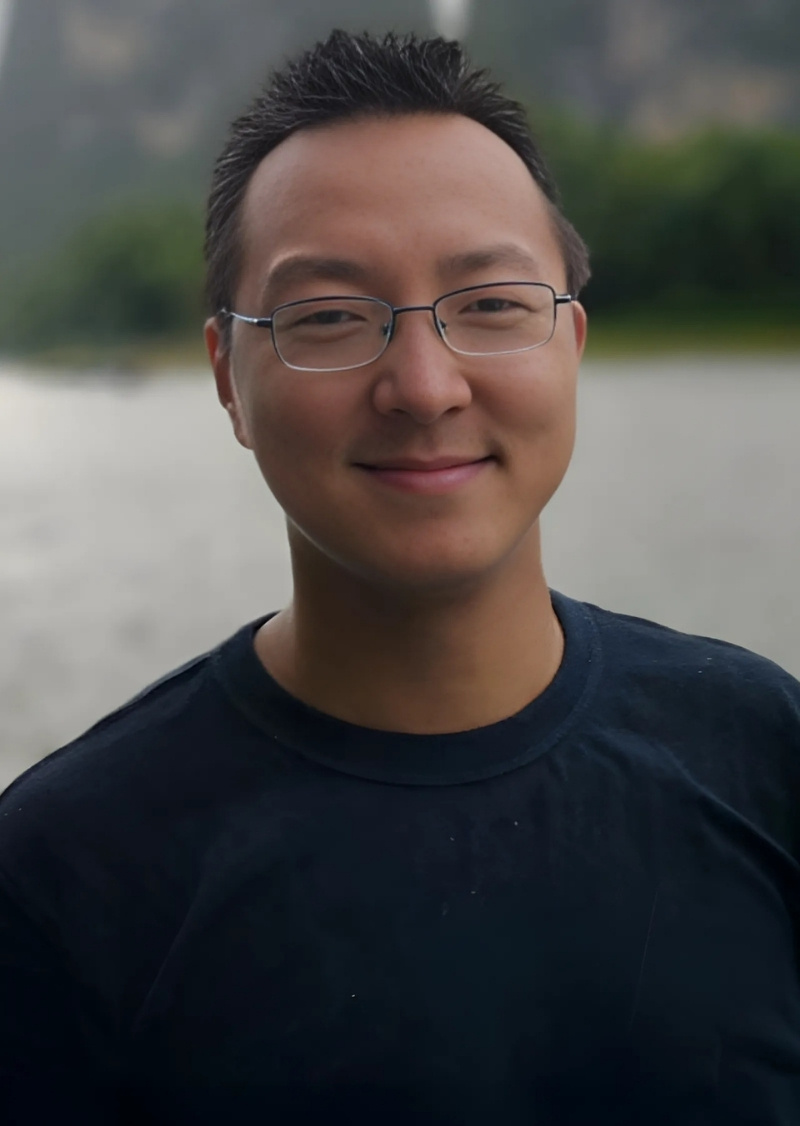
Eleuterio F. Toro is a Professor at the University of Trento, Italy, affiliated with the Department of Civil, Environmental and Mechanical Engineering within the College of Engineering. He is internationally recognized for his pioneering work in computational fluid dynamics and numerical methods for partial differential equations, particularly hyperbolic balance laws. His development of high-order schemes such as ADER, HLLC, and WAF has significantly advanced simulation capabilities in science and engineering. BSc Honours in Pure Mathematics, University of Warwick (1977) MSc in Applicable Mathematics, University of Dundee (1978) PhD in Computational Mathematics, University of Teesside (1982) Doctor Honoris Causa, Universidad de la Frontera, Chile (2012) His research focuses on high-resolution numerical methods, shock-capturing techniques, and more recently, the mathematical modeling of cranio-spinal fluid dynamics and its implications in neurodegenerative diseases such as Multiple Sclerosis, Parkinson’s, and Meniere’s disease. He promotes a holistic modeling approach integrating arterial blood, venous blood, interstitial fluid, cerebrospinal fluid, and the brain’s lymphatic system. The analysis of his recent publications reveals a strong trend toward interdisciplinary applications of numerical methods in biomedical contexts, especially neurofluid dynamics. His earlier works laid the foundation for modern computational fluid dynamics, while recent efforts bridge mathematics, engineering, and medicine. Scientific Awards: Doctor Honoris Causa, Universidad de la Frontera (2012) Officer of the Order of the British Empire (OBE) Toro has advised numerous students and postdoctoral researchers and has collaborated extensively with academics and medical professionals across Europe, the USA, and Chile. His work is supported by international conferences, workshops, and research collaborations. He has organized and taught intensive short courses, such as the Trento Winter School on Numerical Methods, and delivered plenary lectures at major conferences including ISMRM and CMBE. He leads research initiatives centered on mathematical modeling of body-fluid interactions, particularly in the central nervous system. His team develops computational frameworks to simulate neurovascular dynamics and test hypotheses linking venous anomalies to neurological diseases.