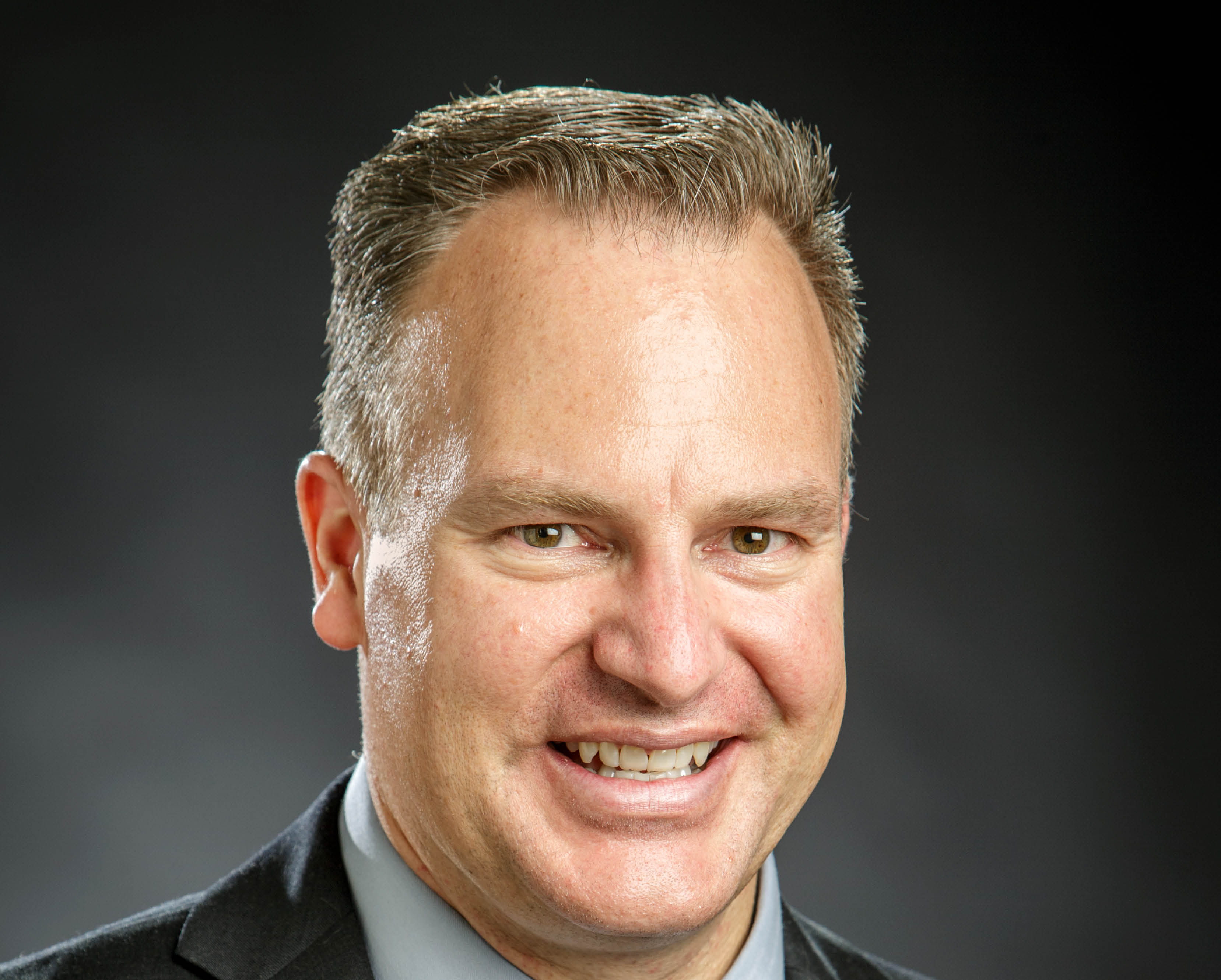
Aaron J. Elmore is an Associate Professor in the Department of Computer Science and the College of the University of Chicago. His research focuses on cloud computing, databases, and distributed systems, with an emphasis on resource-efficient database execution and collaborative analytics. PhD in Computer Science from University of California, Santa Barbara MS in Computer Science from University of Chicago Research interests include: Elastic databases and multitenancy (Database-as-a-Service) Resource-efficient systems (CrocodileDB, DenseStore, EdgeTSD) Database versioning (Datahub, Decible, OrpheusDB) Data discovery (DataSwamp, Relic) Recent publications highlight advancements in cloud-native query execution, dynamic compression frameworks, and time-series anomaly detection. His work often bridges systems design with practical data science applications. Scientific awards include: NSF CAREER Award (2021) Multiple Google and Intel research grants ACM SIGMOD Best Demo Honorable Mention Aaron has advised multiple PhD students including Jun Hyuk Chang and Riki Otaki, with former advisees now at institutions like MIT, Harvard, and UC Berkeley. He leads the ChiDATA research group and collaborates with Systems Group and CERES Center.
Jeffrey Guasto , Associate Professor at Tufts University, holds joint appointments in the School of Engineering (Mechanical Engineering) and School of Arts and Sciences (Physics & Astronomy). His work bridges engineering, physics, and biology to study transport properties in complex systems. Ph.D., Engineering (2009), Brown University Sc.M., Engineering (2004), Brown University Dual B.S. in Physics and Mechanical Engineering (2003), Lehigh University Research Interests focus on: Biophysics : Flagellar mechanics, chemotaxis, cell-fluid interactions Soft Matter : Active suspensions, colloids, viscoelastic materials Microfluidics : Device design for cell motility studies and gradient generation Environmental Transport : Microbial ecology in porous systems Scientific Trends from his 77+ publications show emphasis on microscale fluid dynamics, bacterial transport mechanisms, and viscoelastic flow instabilities. His 2024 Nature Microbiology work reveals phage-infected bacteria driving marine chemotaxis, while 2023 PNAS research explores stress topology in viscoelastic flows. Scientific Awards : NSF CAREER Award (2016) for cell dispersal mechanisms Collaborative NSF grants (2015-2023) Advising includes mentoring 15+ students and postdocs. His grants portfolio features 9+ awards, notably NSF grants for viral-microbe interactions (2018) and flagellar mechanics (2020). Labs & Teams : Leads the Guasto Laboratory at Tufts, integrating microfluidics and high-speed imaging for studying microbial transport, while collaborating with MIT, Harvard, and international institutions.
Dana Small, PhD is a Senior Scientist at the RI-MUHC and Professor in the Department of Neurology and Neurosurgery at McGill University . Her research is centered in the Metabolic Disorders and Complications Program within the Centre for Translational Biology . Her research focuses on understanding how body and mind work together to optimize behavior, particularly through neuroimaging, metabolic, and behavioral studies of ingestive behavior. She investigates how modern food environments affect brain evolution and eating behavior. The 15 most recent publications show a consistent focus on food reward mechanisms (2025), nutrient-brain interactions (2024), addiction-genetics relationships (2023), and neural processing of taste and reward (2020-2023). These works appear in high-impact journals like Cell Metabolism and Science .
Professor Kourosh Kalantar Zadeh is the Head of School of Chemical and Biomolecular Engineering at the University of Sydney. He also holds adjunct professorships at UNSW and RMIT. His research focuses on sensors, nanotechnology, liquid metals, and medical devices. He has over 500 publications and is a member of prestigious editorial boards. **Awards**: Includes AAAS Fellowship (2021), Robert Boyle Prize (2020), Walter Burfitt Prize (2019), and multiple Clarivate Highly Cited recognitions. His work has been featured in over 350 media outlets, including BBC, Time Magazine, and Nature. **Research**: Innovations include ingestible gas-sensing capsules, smart paints, and liquid metal-based catalysis. Supervises 10 PhD students in areas like functional materials and medical devices. **Grants**: Leads ARC Laureate Fellowship projects on liquid metals and NHMRC grants for gut metabolite sensing. Part of the ARC Centre of Excellence in Future Low-Energy Electronics. **Engagement**: Media engagements highlight breakthroughs in sensors, liquid metals, and environmental technologies. Collaborates across disciplines to translate research into practical applications.
Clarice Seifert Clemmens, MD, is a Professor at the Medical University of South Carolina (MUSC) in the College of Medicine's Department of Otolaryngology - Head and Neck Surgery. She specializes in pediatric otolaryngology with particular expertise in neonatal airway disorders and thyroid disorders, while also covering pediatric allergy/sinus disease, ear disease, hearing loss, sleep medicine, speech/swallowing disorders, and dysphagia. Dr. Clemmens completed her medical training at MUSC in 2009, followed by a residency at the University of Pennsylvania and a fellowship at Children's Hospital of Philadelphia. Education Medical Degree: Medical University of South Carolina (2009) Residency: University of Pennsylvania Fellowship: Children's Hospital of Philadelphia Her research focuses on pediatric airway disorders, evidenced by her publications on laryngomalacia interventions, cochlear implant auditory outcomes, sleep study diagnostics, and airway emergency protocols. She has contributed to systematic reviews examining tracheostomy management, neonatal airway anomalies, and sociodemographic barriers in newborn hearing screening. Dr. Clemmens maintains an active clinical practice at MUSC Children's Health ENT at Summey Medical Pavilion, where she provides comprehensive care for pediatric ear, nose, and throat conditions. She has presented her work nationally and regionally, and maintains board certification from the American Board of Otolaryngology since 2015.
Dr. Jesse Vermaire is an Associate Professor in the Department of Geography and Environmental Studies at Carleton University . With a Ph.D. from McGill University and M.Sc. from the University of New Brunswick, his research focuses on the impacts of environmental change on freshwater ecosystems, particularly climate warming, nutrient enrichment, and extreme events like droughts and storm surges. His lab employs paleolimnological techniques and long-term datasets to study ecosystem resilience and recovery. Education: B.Sc. Honours (University of Guelph), M.Sc. (UNB), Ph.D. (McGill) His work spans multiple subfields, including microplastic pollution, metal contamination from historical mining, wildfire effects on lakes, and riparian development impacts. Recent publications highlight studies on plastic ingestion by Arctic seabirds, legacy arsenic pollution in Cobalt, Ontario, and critical thresholds for freshwater conservation. Collaborations with researchers like S.J. Cooke and J.P. Smol demonstrate his interdisciplinary approach. Key trends in his 15 most recent articles include: 1) Quantifying microplastic pollution in diverse ecosystems (Arctic, mangroves, agricultural soils); 2) Analyzing historical contamination impacts (arsenic, gold, lead mining); 3) Investigating climate-fire-sediment interactions; 4) Advancing monitoring methodologies (community science, multi-matrix sampling); 5) Critiquing environmental restoration practices; and 6) Developing evidence-based conservation frameworks.
Dr. Jeremy Walsh is an Assistant Professor in the Department of Kinesiology at McMaster University, joining in 2020. He holds a PhD in Exercise Physiology from Queen’s University and postdoctoral training at the University of Ottawa and University of British Columbia Okanagan. His research focuses on mechanisms linking exercise, behavior, and cognitive health, aiming to develop interventions to optimize brain function across lifespans. Education: Bachelor of Arts (Honours Kinesiology) – Wilfrid Laurier University (2005-2009) MSc and PhD in Exercise Physiology – Queen’s University (2010-2017) Postdoctoral Fellowships: Children’s Hospital of Eastern Ontario Research Institute (2018-2020) and University of British Columbia Okanagan Research Interests: Dr. Walsh investigates how exercise, diet, sleep, and cognitive engagement impact brain health. Key areas include BDNF signaling, cerebral blood flow, and interventions to mitigate neurological decline. His work spans aging populations, obesity, and spinal cord injury rehabilitation. Teaching: Instructor for courses like Psychophysiology of Healthy Living, Exercise Psychology, and Movement Behaviors & Brain Health Supervises independent research projects in kinesiology Key Contributions: His studies on ketone supplementation’s effects on cognition, exercise responses in obesity, and BDNF modulation have been widely cited. Over 60 scholarly outputs since 2013 highlight his exploration of exercise neuroscience and metabolic health. Labs/Teams: Leads research groups studying neurophysiological adaptations to exercise and lifestyle interventions, collaborating with clinical partners in diabetes and spinal cord injury research.
Sharmili Edwin Thanarajah is a researcher at the Goethe University Frankfurt , affiliated with the Faculty of Medicine and the Department of Psychiatry, Psychosomatics and Psychotherapy . Her work focuses on the intersection of peripheral metabolism, brain signaling, and mental health, utilizing advanced neuroimaging and intervention studies. Research Interests Impact of dietary factors on brain function Metabolism-neurocircuitry interactions Neuromodulation via vagus nerve stimulation Intranasal insulin's effects on cognition Translational psychiatry Key Publications Her research spans multidisciplinary areas including: Modulating midbrain activity through metabolic interventions Anti-inflammatory effects of vagus nerve stimulation Linking reward processing to habitual dietary patterns Neuroimaging-based studies of eating behavior Clinical applications of neuromodulation techniques Methods & Expertise She employs functional MRI , structural MRI , and intervention studies to explore these domains, with recent work addressing emotional processing and metabolic influences on mental health.
Dr. Robin Tucker is an Associate Professor in the Department of Food Science and Human Nutrition at Michigan State University’s College of Agriculture and Natural Resources. Since 2016 she has led an interdisciplinary research program that explores how insufficient or poor-quality sleep influences nutrition-related health outcomes, sensory perception, and eating behaviors. She teaches courses such as Medical Nutrition Therapy I and Advanced Clinical Nutrition and co-directs community outreach initiatives including the SLeep Education for Everyone Program (SLEEP) with MSU Extension. Education PhD, Nutrition Science (concentration: Ingestive Behavior), Purdue University (2014) MS, Nutritional Science, California State University, Los Angeles (2005) BA, Political Science, Creighton University Research Focus Dr. Tucker’s work sits at the intersection of sleep science, sensory physiology, and behavioral nutrition. Her primary research agenda investigates: How chronic short sleep or poor sleep quality alters taste perception (sweet, salt) and subsequent dietary choices. The mediating role of sleep in the relationship between stress, financial hardship, and diet quality among college students. Development and testing of scalable, behavior-based sleep education interventions for diverse populations ranging from university students to older adults. Methodologically, her team combines controlled laboratory studies of taste function, large-scale multinational surveys, community-based intervention trials, and systematic reviews. Publications at a Glance Over the past five years Dr. Tucker has published more than 40 peer-reviewed articles and book chapters. Her recent work clusters into three thematic areas: (1) systematic reviews and meta-analyses linking taste function, dietary intake, and chronic disease; (2) multi-country studies examining sleep–diet interactions among higher-education students during the COVID-19 pandemic; and (3) translational intervention research evaluating the efficacy of sleep education programs for older adults. These studies consistently highlight how even modest sleep curtailment can modulate chemosensory function, appetite regulation, and ultimately dietary risk. Honors & Awards 2022 – Senior-authored paper featured in Wiley’s Research Headlines 2020 – Teacher-Scholar Award, MSU Department of Food Science and Human Nutrition 2020 – Undergraduate Research Mentor of the Year nominee, Michigan State University 2020 – You Belong Here Champion nominee, MSU College of Agriculture and Natural Resources 2020 – Outstanding Dietetic Educator nominee, Michigan Academy of Nutrition and Dietetics 2018 – Fellow of the Academy of Nutrition and Dietetics (FAND) Advising & Community Outreach Dr. Tucker mentors a vibrant team of graduate and undergraduate researchers, many of whom appear as co-authors on her publications. She collaborates with MSU Extension to deliver the evidence-based SLEEP program to community groups, and her lab regularly engages campus and public stakeholders through workshops, webinars, and continuing-education events for dietitians. Facilities & Collaborations Her research leverages the MSU Sensory Evaluation Center , Experimental Foods Laboratory , and institutional partnerships with the Center for Research on Ingredient Safety and the Institute for Integrative Toxicology , enabling cutting-edge studies on taste physiology, dietary assessment, and community intervention delivery.
Douglas Nowacek is the Randolph K. Repass and Sally-Christine Rodgers University Distinguished Professor of Conservation Technology at Duke University, with joint appointments in the Nicholas School of the Environment and the Pratt School of Engineering . His research integrates marine mammal bioacoustics , behavioral ecology , and conservation technology to address ecological challenges related to ocean noise , offshore renewable energy , and anthropogenic impacts . Education : B.A., Ohio Wesleyan University (1991) Ph.D., Massachusetts Institute of Technology (1999) Research Focus : Nowacek investigates how marine mammals, particularly cetaceans and manatees , use sound for communication and foraging. He explores the effects of anthropogenic noise (e.g., seismic surveys, ship traffic) on species like North Atlantic right whales and bottlenose dolphins , emphasizing the need for noise regulation and marine habitat protection . His work also addresses plastic pollution and renewable energy planning . Article Trends : Recent publications highlight his focus on marine acoustics (e.g., bio-duck sounds, sonar effects), anthropogenic stressors (e.g., microplastics, seismic noise), and behavioral adaptations (e.g., humpback whale foraging, pilot whale diving). Collaborative studies with students and institutions like Woods Hole Oceanographic Institution and the University of Tasmania underscore his interdisciplinary approach. Scientific Awards : Sally Connally Hardie Visiting Researcher, University of St. Andrews (2018) Visiting Scholar, University of Tasmania (2013) Advising and Grants : Nowacek mentors students and researchers in projects such as acoustic monitoring and unmanned aerial systems for marine conservation. His lab has secured grants for seismic survey impacts , ocean noise regulation , and marine mammal telemetry . Labs and Teams : Leading the Nowacek Acoustics and Engineering Lab at Duke Marine Lab, he collaborates with the Marine Conservation Ecology group, integrating engineering tools (e.g., drones, sensors) with marine mammal research to advance conservation technology.
Andrew Turner is a Visiting Associate Professor at the University of Plymouth within the School of Geography, Earth and Environmental Sciences , Faculty of Science and Engineering. His work focuses on marine and environmental biogeochemistry, with particular emphasis on plastic and chemical pollutants in marine, terrestrial, and atmospheric systems. Teaches marine and environmental biogeochemistry Researches plastics, heavy metals, and emerging contaminants Integrates citizen science with conventional research Collaborates with 20+ international institutions Research Themes: Specializes in microplastic/nanoplastic pollution, toxic metal interactions, waste management, and atmospheric plastic transport. His studies include human exposure to microplastics, contamination of consumer goods, and environmental impacts of recycling processes. Publication Trends: Recent articles show increasing focus on microplastic-air interactions, human health implications, and analytical advancements in plastic and metal detection. Key subfields: atmospheric microplastics, biofluid contamination, dust storm transport, and consumer product leaching. Advising & Collaboration: Supervises PhD/MRes candidates and 150+ MSc students. Collaborates with organizations including WHO, Science Museum, and academic institutions across 15 countries.
Heath MacMillan is an Associate Professor in the Department of Biology at Carleton University, Faculty of Science. His research focuses on integrative insect physiology, particularly how environmental stressors like extreme temperatures, microplastics, and dietary changes affect molecular, biochemical, and whole-organism performance. Research Themes: Cold tolerance mechanisms, ionoregulatory collapse, microplastic pollution impacts, thermal acclimation physiology, and nutritional ecology for edible insects. Model Systems: Drosophila melanogaster, Gryllodes sigillatus, Aedes aegypti, and tropical butterflies. Techniques: Transcriptomics, metabolomics, in vitro osmoregulation assays, thermal gradient devices, and fluorescent microplastic tracking. His lab collaborates with Environment and Climate Change Canada, Dr. Jennifer Provencher, and Entomo Farms to address both fundamental physiological questions and applied problems in sustainable insect protein production. Current work explores how thermal plasticity and cross-tolerance mechanisms interact with ecological stressors like hypoxia and desiccation. Publications highlight his team's development of the ionoregulatory collapse model for cold tolerance, discovery of microplastic impacts on cricket growth, and characterization of thermal acclimation's role in maintaining central nervous system function. Research integrates molecular mechanisms with ecological predictions about species distribution and abundance under climate change. Lab opportunities emphasize collaborative, interdisciplinary work across physiology, biochemistry, and ecology. Graduate students and postdocs are encouraged to develop independent projects within the lab's existing frameworks. Undergraduates gain hands-on experience through volunteer work and independent studies.
Dr. Laura Brown is a Senior Lecturer in Nutrition, Food and Health Sciences at Teesside University, affiliated with the School of Health and Life Sciences (SHLS). She holds a BSc (Hons) in Sports and Exercise Science from Teesside University (2005), an MSc in Sports and Exercise Nutrition from Loughborough University, and a PhD from the University of Hull (2009) on carbohydrate ingestion effects on metabolism and exercise performance. Her research focuses on obesity prevention through dietary interventions, the impact of diet/exercise on health outcomes, and optimizing athletic performance through nutrition. She has conducted extensive studies on school food policies, adolescent nutrition, and the effects of public health policies on eating behaviors. Recent publications emphasize school food provision challenges during the pandemic, EU-wide interventions for youth nutrition, and historical policy analysis in UK school meals. Her work combines epidemiological methods with mixed-methods evaluations to assess policy effectiveness. She has collaborated with institutions like the NHS, York St John University, and the Universities of Derby and Hull. Dr. Brown has advised one documented student (name redacted) and contributed to interdisciplinary research teams focused on food systems and public health. No grants or awards are explicitly listed in her profile.
Dr. Megan Huggett is a Senior Lecturer in Marine Science at the University of Newcastle's School of Environmental and Life Sciences. Her research focuses on microbial ecology in marine and coastal ecosystems, particularly the role of microbes in fish health, larval settlement, and responses to environmental stressors like climate change and pollution. She holds a PhD and BSc from the University of New South Wales. Her work bridges fundamental science and applied solutions, collaborating with government agencies (e.g., NSW Department of Planning, Hunter Water) to address estuarine water quality and contamination issues. Key projects include investigating microplastic impacts, microbial community shifts under warming, and the ecological role of fish gut microbiomes. Recent studies highlight her focus on climate-driven microbial dysbiosis in fish, the ecological consequences of urchin barrens, and the application of eDNA for biomonitoring. She has secured ~$447k in grants since 2021, supporting projects on seagrass resilience, microbial source tracking, and urban estuary management. Dr. Huggett emphasizes training future marine scientists, with over 36 journal articles and two conference papers. Her future research aims to develop microbial probiotics for ecosystem resilience and improve understanding of microbial responses to anthropogenic pressures.
Kurt Rouser is an Assistant Professor in the Department of Mechanical and Aerospace Engineering at Oklahoma State University (OSU), part of the College of Engineering, Architecture and Technology (CEAT). He holds a Ph.D., M.S., and B.S. in Aeronautical/Mechanical Engineering from institutions including the Air Force Institute of Technology and the US Air Force Academy. His research focuses on thermodynamics, aerospace propulsion systems, gas turbine engines, and pressure gain combustion. Rouser has received numerous awards, including the 2020 Golden Torch Faculty Award and the Frank J. Seiler Award for Research Excellence. He teaches advanced courses such as MAE 5343 (Advanced Aircraft Propulsion & Power) and MAE 4374 (Aerospace System Design). He serves as faculty advisor for Tau Beta Pi and Sigma Gamma Tau honor societies. His work spans academic teaching, military engineering roles, and contributions to propulsion system design and validation. Rouser’s publications address topics like turboelectric power systems, pulsed detonation turbines, and unmanned aircraft inlet design. His career combines academic research with practical engineering experience, emphasizing both technical innovation and educational excellence.