Elmira Hassanzadeh is an Associate Professor at the Department of Civil, Geological and Mining Engineering , Polytechnique Montréal, with a focus on integrated water resource modeling and management under climate and anthropogenic changes. She is affiliated with the Global Institute for Water Security (University of Saskatchewan) and the Experimental and Digital Water Flow Engineering Group (GENIE EAU) . Education: PhD in Civil Engineering, University of Saskatchewan Postdoctoral Fellow, McGill University Research interests include climate change impact assessment, socio-hydrological modeling, stakeholder engagement in water management, and sustainable development of water systems in cold regions. Her work emphasizes decision-making under uncertainty and adaptive strategies for ungauged basins. Recent publications (2024–2020) span coastal flood hazard modeling, climate-driven hydrological changes in tropical and Canadian watersheds, evaluation of agricultural practices under warming climates, and integrated approaches to water quality and system dynamics. Keywords include Hydrology , Climate Change , Water Security , and Socio-Hydrology . Supervision: She has mentored 15+ graduate students in projects related to Lake Urmia, Saskatchewan River Basin, and climate adaptation in Africa and the Pacific.
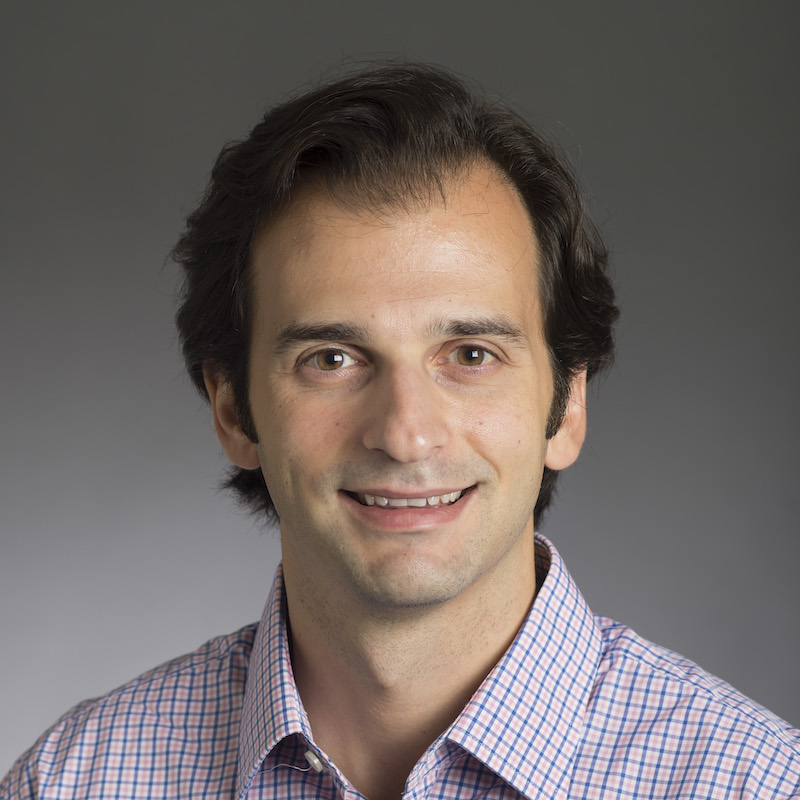
Albert Presto is a Research Professor in the Department of Mechanical Engineering at Carnegie Mellon University with a courtesy appointment in Civil and Environmental Engineering. He serves as Director of the Center for Atmospheric Particle Studies (CAPS) and is a Faculty Affiliate at the Steinbrenner Institute for Environmental Education and Research. His work spans multiple interdisciplinary collaborations across environmental science, engineering, and public health domains. Department of Mechanical Engineering, College of Engineering Center for Atmospheric Particle Studies (CAPS) Steinbrenner Institute for Environmental Education and Research Africa Clean Air Network Advisory Council Health Effect Institute's Energy Review Committee Presto's research focuses on pollutant emissions from energy extraction and consumption and their subsequent atmospheric transformations. His work examines how gas and oil wells emit methane, how vehicles emit carbon monoxide and particulate matter, and how these pollutants undergo oxidation in the atmosphere to create secondary pollutants like ozone and secondary particulate matter. His approach combines ambient measurements, laboratory experiments, source testing of pollution sources, and atmospheric models to provide a holistic view of pollutant emissions and transformations. His recent publications reveal a strong emphasis on air quality monitoring technologies, particularly low-cost sensor networks deployed internationally. There's a clear trend toward studying air pollution in African cities (especially Nairobi, Kampala, and Addis Ababa), examining spatial and temporal variability of particulate matter, and investigating the health impacts of air pollution exposure. His work increasingly integrates machine learning approaches for pollution forecasting and leverages international collaborations to address global air quality challenges. Member of Africa Clean Air Network Advisory Council Collaborator with US embassies worldwide on air quality data collection Quoted in The Guardian on inequality of air pollution exposure, specifically noting how people of color are more likely to be exposed to harmful air pollution Collaborated on research regarding chemicals released during the Ohio train derailment Presto actively collaborates with medical professionals to develop neighborhood-by-neighborhood studies of pollutant exposure and to understand relationships between emissions and health effects like childhood asthma. His work includes investigating racial-ethnic exposure disparities to airborne pollutants and examining how proximity to pollution sources like fast-food restaurants affects pediatric asthma outcomes. He has received seed funding from the Scott Institute for Energy Innovation for research in clean hydrogen production, AI hardware efficiency, and decarbonizing transportation. As Director of CAPS, Presto leads a research team focused on atmospheric particle studies with applications ranging from local Pittsburgh air quality to global monitoring initiatives. His lab develops and deploys advanced air quality monitoring technologies, including low-cost sensor networks that have been implemented in multiple cities across Africa. The CAPS research group works at the intersection of environmental engineering, atmospheric science, and public health to address critical air quality challenges worldwide.
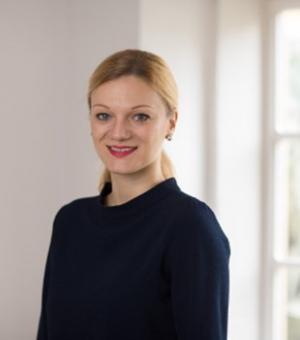
Janina Dill holds the Dame Louise Richardson Chair in Global Security at the Blavatnik School of Government, University of Oxford. She is also a Professorial Fellow at Trinity College and Co-Director of the Oxford Institute for Ethics, Law, and Armed Conflict (ELAC). Her academic work focuses on the intersection of law, morality, and international relations in the context of war. Her research spans three interconnected strands: the legal requirements for military operations under international law; theoretical frameworks for understanding how international law serves as an instrument of morality in war; and empirical investigations into how moral and legal norms affect real-world military decision-making and public opinion in conflict zones. Professor Dill's work has particular relevance to contemporary conflicts, with extensive analysis of the wars in Ukraine and Gaza. She has examined how international humanitarian law applies to these conflicts, the moral arguments employed by different parties, and the practical challenges of implementing legal constraints in complex warfare environments. Her research has been recognized with the prestigious Philip Leverhulme Prize in 2021, which she has used to advance her work on the moral psychology of decision-making in war. She is currently leading multiple significant research projects, including a three-year ESRC/NSF-funded study on "Cumulative Civilian Harm" and an expert process with the ICRC on military objectives under international humanitarian law. Professor Dill is frequently consulted by international media outlets including The Guardian, The Economist, BBC, CNN, and major European publications. Her expertise is regularly sought on matters related to the laws and ethics of war, particularly regarding the conflicts in Ukraine and Gaza. She has received recognition for her contributions to the field through numerous speaking engagements, media appearances, and her influential research that bridges theoretical legal scholarship with practical applications in contemporary conflicts.
Dr Dominic McCafferty is a Senior Lecturer in Physiology, Ageing & Welfare at the University of Glasgow, based at the Scottish Centre for Ecology and the Natural Environment. He holds academic roles including Editor-in-Chief of the Journal of Thermal Biology and previously Ibis . His research focuses on thermal adaptation, behavioral thermoregulation, and urban wildlife ecology, particularly using thermal imaging techniques. He has a Ph.D. and BSc in Ecological Science from the University of Edinburgh (1989–1993 and 1985–1989). His work spans physiological studies in mammals, birds, and marine species, emphasizing conservation applications. Notable projects include habitat suitability modeling for urban water voles and thermal physiology studies in elephant seals. His educational background includes advanced studies in ecological science, complemented by post-doctoral research at institutions like the British Antarctic Survey (1993–1998). He has contributed to over 99 publications, advancing methodologies in non-invasive wildlife monitoring and ecological field studies. His editorial roles reflect expertise in thermal biology and avian science. McCafferty has led projects on carrion dynamics, stress physiology, and behavioral adaptations in diverse species, with a focus on applying findings to conservation challenges. Labs/Teams: Scottish Centre for Ecology and the Natural Environment (SCENE), part of the broader University of Glasgow's ecological research network. Collaborations include the Muséum National d’Histoire Naturelle in France and the National Trust for Scotland.
Prof. Dr. Timothy Roscoe is a Full Professor in the Department of Computer Science at ETH Zurich. His research focuses on operating systems, networking, and distributed systems. He was inducted as an ACM Fellow in 2014 for contributions to these fields. Previously, he worked at Intel Research Berkeley, UC Berkeley (Adjunct Professor), and Sprint Labs. His work includes foundational contributions to systems like PlanetLab, P2 Declarative Networking, and the Nemesis OS. Roscoe holds a PhD from the University of Cambridge and has led projects in cloud computing, wide-area network measurement, and secure systems design. His current research emphasizes hardware-software co-design, formal verification of systems, and scalable memory architectures. Education: PhD in Computer Science, University of Cambridge (1995) Key Roles: Principal Researcher at Intel Berkeley Lab, Visiting Researcher at National ICT Australia Research Highlights: Contributions to distributed systems (PlanetLab), declarative networking (P2), and secure microkernels (seL4 integration). Current projects address challenges in disaggregated memory systems, coherent interconnects, and trustworthy embedded systems. Awards: ACM Fellow (2014), numerous grants and industry collaborations. Labs/Teams: Systems Group at ETH Zurich, focusing on OS design, hardware architectures, and formal methods.
Chris Chesterfield is a Professor of Practice at Monash University's Monash Sustainable Development Institute (MSDI), specializing in water governance, urban planning, and sustainable development. He joined Monash in 2014 as part of the executive team at the Cooperative Research Centre for Water Sensitive Cities, leading strategic research on water system transformations. His work focuses on developing tools like the Water Sensitive Cities Index, adopted globally to drive policy and practice changes. He has held senior roles at Melbourne Water and the Office of Living Victoria, contributing to Melbourne's leadership in water-sensitive urban design. Chris chairs key committees including the Victorian Environmental Water Holder and the Birrarung Council (Yarra River advisory body). He leads projects on integrated water management and urban sustainability, collaborating with government agencies and international stakeholders. His research emphasizes governance frameworks for water-sensitive cities, policy reforms, and nature-based solutions. Chris has contributed to over 20 research outputs since 2002, with recent work focusing on urban water governance, river management, and policy integration. He actively advises government bodies such as the Victorian Planning Authority and Infrastructure Victoria, shaping legislative reforms and urban development strategies.
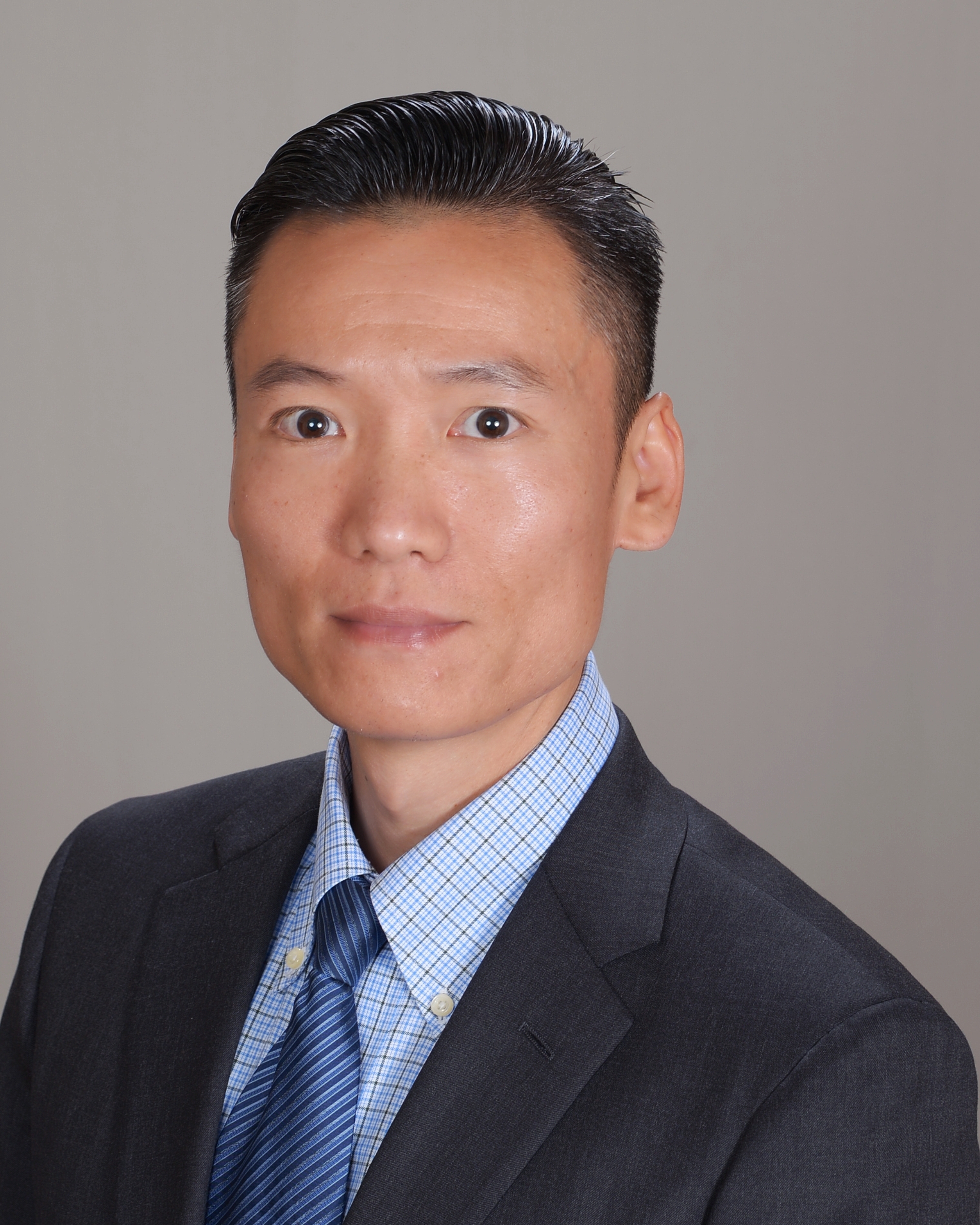
Dr. Liang Cheng is the Department Chair and Professor in the Department of Electrical Engineering and Computer Science at the University of Toledo. He leads a department with ~700 students across CS, CSE, and EE programs. His research focuses on Cyber-Physical Systems (CPS), IoT, AI/ML, and intelligent infrastructure, supported by over $30M in funding from NSF, DOE, DOT, and industry. Notable projects include CPS Breakthrough initiatives and underground sensing systems. He co-edited a multidisciplinary book on Underground Sensing and contributed to smart grid cybersecurity. Dr. Cheng has held leadership roles at Lehigh University, shaping faculty governance and equity policies. His 100+ publications span networking, real-time systems, and sensor networks. He advises on funded projects totaling $30M+ and has pioneered pedagogical approaches in computer science education. Research Interests: Cyber-Physical Systems (CPS): Focuses on autonomous drones, energy systems, and real-time infrastructure Networking: Expertise in TSN, DTN, and wireless protocols Cybersecurity: SCADA systems, PLC attack detection, and blockchain energy modeling Underground Sensing: Geo-sensing via wireless signals and subsurface tomography Grants & Projects: Over 20 sponsored projects including NSF CPS Breakthrough (2018-2023), ABB smart grid projects, and DARPA-funded EDIFY systems. Key contributions include reconfigurable wireless architectures and network calculus tools for real-time systems. Teaching: Courses span senior design, compiler design, parallel computing, and wireless sensor networks. Developed pedagogical patterns for non-CS programming education. Awards: Recognized for leadership in academic governance and interdisciplinary research collaboration.
Christopher Kanan is a tenured Associate Professor of Computer Science at the University of Rochester, leading the AI Initiative within the Hajim School of Engineering & Applied Sciences. He holds secondary appointments in Brain and Cognitive Sciences, the Goergen Institute for Data Science and AI (GIDS-AI), and the Center for Visual Science. His research focuses on deep learning systems for artificial general intelligence (AGI), including continual learning, medical computer vision, and visual question answering. Previously, he was an Associate Professor at RIT’s Carlson Center for Imaging Science and a leader at Paige.AI, contributing to the FDA-cleared Paige Prostate system. Kanan earned his PhD from UC San Diego, completed postdoctoral work at Caltech, and worked at NASA JPL. Education: PhD in Computer Science, UC San Diego MS in Computer Science, University of Southern California Bachelor’s in Philosophy and Computer Science, Oklahoma State University Research Interests: Kanan’s work spans foundational AI capabilities like continual learning, medical imaging (pathology and radiology), multi-modal reasoning, and cognitive science-inspired models. His lab develops bias-robust AI systems and applies deep learning to healthcare and fusion research. Articles Trends: His recent work emphasizes out-of-distribution generalization, foundation models in pathology, and stability in continual learning. Key themes include AI applications in healthcare, model robustness, and neuroscience-inspired algorithms. Awards: NSF CAREER Award Senior Member, AAAI and IEEE DoE and NSF grants totaling $5M+ DARPA/ARL awards Advising & Grants: Mentored over 10 PhD students, including Robik Shrestha and Usman Mahmood. Secured grants for AI in nuclear fusion and medical imaging. Led RIT’s Center for Human-aware AI (CHAI) as Associate Director. Labs & Teams: Heads the University of Rochester AI Initiative, collaborates with Paige.AI, and leads teams advancing AI in pathology and robotics. His lab’s KLab (klab.cis.rit.edu) focuses on vision and learning systems.
Michael J. Aziz is the Gene and Tracy Sykes Professor of Materials and Energy Technologies at Harvard University's John A. Paulson School of Engineering and Applied Sciences (SEAS). He serves as Area Chair for Materials Science and Mechanical Engineering and is a Faculty Associate at the Harvard University Center for the Environment. His research focuses on electrochemical engineering for energy and environmental applications, including redox flow batteries, carbon capture, and sustainable energy technologies. Aziz leads the Aziz Group, which develops grid-scale energy storage solutions and innovative methods for CO₂ removal. He holds equity in Quino Energy, a startup commercializing his battery research, and serves as Chief Scientist and Board Member. His work bridges fundamental materials science with practical engineering, emphasizing ClimateTech solutions. Key contributions include aqueous organic redox flow batteries, quinone-based carbon capture systems, and wearable energy storage devices. Education & Affiliations: Affiliated with SEAS since joining Harvard, his academic roles include coordinating the Graduate Consortium for Energy and Environment (2009–2018). His lab (Materials Science Group) is located at McKay 504, with administrative support from Sabrina Azinheira. Research Interests: Aziz's group investigates electrochemical energy storage, CO₂ capture via electrochemical systems, and novel materials for sustainable technologies. They employ advanced techniques like operando electrochemical fluorescence microscopy to study porous electrode dynamics and battery degradation mechanisms. Their work emphasizes scalability and real-world applicability, such as grid-scale battery infrastructure and decarbonization strategies. Recent Trends in Publications: Aziz's recent work emphasizes carbon capture innovations (e.g., acid-base concentration swing methods), hydrogen storage under ambient conditions, and electrochemical synthesis of industrial chemicals like hydrogen peroxide. His group also develops open-source tools like RFBzero for battery modeling and explores bioinspired materials (e.g., self-gelling hydrogel batteries). Awards & Recognition: While no personal awards are explicitly listed in the text, his team members (e.g., Dawei Xi) have received accolades such as the 2025 Carbon Future Young Investigator Award. Aziz's contributions have been recognized through industry partnerships and startup ventures. Advising & Industry Impact: Aziz advises PhD students focusing on electrochemical systems (e.g., Jordan Sosa, Tommy George). His industry engagement includes licensing intellectual property to Quino Energy, which achieved a manufacturing milestone in 2024 for grid-scale battery systems. His research bridges academia and industry, addressing climate challenges through technological innovation. Labs & Teams: The Aziz Group includes interdisciplinary researchers from electrochemistry, chemical engineering, and materials science. Collaborators include institutions like MIT and industry partners. Current projects target next-gen batteries, CO₂ removal systems, and scalable energy storage solutions.
Prof. Dr. Gonzalo Guillén Gosálbez is a Full Professor at the Department of Chemistry and Applied Biosciences , ETH Zürich. He holds a PhD in Process Systems Engineering (UPC, 2005) and has held academic positions at Imperial College London (Reader), University of Manchester (Senior Lecturer), and Universitat Rovira i Virgili (Assistant/Associate Professor). His research focuses on Sustainable Chemical Processes , integrating life cycle assessment, optimization techniques, and planetary boundary analysis to evaluate and design low-carbon technologies. Current position: Full Professor, ETH Zürich (2019–present) Prior roles: Imperial College London (2016–2019), University of Manchester (2014–2016), URV Spain (2008–2014) Education: PhD (UPC, 2005), MEng/BEng (University of Murcia) His research explores CO2 valorization , green methanol synthesis , circular marine fuels , and planetary boundary compliance in energy and chemical systems. Recent work emphasizes machine learning for process modeling, single-atom catalysis , and decentralized ammonia production . Scientific contributions include 15+ peer-reviewed articles (2023–2025) in journals like Nature Chemical Engineering , ACS Sustainable Chemistry & Engineering , and Energy & Environmental Science . Key themes: Optimization of hybrid fossil/renewable carbon systems Environmental impacts of energy transitions Catalyst design for sustainable chemistry Life cycle assessment of emerging technologies Awarded UPC Top Doctoral Student Award and Top National Student Award , he combines process systems engineering with sustainability metrics to address global challenges in chemical and energy systems.
Professor Mark King is a leading academic in Sports Biomechanics at Loughborough University, affiliated with the School of Sport, Exercise and Health Sciences, where he serves as Lead for the Sport Performance Research Theme. He holds a BSc (1993) and PhD (1998) in Mathematics and Sports Science from Loughborough, with career progression from Lecturer (1999) to Senior Lecturer (2006), Reader (2012), and Professor (2019). He is also Warden of Royce Hall since 1999, overseeing 375 students' welfare. Education: BSc in Mathematics and Sports Science (1993), PhD in subject-specific computer simulation of dynamic jumping (1998). Affiliations: England and Wales Cricket Board (ECB), International Cricket Council (ICC), Badminton World Federation, Lawn Tennis Association. His research focuses on optimizing elite sport performance through biomechanical analysis, particularly in cricket and badminton. Key areas include injury prevention (e.g., ACL risks in badminton, lumbar stress injuries in cricket bowlers) and technique optimization. He has pioneered ICC-accredited testing for illegal bowling actions and explored machine learning applications in data collection. His work highlights trends in cricket fast bowling kinematics, racket sports smash mechanics, and gender-specific performance metrics. He actively collaborates with national and international sports organizations to translate research into practical guidelines for athletes and coaches. Awards: None explicitly mentioned in the text. Grants/Advising: No listed advisees, but extensive industry partnerships support his research. Labs/Teams: National Centre for Sport and Exercise Medicine (NCSEM), part of his research infrastructure.
Dr. Mo Adda is a Principal Lecturer at the University of Portsmouth's School of Computing, part of the Faculty of Technology. He holds a PhD in Distributed Systems and Parallel Processing from the University of Surrey. His research focuses on network security, distributed systems, wireless networks, and cybercrime prevention. He leads projects in the Centre for Cybercrime and Economic Crime, exploring fault management in networks, blockchain applications, and IoT forensics. With 16 supervised theses, he advises on topics like energy-efficient cloud systems and machine learning for environmental modeling. His work bridges academia and industry, addressing challenges in software-defined networks, traffic control, and secure data sharing in social networks. Education: PhD in Distributed Systems (University of Surrey) Affiliations: Centre of Excellence in Defence, Risk & Resilience; Portsmouth Centre for Advanced Materials and Manufacturing Research Interests Dr. Adda's research spans: Network security and fault detection mechanisms Blockchain applications in IoT and forensics Energy-efficient cloud data center optimization Machine learning for climate modeling Self-organizing network protocols Grants & Collaborations His projects include collaborations with industry partners on secure data leakage detection in cloud systems and resilient wireless protocols for harsh environments. He has pioneered fault classification systems using clustering algorithms and fuzzy logic. Labs & Teams He contributes to the Centre for Cybercrime and Economic Crime, focusing on digital forensics and network intrusion analysis. His team develops frameworks for privacy management in social networks and proactive routing in software-defined networks.
Alanson Sample is an Associate Professor in the Department of Electrical Engineering and Computer Science at the University of Michigan (since 2018), leading the Interactive Sensing and Computing Lab. His research focuses on Human-Computer Interaction, Cyber-Physical Systems, and wireless technology innovations. He holds a PhD in Electrical Engineering from the University of Washington (2011), with prior postdoctoral work there developing implantable medical devices. Before academia, Sample held senior roles at Disney Research (2013-2018) as Executive Lab Director and Principal Research Scientist, leading teams in Robotics, AI, Computer Vision, and HCI. Earlier, he worked at Intel Labs (2008-2013) on energy harvesting for wearables and IoT. Key research themes include wireless power systems, embedded sensing, and privacy-aware technologies. Over 150+ publications span topics like magnetic sensing (MagDesk), acoustic gesture recognition (HandSAW), and privacy-preserving activity tracking (PrivacyMic). His work bridges academic and industry innovation, particularly in scalable interactive systems and medical technology. Notable projects include the Quasistatic Cavity Resonance wireless charging system, RFID-based sensing platforms (WISP), and wearable health monitoring devices. His lab develops hardware-software co-design frameworks for energy-efficient embedded systems. Current research emphasizes medical applications, smart infrastructure, and ubiquitous computing interfaces.
Ben Livneh is an Associate Professor at the University of Colorado Boulder , affiliated with both the Civil, Environmental, and Architectural Engineering Department and the Cooperative Institute for Research in Environmental Sciences (CIRES) . As Director of the Western Water Assessment , he bridges academic research with regional climate resilience initiatives. Ph.D. in Civil Engineering (Hydrology), University of Washington (2012) MESc in Civil Engineering, University of Western Ontario (2006) His research explores hydrologic responses to climate and land-cover changes , focusing on snowpack dynamics, wildfire impacts on water quality, sediment transport, and drought predictability. Key projects include simulations of montane snowpack for wolverine habitat preservation and post-fire landslide susceptibility analysis . Recent publications highlight continental-scale hydraulic geometry datasets , climate-energy nexus challenges , and global lake level reconstructions using satellite data. His work has been recognized by the AGU Hydrologic Sciences Early Career Award (2022) and NASA New Investigator Program (2018) . Scientific Awards AGU Hydrologic Sciences Early Career Award (2022) NASA New Investigator Award (2018) Symposium Scholar, DISCCRS VIII (2013) CIRES Visiting Fellowship (2012) Ben leads interdisciplinary collaborations with institutions like the University of Alaska Southeast and NOAA , addressing climate-water-energy-food nexus challenges through advanced modeling and remote sensing techniques.
Dr. Tarek Sayed is a Professor at the University of British Columbia's Department of Civil Engineering within the Faculty of Applied Science. He specializes in Transportation Engineering, focusing on road safety analysis, traffic operations, and Intelligent Transportation Systems (ITS). He serves as the Director of the Bureau of Intelligent Transportation Systems and Freight Security (BITSAFS-Engineering) and Editor of the Canadian Journal of Civil Engineering . His research addresses three core areas: improving road safety evaluation techniques, enhancing safety through traffic operations and highway design analysis, and advancing ITS technologies. Notable contributions include frameworks for safety-audits of infrastructure projects like the Sea to Sky Highway and methodologies for evaluating transit signal priority systems in Vancouver. He has authored/co-authored over 250 publications and supervised 60 graduate students. Key Roles: Professor, BITSAFS Director, Journal Editor Awards: Tier 1 Canada Research Chair, Wilbur Smith Award, Sandford Fleming Award, Prince Michael International Road Safety Award Consulting: Global projects in traffic safety and ITS for agencies like ICBC, FHWA, and Ashghal His research integrates Bayesian statistical methods, extreme value theory, and machine learning to model traffic conflicts, pedestrian behavior, and safety interventions. Current projects include real-time safety optimization using autonomous vehicle data and analyzing shared space interactions between cyclists and pedestrians. Dr. Sayed chairs national/international committees, including the U.S. Transportation Research Board’s safety data committee. His work bridges academia and practice, influencing policy and infrastructure investment decisions worldwide.