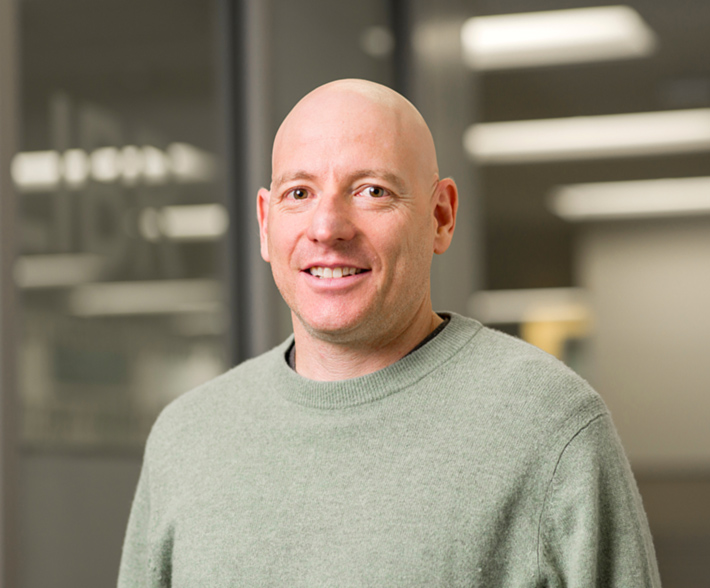
Jonathan Savitz, Ph.D., is an Associate Professor of Community Medicine at The University of Tulsa's Oxley College of Health Sciences and Principal Investigator at the Laureate Institute for Brain Research. His work bridges neuroscience, immunology, and psychiatry to investigate immune dysfunction's role in depression, with a focus on inflammation, adaptive immunity, and herpesvirus interactions. Education: Ph.D. in Molecular Genetics from the University of Cape Town, studying bipolar disorder in South African populations. Research Interests: Psychoneuroimmunology, immunopsychiatry, neuroimaging of depression, and the impact of herpesviruses (particularly CMV) on neuropsychiatric disorders. Article Trends: Recent work examines cortical thinning in adolescents linked to inflammation, concussion-related biomarkers in athletes, CMV's role in neuroinflammation, and computational models for brain geometry. His publications highlight interdisciplinary approaches combining genomics, neuroimaging, and immunology. Labs: Leads the Savitz Laboratory, which employs tools from neuroscience, immunology, and virology.
Ujjwal Neogi is a Senior Lecturer and Docent at Karolinska Institutet, where he leads The Systems Virology Lab within the Department of Laboratory Medicine. His research focuses on understanding viral pathogenesis through the lens of immunometabolism and systems biology. He also holds teaching positions at both Karolinska Institutet and Manipal Institute of Virology in India. Dr. Neogi earned his PhD from the Department of Medicine, Huddinge, Karolinska Institutet in 2013 and was awarded Docent status in 2018. His academic journey reflects a strong foundation in medical virology and immunology. Neogi's research program centers on the metabolic rewiring that occurs during RNA virus infections, particularly focusing on HIV, SARS-CoV-2, Crimean-Congo hemorrhagic fever virus (CCHF), Japanese encephalitis virus (JEV), and Dengue viruses. His lab pioneered systems biology approaches to fingerprint metabolic changes during viral infection and develop novel functional cure strategies by engineering the metabolic state of immune cells. A significant portion of his work examines inflamm-aging in people living with HIV on successful therapy. His publication record shows a strong focus on multi-omics approaches to understand host-pathogen interactions, with particular emphasis on metabolic reprogramming during viral infections. Recent work has expanded to include studies on long-term complications of successful HIV therapy, neurological impacts of viral infections, and the role of gut microbiome in immune development and disease progression. Dr. Neogi actively supervises doctoral students and postdoctoral fellows, and teaches across multiple levels including bachelor's, master's, and doctoral programs. His courses cover molecular and clinical virology, emerging and re-emerging infectious diseases, systems biology in infectious diseases, and diagnostic virology. The Systems Virology Lab operates as part of Karolinska Institutet's Department of Laboratory Medicine and collaborates with multiple research teams including those studying immuno-metabolic reprogramming, innate immune responses, stem cell and organoid models, and the Systems Infection Biology facility which provides advanced bioinformatics analysis services.
Anoop Tholamplackil Ambikan serves as a Postdoctoral Researcher at Karolinska Institutet's Department of Laboratory Medicine, conducting cutting-edge research within The Systems Virology Lab under Dr. Ujjwal Neogi's supervision. His work bridges computational biology and infectious disease pathogenesis, with emphasis on host-viral interaction mechanisms. His academic foundation includes: Ph.D. in Medical Science from Karolinska Institutet (2018-2023), specializing in systems biology for infectious disease research MSc in Bioinformatics from Amrita School of Biotechnology, India (2010-2012) Dr. Ambikan's research centers on systems biology methodologies, particularly network analysis and multi-omics integration, to decode host-pathogen dynamics. He develops molecular association networks to identify coordinated response communities and specializes in contextualizing metabolic/signaling networks within specific cellular environments. His technical expertise spans TMT-labelled proteomics, quantitative metabolomics, and metagenomics, applied primarily to HIV, SARS-CoV-2, and emerging viral infections. Analysis of his publication record reveals consistent focus on immunometabolic host responses across viral pathogens, with recurring themes of metabolic reprogramming in disease pathogenesis and network-based biomarker discovery. His work frequently employs hamster models for SARS-CoV-2 and leverages multi-omics to dissect elite HIV control mechanisms. As an integral member of The Systems Virology Lab, he contributes to Karolinska Institutet's leadership in viral pathogenesis research, maintaining active collaborations across immunology, virology, and systems medicine disciplines. No information regarding academic advising, grant funding, or scientific awards is provided in available sources.
Brad Ferguson is an Associate Professor in the Department of Environmental Sciences & Health at the University of Nevada, Reno. His research investigates the epigenetic mechanisms linking metabolic diseases like obesity and diabetes to cardiac remodeling, with a focus on histone deacetylases (HDACs), acetyltransferases (HATs), and dietary bioactives. Key techniques: bioinformatics, cell culture, animal models. Primary research themes: chromatin regulation, metabolic-cardiovascular crosstalk, microbiome-epigenome interactions. The lab emphasizes dietary epigenetic modifiers and translational approaches to develop therapies for cardio-metabolic disorders. Recent publications highlight intersections between: Epigenetic aging and caloric restriction HDAC inhibition in cardiac/hypertension models Muscle physiology and post-translational modifications Nutritional programming in livestock and human systems No scientific awards were explicitly documented in the provided materials.
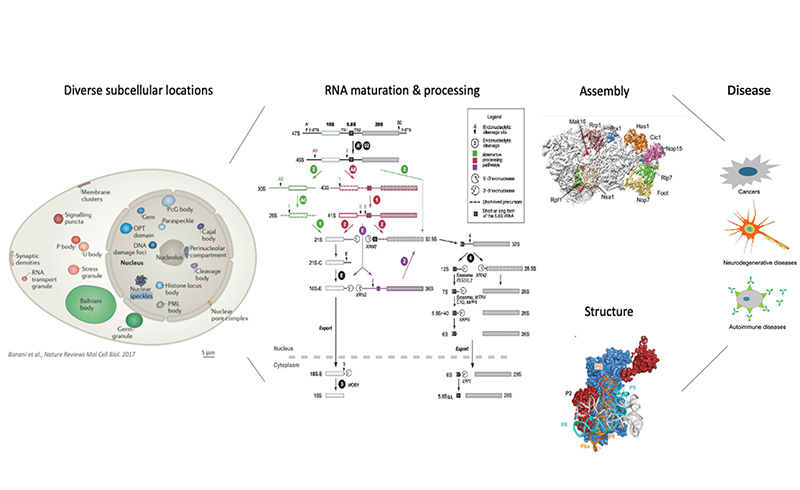
Marlene Oeffinger is an Associate Professor at the Faculty of Medicine, University of Montreal and holds a cross-appointment at the Division of Experimental Medicine, McGill University . She serves as Research Director of the Ribonucleoprotein Biochemistry Research Unit at the Montreal Clinical Research Institute (IRCM). Her research focuses on RNA maturation pathways, ribosome biogenesis, and their links to neurodegenerative diseases like Alzheimer's and ALS through RNA-protein complex dynamics. Education : Master's in Cell Biology (University of Vienna), PhD in Molecular Biology (University of Edinburgh). Training : Postdoctoral work in David Tollervey's lab (Edinburgh) and Mike Rout's lab (Rockefeller University). Her work combines proteomics , biochemical assays , and computational approaches to map RNA maturation networks and their connections to DNA damage repair. Recent articles highlight discoveries in archaeal ribosome evolution, mRNA export mechanisms, and RNA structure probing in yeast. She has received prestigious awards including the CIHR New Investigator Award , FRQ-S Junior Scholar Fellowships , and Revson Foundation Biomedical Fellowship . Marlene's lab trains students and researchers in RNA biology, with current members like Master's student Mauricio Hernandez Magana. Her affiliations span multiple platforms at the IRCM, including bioinformatics , proteomics , and molecular biology . She leads grants from CIHR , FRQNT , and Brain Canada , advancing understanding of RNA's role in disease etiology.
Braden C. Fleming is the Lucy Lippitt Professor of Orthopaedics and Professor of Engineering at Brown University. His research focuses on ACL injury biomechanics , graft healing , osteoarthritis progression , and biotribology . He has directed translational projects involving MRI-based monitoring and tissue engineering for ligament repair. Primary Affiliation: Brown University, Department of Orthopaedics and Engineering Education: PhD in Mechanical Engineering, University of Vermont (1996) His research interests include: Knee ligament injuries and reconstruction Soft tissue biomechanics and cartilage protection Biomedical instrumentation for postoperative monitoring Sex-specific differences in ACL outcomes Translational models of osteoarthritis MRI-based graft healing assessment Recent publications highlight advancements in: MRI segmentation pipelines Quantitative imaging biomarkers Sex-based graft tension outcomes Biomechanical modeling of ACL tenodesis Anti-inflammatory therapies in cartilage repair Long-term neuromuscular adaptation Scientific Awards : William A. Grana Award (2025, 2020) OREF Clinical Research Award (2022, 2020) Kappa Delta Award (2013, 1994) Cabaud Research Award (2024, 2013, 2009) ACL Study Group Traveling Fellowship (2010-2012) Grants : NIH and DOD-funded projects on ACL restoration and osteoarthritis. Labs : Co-Director of the Bioengineering Core at the COBRE for Skeletal Health and Repair.
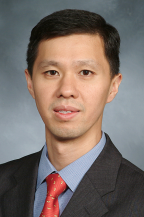
James C. Lo, M.D., Ph.D., is the Rohr Family Clinical Scholar and Associate Professor of Medicine at Weill Cornell Medical College . As a physician-scientist, he directs a basic research laboratory investigating the molecular basis of cardiometabolic diseases. 2023 : Rohr Family Clinical Scholar 2023 : Associate Professor of Medicine, Weill Cornell Medical College 2021 : Assistant Professor of Medicine, Weill Cornell Medical College Education: 2006 - M.D., University of Chicago Pritzker School of Medicine 2004 - Ph.D., University of Chicago 1998 - B.S., University of Chicago Dr. Lo's research focuses on molecular mechanisms of metabolic diseases with emphasis on: Cardiovascular biology in diabetes and obesity Adipose tissue function and thermogenesis Pancreatic islet physiology in metabolic stress Inter-organ communication networks Novel therapeutic targets for diabetes Cardiac complications in metabolic disorders Complement system in endocrine regulation His lab employs single-cell RNA-seq , genetic models , and multi-omics approaches to study: β cell subpopulations in diabetes Complement receptor signaling Adipose-liver-heart cross-talk Extracellular vesicle-mediated dysfunction Sex-dependent metabolic regulation Scientific Contributions: First to identify adipsin's role in β cell protection Discovered complement system's role in islet function Defined adipose tissue as SARS-CoV-2 target Elucidated mechanisms of obesity-induced arrhythmias Developed cross-species models of metabolic stress Research Funding: Currently holds 8 major grants as Principal Investigator or Key Personnel, including: $2.1M - NIH/NHLBI Mechanisms of Obesity-induced Atrial Fibrillation (2025-2028) $2.8M - NIH/NIDDK NAD+ Metabolism in β Cell Dysfunction (2025-2030) $1.5M - AHA Obesity-Driven Atrial Fibrillation (2024-2027) $1.2M - AHA Zebrafish Heart Regeneration (2023-2026) His laboratory team at the Belfer Research Building (New York, NY) includes post-doctoral fellows, Ph.D. students, medical students, and research technicians working in a collaborative environment.
Giuseppe Faraco is an Assistant Professor of Neuroscience at the Brain and Mind Research Institute, Weill Cornell Medical College. His research focuses on neurovascular dysfunction, cognitive impairment, and the interplay between hypertension, immune responses, and brain health. Education: Ph.D. and M.D. from University of Florence Faculty of Medicine and Surgery. Research interests center on neurovascular biology, dietary impacts on brain function, and immune-mediated cognitive decline. His work explores hypertension, tau phosphorylation, gut-brain axis, and blood-brain barrier dynamics in neurodegenerative diseases. Recent publications highlight mechanisms linking hypertension, inflammation, and cognitive dysfunction, with a focus on endothelial-immune crosstalk and dietary factors. Grants include funding from Cure Alzheimer’s Fund and National Institute of Neurological Disorders & Stroke to study hypertension, neurovascular dysregulation, and gut immunity.
Professor Dr. Peter Murray is a leading immunologist and permanent group leader of the "Immune Regulation" research group at the Max Planck Institute of Biochemistry in Martinsried, Germany. Since 2018, he has also served as an Honorary Professor at the Technical University of Munich (TUM). His research delves into the intricate mechanisms governing immune system decision-making, with a particular focus on macrophage biology, amino acid metabolism, and immunometabolism in health and disease. Education and Career: Ph.D., The Walter and Eliza Hall Institute of Medical Research, University of Melbourne (1988–1991) B.Sc. (Hons), Monash University, Melbourne (1984–1987) Post-Doctoral Fellow, Whitehead Institute & MIT (1991–1998) Assistant to Associate Member, St. Jude Children's Research Hospital (1998–2014) Group Leader (Permanent), Max Planck Institute of Biochemistry (2017–present) Honorary Professor, Technical University of Munich (2018–present) Research Interests: Professor Murray's work is centered on understanding how the immune system makes critical decisions, particularly how metabolic cues influence immune responses. His group investigates macrophage and T-cell interactions, amino acid metabolism in immune regulation, and the role of immunometabolism in diseases like cancer, autoimmunity, and chronic infections. The team employs innovative approaches, including spatial proteomics and iPSC-derived macrophage models, to uncover new biological principles and therapeutic targets. Scientific Awards and Honors: Elected to the American Academy of Microbiology (2015) St. Jude Children's Research Hospital Faculty Mentoring Award (2013) Elected Chair, American Society of Microbiology Division E (Immunology) (2012) The Hartwell Foundation Individual Biomedical Award (2010) C. J. Martin Fellow, NH&MRC Australia (1991–1994) Labs and Teams: Professor Murray leads the "Immune Regulation" research group at the Max Planck Institute of Biochemistry, a multidisciplinary team exploring the intersection of immunology and metabolism. The group collaborates extensively with international partners, including St. Jude Children's Research Hospital and various European research centers.
Prof. Ben Maoz is a Professor at the Department of Bio-Medical Engineering , The Iby and Aladar Fleischman Faculty of Engineering , Tel Aviv University . He directs the MaozLab, which pioneers interdisciplinary research in neuroengineering, microphysiological systems, and nanoscale therapeutic delivery. His lab integrates engineering principles with neuroscience to model human diseases and develop translational technologies. Research Focus Prof. Maoz's research spans: Organ-on-Chip Platforms : Developing modular microfluidic systems (e.g., neurovascular units, PNS-CNS models) for disease modeling and drug screening. Nanoneuroengineering : Designing brain-targeted nanocarriers (liposomes, dendriplexes) for siRNA and antibody delivery in neurodegenerative disorders like Parkinson's. Medical Devices : Creating implantable sensors, nanogenerators for sensory restoration, and tools for traumatic brain injury analysis. Cellular Mechanobiology : Investigating biomechanical forces in tissues using magnetoresponsive hydrogels and 3D cultures. Publication Trends His recent work (2023-2025) emphasizes: Advanced drug delivery systems for neurological applications (e.g., siRNA to neurons, alpha-synuclein-targeting antibodies). Innovative organ-on-chip platforms for studying cancer metastasis, viral entry, and neuro-immune interactions. Biomaterials and nanotechnologies addressing sensory restoration, cellular contractility, and super-resolution imaging. Laboratory & Collaborations The MaozLab employs microfabrication, molecular biology, and in vitro modeling to tackle challenges in brain health, with collaborations spanning oncology, virology, and gastroenterology.
Henrik Johansson is a doctoral student at the Division of Electromagnetic Engineering and Fusion Science (EMF), School of Electrical Engineering and Computer Science (EECS), Royal Institute of Technology (KTH). He focuses on interactions between power system protection algorithms and control strategies of inverter-based resources in grids with high power electronics penetration. B.Sc. and M.Sc. in Electrical Engineering and Electric Power Engineering from KTH (2020, 2022) Development engineer at Scibreak (HVDC auxiliary power supplies) Teaching assistant in mathematics courses at KTH His research intersects power systems, renewable energy integration, and grid protection algorithms. Recent publications analyze impacts of grid-forming inverters on distance protection schemes and adaptive fault detection methods. Articles highlight trends in power electronics integration and protection system design for modern grids. Scientific recognition includes the Teaching Assistant of the Year award from KTH electrical engineering students. He collaborates with Professor Nathaniel Taylor and Professor Xiongfei Wang on advancing protection strategies for grids with high renewable energy penetration.
Phil H Jones is a Senior Group Leader at the Wellcome Sanger Institute and Programme Leader at the MRC Cancer Unit, University of Cambridge. He leads the Jones Group which focuses on understanding how cancer-associated DNA changes in normal stem cells alter their behavior, allowing them to spread through normal tissues—the critical first step toward cancer development. Institution: MRC Cancer Unit, University of Cambridge Research Program: Cancer, Ageing and Somatic Mutation Programme Professional Recognition: Fellow of the Royal Society, Fellow of the Academy of Medical Sciences Dr. Jones's research centers on how mutations that alter the competitive fitness of normal stem cells give mutant stem cells the ability to spread through normal tissues. His current work employs deep sequencing, advanced imaging, gene editing, and single-cell analysis to define how oncogenic mutations alter stem cell behavior during aging and the earliest stages of cancer development in skin and esophagus. His lab-based studies complement his clinical work at Addenbrooke's Hospital, where he treats patients with non-melanoma skin cancer. Analysis of his recent publications reveals a consistent focus on somatic mutations in normal epithelial tissues, particularly examining how specific mutations (such as those in p53, Notch1, and PIK3CA) confer competitive advantages to cells, enabling clonal expansion. His work demonstrates that normal tissues become extensively colonized by mutant cells with age, with some mutations increasing cancer risk while others may actually decrease it. A key finding across multiple publications is that mutant clones can outcompete and eliminate early-stage tumors, suggesting novel approaches to cancer prevention. Fellow of the Royal Society Fellow of the Academy of Medical Sciences Multiple high-impact publications in Nature, Science, and Cell journals Dr. Jones collaborates extensively with Cancer Research UK, the Department of Oncology at the University of Cambridge, and the Wellcome Trust-Medical Research Council Cambridge Stem Cell Institute. His research is highly translational, aiming to apply fundamental discoveries about somatic evolution in normal tissues to develop rational interventions that reduce cancer risk in high-risk patients. The Jones Group employs a multidisciplinary approach combining experimental biology with computational modeling to understand the evolutionary dynamics of mutant clones in aging tissues. The Jones Group operates within the Cancer, Ageing and Somatic Mutation Programme at the Wellcome Sanger Institute, utilizing advanced 3D culture methods, gene editing, live imaging, and single-cell analysis capabilities. Their research infrastructure supports studies of both skin epidermis and esophageal epithelium, with particular focus on how lifestyle factors (sun exposure, alcohol consumption) and aging influence the somatic mutation landscape of normal tissues.
Theodore G. Drivas, MD, PhD is an Assistant Professor of Medicine at the University of Pennsylvania's Perelman School of Medicine. His research focuses on the genetic architecture of human disease, particularly examining interactions between common and rare genetic variants and their relationship to common and rare diseases. Academic Rank: Assistant Professor Institution: University of Pennsylvania School: Perelman School of Medicine Department: Department of Medicine Dr. Drivas's work spans multiple domains including: Genetic Medicine Genomics Human Genetics Precision Medicine Clinical Genetics Health Disparities Recent research trends show strong emphasis on: GWAS studies for inflammatory diseases like hidradenitis suppurativa Racial disparities in genetic testing access Polygenic risk score validation and implementation Multi-ethnic cancer susceptibility gene analysis Sex-specific genetic effects in cardiomyopathy Development of genomic implementation strategies
Fatih Albayrak is an Assistant Professor at Gaziantep University Faculty of Medicine, Department of Internal Medicine, specializing in Rheumatology. He earned his medical degree from Marmara University Faculty of Medicine (English Program) between 2000-2007, completed his Internal Medicine specialization at Fırat University Faculty of Medicine (2010-2014), and further specialized in Rheumatology at Kahramanmaraş Sütçü İmam University (2018-2021). His research primarily focuses on Rheumatology within Internal Medicine, with particular expertise in inflammatory arthritis, autoimmune diseases, and connective tissue disorders. Dr. Albayrak's work examines the clinical manifestations, diagnostic challenges, and treatment approaches for conditions including rheumatoid arthritis, spondyloarthritis, Behçet's disease, systemic sclerosis, and osteomalacia. Analysis of his recent publications reveals a strong emphasis on biologic therapies and their safety profiles, particularly regarding secukinumab use in patients with malignancy history and inflammatory bowel disease risk. He also investigates ocular manifestations in rheumatoid arthritis, paraneoplastic arthritis, and the relationship between body mass index and disease markers in systemic sclerosis. Active researcher with 22 peer-reviewed articles in international journals Author of 11 book chapters on rheumatological topics Presented 50 conference papers at national and international meetings Board Member of Academic Rheumatology Association (since 2023) Member of Turkish Rheumatology Research and Education Association (since 2021) Dr. Albayrak has participated in numerous educational activities including ultrasound courses, capillaroscopy training, and various rheumatology symposia. His clinical work bridges internal medicine and rheumatology, with a particular focus on complex diagnostic cases and the intersection of rheumatic diseases with other medical specialties including oncology, ophthalmology, and gastroenterology.
Daniel J. Drucker is a University Professor of Medicine at the University of Toronto and Senior Investigator at the Lunenfeld-Tanenbaum Research Institute, Sinai Health. His groundbreaking research focuses on glucagon-like peptides (GLP-1 and GLP-2), revolutionizing treatments for diabetes, obesity, and intestinal failure. He discovered GLP-1's roles in insulin secretion, cardioprotection, and inflammation reduction, and GLP-2's application in short bowel syndrome therapy. Education : MD, University of Toronto (1980) Internship at Johns Hopkins Hospital Residencies in Internal Medicine and Endocrinology at University of Toronto Research Interests : Drucker's work spans incretin biology, gut hormone therapeutics, metabolic regulation, and inflammation control. His discoveries enabled GLP-1 receptor agonists (e.g., exenatide) and DPP-4 inhibitors for diabetes, along with teduglutide for intestinal failure. Recent studies explore GLP-1's anti-inflammatory actions and cardiometabolic protection. Awards and Honors : Wolf Prize in Medicine (2023) Breakthrough Prize in Life Sciences (2025) Canada Gairdner International Award (2021) Fellow of the Royal Society (2015) Princess of Asturias Award (2024) Time100 Most Influential People (2024) Leadership : Holds the Banting and Best Diabetes Centre-Novo Nordisk Chair in Incretin Biology. His lab at Lunenfeld-Tanenbaum Research Institute drives innovation in peptide therapeutics.