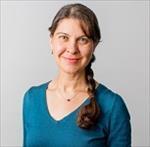
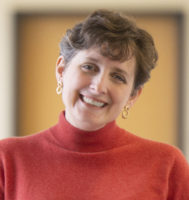
Dr. Karim Bennaceur is a researcher at Newcastle University , focusing on the intersection of immunology and cardiovascular medicine. His work explores immune cell dynamics, telomerase mechanisms, and inflammatory pathways in myocardial infarction and ischemic injury. Key collaborations include studies on TGF-β1 mimics, telomerase activation, and CMV-seropositivity impacts on cardiac recovery. Research spans immunology , cardiology , and molecular biology , with a focus on lymphocyte kinetics, chemokine signaling, and telomere maintenance. His publications highlight clinical trials in elderly patients and mechanistic insights into T cell proliferation and atherosclerosis.
Uwe Rudolph serves as Professor and Head of the Department of Comparative Biosciences within the College of Liberal Arts & Sciences at the University of Illinois Urbana-Champaign. He holds an affiliate appointment at the Carl R. Woese Institute for Genomic Biology. His research centers on the neurobiology of cognitive function in aging and the pathophysiology of neuropsychiatric disorders, with specialized focus on GABA and NMDA receptor mechanisms. Current investigations examine receptor-mediated cognitive impairment, genetic contributions to psychosis, and neuroinflammatory processes in pulmonary disease. Recent publications (2023-2025) reveal interdisciplinary work spanning molecular neuroscience, immunology, and veterinary medicine. Key trends include receptor pharmacology applications in depression treatment, genetic models of cognitive disorders, and translational approaches to animal welfare. His work consistently addresses receptor dysfunction in neuropsychiatric conditions while expanding into novel therapeutic domains.
Alba Rossi-George is a Lecturer in the Department of Social Science at the School of Arts & Sciences, City University of New York (CUNY). Her academic training includes a Ph.D. and M.S. in Biopsychology and Behavioral Neuroscience from Rutgers University, followed by three postdoctoral fellowships in Psychiatry, Environmental and Occupational Health Sciences, and Pharmacology and Toxicology at institutions in New Jersey. Ph.D., Biopsychology and Behavioral Neuroscience, Rutgers University M.S., Biopsychology and Behavioral Neuroscience, Rutgers University Postdoctoral Fellowship, Psychiatry, University of Medicine and Dentistry of NJ Postdoctoral Fellowship, Environmental and Occupational Health Sciences, EOHSI, NJ Postdoctoral Fellowship, Pharmacology and Toxicology, Rutgers School of Pharmacy Her research centers on the neurobehavioral and neuroimmune impacts of environmental toxins such as lead and copper, particularly in animal models. She investigates how exposure to these toxicants influences neurodegenerative processes, stress responses, HPA axis regulation, and nitric oxide signaling in microglial cells. Her work bridges behavioral neuroscience with molecular toxicology, offering insights into the biological mechanisms linking environmental exposures to neurological dysfunction. The recent publications highlight a consistent focus on metal toxicity (especially lead and copper), neuroinflammation, and cellular signaling pathways. A dominant theme is the interaction between environmental stressors and toxicants, with multiple studies examining how prenatal or lifetime exposure to lead, combined with stress, alters neurochemical and behavioral outcomes. Several papers employ BV2 microglial cell models to explore redox and nitrosative signaling disruptions caused by copper. The research trajectory reflects a deep engagement with mechanistic neurotoxicology and the long-term health implications of early-life exposures. No scientific awards were mentioned in the available text. There is no information provided about student advising or research grants. However, her extensive collaborative work, particularly with researchers like DA Cory-Slechta and MB Virgolini, suggests active participation in team-based neuroscience and toxicology research. She teaches courses such as Introduction to Psychology and Health Psychology, contributing to undergraduate education in psychological and behavioral sciences. While no formal lab or research team is named, her publications indicate sustained involvement in a research group focused on environmental neurotoxicology and stress interactions, likely based at or affiliated with Rutgers and CUNY institutions.
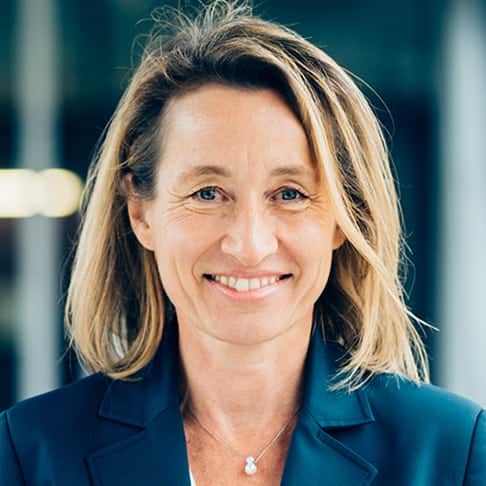
Viktoria Weber is a full Professor of Applied Biochemistry and Vice-Rector for Research at Danube University Krems, where she also leads the Department for Biomedical Research and the Christian Doppler Laboratory for Innovative Therapy Approaches in Sepsis. She previously conducted research at the Medical University of Vienna and holds a PhD and habilitation in glycobiology from the University of Natural Resources and Life Sciences, Vienna. PhD in Glycobiology, University of Natural Resources and Life Sciences, Vienna Habilitation, University of Natural Resources and Life Sciences, Vienna Degree in Biotechnology, University of Natural Resources and Life Sciences, Vienna Her research focuses on cellular activation at the blood-biomaterial interface, extracellular vesicles in thrombogenesis and immunomodulation, and advanced diagnostics for sepsis and bloodstream infections. She integrates biochemical, immunological, and clinical approaches to understand host responses in extracorporeal circuits and infectious disease. The recent publication trends highlight consistent contributions in extracellular vesicles , sepsis , immunothrombosis , and biomaterial compatibility . These works span molecular mechanisms to translational diagnostics, reflecting a strong emphasis on bridging basic science with clinical applications in critical care and biomedical engineering. She holds leadership roles in major scientific organizations: Co-founder and Vice President, Austrian Society for Extracellular Vesicles Vice President, Austrian Association for Molecular Life Sciences and Biotechnology Board Member, European Society for Artificial Organs She advises national and international funding agencies as an expert reviewer and leads multidisciplinary research teams focused on sepsis therapy and blood-biomaterial interactions. Her department hosts collaborative projects in biomedical detection systems and innovative treatment strategies. She also oversees research strategy as Vice-Rector, supporting institutional scientific development. Her research is conducted within the Christian Doppler Laboratory for Innovative Therapy Approaches in Sepsis and the Department for Biomedical Research, which foster interdisciplinary collaboration between biochemists, clinicians, and engineers to develop novel diagnostic and therapeutic solutions.
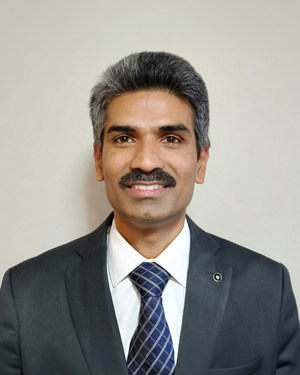
Dr. Narasimman Gurusamy is an Assistant Professor at the Barry and Judy Silverman College of Pharmacy, Nova Southeastern University, specializing in Pharmaceutical Sciences. He holds a Ph.D. in Pharmaceutical Sciences from Niigata University of Pharmacy and Applied Life Sciences (Japan) and completed postdoctoral training at UConn Health Center, Harvard Medical School, and University of Tennessee Health Science Center. Education: M.Pharm (Tamil Nadu Dr. MGR Medical University, India), Ph.D. (Niigata University, Japan) Research Focus: Epigenetic mechanisms in cardiac diseases, non-coding RNA regulation, exosome therapy, stem cell biology, and gene-environment interactions His work explores how long non-coding RNAs and epigenetic modifiers influence cardiac repair, particularly through induced mesenchymal stem cells and their exosomal signaling . Current projects investigate dietary and environmental impacts on epigenetic changes in the heart. Recent publications highlight advancements in RNA-based therapies and metabolic interventions for cardioprotection. Scientific Awards: American Heart Association Career Development Award, Young Research Scientist Award, Travel Awards Dr. Gurusamy serves as Grant Reviewer for the American Heart Association, Associate Editor for Frontiers in Cardiovascular Medicine , and Vice-Chair for the Communication Committee of the Society for South Asian Heart Research (SAHR). His lab employs in-vitro, in-vivo, and clinical trial approaches, utilizing PCR, ELISA, flow cytometry, and genomic repository analyses.
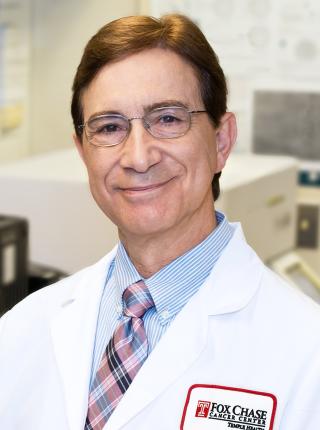
Joseph R. Testa is a Professor and Senior Member at Fox Chase Cancer Center, where he holds the Carol and Kenneth E. Weg Chair in Human Genetics. He serves as Chief of Genomic Medicine and Director of the Clinical Cytogenomics Laboratory within the Cancer Prevention and Control program. His research is centered on the molecular genetics of malignant mesothelioma and the oncogenic role of the AKT pathway. University: Fox Chase Cancer Center School: Cancer Prevention and Control Department: Genomic Medicine Academic Rank: Professor Dr. Testa’s research focuses on hereditary and somatic mutations in cancer, particularly in mesothelioma. He discovered germline mutations in the BAP1 gene, leading to the identification of the BAP1 tumor predisposition syndrome. His lab uses genetically engineered mouse models to study gene-environment interactions, tumor development, and preclinical drug testing. Key interests include AKT signaling, NF2 inactivation, and inflammation-driven oncogenesis. His work has revealed mechanisms of chemoresistance and potential therapeutic targets such as FAK and RIPK3. His recent publications (2020–2025) reflect a strong focus on molecular mechanisms in mesothelioma, T-cell lymphoma, and cancer immunology. Trends include the use of transgenic models, epigenetic regulation, and pathway crosstalk (e.g., Wnt, cholesterol synthesis). He actively explores immunogenicity, targeted therapy, and synthetic lethality in genetically defined cancers. Scientific awards include: AACR Most-Cited Article (2018) Pioneer Research Award, MARF (2013) Wagner Medal, IMIG (2012) Elected Fellow, AAAS (2012) Landon-AACR Innovator Award (2008) Irving Selikoff Award (1999) Dr. Testa has mentored numerous researchers and leads a multidisciplinary lab team. He has received continuous grant support for studies on mesothelioma genetics and signaling. His lab collaborates internationally, particularly in BAP1 syndrome research. He is an editorial board member for multiple journals and has served on the NCI Board of Scientific Counselors. His work bridges basic discovery and clinical translation, influencing genetic testing and therapeutic strategies. The Testa Lab includes key personnel such as Yuwaraj Kadariya, Eleonora Sementino, Ujjawal Shrestha, and Yinfei Tan, focusing on mouse models, cytogenetics, and molecular mechanisms of tumorigenesis.
Jennifer K. Mulligan is an Associate Professor in the Department of Otolaryngology – Head & Neck Surgery at the University of Florida. She holds multiple leadership roles including Vice Chair for Research, Co-Director of the UF Health Smell Disorders Program, and Director of Resident Research Education. Her academic work focuses on the immunopathogenesis of chronic rhinosinusitis (CRS) and olfactory dysfunction, with a particular interest in vitamin D metabolism, complement system regulation, and epithelial cell biology. Her research employs experimental models and clinical studies to investigate mechanisms underlying sinonasal inflammation and olfactory impairment. Notable contributions include elucidating roles of vitamin D3 in modulating immune responses and epithelial function, and developing biomarker-based endotyping strategies for CRS subtypes. She has pioneered nasal mucus proteomics and olfactory cleft analysis to identify novel therapeutic targets. Dr. Mulligan's grant portfolio includes NIH-funded projects on vitamin D modulation of CRS inflammation, immune responses to SARS-CoV-2 in upper airways, and biologic therapies for nasal polyposis. She leads clinical trials evaluating treatments like dupilumab for smell recovery. Over 100 peer-reviewed publications span immunology, otolaryngology, and translational research methodologies. Her teaching activities include instructing the GMS6847 course on translational research principles. She mentors residents and fellows in surgical research through structured educational programs. Active collaborations involve immunologists, bioengineers, and clinical researchers across multiple institutions.
Kyle Allen is a Professor at the University of Florida's Herbert Wertheim College of Engineering, specializing in Biomedical Engineering. His research focuses on understanding how degenerative musculoskeletal diseases like osteoarthritis (OA) and intervertebral disc degeneration lead to chronic pain and disability. He employs rodent disease models and clinical studies in both veterinary and human patients to explore behavioral, molecular, and structural aspects of these conditions. Education: B.S. in Mechanical Engineering & Economics, Rose-Hulman Institute of Technology (2002) Ph.D. in Bioengineering, Rice University (2006) Post-doctoral Fellowship in Orthopedic Surgery, Duke University (2011) Research Interests: Dr. Allen’s lab develops novel behavioral assays, magnetic nanoparticle-based diagnostic tools, and tissue engineering strategies to improve osteoarthritis treatment and preclinical-to-clinical translation. His work intersects biomechanics, molecular biology, and neurophysiology to address unmet clinical needs in joint disease management. Publications: His recent work includes AI-driven gait analysis in equine and rodent models, nanoparticle-based therapies, and proteomic studies of disease mechanisms. Key trends include leveraging machine learning for phenotypic analysis and exploring nanotechnology for targeted drug delivery. Awards: UF Doctoral Mentoring Award (2022-2023) NIH K99/R00 Pathways to Independence Award (2014) J. Crayton Pruitt Family Term Fellow (2017-2020) Advising & Grants: While specific student names are not listed, Dr. Allen’s lab focuses on training interdisciplinary researchers. His grants support studies on neuroimmune interactions in pain and translational biomaterials development. He chairs the Young Investigator Subcommittee for the Osteoarthritis Research Society International. Labs/Teams: The Orthopaedic Biomedical Engineering Laboratory collaborates with veterinary and clinical partners to bridge basic science and clinical applications in musculoskeletal health.
Rikard Blunck is an Accredited Professor in the Department of Physics at the University of Montreal, affiliated with the Faculty of Arts and Sciences. His research focuses on ion channel biophysics, membrane protein dynamics, and structural biology. He employs advanced techniques like fluorescence spectroscopy, molecular dynamics simulations, and single-molecule imaging to study voltage-gated potassium channels, mechanosensitive channels, and disease-related mutations in ion channels. Key research interests include the structural determinants of ion channel function, mechanisms of channel inactivation, and the impact of genetic variants on channel physiology. His work spans from fundamental biophysics to clinical implications in neurology and cardiology, particularly in channelopathies linked to epilepsy, migraine, and ataxia. Notable contributions include studies on the Shaker Kv channel, TACAN pain sensors, and structural analysis of Kv2.1/Kv6.4 heterotetramers. His methodologies include voltage-clamp fluorometry, single-subunit counting, and computational modeling to probe conformational changes during channel activation and inactivation. Blunck has published extensively, with recent work investigating cooperative C-type inactivation mechanisms, KCNG4 genetic variants in migraine, and stoichiometry determinations of ion channel complexes. His research bridges molecular mechanisms with clinical applications, aiming to identify therapeutic targets for channel-linked disorders.
Sarah White-Springer is an Associate Professor of Equine Physiology in the Department of Kinesiology and Sport Management at Texas A&M University. Her research focuses on equine physiology, mitochondrial biology, and exercise-induced physiological responses in horses. She holds affiliations with the College of Agriculture and Life Sciences, emphasizing interdisciplinary work in animal science and sports medicine. Education details are not explicitly provided in the text, but her academic focus suggests advanced training in equine science or related fields. Her research interests include skeletal muscle function, mitochondrial adaptations to exercise, dietary impacts, and inflammatory responses in equine athletes. Notable projects explore the effects of glucocorticoids, ostarine, and nutritional supplements on horse health. Recent publications (2023–2025) highlight studies on mitochondrial capacities in Thoroughbreds, dietary starch effects, and blue light exposure impacts. Her work bridges equine physiology with translational applications in sports medicine and animal health. No scientific awards or grants are explicitly listed, though her prolific publication record indicates significant research activity. She leads studies on equine muscle biology and collaborates on projects involving exercise physiology and nutritional interventions.
Dr. Chloe E. Atreya is a Professor of Medical Oncology at the University of California San Francisco (UCSF) School of Medicine, specializing in gastrointestinal and colorectal cancers at the UCSF Helen Diller Comprehensive Cancer Center. She co-directs the Integrative Oncology Program and Research Hub, focusing on tumor genetics, personalized therapy, and gut microbiome interactions to improve patient outcomes. Her research integrates clinical trials with molecular analysis to overcome treatment resistance. Dr. Atreya's educational background includes: BA in Molecular Biology with Visual Art Certificate from Princeton University (1998) PhD in Pharmacology and MD from Yale University (2004, 2005) Internal Medicine residency at University of Washington (2008) Medical Oncology fellowship and Advanced Clinical Research Training at UCSF (2010, 2014) Clinical Fellowship in Integrative Medicine (2018-2019) Her research spans tumor genetics, gut microbiome interactions, and integrative oncology approaches. Recent publications reveal strong focus on microbiome-mediated drug metabolism, precision medicine strategies for KRAS/BRAF-mutant cancers, and patient-centered interventions for cancer survivors. She leads multiple NIH-funded projects examining resistance mechanisms and nutritional interventions. Dr. Atreya has received significant recognition including: ASCO Young Investigator Award (2011) Multiple UCSF research awards (2012-2017) Sandler Program Breakthrough Award (2022) ASCO-Integrative Oncology Clinical Guidelines leadership As Principal Investigator on multiple NIH grants including R01CA229447 and R37CA266549, she directs translational research programs examining kinome-guided targeting and KRAS inhibition resistance. Her work bridges basic science with clinical applications through the Integrative Oncology Research Hub, developing evidence-based complementary approaches for symptom management and quality of life improvement.
Dr. Ahamed Idris is a tenured Professor of Surgery and Internal Medicine at the University of Texas Southwestern Medical Center (UTSW) who has been active in clinical practice of emergency medicine at Parkland Memorial Hospital since 2003. He serves as Director of Emergency Medicine Research in the Division of Emergency Medicine and Chair of IRB 4 at UTSW. His professional affiliations include being a Past National Chair of Basic Life Support for the American Heart Association, a member of the National Emergency Cardiovascular Care Committee, and a consultant to the National Institutes of Health Cardiovascular Special Emphasis Panel. Dr. Idris's research focuses on emergency medicine with particular emphasis on cardiopulmonary resuscitation, cardiac arrest treatment, and emergency cardiovascular care. His work explores optimal chest compression techniques, impedance threshold devices, and the physiological mechanisms underlying successful resuscitation. He has made significant contributions to understanding the relationship between chest compression parameters and survival outcomes, as well as innovative approaches to managing cardiac arrest in both prehospital and hospital settings. His most recent publications demonstrate consistent research productivity in resuscitation science, with particular focus on chest compression metrics, airway management during cardiac arrest, and the application of impedance threshold devices. These works represent collaborative efforts within the North American Resuscitation Outcomes Consortium and have shaped current emergency medical protocols. Bronze Star Medal (US Army) American Heart Association National Outstanding Service Award (2003) Inducted into NASA Space Technology Hall of Fame (2008) Fellow of the American Heart Association Fellow of the American College of Emergency Physicians Inaugural Fellow of the American Heart Association's Council on Cardiopulmonary and Critical Care Dr. Idris serves as Director of the Dallas-Fort Worth Center for Resuscitation Research sponsored by the National Institutes of Health, recognized as the most productive organization in the North American Resuscitation Outcomes Consortium. He previously served as Director of the NASA Human Space Flight Rescue Team for the Space Shuttle and continues to consult with NASA. His leadership extends to chairing IRB 4 at UTSW and assisting medical students, fellows, and faculty with research project design and grant proposals. He also serves on the Integrated Research Team Steering Committee for Advanced Capabilities for Combat Medics with the US Army Medical Research and Materiel Command.
Martin Rainer Kolb is a Professor of Medicine at McMaster University's Faculty of Health Sciences, specializing in Interstitial Lung Diseases (ILD) and General Respirology at St. Joseph's Healthcare Hamilton. He serves as Section Editor for ILD in the European Respiratory Journal, one of the top journals in respiratory medicine with an impact factor of 24.9, having previously served as Chief Editor. Dr. Kolb's research focuses on mechanisms of lung injury, repair and fibrosis, particularly in Idiopathic Pulmonary Fibrosis (IPF). His work spans pre-clinical studies of disease mechanisms, efficacy of novel drugs, and biomarker development for lung fibrosis. He actively leads international and national ILD clinical trials as Principal Investigator and Steering Committee member. His scholarly output shows a strong focus on progressive pulmonary fibrosis, with recent publications examining CT patterns, biomarkers, macrophage polarization, drug treatments like nintedanib, and patient pathways in ILD. His work demonstrates a consistent trajectory from basic mechanisms to clinical applications in fibrotic lung diseases. Dr. Kolb has received significant recognition including election to the Canadian Academy of Health Sciences and awards from the Parker B. Francis Families Foundation, Canadian Institute for Health Research, and the National Institute for Health. Parker B. Francis Families Foundation Award Canadian Institute for Health Research Award National Institute for Health Award Fellow of the Canadian Academy of Health Sciences With over 300 peer-reviewed publications, Dr. Kolb maintains an active research program that bridges basic science and clinical applications in pulmonary fibrosis. His leadership extends to journal editorial roles and multicenter clinical trials, significantly influencing the field of interstitial lung disease research and treatment.
Dr. Angela M. Crawley is a Senior Scientist at the Ottawa Hospital Research Institute (Chronic Disease Program) and an Associate Professor in the Department of Biochemistry, Microbiology and Immunology at the University of Ottawa . She also holds an Adjunct Professor appointment at Carleton University (Department of Biology). Her research focuses on: CD8 T-cell dysfunction in chronic viral infections Immune restoration in cirrhosis Macrophage-Kupffer cell interactions Translational immunology approaches Dr. Crawley's research combines human immunology and animal models to explore chronic hepatitis C virus infection and non-alcoholic fatty liver disease. Her work has been funded by major grants from the Canadian Institutes of Health Research and Natural Sciences and Engineering Research Council . The laboratory maintains a clinical biobank and collaborates with both basic science and clinical research teams. Key publication trends indicate expertise in: Viral immunopathogenesis T-cell signaling mechanisms Immune subset differentiation Cytokine receptor dynamics Antiviral therapy limitations Translational disease modeling
Judith A. Smith, MD, PhD, serves as an Associate Professor in both the Department of Pediatrics and the Department of Medical Microbiology & Immunology at the University of Wisconsin–Madison School of Medicine and Public Health. Her research focuses on the intersection of cellular stress responses and immune function, particularly examining how the Unfolded Protein Response (UPR) influences immune signaling during infection. Dr. Smith's work primarily investigates how intracellular pathogens like Brucella manipulate the host endoplasmic reticulum stress response to enhance their survival while modulating inflammatory cytokine production. Her laboratory has demonstrated that macrophages undergoing UPR produce amplified type I IFN, TNF-α, and IL-23 in response to infectious stimuli, suggesting UPR functions as a "danger signal" immune amplifier. Focuses on ER stress response (UPR) in immune cells during infection Studies Brucella manipulation of host UPR pathways Investigates cytokine regulation through UPR signaling Examines cross-talk between stress response and immune pathways Her research has important implications for understanding diverse conditions including viral infections, cancer, neurodegenerative diseases, autoimmune disorders, diabetes, and cardiovascular disease. Dr. Smith has secured significant funding including an R21 from NIAID, an R01 renewal for Brucella research, and a substantial Merck grant for respiratory virus research. R21 from National Institutes of Health/National Institute of Allergy and Infectious Diseases Merck grant ($203,983) for epithelial determinants of respiratory syncytial virus Department of Pediatrics Research and Development Award Dr. Smith actively mentors undergraduate researchers through the Hilldale Faculty/Undergraduate Research Fellowship program and contributes to graduate education through the Cellular & Molecular Pathology Graduate Program, Cellular & Molecular Biology Graduate Program, and Microbiology Doctoral Training Program at UW-Madison.