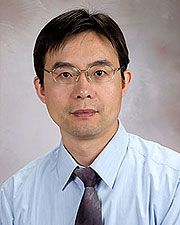
Gang Zhang, MD, PhD, is an Associate Professor in the Department of Neuromuscular Disorders - Research at The University of Texas Health Science Center at Houston. His affiliations include postdoctoral training at Johns Hopkins University and residency at The Second Hospital of Hebei Medical University in China. Dr. Zhang's research centers on neuromuscular pathophysiology, with emphasis on anti-ganglioside antibody-mediated neuropathies, nerve regeneration mechanisms, and therapeutic interventions. Key areas include: Antibody-induced neuronal cytotoxicity RhoA signaling in neurite outgrowth inhibition Erythropoietin-enhanced nerve repair In vitro and in vivo neuropathy modeling His 15 most recent publications (2004-2025) reveal a consistent focus on neuroimmunology and molecular neuroscience. Trends include therapeutic strategies for immune neuropathies, neural repair mechanisms, and the role of autoantibodies in synaptic dysfunction. No awards or active student advisees were listed. No dedicated lab or team details were provided.
Dr. Carrie L Lucas is an Associate Professor of Immunobiology at Yale School of Medicine with multiple affiliations across Yale's research ecosystem, including the Yale Cancer Center, Colton Center for Autoimmunity, Human and Translational Immunology Program, and several specialized research centers focused on genomics and immuno-oncology. Her research focuses on discovering single-gene defects underlying severe immune disorders in humans and dissecting the new biology revealed by these mutations. Dr. Lucas employs human genomics, in vitro studies with primary patient cells, and in vivo mouse modeling approaches to uncover fundamental immunological principles with translational relevance. Analysis of her recent publications (2021-2025) reveals a strong focus on PI3K signaling pathways, transcriptional regulation in immune responses, and the genetic basis of autoinflammatory and immunodeficiency disorders. Her work frequently bridges basic immunology with clinical applications, particularly in understanding how rare genetic mutations illuminate broader immune mechanisms. Scientific Awards: Enders Faculty Fellow (2023) Christina Fleischmann Award to Young Women Investigators (2020) CRI CLIP Award (2019) Bohmfalk Scholar, Yale School of Medicine (2018) Charles Hood Foundation: Child Health Research Award (2017) Dr. Lucas actively supervises research through the Lucas Lab, which started in July 2016 and has established itself as a center for innovative immunological research. Her lab has received funding for various projects including the Pediatric Genomics Discovery Program, and she collaborates extensively with researchers across Yale and other institutions, as evidenced by her numerous co-authored publications. The Lucas Lab operates as part of Yale's Department of Immunobiology, contributing to the university's strong reputation in immunological research. The lab's culture, described as 'Lucas-ite' on their website, emphasizes interdisciplinary collaboration and translational research approaches.
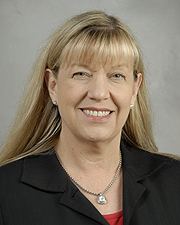
Dr. Dianna M. Milewicz is a distinguished Professor, Vice-Chair of the Department of Internal Medicine, and Director of the Medical Genetics Division at the University of Texas Health Science Center at Houston (UTHealth) McGovern Medical School. She holds the prestigious President George H.W. Bush Chair of Cardiovascular Medicine and has directed the M.D./Ph.D. Program offered jointly between UTHealth and MD Anderson Cancer Center for over a decade. Dr. Milewicz's research focuses on the genetic basis of vascular diseases, particularly thoracic aortic aneurysms and dissections. Her work has significantly advanced the understanding of Marfan syndrome and other connective tissue disorders affecting the cardiovascular system. With over three decades of research productivity, her publication record demonstrates consistent contributions to the field of cardiovascular genetics. Analysis of Dr. Milewicz's recent publications reveals a strong emphasis on clinical guidelines for aortic disease management, genetic mechanisms of vascular pathology, and translational research connecting basic science discoveries to clinical applications. Her work spans from fundamental molecular mechanisms to large-scale consensus statements that shape clinical practice worldwide. Antoine Marfan Award Doris Duke Distinguished Clinical Scientist Award University of Texas Presidential Scholars Award for Excellence in Research Inducted into the American Society of Clinical Investigation Inducted into the Association of American Physicians As Director of the Medical Genetics Division and co-director of the MD/PhD program, Dr. Milewicz plays a pivotal role in training the next generation of physician-scientists. Her leadership extends to national guideline committees where she has helped shape standards of care for patients with aortic diseases. Her dual board certification in Internal Medicine and Medical Genetics enables her to bridge clinical care with cutting-edge genetic research, creating a comprehensive approach to patient management. Dr. Milewicz leads research efforts focused on identifying genetic markers for vascular diseases and understanding the molecular pathways that lead to aortic pathology. Her work has established critical connections between genetic mutations and clinical manifestations, enabling earlier diagnosis and more targeted interventions for patients at risk of aortic complications.
Garilyn Jentarra, Ph.D., serves as Professor at Midwestern University across three colleges: Arizona College of Optometry, College of Dental Medicine-Arizona, and College of Graduate Studies. She is the Program Director for the Precision Medicine Program, which she guided through development and successful launch in June 2021. Dr. Jentarra has held progressively senior positions at Midwestern since 2012, advancing from Assistant Professor to Associate Professor and ultimately to her current Professor rank in 2023. Education: Ph.D. in Molecular and Cellular Biology from Arizona State University (2004) Postdoctoral Fellowship in Developmental Neurogenetics at Barrow Neurological Institute (2004-2012) Dr. Jentarra's research focuses primarily on Alzheimer's Disease, with secondary interests in neurogenetic disorders. Her current work investigates brain metabolomics and the role of microbes in Alzheimer's disease development. She has demonstrated that bacterial genetic sequences exist in brain tissue from both AD patients and controls, suggesting amyloid beta may function as an antimicrobial peptide. Her metabolomic studies have identified altered short-chain fatty acid metabolism in AD brains, indicating potential dietary interventions. She also studies gut microbial population differences in AD mouse models, suggesting AD-associated gene alleles substantially influence body microbial populations. Analysis of Dr. Jentarra's publication record reveals a clear evolution from early work on neurogenetic disorders like Rett syndrome and neurofibromatosis toward her current Alzheimer's disease focus. Her recent publications (2020-2024) predominantly examine microbial influences on AD and brain metabolomics, reflecting her lab's current research direction. The most impactful work appears to be her 2010 and 2016 studies on energy metabolism alterations in AD, which have received significant citations. Dr. Jentarra teaches multiple courses in the Precision Medicine Program including Introduction to Genetics and Genomics, Genetics of Monogenic and Complex Diseases, Microbial Genetics, and Ethical, Legal, and Social Issues of Precision Medicine. She directs capstone projects and specialized courses applying precision medicine to inflammatory, autoimmune, and neurological diseases. Her laboratory work centers on the relationship between microbial populations and Alzheimer's disease pathology, with particular emphasis on brain metabolomics, gut-brain axis interactions, and the antimicrobial properties of amyloid beta. The research team employs techniques including 16s rRNA gene sequencing, metabolomic profiling, and analysis of bacterial components like lipopolysaccharide in brain tissue.
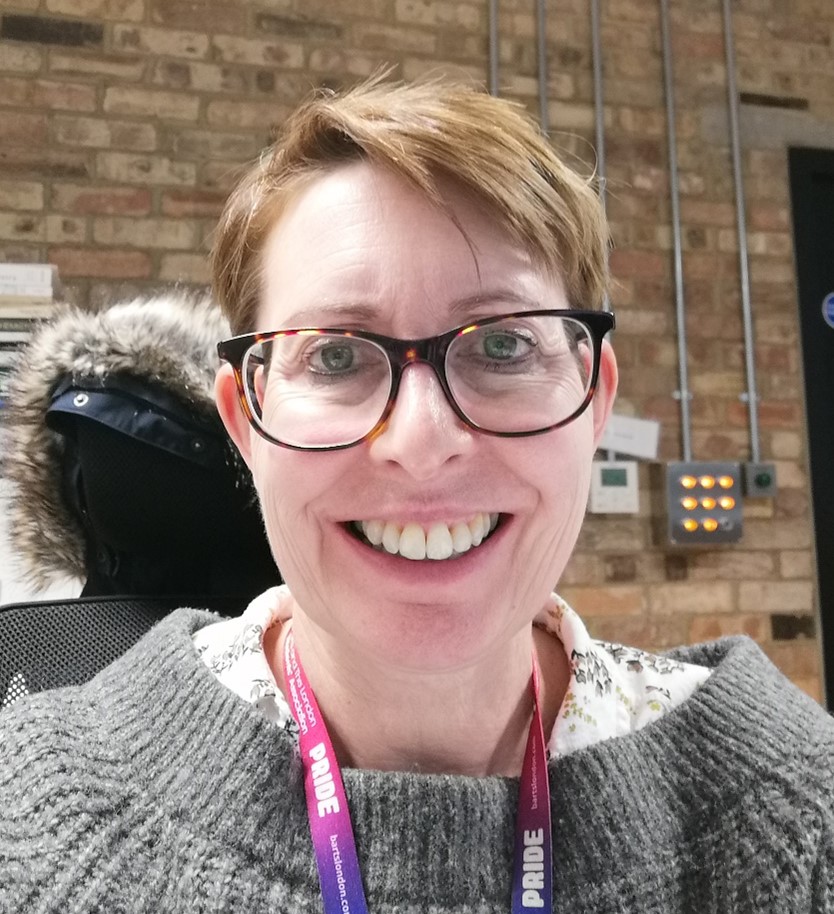
Dr. Nyree Myatt is a Lecturer in Biochemistry at the Institute of Health Sciences Education within Queen Mary University of London's Faculty of Medicine and Dentistry, where she has taught since 2020. She serves as co-module lead for MET1, MET2, and DMG (Digestion, Metabolism and Growth) in the MBBS program, delivers biochemistry lectures, and acts as a Problem-Based Learning (PBL) tutor for first/second-year students. Her academic responsibilities include senior tutoring for Year 2 students, MEDPRO tutoring, principal internal examination for graduate entry programs, chairing the iBSc Pre-Hospital Medicine exam board, and serving as IHSE library representative. Her research spans biochemistry, oncology (uveal melanoma, Fanconi Anemia), virology (orf virus), and medical education. Prior research includes post-doctoral work at UCL's Institute of Ophthalmology (uveal melanoma) and St George’s Hospital Medical School (Fanconi Anemia). Educational research focuses on assessment methods and student support systems. Degrees include: BSc in Biochemistry & Pharmacology (Leeds University) MSc in Experimental Pathology (Dundee University) PhD in Cytokine mRNA Expression (University of Edinburgh) PGCE (Greenwich University) Her 15 most recent publications demonstrate evolving research foci: early work (1994-2004) centered on ocular oncology and virology mechanisms, while recent outputs (2020-2023) transition to medical education innovation. Awards include no listed scientific honors. Teaching and student support includes developing interventions for repeating medical students and implementing online proctoring systems. No specific research grants or laboratory affiliations are detailed.
Shawn Flanagan, PhD, is an Associate Professor of Podiatric Medicine and Neuroscience at Rosalind Franklin University, with joint appointments in the Scholl College of Podiatric Medicine and School of Graduate and Postdoctoral Studies. He directs the Human Performance Laboratory within the Center for Lower Extremity Ambulatory Research, employing neuroimaging, biochemical analysis, and behavioral techniques to study brain-body interactions in human performance and disease. His federally funded research (DoD, NIH, NASA) focuses on neuroplasticity, stress physiology, and tactical athlete readiness. Research interests span neurobiological mechanisms of human performance, military medicine , and injury prevention , with emphasis on: Neuroimaging and brain stimulation techniques Stress physiology and HPA axis modulation Biomechanics of load carriage and operational tasks Translational applications for tactical populations Recent publications (2020-2023) demonstrate strong focus on military performance optimization , concussion diagnostics , and neuroplasticity in injury recovery , with methodological innovations in TMS protocols and wearable sensor applications. Dr. Flanagan leads interdisciplinary teams investigating: Lower extremity injury prediction models Corticomotor system adaptations to musculoskeletal injury Operational stress impacts on neuroendocrine function He maintains collaborations with military research units and contributes to developing evidence-based training protocols for special operations personnel.
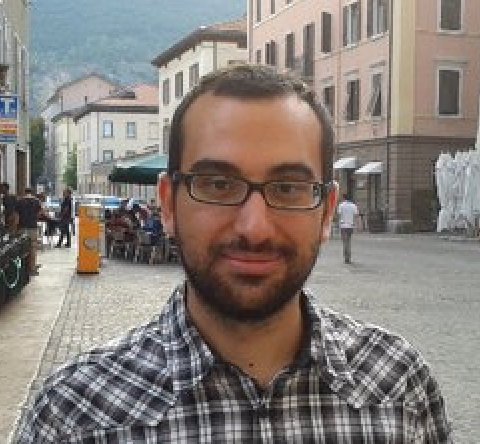
Dr. Athanasios Koutsos serves as a Lecturer in Human Nutrition within the School of Medicine, Dentistry & Nursing at the University of Glasgow, joining in October 2021. His academic foundation includes a 5-year Food Science degree from Aristotle University of Thessaloniki (2008), an MSc in Nutrition from the University of Reading (2011) funded by the Greek State Foundation Scholarship, and a PhD from the University of Reading (2017) focused on apple fiber and polyphenols' effects on cardiovascular risk factors. His research centers on the gut microbiota-diet-health axis , investigating how specific foods and components modulate gut microbiome composition and activity to influence cardiovascular, inflammatory, and metabolic diseases. Using in vitro human gut models and dietary intervention studies, he examines mechanisms behind dietary impacts on conditions like hypercholesterolemia. Recent publications reveal a strong focus on apple polyphenols , LDL cholesterol dynamics , and microbiome-metabolome interactions , with notable contributions to understanding how saturated fat replacement affects cardiovascular biomarkers. Dr. Koutsos contributes to the MSc in Human Nutrition program, co-leading the Clinical Nutrition Specialisation course. His active research portfolio includes major grants such as: Microbiome and Exclusive Enteral Nutrition in Presurgical Crohn's Disease (Helmsley Charitable Trust, 2024-2028) Discovery Award (Scottish Funding Council, 2024-2025) Development of Ulcerative Colitis Treatment with Eating Diet (Cure Crohn's Colitis, 2023-2027) Optimising Response to Biological Therapy with UC-TREAT (Glasgow Children's Hospital Charity, 2023-2027) His work bridges fundamental microbiome science with clinical nutritional applications, particularly for gastrointestinal and cardiometabolic disorders.
Dr. Emi Minejima is an Associate Professor of Clinical Pharmacy at the University of Southern California School of Pharmacy, specializing in infectious diseases and antimicrobial stewardship. She has been with USC since 2012 and maintains clinical practice at Los Angeles County+USC Medical Center. Dr. Minejima earned her BS in Molecular and Cell Biology from University of California-Berkeley (2005) and her PharmD from University of California-San Diego School of Pharmacy (2009). She completed postgraduate residency training in pharmacy practice and infectious disease at Huntington Hospital in Pasadena. Her research focuses on infectious disease pharmacotherapy, particularly Staphylococcus aureus bacteremia, antimicrobial resistance, and stewardship. Dr. Minejima investigates host immune responses to infections, vancomycin dosing strategies, and the impact of socioeconomic factors on sepsis outcomes. Her work bridges clinical practice with research to optimize antimicrobial use and improve patient outcomes. Analysis of Dr. Minejima's recent publications reveals a strong focus on Staphylococcus aureus bacteremia, antimicrobial stewardship, and the relationship between host immune responses and infection outcomes. She has made significant contributions to understanding optimal vancomycin dosing and the clinical implications of new antimicrobial susceptibility testing breakpoints. Dr. Minejima serves as a preceptor for pharmacy students and residents in acute care medicine and infectious disease clerkships at LAC+USC Medical Center. Her antimicrobial stewardship work directly impacts clinical practice through evidence-based interventions to optimize antibiotic use.
Molly Thomas is an inflammatory bowel disease specialist and physician-scientist at Oregon Health & Science University School of Medicine, Department of Medicine. She is board-certified in Internal Medicine and Gastroenterology, specializing in Crohn's disease, ulcerative colitis, microscopic colitis, celiac disease, and inflammatory gastrointestinal complications related to cancer immunotherapy. Her educational background includes: B.S. from Stanford University Ph.D. from University of California, San Francisco M.D. from University of California, San Francisco Internal Medicine Residency at Massachusetts General Hospital Gastroenterology Fellowship at Massachusetts General Hospital Dr. Thomas's research focuses on immunology and inflammatory responses in gastrointestinal diseases, with particular emphasis on the intersection between cancer immunotherapy and gastrointestinal complications. Her work combines clinical care with translational research, investigating how patient experiences can inform scientific understanding of inflammatory gastrointestinal diseases. She has published extensively on immune checkpoint inhibitor complications, inflammatory bowel disease mechanisms, and immune responses in conditions like COVID-19. Her research demonstrates a clear trend toward increasingly sophisticated immune profiling techniques, moving from basic immunological studies to single-cell transcriptomic analyses of tissue samples. Her work spans multiple disciplines including gastroenterology, immunology, oncology, and infectious disease, reflecting the interdisciplinary nature of modern medical research. Dr. Thomas is an active member of several professional organizations: American Gastroenterological Association American Association for the Study of Liver Diseases Society for Immunotherapy of Cancer As a physician-scientist, she maintains a dual role as a longitudinal care provider building long-term relationships with patients, an advocate supporting patients in understanding their diseases, and a researcher inspired by clinical observations to improve care for individuals with inflammatory gastrointestinal conditions. Her collaborative approach is evident in her numerous multi-institutional research projects, particularly with Massachusetts General Hospital researchers.
Dr Jon Brazier serves as a Senior Lecturer in Strength and Conditioning within the Department of Psychology, Sport and Geography at the University of Hertfordshire's School of Life and Medical Sciences. He maintains active roles in the Centre for Research in Psychology and Sports, High Performance Sport Research Group, and Exercise, Health and Wellbeing Research Group. As an accredited strength and conditioning coach with both the UKSCA and NSCA, he has provided coaching support across professional football, combat sports, and track and field. His research focuses on the intersection of genetics and athletic performance, particularly: Molecular physiology of musculoskeletal injuries in rugby athletes Genetic influences on concussion susceptibility and recovery Effects of extreme exercise on kidney health and systemic physiology Gene variant associations with soft tissue injury history and performance phenotypes His work leverages advanced genomic techniques to develop personalized injury prevention strategies for elite athletes. Analysis of his 39 publications (2014-2025) reveals strong specialization in sports genomics and rugby athlete physiology, with increasing focus on epigenetic concussion mechanisms and renal impacts of extreme exercise. Key publication venues include the Journal of Science and Medicine in Sport and Gene. Professional recognition includes Scopus-indexed publications with notable citations in rugby injury genetics research. His collaborative network spans multiple international institutions focused on sports medicine and athletic performance optimization. Brazier actively mentors students within Hertfordshire's sports science programs and contributes to the university's research ecosystem through the High Performance Sport Research Group. His practical coaching experience informs evidence-based approaches to athlete development and injury prevention. Current research infrastructure includes partnerships with professional rugby organizations and access to elite athlete cohorts for genomic and physiological studies. Future work appears directed toward clinical translation of genetic findings into personalized training and rehabilitation protocols.
Mathias Flensted-Jensen serves as a PhD fellow in the Department of Biomedical Sciences at the University of Copenhagen, focusing on exercise physiology and metabolic health. His research intersects aging, mitochondrial function, and inflammation, with active collaborations across European institutions. His primary research interests center on exercise interventions for aging populations , mitochondrial adaptations to physical activity , and metabolic consequences of obesity and NASH . Current work examines how resistance training combined with polyphenol supplementation impacts physical function in elderly subjects, while prior studies quantify mitochondrial efficiency changes during simulated exercise conditions. Analysis of his six recent publications reveals consistent focus on human physiological responses to exercise (4/6 articles), mitochondrial bioenergetics (5/6), and age-related metabolic decline (3/6). Methodologically, his work combines in vivo human trials with molecular analysis of tissue samples, frequently using adipose and muscle biopsies. Scientific collaborations prominently feature S. Larsen (senior author on 4 papers), F. Dela (3 papers), and A.S. Kleis-Olsen (3 papers), indicating stable research partnerships within Copenhagen's biomedical ecosystem. His laboratory work operates within the Exercise and Muscle research group at Blegdamsvej 3B campus, utilizing advanced respirometry systems for mitochondrial analysis and clinical assessment protocols for human subjects. Current projects extend into geriatric exercise interventions with anticipated 2025 publication of aging-related findings.
Kim G. Nielsen serves as a Clinical Professor within the Department of Clinical Medicine at the University of Copenhagen's Faculty of Health and Medical Sciences, specializing in Pediatric Respiratory Medicine. Based at Rigshospitalet (Blegdamsvej 3, Copenhagen), their clinical and research work focuses on rare genetic lung disorders with particular emphasis on primary ciliary dyskinesia (PCD) and cystic fibrosis (CF). Research interests center on mechanistic studies of ciliary dysfunction , longitudinal lung function monitoring in PCD/CF populations, and translational applications of novel therapies like CFTR modulators. Current work examines hydrocephalus mechanisms in ciliopathies, Pseudomonas aeruginosa colonization patterns in genotyped PCD patients, and real-world efficacy of elexacaftor/tezacaftor/ivacaftor combinations in pediatric CF cohorts. Publications reveal strong international collaboration through consortia like PROVALF-PCD, with recent work establishing global consensus on PCD blood testing protocols. Research output demonstrates methodological diversity spanning clinical guidelines, multicenter cohort analyses, biomarker discovery, and viral pathogenesis studies. International consensus development for PCD diagnostics Longitudinal analysis of lung function variability Real-world CFTR modulator efficacy assessment Neutrophil biomarker identification in bronchiectasis No formal students or scientific awards are documented in available materials. Current research directions indicate expansion into genotype-phenotype correlations in Arctic populations and ciliary mechanisms underlying neurological complications in ciliopathies.
Dr. Muhammet Salih ATEŞ is a full-time Assistant Professor at the Department of Internal Medical Sciences, Faculty of Medicine, Kırşehir Ahi Evran University, Turkey, where he has been employed since 2023. His academic qualifications include a Medical Specialization from Selçuk University's Faculty of Medicine (2016-2020) and a Bachelor's Degree in Medicine from Atatürk University (2009-2015). His research focuses on cardiovascular pathophysiology with specialized interests in hypertension diagnostics, electrocardiographic biomarkers, inflammatory indices in cardiac conditions, myocardial infarction mechanisms, and metabolic interactions in cardiovascular disease. He maintains active collaborations with researchers from Selçuk University and Necmettin Erbakan University. ATES's recent publications (2023-2025) demonstrate three primary research trends: 1) Novel ECG parameters (P-wave indices, T-P angle) for predicting coronary complexity; 2) Inflammatory biomarkers (pan-immune-inflammation index, neutrophil volume) in hypertension and diabetes; and 3) Platelet indices in acute coronary syndromes. His work frequently appears in SCI-indexed journals including the Journal of Electrocardiology and Journal of Clinical Medicine . He has collaborated extensively with 33 researchers, most frequently with Abdullah Tunçez (12 collaborations), Bülent Behlül Altunkeser (10 collaborations), and Erdoğan Sökmen (9 collaborations). Metrics show a Scopus h-index of 2 with 31 citations across 34 publications.