Professor Victor Fung is a leading academic in neurology and motor control at the Sydney Medical School , University of Sydney. He serves as Director of the Movement Disorders Unit at Westmead Hospital and holds prominent roles in the International Parkinson and Movement Disorder Society (President) and the Asia Pacific Affairs Committee of the Australian and New Zealand Association of Neurologists. His research focuses on Parkinson's disease , dystonia , tremor , and movement disorder genetics , with over 250 peer-reviewed publications and an h-index of 61. His work spans Clinical trials for Parkinson's treatments (e.g., foslevodopa/foscarbidopa infusion, incobotulinumtoxinA) Genetic studies on dystonia and Parkinsonism Neurophysiological assessments of tremor and balance Development of screening tools for dystonia and Parkinson's complications Key article trends highlight genetic diversity in dystonia, neuroinflammatory mechanisms in tremor, and behavioral neurology in Parkinson's disease. He contributes to editorial boards of npj Parkinson's Disease , Journal of Clinical Movement Disorders , and Faculty Opinions . While no explicit student lists are provided, his collaborations span global institutions. His clinical work at Westmead Hospital addresses device-assisted therapies and complex movement disorders.
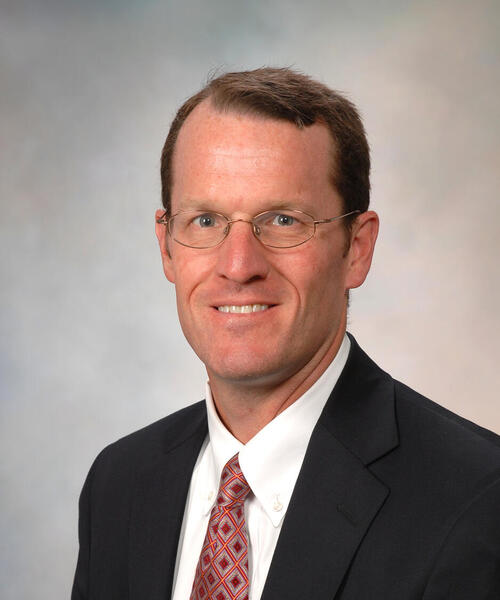
Ryan M Hebert, MD, is an Assistant Professor of Neurosurgery at the Yale School of Medicine, affiliated with the Neurosurgery department. He specializes in neurovascular disorders, including open and endovascular treatments for intracranial aneurysms, arteriovenous malformations, carotid disease, and dural arteriovenous fistulas. He also focuses on interventions for ischemic and hemorrhagic strokes. His practice locations include Yale New Haven Hospital and Lawrence and Memorial Hospitals in Connecticut. Education & Training: Bachelor’s in Molecular, Cellular, and Developmental Biology from the University of Colorado – Boulder (Howard Hughes Undergraduate Research Grant recipient) MD from Yale School of Medicine (NIH-funded thesis on CCM3 in cerebral cavernous malformations) 7-year Neurosurgery Residency at Yale New Haven Hospital, including enfolded neuro-interventional training CAST-accredited fellowship in Endovascular Neurosurgery and Neurovascular Critical Care at Thomas Jefferson University Hospital (2016) Research Interests: Dr. Hebert’s work centers on emerging surgical and endovascular techniques for neurovascular disorders, risk stratification in carotid disease, vasospasm prediction/post-subarachnoid hemorrhage treatment, and outcomes of minimally invasive spine surgery. His studies often integrate clinical practice with translational research, emphasizing patient outcomes and procedural optimization. Key topics include flow diverters, cranial nerve palsies, hospital frailty risk scores, and immune mechanisms driving aneurysm rupture. Publications Trends: His recent articles emphasize clinical outcomes of endovascular procedures, stroke interventions, and immune mechanisms in aneurysm rupture. He frequently collaborates on meta-analyses and systematic reviews to evaluate treatment efficacy and complication rates, particularly involving cranial nerve recovery and thrombectomy volumes. Awards & Grants: He secured an NIH-funded thesis and a Howard Hughes Undergraduate research grant. No explicit scientific awards are listed, but his work has been recognized via peer-reviewed publications and contributions to clinical guidelines. Advising & Grants: While no students are listed, he collaborates with prominent researchers like Charles Matouk, Kevin Sheth, and Joseph Antonios on NIH-funded projects. His research addresses healthcare resource utilization and procedural volume impacts on mortality, indicating a focus on translational and clinical studies. Labs & Teams: Active in interdisciplinary teams at Yale School of Medicine, particularly in neurovascular critical care and endovascular surgery. Collaborates with the Stroke Center and Janeway Society for physician-scientist development.
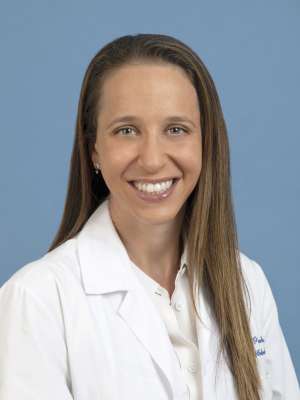
Stacy L. Pineles, MD, MS is a Professor of Ophthalmology and Residency Program Director at the Stein Eye Institute, David Geffen School of Medicine at the University of California, Los Angeles (UCLA). She also serves as Chair-Elect of the Pediatric Eye Disease Investigator Group (PEDIG), a collaborative network funded by the National Eye Institute dedicated to facilitating multicenter clinical research in strabismus, amblyopia, and other eye disorders affecting children. Dr. Pineles is affiliated with Ronald Reagan UCLA Medical Center and UCLA Santa Monica Medical Center as hospital affiliations. Dr. Pineles completed her medical training at the University of Pennsylvania in 2004, followed by ophthalmology residency at UCLA (2005-2008), pediatric ophthalmology fellowship at UCLA (2009), neuro-ophthalmology fellowship at the University of Pennsylvania (2010), and a Master's degree in Clinical Investigation at UCLA (2013). She joined the UCLA faculty in 2010 and became Residency Program Director in 2017. Her primary research interests focus on pediatric neuro-ophthalmology and strabismus, with specific emphasis on binocular vision in children and adults with eye misalignment, systemic effects of pediatric eye disease, and clinical trials in pediatric ophthalmology. Dr. Pineles serves as principal investigator of an NIH-sponsored multicenter study of pediatric optic neuritis. She runs an NIH-sponsored research program evaluating binocular vision in children and adults with eye misalignment. Analysis of Dr. Pineles' publications reveals consistent research activity in pediatric ophthalmology, neuro-ophthalmology, and strabismus, with particular focus on binocular vision, optic neuritis, and surgical outcomes. Her work spans clinical trials, diagnostic accuracy studies, and innovative surgical techniques, demonstrating expertise in both clinical care and research methodology. Super Doctors® Southern California, 2022-2025 AAPOS Young Investigator Award, 2019 University of California OptumLabs Research Credit Award, 2018 Appointment of Jerome and Joan Snyder Chair in Ophthalmology, 2017 American Academy of Ophthalmology Achievement Award, 2016 AAPOS Honors Award, 2016 Dr. Pineles serves on numerous professional committees within the American Academy of Ophthalmology, American Association of Pediatric Ophthalmology and Strabismus, and the North American Neuro-Ophthalmology Society. She travels regularly nationally and internationally to speak on topics related to her research in pediatric neuro-ophthalmology. As Residency Program Director since 2017, she oversees ophthalmology training at UCLA. She is author of more than 100 peer-reviewed publications and 10 book chapters. Dr. Pineles leads the Pediatric Ophthalmology division at the Stein Eye Institute, which is part of one of the world's leading centers of vision science. Her research program includes multicenter clinical trials and NIH-sponsored studies evaluating binocular vision and pediatric optic neuritis. She actively collaborates with the Pediatric Eye Disease Investigator Group (PEDIG), a network of over 100 participating sites with more than 300 pediatric ophthalmologists and optometrists across the United States, Canada, and the United Kingdom.
Roxanne Wadia, MD, holds dual roles as a Clinical Fellow in Pathology and Clinical Assistant Professor of Medicine (Medical Oncology) at Yale School of Medicine. Her expertise spans anatomic and cytopathology, with a focus on cancer diagnosis and treatment guidance. She completed her medical degree at Vanderbilt University School of Medicine (2008) and is board-certified in Anatomic Pathology (2023) and Cytopathology (2024). Dr. Wadia’s research integrates oncology, HIV/AIDS, and medical informatics, leveraging large datasets such as the VA’s Million Veterans Program to improve cancer care outcomes. She actively contributes to clinical care at Yale New Haven Hospital, the VA Connecticut Healthcare System, and the Hospital of Saint Raphael’s, emphasizing holistic patient care and interdisciplinary collaboration. Her research explores prostate cancer prognosis, HIV-related malignancies, and healthcare analytics. Key projects include developing predictive tools for nonmetastatic prostate cancer mortality and studying lung cancer surgery outcomes in HIV-positive patients. Dr. Wadia also mentors trainees in oncology and hematology, emphasizing independent clinical decision-making. She participates in the VA’s clinical training programs for medical students, residents, and fellows, fostering a balance between clinical practice and research innovation.
Dr. Vera Deneer is an Associate Professor of Clinical Pharmacology at the Utrecht Institute for Pharmaceutical Research (UIPS) within the Faculty of Science at Utrecht University, specializing in the Division of Pharmacoepidemiology and Clinical Pharmacology since 2019. She also serves as a hospital pharmacist and clinical pharmacologist at the University Medical Center Utrecht (UMC Utrecht) at the Department of Clinical Pharmacy since 2017. Dr. Deneer holds significant leadership positions including Vice-Chair of the Medicines Evaluation Board (MEB-CBG) since 2019 and Chair of the Dutch Pharmacogenetics Working Group (DPWG). Dr. Deneer received her PharmD from Utrecht University in 1991 and her PhD from Groningen University in 2003, with research focused on clinical pharmacology and pharmacokinetics of antiarrhythmic drugs in atrial fibrillation. She completed clinical training in hospital pharmacy in 1994 and clinical pharmacology training in 1998. Prior to her current positions, she served as Head of the Pharmacogenetics, Pharmaceutical and Toxicological Laboratory at St. Antonius Hospital, Nieuwegein/Utrecht from 1998 to 2017. Her research focuses on personalized medicine through the study of biomarkers including genetic variants, patient characteristics, and clinical parameters to optimize drug treatment efficacy and safety. Her work primarily targets cardiovascular disease, lung cancer, and immune-mediated inflammatory diseases. She also investigates clinical reasoning and decision-making by pharmacists to improve medication management in clinical practice. Dr. Deneer serves as principal investigator for multiple research projects funded by The Netherlands Organisation for Health Research and Development. Dr. Deneer's recent publications demonstrate her leadership in pharmacogenetics guidelines development, with numerous Dutch Pharmacogenetics Working Group (DPWG) guidelines published in 2023-2025 covering gene-drug interactions for various medication classes including antidepressants, antipsychotics, anti-epileptics, and cardiovascular medications. Her work spans both clinical implementation research and educational aspects of pharmacy practice. Among her significant appointments, Dr. Deneer serves as Vice-Chair of the Medicines Evaluation Board (MEB-CBG) and Chair of the Dutch Pharmacogenetics Working Group (DPWG). She previously chaired a medical research ethics committee from 2012-2017 and serves on multiple national and hospital committees related to pharmacotherapy and drug safety. Dr. Deneer has been actively involved in mentoring pharmacy students and professionals, with recent publications focusing on clinical decision-making education for pharmacists. Her work bridges the gap between pharmacogenetic research and clinical implementation, with particular emphasis on optimizing drug treatment strategies for individual patients while minimizing adverse drug reactions.
Associate Professor Susanna Park is an academic in Neuroscience at the School of Medical Sciences, University of Sydney. She leads a research group investigating neuropathy and neuromuscular diseases, with a focus on chemotherapy-induced peripheral neurotoxicity. Her work emphasizes clinical assessment tools and axonal degeneration mechanisms. Park holds affiliations with the Brain and Mind Centre and the Faculty of Medicine and Health. Education: PhD from University of New South Wales (UNSW) Notable Fellowships: RG Menzies/NHMRC Overseas Biomedical Fellowship (2011–2014) Research Interests: Clinical neurophysiology, blood-based biomarkers, and motor neuron disorders. Her studies address nerve excitability, chemotherapy-induced neuropathy, and inflammatory neuropathies. Park’s translational work includes developing clinical tools for neuropathy assessment in cancer patients. Publications focus on chemotherapy-induced neuropathy mechanisms, axonal degeneration, and biomarker discovery. Recent work explores electroacupuncture for neuropathy management and plasma lipidomics in risk assessment. Awards: 2022 SUPRA Supervisor of the Year finalist, 2018 RD Wright Fellowship Labs/Teams: Brain and Mind Centre, collaborating with international consortia like the Toxic Neuropathy Consortium.
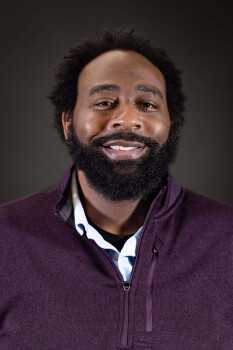
Kunal Desai, MD is an Assistant Professor of Neurology at Yale School of Medicine , serving as Director of Neuromuscular Medicine at Greenwich/Stamford and Interim Stroke Medical Director at Greenwich Hospital. His clinical and research work focuses on neuromuscular diseases and neurophysiology. Education: BS in Biology from Boston College (2007) MD from Creighton University School of Medicine (2012) Intern at Greenwich Hospital (2013) Neurology Residency & Chief Residency at Albert Einstein/Montefiore Medical Center (2016) Neuromuscular Fellowship at Albert Einstein/Montefiore Medical Center (2017) Dr. Desai specializes in neuromuscular medicine , treating conditions like ALS , myasthenia gravis , inflammatory myopathies , and peripheral neuropathies . He is certified by the American Board of Electrodiagnostic Medicine , with fluency in Hindi, Gujarati, and Marathi . His research explores non-pharmacological interventions for stress and burnout reduction among healthcare professionals, focusing on Heartfulness Meditation and gratitude practices through randomized controlled trials. Recent publications analyze Mindfulness-based wellbeing strategies and work engagement metrics in clinical settings. He emphasizes team-based patient care , advocating for regular communication between neurology specialists and primary care physicians to improve treatment outcomes.
Dr. Elliot L. Dimberg is a neurologist specializing in neuromuscular disorders at Mayo Clinic Hospital in Jacksonville, Florida. He serves as faculty at Mayo Clinic Alix School of Medicine within the Department of Neurology, holding leadership roles including Vice Chair of the Curriculum Committee and Clerkship Sub Committee. Dr. Dimberg actively contributes to medical education through multiple committees related to student promotions, academic affairs, and residency program evaluation, while maintaining a clinical practice focused on complex neuromuscular conditions. Dr. Dimberg earned his MD from Tulane University in 2001. He completed his Neurology residency and served as Chief Resident at the University of Virginia, followed by fellowships in Clinical Neurophysiology at the University of Virginia (2006) and Neuromuscular Disease at Mayo Clinic Rochester (2008). He maintains board certification in Neurology, Clinical Neurophysiology, and Neuromuscular Medicine through the American Board of Psychiatry and Neurology. His clinical expertise spans neuromuscular junction disorders including myasthenia gravis and Lambert-Eaton Myasthenic Syndrome, peripheral neuropathies, brachial and lumbosacral plexus disorders, polyradiculopathies, motor neuron diseases, and myopathies. Dr. Dimberg integrates clinical evaluation with electrodiagnostic medicine to diagnose and manage these complex conditions. His research focuses on advancing diagnostic methodologies through electromyography techniques, genetic testing, and clinical trial participation for rare neuromuscular disorders. Dr. Dimberg's publication record demonstrates consistent contributions to neuromuscular medicine, with emphasis on diagnostic precision, genetic underpinnings of muscle disorders, and therapeutic innovations. His recent work includes clinical trials for hereditary transthyretin amyloidosis, studies on spinal muscular atrophy treatments, and investigations into immune-mediated necrotizing myopathy, reflecting his commitment to advancing both clinical practice and scientific understanding in his field. Multiple Above and Beyond Awards from Mayo Clinic in Florida (2008-2024) A.B. Baker Teacher Recognition Award from American Academy of Neurology (2013, 2021) Commitment to Education Award from Mayo Clinic Alix School of Medicine (2019) Alpha Omega Alpha Honor Society membership (2000) As an educator, Dr. Dimberg has coordinated the Residency Neuroanatomy Course and Clinical Pathological Correlation Conference for over a decade. He previously chaired the Curriculum Committee for the Adult Neurology Residency Program and currently serves in leadership roles for Mayo Clinic Alix School of Medicine's educational committees. His dedication to teaching has been recognized through numerous awards including the prestigious A.B. Baker Teacher Recognition Award. Professionally, Dr. Dimberg serves as Co-Chair of the American Association of Neuromuscular and Electrodiagnostic Medicine's EDX Lab Accreditation Committee and holds leadership positions in the American Clinical Neurophysiology Society. He contributes to developing certification exams, educational programming, and clinical guidelines for these organizations, maintaining active engagement with the broader neuromuscular medicine community.
Masoud Majed is an Assistant Professor of Clinical Neurology at the University of Southern California , with expertise in neuroimmunology and autoimmune neurological disorders. His clinical and research focus centers on neuromyelitis optica spectrum disorder, multiple sclerosis, and the diagnostic utility of cerebrospinal fluid biomarkers. Email: mmajed@usc.edu Research Interests Majed's work explores: Neuroimmunological mechanisms in demyelinating diseases Role of MOG and AQP4 antibodies in diagnosis and prognosis Complement-mediated pathologies in neuroimmunological conditions Paraneoplastic syndromes linking cancer and neurological autoimmunity Global epidemiology of neuroinflammatory disorders Publication Trends His research output demonstrates a consistent focus on neuroimmunology since 2016, with increasing emphasis on: Cell-based assays for antibody detection Predictive modeling of disease progression Polypill interventions in cardiovascular comorbidities Interplay between autoimmune disorders and oncological conditions Standardization of neuroimmunological diagnostic criteria CSF biomarker validation across diverse populations
Prof. Dr. Susanne E. Ulbrich is a Full Professor of Animal Physiology at the Department of Environmental Systems Science, ETH Zurich, where she leads the Chair of Animal Physiology since September 2013. Her research focuses on livestock metabolism with emphasis on relationships affecting fertility and reproduction, contributing significantly to the World Food strategy of the Department of Environmental Systems Science and the Agrovet-Strickhof project in collaboration with the University of Zurich and the Canton of Zurich. Prof. Ulbrich's educational background includes studies in Agricultural Sciences with a focus on Animal Sciences at the Technical University Munich (TUM), followed by postgraduate studies in Biotechnology. She received her doctorate in physiology at the Science Center Weihenstephan of the TUM in 2005 with the distinction "summa cum laude" and subsequently managed a research group at TUM. Her international research experience includes research stays at the University of Adelaide in Australia and the Universidad de Concepcion in Chillán, Chile. Prof. Ulbrich's research interests span animal physiology with particular focus on reproductive biology, embryonic development, and metabolism. Her work on livestock metabolism has brought her international recognition, especially her research on embryonic diapause in roe deer, uterine fluid composition, and the effects of embryos on maternal physiology. She applies advanced techniques such as metabolomics, proteomics, and extracellular vesicle analysis to investigate reproductive processes across species. Her recent publications demonstrate a strong focus on comparative reproductive biology, particularly examining the European roe deer as a model for embryonic diapause and conceptus elongation. She also investigates mastitis mechanisms, bovine reproduction, and applications of extracellular vesicles in reproductive medicine. Her work bridges wildlife biology, livestock science, and human reproductive medicine, revealing fundamental principles of embryo-maternal communication. Graduation Award Bund der Freunde der TU München (2005) Research Award Dr.-Heinrich-Baur-Preis (2011) Prof. Ulbrich serves as a reviewer for numerous scientific journals and is an active member of professional societies including the German Society of Endocrinology, the Society for the Study of Reproduction, and the International Embryo Transfer Society. Her research is supported by grants such as "Embryonic Diapause: pluripotency on hold?" (SNF 185026), reflecting her leadership in understanding reproductive mechanisms across species. Her laboratory at ETH Zurich focuses on comparative reproductive biology, utilizing advanced techniques to study embryo-maternal communication, with particular emphasis on the European roe deer as a natural model of embryonic diapause. Her team comprises researchers with expertise in metabolomics, molecular biology, and reproductive physiology, working collaboratively to unravel the complex mechanisms governing early embryonic development and maternal recognition of pregnancy.
Dr. Michael D. Burton is an **Associate Professor** and **Eugene McDermott Distinguished Professor** in the Department of Neuroscience at the University of Texas at Dallas (UT Dallas), affiliated with the **School of Behavioral and Brain Sciences**. He is a founding member of the **Center for Advanced Pain Studies (CAPS)** and holds roles in the **Center for Vital Longevity (CVL)**. His research focuses on neuroimmunology, pain mechanisms, and metabolic disorders, emphasizing how immune-nervous system interactions influence chronic pain, depression, anxiety, and aging-related conditions. Dr. Burton’s work bridges preclinical and translational research, using rodent models and human clinical samples. Education: PhD in Animal Science (Immunophysiology and Behavior), University of Illinois at Urbana-Champaign (2012) B.S. in Animal Science and Biotechnology, University of Illinois at Urbana-Champaign (2006) Postdoc in Pain Neurobiology, UT Dallas (2017) Postdoc in Diabetes/Metabolism Research, UT Southwestern Medical Center (2015) Research Interests: Dr. Burton investigates how peripheral stimuli (diet, alcohol, immune activation) affect pain and behavior through neuroimmune pathways. Key areas include: Sex differences in pain sensitivity and neuroinflammation Risk factors for chronic pain (e.g., high-fat diets, aging) Neuroimmune biomarkers for pain and delirium Development of non-opioid analgesics (e.g., cannabinoids) Awards: 2024 ROAR Research Award, UT Dallas 2023 Eugene McDermott Distinguished Professorship 2022 SFNova/Rising Star (Society for Neuroscience) 2019 Mitchell Max Award for Pain Research Grants & Leadership:** Co-Director, **Enhancing Neuroscience Undergraduate Research Experiences (ENSURE)** program ($900K grant) NIH R35, R21 grants (pain and metabolism) Editorial roles: *Neurobiology of Pain*, *Journal of Neuroinflammation*, and others Labs & Teams:** Neuroimmunology and Behavior Lab (UT Dallas) Member, NIH Pain Consortium and Endocrine Society’s Basic Science Group
Jan de Hoon serves as a full Professor at KU Leuven's Faculty of Medicine within the Department of Clinical Pharmacology and Pharmacotherapy. He holds dual leadership roles as Head of both the Subdivision and Division of Clinical Pharmacology, and is an active member of the Department of Pharmaceutical and Pharmacological Sciences. His institutional affiliations include membership on the Ethics Committee for Research at UZ/KU Leuven, the Council of the Faculty of Medicine, the POC Geneeskunde, and the Departmental Council. His research centers on TRP channel mechanisms in pain pathways and chemotherapy-induced peripheral neuropathy (CIPN), with significant translational focus from bench to bedside. Key projects include Targeting TRP channels to relief pain (2023-2027) and TRP - Tackling the Roots of Pain (2021-2025). His recent publications demonstrate expertise in neurovascular pharmacology, PET ligand development, and vascular biomarkers for TRP channel functionality. Analysis of his 2024-2025 publications reveals strong emphasis on TRP channel subtypes (TRPA1, TRPV1, TRPM3) in pain mechanisms, vascular readouts for drug effects, and translational models bridging preclinical findings to clinical applications in oncology and neurology. His work frequently employs human tissue studies, healthy volunteer trials, and cancer patient cohorts. As an academic leader, he supervises doctoral candidates including H. Marynissen (2024 thesis on TRP channels in CIPN) and contributes to medical education through courses in Pharmacology, Pharmaceutical Medicine, and Internal Medicine supplements. His research is supported by multiple active grants focusing on TRP channel therapeutics and biomarker development.
Anders Nykjær is a Professor at the Department of Biomedicine , Aarhus University , and Director of the DANDRITE - Nykjær Group . His research focuses on the role of VPS10p-domain receptors, particularly sortilin and SorCS2 , in neuronal viability, neurotrophic signaling, and neurodegenerative diseases. University: Aarhus University Department: Department of Biomedicine Lab: DANDRITE - Nykjær Group Nykjær's work spans neurodegenerative diseases (Alzheimer's, Huntington's), neurotrophic factors (BDNF, NGF), and receptor biology . His studies investigate how receptors like sortilin modulate amyloid-beta catabolism, dopaminergic neuron development, and neurovascular coupling. Recent articles highlight SorCS2 in motor neuron development and progranulin interactions. Article trends include neurovascular signaling (SorCS2 in astrocytic function), neurotrophic receptor dynamics (TrkB/GluN2B/SorCS2 complexes), and cardiovascular-neurological cross-talk (sortilin in atherosclerosis and diabetic retinal degeneration). His methods involve in vivo models, proteomics, and receptor-ligand interaction studies. Scientific contributions emphasize receptor biology in Neurodegenerative disease mechanisms Lipoprotein and neurotrophin receptor trafficking Neurovascular and synaptic signaling pathways
Dr. Shira S Simon serves as Associate Professor in the Departments of Ophthalmology and Neurology at Northwestern University's Feinberg School of Medicine, where she directs the Neuro-ophthalmology division and maintains board certification in Ophthalmology through the American Board of Ophthalmology. Her academic training includes: BA: Harvard College (2004) MD: Harvard Medical School (2012) Joint MD/MBA: Harvard Business School (2012) Transitional Internship: Cambridge Hospital (2013) Ophthalmology Residency: Northwestern University McGaw Medical Center (2016) Neuro-Ophthalmology Fellowship: University of Iowa Hospitals (2017) Dr. Simon specializes in complex neuro-ophthalmic conditions including optic neuropathies, visual field defects, diplopia, and ocular motor disorders. Her clinical approach integrates neurology, neurosurgery, and rheumatology expertise to manage conditions such as multiple sclerosis-related vision loss, idiopathic intracranial hypertension, and inflammatory disorders affecting visual pathways. Her professional recognition includes: Intern of the Year, Cambridge Hospital (2012) Board of Directors, Harvard Alumni Association (2022) Board Member, Harvard Medical School Alumni Council (2022) Dr. Simon directs Northwestern's Masters in Healthcare Administration program (2022-present) and leads the Harvard Medical Society of Chicago as President (2019-present). She maintains continuous service as a Harvard College Admissions Interviewer since 2004 alongside extensive alumni leadership roles across Harvard institutions. She provides specialized clinical care at Northwestern Memorial Hospital and Jesse Brown VA Medical Center within a multidisciplinary framework addressing complex visual pathway disorders.
Jessica D. Rosarda PhD is an Assistant Professor in the Department of Anatomy, Physiology and Genetics at the Uniformed Services University (USU) of the Health Sciences School of Medicine in Bethesda, MD. She leads a research laboratory focused on cellular stress mechanisms in military-relevant disorders. PhD in Chemical and Biological Sciences, The Scripps Research Institute (2023) MSc in Pharmacy, University of Florida (2013) BSc in Biology, Washington and Lee University (2010) Dr. Rosarda's research centers on cellular stress response pathways, particularly how cells respond to stress through signaling mechanisms that can either protect or damage tissues. Her work spans chemical biology, molecular medicine, neuroscience, and molecular/cell biology with a focus on proteostasis, unfolded protein response, and stress signaling dynamics in disease contexts. She investigates how imbalances in these pathways contribute to conditions ranging from retinal degeneration to traumatic brain injury, with particular relevance to military medicine. Analysis of Dr. Rosarda's publication record reveals a strong focus on stress response pathways, particularly the unfolded protein response and integrated stress response. Her work demonstrates how perturbations in proteostasis contribute to diverse pathologies including neurodegeneration, amyloidosis, and inflammatory conditions. She employs chemical biology approaches to develop therapeutic strategies targeting these pathways, with several publications on pharmacological modulators of stress responses. Dr. Rosarda maintains an active research program with numerous publications in high-impact journals including Nature Communications, Cell Chemical Biology, and ACS Chemical Biology. Her work frequently involves collaborations with the Wiseman laboratory and other researchers in the fields of proteostasis and stress response. Dr. Rosarda's laboratory at USU focuses on defining stress pathway signaling dynamics in military-relevant disorders, determining the metabolic factors that govern these stress responses, and identifying novel approaches for resolving toxic stress involved in both acute and chronic conditions.