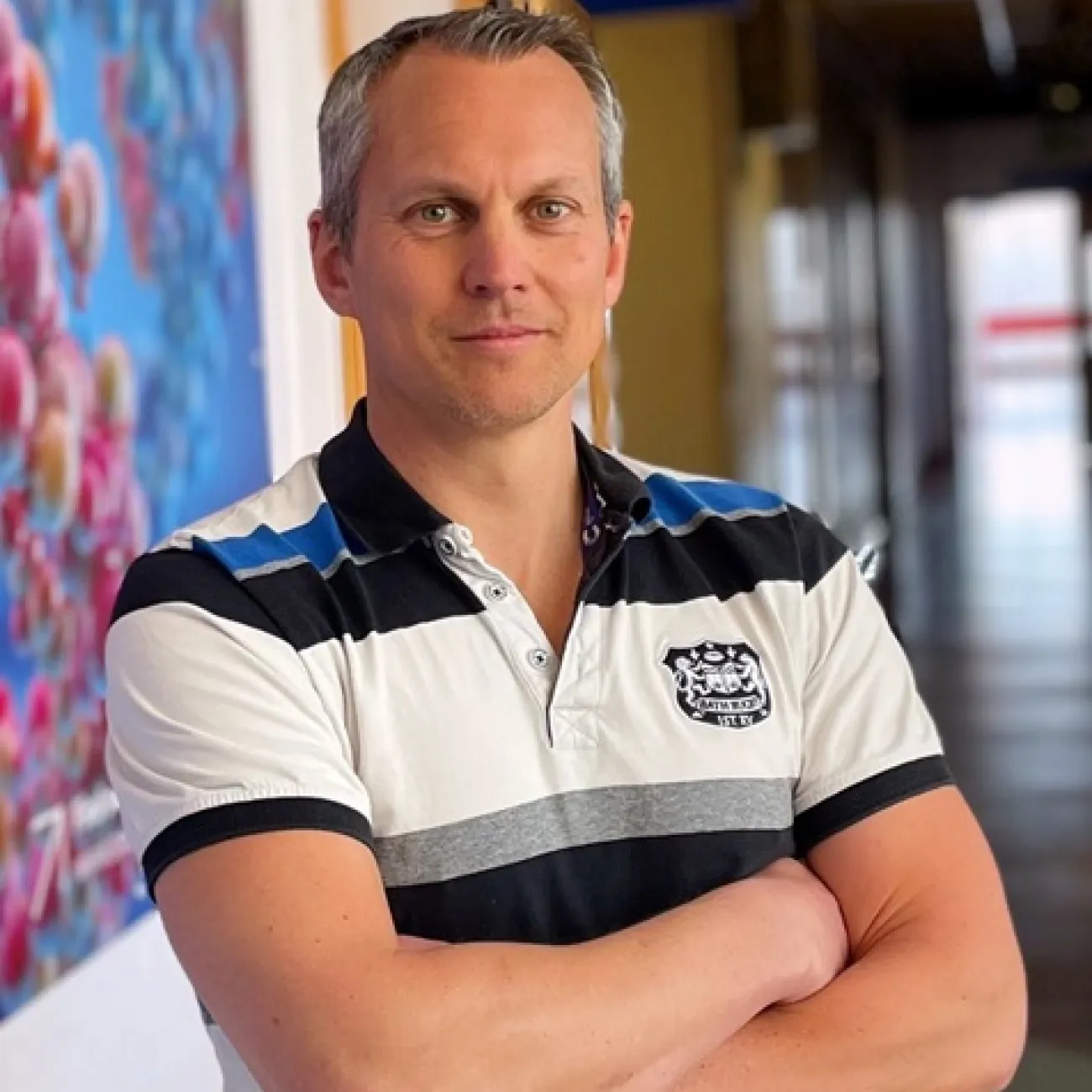
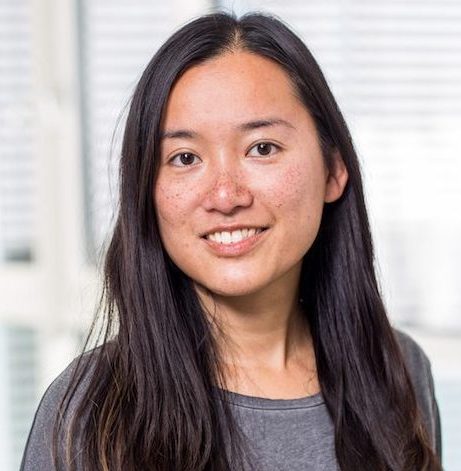
Charles Griffis is a part-time Clinical Instructor at USC's Keck School of Medicine, specializing in anesthesia safety and opioid crisis response. His research focuses on buprenorphine protocols for pain management, non-opioid analgesics, and perioperative care for opioid use disorder patients. He investigates neuroinflammatory biomarkers in chronic pain and advocates for CRNA roles in overdose prevention. Dr. Griffis publishes on wellness strategies for nurse anesthesia students and ERAS protocol optimization using α2-agonists. His work addresses longitudinal competency assessment in continuing certification programs.
Dr. Young-Kwon Hong is a Professor of Surgery at the Keck School of Medicine, University of Southern California, serving as Director of Translational and Basic Science Research for the Department of Surgery and affiliated with the Norris Comprehensive Cancer Center. His work centers on molecular controls of tissue fluid homeostasis across diseases including cancer, vascular malformations, and lymphedema. Education: Ph.D. in Microbiology, University of California, Davis Post-doctoral fellowship, Harvard Institute of Human Genetics His research spans lymphatic development, organ-on-chips technology, lymphedema therapy, ocular fluid dynamics, stem cell differentiation, and cancer metastasis. Key discoveries include retinoic acid's regenerative effects on lymphatic systems and PROX1's role in Schlemm's canal integrity for glaucoma. His work bridges molecular mechanisms with therapeutic applications through innovative models. Recent publications (2021-2023) emphasize lymphatic regeneration mechanisms, ocular fluid dynamics, and cancer-lymphatic interactions. Studies integrate molecular biology, advanced imaging, and organ-on-chip systems to translate basic findings into therapies for lymphedema and glaucoma, demonstrating strong translational momentum. Scientific Awards: Seungman Cha Young Scientist Award STOP CANCER Award Margaret E. Early Medical Research Foundation Young Investigator Award James H. Zumberge Innovation Research Award Concern Foundation Young Scientist Award American Heart Association Award The Wright Foundation Young Investigator Award DoD Breast Cancer Idea Award March Of Dime Birth Defect Foundation Scholar Award American Cancer Society Research Scholar Award Dr. Hong has mentored over 80 trainees spanning high school to junior faculty levels, fostering expertise in vascular biology and translational research. His laboratory employs cutting-edge techniques including organ-on-chip models, intravital imaging, and molecular profiling to investigate fluid homeostasis mechanisms. The Hong laboratory operates as a multidisciplinary hub integrating vascular biology, bioengineering, and clinical translation. Current initiatives focus on advancing retinoic acid therapy to clinical trials for lymphedema and developing novel glaucoma treatments targeting Schlemm's canal biology through mechanotransduction pathways.
Dr. Alessio Bellato is a Lecturer in Child and Adolescent Mental Health at the University of Southampton and Honorary Assistant Professor at the University of Nottingham Malaysia. His research focuses on emotion regulation, neurodevelopmental conditions (e.g., ADHD, autism), and psycho-physiological mechanisms like heart rate variability. He leads the South East Asia Mental Health Consortium (SEAMHC) and co-edits the JCPP Advances journal. His teaching spans developmental psychopathology, evidence synthesis, and clinical research methods at both undergraduate and postgraduate levels. He supervises PhD students in clinical psychology and mental health research. Recent projects include investigations into digital psychoeducation tools for ADHD and autonomic arousal biomarkers in depression. Dr. Bellato has contributed to over 50 peer-reviewed publications, with a focus on systematic reviews and meta-analyses. His work emphasizes global mental health equity, particularly in South-East Asia, and integrates clinical practice with rigorous evidence synthesis. He has secured funding from the NIHR, Academy of Medical Sciences, and international organizations for collaborative research initiatives.
Chris Easton is a Professor at Heriot-Watt University, affiliated with the School of Energy, Geoscience, Infrastructure and Society and the Institute for Life and Earth Sciences. His research focuses on modulating nitric oxide bioavailability through diet and sunlight exposure to improve cardiovascular health and exercise performance. He investigates the role of the oral microbiome in nitric oxide regulation and its link to cardiovascular homeostasis. Additionally, he explores mobile methods for assessing physiological outcomes in free-living populations. His work contributes to UN Sustainable Development Goals related to health and well-being. Key research areas include dietary nitrate supplementation (e.g., beetroot juice), oral microbiome dynamics, and menstrual cycle impacts on elite athletes. He has published 127+ peer-reviewed articles, with recent studies examining Alzheimer’s patients, sedentary men undergoing HIIT, and soccer referees’ physical demands. Easton accepts PhD students and collaborates internationally. His research spans cardiology, exercise science, and public health, with applications in aging populations, sports performance, and disease management.
Eewa Nånberg is a Professor of Biomedical Laboratory Science at Örebro University's School of Health Sciences since 2018. She leads research in cellular signaling related to disease mechanisms, particularly tumor cell development and inflammatory responses. Her work spans neuroblastoma cell biology, endocrine disruptor effects, and tumor-immune interactions through projects like NiMO (NI1-driven ImmunoModulation in glioblastoma). Education: PhD in Animal Physiology (1986, Stockholm University) focused on adrenergic ionic fluxes in brown adipocytes. Her research trajectory includes postdoctoral work on cellular signaling pathways in growth factor responses and tumor biology. Research Interests: Cellular responses to endocrine-disrupting chemicals (EDCs) Inflammatory signaling in monocytes/macrophages Neuroblastoma cell differentiation mechanisms Interactions between tumor cells and inflammatory pathways Environmental health impacts of phthalates Publications Highlight: Recent work includes mathematical modeling of IL-10 feedbacks in monocytes (2023) and studies on EDC mixtures' health effects (2022). Over 60 peer-reviewed articles focus on environmental toxin exposure, tumor biology, and immune modulation. Grants/Leadership: Principal Investigator (PI) for Work Package 1 ( Experimental inflammatory models ) in the X-HiDE strategic research profile since 2019. Collaborates with Sprint Bioscience on glioblastoma research. Labs/Teams: Affiliated with the Inflammatory Response and Infection Susceptibility Centre (iRiSC). Active in interdisciplinary projects like the SELMA birth cohort study tracking maternal-child environmental exposures.
Prof. Grzegorz Raczak is a retired academic affiliated with the Faculty of Medicine at the Medical University of Gdańsk. His research focuses on advanced cardiology topics including arrhythmia management, echocardiographic techniques, and cardiovascular disease mechanisms. Key areas of expertise include atrial fibrillation, heart failure, and the application of novel cardiac devices like implantable cardioverter-defibrillators. He has contributed significantly to understanding ventricular function abnormalities associated with conditions like mitral valve prolapse and hereditary hemochromatosis through echocardiographic biomarkers. His publications emphasize clinical practice advancements, such as subcutaneous ICD utilization guidelines and Google Trends analysis of cardiac arrest awareness following high-profile athlete events. Research also explores exercise physiology effects on cardiac structures in athletes using 3D echocardiography and speckle tracking. Notable collaborations involve multi-center studies on arrhythmia prediction scores and drug therapies for heart failure.
Hélène Bertrand is an Associate Professor at Sorbonne University, affiliated with the Department of Chemistry at École Normale Supérieure (ENS). She holds positions in the Biomolecules Laboratory (UMR7203) and has served as Visiting Faculty at Nanyang Technological University in Singapore. Her research focuses on bioorganic and bioinorganic chemistry, inorganic medicinal chemistry, and the development of platinum-based anticancer agents. She has supervised numerous PhD and postdoctoral researchers, contributing to advancements in drug discovery and imaging technologies. Education: PhD in Molecular Chemistry (2008, Université P. et M. Curie), postdoctoral training at University of London and Institut Curie. Membership: Board member of the French Society of Chemistry’s Bioinorganic Group, FrenchBIC, and FrenchLab Singapore. Key research interests include protein-protein interactions, rhenium tricarbonyl probes, and manganese spin-labels. Her work spans antiviral agents against influenza, mitochondrial tracking, and neurotoxicity mitigation in chemotherapy. Teaching: Leads courses in organic chemistry, bioinorganic chemistry, and drug discovery at Sorbonne University, co-responsible for the 'Sciences et Chinese Language' program.
Lauren Cohn, MD, is a Professor of Medicine at Yale School of Medicine, specializing in Pulmonary, Critical Care and Sleep Medicine . She serves as Co-Director of the Yale Center for Asthma and Airway Diseases and Director of Biologics and Advanced Therapeutics for Airway Diseases at VA Connecticut Healthcare System . Her career spans clinical practice, research, and leadership in asthma and COPD. Education : MD, University of Minnesota (1987); BA in Biology, Smith College (1982); Post-Doctoral Fellow, Yale (1995); Fellow, Columbia-Presbyterian (1993) Dr. Cohn's research focuses on airway immunology , particularly T2 cytokine pathways and biologic therapies for severe asthma. Her work bridges translational immunology and clinical trials , with recent studies on dupilumab and airway metaplasia . Key trends in her publications include biomarker discovery in asthma, COVID-19 respiratory outcomes , and targeted therapies like CCL22-CCR4 pathway inhibitors . Collaborative work with teams at Yale and VA emphasizes interdisciplinary approaches . Scientific Awards : Alumni Achievement Award, Sarnoff Foundation (2018) Research Core Center Pilot Funding, Yale Rheumatic Diseases (2009) Career Investigator Award, American Lung Association (2004) NIH Award (declined), Cystic Fibrosis Foundation (2000) Mentored Clinical Scientist Award, NIH/NHLBI (1998) As an active clinical researcher , Dr. Cohn leads trials like NIMBLE and CHRONICLE , while advising on asthma biologics for Pieris and other pharmaceutical companies. Her Cohn Lab investigates epithelial-mesenchymal interactions in lung diseases.
Adam V Wisnewski is a Senior Research Scientist in Medicine (Occupational Medicine) at Yale University's School of Medicine, affiliated with the Department of Medicine. He holds a PhD in Biology from Brown University and completed postdoctoral training at the Harvard AIDS Institute. His research focuses on occupational asthma caused by isocyanates, particularly in industries like construction and automotive manufacturing. His laboratory develops biomarkers for exposure surveillance and clinical hypersensitivity, including blood tests and animal models to study immunopathology mechanisms. Wisnewski is a Diplomate of the American Board of Medical Laboratory Immunology (D(ABMLI)). Key research interests include molecular biochemistry of isocyanate-induced asthma, glutathione reactivity with isocyanates, and viral immunology (e.g., SARS-CoV-2). He collaborates with institutions like the National Institute for Occupational Safety and Health (NIOSH), Air Force, and international teams (Canada, Netherlands, South Korea). Recent work explores occupational risk factors for SARS-CoV-2 seropositivity in healthcare workers and cross-reactive antibodies in malaria patients. Publications highlight advancements in understanding isocyanate toxicity, antibody responses to mRNA vaccines, and mechanisms of allergic airway inflammation. His work bridges environmental toxicology, immunology, and clinical diagnostics. No formal advisees are listed, though he collaborates extensively with postdocs and researchers (e.g., Jian Liu, Carrie Redlich). Education: PhD in Biology (Brown University, 1994), BS in Biochemistry (UC Berkeley, 1988) Grants: Supported by NIH, Department of Defense, and industry collaborations (not explicitly listed) Labs/Teams: Focuses on occupational asthma mechanisms and biomarker development within Yale's Department of Medicine
Dr Charlie Birts is a Lecturer in Antibody Therapeutics at the University of Southampton School of Biological Sciences, focusing on breast cancer research. He integrates metabolic and immunological approaches to develop novel antibody-based therapies for secondary breast cancers. Education: First-Class Honours in Biochemistry and Pharmacology (2003), PhD in Phospholipase Role in Inflammation Affiliation: University of Southampton (2007-present), Faculty of Medicine (2007-2018), School of Biological Sciences (2018-present) His research examines the tumor microenvironment, metabolic regulation, and antibody-glycan interactions in metastatic breast cancer. Recent work explores obesity-cancer links, metabolic interventions, and glycan biomarkers. Key article trends include 3D in vitro models, immune cell infiltration, crown-like structures, and metabolic regulation of tumor progression. His work spans basic science, translational research, and clinical analysis. Scientific Awards: Faculty of Medicine Postdoctoral Career Track Award (2014), ESPEN Research Fellowship (2016) Teaching: Module Coordinator for Biomedical Technology, Lecturer in Biochemistry, Cell Biology, Immunology, and Pharmacology
Prof. Andor Glaudemans is a Professor of Nuclear Medicine at the University of Groningen’s Faculty of Medical Sciences, affiliated with the UMCG. He leads the Basic and Translational Research and Imaging Methodology Development (BRIDGE) group and the Translational Immunology Groningen (TRIGR) initiative. His primary research focus is the 'Imaging I³' program, encompassing Infection, Inflammation, and Tumor Immunology imaging. He co-chairs the Medical Imaging Center’s research activities and coordinates the Oncology, Infection, and Transplantation research line. Research interests include PET/CT applications for diagnosing infections (e.g., prosthetic joint infections, sepsis), inflammatory diseases (amyloidosis, sarcoidosis), and tumor immunology (lymphocyte/macrophage imaging). He has contributed to developing diagnostic guidelines (NFU, NVNG, EANM) and novel tracers for infectious/inflammatory diseases. Notable achievements include the KOLFF Societal Impact Award (2021) and the Tekke Huizing PhD Thesis Prize (2014). Professional roles include Chair of the European Association of Nuclear Medicine’s Infection and Inflammation Committee since 2018. He actively organizes international conferences (e.g., Total Body PET congress) and collaborates globally. His recent work emphasizes improving PET imaging protocols for critical illness, immunocompromised patients, and orthopaedic trauma outcomes. Awards: KOLFF Paper of the year (2021), Tekke Huizing PhD Prize (2014) Activities: 57+ activities including conference organization, expert media commentary, and guideline development Grants: Subsidy for three UMCG studies (2022) His lab focuses on translational imaging solutions, bridging clinical practice and technological innovation in nuclear medicine.
Associate Professor Matthew Sunderland is a leading researcher at the Matilda Centre for Research in Mental Health and Substance Use at the University of Sydney. He holds concurrent appointments as an External Fellow at the Black Dog Institute and Visiting Fellow at the Australian National University . His work focuses on psychiatric epidemiology, comorbidity between mental and substance use disorders, and the development of psychometric tools to improve classification systems in mental health. Current research explores data harmonisation , machine learning applications, and school-based eHealth interventions like Health4Life to address lifestyle risk factors in youth. Major projects include NHMRC-funded trials , implementation of eHealth portals for co-occurring disorders, and international collaborations on alcohol-dementia relationships. His publications span psychopathology modeling , dimensional assessment tools , and implementation science , with over 150 peer-reviewed articles and $22M+ in research funding . Awards include NHMRC Fellowships and Rising Star recognitions from UNSW and the Society for Mental Health Research.
Blanca del Rosal Rabes is a Senior Lecturer at RMIT University's School of Science. Her research focuses on nanotechnology, biomedical engineering, and neuroscience, with applications in medical imaging, nanothermometry, and targeted drug delivery. She leads projects on near-infrared nanosensors for brain health monitoring, photothermal thrombolysis, and multifunctional nanoparticle design. Her work bridges material science and clinical applications, aiming to develop innovative diagnostic and therapeutic tools. Her research interests include nanomaterials for biomedical imaging, non-invasive temperature sensing in biological systems, and the development of light-responsive drug delivery systems. She has pioneered studies on diamond defect-based thermometry and NIR-II imaging technologies, contributing to advancements in real-time diagnostics and precision medicine. Dr. Rabes is actively supervising postgraduate research projects in areas such as neuroimaging, inflammation tracking, and Alzheimer’s disease prevention. Her recent publications highlight breakthroughs in nanoscale optical sensors and their clinical translation, emphasizing interdisciplinary collaboration between engineering, biology, and medicine. She collaborates extensively with industry and academic partners, contributing to RMIT’s global research network. Her email is blanca.delrosal@rmit.edu.au .
Miguel Jimenez, Ph.D., is an Assistant Professor in Biomedical Engineering at Boston University, with a joint appointment in Materials Science & Engineering. His research focuses on integrating living microorganisms into electronic and mechanical devices to create novel biosensors, bioactuators, and therapeutic platforms. He leads the Microbial Integration Group, exploring applications in healthcare, food security, and space exploration. Education: A.B., Chemistry and Chemical Biology, Harvard University Ph.D., Chemistry, Columbia University Research Interests: Jimenez develops microbial devices for diagnostics, therapeutics, and environmental monitoring. His work emphasizes synthetic biology, biomaterials, nanotechnology, and systems engineering. Key areas include in situ directed evolution, countermeasures for space travel, and smart probiotics for inflammatory bowel disease (IBD). Awards : 2022: Broad Institute’s Next Generation in Biomedicine 2019: NASA TRISH Postdoctoral Fellowship 2017: Academy of Bioastronautics Fellowship 2013: NSF Graduate Research Fellowship Labs & Affiliations : Jimenez collaborates across Boston University’s Biological Design Center, Nanotechnology Innovation Center (BUnano), and the Molecular Biology, Cell Biology, & Biochemistry program. His work bridges engineering, biology, and medicine to address global challenges in healthcare and sustainability.
Dr. Tuan Leng Tay is an Assistant Professor of Biology and Assistant Professor of Anatomy and Neurobiology at Boston University. His research focuses on understanding microglial roles in brain development, injury response, and repair. With a PhD from the Albert Ludwig University of Freiburg, his work integrates experimental and computational approaches to unravel microglial heterogeneity and functional dynamics. Key research interests include neuroimmunology, neurodevelopmental processes, and mechanisms underlying neurodegenerative diseases such as Alzheimer’s and traumatic brain injury. Dr. Tay’s lab employs single-cell transcriptomics, advanced microscopy, and machine learning to study microglial behavior across health and disease states. Publications highlight breakthroughs in microglial fate mapping, clonal expansion dynamics, and the development of tools like U-Net for automated cell analysis. His work bridges basic science and translational research, collaborating with engineers to improve neural device compatibility and therapeutic strategies for CNS disorders. Dr. Tay’s lab actively engages in interdisciplinary projects, emphasizing microglia’s dual role as both protective and pathogenic agents in the brain. Current efforts aim to decode recovery mechanisms post-injury and identify molecular targets for neurodegenerative disease interventions.