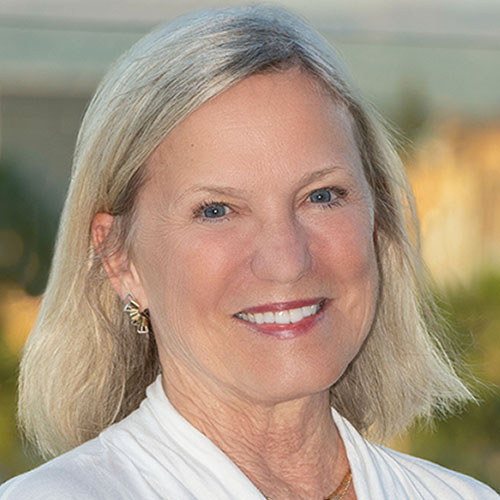
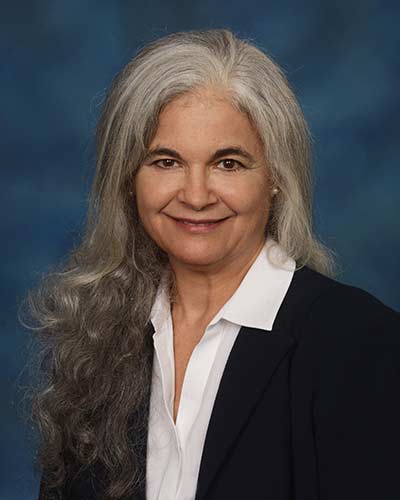
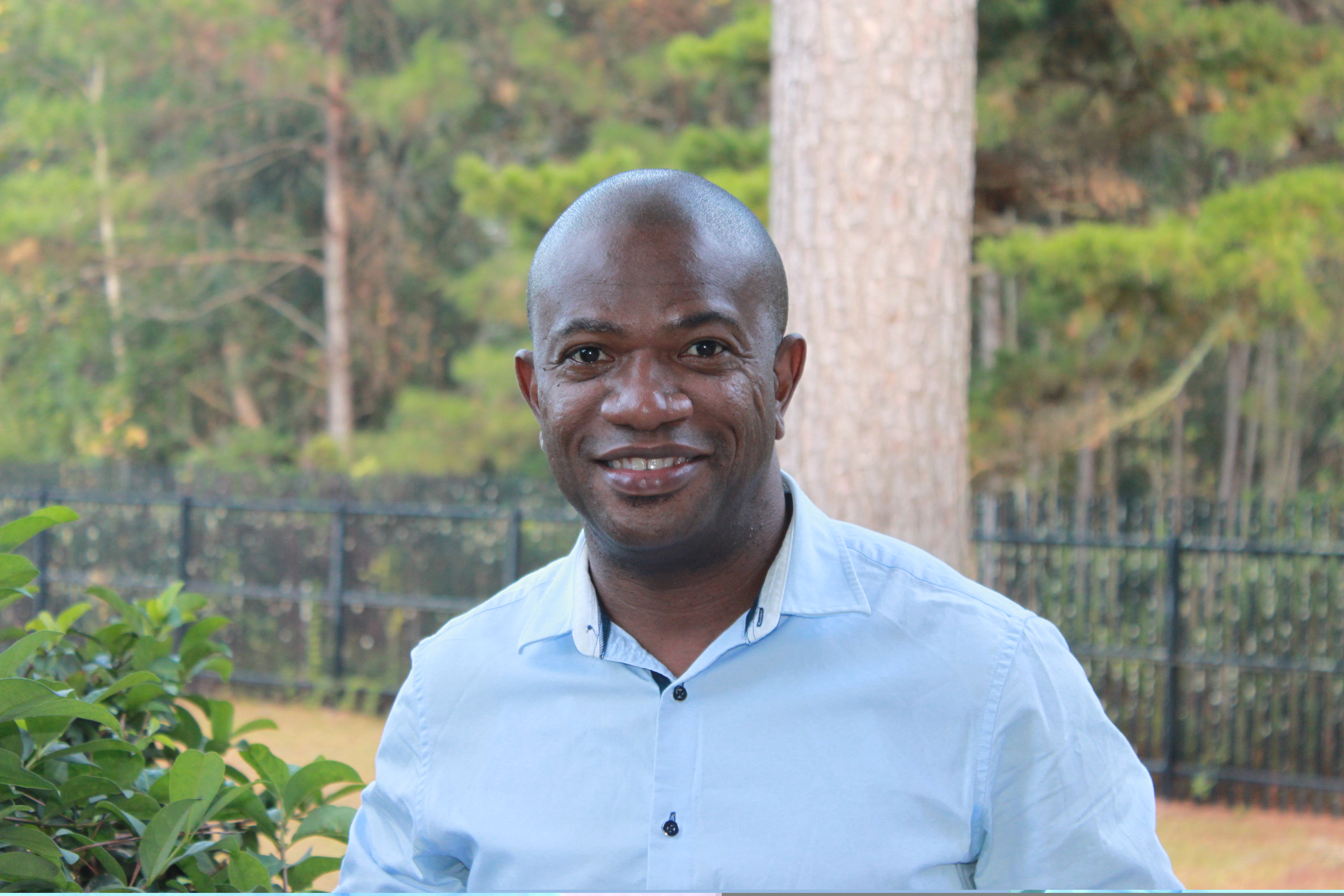
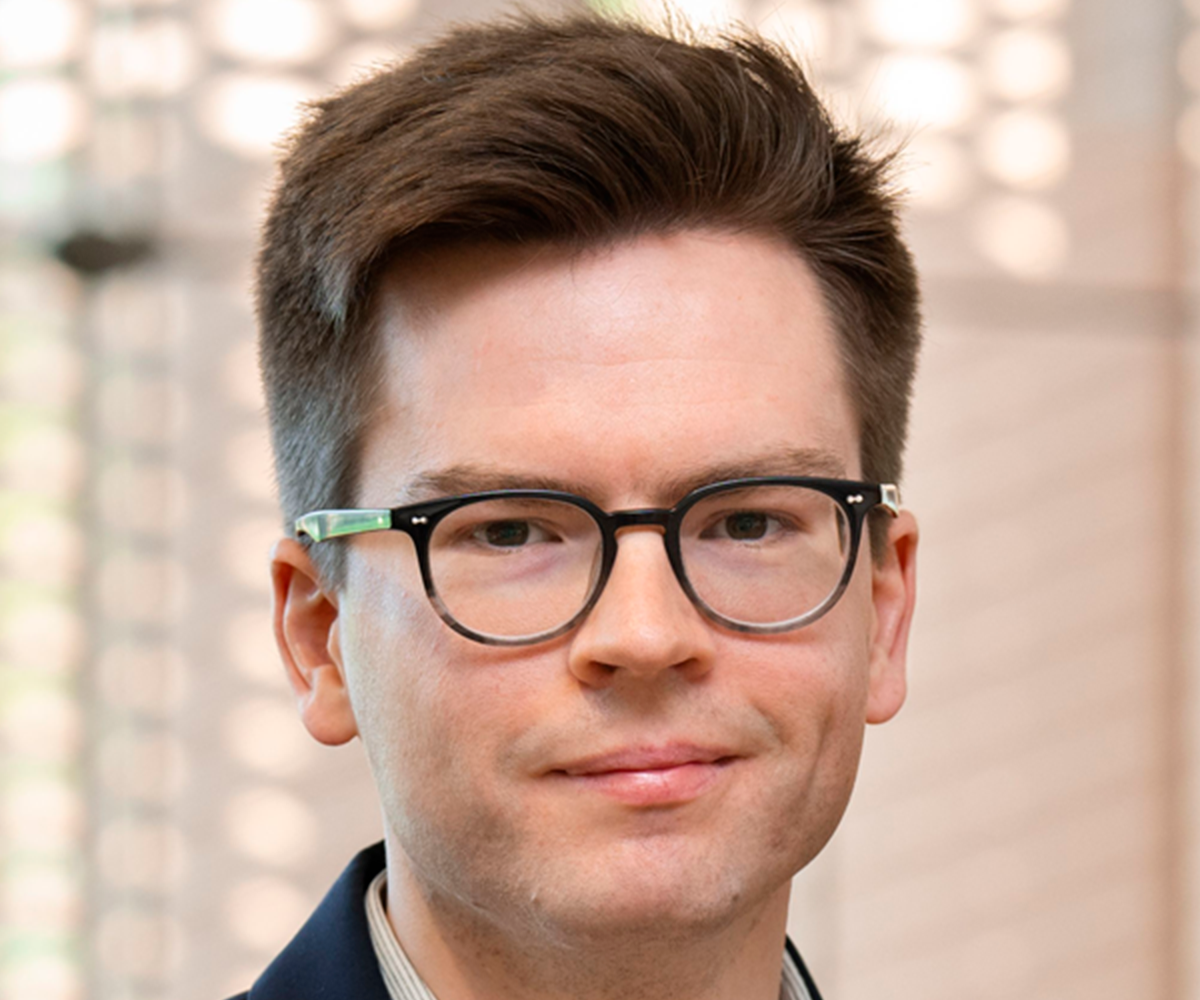
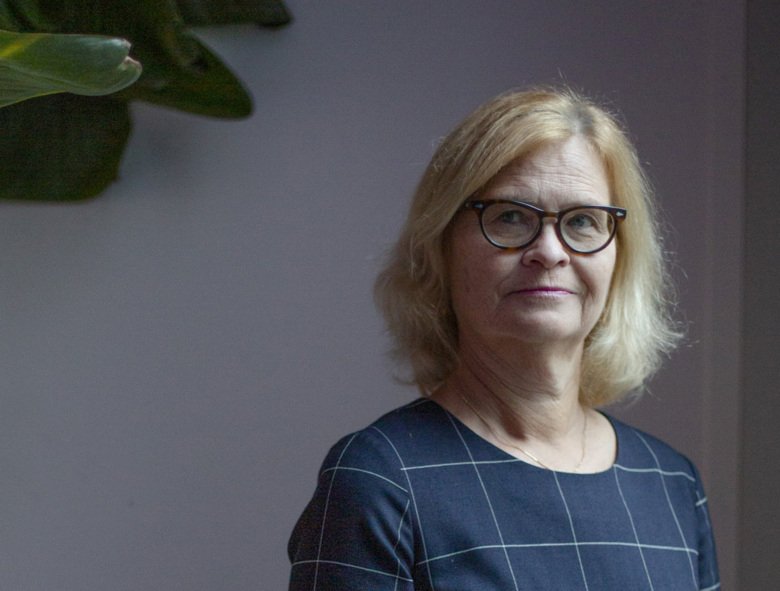
Anders Backlund is Professor of Pharmacognosy at Uppsala University's Department of Pharmaceutical Biosciences, with dual institutional roles including Garden Director at Uppsala Linnaean Gardens. His work bridges pharmaceutical sciences and botanical heritage through the university's historic gardens. His research centers on pharmacognosy and natural products chemistry, with pioneering development of the ChemGPS-NP platform for chemical space navigation. This computational tool maps biological activity in chemical property space, enabling prediction of pharmacological effects and mechanisms of action. His work spans plant metabolomics, evolutionary chemography, and drug discovery from natural sources including marine organisms, fungi, and medicinal plants. Recent publications (2019-2023) demonstrate strong continuity in applying ChemGPS-NP to diverse problems: predicting membrane permeability of Alpinia galanga constituents (2022), evaluating Ononis isoflavonoids for CNS targeting (2022), and decoding multi-functional bioactivities in Maca (2021). His work increasingly integrates computational prediction with experimental validation across anti-inflammatory, anti-allergic, and antimicrobial domains. As Garden Director of Uppsala Linnaean Gardens, he maintains institutional connections to botanical heritage while advancing modern pharmacognosy. His dual roles exemplify the integration of historical plant knowledge with contemporary drug discovery methodologies.
Xiaochen He serves as an Instructor in the Department of Physiology & Biophysics at the University of Mississippi Medical Center's School of Medicine, where he focuses on cardiovascular research and teaching within this foundational medical science department. His research program centers on the intersection of cardiac pathophysiology and immunometabolism, with core interests including: Mechanisms of immune-mediated cardiac inflammation in heart failure Role of T cell subsets (Th17, γδ T, CD8+) in pressure overload models Molecular regulation by IL-12 family cytokines and metabolic enzymes (TIGAR, SIRT3) Endothelial dysfunction in cardiac hypertrophy and failure progression Therapeutic interventions targeting inflammatory pathways Analysis of Dr. He's recent publications (2022-2025) reveals a concentrated research trajectory investigating how specific immune pathways drive heart failure progression. His work consistently employs genetic mouse models to demonstrate that IL-12β inhibition, TIGAR deficiency, and selenium supplementation attenuate cardiac inflammation and dysfunction, while CD8+ T cell metabolic reprogramming exacerbates disease. Key discoveries include GPR174's role in Th17 differentiation and NK1.1 signaling's contribution to cardiopulmonary inflammation, establishing critical immune-metabolic axes in heart failure pathogenesis. No scientific awards were documented in the available profile information. Current departmental records indicate no graduate students are formally listed under Dr. He's mentorship, and no research grants are specified in the public profile. Details regarding laboratory infrastructure, research teams, or collaborative networks were not provided in the available institutional documentation.
Emmanuel Ho is a Professor at the University of Waterloo and serves as the Associate Director of Graduate Studies & Research. His research focuses on nanomedicine and vaccine delivery, with expertise in drug delivery systems, polymer chemistry, and biomaterials. He leads the Ho Research Group, dedicated to developing innovative biomedical technologies for healthcare challenges. His work integrates materials science, pharmacology, and engineering to address issues in infectious diseases, ocular health, and drug delivery mechanisms. Key research areas include the design of smart polymers for targeted drug delivery, development of biosensors for rapid pathogen detection, and the application of nanotechnology in combating antimicrobial resistance. His projects often involve interdisciplinary collaborations, such as combining machine learning with nanoparticle formulation design to optimize therapeutic efficacy. Recent advancements from his lab include microwave biosensors for E. coli detection, bacteria-responsive drug release platforms, and pH-sensitive nanomicrobicides for HIV prevention. These innovations highlight his commitment to translating cutting-edge science into practical medical solutions. The Ho Research Group’s work has been widely published in top-tier journals, reflecting its impact on both academic and clinical fields.
Mary Ann Lila holds the David H. Murdock Distinguished Professorship at North Carolina State University’s Department of Food, Bioprocessing & Nutrition Sciences. She leads the Plants for Human Health Institute and is affiliated with the Global Institute for Bioexploration (GIBEX). Her research focuses on phytochemicals in functional foods, immune modulation, and plant-based solutions for health challenges like allergies and cognitive decline. Lila has pioneered protein-polyphenol particle technology to enhance bioactive delivery and mitigate food allergies. Education: Ph.D. Plant Biology (University of Wisconsin, 1984); M.S. Plant Pathology (University of Illinois, 1980); B.S. Horticultural Sciences (University of Illinois, 1978) Key Roles: Director of Plants for Human Health Institute; Affiliate Faculty at University of Alaska Fairbanks Her research interests include bioactive phytochemicals’ roles in inflammation, immunosuppression, and cognitive health. She investigates how plant-derived compounds interact with the gut microbiome to enhance health outcomes. Notable studies address blueberry bioavailability, anti-cancer properties of berry juices, and ozone-induced skin damage mitigation. Recent Achievements: - Copernico Bronze Medal (2021) - 2023 Senior Outstanding Global Engagement Award - David H. Murdock Distinguished Professorship (2010–present) Lila’s work spans collaborations across disciplines, including food engineering, genomics, and cosmeceutical development. Her lab develops sustainable food technologies to address global health and environmental challenges, emphasizing functional ingredients from underutilized crops and byproducts.
Prof. Lars Mägdefessel is a Professor of Vascular Biology at the Technical University of Munich (TUM), leading the Molecular Vascular Biology group within the TUM School of Medicine and Health. His research focuses on non-coding RNAs in vascular diseases, particularly atherosclerosis and aortic aneurysms, using translational approaches for molecular treatment discovery. He holds an MD from Johannes Gutenberg University (Mainz, Germany), completed cardiology clinical training, and postdoctoral research at Stanford University before joining TUM in 2016. Education: MD from Johannes Gutenberg University, Mainz Postdoctoral training at Stanford University, USA Assistant Professor at Karolinska Institute, Sweden Research Interests: Non-coding RNA regulation in vascular pathology Mechanisms of atherosclerotic plaque vulnerability Translational therapies for vascular diseases Advanced aortic aneurysm progression Awards include the ERC Consolidator Grant (2023), Russell Ross Award (2023), and Heisenberg Professorship (2016). His lab is supported by the German Center for Cardiovascular Research (DZHK).
Senani N.H. Rathnayake is a Research Fellow at the University of Technology Sydney (UTS), Faculty of Science. He completed his PhD at UTS (2019-2024) and held a Postdoctoral Fellowship at the University of Groningen (2023-2024). His primary research focuses on respiratory diseases, particularly the molecular mechanisms of smoking-induced lung damage, COPD, and asthma. Key areas include gene expression profiling, epigenetic changes, and cellular responses to cigarette smoke exposure. Research Interests: Transcriptomic and epigenetic alterations in lung diseases Smoking cessation effects on airway biology Genetic regulation of COPD biomarkers (e.g., sRAGE) Sex chromosome influences on respiratory disease susceptibility Awards & Fellowships: 2023 TSANZ Past Presidents Scholarship Award 2022-2023 European Respiratory Society Short-Term Fellowship Recent Research Trends: His articles emphasize smoking's impact on bronchial epithelial cells, including transcriptomic shifts, mucus barrier dynamics, and CRISPR-based gene-editing applications. Recent work explores Y-chromosome effects on COPD and asthma pathogenesis. Professional Engagement: Co-chair of the 2023 TSANZ Annual Scientific Conference Member of Australian Society for Medical Research, European Respiratory Society, and Thoracic Society of Australia and New Zealand
Dr. Premdass Ramdas is a Senior Lecturer at Monash University Malaysia, affiliated with the Jeffrey Cheah School of Medicine and Health Sciences. He joined in October 2023 with over 13 years of experience in medical biotechnology and health sciences, focusing on cancer research and bioactive natural compounds. PhD in Cancer Proteomics and Genomics, University of Malaya MSc in Medical Sciences (Cancer Genomics and Natural Products), International Medical University BSc with First-Class Honors His research focuses on the anticancer mechanisms of tocotrienols, utilizing proteomics, genomics, bioinformatics, and mouse models. He explores epigenetics, nutrigenomics, RNA/microRNA analysis, exosome biology, and AI-driven big data in cancer. His work contributes to UN Sustainable Development Goals in health and well-being. Recent publications show a strong trend in systematic reviews and mechanistic studies on vitamin E analogues in cancer, particularly colorectal and breast cancers. His research integrates molecular biology with computational approaches, including molecular docking and data mining. First-class honors for BSc Malaysian Palm Oil Board Scholarship for MSc MyBrain15 Scholarship for PhD Dr. Ramdas has secured research grants such as FRGS and actively supervises research projects. He is currently accepting PhD students and has co-supervised non-HDR reviews, indicating active mentorship. He has no known labs or teams explicitly mentioned, but collaborates extensively, particularly with Prof. Radhakrishnan A.K.
Andrew L. Goodman, PhD, is the C.N.H. Long Professor and Chair of the Department of Microbial Pathogenesis at Yale School of Medicine. He is also Director of the Yale Microbial Sciences Institute. His research focuses on understanding how gut microbes influence human health, particularly in drug metabolism, host-pathogen interactions, and microbiome ecology. Goodman earned his BA in Ecology and Evolutionary Biology from Princeton University, his PhD in Microbiology from Harvard University, and completed postdoctoral training at Washington University. His lab develops innovative tools such as transposon insertion sequencing (INSeq) and personalized microbiota culture collections. Key contributions include discovering microbiome-driven drug metabolism pathways, mechanisms of bacterial resilience during infection, and bacterial competition strategies. His work has been recognized with awards including the NIH Director’s New Innovator Award and the Presidential Early Career Award in Science and Engineering. Recent research highlights include studies on GPCR-targeted drug modulation by gut microbes (2025), protein-folding mechanisms in bacterial competition (2025), and microbiome responses to time-restricted feeding (2023). Goodman collaborates with institutions like the Diabetes Research Center and Yale Cancer Center, advancing translational microbiome research. Awards: ASPET John J. Abel Award, HHMI Faculty Scholar, Pew Foundation Labs/Teams: Goodman Lab, Yale Microbial Sciences Institute Grants: NIH, Burroughs Wellcome Foundation, HHMI
Toni M. Antalis, PhD, is a Professor in the Department of Pharmacology & Physiology at the University of Maryland School of Medicine. She serves as Associate Director of Training and Education for the Marlene and Stewart Greenebaum Comprehensive Cancer Center and Director of the Program in Molecular Medicine. Her research bridges vascular biology and cancer, focusing on membrane-anchored serine proteases and their role in tumor metastasis, inflammation, and coagulation. Doctorate in Biochemistry from Rice University Postdoctoral training in Cell Biology at Baylor College of Medicine Her laboratory investigates how protease-activated receptors (PARs) and the plasminogen activation system influence vascular disease and ovarian cancer progression. Current projects include studying fibrinolysis in thrombus resolution and developing protease-targeted therapies for metastatic ovarian cancer. Recent publications highlight roles of matriptase, testisin, and PAI-2 in tumor dissemination and vascular permeability. Dr. Antalis' research is funded by the National Institutes of Health (NIH), the Department of Defense, and a VA Merit Award. She has previously received support from the Lance Armstrong Foundation and Rivkin Center. She co-directs NIH-funded T32 and PREP programs for cancer training. Mentored numerous PhD students and postdoctoral fellows Developed engineered anthrax toxin prodrugs for ovarian cancer therapy (patents 10,568,929 and 11,013,784)
Claudia Gunsch is the Muriel Theodorsen Williams E'46 Distinguished Professor of Civil and Environmental Engineering at Duke University, with secondary appointments in the Nicholas School of the Environment and Department of Biomedical Engineering. She directs the NSF Engineering Research Center for Precision Microbiome Engineering (PreMiEr) and serves as Associate Director for the Duke Microbiome Center. PhD (2004): University of Texas at Austin MS (2000): Clemson University BS (1998): Purdue University Her research focuses on environmental molecular biotechnology , particularly: investigating ecological impacts of emerging contaminants on microbiomes; developing microbiome engineering approaches for bioremediation; studying microbial evolution from contaminant exposure; and creating innovative water treatment technologies. Current projects apply advanced molecular methods to probe environmental microbial processes in bioremediation, contaminant impact assessment, and environmental microbiome modeling. She has been recognized with numerous awards including: NSF Faculty Early Career Development Award (2009), ASCE Huber Prize (2016), and NAE Frontiers of Engineering Fellowship (2011). Her lab has mentored 28 graduate students, 34 undergraduates, and 8 postdoctoral associates. She leads research initiatives funded by NSF, EPA, NIEHS, and industry partners. Editor-in-Chief, Biodegradation journal Member, npj Clean Water and Industrial Biotechnology editorial boards Active in AEESP and ASCE leadership roles
Clovis Palmer, PhD, is an Assistant Professor of Microbiology and Immunology at Tulane University, affiliated with the Tulane National Primate Research Center. His research focuses on immunometabolism in HIV, aging, and viral infections. He holds a BS in Biochemistry and Botany from the University of the West Indies and a PhD in Molecular Biology from the University of Sydney. His work explores how metabolic processes influence HIV persistence, immune dysfunction, and aging. Key areas include identifying metabolic biomarkers for HIV control, studying HIV's impact on accelerated aging, and investigating metabolic complications of COVID-19. He has developed technologies like Met-Spectre for single-cell metabolic analysis. Palmer's awards include the Tulane Health Sciences Auxiliary Endowment (2023-2026) and recognition as an Emerging Leader in HIV Research by NIH/IAS (2017). He has delivered keynote lectures globally on HIV immunometabolism and aging. His research integrates non-human primate models with human clinical data, emphasizing translational applications for metabolic therapies targeting HIV cure and aging-related comorbidities.
Michael Skinnider serves as Assistant Professor at Princeton University's Lewis-Sigler Institute for Integrative Genomics and Assistant Member of the Ludwig Princeton Branch. His research develops AI-driven computational methods to identify unknown small molecules in mass spectrometry data, with applications in cancer biology and forensic drug detection. His educational background includes: BArtsSc from McMaster University (2015) PhD from University of British Columbia (2021) MD from University of British Columbia (2023) Skinnider's work centers on illuminating the "metabolomic dark matter" —unidentified chemical entities in mass spectrometry data. His lab pioneers machine learning approaches for metabolite identification, focusing on connections between unknown metabolites, cancer risk, and the microbiome. Recent innovations include chemical language models that transform mass spectrometry outputs into chemical structures, with applications spanning cancer diagnostics to forensic analysis of designer drugs. His research bridges computational biology, chemistry, and clinical medicine through low-data learning techniques. Publication trends reveal three dominant themes: (1) AI-driven metabolite identification (25% of recent work), (2) single-cell/spatial data analysis (40%), and (3) molecular interaction networks (35%). His 2024 Nature Machine Intelligence paper demonstrated that invalid SMILES strings enhance chemical language models , overturning previous assumptions. Articles consistently apply computational methods to biological discovery, with growing emphasis on cancer metabolism and translational applications. Major recognitions include: Forbes 30 Under 30 (2022) International Birnstiel Award (2022) Dan David Prize Borealis AI Fellowship NIH Award C&EN's Talented Twelve (2023) Young Explorer Award Grand Prize Skinnider leads the Skinnider Research Lab at Princeton's Carl Icahn Laboratory, which collaborates with forensic laboratories and Ludwig cancer researchers. The lab specializes in transforming mass spectrometry data into biological insights through innovative algorithms. During his undergraduate studies, he co-founded Adapsyn Bioscience to translate natural product discovery research into commercial applications. Current projects include developing metabolome-wide identification tools and exploring diet-derived metabolites that modulate cancer progression.
Professor Maria Eriksdotter is a leading academic in geriatrics and dementia research at the Karolinska Institutet , holding the Department of Neurobiology, Care Sciences and Society . She also serves as a Senior Consultant in Themes Inflammation and Ageing at Karolinska University Hospital Huddinge and previously as Dean of KI South (2019–2023). Her work spans translational research, clinical trials, and national registry development, with a focus on Alzheimer's disease, cholinergic therapies, and aging. Her research group pioneered NGF cell therapy for Alzheimer's patients, demonstrating safety and cognitive stabilization in clinical trials. She chairs the SveDem registry , tracking over 100,000 dementia patients to refine diagnostics and care. Studies from SveDem revealed mortality reduction with cholinesterase inhibitors and highlighted pandemic-era diagnostic delays. Recent publications analyze dementia subtypes , comorbidities , and precision medicine in neurodegeneration. Her work intersects neuroimaging , epidemiology , and public health policy , addressing ageism and improving geriatric care systems. Collaborations span Karolinska University Hospital , NSGene Inc , and international institutions.
Keriann M. Backus is an Associate Professor at the David Geffen School of Medicine , University of California, Los Angeles (UCLA), with a joint appointment in the Department of Chemistry and Biochemistry . Her research focuses on chemical proteomics, cysteine and lysine profiling, and immunomodulatory agents for cancer, infectious, and autoimmune diseases. Education: B.S. in Chemistry and B.A. in Latin American Studies from Brown University (2007), Ph.D. from Oxford University and NIH (2012) Research Interests: She develops chemical tools to study immune system modulation, targeting proteins via small molecules and antibodies. Her work integrates chemical proteomics, activity-based protein profiling (ABPP), and redox biology to explore cell-surface proteomes and inflammation-responsive mitochondrial redoxomes. Article Trends: Recent publications emphasize cysteine chemoproteomics, SP3-FAIMS technology for high-throughput profiling, covalent drug discovery for proteoform-selective inhibitors, proximity labeling for lipid interactomes, and data integration via CysDB. These reflect her expertise in redox-sensitive cysteine mapping and covalent fragment-based screening. Scientific Awards: W.M. Keck Foundation Grant (2024) Ono Breakthrough Science Initiative Award (2023) NIH Director’s New Innovator Award (2021) Packard Fellowship (2020) DARPA Young Faculty Award (2019) Beckman Young Investigator (2019) Rhodes Scholar (2007) NIH Oxford Cambridge Scholar (2007) Advising & Grants: Dr. Backus has secured major grants including the NIH Director’s New Innovator Award and Packard Fellowship. She co-corresponded studies on multi-omic data integration and mentored students in covalent drug discovery and chemoproteomic method development.
Univ.-Prof. Dr. med. Martin A. Kriegel serves as full Professor and Department Head of the Department of Translational Rheumatology and Immunology at the Institute of Musculoskeletal Medicine, University of Münster, while maintaining an active laboratory at Yale School of Medicine. He leads the Section for Rheumatology and Clinical Immunology (SRKI) at Medical Clinic D, where his team integrates clinical care with cutting-edge microbiome research. His department operates from Röntgenstraße 21 and Von-Esmarch-Str. 54 in Münster, Germany, with extensive collaborations including the "Cells in Motion" research initiative and the CiM-IMPRS graduate program. Dr. Kriegel's research program focuses on the critical interface between host immunity and microbiota, particularly investigating how gut commensals translocate to host tissues and trigger autoimmune responses. His laboratory pioneered the discovery that specific pathobionts like Enterococcus gallinarum and certain Lactobacillus strains can translocate from the gut to mesenteric lymph nodes, liver, and other sites, driving autoimmune responses through molecular mimicry of human autoantigens. His work has established fundamental mechanisms by which microbiota influence rheumatic diseases, cutaneous autoimmunity, and cancer immunology, with particular emphasis on Ro60 autoantigen mimicry, TLR7-dependent pathways, and diet-microbiome interactions. The laboratory employs advanced techniques including gnotobiotic mouse models, humanized systems, and detailed molecular characterization of host-pathobiont interactions. Analysis of Dr. Kriegel's publication record reveals a consistent trajectory of high-impact research connecting microbiome dynamics to autoimmune pathogenesis. His most recent work (2023-2025) demonstrates increasingly sophisticated understanding of how specific bacterial strains influence disease phenotypes across multiple autoimmune conditions, with notable advances in identifying shared microbiome signatures across lupus and inflammatory bowel disease. The publications show progressive refinement from initial observations of microbial translocation to detailed mechanistic insights into tryptophan catabolism pathways, structural basis of molecular mimicry, and diet-sensitive microbial triggers. Dr. Kriegel's scientific recognition includes US Patent No. 11,058,756 B2 for compositions treating autoimmune diseases by reducing enterococcus, reflecting the translational potential of his research. His laboratory receives substantial funding, most notably a $3 million award from the Lupus Research Alliance for the TransLuMi project investigating gut pathobiont translocation in systemic lupus erythematosus. As an educator and mentor, Dr. Kriegel directs a substantial research team including multiple postdocs (Drs. Marcia Pereira, Nathalie Becker), PhD candidates (Anna Brinkhege, Carina Brune, Helen Fuhrmann), and laboratory specialists. He participates in the CiM-IMPRS graduate program and supervises medical students through the MedK program. His laboratory currently manages multiple significant research projects including: (A) intestinal wall permeability and pathobiont translocation in autoimmunity; (B) diet-environment-microbiome interactions; (C) microbiota disruption of immunological tolerance; and (D) microbiome roles in lymphoma development. The Kriegel laboratory maintains state-of-the-art facilities at both Münster and Yale, with specialized capabilities in gnotobiotic research, microbiome analysis, and immune profiling. His team collaborates with international partners including Dr. Eran Elinav at Weizmann Institute, Dr. Nissan Yissachar at Bar-Ilan University, Prof. George Tsokos at Harvard, and Prof. Ilana Brito at Cornell University. The laboratory's website (https://www.medizin.uni-muenster.de/mikrobiom/startseite/) details ongoing projects and research opportunities.