Dawn Bowdish is an Associate Professor in the Department of Medicine at McMaster University and holds the Canada Research Chair in Aging & Immunity. Her research focuses on macrophage biology, the intersection of aging and infectious diseases, and microbiome-immune system interactions. PhD from University of British Columbia under Prof. Bob Hancock Postdoctoral training at University of Oxford with Prof. Siamon Gordon Research themes include: Macrophage phagocytosis mechanisms Nasal microbiome in aging populations Immune responses to Streptococcus pneumoniae Aging-related immune dysfunction Vaccine responses in elderly populations Her recent publications (2024-2025) emphasize inflamm-aging , microbiota-immune interactions , and macrophage functional decline in aging. Key journals include Nature Communications , Aging Cell , and Cell Host and Microbe . Scientific awards: Pfizer-ASPIRE Award G. Jeannette Thorbecke Award (Society of Leukocyte Biology) Current funding sources include CIHR, NSERC, Labarge Optimal Aging Initiative, and the Lung Association. Her lab investigates macrophage function in aging populations, with a focus on respiratory infections and immune homeostasis.
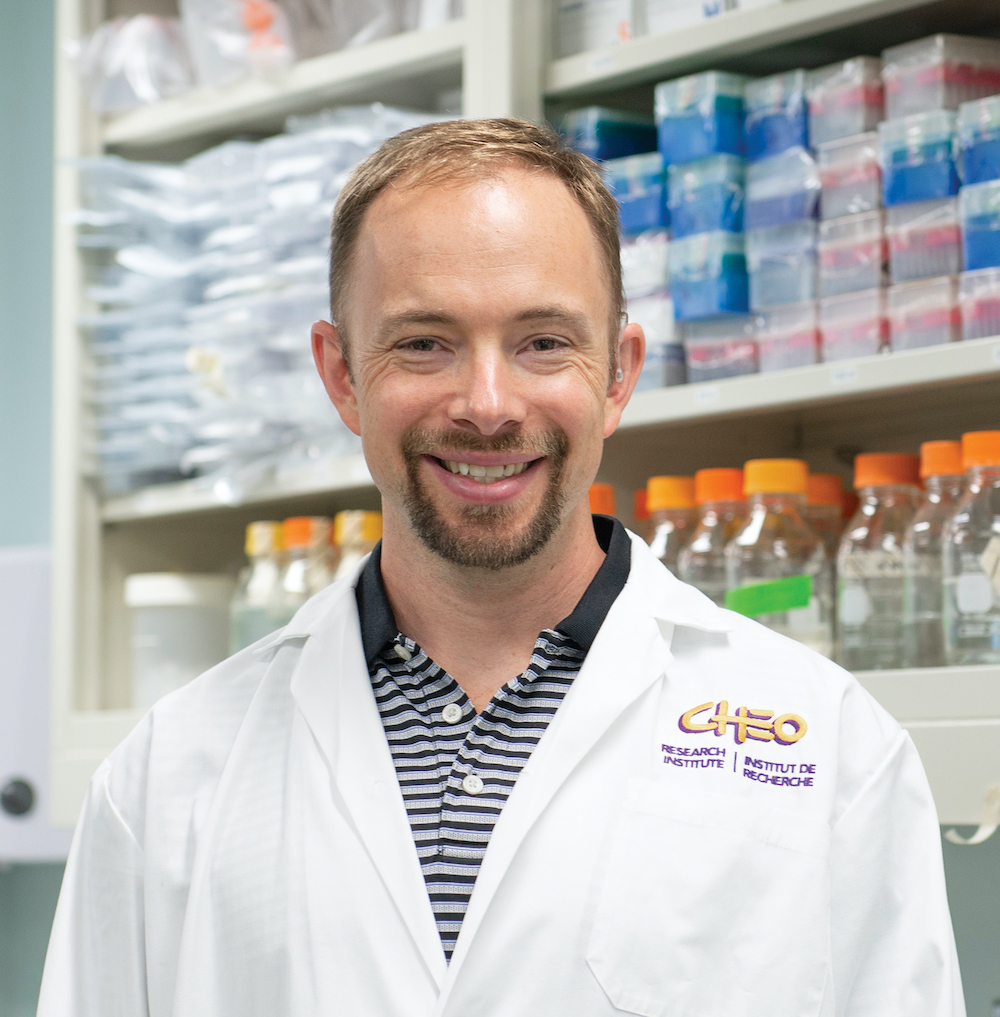
Dr. Shawn Beug is an Associate Professor in the Department of Biochemistry, Microbiology and Immunology at the Faculty of Medicine, University of Ottawa, and a Scientist at the Molecular Biomedicine, Apoptosis Research Centre, Children’s Hospital of Eastern Ontario Research Institute. His research focuses on understanding molecular and cellular regulators of cell death, signaling, and immunity to develop targeted therapies for cancer and immunological diseases. BSc in Biology (University of Regina) MSc in Cellular and Molecular Medicine (University of Ottawa) PhD in Biochemistry (University of Ottawa) Postdoctoral Researcher at CHEO Research Institute Dr. Beug’s laboratory investigates the role of Inhibitor of Apoptosis (IAP) proteins in cytokine signaling, cancer-immune cell interactions, and the development of cancer therapies. His work explores TNFα signaling, Smac mimetics, and their interplay with immune checkpoint inhibitors in glioblastoma and pediatric cancers like neuroblastoma. Recent publications highlight his studies on IAPs’ modulation of TNFα signaling, tumor microenvironment interactions, and synergistic approaches combining oncolytic viruses and immunotherapies. His research has been cited in journals such as Nature Communications , Science Signaling , and Oncogene . Tier 2 Canada Research Chair (2020) Grants from SickKids, the Canadian Institutes of Health Research (CIHR), the Cancer Research Society (CRS), and the CHEO Foundation support his work. His lab employs advanced techniques like CyTOF, single-cell RNA sequencing, and high-throughput screens to dissect IAP-driven signaling pathways and immune regulation. Dr. Beug’s lab is located at Room 401 Smyth Road, Ottawa, ON, K1H 8L1 (Office: R3113, Lab: R3121), with direct collaboration ties to the Apoptosis Research Centre and Children’s Hospital of Eastern Ontario Research Institute.
Dr. Gerardo Vasta is a Professor in the Department of Microbiology and Immunology at the University of Maryland School of Medicine, with a multidisciplinary background in biochemistry, zoology, and immunology. His research focuses on glycosciences, particularly protein-carbohydrate interactions in innate immunity, cancer, and developmental biology. National University La Plata: Chemist (1972), Licenciate in Biochemistry (1973), Licenciate in Zoology (1976), PhD in Biochemistry (1978), PhD in Zoology (1980) Roswell Park Memorial Institute: Post-Doctoral Fellow (1979-1980) Medical University of South Carolina: Post-Doctoral Fellow (1981-1982), Research Associate (1982-1984) His work bridges structural biology and immunology, using zebrafish, C. elegans, eastern oyster, and murine models to investigate galectins' roles in immune regulation, pathogen recognition, and cancer diagnostics. Current projects examine galectin mechanisms in lung infections and viral interactions. Recent publications highlight galectin-mediated immune responses, bacterial adhesion inhibition, and glycan-based therapeutic strategies. Articles focus on zebrafish models, marine pathogens, and translational applications of lectin research. Honor Student Award, Mar del Plata City Council (1968-1973) Fogarty Fellowship, NIH (1981-1983) J. William Fulbright Scholar (2007) National Award 'Raíces', Argentina (2016) Dr. Vasta mentors graduate students and hosts summer interns. His lab receives funding from NSF, NIH, NOAA, and NIH study sections. He serves on editorial boards for Glycobiology and Invertebrate Immunity.
Dr. Stefanie N. Vogel is a distinguished Professor of Microbiology and Immunology at the University of Maryland School of Medicine, with a secondary appointment in Medicine. She also serves as the Senior Scientific Advisor of the UMGCCC's Translational Laboratory Shared Resource. With over 40 years of research experience, Dr. Vogel has established herself as a leading expert in innate immunity, particularly in Toll-like receptor signaling pathways and macrophage differentiation. Dr. Vogel's research focuses on the fundamental mechanisms by which macrophage differentiation influences responses to infectious agents and tumor growth. Her laboratory has made seminal contributions to understanding innate immunity, especially TLR signaling regulation. Key achievements include developing a murine model of TLR4 hyporesponsiveness that expresses homologs of human TLR4 SNPs, creating novel therapeutic approaches for influenza and RSV, and developing prototype vaccines for Francisella tularensis. Dr. Vogel's research has evolved from basic immunological investigations to highly translational work with direct clinical applications. Her laboratory has identified multiple therapeutic approaches for mitigating acute lung injury induced by viral infection, including the development of small molecule TLR antagonists like Eritoran, which protects against influenza infection. More recently, her work has explored connections between TLR4 signaling and inflammatory bowel disease, as well as the interplay between TLR4 and the renin-angiotensin system in virus-induced acute lung injury. MERIT Award for NIH Grant AI-18797 (continuously funded for 33 years) Milstein Award (highest scientific award from the Intl. Cytokine and Interferon Society) Frederik Bang Award (highest scientific award from the International Endotoxin and Innate Immunity Society) Distinguished University Professor by the UMSOM Fellow of the American Academy of Microbiology and AAAS Dr. Vogel has mentored over 39 post-doctoral fellows and 14 graduate students, many of whom now hold leadership positions in universities, industry, and government agencies. She has directed the NIH/NIAID T32 Program 'Signaling Pathways in Innate Immunity' for over 10 years. Her current research is supported by multiple NIH grants focusing on TLR4 antagonists for influenza treatment, macrophage differentiation signals, and training in innate immunity.
Prof. Dr. Belkıs Atasever Arslan is a Professor in the Department of Molecular Biology and Genetics at Üsküdar University , where she has served since 2012. She holds an Adjunct Associate Professor position at the University of Illinois at Chicago (since 2019) and leads the Molecular Biotechnology Research Group . With a Doctorate in Physiology (Istanbul University, 2008), her career includes postdoctoral work at Sabancı University (2009-2012) and leadership roles as Department Head since 2019. 2001: B.Sc. in Biology, Istanbul University 2004: M.Sc. in Physiology, Istanbul Faculty of Medicine 2008: Ph.D. in Physiology, Istanbul Faculty of Medicine Research Interests span Drug Discovery , Immunology , and Signal Transduction , with a focus on neurodegenerative diseases (Alzheimer's, Parkinson's), cancer biology (leukemia, endometrial cancer), and metal toxicity. Her work integrates in vitro models , computational biology , and metal-based therapeutics . Recent Publications (2025-2020) emphasize metal complexes for antiviral/anticancer applications, neuroprotective natural compounds (sesamol, Hypericum), and genetic biomarkers in neurodegeneration. Key journals include Journal of Molecular Structure , Toxicology Reports , and Pharmacognosy Magazine . Scientific Awards include the TÜBA Postdoctoral Fellowship (2009), TÜBİTAK Scholarships , and European Patents . She has supervised 5+ graduate theses and participates in international conferences (e.g., Artemis Scientific Research Congress, ICSTR Rome). Administrative Roles include Department Head (2019-present), Academic Committee Membership , and leadership in Erasmus Coordinations . She teaches Physiology , Signal Transduction , and Immunology courses.
Daniel Raphael Saban is the Joseph A.C. Wadsworth Distinguished Professor of Ophthalmology at Duke University, with joint appointments as Professor of Ophthalmology, Professor in Pathology, and Professor in Integrative Immunobiology. He serves as Vice Chair of Research Strategy and is a Faculty Network Member of the Duke Institute for Brain Sciences. His research focuses on neuroimmunology, using the eye as a model to study interactions between the immune and nervous systems in health and disease. Education includes: Ph.D. and M.S. from the University of Florida Research Fellowship and Instructor position at Harvard Medical School Dr. Saban leads the Saban Lab, which investigates microglia in retinal degeneration, corneal neuroimmunology, and mucosal immunity. Key research areas include: Microglia function in retinal degenerative diseases using in vivo retinal models Corneal nerve-immune cell interactions in pain and wound healing Conjunctival immunity as a model for mucosal surfaces Development of therapies targeting microglia in blindness disorders Publication analysis reveals consistent themes in neuro-ocular immunology (2020-2025), with 82% of recent work focused on microglia dynamics, corneal pathology, and immune mechanisms in ocular diseases. The lab frequently employs single-cell genomics, in vivo imaging, and transgenic models. Awards include the Joseph A.C. Wadsworth Distinguished Professorship. Grant leadership spans: NIH R01 grants on retinal degeneration ($4.2M, 2024-2029) Projects on corneal neuroimmunology ($1.7M, 2023-2026) Studies of microglia in disease progression ($2.1M, 2025-2027) The Saban Lab actively collaborates with immunology, neuroscience, and bioinformatics researchers, seeking postdoctoral fellows and graduate students to advance neuroimmunology therapeutics.
Mari L. Shinohara is Professor of Integrative Immunobiology at Duke University School of Medicine , where she also holds professorships in Cell Biology , Neurobiology , and Molecular Genetics & Microbiology . She serves as Director of Graduate Studies in the Department of Immunology and is a member of the Duke Institute for Brain Sciences and the Duke Cancer Institute . Education & Training: While specific degrees are not detailed in the provided text, Dr. Shinohara’s extensive publication record and senior faculty status indicate advanced training in immunology and molecular biology. Research Overview: The Shinohara Lab investigates the cellular and molecular mechanisms that balance protective immunity against pathogens with the prevention of autoimmunity. Using cutting-edge mouse models of multiple sclerosis (EAE) , fungal infections , and graft-versus-host disease , the lab focuses on: Pattern Recognition Receptors (PRRs) in macrophages and dendritic cells Osteopontin (OPN) isoforms in immune regulation Neuro-immune interactions in the CNS during infection and autoimmunity Alveolar macrophage heterogeneity and lung immunity Inflammasome biology in astrocytes and microglia Scientific Awards & Honors: While no personal awards are listed, her trainees have received prestigious recognitions such as the NSF Graduate Research Fellowship . Advising & Grants: Dr. Shinohara has mentored numerous PhD students to successful defense, including Jeremy Ratiu , William Barclay , and Elizabeth Deerhake . Her lab is supported by active federal and foundation grants, though specific grant numbers are not disclosed here. Laboratory & Resources: The Shinohara Lab is located in the Jones Building on Duke’s Research Drive, with access to core facilities through the School of Medicine and the Office of Biomedical Graduate Education.
Mervi Gursoy serves as a University Lecturer and Docent (Adjunct Professor) at the Institute of Dentistry, University of Turku, Finland. She specializes in periodontology and holds qualifications as a specialist in periodontology. Her work focuses on the intersection of oral health, microbiology, and systemic conditions, with particular expertise in pregnancy-related oral health issues. Education: DDS degree from the University of Helsinki (1999) PhD in periodontology from the University of Turku (2012) Specialist qualification in periodontology from the University of Turku (2013) Mervi Gursoy's research primarily focuses on periodontology, oral microbiology, and the relationship between oral health and pregnancy. She has extensively studied how hormonal changes during pregnancy affect gingival inflammation and the oral microbiome. Her work examines biomarkers of periodontal disease, including human beta-defensins and various cytokines, and their relationship to systemic conditions like diabetes and Crohn's disease. Dr. Gursoy's recent publications reveal a strong focus on biomarker discovery for periodontal diseases, the impact of systemic conditions on oral health, and educational aspects of periodontology. Her work bridges basic science with clinical applications, particularly in understanding the molecular mechanisms of periodontal inflammation and healing. She has made significant contributions to understanding the connection between oral health and pregnancy outcomes. Scientific Awards: Young Researcher award from the Scandinavian Society of Periodontology (2011) Hatton award (clinical research, senior category) from the IADR/Scandinavian division (NOF) (2011) Second prize of the Unilever/IADR Hatton award (2012) IADR/Philips Oral Healthcare Young Investigator Research grant (2013) Dr. Gursoy has been actively involved in research collaboration and has received multiple research grants supporting her work on periodontal biomarkers and the oral-systemic connection. While specific details about her advisees are not provided in the text, her extensive publication record suggests she has likely mentored numerous graduate students and early-career researchers in the field of periodontology. She is associated with Vuokko Loimaranta's Lab at the University of Turku and has collaborated extensively with researchers across Europe and internationally. Her work often involves interdisciplinary teams combining expertise in dentistry, microbiology, immunology, and molecular biology to address complex questions in oral health research.
Felix Meissner is a Principal Investigator at the Institute of Innate Immunity (University Hospital Bonn), leading the Department of Systems Immunology and Proteomics since 2021. He studied biochemistry at the Free University of Berlin and Scripps Institute, earned a PhD at MPI for Infection Biology, and conducted postdoctoral research at MPI of Biochemistry and UCSF. Education : Biochemistry (Free University of Berlin, Scripps Institute); PhD (MPI for Infection Biology) Career : Postdoc (MPI Biochemistry, UCSF); Independent Group Leader (MPI Martinsried); Department Head (III Bonn since 2021) His research focuses on immune signaling circuits that regulate inflammation using mass spectrometry proteomics , with applications in chronic diseases and cancer . The lab has pioneered unbiased secretomics and EASI-tag technologies for quantitative proteomics. Recent publications reveal trends in spatial proteomics for cancer subtyping, intercellular communication networks in immunity, and apoptosis regulation in chemotherapy response. Collaborative DFG-funded projects (SFB 1335, SFB 1454) and BMBF grants support his work. The lab team includes PhD students like Diana Fink , postdocs such as Felix Weiss , and alumni like Jingyuan Cheng . Based at the Biomedical Center (BMZ 2) in Bonn, his group also operates at MPI Martinsried .
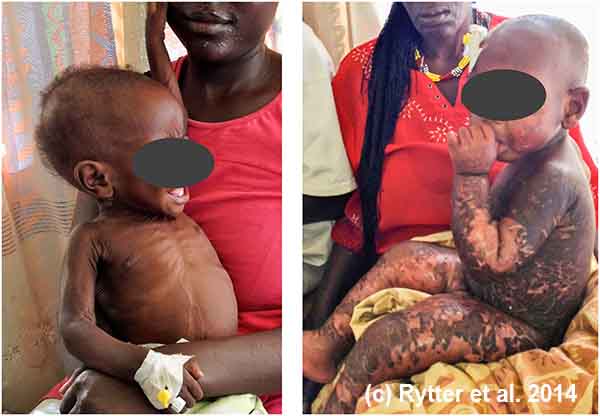
Jonathan Sturgeon is a Wellcome Clinical Research Fellow at the Centre for Genomics and Child Health within the Blizard Institute, Faculty of Medicine and Dentistry at Queen Mary University of London. He conducts clinical research at the Zvitambo Institute of Maternal and Child Health Research in Harare, Zimbabwe, focusing on malnutrition and its effects on the gut and immune system in children. His work involves sub-studies of the HOPE-SAM and TAME trials, examining how gut-targeted therapies might improve outcomes for children with severe acute malnutrition. Dr. Sturgeon's educational background includes: PhD candidate at Queen Mary University of London (December 2019 - present) MRCPCH (Member of the Royal College of Paediatrics and Child Health, February 2017) DTM&H (Diploma in Tropical Medicine and Hygiene, London School of Hygiene & Tropical Medicine, August-November 2014) MBBS in Medicine from St George's University of London (September 2007 - July 2011) MA in Natural Sciences from Pembroke College, Cambridge (October 2004 - June 2007) Dr. Sturgeon's primary research focuses on severe acute malnutrition (SAM) in children, particularly examining the relationship between gut function and immune system changes. Children with SAM experience significant structural and functional gut abnormalities, termed malnutrition enteropathy, characterized by small intestinal inflammation, abnormal villus architecture, increased gut permeability, and malabsorption. These gut changes allow bacterial translocation from the gut lumen into systemic circulation, inducing inflammation and blunting subsequent immune responses to pathogens. His research aims to understand how these pathogenic pathways impact mortality and nutritional recovery, with the goal of developing interventions to reduce inflammation and promote epithelial repair. Dr. Sturgeon's publication record shows a strong focus on malnutrition, particularly severe acute malnutrition in children from low-resource settings. His work spans clinical trials, observational studies, and systematic reviews, with a significant portion examining the gut-immune axis. His recent work has increasingly focused on interventions targeting malnutrition enteropathy and their effects on inflammatory pathways. Much of his research involves collaborations across multiple African countries, particularly Zimbabwe and Zambia, reflecting his commitment to global health research. His findings demonstrate that inflammation persists for up to 48 weeks after hospital discharge despite nutritional recovery, and that growth factors indicative of endothelial and epithelial repair are associated with reduced mortality. Dr. Sturgeon holds a prestigious Wellcome Trust clinical PhD fellowship, administered by the London School of Hygiene & Tropical Medicine. This fellowship supports his research on malnutrition and its effects on the gut and immune system in children and is part of the Wellcome Clinical PhD Programme in Global Health Research run by the Bloomsbury Group. Dr. Sturgeon is supervised by Prof Andrew Prendergast and Prof Paul Kelly for his Wellcome Trust clinical PhD fellowship. His research has been supported by the Wellcome Trust and involves collaborations with the Zvitambo Institute in Zimbabwe. He has successfully gained funding from Bart's Charity for previous research projects and has extensive experience with ethical approvals, study protocols, and Good Clinical Practice requirements. His NIHR Academic Clinical Fellowship examined gut-immune changes in children with non-critical infection, and his earlier NIHR Academic Foundation Programme investigated platelet effects on neutrophil function in cirrhosis. Dr. Sturgeon is part of the Prendergast Group at the Blizard Institute, Queen Mary University of London. His research is conducted in collaboration with the Zvitambo Institute of Maternal and Child Health Research in Harare, Zimbabwe, where he works on the HOPE-SAM study and TAME trial. He is also affiliated with the Wellcome Clinical PhD Programme in Global Health Research, run by the Bloomsbury Group, which includes six universities in London and Brighton. His work bridges clinical practice and research, with a focus on improving outcomes for children suffering from severe malnutrition in resource-limited settings through understanding the pathophysiology of malnutrition enteropathy and developing targeted interventions.
Valeria Fumagalli is an Assistant Professor of General Pathology at the Faculty of Medicine and Surgery, Vita-Salute San Raffaele University, Milan. She also works as a Research Immunologist in Matteo Iannacone's laboratory at the IRCCS San Raffaele Institute. PhD in Molecular Medicine (2020), Vita-Salute San Raffaele University Master's Degree in Medical Biotechnology (2016), University of Milan-Bicocca (110/110 cum laude) Bachelor's Degree in Biotechnology (2013), University of Milan-Bicocca (110/110 cum laude) Her research focuses on immune responses during viral infections, particularly HBV and SARS-CoV-2, with an emphasis on innate lymphoid cells (ILCs), B lymphocytes, and CD8+ T cells in murine models. She investigates spatiotemporal immune dynamics and develops preclinical models for vaccines and antivirals. Recent publications highlight her work on Kupffer cell licensing , IL-27 in T cell recovery , CD8+ T cell targeting , and anti-SARS-CoV-2 therapeutics . Her studies span liver immunology , thrombosis mechanisms , and epigenetic modulation of immune responses. 2024: ERC Synergy Grant 2022: Travel Grant Award, SIICA Congress 2021: AIRC Grant (ID 26813-2021) 2020: MIUR-PRIN 2017 Grant Fumagalli serves as a journal reviewer for Communications Biology and Antiviral Research . She contributes to the DITID retreat organization and is a member of SIICA since 2017. Her work bridges experimental medicine, pathophysiology, and clinical immunology.
Patrizia Rovere Querini is an Associate Professor of Internal Medicine at Vita-Salute San Raffaele University , with key affiliations at the IRCCS San Raffaele Hospital . She directs the General Medicine Unit 2 - General Medicine with focus on Metabolic Health and Aging, and leads the Innate Immunity and Tissue Remodeling Laboratory . Starting November 2024, she will head the Specialization School in Internal Medicine . University of Milan (MD, 1992) Open University (PhD, 1997) Allergology and Clinical Immunology specialization (1999) INSERM-CNRS Marseille-Luminy postdoc (1995-1997) Her research focuses on innate immunity , adaptive immunity , and immune signaling mechanisms related to sarcopenia , inflammatory aging , and post-COVID complications . Recent work explores how inflammatory profiles predict neuropsychiatric symptoms and the molecular constraints of age-related muscle decline. She teaches in the International Medical Doctor Program , Medicine and Surgery Master's , and Biotecnology for Innovative Therapeutics Master's , covering clinical medicine, clinical immunology, and internal medicine. Her laboratory investigates the intersection of immune system dysfunction and age-related tissue remodeling . Scientific recognition includes: Fellow of the Italian Society of Immunology, Clinical Immunology, and Allergology (2000 - ) She has served as program chair for two editions of the Gordon Research Conference on Apoptotic Cell Recognition & Clearance (2011, 2013), and contributes to public engagement through media interviews and social media content on telemedicine and chronic disease management.
Izabela Rodenhuis-Zybert, PhD, is a researcher at the University of Groningen's Faculty of Medical Sciences and a key member of the Experimental Virology Group. Her work focuses on immune mechanisms during acute viral infections, particularly dengue virus, chikungunya virus, and SARS-CoV-2, with an emphasis on inflammatory response control points through national and international multidisciplinary collaborations. University of Groningen Faculty of Medical Sciences Research Specializations: Virology, Immunology, Microbiology, Inflammation, Public Health, and Infectious Diseases. She actively investigates how balanced/unbalanced inflammation develops during viral infections and has developed novel diagnostic assays like FlowSA for SARS-CoV-2 detection. Scientific Contributions: Her work spans 15+ years with over 45 research outputs. Key achievements include: Veni Grant recipient (2013) 2nd Van Swinderen Prize (2012) PhD cum laude (2011) Noordconnect Award for Young Researchers (2010) Academic Service: Regularly serves on PhD defense committees (e.g., Danny Noack, Georgia Koutsoumpli) and participates in the RuG Master 'Molecular Medicine and Innovative Treatment' program. Her research contributes to UN Sustainable Development Goal 3 (Good Health and Well-being) through viral disease studies.
Florent Ginhoux is a Research Fellow with expertise in Immunology and Cell Biology . He earned his PhD in Immunology from the University Pierre et Marie CURIE, Paris VI in 2004, preceded by a Master's in Advanced Immunology from the Pasteur Institute . His research focuses on: Antigen-presenting cell biology (e.g., dendritic cells, macrophages) Molecular innate immunity Single-cell technologies for immune cell analysis Myelopoiesis and immune cell development Computational tools like EPIC for cytometry data Recent publications highlight his work on psoriasis , macrophage function , and innate immune mechanisms . He serves as: Chief Editor for Antigen Presenting Cell Biology at Frontiers in Immunology Review Editor for Molecular Innate Immunity at Frontiers in Immunology His collaborations span institutions like Harvard Medical School , Walter and Eliza Hall Institute , and Institut Pasteur , with over 180 publications and 236,768 publication views. He has 291 followers and 193 followed researchers, indicating active academic networking.
Amiram Ariel is an Associate Professor specializing in immunology with a focus on inflammation resolution mechanisms. He serves as Associate Editor for Inflammation at Frontiers in Immunology and Review Editor for Molecular Innate Immunity, demonstrating active scholarly engagement. His research centers on macrophage biology and pro-resolving mediators, investigating their roles in treating inflammatory disorders, fibrosis, cancer metastasis, and diabetic wound healing. Key contributions include elucidating interferon-stimulated neutrophil functions in immunotherapy response and JMJD3/STING pathway interactions in tissue repair. Recent publications (2021-2024) reveal consistent themes: leveraging resolution-phase macrophages against dormant tumor cells, IFN-β-mediated anti-fibrotic effects, and inflammation resolution strategies for COVID-19 pathogenesis. These works bridge molecular immunology with translational applications in oncology and regenerative medicine. No scientific awards are documented in the available materials. While his 53 publications indicate significant scholarly output, details regarding student mentorship, grant funding, or laboratory structure are absent from the provided text. His professional network includes 79 followers and 49 researchers he follows, reflecting active academic collaboration. Dr. Ariel's educational background includes studies at Hebrew University, though specific degrees and years remain unspecified in the source material.