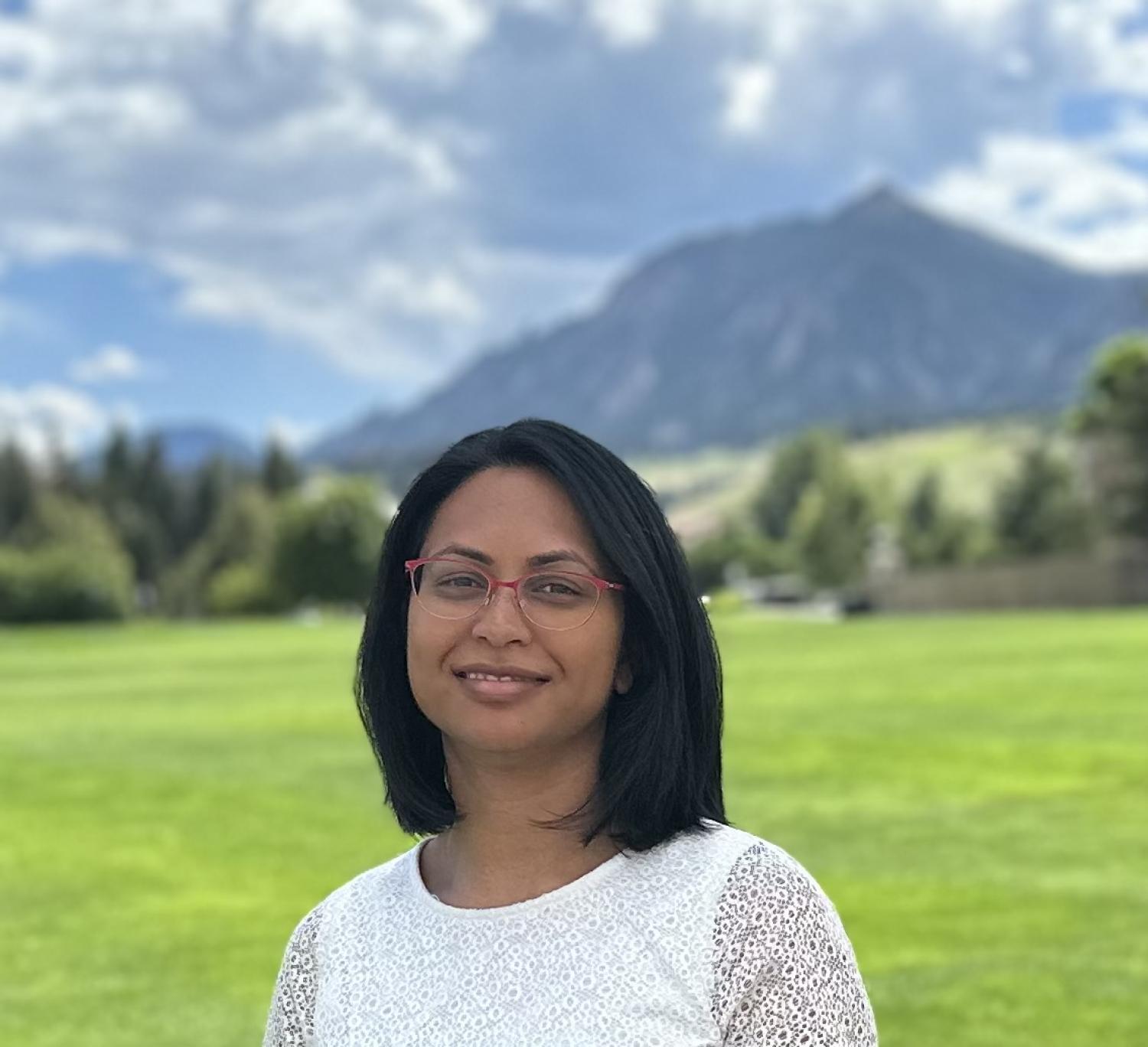
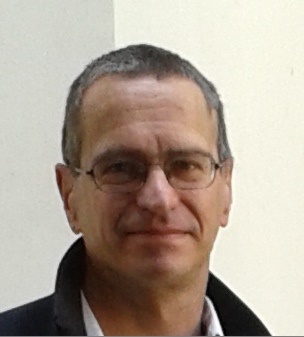
Antonio Alves Meira Neto is an Assistant Professor in the Department of Civil and Environmental Engineering at Colorado State University. His research focuses on hydrologic processes across spatial and temporal scales, integrating field observations, modeling, and remote sensing. He leads the Hydrologic Processes Lab , established in 2024, which examines water movement in ecosystems, climate interactions, and human-water systems. Ph.D. (2019) - University of Arizona, Hydrology M.Sc. (2013) - University of São Paulo, Hydraulic and Sanitary Engineering B.Sc. (2011) - Federal University of Bahia, Civil Engineering His work employs hydrogeophysics, tracer experiments, and empirical analysis to study catchment-scale hydrology, ecohydrology, and socio-hydrology in arid regions. Recent publications highlight water security in Brazil, groundwater dynamics, and climate impacts on streamflow. Contact: ameira@colostate.edu
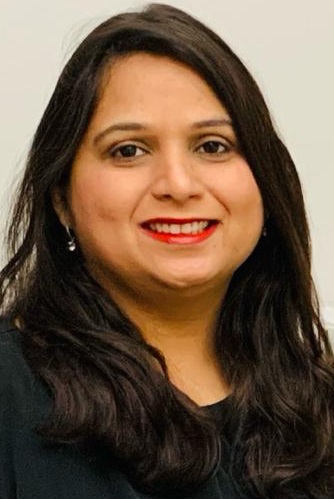
Shalini Saggu is an Assistant Professor at the Medical College of Georgia, affiliated with the Department of Neuroscience and Regenerative Medicine. She holds a Ph.D. in Toxicology (2007) and an MS in Toxicology (2003) from Jamia Hamdard, and a BS in Chemistry (2001) from the University of Delhi. Education: Ph.D., Toxicology, Jamia Hamdard (2007) MS, Toxicology, Jamia Hamdard (2003) BS, Chemistry, University of Delhi (2001) Her research focuses on neurotoxicology, Alzheimer's disease mechanisms, and environmental health impacts, particularly exploring how neurotoxicants, hormonal therapies, and plant-derived compounds affect neurodegenerative processes. She has contributed to understanding oxidative stress, neuroinflammation, and synaptic dysfunction in Alzheimer's. Research Themes: Neurotoxicology of environmental pollutants Neuroinflammation in Alzheimer's Plant-based neuroprotective agents Neuropharmacology of adrenergic drugs Mechanisms of memory consolidation She has taught advanced courses in biochemistry and molecular biology, including BCMB 8201: Current Topics & Techniques in Molecular Biology .
Associate Professor Robert Nordon is a faculty member at UNSW Sydney's Graduate School of Biomedical Engineering. He holds an MB BS, BMedSci, and PhD, with research focusing on advanced manufacturing and medical technologies. Since 2016, he has secured over $5M in research grants for projects in point-of-care diagnostics, cell/gene therapy manufacturing, and stem cell science. Research interests span three primary domains: Developing microfluidic single-use disposables for scalable clinical cell production Modeling cardiovascular development using stem cell-based microfluidic systems Creating computational tools for single-cell analysis and lineage tracking His publications (2017-2024) demonstrate strong emphasis on microfluidic device engineering, stem cell dynamics, and biomaterials development. Recurring themes include hematopoietic stem cell expansion, cardiac cell behavior, and peptide-based biomaterials. Significant grants include: ARC Linkage Grant LP160100570: Scaling microfluidics for cell manufacture (2016-2019) ARC Linkage Grant LP160100573: 3D microstructures for medical devices (2016-2019) ARC Linkage Grant LP190100029: Electrophoretic cell sorters (2020-2023) CRC-P: Microbioreactor for affordable cell/gene therapy (2021-2023) Current research trainees include Farzaneh Ziaee and Eric Du.
Prof. Dr. Eileen Eckmeier serves as Director of the Institute for Ecosystem Research at Christian-Albrechts-University of Kiel and holds a W3 Professorship in Geoarchaeology and Environmental Risks. She concurrently acts as Co-spokesperson of the ROOTS Cluster of Excellence (since October 2023), Spokesperson of the ROOTS subcluster "Socio-Environmental Hazards," Vice President of DEUQUA (German Quaternary Association), and Board member of multiple academic organizations including the Soil and Archaeology Working Group of the German Soil Science Society. Her educational background includes a Dr. sc. nat. from the University of Zurich (2007) with award from the Faculty of Mathematics and Natural Sciences for her dissertation "Detecting prehistoric fire-based farming using biogeochemical markers," and a Diploma in Geography from the University of Cologne (2002) with minors in Soil Science, Prehistory and Early History, and History. Eckmeier's research centers on soil geography and geoarchaeology , particularly human-environment relationships during the Holocene where soils serve as both resources and archives of human activity. Her work investigates changes in soil properties due to land use and climate change across spatial and temporal scales, with geographical focus spanning European and Asian loess/steppe landscapes (Central Europe, Middle East, Mongolia), North Frisian Islands, the Alps, and African savannahs. She employs interdisciplinary approaches combining soil science, archaeology, and paleoenvironmental reconstruction. Analysis of her 15 most recent publications reveals strong emphasis on paleoenvironmental reconstruction through soil archives , with significant contributions to understanding prehistoric agriculture, loess-paleosol sequences, and human impacts on landscapes. Key thematic clusters include Neolithic fertilization practices, ridge and furrow cultivation systems, wildfire impacts on soils, and tectonic-landscape-human interactions in critical regions like the Kenya Rift and European loess belts. Award from Faculty of Mathematics and Natural Sciences, University of Zurich As Director of the Institute for Ecosystem Research and Co-spokesperson of the ROOTS Cluster of Excellence, Eckmeier leads major research initiatives examining societal, environmental, and cultural change. Her leadership extends to the Scientific Advisory Board of the Stone Age Park Dithmarschen and multiple institutional boards focused on Quaternary research and soil-archaeology integration. Current projects investigate socio-environmental hazards through the ROOTS framework while maintaining active fieldwork in diverse global landscapes from European loess regions to African savannahs. Eckmeier directs research teams within the Institute for Ecosystem Research's Geoarchaeology and Environmental Risks group, coordinating work across multiple specialized units including Geobotany, Environmental History and Archives, Applied Ecology and Paleoecology, and Technical Platform teams. Her ROOTS Cluster leadership integrates these efforts into a comprehensive framework examining human responses to environmental change over millennia.
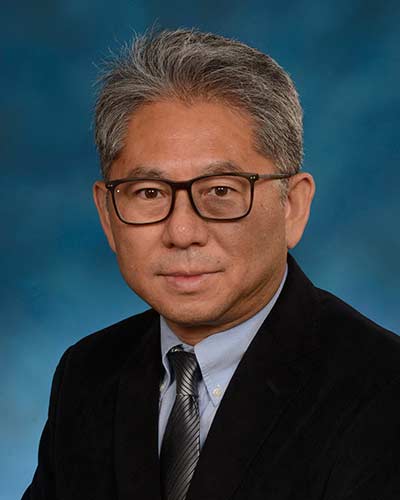
Dr. Shaojun Du is a Professor in the Department of Biochemistry and Molecular Biology at the University of Maryland School of Medicine and a faculty member at the Institute of Marine and Environmental Technology, University of Maryland. His research focuses on genetic and epigenetic mechanisms regulating muscle development, growth, and repair using zebrafish models. Education: PhD in Biochemistry and Molecular Biology (University of Toronto, 1993), Postdoctoral Fellowship in Genetics (Howard Hughes Medical Institute, University of Washington, 1993–1997) Dr. Du’s work explores the roles of molecular chaperones (e.g., Hsp90α1), histone modifiers (e.g., SmyD1), and fusogenic proteins (Myomaker/Myomixer) in myofibril assembly, sarcomere organization, and myoblast fusion. His lab employs Tol2 transposon, TALEN, and CRISPR technologies to generate transgenic and mutant zebrafish models. The scientific awards section is currently empty, but his research has been funded by the NIH (Grant 1R01AR072703-01A1, 2018–2025). His publications highlight breakthroughs in muscle cell identity specification via Hedgehog signaling and the critical role of post-translational modifications in protein stability. Dr. Du’s lab has developed over 40 zebrafish models to study muscle structural proteins, transcription factors, and microRNA networks, contributing to understanding neuromuscular diseases and advancing aquaculture applications.
Dr. Oliver Plümper is an active researcher at Utrecht University's Faculty of Geosciences, specifically within the Earth Sciences department and the Structural Geology & Electron Microscopy group. His work spans multiple disciplines at the intersection of geology, chemistry, physics, and materials science, with a particular focus on understanding processes occurring at the nanoscale that influence large-scale geological phenomena. Plümper's research interests center around fluid-rock/mineral interaction, nano(geo)sciences, mineral physics, and rock deformation. He employs a multi-faceted approach that combines natural observations, experimental techniques, micro and nano-analytics, and numerical modeling to address fundamental questions in Earth sciences. His work particularly emphasizes how nanoscale processes in the Earth's interior can influence large-scale geological structures and phenomena, including mountain building, earthquake generation, and the carbon cycle. His current research portfolio includes several major projects: the ERC Starting grant 'nanoEARTH' investigating mineral-water interactions deep within the Earth; the Dutch Research Council Vidi project 'RELEASE' studying carbon cycling in subduction zones; the EU INFRAIA project 'EXCITE NETWORK' as co-Principal Investigator supporting access to advanced imaging facilities; the UIO-UU project 'serpAI' using artificial intelligence to study mantle rock alteration; and the UU-NIOZ project 'I-NANO' examining iron nanoparticles' effects on ocean biogeochemistry. These projects collectively demonstrate his focus on understanding how nanoscale processes influence planetary-scale phenomena. Plümper is a strong advocate for open science and transdisciplinary research, leading a diverse team of scientists from earth sciences, chemical engineering, mathematics, physics, and chemistry. He actively contributes to the Utrecht University Electron Microscopy Center and is involved in multiple initiatives promoting open access to analytical facilities. His collaborative approach is evident in his extensive publication record across high-impact journals including Nature Geoscience, PNAS, and Geology, with research spanning from fundamental mineral physics to applications in geothermal energy, raw material extraction, and carbon storage.
Amael Poulain is a hydrogeology researcher at the University of Namur specializing in karst systems and groundwater dynamics. With a PhD completed in 2017 under supervisor Hallet V., Poulain has established a strong research profile focusing on vadose zone processes, tracer testing, and hydrological monitoring in karst environments. Their work combines field measurements with computational modeling to understand complex groundwater systems in Belgian karst regions. PhD in Geology (2017), University of Namur Principal Investigator on 6 research projects (2017-2023) 16 research outputs including journal articles and conference contributions Recipient of Young Karst Researcher Prize (2015) Active contributor to international karst research conferences Poulain's research focuses on understanding groundwater recharge processes in karst systems through innovative monitoring techniques. Their work examines solute transport, breakthrough curve analysis, and the impact of flash flood events on groundwater systems. Key contributions include developing ultra-portable fluorometry for dye tracing in remote karst environments and investigating the relationship between surface water features and underground flow paths in Belgian karst regions. Analysis of Poulain's 16 research outputs reveals consistent focus on experimental hydrogeology in karst environments, particularly using tracer tests and novel monitoring technologies. The research spans vadose zone processes, breakthrough curve analysis, and the development of field instrumentation for hydrological monitoring. Recent work (2020-2023) shows increasing emphasis on technological applications including fluorimeter industrialization and gravity monitoring techniques. Young Karst Researcher Prize (2015) awarded at conference in Birmingham, UK Recognition for contributions to groundwater research and karst hydrology Active participation in international karst research community Poulain leads multiple research projects including STREAM fluorimeter industrialization and eco-village construction expertise. Their work bridges academic research and practical applications through spin-off development for hydrological monitoring equipment. As Principal Investigator on projects like 'Expertise of tracing test at the ponds of Villeneuve,' Poulain demonstrates strong grant acquisition and project management capabilities. The research involves collaboration with multiple institutions across Belgium's karst regions. Poulain's laboratory work focuses on hydrological monitoring in karst environments, particularly through the STREAM project which develops fluorometric solutions for groundwater monitoring. Their research utilizes cave percolation monitoring, gravity measurements, and electrical resistivity tomography to study water movement through vadose zones. The work is conducted primarily in Belgian karst regions including Rochefort and Furfooz, with emphasis on practical applications for water resource management.
Dr. Emma Reeves is a Lecturer in Cancer Immunology at the University of Southampton, affiliated with the Department of Cancer Sciences. Her research focuses on antigen processing mechanisms, T cell responses, and tumor immunology, particularly exploring the role of ERAP1 in disease contexts ranging from cancer to autoimmune conditions. She currently supervises two PhD students in Cancer Sciences and teaches topics related to immunology and cancer biology. Her key research interests include understanding how ERAP1 polymorphisms influence immune responses in viral infections, cancer progression, and autoimmune disorders. This work bridges molecular immunology and clinical applications, aiming to develop therapeutic strategies targeting antigen processing pathways. Publications highlight her contributions to elucidating ERAP1's role in shaping MHC class I peptide repertoires, HPV-associated tumor immunity, and the prognostic significance of ERAP1 variants in cancer. While no specific awards are listed, her research has been published in high-impact journals such as Cancer Immunology Research and Journal of Hepatology . Dr. Reeves collaborates with interdisciplinary teams investigating tumor immune evasion mechanisms and translational immunotherapies. She maintains an active role in guiding early-career researchers through her PhD supervision and contributes to advancing our understanding of immune system dynamics in health and disease.
Sara Bonetti is an Assistant Professor (tenure track) at the École Polytechnique Fédérale de Lausanne (EPFL), affiliated with the School of Architecture, Civil and Environmental Engineering (ENAC). She holds roles in the Laboratory of Hydrology and Geomorphology (CHANGE), the Diversity Office at ENAC, and teaching responsibilities in the SSIE - Enseignement division. Her research focuses on hydrology, ecohydrology, and climate change impacts, emphasizing soil-water interactions, landscape evolution, and sustainable resource management. She advises four PhD students and teaches courses on hydrology and ecohydrological modeling. Her work bridges environmental engineering and earth sciences, addressing challenges such as global water model uncertainties, crop water sustainability under climate change, and the dynamics of agrivoltaic systems. She also contributes to institutional leadership through the Diversity Office, promoting inclusivity in STEM education and research. Her recent publications analyze rainfall variability effects on landscapes, soil hydraulic properties, and ecohydrological feedbacks. Her research integrates field observations, computational modeling, and interdisciplinary approaches to advance solutions for water and environmental challenges.
Aditi S. Bhaskar is an Associate Professor in the Department of Civil, Architectural and Environmental Engineering at the University of Colorado Boulder. She specializes in urban hydrology, focusing on water resource dynamics in urban environments, including interactions between streams, groundwater, stormwater systems, and urban irrigation. Her research addresses challenges in sustainable urban development and climate resilience. Education: PhD in environmental engineering, University of Maryland, Baltimore County Sc.B. in geology-physics/math, Brown University Research Interests: Dr. Bhaskar’s work examines how urbanization impacts hydrological cycles, with emphasis on streamflow dynamics, green infrastructure effectiveness, and sustainable water management strategies. She leads projects on urban stormwater systems, subsurface storage analysis, and the role of inflow/infiltration in urban water balances. Awards: National Science Foundation (NSF) CAREER Award Advising & Grants: She has secured NSF postdoctoral and CAREER awards, and her lab (HUB Lab) focuses on interdisciplinary urban water research. Recent activities include workshops on urban heat mitigation and presentations at conferences like the AGU Annual Meeting. Labs & Teams: The HUB Lab investigates hydrological processes in urbanizing regions, collaborating with institutions like Denver Water and conducting field studies in Denver’s Cherry Creek Watershed.
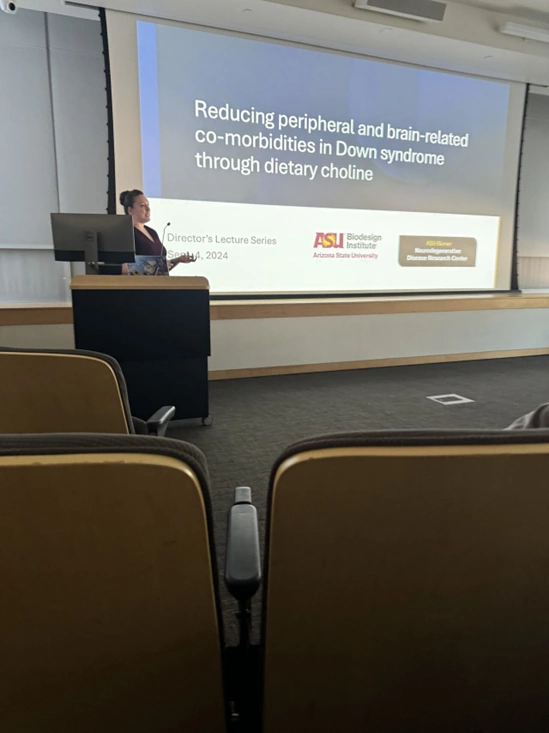
Ramon Velazquez is an Assistant Professor at the Arizona State University (ASU) School of Life Sciences and a member of the ASU-Banner Neurodegenerative Disease Research Center . His research focuses on identifying pathogenic mechanisms in neurodegenerative diseases, particularly Alzheimer’s and Down Syndrome, and developing therapeutic strategies. He is also the director of the Workforce Inclusion in Neuroscience through Undergraduate Research Experience (WINURE) program. Velazquez holds a PhD in Neuroscience from Cornell University (2014) and completed a postdoc at ASU, funded by National Science Foundation (NSF) fellowships. He has secured grants from NIH and serves on the NIH Chronic Dysfunction and Integrative Neurodegeneration (CDIN) study section. His lab employs mouse models (e.g., Ts65Dn, APP/PS1) and post-mortem human brain tissue to study neurodegenerative processes. Research interests include environmental factors in neurodegeneration, choline supplementation’s therapeutic potential, and the intersection of Down Syndrome and Alzheimer’s pathology. He has mentored numerous students and collaborates widely, emphasizing interdisciplinary approaches and workforce diversity in neuroscience. Velazquez has received awards such as the Alzheimer’s Drug Discovery Foundation Young Investigator Scholar (2017) and has published extensively on topics like glyphosate’s neurotoxic effects, tau pathology, and microglial mechanisms.
Alessandro Tarantino is Professor of Experimental Geomechanics at the University of Strathclyde's Civil and Environmental Engineering department since 2010. His research focuses on multiphase geomaterials, particularly unsaturated soils and their interactions with climate change. MEng in Civil Engineering, Università di Napoli Federico II (1993) PhD in Geotechnical Engineering, Politecnico di Torino (1998) His research investigates physical processes in porous media with coupled liquid-gas dynamics, emphasizing: Rainwater infiltration and groundwater recharge Pollutant transport and soil deformation Surface cracking and subsurface water flow Climate-sensitive infrastructure stability IoT-enabled environmental monitoring Clay microstructure under thermal stress Recent projects involve multiphase flow in geo-infrastructures (roads, dams) and climate-resilient engineering solutions, with funding from RSE, EPSRC, and National Highways. Key collaborations span Italy, France, and the UK. He serves on editorial boards of Geotechnique and Geotechnical and Geological Engineering , and has contributed to 124 research outputs and 28 projects. His lab utilizes advanced equipment like the Digital Shearbox for micro-mechanical analysis.
Dr. Thomas Kalbacher serves as Deputy Head of Department and Workgroup Leader of Hydroinformatics at the Department of Environmental Informatics, Helmholtz Centre for Environmental Research - UFZ in Leipzig, Germany. With extensive experience in environmental modeling and software development, he leads critical research initiatives focused on groundwater systems and environmental informatics. His research spans Earth Science - Hydrogeology and Computer Science - Simulator & Workflows, with particular emphasis on the development of OpenGeoSys (OGS) software and related analysis tools. Kalbacher's work addresses sustainable use and protection of natural groundwater systems, examining their quantitative and qualitative impact on surface waters. He investigates how digital twins and near real-world models can help tackle water management challenges in the face of climate change, with a focus on creating robust future projections to preserve landscape multifunctionality. Analysis of his recent publications reveals strong trends in hydrogeological modeling, spectral analysis of groundwater level fluctuations, and development of digital tools for environmental monitoring. His work increasingly focuses on large-scale modeling of groundwater systems, particularly in the Danube catchment area, while also advancing data infrastructure through projects like Digital Earth. A significant portion of his recent research examines methodological approaches to hydrologic modeling, particularly comparative assessments of Richards equation versus infiltration capacity approaches. As leader of the Hydroinformatics workgroup, Kalbacher plays a pivotal role in the OpenGeoSys open-source project, which has become a significant platform for computational hydrology and environmental modeling. His team develops software solutions for regional groundwater quantity modeling (LandTrans) in cooperation with the Research Software Engineering and Visualization group. The Hydroinformatics group under his leadership contributes to advancing environmental modeling capabilities through robust software development practices and integration of high-resolution observation data from modern monitoring stations and satellite observations.
Artemio Cerda Bolinches is a Professor in the Department of Geography at the Faculty of Geography and History, University of Valencia, Spain. His academic work centers on Physical Geography, with a strong emphasis on soil erosion, hydrological processes, land degradation, and wildfire impacts. He leads the SEDER (Soil Erosion Rates and Runoff Generation) research group, reflecting his leadership in environmental process studies. His educational background includes a PhD from the Universitat de València in 1993, with a thesis on soil infiltration in the Valencian region, supervised by Dr. Adolfo Calvo Cases. This foundational research has evolved into a prolific career in geomorphology and environmental change. Cerda Bolinches’ research interests span soil erosion dynamics , wildfire-soil interactions , sustainable land management , and Mediterranean environmental systems . His work integrates field experiments, modeling, and global meta-analyses, often using GIS and machine learning to analyze spatial patterns of erosion and degradation. He explores biological influences on hydrology, post-fire recovery, and nature-based solutions for flood and erosion control. His recent publications (2022–2025) reveal a strong trend in interdisciplinary environmental science, with frequent studies on machine learning applications in soil mapping, fire impacts on hydrology, and sustainability in agricultural systems. His work spans regions including Spain, Iran, China, Ethiopia, and Bangladesh, indicating broad international collaboration and relevance. While no specific scientific awards are listed in the provided text, his leadership in special issues and editorial contributions (e.g., introducing FIRElinks and fire-hydrology special issues) highlights recognition in the academic community. He is actively involved in advising and research supervision, implied by his PhD and research group leadership. His projects often address applied environmental problems, including soil conservation in vineyards, wildfire management, and climate change adaptation. He has contributed to policy-relevant studies, such as the EU Soil Observatory’s role in erosion monitoring. Cerda Bolinches is affiliated with the SEDER research group, which conducts long-term experimental studies on soil erosion, such as at the El Teularet-Sierra de Enguera experimental station in Valencia. This lab supports field-based research on erosion processes, land management, and sustainable viticulture.
R Bharath Venkatesh is a Postdoctoral Scholar at the University of California, Santa Barbara (UCSB), affiliated with the Robert Mehrabian College of Engineering. His research focuses on polymer dynamics in catalytic upcycling processes, interfacial phenomena in nanoparticle packings, and advanced material fabrication techniques like LeCaRI. Research Interests: Polymer dynamics under mechanical and chemical stress Nanoconfinement effects on molecular mobility Catalytic upcycling of polyolefins Capillary-driven polymer infiltration Thermal management via polymer-nanoparticle interfaces Recent Article Trends: Venkatesh's work bridges polymer physics and sustainable materials engineering. His studies explore shear-induced scission, nanopore-mediated catalysis, and moisture-responsive systems, with applications in plastics recycling, water condensation, and soft material design. Laboratory: Venkatesh works in the Rachel Segalman Lab, which investigates energy-efficient material systems and advanced characterization tools.