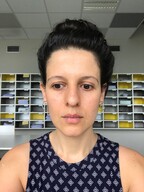
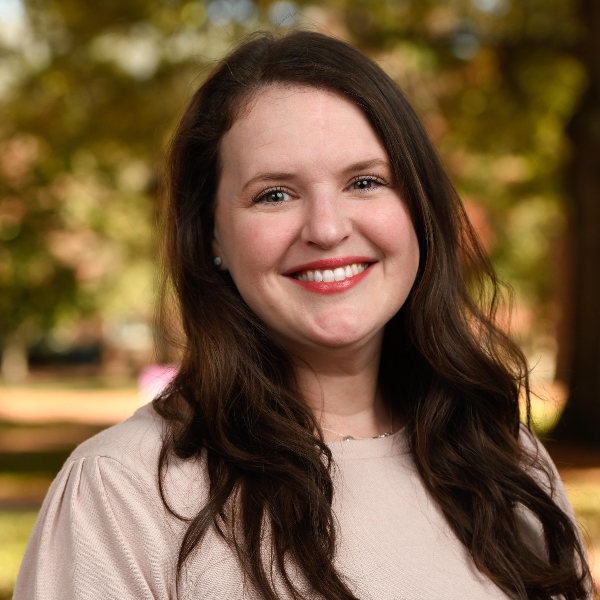
Anders Nes is a Professor in the Department of Philosophy and Religious Studies at NTNU. His work focuses on philosophy of mind, perception, language, and action, with contributions to debates on consciousness, inference, and embodied cognition. He has held fellowships at Oxford University and research affiliations with the Centre for the Study of Mind in Nature (CSMN), Oslo. Key research themes include the perception-cognition distinction, conceptual/nonconceptual content, and the phenomenology of thinking. Nes has published extensively in journals like Erkenntnis , Synthese , and Inquiry , and co-edited Inference and Consciousness (Routledge, 2020). His recent work critiques modular theories of perception and explores AI-related philosophical questions. He convenes the Trondheim Philosophy of Perception Circle and contributes to public discourse on technology and ethics. Education: Career Development Fellow (Christ Church College, Oxford), Jowett Senior Scholar (Balliol College, Oxford) Research Groups: Trondhjemske Philosophy of Perception Circle Public Engagement: Panelist on AI ethics at Studentersamfundet i Trondhjem and NOKIOS Conference His publications analyze topics such as intentional action, non-demonstrative inference structures, and the role of attention in perception. Nes’ interdisciplinary approach bridges philosophy with cognitive science, addressing foundational questions about consciousness and reasoning.
Jian Cao is an Assistant Professor in the Department of Mathematics at the University of Houston, specializing in Computational and Spatial Statistics. He earned his Ph.D. in Statistics from KAUST under Dr. Marc Genton and completed postdoctoral work at Texas A&M University under Dr. Matthias Katzfuss. His research focuses on scalable Gaussian Process (GP) regression methods, including Vecchia approximations, truncated multivariate normal distributions, and applications in climate and agricultural science. Education includes a B.S. in Mathematics from University of Science and Technology of China (2014), a Master in Finance from Shanghai Jiaotong University (2016), and a Ph.D. in Statistics from KAUST (2020). Research interests emphasize computational efficiency in statistical modeling, with contributions to scalable algorithms for high-dimensional data. Key themes include Gaussian processes, multivariate normal probabilities, and low-rank matrix methods. His work bridges theory and application, addressing challenges in environmental and agricultural data science. Notable awards include the Al-Kindi Statistics Student Research Award (2020) and Best Student Paper (2019). His publications span journals like the Journal of the American Statistical Association and conferences such as ICML, focusing on scalable statistical methods and software development (e.g., tlrmvnmvt package). Teaching responsibilities include courses on statistics for the sciences and inferential statistics at the University of Houston. His software contributions prioritize high-performance computing solutions for large-scale geospatial and statistical problems.
Prof. Gerhard Minnameier holds the professorship for business ethics and business education at the Goethe University Frankfurt since April 2011. Previously, he led the Chair of Vocational and Business Education at RWTH Aachen University (2005-2011) and was a research assistant at Johannes Gutenberg University Mainz (1999-2005). He began his career as a teacher at a vocational school in Nuremberg (1994-1999). His research focuses on moral development in economic contexts, business education ethics, and inferential teaching theory. Key areas include logical analysis of teaching processes, vocational didactics, and professional competence development. Team Members : - Victoria Wong (Secretariat) - Dr. Benjamin Herbert (Research Associate) - Dr. Rico Hermkes (Research Associate) Contact: Campus Westend, RuW Building, Room 2.249 | Tel: +49-69-798 34688 | Consultation by appointment
Professor Michael Robert Oaksford leads the Department of Psychological Sciences at Birkbeck, University of London, since 2005. He has transformed the department into a leading UK psychology hub, enhancing research quality and securing significant grants. His academic journey began with a Philosophy and Psychology degree at Durham (1982) and a PhD at Edinburgh (1989), focusing on conditional reasoning's cognitive and logical paradoxes. Previously, he held roles at Bangor, Warwick, and Cardiff universities. His research explores human reasoning and argumentation through Bayesian probabilistic models, challenging traditional logical frameworks. Key contributions include probabilistic accounts of conditional reasoning, emotional influences on decision-making, and critiques of dual-process theories. He argues that apparent 'rationality errors' reflect sensitivity to Bayesian probabilities rather than logical flaws. Oaksford's awards include the British Psychological Society Cognitive Section Award (1995), Spearman Medal (1995), and Fellowships from the British Psychological Society (2001) and Association for Psychological Science. His work bridges cognitive science, philosophy, and artificial intelligence, emphasizing real-world reasoning contexts over lab-based models. He has championed interdisciplinary collaboration, integrating computational modeling, experimental psychology, and philosophical analysis. His personal interests include coastal exploration, water sports, and rugby, reflecting a balance between academic rigor and personal passions.
Dr. Sanne Kuijper is a Researcher and Teacher at the University of Groningen, affiliated with the Faculty of Behavioural and Social Sciences and the Department of Orthopedagogy & Clinical Educational Science . She holds a PhD in Psychology and focuses on communication challenges in children with autism spectrum disorders (ASD) and attention-deficit/hyperactivity disorder (ADHD). Her research bridges developmental linguistics, educational psychology, and inclusive education strategies. She contributed to the Evaluatie Passend Onderwijs project, investigating student experiences with educational support systems. Her work has been published in journals like Frontiers in Psychology and European Journal of Special Needs Education . Education : Sanne Kuijper earned her PhD from the Center for Language and Cognition Groningen (CLCG), focusing on communication abilities in neurodiverse children. Her thesis explored how children with ASD and ADHD navigate linguistic tasks requiring perspective-taking and pragmatic reasoning. Research Interests : Her studies emphasize: Pragmatic language development in neurodiverse populations Inclusive education frameworks and student support systems Scalar implicature comprehension in children Connections between theory of mind, inhibition control, and language processing Grants & Projects : Member of the NRO-funded consortium for Evaluatie Passend Onderwijs (2015–2019) Contributor to NWO Vici project 'Asymmetries in Grammar' (CLCG) Labs/Teams : Active researcher within the CLCG and collaborates with educational consortia in Groningen. Her work often integrates experimental psychology, linguistic theory, and classroom-based interventions.
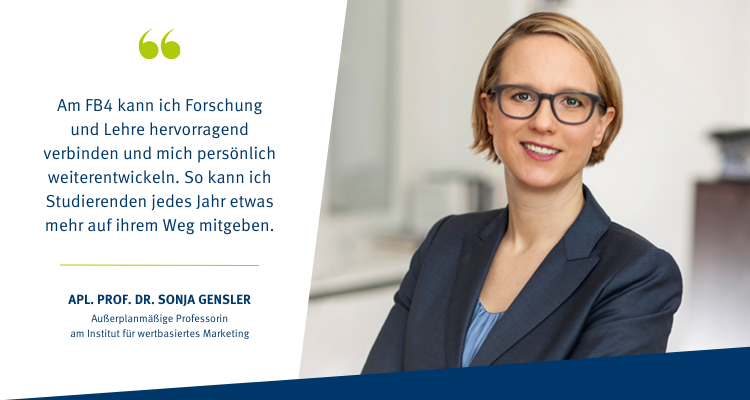
apl. Prof. Dr. Sonja Gensler is an Associate Professor at the Institute for Value-Based Marketing, affiliated with FB4. She specializes in bridging research and teaching to foster student development, emphasizing practical insights for their professional journeys. Her work focuses on digital marketing innovation, consumer behavior analysis, and multichannel strategies. She explores regulatory impacts on the sharing economy and employs advanced empirical methods like conjoint analysis and regression modeling. Key themes in her research include market trends, customer engagement, and the integration of technology in marketing practices. Her research interests span digital marketing strategies, consumer decision-making processes, and the application of statistical techniques to analyze complex datasets. Prof. Gensler’s contributions include studies on sharing economy governance, multichannel management, and the effects of social media on brand relationships. She has published extensively on methodologies such as finite mixture models, contingency analysis, and discriminant analysis, highlighting their practical relevance in marketing and economics. Prof. Gensler’s recent work reflects a trend toward addressing contemporary challenges like AI’s role in customer relationship management and the evolving dynamics of online-offline consumer interactions. Her empirical focus ensures her research remains grounded in real-world applications, benefiting both academic and industry stakeholders.
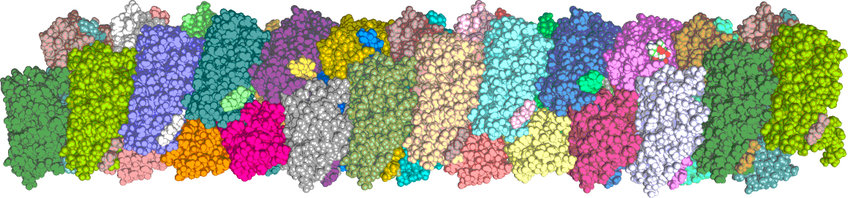
Michael Habeck is a Professor at the University of Jena and an MPI-NAT Fellow specializing in computational methods for statistical inference and scientific data analysis applied to structural biology and biophysics . His research focuses on the development of the Inferential Structure Determination (ISD) framework, which uses Markov chain Monte Carlo simulations to derive macromolecular structures from NMR , cryo-EM , and other structural data. Broad research areas include Bayesian computation , dynamic biological systems , and image processing for structural biology. Current projects involve advancing tools for modeling protein complexes and chromosomes , as well as developing general algorithms for Bayesian inference.
Ensor Palacios serves as a Research Associate in the Department of Mathematical Sciences at the University of Bath, with active research projects extending through 2027. Their work bridges mathematical modeling with neuroscience, evidenced by their ORCID profile (0000-0001-8170-3397) and recent publications through mid-2025. Currently leading the "Effect of air pollution on risk of dementia in UK Biobank" project as Principal Investigator and contributing to the "AI4CI Health Ecosystem" initiative, Palacios maintains an active research trajectory spanning computational neuroscience and mathematical biology. Research interests focus on computational neuroscience and systems modeling , particularly examining cerebellar function through the lens of state estimation and neural inference. The research fingerprint reveals dominant expertise in Behavior Neuroscience (100%), Cerebellum research (68%), and computational approaches to Inferential Processes (68%). This interdisciplinary work connects mathematical sciences with experimental neuroscience, exploring how biological systems process information and maintain functional resilience. Publication trends demonstrate a clear evolution from theoretical foundations (Markov blankets, 2020) toward increasingly applied neuroscience questions, culminating in current work on environmental health impacts. The research spans computational theory, cerebellar circuitry analysis, and population-level health studies, reflecting a trajectory that bridges abstract mathematical concepts with tangible neurological and public health applications. Key methodological approaches include state estimation algorithms, neural inference modeling, and large-scale epidemiological analysis. Current funding supports three major projects: the active "AI4CI Health Ecosystem" (2024-2027), the recently completed "Effect of air pollution on risk of dementia" study (2024), and the foundational "Contribution of cerebellar sensorimotor representations to behaviour" PhD project (2018-2023). These grants demonstrate sustained research capacity across theoretical neuroscience and applied public health domains, with Palacios serving as both Principal Investigator and key researcher depending on project scope.
Dr. Roman Abel is a Postdoctoral Researcher at the Department of Educational Psychology, Ruhr University Bochum. He is part of the Institute of Educational Science within the Faculty of Philosophy and Educational Research. His academic career includes a Dr. phil. in Psychology from the University of Kassel (2021), an M.Sc. in Educational Psychology from the University of Hildesheim (2014), and dual B.A. degrees in Educational Science and Educational Psychology from Novgorod University and the University of Hildesheim (2009). Abel’s research focuses on desirable difficulties in learning , including the interleaving effect , generation effect , retrieval practice , and multilingual vocabulary acquisition . His work emphasizes cognitive processes during learning with expository texts and the optimization of instructional strategies. His recent publications explore synergies between generative learning and retrieval practice, metastrategic decision-making in interleaving strategies, and cognitive processes in mushroom foraging as a naturalistic learning context. His research also addresses bilingual vocabulary development and socio-economic factors influencing educational outcomes. Abel’s work bridges theoretical cognitive science with practical educational applications, aiming to improve learning efficiency through evidence-based interventions.
Patricia Mirabile is a postdoctoral researcher at the Institute for Logic, Language and Cognition (ILLC) at the University of Amsterdam. Her work bridges empirical and formal approaches to reasoning, focusing on how explanatory considerations influence belief formation, conditional reasoning, and causal inference. She is affiliated with the Formal Semantics & Philosophical Logic (FSPL) research group. Doctoral diploma, 2016-2020, Sorbonne University ENS graduate diploma, major in Philosophy and minor in Cognitive Science, 2011-2016, École Normale Supérieure, Paris Masters in Cognitive Science, 2016, École Normale Supérieure, Paris Masters in Analytic Philosophy, 2013, École Normale Supérieure, Paris Her research interests include Psychology of Reasoning , Experimental and Statistical Methods , and Epistemology . She applies empirical findings to refine formal theories of language and reasoning while advocating for reproducibility and open access in science. Her recent work examines abductive conditionals, conspiracist beliefs, and the role of explanatory virtues in cognition. Patricia's publications highlight interdisciplinary collaborations, such as her involvement with the NWO-funded 'From Language to Meaning' project. She has conducted behavioral experiments and presented at conferences like the Cognitive Science Society Annual Meeting and London Reasoning Workshop. She has collaborated with labs including the CDD Lab at Arizona State University and the Concepts and Cognition Lab at Princeton University. Her advocacy for collaborative, inclusive science underscores her commitment to open publications, software, and data accessibility.
Karolina Krzyzanowska is an Assistant Professor at the Faculty of Humanities (FGw) and the Philosophy Department of the Institute for Logic, Language and Computation (ILLC) at the University of Amsterdam, Netherlands. Her work bridges analytic philosophy , psychology of reasoning , and experimental linguistics , focusing on how communication shapes beliefs and attitudes. She earned her PhD in Philosophy from the University of Groningen in 2015, supervised by Igor Douven. Postdoctoral roles included the Munich Center for Mathematical Philosophy , Center for Advanced Studies (LMU Munich), and the Logic of Conceivability Project (ILLC, University of Amsterdam; Arché Research Center, University of St Andrews). Research Interests: Semantics and pragmatics of indicative conditionals Conditionals in reasoning and decision-making Linguistic propagation of stereotypes/biases Epistemology of testimony and message framing Notable Trends in Publications: Her work explores conditionals' roles in discourse coherence, probabilistic relevance, testimonial reasoning, and non-causal explanations, with interdisciplinary applications in cognitive psychology and formal epistemology. Scientific Awards: NWO Open Competition XS grant for 'Experimental Epistemology of Figleaves' University of Amsterdam Aspasia Fund grant for health communication research Teaching: She has taught graduate and undergraduate courses at the University of Amsterdam and Amsterdam University College, including Rationality, Cognition, and Reasoning , Philosophy of the Humanities , Semantics and Pragmatics , and Logic, Information, Argumentation . Labs & Teams: Primary affiliation: Epistemology & Philosophy of Science (EPS) Secondary affiliations: Language & Music Cognition (LMC) , Formal Semantics & Philosophical Logic (FSPL) Projects: 'Experimental Epistemology of Figleaves', 'Logic of Conceivability'
Bonnie Perdue is an Associate Professor of Psychology and Cognitive Neuroscience at Agnes Scott College, where she also serves as Interim Associate Vice President for Academic Affairs. Her research focuses on comparative cognition, studying cognitive processes across human and nonhuman animals at the Bullock Science Center. Dr. Perdue earned her BS from the University of Georgia, followed by MS and PhD degrees from the Georgia Institute of Technology. Her academic training provides a strong foundation in both psychological theory and rigorous research methodology. Her research program investigates metacognition, self-control, prospective memory, and choice behavior in human and nonhuman animals, with particular emphasis on primates. She also conducts important work on animal welfare and the effectiveness of informal science education in enhancing STEM engagement. Her comparative approach allows for insights into the evolution of cognitive processes across species. Dr. Perdue's publication record shows consistent research productivity across cognitive psychology and comparative cognition. Her work demonstrates expertise in metacognition, prospective memory, and comparative decision-making across diverse species including chimpanzees, capuchin monkeys, and human children, bridging laboratory and zoo-based research. She has been recognized with prestigious fellowships: Fellow of the Psychonomic Society Fellow of the Behavioral Neuroscience and Comparative Psychology Division of the American Psychological Association Dr. Perdue is deeply committed to mentoring undergraduate students, with numerous co-authored publications and conference presentations with students. She also serves the profession through editorial board membership and as an ad-hoc reviewer for peer-reviewed journals. Her advocacy work includes engagement with policymakers on Capitol Hill regarding psychological science. Her research often involves collaborations with colleagues at other institutions and takes place in both laboratory and zoo settings, particularly with primates and other zoo animals. This interdisciplinary approach bridges cognitive psychology, comparative psychology, and animal welfare science.
Cristina Campi is an Associate Professor at the Department of Mathematics (DIMA) of the University of Genoa. Her academic work focuses on numerical analysis and mathematical applications in biomedical contexts, particularly in medical imaging and data processing for radiology techniques. In her teaching role, she delivers courses such as Geometry for Computer Engineering students, Mathematical Analysis for Physics and Computer Science, and advanced courses like Numerical Methods for Linear Algebra and Statistical Methods in Biomedicine . She is also involved in teaching inferential statistics and mathematical data processing for multiple degree programs. Her research interests bridge mathematics, computer science, and medical imaging, emphasizing practical applications of theoretical concepts in real-world contexts. Office hours are available by appointment, coordinated through lessons or email communication.
Prof. Dr. Martin Hänze is a Professor of Educational Psychology at the University of Kassel since 2005. His academic career includes prior professorships at the Technical University of Berlin, University of Siegen, and University of Giessen, alongside research and teaching roles at various institutions. Education: Diplom-Psychologe, University of Göttingen (1990) Promotion zum Dr. phil., University of Kassel (1993) Habilitation, University of Kassel (2001) Research Interests: Martin Hänze’s work focuses on cooperative learning, transactive communication, and pedagogical strategies in higher education and secondary schools. Key areas include cognitive and emotional factors affecting learning, student collaboration, and instructional design for transactive dialogue. Recent Publications: His research emphasizes structured interventions to enhance cooperative learning outcomes, such as training transactive communication, heuristic worked examples in mathematics, and the role of digital media in teacher education. Articles span topics like student motivation, knowledge co-construction, and scaffolding in science education. Grants & Projects: Active projects include DFG-funded studies on sustainable learning mechanisms and BMBF-supported initiatives like PRONET-D, focusing on digital education networks. Past projects address interprofessional learning, cross-age tutoring, and self-directed science instruction. Editorial Roles: He serves on editorial boards for journals like Instructional Science and Educational Psychology , and as a reviewer for numerous educational and psychological publications.
Marc A. Sommer is a Professor of Biomedical Engineering and Professor of Psychology and Neuroscience at Duke University's Pratt School of Engineering. He serves as Director of the Duke Institute for Brain Sciences and is also an Associate Professor in Neurobiology. Additionally, he is an Associate of the Duke Initiative for Science & Society, a Member of the Center for Cognitive Neuroscience, and an Investigator in the Duke Institute for Brain Sciences. Dr. Sommer earned his Ph.D. from the Massachusetts Institute of Technology in 1995. His academic journey has established him as a leading figure in the integration of neuroscience and engineering disciplines at Duke University. Dr. Sommer's research program focuses on circuits for cognition, employing a combination of neurophysiology and biomedical engineering to investigate the interaction between brain areas during visual perception, decision-making, and motor planning. His laboratory conducts pioneering work on the role of frontal cortex in metacognition, cerebellar-frontal circuits in action timing, the neural basis of "good enough" decision-making (satisficing), and the neural mechanisms of transcranial magnetic stimulation (TMS). His approach bridges fundamental neuroscience with practical applications in neural engineering and brain stimulation technologies. Analysis of Dr. Sommer's recent publications reveals a strong emphasis on understanding visual stability across saccadic eye movements, neural mechanisms of decision-making, and the application of advanced techniques like optogenetics and transcranial magnetic stimulation in nonhuman primates. His work spans multiple levels of analysis from single neuron recordings to computational modeling, with increasing focus on translational applications for understanding and treating neurological conditions. Dr. Sommer has received numerous prestigious awards for his contributions to neuroscience and teaching: Capers and Marion McDonald Award for Excellence in Teaching and Research from Pratt School of Engineering (2021) Capers and Marion McDonald Award for Excellence in Mentoring and Advising from Pratt School of Engineering (2017) Bass Fellow at Duke University (2017) Research Fellowship in Neuroscience from Alfred P. Sloan Foundation (2005) Dr. Sommer maintains an extensive research program with multiple active grants spanning from 2014 to 2029. His work includes projects on visual signaling, transcranial magnetic stimulation mechanisms, neural circuits for eye movements, and cognitive neuroscience. He teaches courses including Neuronal Control of Movement, Bioelectricity, and Introduction to Neural Engineering, and mentors students through independent study courses and research rotations. His laboratory serves as a hub for interdisciplinary research, bringing together students and researchers from biomedical engineering, neuroscience, and psychology. Dr. Sommer leads a dynamic research laboratory that employs sophisticated techniques including neurophysiology in nonhuman primates, optogenetics, computational modeling, and brain stimulation approaches. The lab collaborates extensively across Duke University and with other institutions, contributing significantly to the neuroscience community through both fundamental discoveries and translational applications.