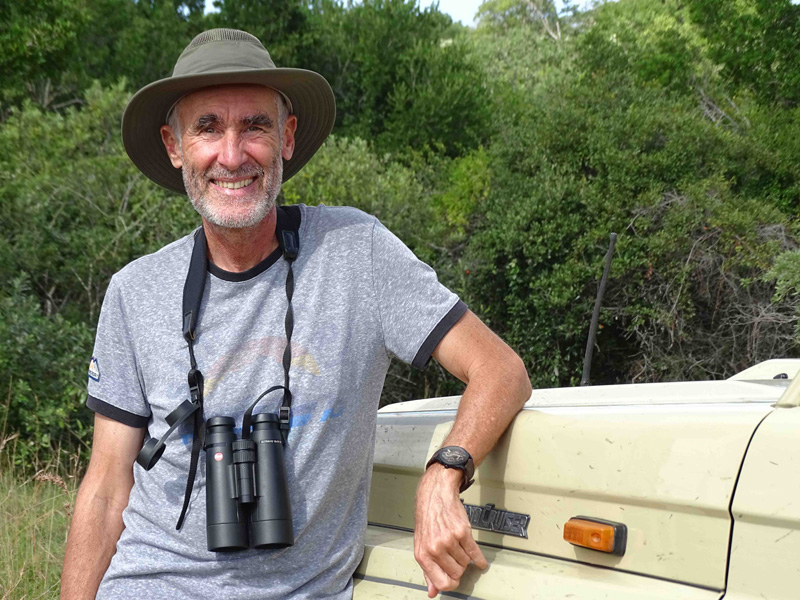
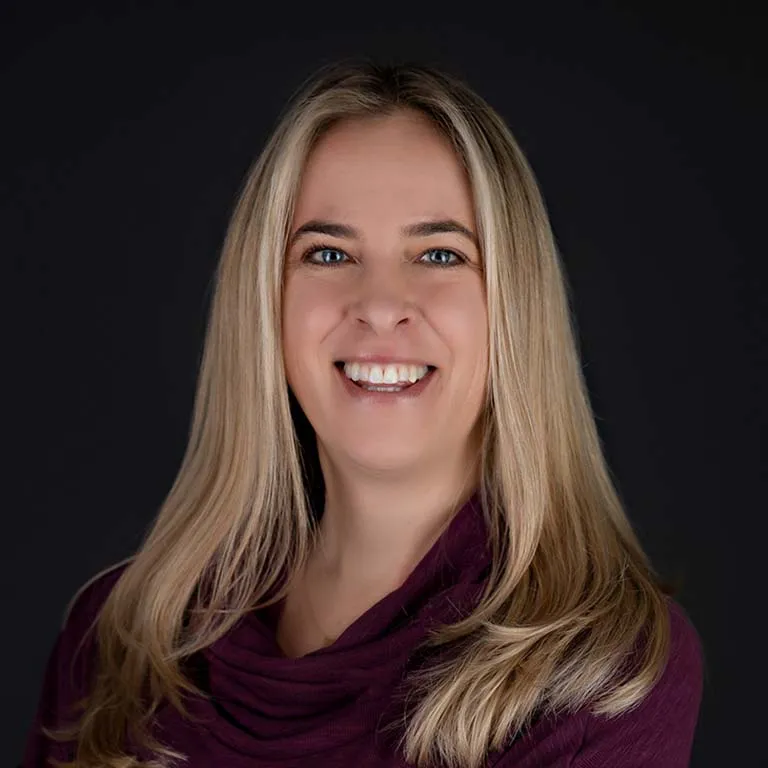
Nicolas Mathevon is a Professor at the University of Saint-Etienne and a Senior Member of the Institut universitaire de France (IUF). His research focuses on bioacoustics and animal communication, spanning from marine mammals to birds. He has held visiting positions at Hunter College (City University of New York) and the University of California, Berkeley. Education Habilitation à diriger les Recherches (2002, University of Saint-Etienne) PhD (1996, University of Lyon 1) Master's Degree (ranked 2nd, University of Lyon 1) Agrégation in Life and Earth Sciences (ranked 8th) Mathevon's research explores how animals use sound for social interactions, mate selection, and environmental adaptation. His work bridges bioacoustics, neuroethology, and behavioral ecology, with a focus on decoding vocal signals' complexity. His publications cover diverse topics including animal soundscapes, vocal memory in seals, and neural encoding of communication calls. The articles highlight interdisciplinary approaches combining neuroscience, behavioral studies, and acoustic signal analysis. Scientific Awards Prose Award for Excellence in Biological and Life Sciences, AAP (2024) Chevalier des Palmes Académiques (2017) IUF Senior Member (2015-present) IUF Junior Member (2005-2010) Mathevon has supervised 17 PhD students, 10 postdocs, and contributed to public outreach through media, documentaries, and public lectures. He leads the International Master of Bioacoustics program and serves as President of the International BioAcoustic Society.
Nicolas Mathevon is a Professor at the University of Saint-Etienne, with a focus on Animal Behavior and Bioacoustics . He currently serves as Director of Studies at Ecole Pratique des Hautes Etudes and leads the ENES Team . His research explores acoustic communication across diverse species, including crocodiles, seals, penguins, and humans, with particular emphasis on vocal recognition, signal evolution, and neurobiological underpinnings. Major collaborations include Dr. T. Aubin (CNRS), Dr. I. Charrier (marine mammals), Dr. N. Grimault (crocodilian bioacoustics), and Prof. D. Reby (human communication). He also co-edits a new book, The Voices of Nature , published by Princeton University Press. His recent work spans ecoacoustic monitoring for conservation, multi-modal communication in crocodiles, and cross-species analysis of distress signals in bonobos, chimps, and humans. Neurobiological studies include brain activation patterns in response to vocalizations and sound localization mechanisms in reptiles. Scientific Awards include senior membership in the Institut universitaire de France .
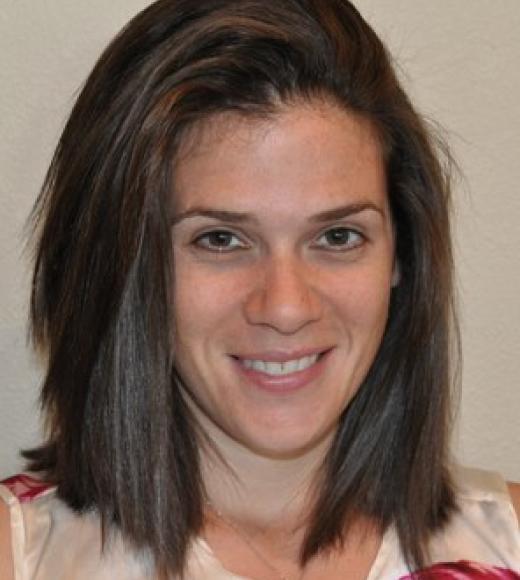
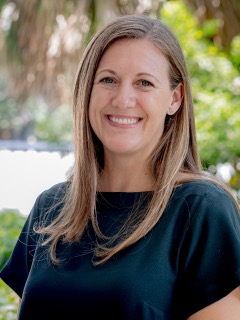
Georgia Zellou is an Associate Professor in the Department of Linguistics at the University of California, Davis, where she co-directs the Phonetics Lab and conducts award-winning research at the intersection of phonetics, speech perception, and human-AI interaction. Her work investigates how phonetic detail is cognitively represented through variations in speech production, with significant contributions to understanding speech alignment with voice assistants, face-masked speech intelligibility, and cross-linguistic perception of synthetic voices. Her academic credentials include a Ph.D. in Linguistics from the University of Colorado at Boulder (2012), an M.A. in Linguistics from Stony Brook University (2007), and a B.A. in Linguistics & Anthropology from the University of Florida (2005, Cum Laude, Phi Beta Kappa). Ph.D., Linguistics, University of Colorado at Boulder (2012) M.A., Linguistics, Stony Brook University (2007) B.A., Linguistics & Anthropology, University of Florida (2005) Professor Zellou's research program centers on laboratory phonology approaches to real-world communication challenges, examining how acoustic-phonetic details influence speech perception across contexts. Her studies span speech alignment with voice-AI systems (e.g., Amazon Alexa), sociophonetic variation in bilingual speech, and the cognitive mechanisms underlying perceptual compensation for coarticulation. She employs experimental methods including eye-tracking, acoustic analysis, and perceptual testing to uncover how phonetic variation functions pragmatically in human communication and human-machine interaction. Analysis of her 15 most recent publications (2023-2025) reveals three dominant research trajectories: (1) human-AI voice interaction dynamics, including prosodic alignment and social evaluation of TTS voices; (2) intelligibility optimization in challenging contexts (face masks, clear speech for diverse listeners); and (3) cross-linguistic phonetic variation in vowelless words and consonant clusters. These works consistently bridge theoretical phonology with applied speech technology, demonstrating how fine-grained phonetic detail influences communication effectiveness in both human-human and human-machine contexts. Her scientific recognition includes: Fulbright Scholar (2022) for research in France Chancellor’s Award for Excellence in Undergraduate Mentoring (2019) Fellow of the Linguistic Society of America (2020) Amazon Faculty Research Award (2019) for Alexa-related speech studies Dean’s Fellow designation at UC Davis (2020-2023) Professor Zellou maintains an active mentoring practice recognized with the Chancellor’s Award, supervising undergraduate researchers in the Phonetics Lab while teaching core linguistics courses from introductory to advanced graduate levels. Her research program is supported by competitive grants including NSF funding, Amazon Research Awards, and UC Davis internal grants (Hellman Foundation, ISS Junior Faculty Grant), reflecting the translational value of her work for speech technology development. She has co-directed major initiatives including the 2019 LSA Linguistic Institute. The Phonetics Lab she co-leads serves as a hub for experimental phonetics research, focusing on speech production-perception relationships through projects investigating vocal accommodation to voice assistants, nasal coarticulation dynamics, and cross-linguistic prosody. Current collaborations with industry partners aim to implement human speech adaptation principles into voice assistant design to enhance naturalness and engagement.
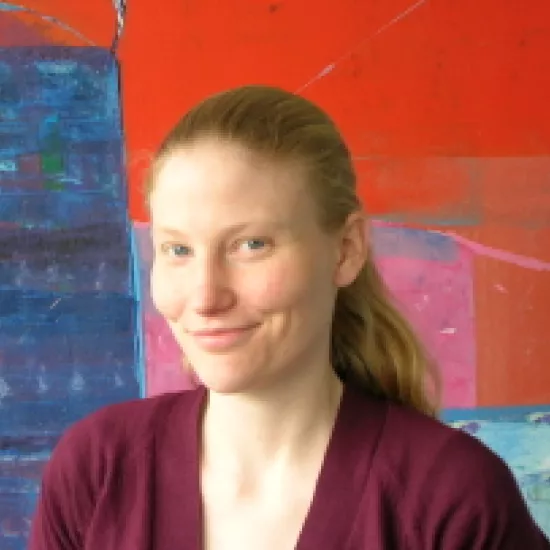
Marlen Fröhlich is a Research Fellow at the Department of Palaeoanthropology within the Faculty of Science at Eberhard Karls University of Tübingen. As a primatologist, she leads the Volkswagen Foundation-funded 'Pathways to Language' project (2022-2028) investigating communicative plasticity in joint action coordination. Her research examines the evolution of human language through comparative studies of great ape communication, with fieldwork conducted across multiple sites studying chimpanzees, bonobos, and orangutans. Her primary research explores: Multimodal communication development in primates Plasticity in gestural and vocal signaling Infant-directed communication patterns Cross-species comparisons of communicative behaviors Environmental influences on communication systems Analysis of her 15 most recent publications (2022-2025) reveals strong emphasis on: Individual variation in primate communication Multimodal signal integration Captive versus wild behavior comparisons Maternal investment strategies Evolutionary pathways to language Significant scientific awards include: Freigeist Fellowship, Volkswagen Foundation (2022-2028) DFG Research Fellowship (2018-2021) Christiane Nüsslein-Volhard Foundation Stipend (2020-2022) PhD Thesis Award, German Primate Center (2016) Erhard Höpfner Award for Master's thesis (2012) She coordinates the Palaeoanthropology lab's research activities and maintains collaborations with field sites studying wild populations of great apes. Current work focuses on understanding how communicative plasticity facilitates coordination in joint action tasks.
Max Planck Institute for Evolutionary AnthropologyGermany
Dr. Catherine Crockford is Research Professor and Director of the Ape Social Mind Lab at the Max Planck Institute for Evolutionary Anthropology, affiliated with the Department of Human Behavior, Ecology and Culture. She co-directs the Tai Chimpanzee Project in Ivory Coast, studying habituated chimpanzee groups and sooty mangabeys. Her research examines primate social cognition, communication evolution, and neuroethology through behavioral observations, hormone sampling, and neuroimaging. Key interests include: Evolution of social bonding and cooperation mechanisms Maternal effects on offspring development Vocal communication and combinatorial signaling Neurobiological bases of social behavior Her publications demonstrate consistent focus on chimpanzee vocal combinatorics, stress physiology, social learning, and comparative neuroanatomy, often integrating field data with endocrine and imaging methodologies. She leads an ERC project investigating early-life influences on social skills and supervises 8 PhD students researching primate communication, social dynamics, and energetics. Laboratory infrastructure supports field endocrinology and collaborative neuroimaging studies.
Professor Zanna Clay is a leading comparative and developmental psychologist at Durham University, specializing in primate behavior and human evolutionary origins. She holds a joint appointment as an Associate Fellow in the Institute of Advanced Study. Her work bridges primatology, developmental psychology, and conservation, focusing on empathy, communication, and social learning in great apes and humans. Clay completed her doctoral work at the University of St Andrews, followed by postdoctoral research at Emory University and the University of Neuchatel. She has extensive field experience studying bonobos in the wild and captivity, including roles at the Lola ya Bonobo Sanctuary. Her research explores the evolutionary roots of human social cognition through comparative studies of bonobos, chimpanzees, and human infants. Key research interests include empathy development, language evolution, primate vocal communication, and the role of gesture in early human communication. She leads projects on cross-cultural empathy in infants (UK and Uganda) and has pioneered studies on emotion contagion using thermal imaging. Her work also addresses conservation challenges for bonobos through behavioral insights. Clay supervises PhD students investigating primate behavior, socio-emotional development, and conservation. She collaborates globally, including with the MPI-EVA in Congo and Birmingham University. Notable publications include studies on bonobo empathy, primate vocal flexibility, and the evolutionary origins of imitation.
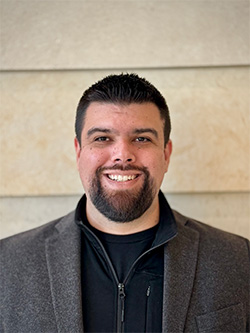
Jeremy I. Borjon is an Assistant Professor in the Department of Psychology at the University of Houston, affiliated with the College of Liberal Arts and Social Sciences. He leads the Developing Systems Laboratory, focusing on infant cognitive, sensorimotor, and autonomic development. His research is supported by an NICHD R00 award and integrates multimodal technologies such as eye-tracking, motion capture, and wireless physiological sensors. Education: A.B. in Psychology and Neuroscience, Princeton University Ph.D. in Psychology and Neuroscience, Princeton University Dr. Borjon's research centers on how infants coordinate internal states with emerging cognitive and motor systems during the first two years of life. He investigates how visual, motor, and autonomic processes interact in real time, particularly during naturalistic caregiver interactions. His work emphasizes ecological validity by studying infants in dynamic, real-world contexts. He is particularly interested in sustained attention, language development, and how caregiver behaviors shape infant cognition. His recent publications reflect a strong trend in using dense, naturalistic behavioral sampling to understand developmental processes. The articles highlight interdisciplinary approaches combining developmental psychology, neuroscience, and engineering to study real-time cognitive and physiological dynamics in infants. Topics include physiological synchrony, attention regulation, and sensorimotor integration. Scientific Awards and Honors: R00 Pathway to Independence Award, NICHD K99 Pathway to Independence Award, NICHD NSF Postdoctoral Research Fellowship NICHD T32 Postdoctoral Fellowship 2019 Small Grant for Early Career Scholars, SRCD NSF Graduate Research Fellowship Princeton President’s Fellowship Simons Fellow in Computational Neuroscience Dr. Borjon has been actively involved in mentoring and is currently reviewing graduate applications for the Developmental, Cognitive, & Behavioral Neuroscience Program. His research is supported by federal grants, indicating active funding and research productivity. He previously held postdoctoral fellowships at Indiana University and positions at Yale and Emory. He directs the Developing Systems Laboratory, which employs cutting-edge technology to study infant behavior in naturalistic settings. The lab integrates head-mounted eye-tracking, wireless cardiorespiratory sensors, motion capture, and audiovisual recording to examine how cognitive achievements emerge within the context of a developing body and social environment.
Andrey Anikin is an Associate Professor and Researcher in Cognitive Science at the Department of Philosophy, Lund University. His work focuses on vocal communication and emotions, exploring how the voice conveys information beyond linguistic codes through nonverbal vocalizations and acoustic phenomena. Research Interests Dr. Anikin investigates how vocal qualities like roughness, laughter, and screams convey emotional and social information. His research takes a cognitive and biological approach, examining sensory biases and auditory attention in vocal communication. His work aims to illuminate the evolutionary origins and universal features of vocal communication across human cultures and animal species. Key areas include emotion perception, nonverbal vocalizations, acoustic analysis, and vocal communication systems. Research Output Trends Dr. Anikin's recent publications (2025) demonstrate a strong focus on acoustic properties of vocalizations across species. His work bridges biology, psychology, and acoustics with methodological innovations in analyzing nonlinear phenomena, voice roughness, and formant structures. His research shows increasing interdisciplinary collaboration, particularly with zoologists and signal processing experts, while maintaining a core focus on the cognitive mechanisms underlying vocal communication. Research Projects What makes baby cries impossible to ignore? (2024-2026): Funded by the Swedish Research Council, this active project investigates the sensory mechanisms behind infant cry perception. Sensory biases in nonverbal communication (2021-2023): A completed project funded by the Swedish Research Council that examined how sensory systems shape nonverbal communication. Research Environment Dr. Anikin is affiliated with the Cognitive Zoology Group and the Lund University Cognitive Science (LUCS) program. He contributes to the LU Profile Area: Natural and Artificial Cognition. His work connects with the UN Sustainable Development Goals through interdisciplinary research on communication and cognition, with implications for understanding human well-being and social interaction.
Meaghan Venezia Parlade is a Clinical Assistant Professor of Psychology and Pediatrics at the University of Miami, College of Arts and Sciences. She serves as Co-Director of the Autism Spectrum Assessment Clinic (ASAC) and Division Director of Assessment and Intervention Services. Her roles also include being a Trainer for the UM Parent-Child Interaction Therapy Program. Her research focuses on developmental communication patterns in infants at risk for Autism Spectrum Disorder (ASD), multilingualism effects on executive function, and innovative clinical interventions for child behavioral disorders. Her work integrates longitudinal observational studies with experimental designs to understand early markers of ASD and language delays. Notable contributions include studies on gesture-vocalization coordination in infants, telehealth applications of PCIT, and large-scale autism research cohorts. Key Roles: ASAC Co-Director, Assessment Division Director, PCIT Trainer Research Themes: ASD early detection, multilingual cognitive effects, pediatric behavioral interventions Key Skills: Longitudinal developmental research, clinical trial design, interdisciplinary collaboration Publications span high-impact journals like Autism Research and Neuron , with over 8 peer-reviewed articles since 2011. Her work is frequently cited in clinical practice guidelines and has been featured in multidisciplinary research networks.
Dr. Andrea Baden is an Associate Professor in the Department of Anthropology at Hunter College, School of Arts and Sciences, and a Doctoral Faculty member at the CUNY Graduate Center. She directs the Primate Molecular Ecology Laboratory (PMEL) and contributes to the New York Consortium in Evolutionary Primatology (NYCEP). Her fieldwork in Madagascar focuses on the Ruffed Lemur Project, integrating ecology, genetics, and behavior. Hunter College, CUNY (2013–present) CUNY Graduate Center (Doctoral Faculty) New York Consortium in Evolutionary Primatology (Core Faculty) Her research explores how landscape features influence primate distribution, migration, and genetic diversity, linking these to social behavior evolution. Publications span journals like Nature Scientific Reports , Animal Behaviour , and American Journal of Primatology , with themes in landscape genetics, conservation, and behavioral endocrinology. Dr. Baden has received the Feliks Gross Endowment Award and a Fulbright Fellowship for her work. She teaches human evolution, primatology, and conservation biology, mentoring future scientists through fieldwork and lab research. PhD in Anthropology, Stony Brook University MA in Anthropology, Stony Brook University BA in Anthropology, University of Miami Postdoctoral Research, Yale University
Dr. Elizabeth Johnson serves as Professor of Psychology at the University of Toronto Mississauga (UTM), holding the Canada Research Chair in Spoken Language Acquisition. She is cross-appointed to the Graduate Department of Linguistics and directs the University of Toronto's Tri-Campus Graduate Program in Psychology, leading interdisciplinary research on language acquisition through the Child Language and Speech Studies (CLASS) Lab in UTM's Communication, Culture and Technology Building. Her academic foundation includes a B.A. in Brain and Cognitive Sciences from the University of Rochester (with a Take Five program in Developmental Biology & Evolution), followed by M.A. and Ph.D. degrees in Psychological & Brain Sciences from Johns Hopkins University. She completed postdoctoral training at the Max Planck Institute for Psycholinguistics and spent semesters at MIT's Speech Group during her doctoral studies. Dr. Johnson's research examines how perceptual, cognitive, and social mechanisms enable children's rapid language mastery, with emphasis on speech perception, multilingual development, accent processing, and infant speech segmentation. Her work bridges developmental psychology, linguistics, and speech sciences to investigate topics including audio-visual speech perception, word-learning heuristics, prosody acquisition, and voice recognition—all contextualized within UTM's linguistically diverse community. Analysis of her recent publications reveals intensifying focus on real-world applications of language acquisition research, particularly voice assistant technology for children, pandemic impacts on language development, and sociolinguistic factors in educational settings. Her work increasingly explores accent variation effects across development and the cognitive mechanisms underlying talker recognition. Dr. Johnson's scientific recognition includes: Canada Research Chair in Spoken Language Acquisition She actively mentors graduate researchers: PhD Students: Emily Shroads (June and David Scott Fellowship recipient) Recent PhD Graduates: Priscilla Fung (SSHRC Postdoctoral Fellow), Madeleine Yu Undergraduate Support: NSERC USRA (Christopher Khalaf), SSHRC UTEA (Gabriella Di Maio, Alexandra Maracz) Research Funding: SSHRC Insight Grants, NSERC Discovery Grants The CLASS Lab functions as an interdisciplinary hub collaborating with UTM's Developmental Science Cluster, Centre for Biological Communication Systems, and Infant and Child Studies Centre. Its community-engaged research leverages linguistic diversity in the Greater Toronto Area to translate foundational science into practical applications for child development and educational technology.
Professor Andrew Bayliss is a Professor in Psychology at the University of East Anglia's School of Psychology, where he serves as Social Cognition Research Group Lead and UEA UOA4 Psychology REF coordinator. He joined UEA in 2011 after completing his PhD at Bangor University and holding postdoctoral fellowships with the ESRC, Leverhulme Trust, and University of Queensland. Undergraduate Degree: Bangor University PhD: Bangor University Postdoctoral Fellowships: ESRC, Leverhulme Trust, University of Queensland His research spans social cognition, attention-action interactions, and individual differences, with specific focus on face perception, eye gaze processing, and objects in social contexts. Utilizing methodologies including eye tracking, motion capture, EEG, and fMRI, his work examines how social cues guide attention and influence behavior. Current projects investigate gaze understanding development, interpersonal agency, and autism interventions using natural scenes. Analysis of his recent publications reveals a strong emphasis on social attention mechanisms, particularly gaze leading phenomena, interpersonal distance effects, and neural correlates of shared attention. His work increasingly integrates autism research with social cognition paradigms while maintaining core investigations into attentional orienting and agency perception. Bayliss actively contributes to the academic community through editorial roles at Psychological Review and Psychonomic Bulletin and Review, peer review activities, and consultancy work including the Social Neuroscience of Cinema Attendance project. He maintains international collaborations, notably with Paris Nanterre University. As Social Cognition Research Group Lead, he oversees a dynamic team investigating the neural and cognitive mechanisms underlying social interactions. His lab employs multimodal approaches to study real-time social processing, with recent work expanding into human-robot interaction and pandemic-related social adaptations.
Professor Danielle Matthews is a Professor of Psychology at the University of Sheffield's School of Psychology and an academic at the Interdisciplinary Centre of the Social Sciences (ICOSS). Her research focuses on how children learn language, particularly pragmatic development (e.g., communicative repair, referential adaptation) and the impact of deafness and socio-economic factors on language acquisition. She has pioneered interventions to support communication in deaf infants and families from disadvantaged backgrounds, collaborating with organizations like the BBC’s Tiny Happy People initiative. Research Interests: Pragmatic abilities in communication, language development in deaf children, socio-economic influences on language, and word learning mechanisms. Grants: Nuffield Foundation, BBC Education, Leverhulme Trust, and UKRI GCRF grants for projects on language interventions and communication development. Teaching: Undergraduate courses on Developmental Psychology and Pragmatic Development; postgraduate supervision and ethics training. Her work emphasizes practical interventions, such as video-based communication strategies for parents of deaf infants and randomized controlled trials to improve caregiver responsiveness. She has also explored how conversational experience shapes pragmatic skills and mitigates disparities linked to hearing loss or socio-economic status. Recent studies include investigations into the cognitive underpinnings of conversational skills in autistic children and the long-term mental health implications of early language delays. Her research bridges theory and practice, aiming to inform educational and clinical practices globally.
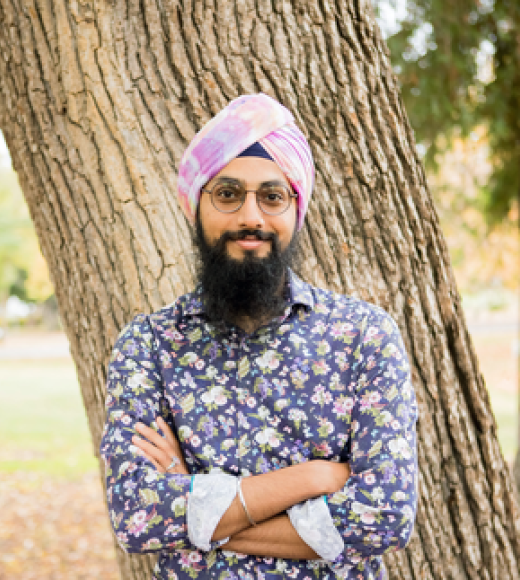
Manvir Singh is an Assistant Professor in the Department of Anthropology at the University of California, Davis. His research integrates evolutionary, cognitive, and sociocultural approaches to study human behavior, focusing on topics such as shamanism, witchcraft, music, storytelling, and ancestral social organization. He conducts long-term ethnographic fieldwork, particularly with the Mentawai communities in Indonesia, and analyzes cross-cultural databases to explore these themes. Education: PhD in Anthropology from Harvard University (2020); ScB in Applied Mathematics from Brown University (2012). Research Interests: Cultural evolution of sociocultural traditions (e.g., shamanism, witchcraft) Evolutionary approaches to mental health and drug use Prehistoric social organization Justice systems in small-scale societies Global patterns in music and storytelling Publications highlight interdisciplinary methods, with notable works on punitive justice mechanisms, universality in musical responses, and the cultural evolution of shamanism. His work bridges academic and public audiences through essays in outlets like The New Yorker. Labs/Teams: Director of the Integrative Anthropology Lab, focusing on cross-cultural research and ethnographic collaboration.
Judit Gervain is a Full Professor at the Department of Developmental and Social Psychology at the University of Padua, Italy, and a CNRS Senior Research Scientist (Directeur de Recherche) at the Integartive Neuroscience and Cognition Center (CNRS & Université Paris Descartes), Paris, France. Her research focuses on early speech perception, language acquisition in monolingual and bilingual infants, and the neural mechanisms underlying language learning. She pioneered studies on newborn speech perception using near-infrared spectroscopy (NIRS), revealing prenatal influences on perceptual abilities and the emergence of grammatical structures in preverbal infants. Education: PhD in Cognitive Neuroscience (2002, SISSA, Trieste), postdoctoral research at the University of British Columbia (2007–2009), and CNRS researcher since 2009. She has authored over 100 peer-reviewed articles in journals like Science Advances , Nature Communications , and Developmental Science . Research Interests: Infant language processing, bilingualism, neuroimaging techniques (fNIRS), and comparing infant learning trajectories to artificial intelligence systems. Her work bridges developmental psychology, neuroscience, and computational linguistics, emphasizing the role of innate biases and environmental input in language acquisition. Her recent studies explore how infants’ learning mechanisms differ from Large Language Models (LLMs), focusing on input requirements, critical periods, and the role of multimodal integration. She also investigates the impact of prenatal auditory experience on neonatal speech perception and the neural foundations of linguistic structure detection. Labs/Teams: Affiliated with the CNRS’s Integartive Neuroscience and Cognition Center and the University of Padua’s developmental psychology group. Serves as associate editor for Developmental Science and Neurophotonics .