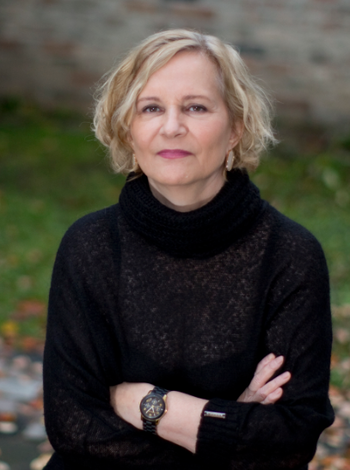
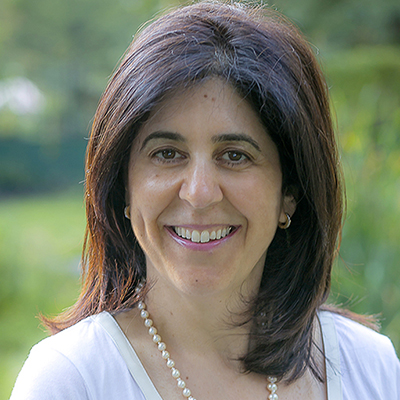
Lance Rips is a Professor in the Psychology Department at Northwestern University , Evanston, IL. His research focuses on cognitive psychology, particularly concepts, reasoning, and autobiographical memory. Academic Rank: Professor Institution: Northwestern University Department: Psychology Department Contact: ripslab@gmail.com , rips@northwestern.edu Research interests include: Deductive and inductive reasoning Concepts of objects/events over time Causal cognition Mathematical thinking (numbers, non-Euclidean geometry) Informal argumentation and survey methodology His lab investigates foundational questions in cognition, with recent work on conditional reasoning, object individuation, and developmental understanding of substances. Publications span journals like Cognitive Science , Psychological Science , and Cognition .
Essa Yacoub is a Professor in the Department of Radiology at the University of Minnesota, affiliated with the PhD Program in Medical Physics and the Center for Magnetic Resonance Research. His work focuses on advancing MRI and fMRI technologies, particularly at ultrahigh magnetic fields (e.g., 10.5 T), to achieve unprecedented spatial and temporal resolution in brain imaging. He leads projects in RF coil design, noise reduction algorithms, and developmental neuroimaging. Roles: Professor, Medical Physics Program Faculty Affiliations: Center for Magnetic Resonance Research, Department of Radiology Research emphasizes high-resolution fMRI applications, including layer-specific brain mapping, pediatric neurodevelopment studies (e.g., Baby Connectome Project), and translational tools like BIBSNet for infant brain segmentation. His innovations bridge hardware engineering (RF coils) and software (denoising pipelines) to tackle challenges in mesoscopic-scale imaging. Key contributions include optimizing imaging protocols at 7T/10.5T, developing NORDIC denoising for submillimeter data, and advancing understanding of brain networks in aging and neurological disorders. His work is foundational for large-scale initiatives like the Human Connectome Project and non-human primate neuroimaging collaborations. Grants and collaborations focus on translational imaging technologies, while educational contributions include training through the Medical Physics PhD Program. Ongoing efforts aim to refine ultra-high field MRI applications for clinical and basic neuroscience research.
Prof. Dr. Silvia Schneider is a distinguished Professor of Clinical Child and Adolescent Psychology at Ruhr University Bochum, where she serves as Director of the Research and Treatment Center for Mental Health (FBZ). She also coordinates the Bochum-Marburg site of the German Center for Mental Health (DZPG). Previously, she held professorial positions at the University of Basel, where she served as Dean of the Psychology Faculty. Her academic career spans over three decades with significant contributions to child and adolescent mental health research. Dr. Schneider earned her doctorate from Philipps-University Marburg in 1992 with highest honors (summa cum laude) for her dissertation on "Psychological Transmission of Panic Syndrome." She completed her habilitation at Technical University Braunschweig in 2002. Her academic qualifications include board certification as a Psychological Psychotherapist (1999) and specialized credentials in behavioral therapy for children and adolescents (1998). Dr. Schneider's research primarily focuses on the etiology, prevention, and treatment of emotional disorders in childhood and adolescence. Her work examines familial transmission of emotional disorders, clinical baby and infant research, and diagnosis of mental disorders across the lifespan. She has pioneered research on anxiety disorders, particularly separation anxiety, and has developed innovative treatment approaches including exposure-based therapies. Her current work increasingly integrates neurobiological perspectives with clinical interventions, examining brain-behavior relationships in anxiety disorders through neuroimaging studies. Her extensive publication record demonstrates a consistent focus on child and adolescent mental health, with recent work expanding into digital interventions, virtual reality therapies, and large-scale multicenter studies examining anxiety disorders from both clinical and neurobiological perspectives. Her research bridges basic science with clinical application, maintaining a strong focus on evidence-based interventions for children and families. Visiting Professor at Anxiety and Depression Research Center, UCLA (2015-2016) Visiting Scholar at Center for the Treatment and Study of Anxiety, University of Pennsylvania (2009-2010) Honorary Professorship at University of Surrey Roehampton (2003-2010) Swiss National Science Foundation Professorship (2003-2006) DFG Habilitation Scholarship (1998-2001) Cassianeum Educational Foundation Dissertation Prize (1994) Dr. Schneider has successfully secured substantial research funding from major German and international funding bodies including the German Research Foundation (DFG), German Federal Ministry of Education and Research (BMBF), and Swiss National Science Foundation. Her current projects include "The Role of Parents in Child Development in the Context of Immigration" (DFG), "Mobile Research Laboratory" (DFG), and "Improving Mental Health in Refugee Families" (BMBF). As Director of the FBZ, she leads a large interdisciplinary team conducting cutting-edge research while providing evidence-based clinical services. As Director of the Research and Treatment Center for Mental Health (FBZ) at Ruhr University Bochum, Dr. Schneider oversees a comprehensive research infrastructure supporting studies from basic developmental science to clinical interventions. The FBZ serves as a hub for interdisciplinary collaboration across psychology, psychiatry, and neuroscience, with particular strengths in anxiety disorders research, early intervention, and innovative treatment approaches including digital health solutions.
Dr. April Nowell is a Professor of Anthropology in the Department of Anthropology at the University of Victoria's Faculty of Social Sciences, specializing in Paleolithic archaeology, cognitive archaeology, and the archaeology of children. Currently on leave, she leads internationally recognized research projects across Europe, the Levant, Australia, and Africa while actively accepting graduate students. She earned her PhD from the University of Pennsylvania and has developed expertise in Neanderthal lifeways, Paleolithic art, and hominin life histories. Her academic journey reflects deep engagement with both theoretical frameworks and fieldwork across diverse geographical contexts. Nowell's research examines how prehistoric societies structured knowledge transmission, childhood development, and symbolic expression. Her groundbreaking work on finger flutings in Australian caves reveals children's roles in Paleolithic storytelling traditions, while her analysis of Levantine wetland ecosystems demonstrates how Pleistocene humans adapted to environmental shifts. She challenges conventional narratives about Neanderthal cognition and has pioneered methodologies for reconstructing prehistoric childhood experiences through skeletal and material evidence. Her recent publications show consistent innovation in archaeological methodology, particularly in digital documentation of rock art and interdisciplinary approaches to human development. Key trends include integrating bioarchaeological data with cognitive models, examining material culture as evidence of social learning, and analyzing environmental archives to understand human dispersal patterns. Her scientific recognition includes: 2023 EAA Book Prize for Growing Up in the Ice Age: Fossil and Archaeological Evidence of the Lived Lives of Plio-Pleistocene Children Nowell secures major research funding including Social Sciences and Humanities Research Council grants supporting her Azraq Basin project in Jordan and Koonalda Cave research in Australia. She mentors graduate students in Paleolithic theory while collaborating with Indigenous communities and international scholars on field projects spanning five continents. Her work bridges academic research and public engagement through TEDx talks and media appearances examining science communication. She directs field programs at Jordan's Azraq Basin wetlands and Australia's Koonalda Cave, working with multidisciplinary teams including geochronologists, bioarchaeologists, and Traditional Owners to investigate Pleistocene human adaptation and cultural transmission.
Gary M. Shaw is the Rosemarie Hess Professor and Professor (Research) at Stanford University , with courtesy appointments in the Department of Epidemiology and Population Health and Department of Obstetrics & Gynecology - Maternal Fetal Medicine . He serves as Co-PI of the March of Dimes Prematurity Research Center at Stanford and PI of the California Center for Finding Causes and Preventives of Birth Defects . His research focuses on the Epidemiology of birth defects Gene-environment interactions in perinatal outcomes Nutritional factors in reproductive health . He has developed machine learning approaches for precision parenteral nutrition and predictive models for preterm birth, while investigating persistent metabolomic signatures following hypertensive pregnancy disorders. Shaw's recent work explores Climate change impacts on reproductive health Maternal-fetal immune interactions Epigenetic mechanisms in perinatal disease with applications of multiomics to neonatal intensive care units. As a member of Bio-X and the Maternal & Child Health Research Institute , he contributes to translational research networks while serving as Associate Editor for Birth Defects Research and American Journal of Medical Genetics . He supervises Med Scholar Project student Richard Liang Doctoral co-advisor for Saskia Comess and Richard Liang Master's advisor for Lenae Joe while leading the Division of Neonatology as Associate Chair for Clinical Research (2012-2025). His laboratory work integrates Metabolomic profiling Proteomic analysis Computational modeling Machine learning for biomedical data to advance neonatal care through precision medicine approaches.
Dr. Angelina Vernetti is a Research Scientist at Yale University's Child Study Center, affiliated with the Social and Affective Neuroscience of Autism (SANA) Program. She holds a PhD in Developmental Neuropsychology from Birkbeck, University of London, and completed postdoctoral training at Yale. Her research focuses on social attention, reinforcement learning, and emotional regulation in children with autism, using advanced methodologies like eye-tracking and physiological recordings. Education: PhD in Developmental Neuropsychology, Birkbeck, University of London (2018) MSc in Neurosciences and Neuropsychology, University of Toulouse (2010) BSc in Cell Biology, University of Angers (2008) Research Interests : Dr. Vernetti investigates the neural and behavioral foundations of social difficulties in autism, including social attention mechanisms, emotional regulation abnormalities, and language processing deficits. Her work integrates experimental paradigms with neuroimaging and physiological measures to identify biomarkers for early intervention. Collaborations: She collaborates with prominent researchers like Katarzyna Chawarska and Suzanne Macari, focusing on neurodevelopmental mechanisms and translational research. Her team explores innovative approaches to autism assessment, including live eye-tracking and puppet-based interventions. Labs & Affiliations: Member of the Chawarska Lab and the Center for Brain & Mind Health. Active in training undergraduate, postgraduate, and doctoral students in autism research methodologies.
Overview Catherine O'Neill Buck is an Assistant Professor in the Department of Pediatrics, Division of Neonatal-Perinatal Medicine at Yale School of Medicine. She is a neonatologist and clinical researcher focused on maternal metabolic health during pregnancy and its influence on infant growth, body composition, and neurodevelopment. Her work bridges clinical care and translational research, with a particular emphasis on preterm infants and obesity prevention. Education & Training MD: University of Connecticut School of Medicine BS: University of Connecticut (Molecular/Cell Biology and Spanish) Pediatric Residency: University of Texas Southwestern Medical School (2015) Neonatal-Perinatal Medicine Fellowship: Brown University/Women and Infants Hospital (2019) MHS (Clinical Investigation): Yale School of Medicine (2025) Research Focus Dr. Buck's research investigates how maternal metabolic conditions (e.g., diabetes) and early neonatal nutrition affect preterm and term infants' growth trajectories, adiposity, and long-term cardiometabolic health. Key areas include: Adipokine and metabolite profiling in newborns Ultrasound-based body composition assessment in preterm infants Optimizing nutritional protocols for preterm growth Impact of maternal diabetes on neonatal morbidities Clinical Trial Principal Investigator for the trial Preventing Obesity in Preterm Infants (HIC ID 2000031084), exploring strategies to mitigate obesity risks in preterm populations. Labs/Teams Leads the Yale Neonatal NOuRISH Team , focusing on nutritional and metabolic interventions for neonates.
Lieselotte Ahnert serves as a Visiting Professor for Developmental Psychology at the Free University of Berlin's Department of Education and Psychology, specifically within the Department of Developmental Science and Applied Developmental Psychology. Her academic journey began at Humboldt University in East Berlin, where she studied psychology during a period of significant political change in the GDR. After completing her doctorate in 1982, she held various research positions including director of the Interdisciplinary Center for Applied Socialization Research (IZAS e.V.) from 1991-1996 and a visiting scientist position at the National Institutes of Health in Washington from 1996-1999. Prior to her current position at FU Berlin (since 2019), she was a Professor of Developmental Psychology at the University of Vienna from 2008-2019. Professor Ahnert's research focuses on early childhood development, attachment theory, and the specific contributions of fathers to child development. Her work examines how children develop within various caregiving contexts, including the transition from home to childcare settings, the effects of socioeconomic disadvantage on attachment security, and the unique role fathers play in children's language development and emotional regulation. She has conducted extensive research on stress responses in infants during childcare transitions and how care providers influence these responses. Her interdisciplinary approach draws from behavioral biology, genetics, neuroscience, pediatrics, and education to understand the complex interplay between genetic and environmental influences in early development. Ahnert's publication record demonstrates significant contributions to understanding father-child relationships, with recent work exploring how fathers' attachment security and education contribute to early child language skills beyond mothers' influence. Her research has also examined the 'terrible twos' phase, investigating how children cope with frustration and tantrums and how parents support them through these developmental challenges. She has published extensively in high-impact journals including Child Development, Developmental Psychobiology, and Attachment and Human Development. Professor Ahnert has received recognition for her expertise, including being commissioned to provide expertise for the Federal Chancellery of Austria in 2021. Her work has practical applications in early childhood education and intervention programs, particularly in understanding how public childcare can compensate for developmental risks in socioeconomically disadvantaged children. In addition to her research, Ahnert has made significant contributions to academic training and supervision. Her book publications, including 'It's the fathers who matter' (2023) and 'How much mother does a child need?' (2020), bridge the gap between academic research and public understanding of child development. Her work continues to influence both academic discourse and practical approaches to early childhood care and education.
Philip Zelazo is the Nancy M. and John E. Lindahl Professor at the University of Minnesota's Institute of Child Development, where he investigates the development and neural bases of executive function. Previously, he held the Canada Research Chair in Developmental Neuroscience at the University of Toronto. His educational background includes: Honors BA from McGill University (1988) PhD with distinction from Yale University (1993) Zelazo's research centers on executive function—the conscious control of thought, action, and emotion—with emphasis on cognitive complexity, consciousness development through thalamo-cortical circuits, and the distinction between "cool" (dorsolateral prefrontal cortex-associated) and "hot" (orbitofrontal cortex-associated) aspects. His methodologies span experimental, cross-cultural, and electrophysiological (EEG/ERP) approaches, integrating theoretical frameworks like the Cognitive Complexity & Control theory and Levels of Consciousness model. Analysis of his 2017-2024 publications reveals consistent focus on executive function development across childhood, mindfulness-based interventions, socioeconomic impacts on cognitive development, and translational applications for education and mental health. His work increasingly addresses real-world implementation through NIH Toolbox measures and school readiness programs. His major recognitions include: Fellow of the American Psychological Association (APA) Fellow of the Association for Psychological Science (APS) Fellow of the American Association for the Advancement of Science (AAAS) Fellow of the Mind and Life Institute Boyd McCandless Young Scientist Award (APA, 1996) Canada’s Top 40 Under 40 Award 2025 Award for Distinguished Contributions to Developmental Psychology (APA) Zelazo actively mentors doctoral students (open to new advisees in fall 2026) and leads significant grant initiatives, including development of the NIH Toolbox Executive Function measures and NIH Infant and Toddler Toolbox "Cognition and Executive Function" assessments. His interventions target EF promotion in high-risk populations, such as preschoolers experiencing homelessness. He directs the Developmental Social Cognitive Neuroscience Lab, which examines neural mechanisms of executive function using EEG/ERP and behavioral paradigms, with recent projects on mindfulness training effects and socioeconomic adversity impacts.
Dr. Nicholas Broskey is an Associate Professor in the Department of Kinesiology at the College of Health and Human Performance, East Carolina University. His research bridges translational science and clinical practice, focusing on skeletal muscle physiology and mitochondrial biology to address metabolic diseases through exercise interventions. Dr. Broskey's work explores how maternal health during pregnancy programs infants' metabolic health outcomes, utilizing mesenchymal stem cell models to study developmental programming of obesity and diabetes. He combines clinical expertise in exercise prescription and metabolic assessment (e.g., hyperinsulinemic-euglycemic clamp, indirect calorimetry) with basic science techniques to evaluate mitochondrial content and function. His recent publications highlight maternal exercise effects on offspring metabolism, mitochondrial heterogeneity in racial health disparities, and bioenergetic adaptations in cancer cells. Grants from NIH, Brody Brothers' Foundation, and Duke University support his research on maternal-fetal metabolic programming and exercise transducers. Scientific Awards Outstanding Researcher or Creative Activity Award 2023-2024 Early Career Grant Challenge 2018 Endowed Postdoctoral Fellowship 2015 Best Poster 2012 Dr. Broskey actively serves on editorial boards for Clinical Experimental Obstetrics and Gynecology (2023) and International Journal of Sports Medicine (2022).
Miriam Steele serves as the Alfred J. and Monette C. Marrow Professor of Psychology at The New School for Social Research and Co-Director of the Center for Attachment Research. Her career bridges psychoanalytic theory with empirical child development research, focusing on attachment transmission across generations and clinical interventions. Her educational background includes a PhD from University College London (1990) and training as an Anna Freud Center psychoanalyst. She is a member of the Adult Attachment Interview Trainers’ Consortium and has co-edited seminal works including the Handbook of Attachment-Based Interventions (2018). Dr. Steele's research centers on intergenerational attachment patterns, with pioneering work establishing 'reflective functioning' as a key mechanism. Her NIH-funded studies examine attachment-based interventions for vulnerable families, while current projects explore body representation transmission, impacts of smartphone use on parent-child relationships, and embodiment in adolescence. She extends this work through interdisciplinary courses like 'Psychology for Designers' that connect psychology with Parsons School of Design. Analysis of her 15 most recent publications reveals sustained focus on longitudinal attachment studies from pregnancy through adolescence, adoption outcomes, and pandemic impacts on family dynamics. Her work increasingly integrates cross-cultural perspectives, as seen in studies of caste systems in India and global mental health frameworks. Notable awards include the 2017 Bowlby-Ainsworth Award from the Center for Mental Health Promotion, a $15,000 New School Research Cluster Award for 'The Body as Metaphor' (2013-2014), and a $900,000 MCH Research Program Award for 'Birth to Three' (2012-2015). As an educator, she teaches 'Child and Adolescent Global Mental Health' and mentors PhD/MA students through the Center for Attachment Research. Her grant portfolio demonstrates strong funding success in intervention development and longitudinal studies, with recent work securing support for digital media impact research. The Center for Attachment Research, co-directed with Howard Steele, operates as a multidisciplinary hub involving NSSR psychology students, Eugene Lang undergraduates, and international interns. Current initiatives include the Group Attachment-Based Intervention (GABI), Body Group studies examining physical disability impacts, and embodiment research in emerging adulthood.
Dr. Amy Damashek serves as Professor in the Department of Psychology at Western Michigan University, teaching undergraduate and graduate courses while mentoring Clinical Psychology doctoral students. She chairs the department's Diversity, Equity, and Inclusion Committee and maintains an active research program focused on vulnerable populations. Education: Ph.D. in Psychology, University of Missouri-Columbia (2007) Postdoctoral Fellowship, University of Oklahoma Health Sciences Center (2009) Research Focus: Her work centers on preventing child maltreatment and unintentional injuries among at-risk youth, with specialized expertise in infant sleep-related deaths and health disparities . She develops culturally responsive parenting interventions for low-income and Spanish-speaking families, emphasizing community-based solutions through home visiting programs. Publication Trends: Recent work (2020-2023) demonstrates consistent focus on pandemic adaptation of family services, safe sleep practices in marginalized communities, and digital intervention strategies. Her mixed-methods approach bridges clinical psychology with public health, prioritizing implementation in real-world settings. Scientific Recognition: Fellow of the American Psychological Association Former President of APA Division 37 (Society for Child and Family Policy and Practice) Grants & Mentoring: Secured federal funding for child injury prevention in underserved communities. Mentors Clinical Psychology doctoral students with emphasis on culturally competent practice, accepting new graduate students for Fall 2025. Her federally funded work directly informs evidence-based home visiting protocols. Research Ecosystem: Collaborates extensively with community health workers, home visiting agencies, and pediatric care providers to implement and evaluate interventions addressing structural barriers in family support systems.
Catherine Mooney is a Professor in the School of Computer Science at University College Dublin (UCD), leading the Life Science Data Analytics Group (LiSDA). Her research focuses on applying machine learning to healthcare challenges, including biomarker development, clinical decision support systems, and addressing ethical and technical barriers in healthcare AI. Education: BSc in [field unspecified] from Trinity College Dublin PhD in Computer Science from UCD Prof Dip University Teaching & Learning from UCD Research Interests: Machine Learning applications in healthcare Biomarker discovery for neurological and metabolic conditions Explainable AI for clinical decision support Promoting diversity and inclusion in STEM education Her work bridges computational methods with medical challenges, emphasizing ethical AI and translational research. Notable Awards: Best Paper Award in Applied Biosciences (2023) UCD Long-Service Award (2022) Best Poster Award at ITiCSE ’20 (2020) Her research has led to impactful tools like LiSDA’s clinical decision support systems for epilepsy and pregnancy care. She also advocates for gender diversity in computing, serving in leadership roles like Vice Principal for EDI in UCD’s College of Science (2022–2024).
Dr. Steven P. Miller is a Professor and Head of the Department of Pediatrics at the University of British Columbia's Faculty of Medicine. He also serves as the Chief of Pediatric Medicine at BC Children's Hospital & Sunny Hill Health Centre under the Provincial Health Services Authority. Additionally, he holds the Hudson Family Hospital Chair in Pediatric Medicine and is an Investigator at BC Children's Hospital. Dr. Miller's research focuses on neonatal neurology, particularly brain development and injury in newborns. His work utilizes advanced magnetic resonance techniques and bedside brain monitoring to understand how a baby's critical care experience influences their risk of brain injury and developmental trajectory. His research areas include birth defects, concussion, preterm labor, and steroid effects on neonatal brain development. Analysis of Dr. Miller's recent publications reveals a strong emphasis on understanding the relationship between neonatal pain exposure, analgesia, and brain development in preterm infants. His work also extensively examines neurodevelopmental outcomes in infants with congenital heart disease, exploring how fetal hemodynamics, surgical interventions, and brain imaging findings correlate with long-term cognitive outcomes. A significant portion of his research investigates the impact of socioeconomic status on brain development and neurocognitive outcomes in preterm infants. Dr. Miller is actively involved in graduate education, supervising students in Neuroscience and Women+ and Children's Health Sciences programs at UBC. His research group, part of the Brain, Behaviour & Development Research Theme and the Neurodevelopmental and Neurological Disorders Visualizing the Brain Research Group, has published extensively in top-tier journals across neurology, pediatrics, and neuroscience.
Marlen Fröhlich is a Research Fellow at the Department of Palaeoanthropology within the Faculty of Science at Eberhard Karls University of Tübingen. As a primatologist, she leads the Volkswagen Foundation-funded 'Pathways to Language' project (2022-2028) investigating communicative plasticity in joint action coordination. Her research examines the evolution of human language through comparative studies of great ape communication, with fieldwork conducted across multiple sites studying chimpanzees, bonobos, and orangutans. Her primary research explores: Multimodal communication development in primates Plasticity in gestural and vocal signaling Infant-directed communication patterns Cross-species comparisons of communicative behaviors Environmental influences on communication systems Analysis of her 15 most recent publications (2022-2025) reveals strong emphasis on: Individual variation in primate communication Multimodal signal integration Captive versus wild behavior comparisons Maternal investment strategies Evolutionary pathways to language Significant scientific awards include: Freigeist Fellowship, Volkswagen Foundation (2022-2028) DFG Research Fellowship (2018-2021) Christiane Nüsslein-Volhard Foundation Stipend (2020-2022) PhD Thesis Award, German Primate Center (2016) Erhard Höpfner Award for Master's thesis (2012) She coordinates the Palaeoanthropology lab's research activities and maintains collaborations with field sites studying wild populations of great apes. Current work focuses on understanding how communicative plasticity facilitates coordination in joint action tasks.