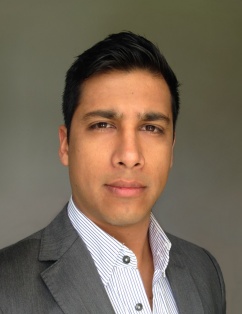
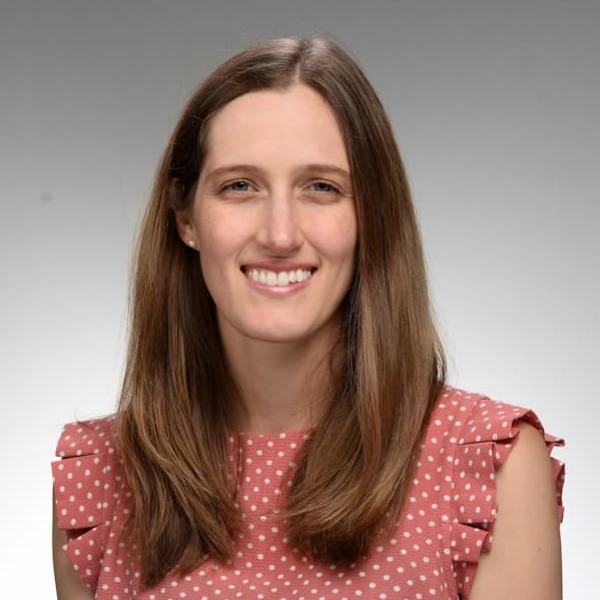
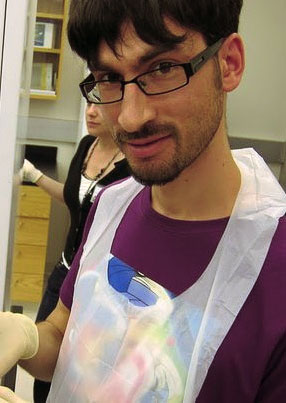
Michael Goran is Professor of Pediatrics and Population and Public Health Sciences at USC, holding the Dr. Robert C. Atkins Chair in Childhood Obesity and Diabetes. He serves as Co-Director of the Diabetes and Obesity Research Institute and Vice Chair of Research for Pediatrics. His research examines metabolic risk factors in childhood obesity development, particularly in Latino populations. Goran investigates how dietary factors like sugar consumption impact metabolic health across the lifespan and explores interventions to reduce obesity-related health disparities. Goran maintains an extensive publication record focused on pediatric metabolic health. Recent work examines breastfeeding impacts on neurodevelopment, dietary interventions for diabetes prevention, and environmental influences on metabolic dysfunction. His research employs longitudinal designs to track health outcomes from infancy through adolescence.
Shafali Jeste is a Professor of Neurology and Pediatrics at the University of Southern California, where she also serves as Division Chief of Neurology and Co-Director of the Neurological Institute at Children's Hospital Los Angeles (CHLA). Her academic and clinical work is centered at the intersection of pediatric neurology and neurodevelopmental disorders, with a strong commitment to translational research that bridges basic science and clinical application. Dr. Jeste's research program is dedicated to understanding the neurobiological underpinnings of autism spectrum disorder (ASD), epilepsy, and related genetic syndromes such as Dup15q and Tuberous Sclerosis Complex. She employs electrophysiological techniques, particularly EEG, to identify biomarkers for diagnosis and treatment monitoring. Her work also integrates genomic data to inform neuropsychiatric care and improve diagnostic pathways for children with neurogenetic conditions. This multidisciplinary approach involves collaboration across neurology, genetics, psychiatry, and statistics. Analysis of her recent publications (2023-2025) indicates a consistent emphasis on characterizing the clinical and electrophysiological profiles of specific neurogenetic disorders, optimizing diagnostic processes, and developing objective biomarkers for clinical trials. Her research increasingly incorporates advanced statistical methods for analyzing complex neurophysiological data, reflecting a growing trend toward computational neuroscience in her field. Dr. Jeste co-directs the Neurological Institute at CHLA and leads the Autism Biomarkers Consortium for Clinical Trials, a collaborative initiative aimed at validating EEG biomarkers for autism to accelerate therapeutic development. While specific details about her laboratory and team composition are not provided, her leadership roles suggest oversight of a multidisciplinary research group.
Tarina Lee Kang, MD is a Clinical Professor of Emergency Medicine at the Keck School of Medicine, University of Southern California. She serves as Chief Medical Officer at USC Verdugo Hills Hospital, demonstrating her leadership in clinical settings. Her work focuses on integrating point-of-care ultrasound into emergency diagnostics and medical education. Academic Rank: Clinical Professor Department: Emergency Medicine Key Focus: Ultrasound Applications in Emergency Diagnosis Leadership Role: Chief Medical Officer, USC Verdugo Hills Hospital Dr. Kang's research bridges clinical practice and education. She has published extensively on ultrasound-guided procedures, pediatric trauma imaging, and medical education innovations. Her studies explore diagnostic accuracy, procedural safety, and multimodal imaging approaches in emergency care. Recent publications highlight trends in ultrasound applications for musculoskeletal, ocular, vascular, and pediatric emergencies. Key areas include ocular ultrasound for retinal detachment, ultrasound-guided arthrocentesis, trauma imaging protocols, and educational strategies for integrating ultrasound into medical school curricula. Her professional activities emphasize advancing diagnostic standards through clinical prediction rules (e.g., STONE Score validation) and improving emergency care via imaging innovations. While no formal awards are listed, her work as a clinician-educator demonstrates significant impact on emergency medicine training and patient outcomes.
Ameer P. Mody is a Clinical Associate Professor of Pediatrics (Clinician Educator) at the Keck School of Medicine, University of Southern California. He specializes in pediatric emergency medicine, with a focus on congenital heart defects, noninvasive diagnostic methods, and clinical education. His work includes innovative approaches to pediatric care such as emergency department handoff tools and pediatric trauma management. Research Interests: His research spans pediatric emergency medicine challenges including congenital heart anomalies, traumatic injuries, and diagnostic protocol development. He emphasizes practical clinical solutions for urgent pediatric cases, such as managing orbital fractures and foreign body removals. Publications Overview: Dr. Mody's recent work focuses on critical pediatric emergencies like cor triatriatum presentation in infants (2021), noninvasive specific gravity measurement (2018), and novel sign-out tools in pediatric ERs (2018). Earlier contributions include studies on pediatric orbital trauma (2010) and foreign body management (2004). Grants & Advising: No grants or formal advisee records identified in provided materials. Labs/Teams: Affiliated with Children's Hospital Los Angeles (CHLA) through his institutional email domain (chla.usc.edu). Likely participates in Keck School's clinical education initiatives and pediatric emergency medicine teams.
Audrey van der Meer is a Professor of Neuropsychology at NTNU’s Department of Psychology within the Faculty of Social and Educational Sciences. She holds an MSc in Human Movement Sciences (Psychology and Philosophy) from Vrije Universiteit Amsterdam (1988) and a PhD in Experimental Psychology from the University of Edinburgh (1992). Her research focuses on developmental neuroscience, infant perception, and brain plasticity, with a particular emphasis on visual motion perception and prospective control in infants and children. She co-directs the Developmental Neuroscience Laboratory at NTNU, investigating neurodevelopmental principles in early childhood to improve learning outcomes and prevent developmental issues in infants aged 0-3 years. Her work combines EEG studies with behavioral analyses to explore topics like handwriting’s cognitive benefits, neural responses to looming stimuli, and motor stimulation effects on preterm infants. Key areas include the role of optic flow perception in spatial navigation, handwriting’s impact on brain connectivity, and early detection of developmental disorders through EEG biomarkers. Collaborations with husband Ruud van der Weel and teams like Seth Agyei and Stefania Rasulo have produced influential studies on infant cognition and motor control. Her research bridges ecological psychology and neuroscience, emphasizing real-world applications in education and clinical practice. Education MSc in Human Movement Sciences (Psychology & Philosophy), Vrije Universiteit Amsterdam (1988) PhD in Experimental Psychology, University of Edinburgh (1992) Research Themes Infant visual perception and neural development EEG biomarkers for neurodevelopmental disorders Prospective motor control in early childhood Handwriting vs. typing effects on learning Optic flow perception in infants Lab Affiliation Director, Developmental Neuroscience Laboratory (NTNU)
Aleksandar Miladinović is a Postdoctoral Researcher at the Biomedical and Clinical Engineering department under the Department of Engineering and Architecture at the University of Trieste. He is affiliated with the Institute for Maternal and Child Health - IRCCS "Burlo Garofolo" and contributes to developing objective tests for visual system assessment in pediatric populations. Doctorate in Industrial and Information Engineering (2021, University of Trieste) MSc in Cognitive Science (2017, MEi:CogSci program) BSc in Computer Science (2012, Belgrade) His research focuses on eye movement analysis, pediatric visual system development, and biomedical engineering applications for neurological diagnostics. Methodologies include machine learning, brain-computer interfaces (BCI), and medical imaging. Recent work trends emphasize ocular following response measurement for stereodeficiency evaluation, deep learning in OCT image analysis for retinal disease classification, and neurosymbolic AI for AMD diagnosis. He also explores real-time BCI optimization for post-stroke neurorehabilitation and EEG-based biomarkers for post-COVID-19 cognitive decline.
Frances Cheng, MD, PhD, is an Assistant Professor of Pediatrics at Yale School of Medicine and a pediatric hospitalist specializing in acute and chronic pediatric conditions requiring inpatient care. She holds appointments in the Department of Pediatrics and the Pediatric Hospital Medicine division, contributing to the Pediatric Hospitalist Program and Y-HEALAR initiative. Education: Earned BS in Molecular, Cellular, and Developmental Biology from Yale University (2006), MD/PhD from Vanderbilt University School of Medicine (2015), and completed residency at Yale-New Haven Hospital (2018). Research focuses on improving pediatric hospital care, neonatal opioid withdrawal syndrome (NOWS), refugee health literacy, and global health education. Her work has been recognized with awards from the American Academy of Pediatrics for child advocacy and hospital medicine innovation. Publications emphasize evidence-based practices in NOWS clinical management, refugee health education programs, and developmental neuroscience studies. Key contributions include defining feeding practices for opioid-exposed infants and advancing therapeutic approaches for neonatal abstinence syndrome. Awards: AAP Regional Impact Award (2022), Early Career Leadership Award (2021), Child Advocacy Award (2018) Grants: Active in translational research projects addressing hospital-based care optimization Labs/Teams: Collaborates with Y-HEALAR program and interdisciplinary teams on refugee health initiatives
Clíona Kelly is a Postdoctoral Associate in Psychiatry at Yale School of Medicine, part of the Before and After Baby Lab led by Helena Rutherford. She holds a BSc in Psychology, MSc in Cognitive Neuroscience, and PhD in Neuroscience and Computer Science from Aston University (UK). Her research combines virtual reality (VR) and electroencephalography (EEG) to study neural mechanisms in mother-infant interaction, particularly psychological risk factors in mothers. She co-founded Black In Neuro , a nonprofit promoting diversity in neuroscience. Education: BSc Psychology, Aston University MSc Cognitive Neuroscience, Aston University PhD Neuroscience and Computer Science, Aston University Research Interests: Focuses on maternal brain dynamics using Neuro-VR tools, emphasizing diverse populations. Explores eye gaze and social interaction mechanisms in VR environments. Awards: 2024 Kavli Postdoctoral Award for Academic Diversity Edward Bouchet Graduate Honor Society Inductee Yale School of Medicine Science Fellowship Labs/Teams: Before and After Baby Lab (Yale), collaborating on maternal-infant studies. Active in Black In Neuro advocacy.
Mert Ozan Bahtiyar, MD, is a Professor of Obstetrics, Gynecology & Reproductive Sciences at Yale School of Medicine. He serves as Director of the Yale Fetal Care Center and Section Chief of Maternal-Fetal Medicine. A graduate of Istanbul University (1994), he completed residency training (2002) and a Maternal-Fetal Medicine fellowship (2004) at Yale. Dr. Bahtiyar specializes in diagnosing and treating complex fetal abnormalities through innovative therapies, including pioneering Connecticut's first in-utero laser therapy for twin-twin transfusion syndrome and the state's first open fetal spina bifida repair. His research focuses on fetal echocardiography, ultrasound diagnostics, and invasive fetal interventions. Key investigations include placental vascular pathologies, intrauterine inflammation's impact on fetal cardiac function, and person-centered care models in fetal medicine. His work integrates clinical practice with translational research to improve outcomes for high-risk pregnancies. Recent publications demonstrate multidisciplinary collaboration across fetal therapy, nanomedicine, and medical ethics. Trends include advanced fetal imaging techniques, novel therapeutic delivery systems, and ethical frameworks for complex obstetric interventions. His research consistently addresses both technical innovations and patient-centered care paradigms in maternal-fetal medicine. Honors & Awards: AIUM Endowment for Education & Research Grant (2010) CREOG National Faculty Teaching Award (2008) Dr. Bahtiyar leads several clinical trials as Principal Investigator (HIC ID 2000033474) and co-investigator, including studies on hemolytic disease management and fetal atrioventricular block prevention. He directs the Yale Fetal Care Center clinical team and collaborates extensively with Yale New Haven Children's Hospital's Surgical Advances program.
Mercedeh Javanbakht Movassagh is an Adjunct Assistant Professor in Neurosurgery at Yale School of Medicine. She holds appointments in the Schiff Lab and is affiliated with the Slayman House. Her research focuses on computational biology and bioinformatics, with expertise in developing methods for analyzing sequencing data (e.g., mbQTL, mirTarRnaSeq). She investigates microbial infections, neonatal sepsis, hydrocephalus, and global health challenges in regions like Uganda and Tanzania. Awards include Hydrocephalus Association Innovator Awards (2023 and 2024). Education: BS in Biology (University of Virginia), MS in Biochemistry & Bioinformatics (George Washington University), PhD in Computational Biology & Bioinformatics (University of Massachusetts Medical School). Postdoctoral training at Harvard School of Public Health and Dana-Farber Cancer Institute. Research interests include microbial genomics, pathogen-host interactions, and applying machine learning to infectious disease and cancer studies. Key areas of focus are Paenibacillus infections in neonates, post-infectious hydrocephalus mechanisms, and computational tools for microbiome and RNA analysis. Notable publications include work on Paenibacillus spp. infections in Ugandan infants, microbial quantitative trait loci analysis, and vaginal microbiome studies. Collaborates with Steven Schiff, Joseph Paulson, and Ronald Mulondo on interdisciplinary projects.
Ronald Mulondo is an Associate Research Scientist in the Department of Neurosurgery at Yale School of Medicine. He holds a primary affiliation in Neurosurgery and collaborates extensively on global health research, particularly in Uganda. His academic background includes an MBChB from Mbarara University of Science and Technology (2014) and an MPH from the University of London (2021). His research focuses on pediatric neurosurgery, infectious causes of hydrocephalus, and global health disparities. Key projects include the NeuroKids Project studying postinfectious hydrocephalus in Ugandan infants and investigations into Paenibacillus and cytomegalovirus infections. He has contributed to over 8 peer-reviewed studies since 2009, emphasizing clinical outcomes, immunological mechanisms, and diagnostic innovations. Dr. Mulondo collaborates with institutions in Uganda and the US, addressing challenges in neurosurgical care in resource-limited settings. His work integrates clinical, epidemiological, and machine learning approaches to improve diagnostic accuracy and treatment protocols for pediatric neurological disorders.
Carlos R. Hernandez Castillo is an Assistant Professor at Dalhousie University's Faculty of Computer Science and holds a Canada Research Chair Tier 2 position. He also serves as a Scientist at Nova Scotia Health Authority. His work bridges computer science, neuroscience, and clinical medicine with a focus on understanding brain function and developing AI-based diagnostic tools for neurological disorders. Dr. Hernandez Castillo earned his MSc in Artificial Intelligence and PhD in Neuroethology from Universidad Veracruzana in Mexico. During his doctoral studies, he conducted research at the Biomedical Research Imaging Center at University of North Carolina, Chapel Hill. His postdoctoral training spanned multiple institutions including UNAM in Mexico City, Queen's University in Kingston, and Western University in London. His research focuses on two interconnected areas: understanding the human brain with particular emphasis on the cerebellum and its interactions with the neocortex, and applying artificial intelligence algorithms to improve diagnostic tools for clinical assessment, primarily using magnetic resonance imaging. His lab conducts multidisciplinary research spanning neuroimaging, movement disorders, neuroscience, and computer vision, with a special interest in spinocerebellar ataxias and other neurodegenerative conditions. His publication record demonstrates a strong trajectory in cerebellar imaging and neurodegenerative disorders, with numerous high-impact papers in neurology and neuroimaging journals. His work often involves large-scale collaborative efforts through the ENIGMA-Ataxia Working Group, reflecting his leadership in international neuroscience research consortia. Canada Research Chair Tier 2 Dr. Hernandez Castillo actively mentors graduate students and postdocs, with current lab members working on diverse projects including fMRI biomarker discovery, neurodevelopment toolboxes, and brain network modeling. His research is supported by multiple funding agencies, enabling cutting-edge work at the intersection of AI and neuroscience. He collaborates with researchers at UNAM, Western University, Monash University, and UCLA|Cedars Sinai, demonstrating the international scope of his work. His lab, CSBrain, maintains active development of computational tools and resources including GitHub repositories, code tutorials, and educational materials. Dr. Hernandez Castillo teaches courses in Computer Vision and MRI analysis, bridging theoretical knowledge with practical applications in medical imaging.
Dr. Caitlin Clements is an Assistant Professor and Mary Hesburgh Flaherty and James F. Flaherty College Chair at the University of Notre Dame. Her research focuses on neurodevelopmental disorders, particularly autism spectrum disorder and rare genetic syndromes. She leads the BRAIN Lab , investigating neural mechanisms of reward processing in infants and children using EEG and eye-tracking. Her work emphasizes community partnerships and genetic underpinnings of autism, such as studies on Tuberous Sclerosis Complex and 22q11.2DS/DupS. Education: Postdoctoral Fellowship at Boston Children's Hospital; Ph.D. in Psychology from University of Pennsylvania; B.S. in Psychology from Yale University. She holds a multidisciplinary approach combining clinical neuroscience, developmental psychology, and genetic research. Research Interests: Autism spectrum disorder Neurodevelopmental biomarkers EEG methodology Reward processing mechanisms Genetic syndromes linked to autism Community-engaged research Recent work highlights EEG-based studies of neurodevelopmental disorders, polygenic risk analysis in treatment outcomes, and longitudinal investigations of behavioral and biological markers in mental health. Her research bridges clinical and basic science to improve diagnosis and intervention strategies for neurodivergent populations.
Dean D'Souza is an Associate Research Fellow at Birkbeck, University of London, and a Research Associate at University College London. He specializes in developmental psychology and cognitive neuroscience, focusing on neurodevelopmental disorders such as Down syndrome, fragile X syndrome, and Williams syndrome. His work examines how early attentional, perceptual, and cognitive mechanisms influence language and communication skills in both typical and atypical populations. Education: PhD in Psychology (CBCD, Birkbeck), MSc in Cognitive Neuroscience (Distinction), BSc Psychology (First Class), MA Philosophy, and BA Peace Studies. Professional affiliations include Fellow of the Cambridge Philosophical Society (F.C.P.S.) and Chartered Psychologist (C.Psychol.) with the British Psychological Society. Research interests emphasize tracing developmental trajectories of higher-level abilities to infancy, with a focus on visual attention, auditory-visual integration, and neural correlates of social perception. He has presented at conferences globally and published extensively on topics like cross-syndrome comparisons, bilingualism impacts, and neurocognitive studies of genetic disorders. Grants/Awards: Over £70,000 in grants from organizations like the British Academy, Williams Syndrome Foundation, and The Waterloo Foundation. Notable projects include studies on bilingualism effects, sleep’s role in language development, and neurocognitive markers in infants with genetic syndromes. Key contributions include insights into atypical development through cross-syndrome comparisons and the role of early neurophysiological markers in predicting later outcomes. His work bridges basic science and clinical applications, aiming to improve interventions for neurodevelopmental disorders. Labs/Teams: Affiliated with the Centre for Brain and Cognitive Development at Birkbeck, collaborating with institutions like UCL and international networks studying Williams syndrome and autism spectrum disorders.
Elena Serena Piccardi is a Lecturer in Developmental Psychology at the University of East London (UEL), affiliated with the School of Childhood and Social Care and Department of Psychological Sciences. She holds a PhD in Developmental Cognitive Neuroscience from Birkbeck, University of London (2021), alongside a Postgraduate Certificate in Teaching (2019), MSc in Cognitive Neuroscience (2015), and BSc in Clinical Psychology (2013). Previously, she was a Wellcome Trust Research Fellow at Birkbeck’s Centre for Brain and Cognitive Development, focusing on sensory perception in infants at risk for ASD/ADHD. Her research explores neural markers of sensory processing, with collaborations spanning UEL, Birkbeck, Cambridge, and East Anglia universities. She also leads the UK Reproducibility Network’s UEL chapter, advocating for research transparency. Teaching focuses on fostering curiosity and collaboration in developmental psychology, with modules like Advanced Developmental Psychology and Research Methods. Public engagement includes media features and podcasts explaining her work on infant brain development and sensory processing.