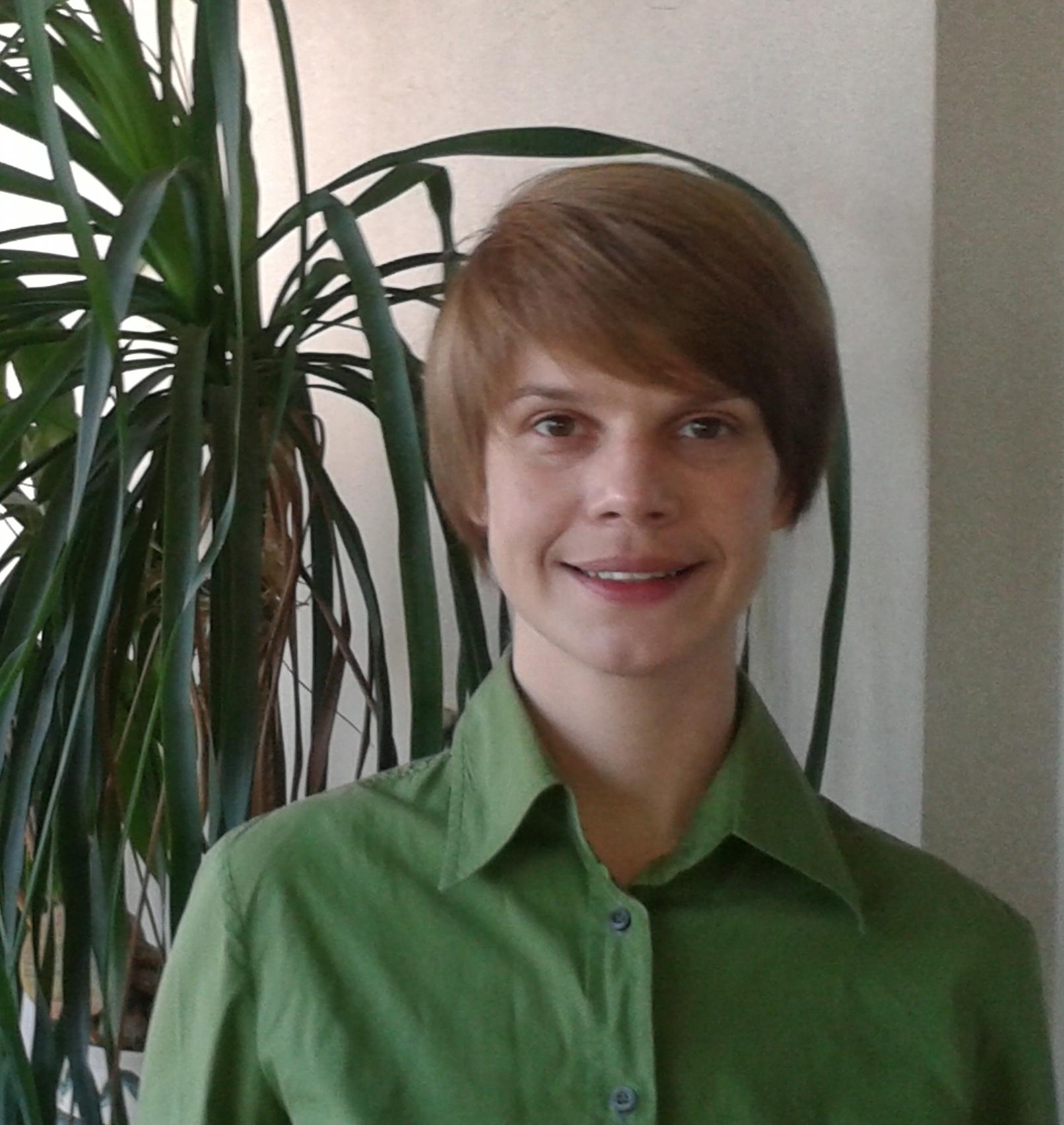
Shafaq Khan is an Assistant Professor in the School of Computer Science at the University of Windsor. She holds a PhD in Computer Science from the University of Salford (2017). Her research spans machine learning, deep learning, data analytics, and database systems with applications in healthcare informatics, agricultural technology, educational systems, and blockchain. Recent work focuses on AI-driven healthcare transformation, privacy-preserving data methods, federated learning for disease prediction, and computer vision applications in agriculture. Additional interests include educational technology for addressing disparities, blockchain implementations in government services, and open-source search engine development. Her work demonstrates consistent integration of cutting-edge computing techniques with practical domain applications.
Professor Wai Fong Chua is a distinguished academic in accounting practices at the University of Sydney Business School. She holds a first-class honours degree and PhD from the University of Sheffield. Her research focuses on management accounting as a social practice, qualitative fieldwork methodology, and the impact of technology on organizational control. She has contributed extensively to top-tier journals like Accounting, Organizations and Society and serves as its Editor. Her work explores big data analytics, NGO accountability mechanisms, and the interplay between emotions and accounting systems. Education: Bachelor of Arts (Honours), University of Sheffield PhD in Accounting, University of Sheffield Research Interests: Her current research investigates the transformative role of technology in accounting practices, including big data's impact on organizational control, immersive technologies for NGO accountability, and the influence of 'passionate interests' on accounting systems. She collaborates internationally with institutions like Royal Holloway University of London and the University of Bristol. Publications & Recognition: Over 50 peer-reviewed articles and book chapters, including landmark works on gamification in management control and climate-related financial disclosures. She has received prestigious awards such as the Member of the Order of Australia (2012) and an Honorary Doctorate from the University of Jyvaskyla (2009). Grants & Leadership: Led projects on climate change sustainability strategies and reconciliation initiatives with Indigenous communities. Served on editorial boards of major journals and contributed to professional accounting bodies like CIMA and Chartered Accountants ANZ. Labs/Teams: Engaged in interdisciplinary research with the Sydney Business School's Accounting Foundation and collaborates with global networks in climate finance and digital analytics.
Silvia Donzelli is a Researcher and doctoral student at the Chair of Practical Philosophy at the University of Regensburg. Her roles include serving as the Second Deputy Commissioner for Equal Opportunities for Women in Science and Art at the Faculty of Philosophy, Arts, History and Social Sciences. She holds a Magistra Artium (Philosophy and Art History) from Humboldt University Berlin, with studies at the University of Milan and Humboldt University Berlin. Her research focuses on responsibility ethics, legal philosophy, African and intercultural philosophy, environmental ethics, and Renaissance art history. She critiques colonial legacies in European thought and explores complicity in business practices and digital discourse. Teaching & Academic Contributions: Recent courses include "Language and Violence," "Racism," and "Human Rights" at the University of Regensburg. Publications span philosophy of responsibility, counter-speech strategies, and African environmental ethics. Active in conferences on complicity, democratic debate culture, and decolonizing philosophy. Research Interests: Ethics of complicity in business and digital contexts African critiques of European philosophical history Environmental ethics through an intercultural lens Renaissance portraiture and material culture Grants & Awards: None explicitly listed, but her work is supported through institutional affiliations. Labs/Teams: Engaged with the Chair of Practical Philosophy and interdisciplinary networks on complicity ethics and decolonial thought.
Rebecca Lemov is a Professor of the History of Science at Harvard University's Faculty of Arts and Sciences, specializing in the intersection of science, technology, and society. Her research examines pivotal moments in the history of human and behavioral sciences, with a focus on mind control, archival practices, and data-driven epistemologies. PhD in Anthropology, UC Berkeley BA in English Literature, Yale University Her recent work investigates brainwashing techniques from Cold War-era experiments to modern surveillance capitalism, analyzing how data and technology shape human cognition. She also explores the evolution of behavioral engineering and the ethical challenges of preserving endangered anthropological archives. Her publications span topics like cybernetics, predictive policing, and the quantified self, reflecting a deep engagement with interdisciplinary methodologies. Lemov’s forthcoming 2025 book, The Instability of Truth , continues her exploration of coercive persuasion in digital contexts. As Director of Undergraduate Studies, she mentors students in courses covering big data history, animal studies, human experiments, and technologies of mind control. She has held visiting scholar positions at the Max Planck Institute for the History of Science in Berlin (2010–11, 2013–14), contributing to working groups on archival science and data historiography.
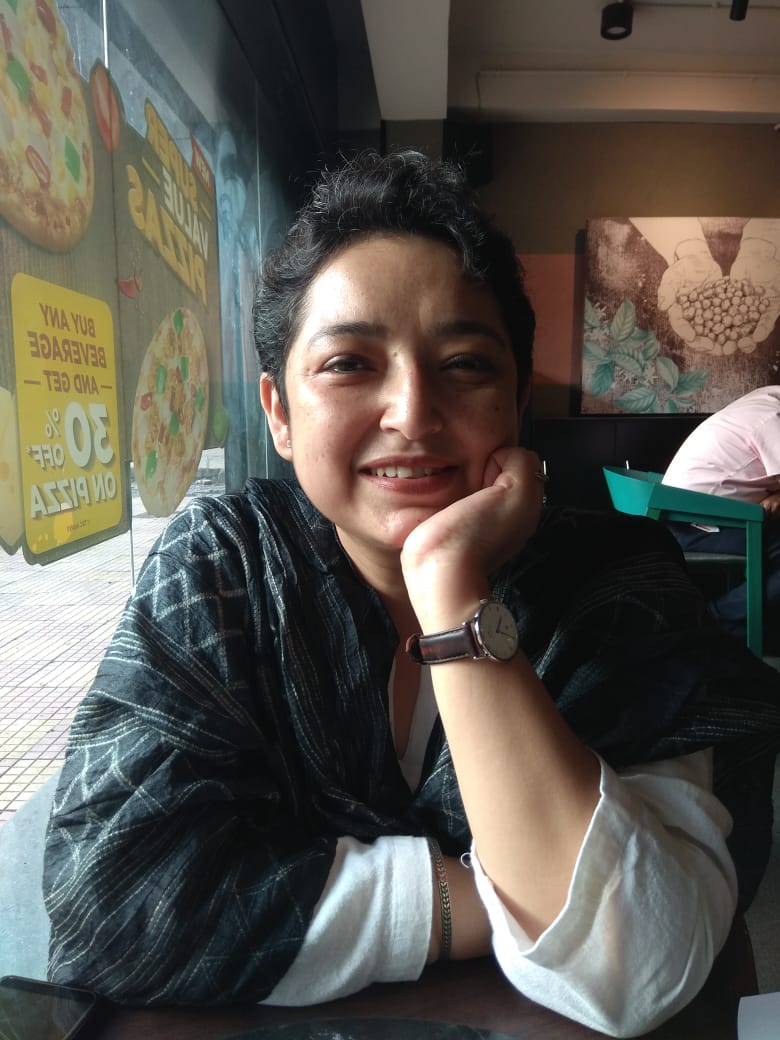
Dr. Shatarupa Thakurta Roy is an Associate Professor in the Department of Humanities and Social Sciences at the Indian Institute of Technology Kanpur (IIT Kanpur). She teaches courses in Art Appreciation, Design Theory, Visual Communication, and History of Art, and collaborates with IIT Kanpur's Design Programme. She holds a Ph.D. in Design from IIT Guwahati (2014), an M.F.A. (1999), and a B.F.A. (1997) from Kala Bhavana, Visva Bharati Santiniketan. Her research explores Visual Culture , Indian Folk and Minor Art , Graphic Design , and Design Theory , with fieldwork focusing on narrative folk paintings across Eastern India. She emphasizes cultural sustainability, visual storytelling, and interdisciplinary design methodologies. Her publications (2011–2022) span art theory, data visualization, HCI, and cultural preservation, reflecting trends in cross-disciplinary innovation , social impact design , and digital heritage conservation . She frequently integrates cognitive psychology, new materialism, and postcolonial perspectives. Awards & Honors: Best Paper Award, NaCoMM 2011 National Scholarship Scheme, Government of India (1997–1998) Mentorship Award for 'Toycathon 2021' (designing educational board game 'CheMystery') Advising & Grants: She has supervised 15+ Ph.D. and 35+ M.Des. theses. Funded projects include an MHRD grant (2016) for assistive interfaces for dyslexic children and a Doordarshan collaboration (2022) on sustainable farming documentaries. Administration: She has served as Warden, DPGC Convener, and lab in-charge at IIT Kanpur. She also edits academic journals and chairs conferences on art and design.
Miroslava Kavgic is an Associate Professor in the Department of Civil Engineering at the University of Ottawa. She holds a Ph.D. (United Kingdom), M.Sc. (United Kingdom), and B.Sc. (Serbia), and is a Professional Engineer (P.Eng.). Her research focuses on sustainable building engineering, carbon-negative materials, and energy-efficient design for remote communities. She leads the Centre for Indigenous Community Infrastructure at uOttawa, emphasizing culturally appropriate solutions. Education: Ph.D. in Environmental Design and Engineering (University College London, 2013) M.Sc. in Environmental Design and Engineering (University College London, 2006) B.Sc. in Mechanical Engineering (Serbia) Research Interests: Carbon capture building materials (e.g., hempcrete composites) Bioclimatic design strategies for net-zero buildings Urban energy modeling to decarbonize cities Renewable energy systems integration Advanced HVAC controls and energy efficiency Her recent publications (2021–2025) emphasize: Phase change material applications in building envelopes Machine learning for energy demand prediction Optimization algorithms like MEVO for building performance Hybrid renewable energy systems Labs/Teams: Active in the Centre for Indigenous Community Infrastructure, focusing on Northern communities' sustainable infrastructure. Collaborates with industry on building design innovations.
Dr. Bharanidharan Shanmugam is an Associate Professor in Information Technology at Charles Darwin University's Faculty of Science and Technology. He specializes in cybersecurity, IoT security, and cyber risk management in microgrids. His research focuses on addressing real-world challenges in IoT, smart grids, and medical devices to enhance community impact. **Research Interests:** - IoT Security - Cyber Risk Assessment in Microgrids - Network and Information Security - Applied Cybersecurity Solutions - Blockchain and Privacy-Preserving Technologies **Key Projects (2019–2025):** - Cyber Territory Skills Hub (2023–2025) - Renewable Energy Microgrid Hub (2021–2024) - Blockchain-Based Digital Identity (2019–2020) **Publications:** Focuses on IoT security frameworks, intrusion detection systems, and AI-driven cybersecurity solutions. Recent works include studies on smart grid load forecasting, medical IoT threat detection, and water leakage detection using machine learning. **Grants & Supervision:** Principal Investigator on multiple ARC-funded projects. Supervises PhD students in DevSecOps and IoT security. Active in organizing workshops on digital awareness for indigenous communities.
Dr. Karen Yeates is a Professor in the Division of Nephrology at Queen's University's School of Medicine. She holds cross-appointments in the Faculty of Health Sciences and is a member of Queen's Cancer Research Institute and Translational Institute of Medicine. Her work focuses on improving healthcare access through mHealth innovations in global settings, particularly sub-Saharan Africa and Indigenous communities. Education: MD (Queen's University), MPH (Harvard School of Public Health), Fellowship in Nephrology (Royal College of Physicians and Surgeons Canada). Research interests span global health equity, cardiovascular disease prevention, cervical cancer screening, and mobile health technology. Key projects include leading the PURE Study Tanzania (Prospective Urban and Rural Epidemiology) and the International Polypill Study for cardiovascular prevention. She pioneered smartphone-based interventions for hypertension management in rural communities and cervical cancer screening in Tanzania. Articles consistently address mHealth implementation, chronic disease epidemiology, and health systems strengthening. Recent work evaluates mobile health tools for malaria prevention and cervical precancer detection in resource-limited settings. Rising Stars in Global Health Award (2024) CIHR-Global Alliance grant for mHealth hypertension projects Principal Investigator for Grand Challenges Canada initiatives Advocates for equitable kidney care globally, contributing to ISN Global Kidney Health Atlas. Co-founded Queen’s University School of Medicine’s Office of Global Health to advance interdisciplinary global health training.
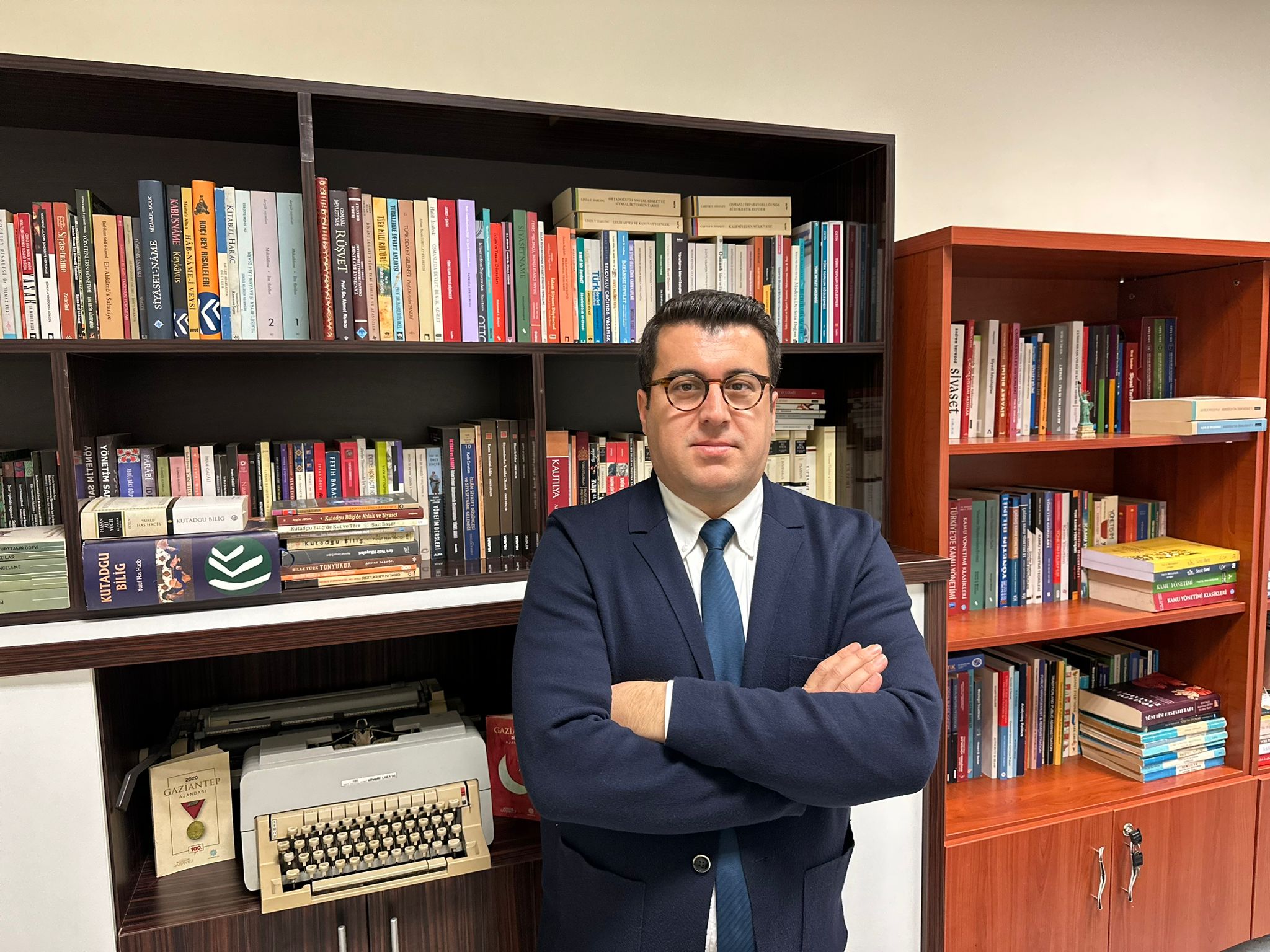
Dr. Abdulkadır Aksoy is a Lecturer at the Department of Political Science and Public Administration , Faculty of Economics and Administrative Sciences, Gaziantep University. His academic career spans institutions including Sakarya University (Research Assistant, 2012-2020) and Gaziantep University (2020-present), where he has served as Departmental Deputy Chair (2020-2024) and Faculty Board Member (2021-2024). Education: PhD in Political Science and Public Administration, Sakarya University (2019) MA in Public Administration, Sakarya University (2013) BA in Public Administration, Gaziosmanpaşa University (2010) Research Interests: His work focuses on ethical governance, participatory democracy, bureaucratic theory, and historical roots of public administration. Key areas include ethics in public administration , governance and participation , and bureaucratic evolution , with projects analyzing local governance structures and policy implementation. Publication Trends: While his book chapters often address historical administrative philosophies (e.g., Confucian and Lao Tzu ideals in public administration), his journal articles emphasize contemporary challenges: digital democracy (Cambridge Analytica scandal), transformative leadership models, and modernization in public governance post-industrial revolution. Academic Contributions: He has supervised three MA theses at Gaziantep University and contributed to editorial boards including the Journal of Political Administrative and Local Studies . His teaching portfolio includes courses on Evolution of Management Thought , Turkish Administrative History , and Ethics in Public Administration across graduate and undergraduate levels.
Peter Lugosi is a Professor of Culture and Organisation and Research Lead for the Hospitality, Tourism and Events Subject Area at Oxford Brookes Business School. With extensive experience in interdisciplinary research bridging sociology, geography, and anthropology, he has established himself as a leading academic in hospitality and tourism studies. Professor of Culture and Organisation at Oxford Brookes Business School Research Lead for Hospitality, Tourism and Events Subject Area Co-Editor of Hospitality & Society journal Associate Editor for Annals of Tourism Research and Journal of Destination Marketing and Management Member of editorial boards for over 15 international journals Professor Lugosi's research spans multiple domains of contemporary hospitality and tourism. His work explores the intersections of food and drink culture with societal structures, examines migration and integration within hospitality labor markets, investigates coaching and mentoring practices, and analyzes consumer cultures within service environments. His interdisciplinary approach combines theoretical frameworks from sociology, geography, and anthropology to provide nuanced understandings of complex hospitality phenomena. He has made significant contributions to understanding how hospitality spaces function as sites of social interaction, cultural expression, and economic activity. His recent publications demonstrate a strong focus on contemporary issues including algorithmic management in hospitality, food waste reduction in luxury settings, migration and labor market integration, and sustainable tourism development. These works reflect his ability to address both theoretical and practical challenges facing the hospitality industry. His research has been supported by prestigious funding bodies including the British Academy, Engineering and Physical Sciences Research Council, European Commission, and Higher Education Academy. Co-founded Hospitality & Society journal Member of Executive Committee, Council for Hospitality Management Education Fellow of the Higher Education Academy Member of British Sociological Association Professor Lugosi has successfully supervised numerous doctoral students to completion, with research topics spanning refugee labor market integration, coaching practices, consumer behavior in hospitality settings, and tourism development. His supervision approach emphasizes interdisciplinary thinking and methodological rigor. He has also contributed to research capacity building through his editorial work and service on multiple journal editorial boards, helping to shape the direction of hospitality and tourism research globally. His work on migrant entrepreneurship, food culture, and hospitality spaces demonstrates his commitment to understanding how commercial settings facilitate social interaction and cultural expression. Recent projects have examined the experiences of refugees in hospitality labor markets, sustainable food practices in luxury hotels, and the role of digital technologies in transforming hospitality management.
Roles & Affiliations: Distinguished Research Professor in Statistical Science at Queensland University of Technology (QUT), Director of QUT Centre for Data Science, and Associate Member of University of Oxford's Department of Statistics. Served as Deputy Director of ARC Centre of Excellence in Mathematical and Statistical Frontiers (2015–2021) and ARC Laureate Fellow (2015–2021). Education: BA (Hons) and PhD in Mathematical Statistics from University of New England, Australia. Completed post-doctoral roles at multiple Australian universities. Research Interests: Specializes in Bayesian statistical modelling, computational methods, and their applications in environmental science, genetics, healthcare, and industry. Leads projects on coral reef recovery, cancer epidemiology (Australian Cancer Atlas), and virtual citizen science platforms like Virtual Reef Diver. Her work emphasizes interdisciplinary collaboration, integrating complex data sources with advanced statistical techniques to address real-world challenges. Publications & Grants: Over 350 refereed journal publications and attracted >30 major grants. Recent focus areas include influenza epidemiology, spatial health disparities, and AI-driven early warning systems for climate-sensitive diseases. Active in developing methodologies for spatial statistics, small-area estimation, and federated learning. Awards & Recognition: 2024 Ruby Payne-Scott Medal (Australian Academy of Science), Pitman Medal (2016), first female recipient of this award in 35 years. Elected Fellow of Australian Academy of Science (2018), Academy of Social Sciences (2018), and Queensland Academy of Arts and Sciences (2018). Holds international roles including Vice-President of International Statistical Institute (2021–2025) and Scientific Council Member at Centre International de Rencontres Mathématiques (France). Supervision & Leadership: Supervised over 36 PhD students and leads teams in >50 collaborative projects. Current supervision includes 5 PhD and 4 Masters students at QUT. Founded the QUT Centre for Data Science and previously led the Collaborative Centre for Data Analysis, Modelling and Computation. Labs & Initiatives: Core contributor to the Australian Cancer Atlas 2.0, Virtual Reef Diver project, and Queensland's Learning Potential Fund. Active in global initiatives like the World of Statistics campaign and UN Big Data Task Teams.
Annette Woods is a Professor at Queensland University of Technology (QUT), specializing in literacy education, early childhood development, and Indigenous education. Her work emphasizes culturally responsive pedagogy, social justice, and equity in curriculum design. She has led projects such as the Home Languages in Schools initiative (HLinS) and contributed to evaluations like the Stronger Smarter Learning Communities Project . Dr. Woods collaborates extensively with educators and communities to develop inclusive teaching practices. Research Interests: Literacy and numeracy pedagogy for diverse learners Indigenous methodologies and curriculum integration Digital childhood studies and media literacy Teacher professional development and culturally nourishing pedagogies Ethical frameworks for educational research Publications & Projects: Dr. Woods has authored/co-authored over 100 peer-reviewed articles, book chapters, and reports. Notable outputs include the 2020 edited volume Literacies in Early Childhood and the 2024 Digital Child Ethics Toolkit . Her work spans topics from early literacy interventions to systemic educational equity reforms. Grants & Collaborations: Key projects include evaluations of national education initiatives (e.g., National Community Hubs Program) and partnerships with Indigenous communities to enhance educational outcomes. She serves as a lead evaluator for the Stronger Smarter Learning Communities Project, focusing on Indigenous student success. Labs/Teams: Active in QUT's Education research clusters, particularly those addressing digital childhoods and culturally responsive education.
Alison Copeland is a Research Postgraduate (PhD) in the Department of Biosciences at Durham University. Her research focuses on Bermuda’s vegetation communities, particularly invasive plant species and their interactions with indigenous flora. Previously, she served as Biodiversity Officer for Bermuda’s Government, leading projects like the IUCN Red Listing of endemic plants and the Governor Laffan’s Fern recovery initiative. She holds an MSc in Geography from Memorial University of Newfoundland (MUN), where her thesis involved seabed habitat mapping in Newman Sound fjord using multibeam sonar and field sampling. Her expertise spans marine and terrestrial conservation, with a focus on endangered species recovery, habitat management, and translating science into policy. Key affiliations include MUN’s Marine Habitat Mapping Group and the Royal Botanic Gardens Kew. Awards include the Durham Doctoral Studentship (Faculty of Science) and a Bermuda Public Service Education Award. Her recent work highlights invasive species dynamics in island ecosystems, biodiversity assessments, and policy frameworks for conservation. She has contributed to over 15 peer-reviewed articles, emphasizing habitat mapping methodologies, invasive species management, and endangered species recovery strategies. Awards: $3000 Garden Club of Bermuda Grant (PhD support) Fellow of MUN’s School of Graduate Studies Grants: Durham Doctoral Studentship (2022–present) Her PhD project investigates the ecological origins and interactions of invasive plants in Bermuda, bridging field research with policy recommendations to enhance biodiversity protection.
Timothy D. O'Connor is an Associate Professor in the Department of Medicine at the University of Maryland School of Medicine, serving as Co-Director for the Program in Health Equity and Population Health (HEPH). His research focuses on the evolutionary and population genetic influences on disease and phenotypic diversity, integrating evolutionary theory with large genomic datasets. He leads the O’Connor Evolutionary Genomics Group, emphasizing collaboration and multi-omics approaches. Education: B.S. Bioinformatics, Brigham Young University (2001-2007) Ph.D. Evolutionary Genetics, University of Cambridge (2007-2011), supported by the Gates Cambridge Scholarship Senior Research Fellow, University of Washington (2010-2013) Research Interests: Dr. O’Connor’s work spans human evolutionary genetics, computational biology, and genetic epidemiology. His lab develops novel algorithms to analyze large genomic datasets, with a focus on New World populations, including studies of Peruvian genomic dynamics, malaria parasite migration, and the evolutionary origins of phenotypic diversity. He emphasizes interdisciplinary collaboration and the application of evolutionary principles to modern biomedical challenges. Grants & Awards: NIH/NIAID R01 (2020-2025): $499,998 for malaria genomic migration studies in Cambodia/Thailand NIH/NIGMS R35 (2019-2024): $299,713 for evolutionary multi-omics research 2021 Faculty Mentoring Award 2019 Teacher of the Year Award Labs & Collaborations: His lab is part of the TOPMed Program, co-leading the Population Genetics Working Group. He also collaborates on projects like the Peruvian Genome Project and the Gynecological Cancer Center of Excellence. His work bridges academia and clinical practice, addressing disparities in genomic medicine through initiatives like the PENGUIN model for patient engagement.
Dr. Rahul K Gairola is The Krishna Somers Senior Lecturer in English and Postcolonial Literature at Murdoch University's School of Humanities, Arts and Social Sciences, affiliated with the College of Law, Arts and Social Sciences. He is also a Principal Fellow at the Indo-Pacific Research Centre (IPRC). His academic journey includes a joint doctorate in English and Comparative Literature, Cinema, & Media Studies from the University of Washington, Seattle, alongside additional qualifications from Cornell University, the University of Cambridge, Rhode Island College, and George Mason University. He holds Digital Humanities certificates from leading institutions like DHOxSS (Oxford) and DHSI (Victoria). Dr. Gairola's research focuses on postcolonial and queer studies, digital humanities, and South Asian cultural narratives. His work spans topics like diaspora identity, gender, and pandemic culture. He has received awards including the Münster Fellowship (2024) and the Migration-Diaspora-Citizenship Grant (2023). His scholarly contributions include editing the Routledge/ASAA South Asian Book Series and serving on editorial boards like Oxford Bibliographies in Literary and Critical Theory. His teaching and research integrate digital technologies with postcolonial critique, emphasizing anti-colonial pedagogy and queer spatial practices. Notable works include Liminal Diasporas: Contemporary Movements of Humanity and the Environment (2024) and Race, Otherness, and the Digital Humanities (2022). He actively engages with global academic networks, presenting at institutions like King’s College London and UC Berkeley.