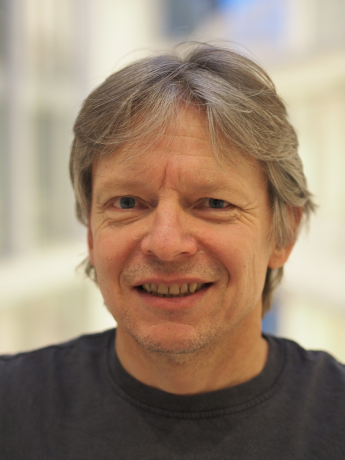
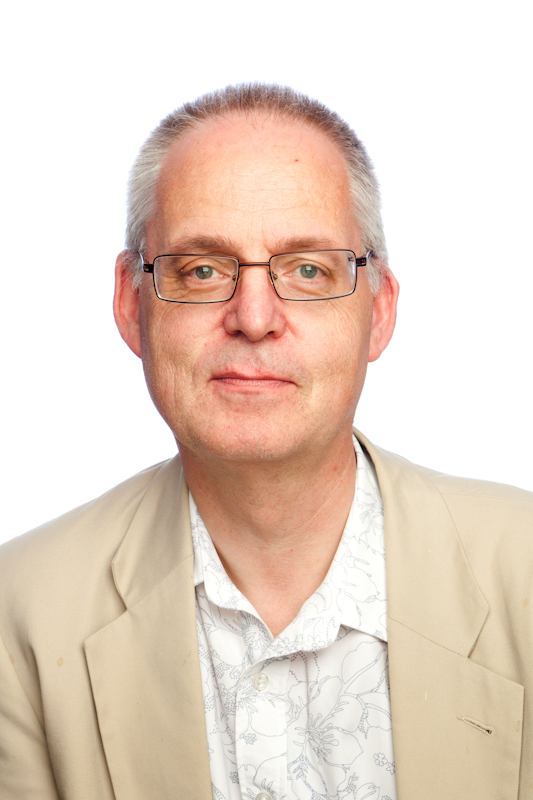
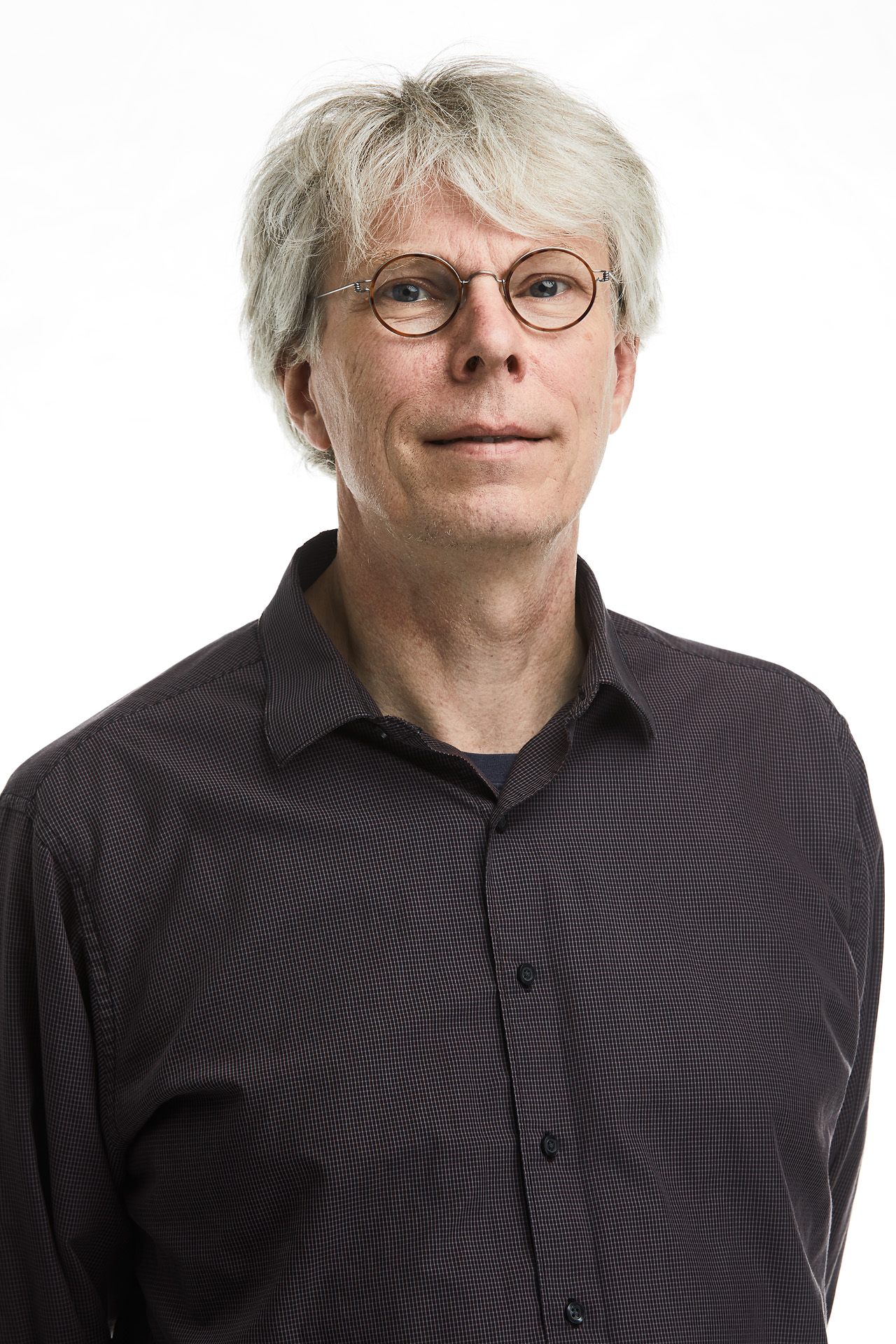
Kjell Arne Brekke is a Professor in the Department of Economics at the University of Oslo, Faculty of Social Sciences. He is actively engaged in research and teaching, with a strong focus on behavioral, environmental, and resource economics. He is affiliated with the Centre for Equality, Social Organization, and Performance (ESOP) and the Health Economics Research Network (HERO). His office is located at Eilert Sundts hus, Moltke Moes vei 31, and he is available on Wednesdays from 10:00–11:00 or by appointment. Dr. Polit. in Economics, University of Oslo, 1990 Cand. scient. in Mathematics, University of Oslo, 1983 His primary research interests include Behavioral Economics , Experimental Economics , Environmental and Resource Economics , and Real Options with Stochastic Analysis . His work investigates how moral motivation, social norms, and psychological factors influence economic decisions, particularly in contexts involving public goods, climate change, and inequality. He explores how individuals respond to framing, scarcity, and social expectations in cooperative settings. The recent articles highlight a consistent research trajectory centered on social preferences , moral motivation , and behavioral responses to environmental and public policy challenges . Themes such as polarization, cooperation under scarcity, framing effects, and the measurement of health and income inequality recur across publications. His methodological approach blends theoretical modeling with experimental and empirical analysis, often addressing policy-relevant questions in sustainability and welfare economics. While no specific awards are listed in the provided text, his sustained publication record in top journals like Journal of Public Economics , Ecological Economics , PNAS , and Land Economics reflects significant scholarly impact. Kjell Arne Brekke has supervised numerous students, though specific names are not provided. He has held leadership roles, including Chair of the Master’s Thesis Committee since 2010. His research has been supported by projects such as ESOP and collaborations with institutions like Statistics Norway and Stanford University. He has contributed to modeling uncertainty in energy markets and analyzing the behavioral foundations of green production and consumer choices. He is actively involved in research groups including ESOP and HERO, which focus on equality, social organization, health economics, and performance. These affiliations support interdisciplinary research on welfare, inequality, and sustainable development.