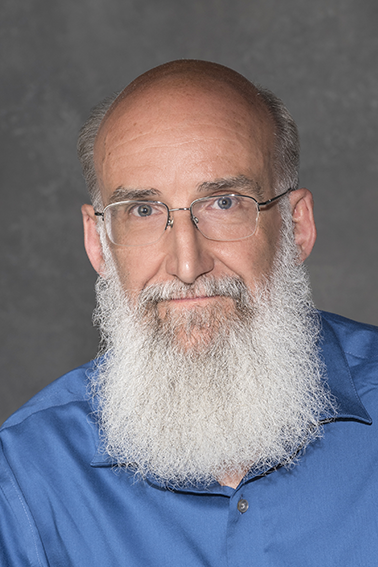
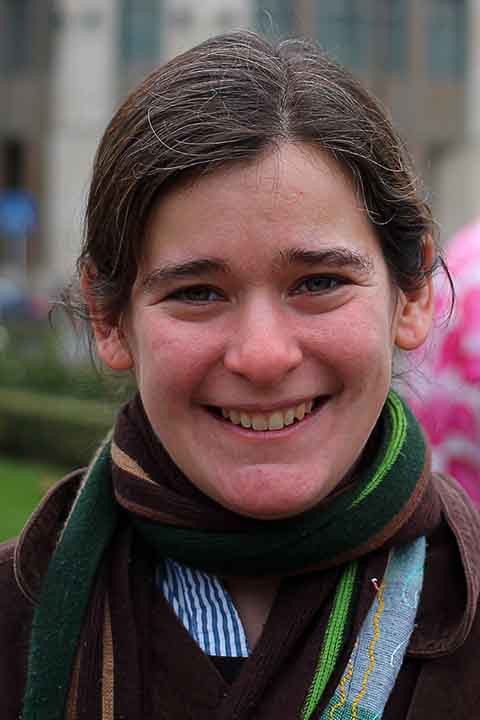
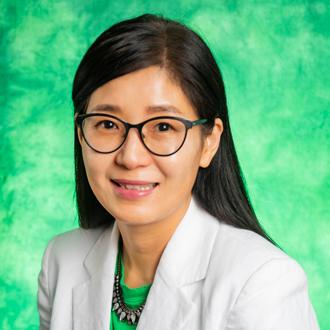
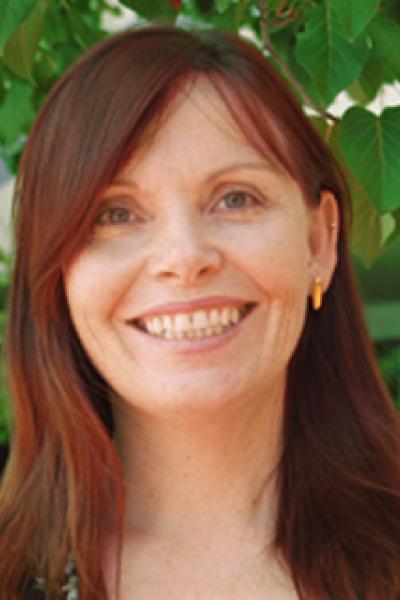
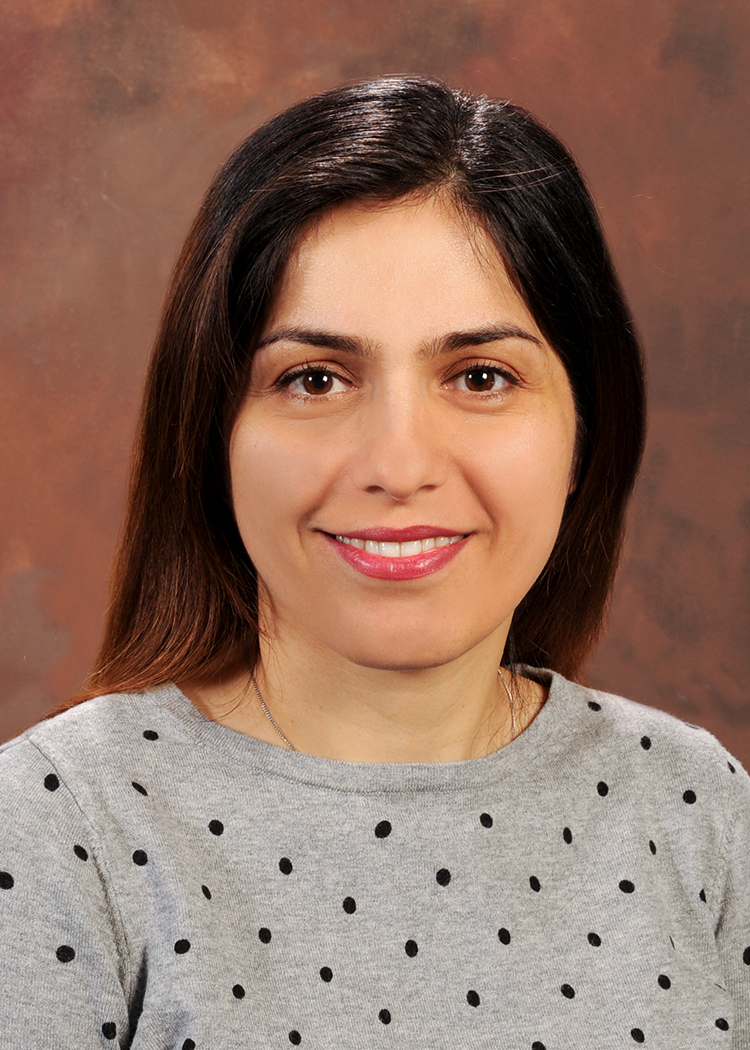
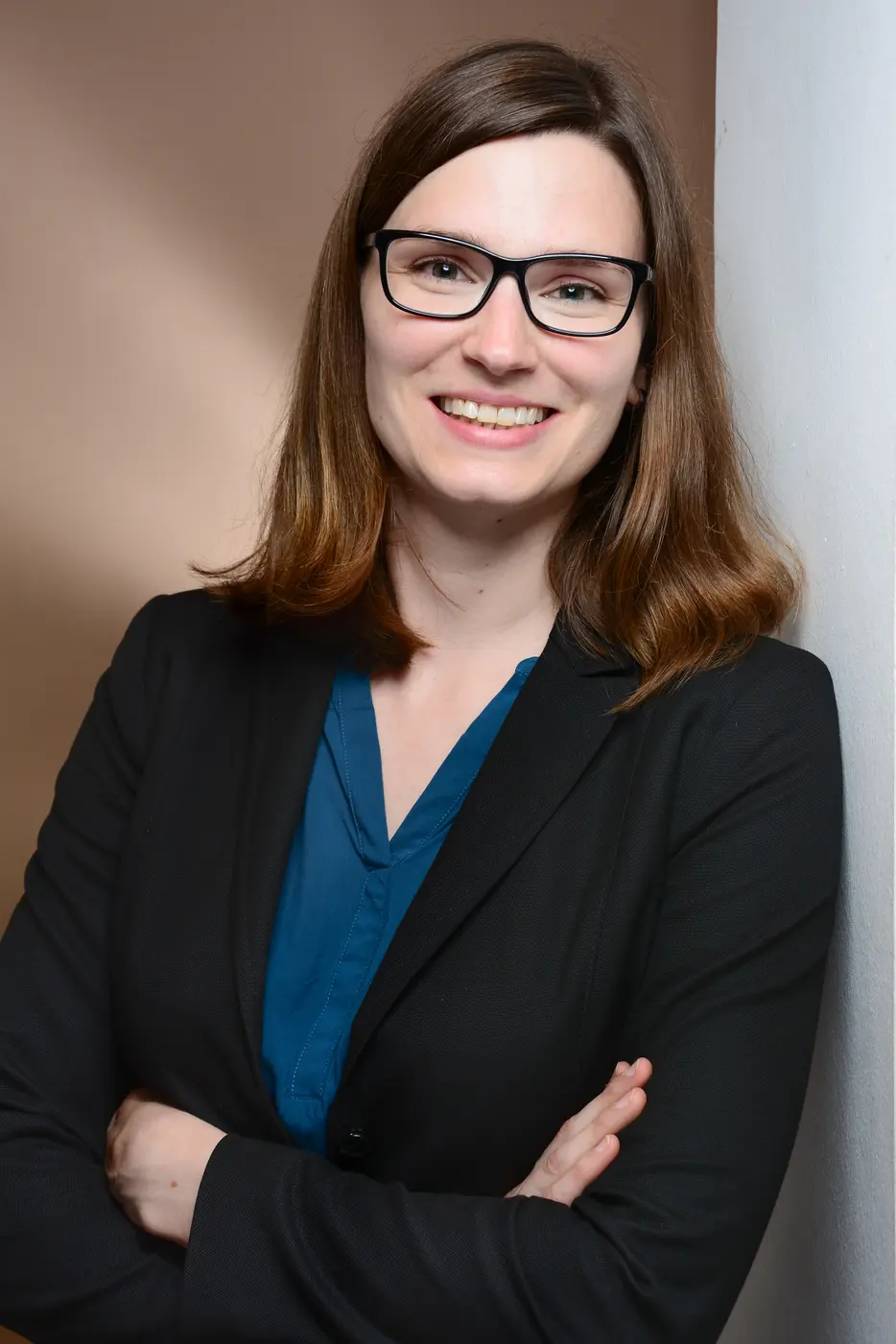
Anna-Sophia Dersch is a Researcher at the Professorship for Teaching and Learning with Media, part of the Faculty of Educational Psychology at Justus-Liebig-Universität Gießen. She teaches courses including Educational Psychology for B.Sc. Psychology students, Basic Concepts of Psychology for student teachers, and Scientific Writing for student teachers in German as a foreign language. Her research focuses on multimedia learning interventions, conceptual change, gender stereotypes in education, and adaptive learning technologies. She has been recognized with the Oral Presentation Award at the SIG 15 Conference (2024) and the Junior Researcher Award from DGPs (2022). Her work addresses teacher misconceptions about multimedia learning and math-gender stereotypes, emphasizing personalized refutation strategies and intercultural educational practices. Dr. Dersch collaborates internationally, including at the University of São Tomé and Príncipe, and actively engages in science communication through teacher trainings and workshops. She also serves as the local Equal Opportunities Officer for the Department of Psychology.
Thomas Farmer serves as Professor and Chair of the Department of Foundations of Education at Virginia Commonwealth University School of Education, where he integrates educational psychology, developmental science, and special education to create responsive classroom environments for diverse learners within their socio-cultural contexts. His academic journey includes a B.A. in Philosophy from the College of William & Mary, followed by M.A. and Ph.D. degrees in Special Education from the University of North Carolina at Chapel Hill. Farmer's research centers on social inclusion of diverse learners, teacher management of classroom social dynamics, and research-practice partnerships. Key frameworks include the BASE (Behavioral, Academic, and Social Engagement) model and SEALS (Supporting Early Adolescent Learning and Social Strengths) intervention, emphasizing rural education contexts , adaptive evidence-based practices , and developmental responsiveness . His work prioritizes teacher attunement to students' dynamic needs within multi-level ecological systems. Analysis of his 2022-2025 publications reveals three dominant trends: (1) addressing teacher burnout through social network analysis and classroom dynamics management; (2) advancing targeted universalism to address systemic oppression for youth of color; and (3) developing tiered adaptive support systems that prioritize contextual implementation over rigid fidelity, particularly in rural schools. Farmer directed the National Research Center on Rural Education Support (NRCRES, 2004-2011) and co-edits the Journal of Emotional and Behavioral Disorders (2012-present). He completed the presidential line of the Council for Exceptional Children's Division for Research (2018-2022), demonstrating sustained leadership in special education scholarship. His grant portfolio includes NRCRES and development of the BASE/SEALS models, implemented through research-practice partnerships with rural school districts. Farmer's laboratory focuses on classroom social network analysis, utilizing tools like the 'scouting report' process to help teachers understand peer dynamics and adapt interventions in real-time, ultimately enhancing student engagement and social inclusion.
Erin Wolf Chambers is a Professor in the Department of Computer Science and Engineering at the University of Notre Dame, with a concurrent appointment in the Department of Applied and Computational Mathematics and Statistics. She holds the Snyder Family Mission Collegiate Professorship. Previously, she was at Saint Louis University (SLU) as a Professor in Computer Science and Mathematics. Her research focuses on computational topology and geometry, combinatorial algorithms, and improving STEM education inclusivity. She earned her Ph.D. in Computer Science from the University of Illinois Urbana-Champaign in 2008. Dr. Chambers teaches courses such as Topological Data Analysis and Algorithms. She has been recognized with the Rev. Edmund P. Joyce Award for Excellence in Undergraduate Teaching and serves as an editor for the Journal of Computational Geometry and Journal of Applied and Computational Topology. She is actively involved in initiatives like SafeToC and the Society for Computational Geometry. Her research includes NSF-funded projects, with notable contributions in topological data analysis, geometric algorithms, and educational equity. Over 40 publications span topics like Reeb graphs, medial axis analysis, and plant root morphology. She advises students on cutting-edge interdisciplinary research and advocates for fostering inclusive academic environments.
Hae Jin Gam is a Professor and Coordinator of the Undergraduate Program for Fashion Design at the University of North Texas (UNT), part of the Michael W. Faircloth Fashion Design Program. She holds a Ph.D. in human environmental sciences from Oklahoma State University, an M.S. in clothing and textiles from Chung-Ang University, and a B.S. in computer sciences from Seoul Women's University. Her research focuses on sustainability in the apparel industry, consumer behavior related to eco-friendly purchasing, creative product development, and teaching methodologies. Dr. Gam has over five years of professional experience as a fashion designer in South Korea and has taught for 11 years at Illinois State University before joining UNT in 2018. She is an associate editor for the Family and Consumer Sciences Journal and serves on the editorial board of the Clothing and Textile Research Journal . She is also affiliated with the International Textile and Apparel Associations, Costume Society of America, and the American Association of Family and Consumer Sciences. Her work emphasizes interdisciplinary approaches, such as integrating virtual reality into design education and promoting sustainable entrepreneurship via micro-factory models. Her research highlights the alignment of educational practices with industry needs and consumer trends in sustainable fashion. Dr. Gam’s contributions span scholarly publications, editorial roles, and professional engagement, reflecting her commitment to advancing both academic and practical dimensions of fashion design and sustainability.
Lenka Sokolová is a Professor at the Faculty of Social and Economic Sciences , Comenius University in Bratislava, with a focus on Educational Psychology and School Psychology . Her career spans teaching, research, and leadership in promoting well-being and inclusive education. PhD in Educational Psychology (2006, Comenius University) doc. (2019) and prof. (2025) degrees in Educational Psychology (Charles University, Czech Republic) Her research bridges educational psychology , mental health , and teacher training , with recent work on neurodiversity, social support systems, and pandemic-era teaching adaptations. She leads the STRAWS project (funded by UK’s Arts and Humanities Research Council) and contributes to European psychology education frameworks. Key article trends include: Adolescent mental health and social inclusion Teacher resilience and classroom dynamics Neurodivergent student support Cross-cultural psychology education Technology integration in psychology teaching Preventive psychological interventions Scientific contributions include: President of the European Federation of Psychology Teachers’ Associations (2019-2022) Board member of EFPA Educational Affairs (2017-2023) International conference leadership (EARLI, Coalition of Schools for Mental Health) She mentors through continuing professional development courses and collaborates globally, including Erasmus+ mobility programs and Monash University’s Visiting Scholar initiative. Her work emphasizes participatory research and qualitative methodologies.
Benjamin Zwickl is an Associate Professor of Physics at the Rochester Institute of Technology (RIT) , located within the School of Physics and Astronomy under the College of Science . He also serves as Co-Director of the Center for Advancing Scholarship to Transform Learning (CASTLE) . His research focuses on Physics Education Research (PER), career pathways in STEM, and quantum technology education. Dr. Zwickl holds a Ph.D. in Physics from Yale University (2012) and a B.S. from Purdue University. His research interests include preparing students for careers in quantum technology, optics, and photonics, as well as improving laboratory education and understanding graduate student development. He has led initiatives to develop quantum education curricula and has secured grants such as an NSF-funded postdoctoral fellowship program. Zwickl’s work emphasizes bridging the gap between academic training and industry needs, particularly in fostering computational literacy and equity in STEM education. His publications highlight trends in PER, including analyses of remote research experiences, graduate student career decisions, and the role of admissions metrics in PhD outcomes. He actively contributes to RIT’s efforts to establish quantum education programs, including a minor in quantum information science and technology. Zwickl teaches courses like Quantum Technology Principles and Physics Education Research , reflecting his commitment to advancing pedagogy and student success.
David M. Malone is a Professor of the Practice of Education at Duke University, affiliated with the Trinity College of Arts & Sciences. He holds a Ph.D. from Duke University (1984). His research focuses on educational psychology, service-learning, and innovative teaching approaches in higher education. Malone has led initiatives like the Duke University Service Learning Program and Partners for Success Tutoring Program, emphasizing community engagement and teacher preparation. He has received recognition for his contributions to service-learning and community engagement, including an award in 2017. Malone’s academic career includes roles such as Director of Undergraduate Studies in Education (2007–2017) and Director of the Program in Education (2021–2022). He teaches courses like EDUC 240 (Educational Psychology) and has advised numerous grants, including the 2010–2013 'Preparing Tomorrow's Teachers with Transformative Practice' project. His publications explore service-learning applications in gifted education, teacher cognition, and social entrepreneurship education. Malone’s professional activities include leadership roles in the Duke-Durham Neighborhood Partnership and Bass Connections projects on political polarization and charter schools. He has been featured in news articles for his work on interdisciplinary education and community outreach initiatives.
Professor Andrew Church serves as Pro-Vice Chancellor (Research and Innovation) at the University of Bedfordshire , where he also holds an academic position as Professor . His research spans Human Geography and Environmental Science , focusing on Cultural Ecosystem Services , Sustainability , and Community Engagement with natural spaces. Andrew has spearheaded the 2022-26 Research & Innovation Strategy , emphasizing interdisciplinary collaboration and societal impact. He leads the University's Sustainability Strategy and is developing a Community Engagement Strategy for 2023. Current projects include the £1.8m Towards Brown Gold initiative (funded by ESRC ), which examines sanitation challenges in Ethiopia, Ghana, India, and Nepal through cross-disciplinary approaches. His recent academic output focuses on art-based research methods , water governance , and environmental perception across urban and global contexts. Andrew actively collaborates with micro-biologists , water scientists , and inclusive artists in international settings. Involvement in : Research & Innovation Strategy (2022-26) Sustainability Strategy implementation £1.8m ESRC-funded Towards Brown Gold project Research Themes : Cultural Ecosystem Services Sanitation & Water Management Community Engagement with Nature Interdisciplinary Environmental Research
Professor Sharon Bessell is a leading academic and social policy expert at The Australian National University (ANU), where she holds dual roles as Professor and Director of the Crawford School of Public Policy. She directs the Children’s Policy Centre and co-hosts the Policy Forum Pod, a platform for policy analysis. Her work emphasizes rights-based approaches to social policy, particularly for children in poverty, and she has pioneered the Individual Measure of Multidimensional Poverty (IMMP/IDM), a groundbreaking tool assessing poverty’s gendered and individual impacts. Bessell is also a Senior Fellow of the Higher Education Academy and has received ANU’s Teaching Excellence Award twice (2016 and 2023). Education: - BA (Hons 1st class, Tasmania) - PhD (Monash University) Research Interests: Sharon’s research focuses on three pillars: Social policy, child rights, and poverty reduction Gendered dimensions of poverty and innovative data collection methods Intergenerational relations and evolving childhoods She has conducted extensive studies in Australia, Indonesia, the Philippines, Fiji, and Southern Africa, collaborating with governments, NGOs, and international agencies to develop child-centered policy frameworks. Her methodologies prioritize ethical engagement with children, ensuring their voices shape policy outcomes. Grants and Projects: - More for Children : Paul Ramsay Foundation-funded research creating a child-centered poverty assessment framework. - IDM Program : Co-led an interdisciplinary team under an Australian Research Council Linkage grant, developing the IMMP/IDM. - Suara Anak (Children’s Voices) : ARC Discovery grant-funded research in Indonesia. Awards and Recognition: - 2019: Australian Financial Review’s 100 Women of Influence. - 2016/2023: ANU College of Asia and the Pacific Award for Teaching Excellence. Teaching and Advocacy: Bessell teaches Global Social Policy (POGO8044) and Development Theories and Themes (POGO8072) . Her courses address poverty, globalization, children’s rights, and gender analysis. She advocates for systemic policy reforms to end child poverty, emphasizing structural barriers and the role of social justice in economic policies. Her work challenges stigmatizing narratives around poverty and promotes inclusive, rights-based solutions.
Ananda Marin is an Associate Professor at the University of California, Los Angeles (UCLA), affiliated with the Graduate School of Education and Information Studies. She holds a doctoral degree from Northwestern University and specializes in learning sciences with a focus on socio-cultural dimensions of learning and development. Her work emphasizes Indigenous and non-dominant communities, exploring practices such as family science activities, Native American STEM participation, and culturally responsive methodologies. Marin employs participatory approaches including community-based design research, discourse analysis, and video-ethnography. Her research investigates how mobility, place, and cultural variability influence knowledge-building, with projects like analyzing forest walks as ecological learning contexts and reimagining STEM education through decolonial frameworks. She advocates for ethical validity in co-research practices and dignity-affirming pedagogies. Key themes in her scholarship include relational ontologies, embodied cognition, and the intersection of globalization with Indigenous epistemologies. Recent work highlights walking methodologies, improvisational dance as enactive cognition, and the role of storytelling in collective learning. Marin’s interdisciplinary contributions bridge cognitive science, cultural studies, and educational equity.
Dr Nikki Brunker is a Senior Lecturer at the University of Sydney's Faculty of Education and Social Work. She convenes the MTeach Foundations program and teaches courses like EDMT5676: Teaching and Learning and EDMT5502: Teachers and Learners - School Communities . Her research focuses on children's social/emotional wellbeing, alternative schooling models, and innovative qualitative methodologies. Education Background: PhD (Sydney) and BEd (Hons) (Sydney). Prior to academia, she worked as a teacher and principal in mainstream and alternative schools. Her research explores topics such as ITE pedagogy, democratic education, and transitions from home education to teaching roles. Research Projects: Current initiatives include studies on democratic school teachers' educational philosophies (with QUT's Dr Rebecca English) and the experiences of home-educated individuals entering teaching. She employs post-qualitative and arts-informed methodologies, including Lawrence Lightfoot's portraiture techniques modified with patchwork approaches. Awards: Notable recognitions include the 2014 NSW IER Beth Southwell Award for her PhD thesis on educational portraiture, and Excellence in Teaching Awards from the University of Sydney (2010, 2013 nomination). Supervision & Grants: Oversees Honours projects on topics like teacher wellbeing and inclusion/exclusion dynamics. Secured grants including a 2016 Faculty Education Innovation Grant for assessment practice research. Currently supervises Brett Rolfe's project on disruptive humanistic innovations in schools.
Caroline Bond is a Senior Lecturer at the Manchester Institute of Education, University of Manchester, and a core member of the Autism@Manchester research initiative. Her work focuses on autism spectrum disorders, motor skills difficulties, and evidence-based interventions in educational settings. She has contributed to over 80 peer-reviewed publications, with recent emphasis on school attendance challenges, teacher-student relationships, and systemic support for neurodivergent learners. Her research interests include evaluating school programs, particularly those addressing emotionally based school avoidance (EBSA), and promoting collaborative approaches between schools, families, and local authorities. Key projects involve developing tools for early identification of attendance issues and enhancing support for autistic students, especially girls, in mainstream environments. Recent work highlights include a systematic review of teachers’ beliefs about intelligence and their impact on pedagogy, and studies on the effectiveness of creative arts interventions for early years’ parental engagement. Collaborations span UK institutions, focusing on autism education, special needs assessment crises, and policy-driven solutions for equitable education access. Dr. Bond’s contributions extend to professional practice, advising on policy frameworks, video-based guidance for educational psychologists, and training programs for practitioners working with neurodivergent populations. She actively disseminates findings through academic journals like Educational Psychology in Practice and European Journal of Special Needs Education .
Hoda Maleki is an Assistant Professor in the Department of Computer & Cyber Sciences at Augusta University's School of Computer and Cyber Sciences. She holds a Ph.D. (2019) and an M.S. in Computer and Information Sciences from the University of Connecticut. Her research focuses on cybersecurity, blockchain technology, digital forensics, and secure access control systems. She has contributed to frameworks like ForensiBlock, exploring blockchain for data provenance and auditability, and has published extensively on topics including machine learning in healthcare cybersecurity and multi-dimensional encryption techniques. Dr. Maleki serves on Augusta University committees including the Faculty Affair Committee and the MS Cybersecurity degree development workgroup. She advises the Women in Cybersecurity Club and the VIVID team. Her professional service includes roles as a grant proposal reviewer for NSF and CICI-NSF, and committee membership for conferences like CCSW'24 and IPDPS. Her recent work emphasizes integrating blockchain with AI for secure systems, such as DLACB (Deep Learning-Based Access Control using Blockchain) and ForensiBlock. Awards include the 2023 Faculty Inclusive Excellence Initiative and 2022 Faculty Recruitment and Retention honors. She teaches advanced courses on cybersecurity topics like secure pollbook systems and cryptographic protocols.
Dr. Christina Bader is a part-time lecturer at the Chair of Business Education (Prof. Dr. Karl-Heinz Gerholz) at the Otto-Friedrich University of Bamberg , where she teaches Practical School Studies and Didactics of Economics modules since 2023. She holds a Doctorate in Social Sciences (2020, Friedrich-Alexander University Erlangen-Nuremberg) and has been recognized with a Teaching Award in 2017. Education: M.Sc. in Business Education (Friedrich-Alexander University Erlangen-Nuremberg, 2015) B.A. in Economics (Friedrich-Alexander University Erlangen-Nuremberg, 2013) Research interests focus on curriculum development, teacher cooperation, didactic design in vocational education, and mathematics pedagogy. Her work explores digital transformation, resonance theory, and practical learning arrangements. Key projects include the EdUSchool triple helix model and tabletBS.dual studies on digital media effectiveness. Publications (2020–2024) address virtual learning, AI integration, and collaborative teaching practices. She contributes to the WisoVirtuell blog on remote learning strategies and has co-authored policy documents for European University School concepts. Scientific Awards: Teaching award of Friedrich-Alexander University Erlangen-Nuremberg (2017) Current roles include student teacher supervision at vocational secondary schools and research assistant experience (2015–2020) at Friedrich-Alexander University. She participates in the EdUSchool project and explores resonance research in educational contexts.
Zhiying Li is an Assistant Professor at the O'Neill School of Public and Environmental Affairs at Indiana University Bloomington, where she joined as a tenure-track faculty member in 2023. She leads the Hydroclimatology Group, focusing on fundamental and applied questions regarding how climate variability and human intervention are altering the water cycle, with particular emphasis on hydroclimatic extremes and water availability. Dr. Li earned her Ph.D. in Geography from The Ohio State University in 2021, an M.S. in Physical Geography from the University of Chinese Academy of Sciences in Beijing (2017), and a B.S. in Agriculture in Soil and Water Conservation from Northwest A&F University in China (2014). Her research spans multiple critical areas in hydroclimatology, including drought monitoring systems, hydrological modeling, streamflow prediction, and extreme precipitation analysis. She employs diverse methodologies such as process-based hydrologic models, Earth System Models, spatiotemporal statistical modeling, machine learning, and remote sensing to address complex water-climate challenges. Her work has significant implications for risk management, climate adaptation, and sustainable development under changing climatic conditions. Analysis of her recent publications reveals a strong focus on drought monitoring systems, particularly examining how static drought thresholds perform in nonstationary climate conditions. Her research demonstrates growing interest in machine learning applications for hydroclimatic prediction and understanding spatial heterogeneity in water balance controls across the United States. Her work bridges fundamental hydroclimatology with practical applications for water resource management. American Association of Geographers (AAG) 'Elevate the Discipline' Climate Change & Society Cohort (2023) The Story Exchange 'Our Women in Science Incentive Prize' (2022) Presidential Fellowship, The Ohio State University (2020-21) AAG Climate Specialty Group Paper of the Year Award for 2024 AGU Advances paper Sustainability Research Development Grant by IU Integrated Program in the Environment First Place Climate Specialty Group's Student Paper Competition for the 2025 AAG Annual Meeting Dr. Li actively mentors graduate students including Ph.D. candidates Guoqing Gong and Tian Yang, and serves as Principal Investigator for multiple research projects. She secured significant funding through USGS 104G National Competitive Grant (as PI with co-PIs Ficklin and Lesk) to study hydrologic intensification and water availability, and a USGS 104B Annual Base Grant to investigate drought-flood abrupt alternation in Indiana. Her Hydroclimatology Group fosters an inclusive research environment that advances knowledge at the intersection of water, climate, and people. The Hydroclimatology Group at IU Bloomington employs a multidisciplinary approach, utilizing process-based hydrologic models, statistical modeling, machine learning algorithms, and remote sensing techniques to address complex water-climate challenges. Current research focuses on hydroclimatic extremes such as drought and flooding, water availability under climate change, and developing improved drought monitoring systems that account for nonstationary climate conditions.