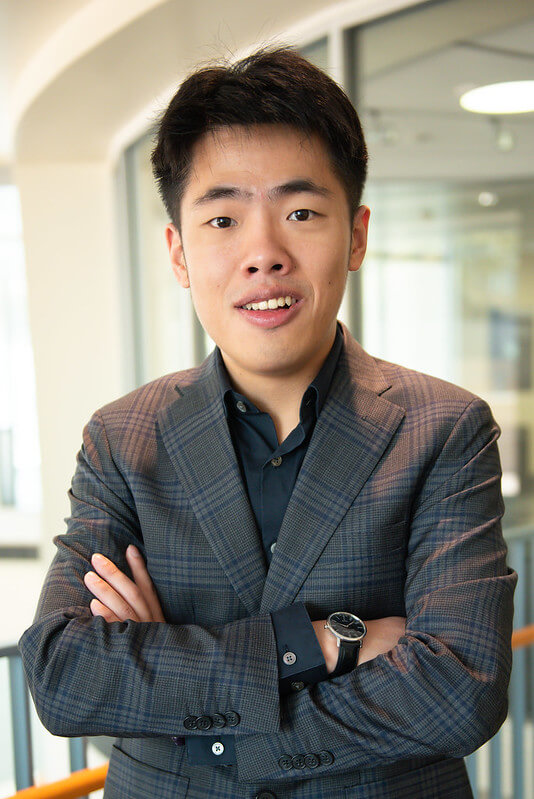
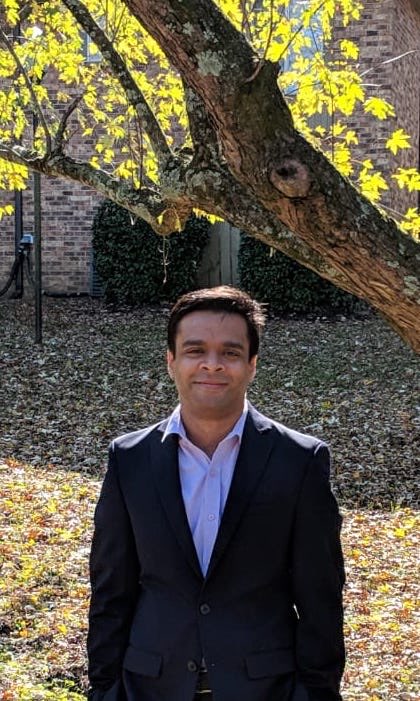
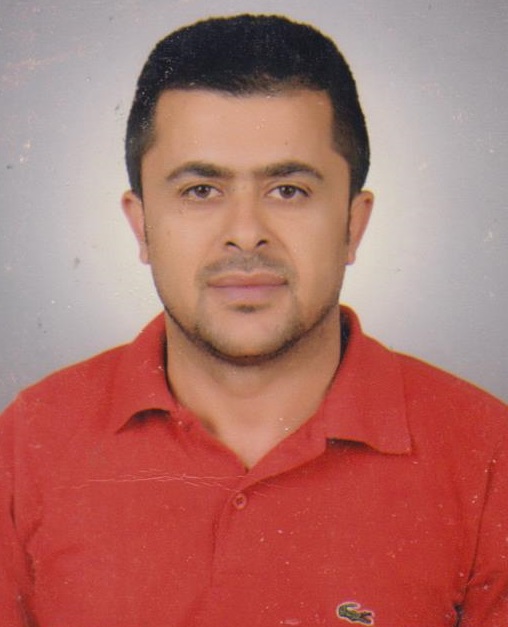
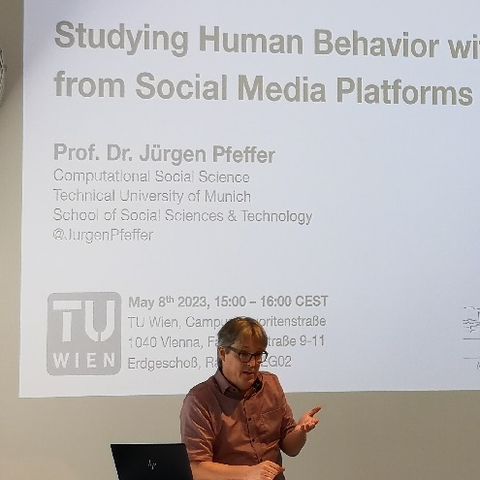
Quan Zhou is an Assistant Professor in the Department of Statistics at Texas A&M University, part of the College of Arts & Sciences. His research focuses on developing advanced sampling methods, particularly Markov chain Monte Carlo (MCMC) algorithms, with applications in Bayesian methodology, variable selection, stochastic optimization, and statistical genetics. He holds a BS from Fudan University and a PhD from Baylor College of Medicine, followed by a postdoctoral fellowship at Rice University. He teaches courses such as Mathematical Probability, Multivariate Analysis, and Advanced Stochastic Processes. Notable contributions include work on informed MCMC samplers, Schrödinger bridge theory, and high-dimensional structure learning. He advises PhD students like Hyunwoong Chang (now at UT Dallas) and Guanxun Li (Beijing Normal University). Active in academic service, he served as President of the Southeastern Texas Chapter of the American Statistical Association (SETCASA).
Dr. Jeanie Sheffield is an Honorary Associate Professor at the School of Psychology, University of Queensland. She maintains an active research profile with numerous publications spanning clinical psychology, child development, and mental health interventions. Her work primarily focuses on supporting children with neurodevelopmental conditions and their families through evidence-based interventions. Dr. Sheffield's research interests span several key areas in clinical psychology and child development. She has made significant contributions to understanding and addressing the needs of children with autism spectrum disorder, cerebral palsy, and other neurodevelopmental conditions. Her work particularly emphasizes parenting interventions, with a strong focus on Acceptance and Commitment Therapy (ACT) approaches delivered through both traditional and innovative online formats. She has also conducted important research on depression prevention in adolescents, eating disorders, and the development of quality of life measures for children with chronic health conditions. Analysis of Dr. Sheffield's recent publications reveals a consistent focus on evidence-based interventions for children with neurodevelopmental conditions and their families. Her work demonstrates a progression from foundational research on depression prevention and eating disorders toward more specialized interventions for children with autism spectrum disorder and cerebral palsy. A notable trend is her increasing use of digital and online platforms to deliver psychological interventions, making evidence-based care more accessible to families. Her research often employs rigorous methodologies including randomized controlled trials and systematic reviews. Dr. Sheffield has been involved in significant collaborative research projects, particularly those focused on: Parenting interventions for children with cerebral palsy using Acceptance and Commitment Therapy Mental health support for Indigenous populations through digital platforms Development and validation of quality of life measures for children with chronic health conditions Interventions for children with autism spectrum disorder and related conditions
Dr. Akbar Siami Namin is a Professor in the Department of Computer Science at Texas Tech University's Whitacre College of Engineering . He leads the AdVanced Empirical Software Testing & Analysis (AVESTA) research group and contributes to cybersecurity, software engineering, and program analysis. Ph.D., Computer Science, University of Western Ontario (2008) M.S., Lakehead University/University of Western Ontario (2004) Research Interests : Dr. Namin specializes in Natural Language Processing , Software and Cyber Security , Machine Learning , Time Series Analysis , Modeling Human Factors , and Program Analysis . His work bridges security testing , mutation analysis , and empirical software engineering . Publications : His research spans sonification of security threats , keystroke dynamics , statistical fault localization , and mutation testing , with recent works published at CHI , ICMLA , and CyberWorlds (best paper award 2015). Scientific Awards : Best Paper Award at CyberWorlds 2015; 'Most Influential Professor' recognition by Computer Science undergraduates (2012). Students & Grants : Supervised numerous Ph.D. and Master's students, including Alaa Darabseh and Xiaozhen Xue. Secured over $1M in NSF grants for projects like CyberCorps Capacity Building , Security Sonification , and Cybersecurity Education for Community Colleges .
Kuldeep S. Meel is the Stephen Fleming Early-Career Associate Professor at Georgia Institute of Technology's School of Computer Science and an Associate Professor at the University of Toronto (currently on leave). His research focuses on the intersection of Formal Methods and Artificial Intelligence, emphasizing scalable automated reasoning techniques. He holds prestigious awards including the 2022 ACP Early Career Researcher Award and the 2019 NRF Fellowship for AI. His work has been recognized with multiple best paper awards at conferences like ICLP, CAV, and IJCAI. Meel's research spans automated reasoning, formal methods, and their applications in AI. He has developed influential tools like ApproxMC and UniGen, advancing model counting and uniform sampling. His academic journey includes roles at NUS and collaborations with institutions globally. Teaching excellence is highlighted by NUS Annual Teaching Awards (2022, 2023). Awards include Distinguished Paper Awards at CAV-23 and CAV-24, and 1st place in Model Counting Competitions. His lab has produced notable advisees securing tenure-track positions worldwide. Current projects explore distribution testing, probabilistic reasoning, and AI verification.
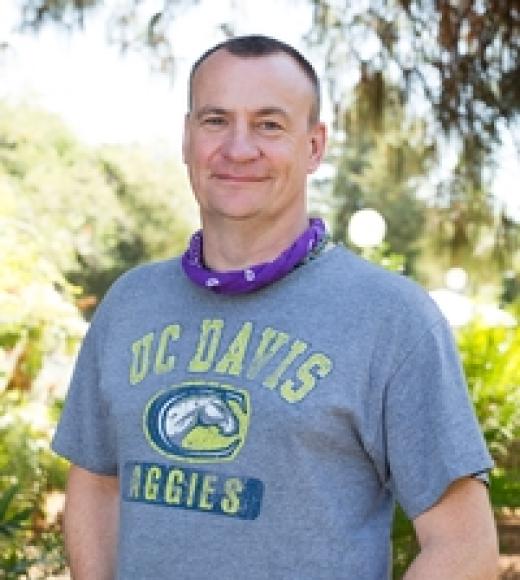
Neil McRoberts is a Professor of Plant Pathology at the University of California, Davis, and Director of the Western Plant Diagnostic Network. His research focuses on plant disease epidemiology, systems modeling, and bio-economic analysis of plant diseases. He investigates strategies for managing invasive pathogens, optimizing disease detection methods, and understanding the socio-economic dimensions of agricultural disease management. McRoberts has contributed extensively to studies on Huanglongbing (citrus greening), grapevine leafroll disease, and spinach downy mildew, emphasizing collective action challenges in plant health provision. His work integrates molecular diagnostics, spore trapping, and behavioral economics to address both technical and institutional barriers in disease management. His research spans multiple scales from molecular diagnostics to global crop health assessments, with a focus on translating scientific insights into actionable policies and practices. McRoberts collaborates with growers, policymakers, and international organizations to develop sustainable solutions for crop disease challenges. Notable contributions include frameworks for optimizing phytosanitary thresholds and evaluating the economic impacts of disease management strategies. His lab (QBELab) emphasizes interdisciplinary approaches combining epidemiology, modeling, and social science perspectives. Key Areas: Disease forecasting, collective action in agriculture, citrus disease management, spore dispersal modeling Affiliations: Western Plant Diagnostic Network, UC Davis Plant Pathology Department Methodologies: Systems modeling, economic analysis, citizen science surveillance McRoberts' recent work highlights the critical role of volunteer networks in early disease detection and the importance of aligning economic incentives with sustainable agricultural practices to combat invasive pathogens effectively.
Professor Kazuya Koyama is a leading scholar in theoretical cosmology at the University of Portsmouth's Institute of Cosmology and Gravitation (ICG), part of the Faculty of Technology. His research focuses on understanding the origin of cosmic structure and the late-time acceleration of the Universe, with a particular emphasis on modified gravity theories as alternatives to dark energy. He has held prestigious awards including the Philippe Leverhulme Prize (2009) and the Young Scientist Award from the Physical Society of Japan (2010). His work is funded by major grants like the ERC Consolidator Grant 'Cosmological Tests of Gravity' and previously the ERC Starting Grant 'Modified Gravity Models as an Alternative to Dark Energy'. Education: PhD in Theoretical Physics from Kyoto University (2002). Key collaborations include the Euclid space mission and joint projects with Kyoto University, recognized by the Daiwa-Adrian Prize (2010). His research integrates advanced numerical simulations (e.g., MGCAMB, COLA methods) and observational analysis for cosmological probes like the Euclid telescope and SDSS surveys. Key themes include testing general relativity on cosmological scales, emulating gravity models, and analyzing large-scale structure data. Research Interests: Structure formation, cosmic acceleration, modified gravity, dark energy, stochastic inflation, and cosmological parameter inference. Current projects emphasize Euclid mission preparations, nonlinear structure simulations, and constraining gravity theories using redshift-space distortions and weak lensing. Grants & Collaborations: ERC Consolidator Grant (2014–present), STFC support, Royal Society International Joint Project with Kyoto University. Active in international initiatives like the Novel Probes Project and Euclid Consortium, focusing on gravity tests and cosmological parameter estimation. Labs/Teams: Leads research groups at ICG on cosmological tests of gravity, large-scale structure analysis, and modified gravity simulations. Collaborates with global teams on Euclid mission data exploitation and N-body simulation development.
Professor Theodore Papamarkou is a leading researcher in Bayesian and topological approaches to deep learning, with a focus on healthcare applications. His work addresses scalability challenges in machine learning by integrating Bayesian inference and topological data analysis into deep learning frameworks. He contributes to the UN Sustainable Development Goals through his research in Digital Futures and the Centre for Digital Trust and Society. Key projects include collaborations on financial crime prevention and digital trust. He received the 2023 ECML PKDD best paper award and serves as Editor-in-Chief of ACM Transactions on Probabilistic Machine Learning. His research spans topics like uncertainty quantification, material microstructure analysis, and predictive model interpretability. Professor Papamarkou has contributed to 19 peer-reviewed publications and actively participates in academic activities such as editorial work and conference organization. His interdisciplinary approach bridges computer science, statistics, and healthcare, emphasizing ethical and practical AI applications.
Joannes J. Westerink is the Joseph and Nona Ahearn Professor in Computational Science and Engineering at the University of Notre Dame, concurrently holding professorships in Aerospace and Mechanical Engineering, Applied and Computational Mathematics and Statistics, and Computer Science and Engineering. He leads the EFM Laboratory, focusing on computational fluid mechanics, finite element methods, and coastal ocean modeling. His research emphasizes storm surge prediction, tidal hydrodynamics, and geophysical turbulence modeling. Westerink holds a Ph.D. from MIT (1984). His work integrates advanced numerical techniques with real-world applications, such as NOAA's STOFS-2D-Global system for global water level forecasting and the UFS-Coastal modeling framework. He has developed high-resolution unstructured mesh models for coastal regions, enhancing predictions of hurricane impacts and compound flooding. His scientific contributions include over 150 peer-reviewed articles, with recent focus on machine learning corrections for operational models, probabilistic storm surge guidance, and global hindcasting. He received the endowed Ahearn Professorship for his transformative work in computational science and engineering. Key grants and collaborations involve NOAA, NASA, and NSF, advancing coastal resilience and climate modeling. His research spans academic, governmental, and industry partnerships, with applications in disaster risk reduction and environmental policy.
Laurence Claes is a Professor and Head of Clinical Psychology at KU Leuven's Faculty of Psychology and Educational Sciences. His academic career spans multiple research domains with a focus on psychopathology, particularly eating disorders and non-suicidal self-injury (NSSI), examined through the lens of identity formation processes. He maintains strong affiliations with the LC&Y - KU Leuven Institute for Child and Youth and serves on several important committees including the Faculty Doctoral Committee for Psychology and Educational Sciences as ombudswoman for KU Leuven staff. Professor Claes' research primarily investigates the complex relationship between identity development and various forms of psychopathology, with special attention to adolescents and emerging adults. His work consistently demonstrates how identity processes serve as both risk and protective factors across multiple clinical presentations. He employs diverse methodologies including longitudinal studies, ecological momentary assessment, and both community and clinical samples to examine these relationships. Analysis of his recent publications reveals consistent thematic patterns across his work. His research shows strong connections between identity functioning and eating disorders, non-suicidal self-injury, body image concerns, and personality pathology. He frequently examines how identity processes mediate relationships between other psychological constructs and clinical outcomes. His work spans multiple contexts including cancer survivorship, athletic performance, and digital environments. Professor Claes actively supervises numerous doctoral candidates and collaborates extensively with researchers both within KU Leuven (particularly with Koen Luyckx) and internationally. His work appears in high-impact journals across psychology, psychiatry, and related fields, demonstrating the transdisciplinary nature of his research. His teaching responsibilities include courses on clinical diagnostics for adults and the elderly (P0V88A, P0X60A), psychological interventions (P0W42A, P0N41B), single-case research (P0X93A), and clinical psychology practicum (P0Y05A, P0W57A, P0Y08A), indicating his commitment to both research and clinical training.
Jane Kershaw is the Gad Rausing Associate Professor of Viking Age Archaeology at the University of Oxford, specializing in Early Medieval and Viking-Age archaeology with a geographic focus on Northwest Europe, particularly Britain and Scandinavia. Her work centers on Scandinavian settlements in Britain, Viking silver economies, and gender/cultural identity through interdisciplinary archaeological, archaeometric, and numismatic approaches. Her research critically examines the Viking Age (c. 750-1050 AD) through material culture analysis, with core interests in silver provenance, bullion economies, and gender dynamics. She integrates scientific methods like lead isotope analysis with traditional archaeology to investigate trade networks, resource exploitation, and cultural interactions across Eurasia, emphasizing how material practices shaped identity and social structures in frontier zones of the Viking world. Analysis of her 15 most recent publications reveals dominant trends in archaeometric silver studies (80% of works), with strong focus on provenance methodologies, bullion economy mechanics, and cross-cultural exchange networks. Key themes include Islamic dirham circulation, Scandinavian settlement patterns, and innovative analytical techniques for non-destructive metal analysis, demonstrating consistent interdisciplinary rigor across temporal and geographic scales. Her scientific awards include: ERC Starting Grant (Silver and the Origins of the Viking Age, 2019-ongoing) Leverhulme Early Career Fellowship (Britain’s Viking Silver Hoards, 2017–2019) British Academy Post-Doctoral Fellowship (The Bullion Economy of Viking England, 2012-2017) Junior Research Fellowship, Balliol College, Oxford (2012-2014) Randall MacIver Studentship, Queen’s College, Oxford (2010-2011) Dr Kershaw actively supervises doctoral research including Anthony Del Rio's DPhil on Viking-Age Scandinavian settlement in northern England. Her ERC-funded project coordinates an international team conducting large-scale silver analysis, while her British Academy and Leverhulme fellowships established foundational research on Viking bullion economies. She maintains extensive museum collaborations for hoard analysis and public engagement through media appearances. She leads the ERC-funded "Silver and the Origins of the Viking Age" project with a dedicated research team, maintains an active research blog for public dissemination, and engages in knowledge exchange through BBC Radio 4's In Our Time program on Viking historical impacts.
Peter Tankov is a Professor of Quantitative Finance at ENSAE (the French national school for statistics and economic administration), part of the Institute Polytechnique de Paris. He is also a researcher at CREST and member of the FIME Laboratory. His academic career includes previous positions at Paris-Cité University and Ecole Polytechnique. Dr. Tankov specializes in applied probability and stochastic processes, with current research interests spanning quantitative finance, energy finance, green finance, sustainable finance, and mean field games applications to economics. His work bridges mathematical rigor with practical financial applications, particularly in the context of climate change and environmental transition. His research output shows a clear trend toward climate-related finance, with recent publications focusing on carbon pricing, transition risk modeling, energy market dynamics, and sustainable investment strategies. The articles demonstrate a strong interdisciplinary approach combining mathematical finance, game theory, and climate science to address pressing environmental finance challenges. 2016 Best Young Researcher in Finance award of the Europlace Institute of Finance 2024 Louis Bachelier award of London Mathematical Society, Natixis Foundation and SMAI Professor Tankov serves as scientific director of the Green and Sustainable Finance program at Louis Bachelier Institute and is a member of editorial boards for top quantitative finance journals including Mathematical Finance and Finance and Stochastics. He is currently guest editing a Special Issue on Climate and Nature Risk in Mathematical Finance. His teaching includes courses on green finance, energy risk management, and financial derivatives.
Dominik Fay is a Researcher at the Division of Decision and Control Systems within Kungliga Tekniska Högskolan (KTH). His work focuses on federated machine learning, data privacy, and their applications in healthcare. He is supported by the Wallenberg AI, Autonomous Systems and Software Program (WASP) through their industrial PhD program in collaboration with Elekta, a healthcare technology company. Education: MSc in Computer Science from KTH (2019) BSc in Applied Computer Science from Heidelberg University (2017) His research primarily addresses privacy challenges in distributed machine learning environments. Key contributions include methods for locally differentially private federated learning, dynamic privacy allocation, and privacy amplification techniques tailored for healthcare applications. His work also explores the intersection of machine learning and medical imaging, particularly in segmentation tasks requiring stringent privacy guarantees. Dominik's publications reflect a strong emphasis on data privacy, federated learning, and healthcare applications. Recent articles focus on correlated noise in federated learning, privacy allocation for composite objectives, and privacy-preserving medical image segmentation. Earlier works extend into smart grid privacy, metabolomics data analysis, and scalable privacy-preserving algorithms. Grants and Collaborations: Supported by WASP Industrial PhD Program Collaboration with Elekta, a leader in healthcare technology He is part of Mikael Johansson's research group, which specializes in decision and control systems, and his work aligns with broader efforts in privacy-preserving AI and machine learning for sensitive healthcare data.
Dr. Ayan Mukhopadhyay serves as a Senior Research Scientist in the Department of Electrical Engineering and Computer Science at Vanderbilt University's School of Engineering. Previously, he was a Post-Doctoral Research Fellow at Stanford Intelligent Systems Lab where he received the 2019 CARS post-doctoral fellowship. His academic journey includes a Ph.D. from Vanderbilt University's Computational Economics Research Lab with a doctoral thesis nominated for the Victor Lesser Distinguished Dissertation Award 2020. His research spans critical domains in smart infrastructure systems with particular focus on: Developing robust decision-making frameworks for cyber-physical systems under uncertainty Creating multi-agent solutions for emergency response optimization Designing machine learning approaches for urban mobility and energy management Building proactive incident detection pipelines using heterogeneous data sources Analysis of his recent publications reveals strong thematic continuity in applying artificial intelligence to real-world infrastructure challenges, particularly in transportation systems, emergency response, and energy management. His work consistently bridges theoretical AI advances with practical implementation in smart city contexts, demonstrating expertise in both algorithmic innovation and systems integration. Award highlights include: CARS Post-Doctoral Fellowship (2019) Best Paper Award at ICLR's AI for Social Good Workshop Victor Lesser Distinguished Dissertation Award Nomination (2020) Dr. Mukhopadhyay leads significant research initiatives through ScopeLab, focusing on creating deployable solutions for public transit, emergency response, and energy systems. His work on vehicle-to-building charging, traffic incident localization, and equitable transit network design demonstrates commitment to solving high-impact urban challenges through rigorous computational methods. Current projects involve developing simulation environments for non-stationary environments (NS-Gym) and explainable planning frameworks integrating formal logic with large language models.
Professor MUSTAFA METE is a faculty member at Gaziantep University, Faculty of Economics and Administration, Department of International Trade and Logistics. He has been serving as a Professor since 2023, having previously held the positions of Associate Professor (2017-2023) and Assistant Professor (2013-2017) at the same institution. His academic career spans various roles including department chair, vice chair, and institute deputy director. His educational background includes: Doctorate in Economics (2009-2013) from Kahramanmaraş Sütçü İmam University Institute of Social Sciences Master's in Business Administration (2006-2008) from Kahramanmaraş Sütçü İmam University Institute of Social Sciences Licence in Economics (1998-2002) from Atatürk University Faculty of Economics and Administrative Sciences Professor METE's research focuses on International Economics, International Trade, Strategic Foreign Trade Policies, and Economic Integration. His work particularly emphasizes Emerging Market Economies and Developed Country Economies, with numerous publications analyzing trade relations within Turkic states and regional economic development. His research methodology combines theoretical frameworks with empirical analysis of trade patterns and economic indicators. A significant portion of his work addresses practical applications of trade theory to regional economic development in Southeastern Turkey. His recent publications show a trend toward practical applications of international trade theory, with increasing focus on diaspora tourism, green consumer behavior, service quality in tourism infrastructure, and financial literacy. His work bridges theoretical economic concepts with practical trade policy considerations, particularly in the context of Turkey's position between Europe and Asia, with special attention to Turkic states' economic cooperation. Professor METE has received the following scientific award: 2016 Sivil Toplum Kuruluşu 20. ULUSLARARASI TÜRK DÜNYASINA HİZMET ÖDÜLÜ from Türk Dünyası Yazarlar ve Sanatçılar Vakfı Professor METE has supervised numerous graduate students, including 4 doctoral candidates and 22 master's students. His research has been supported by projects including "International Trade Risks and Management: A Sample Application" (2021-2022) which was completed as a national scientific research project supported by Higher Education Institutions, with him serving as the principal investigator. He has also participated in the international project "Turkic World Citizenship from an Intercultural Education Perspective" (2014-2016) as a researcher. Professor METE has taught a wide range of courses at all academic levels, from undergraduate courses like "International Political Economy" and "International Economics and History of Globalization" to graduate courses such as "Advanced International Economics" and "International Economic Analysis." His teaching reflects his research interests, emphasizing practical applications of international trade theory with relevance to Turkey's strategic position between Europe and Asia.
Jürgen Pfeffer is a Professor of Computational Social Science & Big Data at the Technical University of Munich's School of Social Sciences and Technology, with an additional appointment as Adjunct Professor at Carnegie Mellon University's Institute for Software Research. His interdisciplinary work bridges computer science and social science with a focus on analyzing large-scale socio-technical systems. His research expertise spans computational social science, network analysis, and big data methodologies. Pfeffer's work examines methodological, algorithmic, and theoretical challenges in analyzing dynamic social systems, with current projects focusing on modeling and detecting negative dynamics from social media, particularly online firestorms and hate speech against politically active women. His research combines network science approaches with computational methods to understand complex social phenomena. Pfeffer's publication record demonstrates significant contributions to the field since his 2010 doctorate, with high-impact papers in journals like Science and EPJ Data Science. His work on social media analysis, particularly the influential 2014 Science paper 'Social Media for Large Studies of Behavior' co-authored with Derek Ruths, has shaped methodological approaches in the field. His research shows consistent evolution from foundational network analysis to contemporary applications in political discourse, hate speech detection, and multi-layer network analysis. Hennig, M., Brandes, U., Pfeffer, J., & Mergel, I. (2012). Studying Social Networks. A Guide to Empirical Research Ruths, D., & Pfeffer, J. (2014). Social Media for Large Studies of Behavior Pfeffer, J., Morstatter, F., & Mayer, K. (2018). Tampering with Twitter's Sample API As an advisor and collaborator, Pfeffer has worked extensively with researchers including Raji Ghawi, Mirco Schönfeld, Momin Malik, and Kathleen Carley. His work demonstrates strong connections between theoretical network science and practical applications in social media analysis. His current research continues to address pressing issues in online discourse, with recent work focusing on hate speech classification, lexical change in negative word-of-mouth, and polarization dynamics in social media environments. Pfeffer leads the Pfeffer Lab, which focuses on developing methodological approaches for analyzing complex social systems through computational methods. His work has implications for understanding political legitimacy, social influence, and community dynamics in both online and offline contexts.