Ronda Loمشاهده پروفایل
استادیار
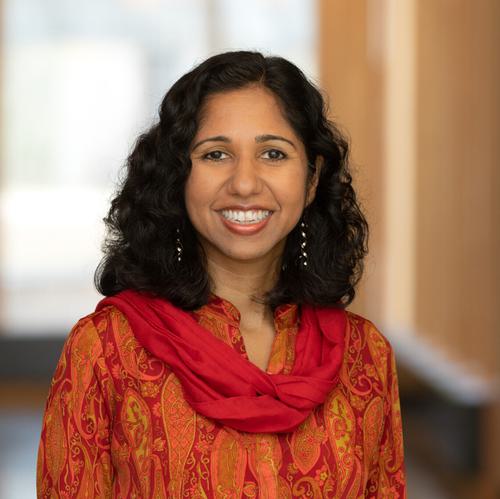
Ronda Lo is an Assistant Professor in the Department of Psychology at Toronto Metropolitan University, Faculty of Arts. Her research explores how culture shapes and is shaped by individuals, with a focus on cultural psychology, cognition, and intercultural dynamics. She is affiliated with the Culture, Origins, and Diversity Evolution (CODE) Lab, where she leads interdisciplinary research at the intersection of social, cognitive, and biological processes. Her educational background includes a PhD in Psychology (Social-Personality) with a Quantitative Methods Diploma from York University, and an undergraduate degree from the University of Toronto, Mississauga. Prior to her current position, she was a SPARQ Media Fellow at Stanford University’s Department of Psychology. Dr. Lo's research interests center on three main themes: (1) how culture and diversity influence social, cognitive, and biological mechanisms underlying interactions; (2) the experiences of culturally minoritized individuals in institutions such as healthcare, education, and justice; and (3) the role of media in shaping attitudes toward race and diversity. She employs diverse theoretical and methodological approaches, including culture-gene coevolution frameworks and experimental designs. Her recent publications span topics such as colorism, lay beliefs about culture, multilingualism, religiosity, and social attention. These works reflect a strong interdisciplinary trend combining psychology with sociology, linguistics, and public health, often using advanced statistical methods and collaborative science projects like the Many Analysts Religion Project. Dr. Lo is actively involved in training future scholars, emphasizing experiential learning and statistical literacy. She currently welcomes applications from prospective MA/PhD students for Fall 2026 admission into TMU's Psychological Science program. She previously worked as a statistician at SickKids Research Institute, which informs her teaching and mentorship philosophy focused on building independence, confidence, and technical skills in students.