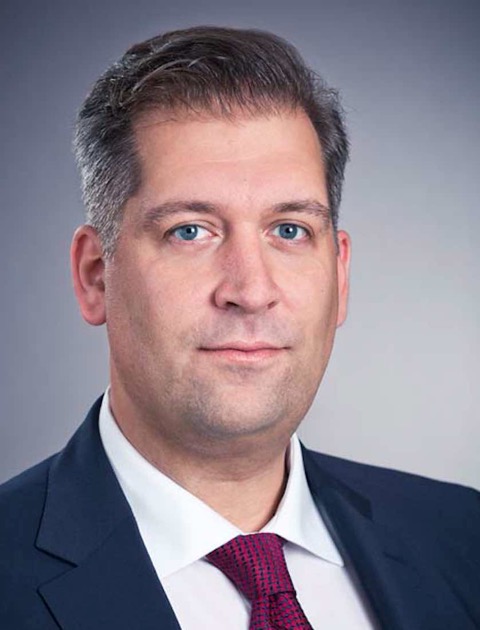
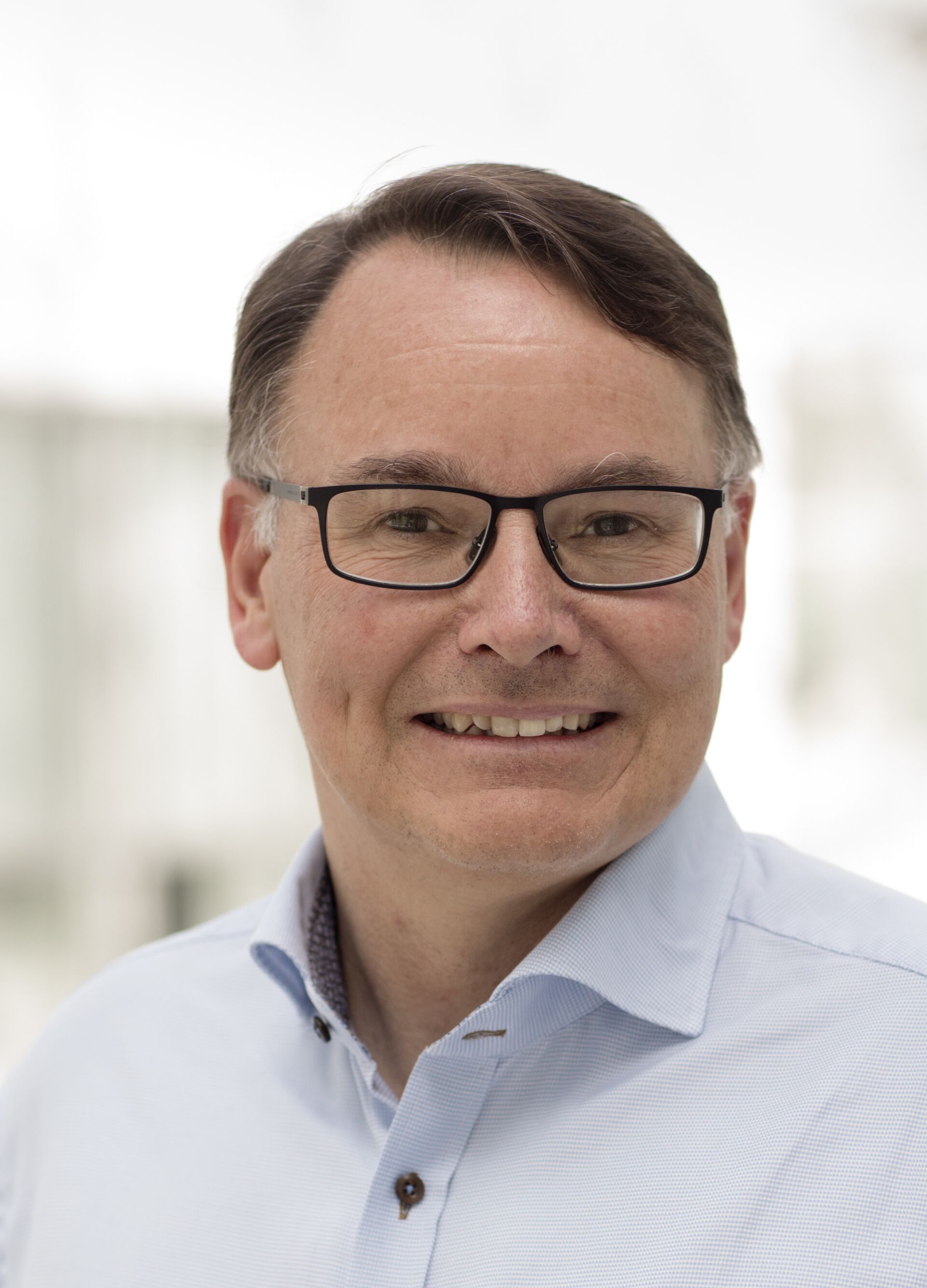
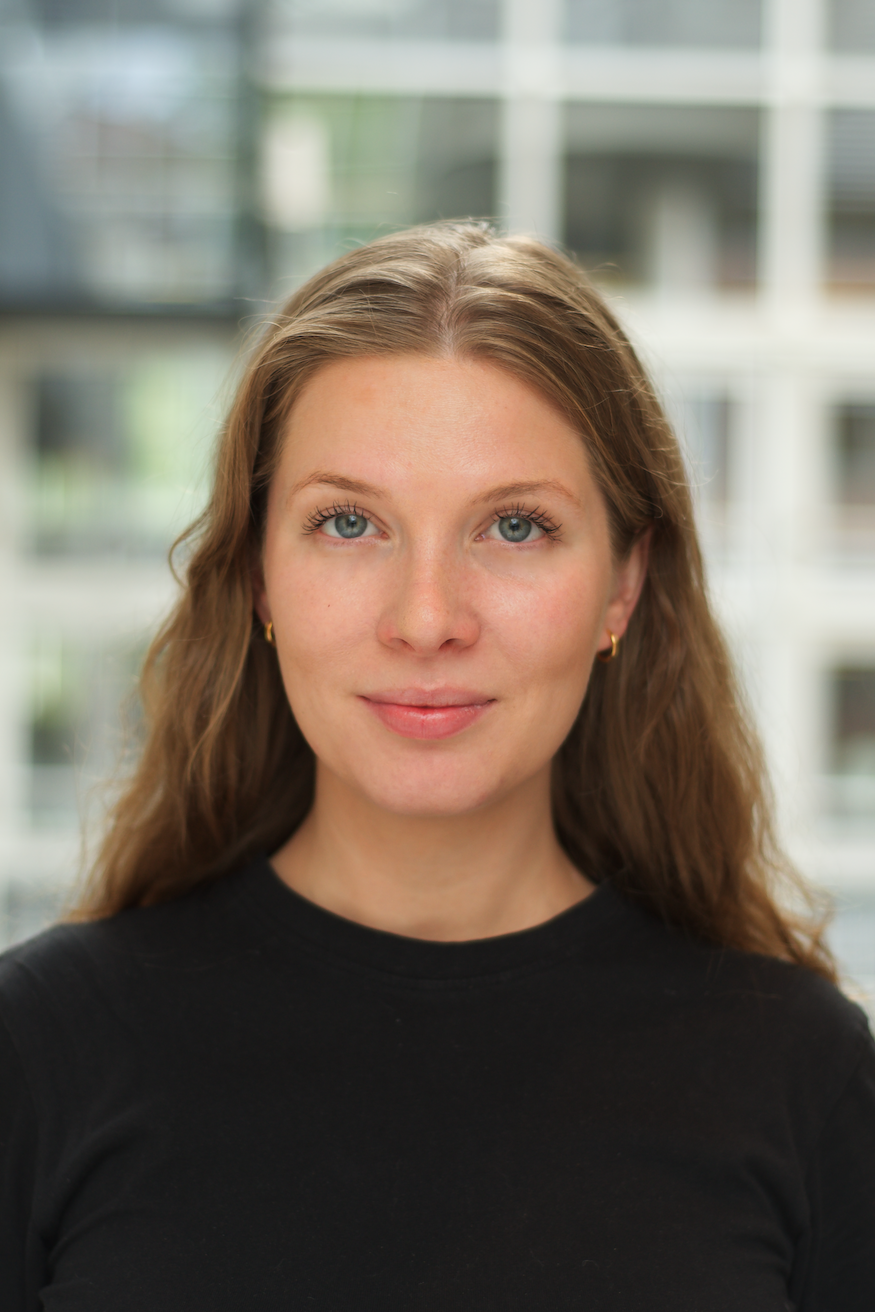
Jim Torresen is a Professor at the Norwegian University of Science and Technology (NTNU), specializing in Computer Science, Artificial Intelligence, and Robotics. He earned his M.Sc. and Dr.ing. (Ph.D.) in computer architecture and design from NTNU in 1991 and 1996 respectively, followed by industry experience in hardware design before transitioning to academia in 1999. Research Interests: His work spans Machine Learning, Evolvable Hardware, and Ethical AI, with notable contributions to music technology, facial expression recognition, and healthcare monitoring systems. He actively explores interdisciplinary applications of AI in creative domains and clinical environments. Publications & Editorial Roles: Torresen has published extensively in journals like Frontiers in Artificial Intelligence and Genetic Programming and Evolvable Machines . He serves as a Topic Editor for Frontiers in Explainable AI and has editorial roles in robotics and biomedical AI domains.
Snorre Aunet is a Professor at the Department of Electronic Systems at the Norwegian University of Science and Technology (NTNU), with additional roles as an Adjunct Professor at the Department of Informatics, University of Oslo. His academic career spans institutions in Norway, Germany, and the USA, including sabbaticals at Bielefeld University and University of California, San Diego. Education: Electronics Engineering (Trondheim Technical College, 1987), Informatics (UiO, 1993), and Physical Electronics (NTNU, 2002) Research Focus Dr. Aunet specializes in ultra-low-power mixed-signal integrated circuits and nanoscale CMOS technologies . His work includes innovative MEMS transducer designs for energy harvesting, digital IC development, and robust circuit solutions for emerging semiconductor challenges. Recent Publications His recent contributions include advancements in MEMS technology for sustainable energy systems, editorial leadership at NorCAS conferences, and policy discussions on the European Chips Act. These reflect expertise in both cutting-edge design and strategic technology development. Scientific Recognition 2019: Elected to Norwegian Academy of Technical Sciences (NTVA) 2015: Best Paper Award at Asia Symposium on Quality Electronic Design 2006: IEEE Senior Member (Electron Devices Society) 2003: Best Poster Award at Int'l Conf. on Evolvable Systems Leadership & Grants He has chaired multiple IEEE conferences and contributed to projects like Robust Ultra-Low-Power Circuits for Nano-Scale CMOS (NTNU/University of Paderborn). His career combines academic leadership with industry collaboration through Nordic Semiconductor and international research councils.
Helge Langseth is a Professor at the Department of Computer Technology and Informatics , within the Faculty of Information Technology and Electrical Engineering at the Norwegian University of Science and Technology (NTNU). His research focuses on Artificial Intelligence , Machine Learning , and Probabilistic Graphical Models , particularly Bayesian Networks and their applications in Decision Support Systems . Langseth's work addresses Explainable AI (XAI) , Reinforcement Learning , and Recommender Systems . He has contributed to Bayesian Optimization , Probabilistic Modeling , and Robotic Control in oceanic environments. His recent publications emphasize transparency , fairness , and scalability in AI systems, with applications spanning maritime trade, migraine diagnosis, and power grid management. He is affiliated with the Intelligent Systems Research Group at NTNU and actively mentors doctoral and master's students. Co-authored works with Yanzhe Bekkemoen , Sverre Herland , and Jørgen Hanssen reflect his role in advising the next generation of AI researchers.
Georgios Neokleous is a Professor of English in the Department of Teacher Education at the Norwegian University of Science and Technology (NTNU), within the Faculty of Social and Educational Sciences. He holds a PhD in Education from Saint Louis University (2014), focusing on home language use in EAL classrooms. His career began as an EFL/ESL teacher, with extensive experience across Europe and the U.S., and he has developed specialized courses for diverse learner groups. Neokleous’ research emphasizes multilingualism, translanguaging pedagogy, and inclusive literacy practices in linguistically diverse classrooms. Education: PhD in Education, Saint Louis University, 2014 Masters and Bachelor’s degrees (implied, not explicitly stated) Research Interests: Neokleous explores the integration of students’ home languages in EAL settings, translanguaging as a pedagogical tool, and assessment strategies in multilingual environments. His work bridges theory and practice, addressing challenges in teacher education and classroom diversity. Recent trends in his publications highlight cross-national comparisons (e.g., Norway-Cyprus studies), innovative teaching methodologies, and the role of technology in modern classrooms. Advising & Grants: Supervises students at BA, MA, and PhD levels. Collaborates with international researchers like Anna Krulatz and Sviatlana Karpava. Active in organizing academic events, including TESOL International and ECER conferences. Labs/Teams: Engaged in collaborative research groups focused on multilingual education, such as the ‘Learning and Teaching English in the Multilingual Classroom’ initiative. His work often intersects with institutions like the University of Cyprus and Multilingual Matters publishing.
Emilia Andersson-Bakken is an Associate Professor at Oslo Metropolitan University, affiliated with the Faculty of Education and International Studies and the Department of Primary and Secondary Teacher Education. She teaches and supervises student teachers at bachelor’s, master’s, and PhD levels, contributing significantly to initial teacher education. Her academic work is deeply rooted in classroom research, with a focus on critical thinking, creativity, and classroom discourse in primary education. Her research interests include classroom research , initial teacher education , critical thinking , creativity , and classroom discourse . These themes are reflected in her ongoing involvement in key research projects such as KriT (Critical Thinking in Primary Education), Beyond access: improving quality of early years reading instructions in Ethiopia , and Classroom activities for the six-year-olds – 20 years on (Klassprax_20) . These projects emphasize pedagogical innovation, teacher facilitation, and literacy development in early schooling. The trends in her recent publications reveal a strong commitment to advancing critical thinking through children’s literature, dialogic teaching, and teacher-led inquiry. Her work spans both theoretical and practical dimensions, with a recurring emphasis on how teachers can foster student agency and reflective thinking in primary classrooms. She frequently publishes in educational journals and contributes to edited volumes focused on pedagogy and literacy. She has received no explicitly mentioned scientific awards in the provided text. Emilia supervises students at multiple levels and is actively involved in research funding and dissemination efforts through national and international conferences. Her work is supported by collaborative research teams and institutional frameworks at OsloMet. While no specific grants are named, her participation in multi-year, interdisciplinary projects indicates substantial research support and academic leadership. She is part of the research group Classroom Research and contributes to Research and Development Work on the Lower Primary Level With a Focus on Initial Education . These groups focus on observational studies, curriculum evaluation, and teacher development in early education contexts.
Hilde Fiva Buzungu is an Associate Professor in the Department of Social Work, Child Welfare and Social Policy at Oslo Metropolitan University, Faculty of Social Sciences. Her work bridges social anthropology, applied linguistics, and public policy, with a strong focus on language and communication in welfare services for minority language speakers. Her research interests include: Language discordance and interpreter-mediated communication in social work and healthcare Multilingualism and migration Professional practices in child welfare and public administration Interpreter training and quality assurance Human rights and minority inclusion Intersectionality in social services Buzungu's recent publications (2020–2024) reveal a consistent focus on the challenges of language access in public institutions such as NAV, child welfare, and hospitals. Her work critically examines how language barriers affect service delivery, professional decision-making, and equity. She investigates systemic issues in interpreter availability, quality, and integration, particularly during crises like the Ukrainian refugee influx. Her research combines ethnographic methods with policy analysis, emphasizing the 'space between' where meaning is negotiated across languages and cultures. She has contributed extensively to both academic and public discourse, publishing in journals like Nordic Social Work Research and Kritisk juss , as well as producing key reports for governmental bodies like Integrerings- og mangfoldsdirektoratet and Oslo University Hospital. Her book Language Discordant Social Work in a Multilingual World: The Space Between (2023) synthesizes her core themes. Buzungu actively disseminates her findings through public lectures, media engagement, and policy forums, advocating for improved language services in the Norwegian public sector. She is affiliated with the research group on Professional Qualification and Professional Practices in Social Work and Child Protection.
Thomas Michael Sattich is an Associate Professor at the University of Stavanger , affiliated with the Faculty of Social Sciences and Department of Media and Social Studies . His research focuses on geopolitical implications of sustainability transitions, particularly energy policy interdependence and EU-China relations. PhD in Political Science and Economics Expertise in qualitative methods, mixed methods (cluster analysis), and data visualization Lead researcher on EU-funded digital climate negotiation simulation projects His recent publications examine renewable energy geopolitics, industrial policy competition, and sustainability education frameworks. Methodologically, he specializes in Qualitative Comparative Analysis (QCA) and network analysis, contributing to debates on energy security and regional cooperation.
Filippo Maria Bianchi is an Associate Professor in the Department of Mathematics and Statistics at UiT The Arctic University of Norway, where he conducts research at the intersection of machine learning, dynamical systems, and complex networks. He is also a Senior Researcher at NORCE Norwegian Research Centre and actively contributes to the IEEE Task Force on Learning for Structured Data and the ELLIS Society. Department: Department of Mathematics and Statistics School: Faculty of Science and Technology University: UiT The Arctic University of Norway Adjunct Position: Senior Researcher, NORCE Education: Bachelor’s in Computer Engineering, Sapienza University of Rome Master’s in Artificial Intelligence & Robotics, Sapienza University of Rome (cum laude, 2012) PhD in Machine Learning, Sapienza University of Rome His research focuses on graph machine learning, time series analysis, reservoir computing, and probabilistic forecasting , with applications in energy analytics and remote sensing. He has led and contributed to numerous projects involving Arctic power grids, satellite-based environmental monitoring, and deep learning for sustainability. The recent publications reflect a strong trend in graph neural networks —particularly pooling mechanisms, spatiotemporal modeling, and explainability—alongside applications in energy forecasting, avalanche detection, and remote sensing . His work combines theoretical innovation with real-world impact, especially in Arctic and remote environments. Scientific Affiliations and Leadership: Vice-Chair, IEEE Task Force on Learning for Structured Data Member, ELLIS Society Co-founder, Northernmost Graph Machine Learning group Member, IEEE Task Force on Reservoir Computing Visiting Professor, Politecnico di Milano (2024–2025) He actively mentors students and collaborates on interdisciplinary research. He has led projects in power grid reliability, solar fault detection, and unsupervised change detection in satellite imagery . His work is supported by open-source implementations and reproducible research practices. Laboratories and Research Groups: Northernmost Graph Machine Learning group (co-founder) ARC Research Group, UiT Graph Machine Learning Group, Lugano
Mikaela Vasstrøm (b.1977) is an Associate Professor at the Department of Global Development and Planning, University of Agder. She holds a PhD from the University of Copenhagen and leads significant research projects including the Norwegian Research Council-funded WINDPLAN initiative, which analyzes social acceptance and governance challenges in onshore wind power development across Norway, Scotland, and Denmark. She co-leads work packages in the WINDREG project focusing on procedural justice and knowledge co-production for energy transitions. Her research examines: Just energy transitions and energy democracy Governance challenges in renewable energy deployment Public participation in environmental conflicts Local/regional development implications of energy policies She co-directs UiA's participation in the Empowered Futures research school, developing PhD-level expertise in energy policy frameworks. Publications focus on wind energy governance, policy legitimacy, and spatial planning conflicts, with consistent themes of: Energy justice in policy design Local government capacity in energy transitions Participatory approaches in sustainability planning Research group affiliations include: Energy and Society Urban and Regional Planning (URPLAN)
Terje Andreas Eikemo is a Professor at the Department of Sociology and Political Science , Norwegian University of Science and Technology (NTNU) , and Head of the CHAIN research center . His work focuses on the intersection of social inequality , public health , and global policy , emphasizing how socioeconomic factors like education , income , and welfare systems influence mortality , chronic diseases , and mental health . He combines theories from sociology , epidemiology , and medicine to address health disparities across diverse contexts, including pandemics , climate change , and migration . 2009: Prize for Young Researchers in the Humanities 2010: SINTEF Prize for Outstanding Research 2014: NTNU Star Program Eikemo has published extensively in top journals like The Lancet and BMJ Open , with research themes spanning social determinants of health , policy interventions , and global health equity . His work includes GBD studies , European Social Survey analyses , and refugee health assessments. He serves as Editor-in-Chief of the Scandinavian Journal of Public Health and collaborates with international bodies like WHO and UNESCO .
Kjetil Taskén is a full Professor at the Institute for Clinical Medicine, Faculty of Medicine, University of Oslo , and serves as the Director of the Institute for Cancer Research, Oslo University Hospital . He leads the OUS Center for Precision Medicine in Cancer (SEPREK) since 2021 and has held multiple leadership roles in molecular medicine initiatives, including Director of the Norwegian Centre for Molecular Medicine (NCMM) and co-founder of Bioteknologisenteret. Current affiliations: University of Oslo | Oslo University Hospital Education: Dr.med. (Molecular Cell Biology) | Cand.med. | Research Leadership Course Research interests include immunoregulation in cancer , precision oncology , cellular signal transduction in disease , and drug development targeting immune checkpoints . His work bridges translational immunology and molecular oncology , with a focus on regulatory T cell modulation for cancer therapy. Scientific contributions span high-impact publications on regulatory T cell inhibition , precision medicine implementation , and signal pathway drug targeting . Recent articles highlight collaborations across Europe (PCM4EU, PRIME-ROSE) and Norway (IMPRESS-Norway), with methodological advances in tumor microenvironment modeling and mutation timing analysis . Awards : King Olav V Cancer Research Prize | Anders Jahre Medical Prize | Faculty Medal (UiO) | Norwegian Academy of Science and Letters Leadership : Director of NCMM | Founder of Bioteknologisenteret | Head of multiple national cancer research initiatives Labs and teams include the Cancer Immunology Section at Oslo University Hospital and affiliations with the K. G. Jebsen Center for B-Cell Malignancies , where he co-leads research groups.
Christina Gjestvang is an Associate Professor at the Department of Sports Medicine, Norwegian School of Sport Sciences. She earned her PhD in 2022 from the same institution, researching fitness clubs as public health venues. With 23 peer-reviewed publications and over 50 invited presentations, she received the institution's research communication award in 2020. She maintains 17+ years of practical experience as a fitness instructor and chairs the Norwegian Association of Exercise Physiologists. Her research focuses on: Fitness club industry dynamics and member behaviors Exercise initiation/adherence mechanisms Women's health including pregnancy exercise Body image and mental health in fitness contexts Public health interventions through physical activity Publication analysis reveals consistent themes in exercise psychology, public health implementation, and fitness industry studies. Recent work emphasizes digital health interventions, pregnancy physiology, and disordered eating in fitness environments. Awards: Norwegian School of Sport Sciences Research Communication Award (2020) As chairman of the Norwegian Association of Exercise Physiologists, she promotes professional standards for exercise-based health interventions. Her extensive industry experience informs both research and teaching in exercise prescription methodologies.
Zeinab Karami Hassan Abadi is a PhD candidate at the Department of Engineering Cybernetics, Norwegian University of Science and Technology (NTNU), under Professors Jon Are Wold Suul and Marta Molinas. Her research focuses on Control of Wireless Power Transfer Systems for Public Transport Applications, supported by SINTEF Energi's collaboration with Dr. Giuseppe Guidi. Academic Background: 2015-2021: Research Associate at University of Kurdistan, Sanandaj, Iran. 2015-2017: M.Sc. in Power Systems Engineering (University of Kurdistan). 2011-2015: B.Sc. in Electrical Engineering (University of Kurdistan). Research Interests span Optimal Control of Power Converters, Model Predictive and Robust Control, Wireless Power Transfer Systems, and Microgrid Dynamics. She specializes in advanced control strategies for power electronics in renewable energy and EV charging applications. Her work emphasizes stability and efficiency in power systems, with contributions to Model Predictive Control (MPC) for DC microgrids and inductive power transfer. Notable collaborations include projects with SINTEF Energi, focusing on practical implementations of control algorithms in real-world systems. Labs/Teams: Active in NTNU’s Power Electronics and Drives group, collaborating with SINTEF on applied power systems research.
Terese Johannessen serves as an Associate Professor in the Department of Health and Nursing Sciences at the University of Agder (UiA), Norway. Her academic work focuses on quality improvement, leadership development, and implementation science within healthcare settings, particularly in nursing homes and home care services. Dr. Johannessen's research primarily centers on understanding quality and safety in long-term care environments. Her work investigates contextual factors influencing healthcare quality, leadership interventions for improvement, and the conceptualization of 'quality' among healthcare providers. She employs qualitative methodologies to explore managers' experiences, implementation challenges, and the development of practical tools for frontline staff. Her research has significant implications for improving care delivery in nursing homes and home care services through evidence-based leadership approaches. Analysis of Dr. Johannessen's publication record reveals a strong thematic focus on the SAFE-LEAD project, a comprehensive research initiative examining leadership interventions for quality and safety in nursing homes and home care. Her work spans multiple dimensions including intervention design, implementation challenges, contextual mapping, and evaluation of leadership approaches across different healthcare settings. The research demonstrates a methodological preference for qualitative and mixed-methods approaches to capture the complex realities of healthcare improvement work. Dr. Johannessen collaborates extensively with researchers including Siri Wiig, Eline Ree, and Ingunn Aase, primarily through the SHARE Centre for Resilience in Healthcare at the University of Stavanger. Her work bridges academic research and practical application in healthcare settings, with significant contributions to understanding how quality improvement efforts can be effectively implemented in real-world contexts. Her research portfolio demonstrates consistent productivity with multiple publications annually, showing progression from foundational studies on contextual factors to the development and testing of specific leadership interventions. The SAFE-LEAD project represents a cohesive research program addressing critical challenges in long-term care quality and safety through systematic investigation and practical tool development.
Johanne Thunes is a Research Fellow at the Department of Informatics (IFI), University of Oslo, specializing in Information Systems. She holds a Master’s degree in Informatics and a Bachelor’s degree in both Informatics and Political Science from UiO. Her research focuses on digitalization in the public sector, IT strategy, low-code development, and IT outsourcing/insourcing dynamics. She has contributed to prominent conferences like HICSS and ECIS, addressing topics such as digital government transformation and low-code-driven backsourcing. Thunes teaches courses on platform ecosystems, software engineering, and systems design. She is affiliated with the Information Systems research group and serves on the Department Board at IFI. Education: Master’s in Informatics: Design, Use & Interaction, UiO (2020–2022) Bachelor’s in Informatics: Design, Use & Interaction, UiO (2018–2020) Bachelor’s in Political Science, UiO (2015–2018) Teaching Highlights: IN5320 – Development in Platform Ecosystems (2022) IN1050 – Introduction to Design, Use, Interaction (2019–2021) IN2000 – Software Engineering with Project Work (2021–2022) Research Trends: Her work bridges IT strategy and public sector challenges, emphasizing resilience, governance, and low-code solutions for organizational agility. Recent publications explore targeted insourcing models and backsourcing phenomena in digital transformation contexts.