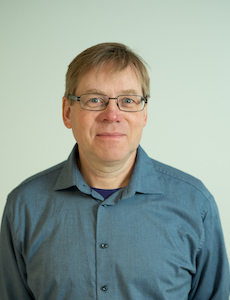
Peter Brodersen is a Professor at the Department of Biology, University of Copenhagen , specializing in Bioinformatics and RNA Biology . His research focuses on RNA modification (m6A), YTHDF proteins, and small RNA pathways in plants. Recent research trends from his group include: (1) molecular mechanisms of ARGONAUTE-small RNA interactions, (2) m6A-YTHDF regulatory systems in plant development, and (3) RNAi-independent roles of DICER-LIKE proteins in antiviral defense. Collaborations span Denmark and international institutions. Publications highlight cross-disciplinary work bridging computational biology and experimental plant genetics. Key subfields include RNA structure, epigenetic regulation, and antiviral immunity.
Professor John W. Edmunds is a leading academic in Infectious Disease Modelling at the London School of Hygiene and Tropical Medicine (LSHTM). Holding a Professor position since 2013 and serving as Dean of the Faculty of Epidemiology and Population Health (2013-2019), he combines mathematical, statistical, and economic models to inform public health policy. His part-time role at the Health Protection Agency (HPA) since 2008 underscores his policy advisory contributions. PhD in Infectious Disease Modelling (Imperial College, 1994) MSc in Health Economics (University of York, 1995) BSc in Biology (Imperial College, 1989) His research focuses on understanding disease transmission and optimizing control strategies. He has pioneered methods integrating social contact surveys , participatory surveillance (e.g., Influenzanet), and economic analysis to evaluate vaccines and interventions. Recent work includes SARS-CoV-2 dynamics , Ebola spatial forecasting , and typhoid vaccine prioritization . His 15 most recent publications highlight social contact patterns (Reconnect, CoMix studies), vaccine impact (HPV, typhoid), and real-time outbreak analytics (Ebola, cholera). Key trends include digital epidemiology , behavioral surveillance , and cross-country modeling for global health. Knighthood (2024) for services to epidemiology Weldon Memorial Prize (2022) for biostatistics contributions FMedSci (2018) for medical science excellence OBE (2016) for public service As an educator, he teaches "Modelling and the Dynamics of Infectious Diseases" and co-organizes "Pandemics: Emergence, Spread and Response" . Current grants include National Institute for Health and Care Research projects on post-pandemic surveillance and Bill & Melinda Gates Foundation funding for polio eradication. He leads collaborations with the Centre for Mathematical Modelling of Infectious Diseases , Vaccine Centre , and Health in Humanitarian Crises Centre , while advising UK and WHO committees on zoonotic influenza , variants , and testing programs .
Torben Barington is a Clinical Professor at the Department of Clinical Research, Faculty of Health Sciences, University of Southern Denmark, and a Consultant at the Department of Clinical Immunology, Odense University Hospital. He has held this position since August 2001 and continues to be actively involved in research, teaching, and clinical leadership. MD, University of Copenhagen, 1987 Doctoral Thesis (dr.med.), University of Copenhagen, 1996 Specialist in Clinical Immunology, 1998 His research focuses on cellular immunotherapy of cancer , particularly using CAR T-cell and CAR NK-cell technologies, primary immunodeficiencies , and the B-lymphocyte repertoire and immunoglobulin genes . His work bridges fundamental immunology with clinical applications in oncology and immunodeficiency disorders. His recent publications (2024–2025) highlight advancements in CAR T/NK-cell characterization, cytotoxicity assays, clinical translation, and tumor microenvironment interactions. These works reflect a strong trend toward translational immunology , with emphasis on personalized cancer therapy , single-cell technologies , and clinical trial development . Scientific Awards: Aage og Edith Dyssegaards Fonds æreslegat (1993) Silver Medal, University of Copenhagen (1981) He has supervised over 30 thesis students and currently mentors several graduate students in CAR-based cancer immunotherapies. He serves as an examiner for PhD defenses at both the University of Southern Denmark and the University of Copenhagen. He is also actively involved in national scientific leadership, including as Chairman of the Scientific Committee of the Danish Blood Donor Organization since 2011 and as a member of the Advisory Board for Clinical Immunology in the Region of Southern Denmark since 2007. His research is conducted in collaboration with multidisciplinary teams focusing on cellular immunotherapy , clinical immunology , and translational hematology , often in partnership with Odense University Hospital and national blood and immunology networks.
Jens S. Andersen is a Professor in the Department of Biochemistry and Molecular Biology at the University of Southern Denmark, where he leads research in Biomedical Mass Spectrometry and Systems Biology. His work is centered on the development and application of quantitative mass spectrometry and microscopy-based proteomics to study human cell biology, particularly the structure and function of organelles such as centrosomes, cilia, autophagosomes, and mitochondria. His research focuses on determining the protein composition and dynamic properties of cellular organelles, the roles of specific protein groups, and their contributions to biological processes and diseases. He investigates cell signaling mediated by post-translational modifications, especially within the DNA damage response, autophagy, and immune systems. His lab, the Jens S. Andersen Lab, is part of the Research Section of Biomedical Mass Spectrometry. The analysis of his recent publications reveals a strong interdisciplinary trend combining proteomics, structural biology, and cell signaling. His work spans cilia biology, RNA metabolism, DNA repair, and cancer mechanisms, with frequent use of advanced techniques like mass spectrometry, CRISPR, and live-cell imaging. The integration of systems biology approaches is evident across his research outputs. Professor, Department of Biochemistry and Molecular Biology, University of Southern Denmark Head of Research, Biomedical Mass Spectrometry and Systems Biology Principal Investigator, Jens S. Andersen Lab ORCID: 0000-0002-6091-140X While no specific scientific awards are mentioned in the provided texts, his extensive publication record in high-impact journals such as Science , Nature Communications , Molecular Cell , and EMBO Journal reflects significant scholarly contributions. He has supervised research projects and collaborated widely across Europe, though specific names of students are not listed. His research is supported by multiple ongoing projects, reflecting sustained funding and academic leadership. The Jens S. Andersen Lab operates at the intersection of proteomics and cell biology, contributing to fundamental understanding of organelle dynamics and disease mechanisms. The lab's work is highly collaborative, involving partnerships with groups in structural biology, RNA research, and cancer biology.
Konstantinos Kalogeropoulos is an Assistant Professor at the Department of Biotechnology and Biomedicine, Technical University of Denmark (DTU), leading research at the Cell Diversity Lab. His work bridges proteomics, computational biology, and snake venom research. Current projects: "The Proteomic Landscape during Influenza Infection" (2022-2025) Supervisor for PhD projects on protease network rewiring in psoriasis and wound exudate degradomics Research interests include: Proteomic analysis of inflammatory diseases Snake venom toxin structure prediction Extracellular matrix biomechanics De novo peptide sequencing algorithms Computational modeling of protease networks Recent article trends demonstrate his work in • Database-free proteomics (InstaNovo/InstaNexus) • Snake venom pathophysiology (V-ToCs clustering) • Inflammatory disease biomarkers (psoriasis, impaired healing) • Extracellular matrix mechanics (fibronectin tension, gut inflammation) Advising: Supervises PhD students Polhaus, C. J. M. and Haack, A. M., focusing on protease networks and wound healing.
Anna Mathia Klawonn is an Associate Professor affiliated with three units at Aarhus University: the Danish Research Institute of Translational Neuroscience (DANDRITE), the Department of Biomedicine, and the Department of Molecular Biology and Genetics - Neurobiology. As a group leader at DANDRITE, she explores neural circuits and immune-to-brain signaling mechanisms regulating affective states through transgenic strategies and neurocircuitry techniques. Neuroscience Neuroimmunology Immune-to-Brain Signaling Affective Disorders Her research focuses on understanding how brain circuits and glial cells (microglia and astrocytes) contribute to affective states in both health and disease. Current projects investigate mechanisms in major depressive disorder and Parkinson's disease, emphasizing prostaglandin signaling, nicotinic receptor function, and striatal neuron modulation. Recent publications highlight her work in molecular neuroscience, neuropharmacology, and behavioral neuroscience. Key themes include cholinergic transmission in motivation, neuroimmune interactions in aversion, and reward/aversion circuitry. Her studies employ advanced neurocircuitry methods and transgenic models. In teaching, Klawonn is course responsible for the 3rd-semester Neuroscience course (10 ECTS) in the medical bachelor program. She actively engages in didactic development, frequently speaking about student motivation, flipped learning, and challenge-based learning. Klawonn leads the Klawonn Group at DANDRITE, with lab and office spaces in the Skou Building (Høegh-Guldbergs Gade 10, Aarhus C). Her work involves collaborations across neuroscience, neuroimmunology, and affective disease research.
Yukiko Gotoh is a Professor at the Department of Pharmaceutical Sciences, Graduate School of Pharmaceutical Sciences, The University of Tokyo. She serves as the Deputy Director and Principal Investigator at the International Research Center for Neurointelligence (IRCN). Her research focuses on understanding the mechanisms that regulate neural stem/progenitor cell fate during embryonic brain development and in the adult brain. Dr. Gotoh's research interests include: Genetic and epigenetic regulation of neural stem/progenitor cell fate Neuronal maturation processes Genesis and maintenance of adult neural stem cells Relevance of neural stem/progenitor cell dysregulation in neurodevelopmental disorders such as autism spectrum disorders Investigation of mechanisms regulating neural stem-progenitor cell fate during neocortical development Genetic and epigenetic regulation of neuronal activation Analysis of Dr. Gotoh's recent publications reveals a strong focus on neural stem cell biology, epigenetic regulation, and neurodevelopmental disorders. Her work demonstrates how chromatin modifiers like Polycomb group proteins and HMGA proteins regulate neural stem cell fate decisions during brain development. A significant portion of her research explores the embryonic origins of adult neural stem cells and how dysregulation of these processes contributes to conditions like autism spectrum disorders and schizophrenia. Her laboratory also investigates the basic mechanisms of cellular responses to viral infection in the brain and their relevance to neurodevelopmental disorders. Dr. Gotoh has made significant contributions to understanding: The role of Polycomb group proteins in neural development How chromatin modifiers regulate neurogenic potential Cell cycle regulation in neural stem cells The PDK1-Akt pathway in neuronal migration Layer-specific heterogeneity of astrocytes Mechanisms underlying schizophrenia-related abnormalities Dr. Gotoh's laboratory conducts research on multiple fronts related to neural development and stem cell biology. Her team investigates: Mechanisms regulating neural stem-progenitor cell fate during neocortical development Genetic and epigenetic regulation of neuronal activation The embryonic origin of adult neural stem cells Dysregulation of neural stem-progenitor cell and neuronal fate in neurodevelopmental disorders Innate immune responses in the brain
Hans H. Wandall is Professor and Deputy Head of Department at the University of Copenhagen's Department of Cellular and Molecular Medicine, Faculty of Health Sciences. He serves as Group Leader and Vice-Director of the Copenhagen Center for Glycomics. His educational background includes a PhD in Glycobiology (2004), medical licensure (2001), and MD from University of Copenhagen (1999). Research focuses on glycobiology using gene editing and tissue models to understand glycan functions in: Tissue development and cancer biology Host-virus interactions (HSV-1, Ebola) Stem cell regulation and regenerative medicine Glycan-based therapeutic development Recent publications demonstrate interdisciplinary approaches combining glycoproteomics, virology, and cancer biology, with emphasis on O-glycosylation mechanisms and viral pathogenesis. Awards & Recognition: ERC Consolidator Grant (2017) Lundbeck Foundation Ascending Investigator (2019) Sapere Aude Research Leader Award (2012) Young Scientist Award (2003) Leads multiple funded projects from Lundbeck Foundation, Novo Nordisk Foundation, and Danish National Research Foundation. Supervises doctoral candidates and postdoctoral researchers while directing the GlycoMedicine research group. Founded biotech ventures including GO-Therapeutics and Hemab ApS.
Romualdo Pastor-Satorras is an Associate Professor of Applied Physics at the Universitat Politècnica de Catalunya (UPC) since 2006. He earned his PhD in Condensed Matter Physics from the Universitat de Barcelona in 1995, followed by postdoctoral research at MIT (1996–1998) and The Abdus Salam International Centre for Theoretical Physics (1998–2000). His extensive international collaborations include visiting positions at Yale University, University of Notre Dame, Kavli Institute for Theoretical Physics, Helsinky University of Technology, Indiana University, and the ISI Foundation. Research Focus His interdisciplinary work spans statistical physics, network theory, and dynamical systems. Primary research areas include: Modeling epidemic spreading in complex networks Random walks and diffusion processes in temporal networks Social and biological applications of network science Glassy dynamics and energy landscapes His research combines mathematical rigor with data-driven approaches to address problems in public health, social dynamics, and complex system behavior. Publications Overview With over 100 peer-reviewed publications, Pastor-Satorras's work demonstrates consistent focus on network dynamics and epidemic modeling. Recent articles explore COVID-19 herd immunity thresholds (2020), echo chambers in political networks (2019), and non-Poissonian temporal networks (2019). His foundational 2015 review on epidemic processes in networks is highly influential. Publications frequently involve interdisciplinary collaborations across physics, data science, and computational biology. Awards and Distinctions Fellow of Universitat Politècnica de Catalunya ICREA Academia Prize (awarded twice by the Government of Catalonia) Research Infrastructure He maintains active collaborations through visiting positions at leading global institutions. His work involves theoretical modeling and computational analysis, though specific laboratory details are unspecified in the provided text.
Lars Aagaard is an Associate Professor at the Department of Biomedicine - Research and Education, Aarhus University, Denmark. He is based at the Bartholin Building in Aarhus C and is actively engaged in research and teaching in the fields of gene therapy, RNA interference, and genome editing. His work focuses on developing viral vectors, particularly AAV and lentiviral vectors, for ocular gene therapy targeting retinal diseases such as age-related macular degeneration and diabetic retinopathy. His research interests include the development of Dicer-independent RNAi systems, combinatorial gene therapy using microRNA and CRISPR/Cas9, and the delivery of RNA- and protein-based therapeutics. He also teaches Genetics and Personalized Medicine and supervises postdoctoral researchers, PhD, master's, and undergraduate students. The recent publications (2022–2024) reflect a strong trend in RNAi therapeutics, viral vector engineering, and translational applications in ocular and systemic diseases. Themes include gene silencing, immune modulation, and regenerative approaches using engineered cells. Aagaard actively contributes to the scientific community as a reviewer for journals such as Nature and Molecular Therapy . He has participated in key international conferences including ARVO, ASGCT, and ESGCT, demonstrating ongoing engagement with the global gene therapy community. Supervision of postdocs, PhD, master’s, and undergraduate students Active participation in international conferences and workshops Collaborative research across institutions, including Universidade Federal de Sao Paulo He is involved in both basic and translational research, with potential for clinical applications in gene and cell therapy.
Vijay Tiwari is a Professor in the Department of Molecular Medicine at the University of Southern Denmark (SDU), where he leads research in genome biology and epigenetics. He is affiliated with the Genome Biology VIP initiative and the Danish Institute for Advanced Study (DIAS), highlighting his role in interdisciplinary and high-impact scientific inquiry. His research focuses on epigenetic regulation of gene expression, particularly in the context of cancer and neuroimmunological disorders. Key areas include transcription factor dynamics, locus control regions, promoter regulation, and the role of epigenetic mechanisms in metastasis and immune responses in the central nervous system. The recent publications demonstrate a strong trend in single-cell omics, cancer immunology, and neurodegenerative disease modeling. His work bridges molecular biology with clinical applications, particularly in understanding cancer progression and regenerative failure in ageing. Articles frequently appear in high-impact journals such as Nature Communications , Cancer Research , and Molecular Cancer . Vijay Tiwari’s scientific contributions have received significant media attention, with multiple press releases from SDU highlighting breakthroughs in cancer research, including discoveries that may halt cancer spread. His work has been covered by numerous news outlets, blogs, and social media platforms, indicating broad scientific and public impact. He has advised several early-career researchers, including Inayatullah M. and Dwivedi A.K., who appear as co-authors on multiple publications. While specific grants are not listed, his consistent output and institutional affiliations suggest active funding and collaboration networks across Europe and globally. He is associated with research teams focused on genome biology and epigenetic regulation, likely operating within collaborative labs at SDU that integrate molecular, computational, and clinical approaches to biomedical research.
Morten Nielsen is a Professor at the Department of Health Technology, Technical University of Denmark, specializing in Bioinformatics with a focus on Immunoinformatics and Machine Learning . His research develops pattern recognition algorithms for immune system characterization and protein structure analysis, contributing to vaccine design against infectious diseases like HIV and tuberculosis. Professor since 2008 Director of Algorithm in Bioinformatics course (27623) Active in 8 current and 27 completed research projects Research spans epitope prediction , T-cell receptor modeling , and genomic variation analysis of pathogens. Recent work (2024) includes cancer neo-epitope immunogenicity studies, B-cell epitope prediction tools (DiscoTope-3.0), and TCR specificity modeling using machine learning. Current projects involve deep immune receptor modeling , personalized neoantigen screening , and autoimmunity pattern identification , with students including L. Machado, B. Scapolo, S. N. Deleuran, G. Nos, and A. B. Saksager.
Poul Henning Jensen is a full Professor at Aarhus University , affiliated with both the Department of Biomedicine (Skou-building) and the Department of Molecular Biology and Genetics (Neurobiology section). Research Interests : Neurobiology of synucleinopathies Molecular mechanisms in Parkinson's disease Protein aggregation and propagation Calcium signaling in neurodegeneration Neuroinflammatory responses Scientific Activities : His work focuses on α-synuclein biology, covering structural analysis, aggregation pathways, and their pathological consequences. Recent studies include novel detection methods for early α-synuclein pathology mechanisms of neurotoxicity sex-specific neuroprotective factors and protein interaction networks in disease models . Scientific Awards : Recipient of at least one significant research prize Collaborations : Works with international teams on clinical trials targeting α-synuclein and coordinates multiple studies on neurodegenerative disease mechanisms.
Professor Peter Højrup is affiliated with the Department of Biochemistry and Molecular Biology at the University of Southern Denmark, focusing on protein structure and function through advanced biochemical techniques such as mass spectrometry and chemical cross-linking. His research spans biomedical mass spectrometry, systems biology, and proteomics, with a particular emphasis on endoplasmic reticulum proteins like calreticulin and calnexin. Education: PhD in Molecular Biology (1986, Odense University), MSc in Molecular Biology (major) and Chemistry (minor) (1982, University of Aarhus) His research interests include: Developing methods for determining protein 3D structures and interactions via chemical cross-linking and mass spectrometry. Fast glycosylation analysis of immunoglobulins and cancer markers. De novo proteomics of fish mucus proteins. The articles highlight trends in mass spectrometry applications, structural biology, and glycosylation studies, with recent work on SARS-CoV-2 epitope mapping, therapeutic antibody characterization, and host cell protein quantitation. Supervision includes training postdocs, PhD, MSc, and BSc students, though specific student names are not provided.
Nasrin Asgari is a Clinical Professor at the Faculty of Health Sciences, University of Southern Denmark , and Head of Research at the Neurology Department (Slagelse) within the Department of Regional Health Research, IRS - Næstved, Slagelse, Ringsted Hospitals (NSR). Her work bridges clinical neurology with advanced immunological research, focusing on neuromyelitis optica (NMO) and multiple sclerosis (MS) pathogenesis. Research Interests: Epidemiology and immunology of Aquaporin-4 antibody disorders Myelin Oligodendrocyte Glycoprotein (MOG) antibody-associated diseases Comorbidity analysis in CNS inflammatory conditions Experimental treatments in MS-mouse models Scientific Contributions include groundbreaking studies on NMOSD/MOGAD comorbidities, vascular risk factors in MS therapies, and qualitative investigations into chronic illness well-being. Her recent articles highlight collaborations with international consortia like the Guthy Jackson Charitable Foundation and DMSG study group. Projects encompass the IMAGINE initiative on immune aging in neurological diseases and the Optical Coherence Tomography evaluation of MS progression. She also serves as organizational project manager for movement-based interventions in chronic illness.