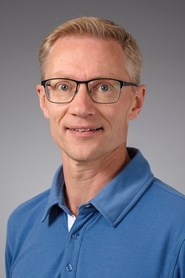
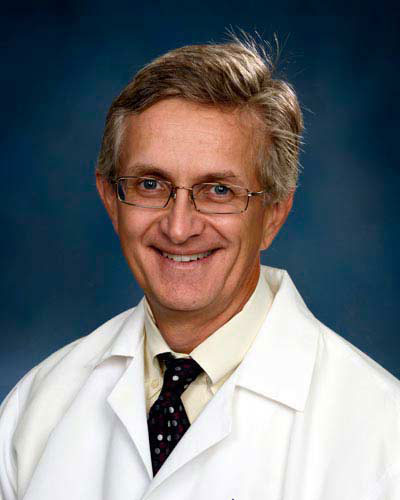
Dr. Joyce Gonzales is a Professor in the Department of Medicine (Pulmonary Division) at the Medical College of Georgia. She holds an MD from the University of Health Sciences (2002) and a BSN from Excelsior College (1998), with certifications in ACLS instruction (2007), Georgia state physician licensure (2009), and American Board of Internal Medicine (2006). Her research focuses on pulmonary and vascular pathophysiology, including bacterial toxin mechanisms in lung injury, endothelial barrier regulation in sickle cell disease, and novel anticoagulant therapies. Key areas include: Molecular pathways of pneumolysin-induced endothelial damage Thrombin-PAR signaling in vascular permeability Pulmonary complications of hematological disorders Therapeutic interventions for acute chest syndrome She has received multiple honors for service excellence: William Beaumont Army Medical Center Humanitarian Award (2003) Department of the Army Commander’s Award for Civilian Service (1999) Department of the Army Service Recognition (1996) Larimer County Health Department Service Award (1993) Dr. Gonzales teaches core medical courses including RMED 5000 (Medicine), GMED 5034 (Medical Critical Care), and RPUL 5000 (Pulmonary & Critical Care).
Catherine Bachewich is an Adjunct Associate Professor in the Department of Biology at Concordia University. Her research focuses on the regulation of the cell cycle, development, and virulence in fungi, particularly Candida albicans and Aspergillus nidulans. She investigates how cell cycle signals coordinate with differentiation and polar morphogenesis, aiming to identify novel drug targets for pathogen control. Her research programs include: Studying cell cycle control in Candida albicans, emphasizing the G1/S transition, mitosis, and hyphal development. Exploring the role of the polo-like kinase PLKA in mitotic regulation and sexual development in Aspergillus nidulans, revealing its evolutionary distinctness and novel functions. Bachewich's work has uncovered unique regulatory mechanisms in fungal pathogens, contributing to understanding their pathogenicity and potential therapeutic strategies. Her recent publications highlight interdisciplinary approaches in fungal genetics, cell cycle signaling, and morphogenesis.
Danielle Dube is the Norma L. and Roland G. Ware, Jr. Professor of Chemistry and Biochemistry and Chair of the Chemistry Department at Bowdoin College. A chemical biologist by training, she received her PhD from UC Berkeley and completed postdoctoral work at Stanford University. Her research focuses on bacterial surface glycans linked to pathogenesis, particularly in Helicobacter pylori , where she develops chemical tools to study and disrupt glycan-mediated interactions. Education : Cornell University (AB in Biology), UC Berkeley (PhD in Chemistry), Stanford University (Postdoctoral) Teaching : Biochemistry, Chemical Biology, General Chemistry, Drug Discovery courses Research Highlights : Structural characterization of H. pylori glycans Development of metabolic inhibitors for glycan biosynthesis Creation of imaging probes for bacterial glycocalyx Immune recognition enhancement through glycan modification Antibiotic hypersensitization via glycan disruption Scientific Recognition : 2022: Recognized in Nobel Prize awarded research by Prof. Carolyn Bertozzi 2018: Recipient of external grant for women scientists 2014: Collaborator on $18.4M INBRE grant Lab & Collaborations : Leads the Dube Research Laboratory at Bowdoin, specializing in chemical approaches to bacterial glycobiology. Collaborates with biochemistry and microbiology teams on antibiotic resistance solutions.
Dr. Anil Shirsat is a Senior Lecturer in the School of Environmental and Natural Sciences at Bangor University, UK. His research and teaching focus on plant molecular biology, particularly plant defense mechanisms against pathogens and the role of structural cell wall proteins like extensins. PhD in Plant Molecular Biology, University of Durham BSc in Biological Sciences, University of East Anglia Dr. Shirsat's research centers on plant molecular biology and biotechnology, with a focus on enhancing plant resistance to pathogens through genetic modification. His work explores the function of extensins in reinforcing cell walls and regulating stress responses. He has contributed significantly to understanding gene expression under mechanical and pathogenic stress in species like Arabidopsis and Brassica napus. His research extends into environmental applications, including peatland geoengineering for carbon sequestration. His recent publications span molecular plant pathology, genetic engineering, and environmental biotechnology. Themes include transgenic resistance, promoter regulation, and climate intervention via microbial ecosystems. His work demonstrates a strong interdisciplinary approach bridging molecular biology and ecological sustainability. Scientific contributions include: UK Patent Application on plant pathogen resistance (2005) Publications in Philosophical Transactions of the Royal Society A , Molecular Plant Pathology , and Journal of Experimental Botany Chapter in Climate Change and Microbial Ecology Dr. Shirsat is actively involved in postgraduate supervision, welcoming PhD students in his research areas. He has taught molecular biology across undergraduate and MSc levels, emphasizing practical applications in medicine, agriculture, and biotechnology. He also engages in public science outreach, delivering lectures to local schools to promote scientific literacy. He has no listed scientific awards, but his sustained research output and academic engagement reflect a strong commitment to science and education.
Lisa M. Coussens, PhD, is Chairwoman of the Department of Cell, Developmental & Cancer Biology and Interim Director of the Knight Cancer Institute at Oregon Health & Science University (OHSU), where she holds the Hildegard Lamfrom Endowed Chair in Basic Science. Her research program investigates immune cell functions in solid tumor development, with emphasis on how leukocytes influence cancer progression and therapeutic responses. Using preclinical models of mesothelioma, breast, pancreatic, and head/neck cancers, her lab identifies immunotherapy targets that have advanced to clinical trials for metastatic cancers. Education B.A., San Francisco State University, 1980 Ph.D., University of California, 1993 Postdoctoral Fellowship, University of California San Francisco (Douglas Hanahan Lab) Research Focus Dr. Coussens leads a translational research program examining how immune cells regulate tumor development and therapy responses. Her work integrates molecular oncology, immunology, and preclinical modeling to identify: 1) Immune pathways co-opted by developing tumors, 2) Mechanisms of leukocyte-mediated therapy resistance, and 3) Biomarkers for immunotherapy response. Current work emphasizes spatial analysis of tumor-immune interactions using multiplexed imaging and computational approaches. Her recent publications reflect strong emphasis on tumor microenvironment dynamics, immunotherapy mechanisms, and translational applications in pancreatic, breast, and head/neck cancers. Studies frequently incorporate spatial biology techniques, clinical correlation analyses, and novel therapeutic combinations targeting immune pathways. Honors & Awards National Academy of Sciences Member (2023) National Academy of Medicine Member (2024) AACR President (2022-2023) Susan G. Komen Brinker Award (2018) Fellow of AACR Academy (2019) Fellow of AAAS (2018) Rosalind E. Franklin Award, NCI (2015) Honorary Doctorate, University of Buenos Aires (2018) Princess Takamatsu Memorial Lectureship (2018) European Academy of Tumor Immunology Career Award (2018) Gertrude B. Elion Award (2001) Charlotte Friend Lectureship (2012) Margaret L. Kripke Legend Award (2023) Johns Hopkins Heroine of Public Health (2024) Fellow of Academy of ImmunoOncology (2022) Dr. Coussens directs translational research programs at OHSU's Knight Cancer Institute and leads multidisciplinary collaborations investigating tumor-immune crosstalk. Her laboratory develops innovative preclinical platforms for evaluating combination immunotherapies.
Katelyn Byrne is an Assistant Professor at Oregon Health and Science University (OHSU) in the Cell, Developmental and Cancer Biology department, affiliated with the Knight Cancer Institute and Brenden-Colson Center for Pancreatic Care. Her research focuses on the immunobiology of pancreatic cancer, particularly mechanisms bridging innate and adaptive immunity to enhance immunotherapy efficacy. Education: B.A. (2007) from Boston University, Ph.D. (2013) from Dartmouth College, and postdoctoral training as a Senior Parker Fellow. Her work leverages genetically engineered mouse models of pancreatic cancer to study tumor microenvironment dynamics , with clinical translation in immunotherapy trials. Key contributions include CD40 agonism for CD4+ T cell-mediated tumor rejection, immune checkpoint blockade synergy, and spatial transcriptomics for infiltrate heterogeneity. Recent articles (2024) highlight machine learning in immune profiling and MHC class I-deficient tumor targeting. Dr. Byrne is a recipient of the American Cancer Society Post-doctoral Fellowship and Senior Parker Fellowship . She mentors graduate students Margaret Haerr and Yi Zhang in her lab, which collaborates across OHSU’s cancer research centers. Current projects aim to develop novel immunotherapy combinations and T cell infiltration strategies for pancreatic cancer.
Bin Tian, Ph.D., is a Professor in the Department of Biochemistry and Biophysics at The Wistar Institute and serves as Program Co-Leader of the Genome Regulation and Cell Signaling Program at the Ellen and Ronald Caplan Cancer Center. He is also the Director of the Center for Systems & Computational Biology. His research integrates molecular biology, computational genomics, and functional studies to understand RNA processing, particularly alternative polyadenylation (APA), and its roles in cancer and immunity. His educational background includes a B.S. in Biochemistry from East China University of Science and Technology and a Ph.D. in Molecular Biology from Rutgers Biomedical and Health Sciences (formerly UMDNJ). He completed postdoctoral training in bioinformatics and genomics at Johnson & Johnson before establishing his independent lab at Rutgers New Jersey Medical School in 2003, where he became a tenured professor in 2014. He joined The Wistar Institute in 2020. His research focuses on molecular systems biology of RNA, including functional genomics of cleavage and polyadenylation, regulation of gene expression through early transcriptional termination, spatial and temporal control of mRNA metabolism via alternative 3’UTRs, and cleavage and polyadenylation inhibition (CPAi) as a cancer therapeutic strategy. His lab has developed key bioinformatics resources like PolyA_DB, APAlyzer, and MAAPER. His recent publications show a strong trend in dissecting APA mechanisms across physiological and pathological contexts, including cancer, neuronal function, and immune cell differentiation. The work combines high-throughput sequencing, single-cell analysis, and computational modeling to uncover how APA regulates mRNA stability, localization, and function. He mentors a team of postdoctoral fellows, predocotoral trainees, and research assistants, contributing to training the next generation of scientists. His lab is actively pursuing novel therapeutics targeting mRNA 3’ end processing in cancer and immune disorders.
Yijun Pan is a Senior Research Fellow in the Department of Neuroscience at the Monash Institute of Pharmaceutical Sciences (MIPS), Monash University. He holds an adjunct lecturer position at Tohoku University, Japan. His research focuses on the role of Fatty Acid-Binding Proteins (FABPs) in immunometabolism and drug delivery in neurodegenerative diseases such as Alzheimer’s disease and Motor Neuron Disease. Bachelor of Pharmacy, Monash University PhD in Pharmaceutical Sciences, Monash University, supervised by Associate Professor Joseph Nicolazzo, Professor Christopher Porter, and Professor Martin Scanlon Dr Pan’s research interests center on the molecular mechanisms of FABPs in brain endothelial cells, microglia, and astrocytes, particularly in the context of neuroinflammation and lipid metabolism. His work explores how these proteins influence drug transport across the blood-brain barrier and contribute to disease progression in dementia and motor neuron disorders. He employs in vitro and in vivo models to study immunometabolic pathways and optimize therapeutic delivery. His recent publications demonstrate a strong trend in neuropharmacology, focusing on blood-brain barrier function, fatty acid transport, neuroinflammation, and cognitive outcomes in animal models. Key themes include the modulation of drug transporters, the role of ion channels in neuroprotection, and immune cell involvement in neurodegeneration. American Chemical Society Editors’ Choice Award, Molecular Pharmaceutics (2015) Best Oral Presentation Award, 8th Victorian Association of Chinese PhD Students and Young Scholars Research Symposium (2014) Honourable Geoffrey Connard AM Student Travelling Scholarship (2013) JSPS Postdoctoral Research Fellowship (2018) Neil Naismith Award (2012) Dr Pan is actively involved in mentoring and supervision, contributing to Honours and PhD projects at MIPS. He has served as a Chief Investigator on multiple competitive grants, including those from Dementia Australia and FightMND. He regularly engages in peer review for journals such as Molecular Pharmaceutics , Diagnosis , and Biomolecules , and has presented his work at institutions including RMIT and the National University of Singapore. He is a key member of the Drug Delivery, Disposition and Dynamics Theme at MIPS and collaborates internationally, particularly with Tohoku University. His research is supported by significant funding from the Japan Society for the Promotion of Science, Dementia Australia, and FightMND.
Ross Waller is a researcher at the Department of Biochemistry , University of Cambridge, focusing on the molecular evolution and cell biology of protists, particularly within the Alveolata infrakingdom. His work spans apicomplexan parasites (Plasmodium, Toxoplasma), dinoflagellate symbionts, and ciliates, investigating their subcellular organization, endosymbiotic partnerships, and genomic adaptations. His research provides critical insights into eukaryotic evolution and parasitism. Key research areas include: Adaptations in apicomplexan parasites for host exploitation Molecular processes of endosymbiont establishment Chromatin management in dinoflagellates without histones Cell biological innovations in coral-associated dinoflagellates Recent publications highlight advancements in understanding plastid evolution, secretory organelle dynamics, and metabolic adaptations across parasitic and symbiotic protists. The Waller Group is actively recruiting interns and researchers interested in experimental cell biology of marine protists.
Jonas Buren is an Associate Professor at the Department of Food, Nutrition and Culinary Science , Umeå University. His research spans metabolic diseases, nutrition, and dietary interventions, with a focus on adipose tissue biology, cortisol metabolism, and insulin resistance. He collaborates with Anna Sjödin and is part of the Sports Sciences Research Network at Umeå University. Teaches: Physiology for Dietetics, Sports Nutrition, Gastronomic Chemistry, Nutritional Chemistry, Metabolism Key research areas: Metabolic dysregulation, low-carb diets, adipose tissue inflammation, glucocorticoids, insulin signaling His recent work examines the effects of ketogenic diets on body composition and lipid metabolism in controlled trials. Earlier studies explored adipose tissue dysfunction in diabetes and the role of glucocorticoids in obesity. Current projects include Dietitian Online (2018-2022), Elite Sport North (2015-2030), and a longitudinal study on ketogenic diets (2018-2025). Publications reveal trends in: Ketogenic diet impacts on lipid profiles and muscle fatigue Adipose tissue inflammation in postmenopausal women Insulin resistance mechanisms in diabetes Glucocorticoid-induced metabolic dysfunction Cross-disciplinary collaborations between nutrition, physiology, and culinary science He actively supervises thesis students and advocates for expanded nutrition research collaborations.
Dr. Nevins W. Todd is a Professor in the Department of Medicine and Physiology at the University of Maryland School of Medicine. He serves as the Interim Medical Director for the University of Maryland Lung Transplant Program and former Fellowship Program Director. His clinical and research focus centers on interstitial lung disease and pulmonary fibrosis. Education: MD from University of Maryland School of Medicine (1986) Board Certifications: Internal Medicine (1989), Pulmonary Disease (1992), Critical Care Medicine (1993) Dr. Todd’s research explores interstitial lung disease (ILD) , pulmonary fibrosis , and respiratory physiology , using animal models and clinical data to elucidate disease mechanisms. His team investigates molecular abnormalities in lung tissue and correlates them with clinical outcomes. His recent publications examine fibrosis pathogenesis, including cytokine regulation (e.g., IL-33), inflammatory response mechanisms, and pharmacological inhibition of fibrotic pathways. Articles highlight the role of lymphocyte aggregation, alveolar collapse, and enzyme expression in disease progression. Dr. Todd has held leadership roles in lung transplant programs and pulmonary fibrosis networks, emphasizing clinical care integration with translational research. He collaborates with rheumatology experts to bridge immunological and respiratory disease pathways.
G. Ulrich Nienhaus is a Professor at the Institute of Applied Physics , Karlsruhe Institute of Technology (KIT) , and leads a research group focused on Biophysics and Nanoscopy . His work integrates physics, biology, chemistry, and computational methods to develop advanced light microscopy techniques with high spatial and temporal resolution. Key research areas include fluorescent protein engineering , single-molecule spectroscopy , super-resolution microscopy , and nanoparticle-biomolecule interactions . His group investigates molecular processes in living cells , protein folding , ligand dynamics , and quantitative imaging for biomedical and material science applications. Scientific Contributions span decades, with recent work highlighting innovative STED microscopy methods, DNA origami-based distance rulers , and fluorescent nanocluster applications . Publications emphasize biomolecular dynamics , nanoparticle corona formation , and live-cell imaging tools .
Chung-Tsen Hsueh, MD, PhD is a Professor in the Hematology and Oncology Division at . With a dual background in clinical medicine and research, his work bridges medical oncology, radiation oncology, and molecular biology. Education: MD from Taipei Medical University (1986), PhD from SUNY University at Buffalo (1993) Research Focus: Specializing in targeted therapy , immunotherapy , and biomarker-driven treatments , Hsueh has led or participated in 69 peer-reviewed publications. His research spans gastrointestinal cancers (gastric, pancreatic, colorectal), non-small cell lung cancer , and rare tumors like desmoid tumors and angiosarcomas. Key Trends: Recent publications emphasize immunotherapy combinations (anti-CTLA-4 + anti-PD-1), proton therapy applications in metastatic settings, and genomic biomarker integration for precision oncology. His work addresses drug resistance mechanisms (e.g., KRAS/BRAF mutations) and novel toxicity management (e.g., nivolumab-induced pericardial effusion). Grants & Leadership: Hsueh has served as Principal Investigator (PI) or Co-Investigator in over 20 clinical trials sponsored by entities like National Cancer Institute , Amgen , and SWOG . Notable trials include CodeBreak 101 (KRAS inhibition) and DART S1609 (immunotherapy for rare tumors).
Costantino Iadecola, M.D., is a leading neuroscientist and neurologist at Weill Cornell Medicine, serving as Director and Chair of the Feil Family Brain and Mind Research Institute and holding the Anne Parrish Titzell Professor of Neurology. His work bridges neurovascular biology, ischemic injury mechanisms, and neurodegenerative disease pathogenesis, with over 390 peer-reviewed publications. Neurovascular Unit Neurodegenerative Disease Mechanisms Stroke-Induced Inflammation Microbiome-Brain Interactions Dr. Iadecola has pioneered understanding of neurovascular dysfunction in Alzheimer's disease and demonstrated the role of innate immunity in ischemic brain injury. His research employs advanced models to study hypertension, dietary influences (e.g., salt), and vascular oxidative stress in cognitive impairment. Recent work focuses on: Cerebral Amyloid Angiopathy (2025) Hypertension-Induced Cognitive Decline (2025) Systemic Determinants of Brain Aging (2024) ApoE4-Linked Vascular Dysfunction (2024) Scientific accolades include: McHenry Award (AAN) Jacob Javits Awards (NIH) Willis Award (AHA) Zenith Fellow (Alzheimer’s Association) Clarivate Highly Cited Researcher He serves on editorial boards for Circulation Research , Stroke , Journal of Neuroscience , and Annals of Neurology , and holds leadership roles in major research organizations. His work has been featured in Nature Neuroscience (2023) and informs clinical guidelines through American Heart Association scientific statements.
Lisa Elviri is an Associate Professor in Analytical Chemistry at the Department of Pharmacy, University of Parma, Faculty of Sciences. She holds a PhD in Chemical Sciences (Analytical Chemistry) from the University of Parma and has been a tenured researcher since 2004. Education: PhD in Chemical Sciences (Analytical Chemistry, University of Parma); Laurea in Chemistry (University of Parma). Her research spans analytical chemistry , mass spectrometry , biomaterials , 3D printing , and clinical diagnostics . She focuses on developing LC-MS and immunoenzymatic methods, validating techniques for pharmaceutical analysis, and designing chitosan-based scaffolds for tissue regeneration. Recent publications highlight work on Alzheimer’s disease (PCSK9 inhibition, APOE4 genotype studies), 3D-printed medical devices , and biorefinery quality monitoring using spectroscopy. Her teaching includes Analytical Chemistry for 5-year Master’s programs in Pharmacy and Pharmaceutical Chemistry. She has authored 75 international publications, 140 conference communications, and holds an H-index of 26 (Google Scholar). Her office is located at the Science and Technology Campus, Parma.