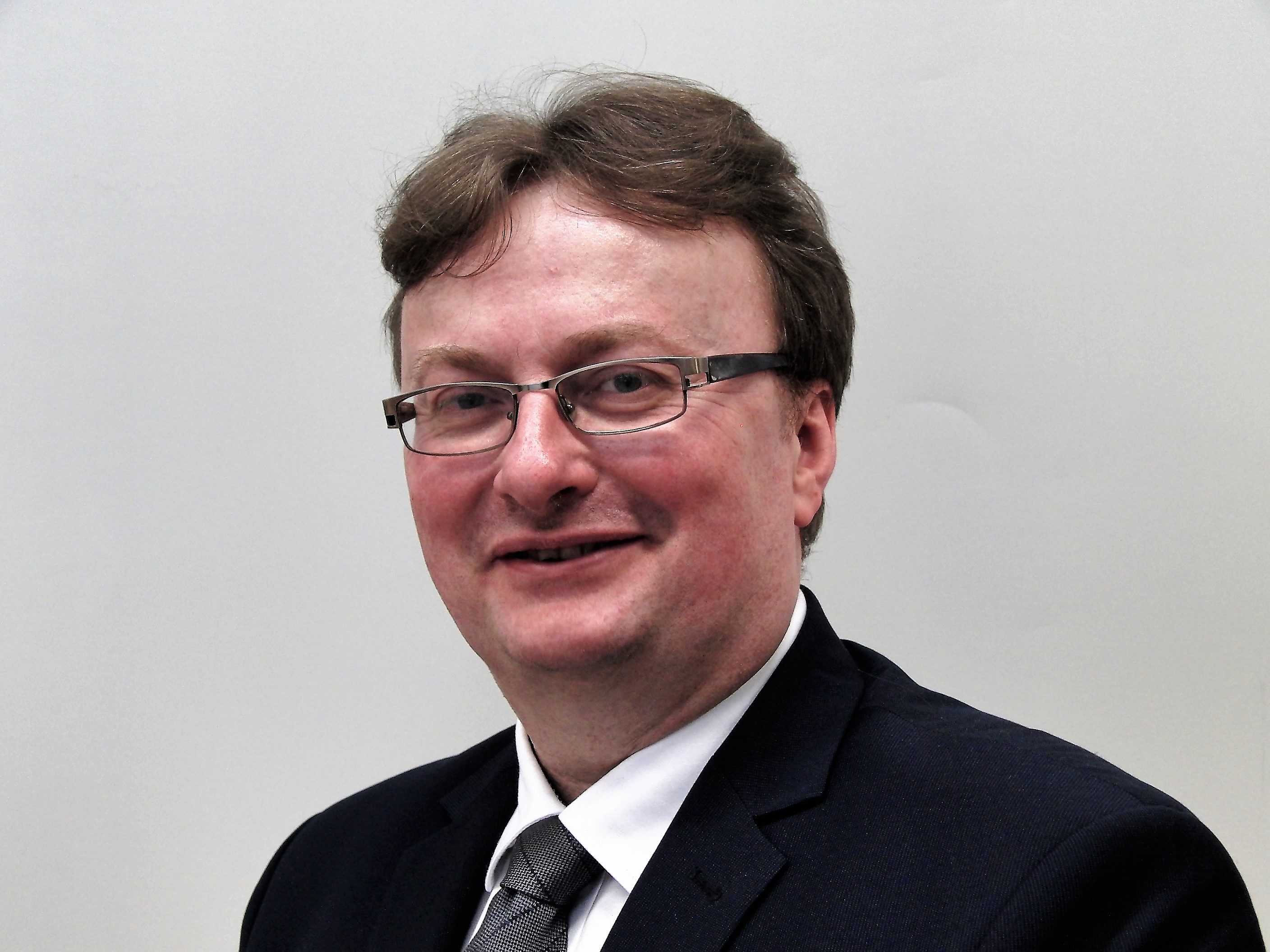
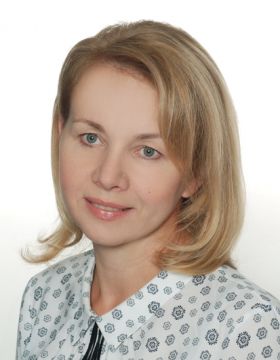
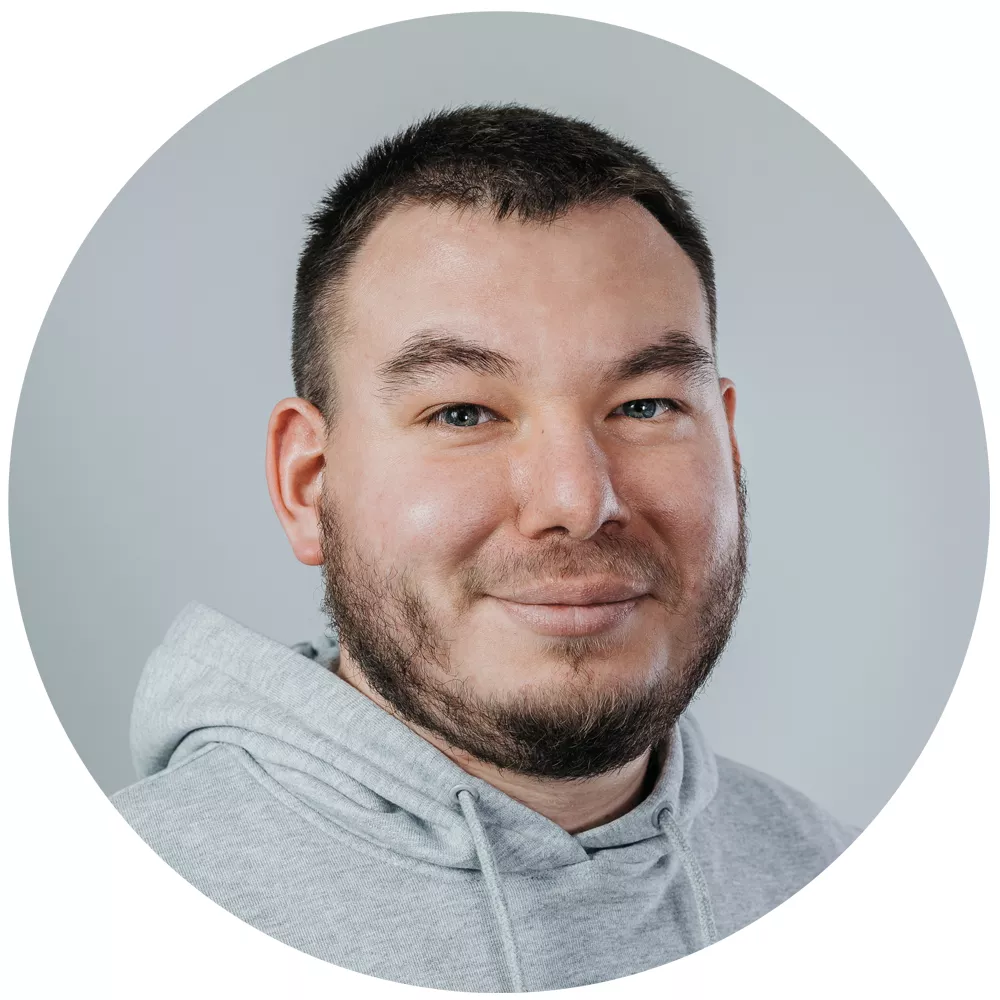
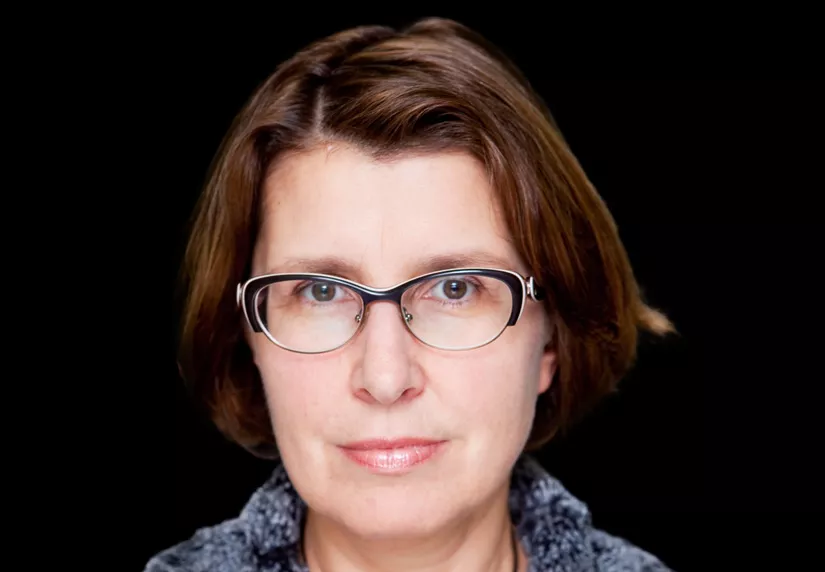
Dr. Piotr Dragon is an Assistant Professor at the Department of Social Psychology, Institute of Psychology, Jagiellonian University , and a member of the Centre for Social Cognitive Studies in Kraków. He holds dual degrees in Psychology (2010) and Sociology (2011) from Jagiellonian University, with a doctorate in Psychology (2015).
Jacob Fish holds the Rosalind and John J. Redfern Jr. Chair in Engineering at Columbia University's Department of Civil Engineering and Engineering Mechanics within the Fu Foundation School of Engineering and Applied Science. His research program focuses on computational mechanics and multiscale modeling with applications across material science and structural engineering. His research interests center on developing advanced computational frameworks for multiscale analysis of heterogeneous materials. Key areas include computational continua, atomistic-to-continuum coupling, fracture mechanics of composites, and thermomechanical modeling of advanced materials. His work bridges theoretical developments with practical engineering applications through reduced-order modeling and data-physics integration. His recent publications demonstrate strong trends in multiscale computational engineering, particularly in homogenization techniques, phase-field fracture modeling, and data-driven approaches for material behavior prediction. The research spans from atomistic simulations to structural-scale analysis with emphasis on computational efficiency and physical fidelity. Fellow, U.S. Association for Computational Mechanics (USACM) Computational Structural Mechanics Award, 2005 Fellow, International Association for Computational Mechanics (IACM), 2002 National Science Foundation Presidential Young Investigator Award, 1992 Walter P. Murphy Fellowship, Northwestern University, 1986 Fish serves as Editor-in-Chief of the International Journal for Multiscale Computational Engineering and has secured numerous research grants focused on multiscale modeling of advanced materials. His collaborative network spans multiple institutions and disciplines, particularly in computational mechanics and material science. His laboratory develops computational frameworks for multiscale analysis with applications in structural engineering, material science, and biomechanics, focusing on efficient algorithms for complex material behavior prediction.
Michał Turek is a Professor at the Department of Applied Informatics within the Faculty of Electrical Engineering, Automatics, Computer Science and Biomedical Engineering at AGH University of Science and Technology in Kraków, Poland. His primary workplace is located in room 303a of building C-2, and he maintains active contact through email (mitu@agh.edu.pl) and phone (+48 12 617 52 03), indicating current academic engagement. His research spans Software Engineering with particular emphasis on Workflow Management Systems integration with industrial applications, Image Analysis for 3D surface inspection, and Agile Methodologies implementation. Turek has pioneered innovations in Scrum adaptation for multi-project environments and software product lines, while developing formal verification frameworks for business processes and service-oriented architectures. His work bridges theoretical computer science with practical industrial solutions, especially in automated damage identification systems and workflow optimization. Analysis of his 15 most recent publications reveals consistent focus on workflow system intelligence (2020-2022), with significant contributions to automatic correction mechanisms and smart procedure integration. Earlier works (2010-2016) demonstrate deep expertise in formal verification methods, Scrum economics, and 3D surface analysis techniques. The publications show interdisciplinary convergence between software engineering, computer vision, and industrial automation, with recurring themes of system resilience and process optimization across both English and Polish scholarly outputs.
John B. Nezlek is a Professor at SWPS University in Poland, affiliated with the Institute of Psychology and the Center for Climate Action and Social Transformations (4CAST). His work spans multiple campuses including Poznań and Warsaw, where he conducts research at the intersection of social and personality psychology with contemporary societal issues. Nezlek's research primarily focuses on the psychology of vegetarianism as a social identity, climate change psychology, and the role of values in prosocial behavior. His work frequently employs diary methods and multilevel modeling techniques to examine within-person processes. He has made significant contributions to understanding how dietary choices function as social identities, the psychological consequences of vegetarianism, and the relationship between values and environmental action. His research on emotion regulation in everyday life has provided important insights into how people manage their emotions across different contexts. Analysis of Nezlek's recent publications reveals a strong emphasis on the intersection of dietary behavior and social psychology, particularly vegetarianism and its social implications. His work increasingly examines climate change distress and how it interacts with religious belief and political orientation. There's also a clear trend toward studying well-being mechanisms, with numerous papers exploring mediators like environmental mastery, basic need satisfaction, and gratitude in the relationship between various psychological constructs and well-being outcomes. Recognized as one of the most frequently cited researchers in the world Secured over PLN 4 million in research funding from the National Science Centre Published extensively in high-impact journals across psychology Nezlek leads research within the Center for Climate Action and Social Transformations (4CAST), where his team employs intensive longitudinal methods to study real-time psychological processes. His work on diary methodology has established him as an expert in within-person research designs. Current projects appear to focus on the psychological aspects of climate change adaptation, the social dynamics of dietary choices, and the interplay between religious belief, political orientation, and environmental concern. His research has practical implications for understanding how to promote sustainable behaviors and improve well-being through psychological interventions.
Dr. Szymon Woziwodzki is a Professor at the Poznań University of Technology, working within the Faculty of Chemical Technology, specifically at the Institute of Chemical Technology and Engineering. His academic career spans over two decades, with significant contributions to chemical engineering, particularly in mixing technology and process equipment design. His educational background includes: M.Sc. Eng. from Poznań University of Technology (1999), Faculty of Chemical Technology, specializing in Polymer Technology Ph.D. in technical sciences in the field of chemical technology from Poznań University of Technology (2003) Habilitation of technical sciences in the discipline of chemical and process engineering from West Pomeranian University of Technology in Szczecin (2017) Professor Woziwodzki's research focuses on mechanical mixing, rheology, design of process equipment, process simulations (Aveva Simulation Platform), gas and liquid purification processes, flow regulators, Industry 4.0, and digital twin technology. His work bridges theoretical understanding with practical industrial applications, particularly in the areas of multiphase mixing systems and process equipment design. The research consistently addresses challenges in unsteady mixing processes and their applications across chemical, pharmaceutical, and environmental engineering fields. His recent publications (2022-2024) demonstrate a continued focus on unsteady mixing phenomena, with particular emphasis on gas-liquid systems, mathematical modeling of mixing processes, and the application of digital technologies for process monitoring and optimization. The research spans from fundamental fluid dynamics to practical industrial implementations, showing increasing integration of Industry 4.0 concepts with traditional chemical engineering principles. Professor Woziwodzki serves on multiple university committees including as chairman of the Faculty Program Council for Chemical and Process Engineering, member of the Faculty Committee for Evaluation of Academic Teachers, and member of the Chemical Sciences Discipline Council. He is also a member of the Polish Society of Technical Rheology and has served as Guest Editor for a Special Issue on Multiphase Flows in Energies (MDPI). He actively supervises doctoral research, with recent dissertations focusing on unsteady gas-liquid mixing and hydraulic-oscillatory mixing analysis using image processing techniques. His research group collaborates with institutions including Opole University of Technology and University of Opole, demonstrating strong connections across the Polish academic community in chemical engineering.
Dr. hab. Jerzy Kroczak, prof. UWr is a distinguished Professor at the Faculty of Philology of the University of Wrocław. He specializes in Polish Baroque literature, medieval texts, and cultural history, with a focus on prophecy, magic, and early modern religious practices. His work bridges traditional philology with interdisciplinary research, particularly in editing and analyzing forgotten manuscripts and exploring the intersection of literature, science, and folklore. He holds a habilitation (dr. hab.) in Polish literature and has published extensively, including critical editions of works by Benedykt Chmielowski, Marcin Bielski, and others in the Bibliotheca Curiosa series. His research interests span topics such as witchcraft in literature, symbolism in Renaissance and Baroque poetry, and the cultural context of early modern Polish texts. His articles analyze themes like the Union of Lublin in historical poetry, symbolism in Jan Kochanowski’s works, and the portrayal of Jews in Benedykt Chmielowski’s New Athens . He also investigates the role of natural philosophy in sermons and the cultural significance of early modern calendars and almanacs. Though no specific awards or grants are listed, his contributions to Polish literary studies and editorial projects highlight his academic leadership. He collaborates with institutions like the University of Wrocław Library and participates in interdisciplinary initiatives within the Faculty of Philology.
Dr Urszula Maria Jęczeń pracuje jako adiunkt w Katedrze Logopedii i Językoznawstwa Stosowanego na Uniwersytecie Marii Curie-Skłodowskiej w Lublinie od 1996 roku. Specjalizuje się w kognitywnym językoznawstwie i logopedii, skupiając się na konceptualizacji emocji oraz diagnozie językowej osób z niepełnosprawnością intelektualną. 1996 – magisterium z filologii polskiej i logopedii 2005 – doktorat z językoznawstwa polskiego i logopedii Badania skupiają się na: Językowej projekcji emocji w wypowiedziach dzieci Kognitywnej definicji jako narzędziu diagnostycznym Interakcyjnym modelu narracji w logopedii Konceptualizacji świata poprzez język osób niewidomych Wybrane wydawnictwa: Monografia "Językowa projekcja emocji" (2017) Nad 38 publikacji w czasopismach takich jak "Logopedia" i "Prace Językoznawcze" Nagrody: Medal Komisji Edukacji Narodowej (2017) Srebrny Medal za Długoletnią Służbę (2018) Nagroda Rektora UMCS (2019) Brązowy Krzyż Zasługi (2020) Pełniła kluczowe role w redakcjach czasopism oraz Zarządzie Głównym Polskiego Towarzystwa Logopedycznego (2017-2023). Współpracowała z międzynarodowymi bazami indeksacyjnymi takimi jak ERIH PLUS i SCOPUS.
Dorota Mącik is a Professor at the John Paul II Catholic University of Lublin , affiliated with the Faculty of Social Sciences and Department of Clinical Psychology . She is a leading expert in early maladaptive schemas and their role in personality disorders. Research focus on perfectionism, self-acceptance, and interpersonal relationships Key areas include schema therapy applications and stress coping mechanisms Recent research trends involve schema modes in borderline/narcissistic behaviors, digital behavior analysis, and parasocial relationships. Her work bridges clinical psychology with cognitive models and cross-cultural consumer behavior. Scientific awards include: Leader of NCN-funded project on schema theory verification Contractor in state budget project comparing addictive behavior trajectories Grants & projects : SMI-3 Project - international collaboration 2018-2023: Multiple peer-reviewed publications in journals like Psychiatria i Psychologia Kliniczna and Current Issues in Personality Psychology
Abinash Adhikari is an Assistant Professor at the Structural Research Division of the Faculty of Physics, Warsaw University of Technology. His research focuses on semiconductor materials, particularly the structural and optical properties of III-V and II-VI compounds, including CdO, MgO, ZnO, and their superlattices. He specializes in molecular beam epitaxy (MBE) growth techniques and investigates bandgap engineering, doping effects, and thermal properties. Expertise: Semiconductor alloys, superlattice structures, thin film deposition, MBE technology. His studies explore pressure-dependent phenomena, crystallographic orientation, and doping mechanisms in materials like CdMgO and ZnCdO. He also contributes to interdisciplinary work, such as a 2022 study on mucormycosis mortality linked to aspirin use, showcasing his cross-disciplinary engagement.
Dr. Monika Kwiecińska is a Professor at the Department of Economics and Enterprise Organization at Wrocław University of Economics (UEW). Her expertise spans management, nonprofit organizations, human resources, leadership development, and generational studies. She holds certifications as a business coach, MindSonar consultant, and systemic therapist, emphasizing her multidisciplinary approach. Her research focuses on organizational integration, psychological contracts in workplaces, and the role of corporate foundations in social responsibility. Research Interests: Professor Kwiecińska explores how generational differences (e.g., Gen Z) impact workplace dynamics, leadership models informed by integral theory, and the strategic use of corporate foundations. She analyzes organizational culture in nonprofit sectors and evaluates the effectiveness of corporate community involvement (CCI) initiatives. Her work bridges theoretical frameworks (e.g., action logic, spiral dynamics) with practical applications in leadership and HR. Publications: Her recent work examines generational value systems, corporate philanthropy, and leadership selection during mergers. Key themes include the psychological contract between employers and modern employees, and the role of AHP modeling in managerial decision-making. Earlier research explored nonprofit organizational culture and strategic alliances between for-profit and non-profit entities. Awards: No scientific awards explicitly listed in the provided materials. Grants & Advising: No specific grants or advisee students are documented here. However, her extensive publications suggest active involvement in research projects and likely advisory roles in organizational development initiatives. Labs/Teams: Affiliated with the Department of Economics and Enterprise Organization at UEW, though no specific lab or research team names are mentioned.
Szymon Płotka is a Researcher in the Medical Imaging and Robotics department at the University of Amsterdam's Informatics Institute. His work focuses on advancing prenatal care through deep learning, particularly in fetal ultrasound analysis and AI-driven medical solutions. He holds a PhD in Computer Science from the University of Amsterdam (2024), with a thesis on enhancing prenatal care via machine learning. Research Interests : Integration of deep learning techniques for medical image analysis Development of AI tools for diagnostic accuracy and clinical workflow optimization Multimodal data fusion in healthcare Real-time surgical imaging applications Recent work emphasizes fetal biometry measurements, endoscopic synthetic datasets, and real-time placental vessel segmentation. His research bridges cutting-edge AI with clinical practice, aiming to improve accessibility and efficiency in medical imaging. Key Contributions : Advances in fetal ultrasound video analysis matching human expert accuracy Pioneering synthetic endoscopic dataset generation with diffusion models Development of BabyNet++ for birth weight prediction No formal students listed, but his projects likely involve collaborations with academic teams. Active in organizing and participating in medical imaging challenges (e.g., FeTA, FetReg).
Dr. Karol Tylmann is an Assistant Professor in the Department of Geomorphology and Quaternary Geology at the University of Gdańsk's Faculty of Oceanography and Geography. He leads research at the Laboratory of Geomorphological Reconstructions, focusing on the dynamics of Pleistocene ice sheets and landscape evolution in Northern Europe. His research integrates glacial geomorphology , Quaternary stratigraphy , and geochronological methods (e.g., cosmogenic nuclide dating, gamma-ray spectrometry) to reconstruct deglaciation patterns, ice-marginal processes, and sedimentary environments across Poland and the Baltic region. Key themes include: Ice sheet behavior during the Last Glacial Maximum and Younger Dryas Subglacial deformation mechanisms Coastal and fluvial responses to climatic shifts Geoheritage conservation in postglacial landscapes Recent publications (2018–2023) demonstrate a methodological emphasis on high-resolution geospatial analysis (LiDAR, object-based image processing), advanced dating techniques (10Be exposure, Bayesian modeling), and sedimentological diagnostics . Predominant research clusters include glacial landform mapping, deglaciation chronology, and geomorphic responses to paleoenvironmental change. Dr. Tylmann contributes to geotourism initiatives by evaluating the educational value of Poland's glacial landscapes. He maintains no listed research grants, awards, or supervised students in the available data.
Paweł Tarnowski is a researcher at the Institute of the Theory of Electrical Engineering, Measurement and Information Systems , Faculty of Electrical Engineering, Warsaw University of Technology. His work focuses on biomedical signal processing, emotion recognition, and machine learning applications in affective computing and human-computer interaction. Research areas include Information and Communication Technology (ICT) Electrical and Electronic Engineering Artificial Intelligence Neuroscience Human Factors His recent publications highlight trends in emotion recognition using multimodal physiological signals (EEG, EOG, GSR), driver fatigue detection, and deep learning techniques like 1D-CNN for medical diagnostics. Articles also address urban traffic monitoring and neuromarketing research via EEG analysis. At Warsaw University of Technology, he supervises thesis projects and contributes to interdisciplinary research in biomedical engineering and signal processing. Labs/Teams: Institute of the Theory of Electrical Engineering, Measurement and Information Systems .
Alicja Grochowska is a Professor at SWPS University, serving as Vice-Dean for Student Affairs at the Faculty of Psychology and Law in Poznań, where she is affiliated with the Department of Occupational and Organizational Psychology. Her research focuses on the psychological mechanisms of advertising, examining advertising structures, memory distortions, and emotional responses in advertising contexts. She investigates how these elements contribute to creating effective marketing messages and consumer behavior patterns. Her work bridges theoretical psychology with practical business applications. Professor Grochowska's publication record includes the book 'Categorization Processes and Memory Distortions in Advertising' (2009) and research on city branding, particularly the Warsaw brand image study published in 2013. Her work demonstrates consistent focus on cognitive processes in marketing contexts, with increasing attention to real-world applications of psychological principles in urban environments and consumer behavior. She teaches courses on cognitive processes, motivation and emotions in marketing, and social influence in consumer behavior at SWPS University. Professor Grochowska has supervised master's students including Magdalena Jabłońska, whose thesis on Warsaw's brand image won a distinction in the 'Teraz Polska Promocja' competition, and Ewa Pekról. She collaborates with Prof. Andrzej Falkowski on research projects, including the Warsaw city brand study conducted in collaboration with Warsaw City Hall. She is an active member of the Association for Consumer Research and the American Academy of Advertising, contributing to the international discourse on consumer psychology and advertising effectiveness.
Dr. Anna Śleszyńska-Świderska serves as an Assistant Professor in the Department of Operational Management at the Institute of Management, University of Białystok. Her academic work focuses on consumer behavior, marketing, and management psychology, with particular emphasis on ethical consumption patterns, city branding, and economic impacts on consumer decisions. She actively participates in teaching marketing, market research, and trade promotion courses while serving as member and secretary of the Teaching Committee for the Management major. Scientific Internship at University of Wrocław Teaching Internship at ISCEM - School of Business Communication in Lisbon, Portugal Research Internship at Università degli Studi di Bari, Italy Site Visits to Speech Processing Solutions GmbH (formerly PHILIPS Speech Processing) Dr. Śleszyńska-Świderska's research centers on consumer behavior analysis, particularly examining how economic crises impact consumption patterns in EU households. Her work explores ethical consumption as an alternative to traditional consumerism, city branding strategies, and the relationship between happiness and economic prosperity. She investigates how external factors like pandemics (SARS-CoV-2) and labor market changes influence consumer decisions across different demographic groups in Poland and the broader EU context. Her publication record shows consistent research output with a strong focus on contemporary issues in consumer behavior. The trend in her work demonstrates increasing attention to crisis-related consumption patterns, ethical considerations in consumer decisions, and the interplay between economic indicators and household consumption. Recent publications address digital transformation in public services and the evolving nature of corporate communication in relationship building. Dr. Śleszyńska-Świderska actively participates in international and domestic conferences focused on consumption and consumer behavior, sharing insights on contemporary marketing challenges and consumer psychology. Her research methodology combines quantitative economic analysis with psychological perspectives on consumer decision-making processes.