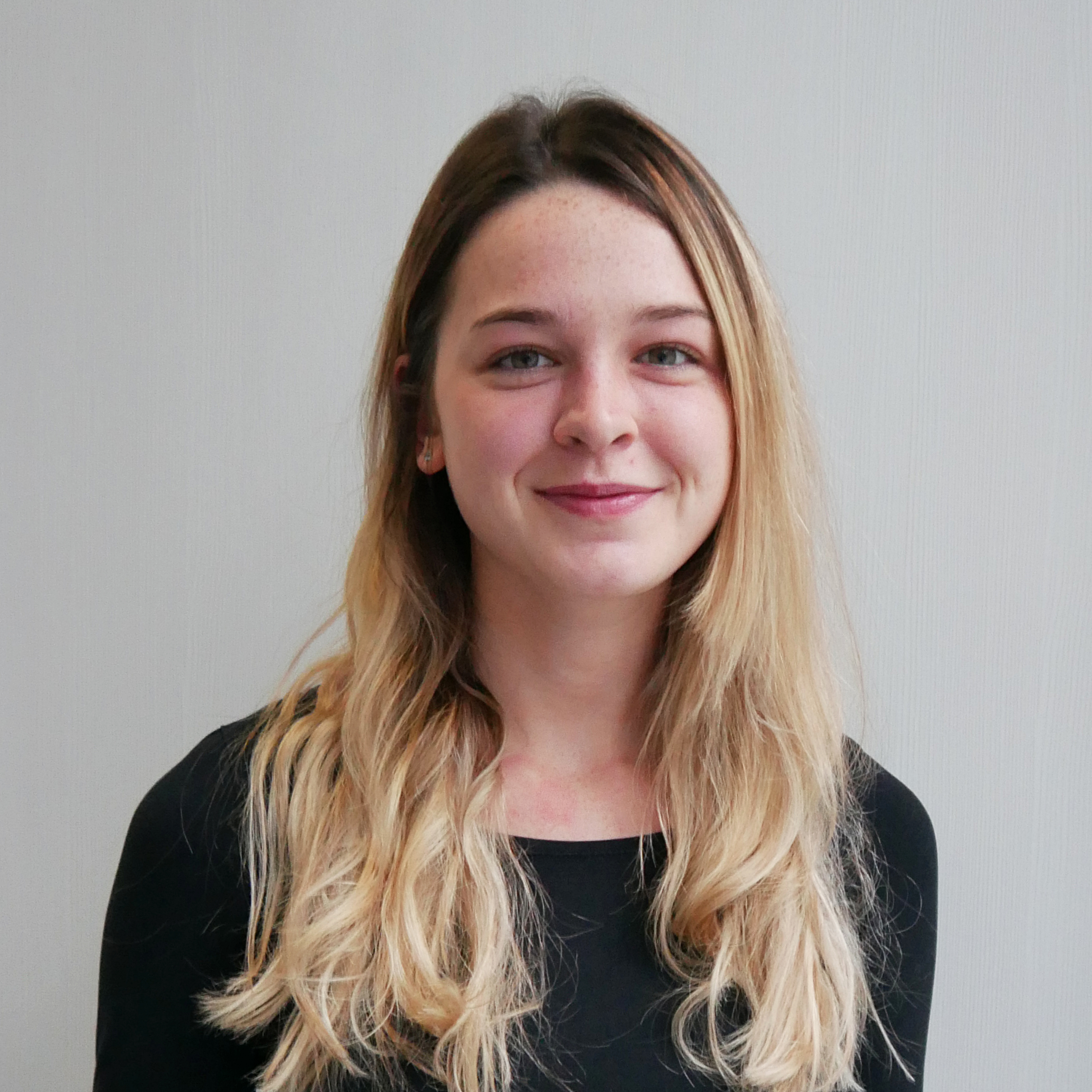
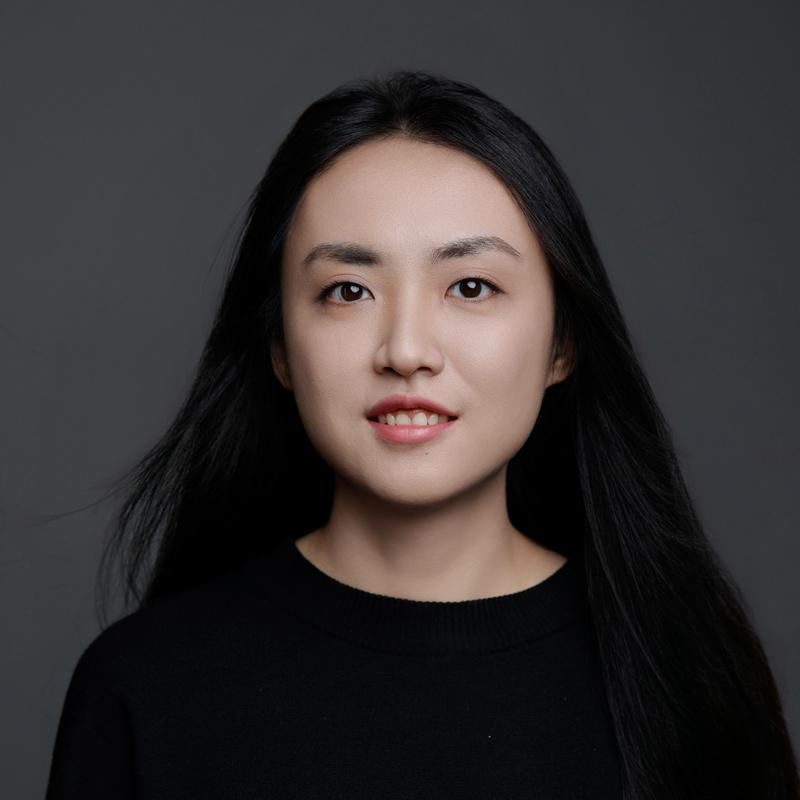
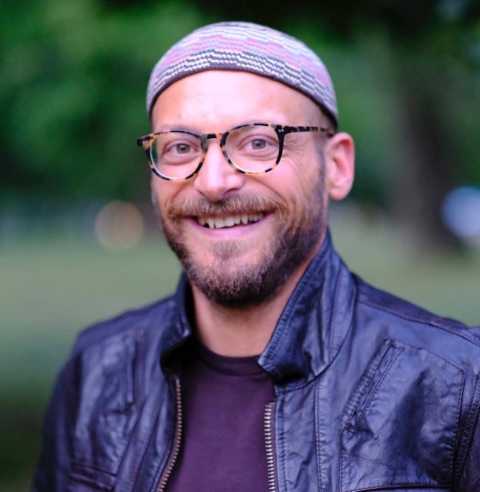
Rosemarie Nagel is an ICREA Research Professor in the Department of Economics at Universitat Pompeu Fabra (UPF). She holds a PhD from the University of Bonn (1994) under Reinhard Selten. Her research bridges economic theory with behavioral insights, focusing on experimental economics, neuroeconomics, and game theory. She has pioneered the level-k reasoning model in Keynesian beauty-contest experiments and explored bounded rationality through lab and neuroscientific methods. Her work spans macroeconomic experiments, industrial organization, and strategic behavior analysis. She has been a full professor at UPF since 2006 and joined ICREA in 2007. Education: PhD in Economics, University of Bonn, 1994 (Advisor: Reinhard Selten) Postdoctoral work with Al Roth at University of Pittsburgh, 1994-1995 Research Interests: Experimental Economics (macro and micro), Neuro-Economics, Geno-Economics, Game Theory, Industrial Organization, Negotiation. Her methods integrate cognitive models, laboratory experiments, and neuroscience tools to study human decision-making. Key Contributions: Her work on strategic uncertainty in coordination games and neural correlates of strategic thinking has been published in top journals like American Economic Review , Econometrica , and Review of Economic Studies . She co-organizes macroeconomics and computational economics workshops. Professional Activities: Editor for Games and Economic Behavior , frequent speaker at international conferences, and advisor to policy institutions. Her lab focuses on experimental design and neuroeconomic applications.
Wilhelmina Mulders is an Associate Professor at the University of Western Australia (UWA), based in the School of Human Sciences. She holds dual roles in teaching and research, coordinating neuroscience programs and the Master of Clinical Audiology. Her research focuses on auditory neuroscience, particularly brain plasticity linked to hearing loss, tinnitus, and cochlear implant fibrosis. She has secured over $3.5 million in grants since 2001 from organizations like the NHMRC and Telethon Trust. Education: PhD in Neuroanatomy (Nijmegen, 1997), followed by a postdoc in hippocampal anatomy. Joined UWA’s Auditory Lab in 1997, becoming a tenured faculty member in 2015. Research Interests: Explores auditory system dynamics, including how hearing loss impacts cognition and tinnitus. Techniques include electrophysiology, behavioral studies, and gene/protein expression analysis. Recent work addresses cochlear implant fibrosis and pediatric hearing assessment tools. Awards: School of Human Sciences Research Mentorship Award (2022) Channel 7 Telethon Grants (2021, 2022) Teaching & Grants: Coordinates multiple courses (e.g., NEUR5011, PHYL5501) and leads 15 active grants, including projects on auditory processing interventions and pediatric audiology equipment. Labs & Teams: Active in the Auditory Laboratory at UWA, collaborating on projects like silk-based tympanic membrane repair and auditory cued exercise for children.
Rémy Jacquemond is a Postdoctoral Researcher at Eindhoven University of Technology's Department of Chemical Engineering and Chemistry, working within both the Membrane Materials and Processes Group and Electrochemical Materials and Systems Group. His research focuses on developing advanced materials for next-generation redox flow batteries, with particular emphasis on membrane technology and electrode engineering. His academic background includes: BSc in General Chemical Sciences from Institut Universitaire de Technologie (IUT), Montpellier, France MSc in Chemical Engineering with materials science specialization from Ecole Nationale Superieure de Chimie de Montpellier (ENSCM), France Second MSc in Nanoscience, Materials and Processes from Universitat Rovira I Virgili (URV), Tarragona, Spain PhD in Chemical Engineering and Chemistry from Eindhoven University of Technology (2023) His research centers on solving critical challenges in redox flow battery technology, particularly the development of ion exchange membranes stable in organic solvents and engineered porous electrodes. He pioneers the application of neutron radiography for in-situ diagnostics of battery operation and employs non-solvent induced phase separation techniques for precise electrode microstructure control. His work directly contributes to UN Sustainable Development Goals related to clean energy and responsible consumption. Analysis of his publication record reveals a strong trajectory in advanced battery diagnostics and materials engineering, with increasing focus on neutron-based visualization techniques and microstructure-controlled electrode fabrication. His 2024 Nature Communications paper on concentration distribution mapping represents a methodological breakthrough, while his consistent development of phase separation techniques for electrode engineering demonstrates systematic innovation in manufacturing approaches. He has received significant recognition for his contributions: Energy Technology Division Graduate Student Award sponsored by Bio-Logic for work on porous carbon electrodes As an active postdoctoral researcher, Jacquemond contributes to research supervision and project leadership within his groups. His current work focuses on membrane diagnostics and novel porous materials development, with emphasis on improving battery efficiency, longevity, and compatibility with organic electrolytes. He maintains strong industry and academic collaborations, evidenced by multiple co-authored publications with international research teams. He operates within Eindhoven University of Technology's cutting-edge research infrastructure, utilizing specialized facilities for membrane synthesis, electrode fabrication, and advanced characterization including neutron imaging capabilities through partnerships with major research facilities. His work bridges fundamental materials science with practical energy storage applications.
Dr. Ong Yong Sze is a Lecturer at Monash University Malaysia’s School of Pharmacy, specializing in precision oncology and nanomedicine. She holds a PhD in Pharmacology (2019) and a Bachelor of Biomedical Science (2013), both from Universiti Putra Malaysia. Her research focuses on cancer nanomedicine, natural product-based therapeutics, and environmental health risk assessment, with a commitment to developing low-toxicity therapies and addressing environmental pollutants’ health impacts. She has received prestigious awards, including the PeerJ Award for Best Poster (2021) and Oral Presentation Award (2025). Education: PhD in Pharmacology, Universiti Putra Malaysia (2019) Bachelor of Biomedical Science, Universiti Putra Malaysia (2013) Research Interests: Her work bridges nanotechnology, natural pharmacology, and toxicity studies. Key areas include engineering targeted nanoparticle drug delivery systems, exploring plant-derived anticancer compounds, and evaluating environmental pollutants like microplastics. Her interdisciplinary approach aims to enhance therapy precision while ensuring patient safety. Grants & Projects: She leads and collaborates on projects such as Development of a 3D Metastatic Breast Cancer-on-Chip Model (2023–2025) and Engkabang as High-Quality Cosmeceuticals (2023–2026), focusing on drug delivery, gut health, and functional foods. Lab & Teams: Her lab integrates nanomedicine and environmental toxicology, with collaborations spanning Malaysia, Portugal, and Taiwan. She actively organizes workshops on cell culture and drug discovery, furthering academic engagement.
Jeffrey H. Siewerdsen, PhD, holds the John C. Malone Professorship in Biomedical Engineering at Johns Hopkins University, with joint appointments in Computer Science, Neurosurgery, and Radiology. As Vice-Chair for Clinical and Industry Collaboration, he bridges engineering, physics, and clinical practice to advance medical imaging technologies. His research focuses on image-guided interventions, surgical robotics, and CT innovations for radiation therapy and orthopedics. He leads the I-STAR Lab and collaborates with clinicians to translate imaging systems into clinical practice. Education: PhD in Physics (University of Michigan, 1998), MS in Physics (1994), BA in Physics & Astronomy (University of Minnesota, 1992). Research emphasizes 3D imaging systems, metal artifact reduction, and AI-driven reconstruction. He co-directs the Carnegie Center for Surgical Innovation and contributes to the Armstrong Institute for Patient Safety. Notable achievements include pioneering cone-beam CT (CBCT) for radiation therapy and intraoperative imaging. His work addresses clinical challenges through interdisciplinary collaboration. Awards and recognition include leadership in medical imaging societies and over 350 publications. His lab develops cutting-edge tools for surgical navigation, radiation oncology, and musculoskeletal imaging, with a focus on real-time 3D reconstruction and deformable motion correction. Labs/Teams: I-STAR Lab (Imaging Science for Technology and Applications in Research), Carnegie Center for Surgical Innovation.
Javier Vela is a University Professor and Associate Chair of the Department of Chemistry at Iowa State University, where he also serves as a faculty scientist with the Ames National Laboratory. His research program focuses on the synthesis and characterization of nanostructured materials with applications in energy conversion, chemical catalysis, and fluorescence imaging, with over one hundred peer-reviewed publications and patents to his name. Dr. Vela received his educational training at prestigious institutions: B.S. (with Honors) in Chemistry from UNAM (2001) M.S. in Chemistry from University of Rochester (2003) Ph.D. in Chemistry from University of Rochester (2005) Following his doctoral studies, he completed postdoctoral research at the University of Chicago and Los Alamos National Laboratory before joining Iowa State University in 2009, where he received tenure in 2015, became a full professor in 2019, and was named University Professor in 2020. Dr. Vela's research program centers on the development of novel nanomaterials, particularly focusing on: Synthesis of nanostructured materials for energy applications Development of inorganic compounds for chemical catalysis Design of fluorescent materials for imaging applications Surface chemistry and structural characterization of nanocrystals Lead-free semiconductor materials for sustainable technologies Advanced solid-state NMR techniques for nanomaterial characterization His group employs a range of advanced techniques including solid-state NMR spectroscopy, dynamic nuclear polarization, and computational methods to understand nanomaterial structure-property relationships at the atomic level. Analysis of Dr. Vela's recent publication record reveals a strong focus on advanced materials characterization techniques, particularly solid-state NMR applications to nanomaterials. His work spans multiple disciplines including materials science, analytical chemistry, and environmental chemistry, with particular emphasis on sustainable energy solutions and advanced characterization methods. A significant portion of his recent work addresses challenges in nitrate reduction for sustainable ammonia production and the development of lead-free semiconductor alternatives through innovative synthesis approaches. Dr. Vela has received numerous prestigious awards and honors: Fulbright Scholar in Italy (2024) ACS Fellow (2021) John D. Corbett Endowed Professor (2020-2023) AAAS Fellow (2018) NSF CAREER Award (2013) Multiple LAS awards including Cassling Innovator (2018) and Early Achievement in Research (2014) ACS Midwest Stanley C. Israel Award (2014) As an educator and mentor, Dr. Vela has directed twenty doctoral and four master's theses while successfully mentoring numerous undergraduate researchers, including three NSF graduate research fellowship awardees. His research has been supported by significant funding including the NSF CAREER Award and various other grants that have enabled his group to investigate nanostructured materials for energy conversion, chemical catalysis, and fluorescence imaging applications. His service to the chemical community includes serving as Councilor for the Ames local section of the American Chemical Society, Program Chair for the Midwest Regional Meeting in 2018, and Treasurer of the Division of Inorganic Chemistry. Dr. Vela leads an active research group focused on inorganic and materials chemistry, with strong connections to the Ames National Laboratory where he has been a faculty scientist since 2010. His group collaborates extensively with researchers across disciplines to address challenges in sustainable energy and advanced materials development, maintaining an active presence in the scientific community through publications, conference presentations, and editorial board service for journals including ACS Energy Letters, Chemistry of Materials, and ACS Applied Engineering Materials.
Dina Katabi is the Thuan and Nicole Pham Professor of Electrical Engineering and Computer Science at MIT, leading the Katabi Lab and directing the MIT Center for Wireless Networks and Mobile Computing. Her research bridges AI, wireless systems, and digital health, focusing on non-invasive health monitoring via wireless signals and machine learning. She is a MacArthur Fellow and holds the Andrew & Erna Viterbi Professorship. Key research areas include emotion recognition (EQ-Radio), sleep posture monitoring (BodyCompass), and through-wall human pose estimation. Her lab develops AI systems for biosensors, leveraging RF signals to detect diseases like Parkinson's and Alzheimer's. Notable awards include the ACM Prize in Computing and SIGCOMM's Lifetime Achievement Award. Publications span wireless networks, computer vision, and health tech, with impactful work in CVPR, ECCV, and Nature Medicine. She advises over 20 students/postdocs and collaborates on technologies like in-body backscatter communication and AI-driven drug development monitoring. Labs: Katabi Lab (MIT CSAIL) and the MIT Wireless Center. Ongoing work explores digital biomarkers, self-supervised learning, and scalable health monitoring systems for chronic diseases.
Matthew Chapman is a Professor and Associate Chair for Graduate Studies in the Department of Molecular, Cellular, and Developmental Biology (MCDB) at the University of Michigan. His research focuses on bacterial amyloid fibers, particularly curli, which are critical for biofilm formation and pathogenesis in enteric bacteria. He investigates the structural, functional, and biogenic mechanisms of curli, exploring their roles in microbial survival, disease, and interactions with human proteins like α-synuclein. Dr. Chapman earned his Ph.D. from Indiana University (1999) and completed postdoctoral training at Washington University in St. Louis (1999-2003). His work bridges microbiology, biochemistry, and structural biology, employing techniques such as microscopy, genetics, and biochemical assays. Recent articles highlight advancements in understanding curli’s role in inhibiting amyloid formation, microbial warfare, and neurodegenerative disease connections. The lab’s findings underscore curli’s dual role as both a functional microbial structure and a potential contributor to human pathologies. Collaborative efforts aim to develop anti-biofilm strategies and elucidate amyloid dynamics across kingdoms. No scientific awards are explicitly listed, though his extensive publication record reflects sustained academic impact. The Chapman Lab actively engages in interdisciplinary research, with projects spanning biofilm engineering and host-pathogen interactions.
Sarah Cartmell is a Professor of Bioengineering and Head of the Department of Materials at The University of Manchester. She holds senior roles in the School of Natural Sciences, including Senate membership and leadership in advanced materials initiatives like the Royce Institute. Her research focuses on biomaterials for regenerative medicine, including tendon repair, stem cell differentiation, and bioreactor design. Cartmell has secured over £34.7 million in grants, authored 70+ publications, and serves on editorial and review boards for journals like Science and Technology of Advanced Materials . Her work contributes to UN Sustainable Development Goals in health and innovation. Education : B.Eng (Materials Science with Clinical Engineering, University of Liverpool, 1996), Ph.D. (Clinical Engineering, University of Liverpool, 2000), Postdoc at GeorgiaTech, and academic roles at Keele University. Research Interests : Translation of novel tissue repair products, mechanical force effects on stem cells, and advanced biomaterials for bone and cartilage regeneration. Grants & Funding : £12.7M as lead PI and £22M as PI/Co-I across 22 sources (government, industry, charities). Awards : President of UK Tissue and Cell Engineering Society, IOM3 Fellow, and TERMIS EU council member. Leadership : Led the Royce Institute’s biomedical materials initiative, coordinating 200+ stakeholders, and chairs major international conferences in biomaterials and tissue engineering. Projects : Includes AMFaces (3D-printed facial prosthetics), biomaterials for regenerative medicine, and bioelectronics networks. Labs/Teams : Biomaterials Research Group, Manchester Bioelectronics Network, and advanced materials in medicine initiatives. Her research bridges clinical and industrial applications, emphasizing translational solutions for musculoskeletal disorders and regenerative therapies.
Hans Uszkoreit is a German AI researcher and Honorary Professor at Technische Universität Berlin, specializing in language and knowledge technologies. He serves as Scientific Director at the German Research Center for Artificial Intelligence (DFKI) Berlin and co-founder of the Artificial Intelligence Technology Center (AITC) in Beijing. He is also Chief AI Advisor at Lenovo Corporation. His roles include leading initiatives like the Berlin Big Data Center and the German Smart Data Forum, funded by German federal ministries. Uszkoreit’s research focuses on natural language processing, machine translation, and knowledge-based systems, with contributions to projects such as the Multilingual Europe Technology Alliance and spin-off companies like Sematell and Acrolinx. He has supervised over 40 PhD theses, emphasizing computational linguistics and computer science. His work bridges academic research and industry applications, fostering innovation in AI and language technologies.
Sven Hermann is a Senior Lecturer at the European Institute for Molecular Imaging (EIMI) within the University of Münster, leading the Preclinical Imaging Group. His research focuses on developing molecular imaging strategies for inflammation and infection, including PET, SPECT, fluorescence reflectance imaging, and optoacoustic imaging. Key targets include matrix metalloproteinases (MMPs) and alarmins (S100A8/S100A9), with applications in cardiovascular diseases, rheumatoid arthritis, and bacterial imaging. He participates in the Cells in Motion Cluster of Excellence and leads DFG-funded projects TRR332-C07 and CRC1450-C03, investigating immune regulation and imaging techniques. Affiliations: EIMI, University of Münster; Core Unit Pix (preclinical imaging). Research Themes: Bacterial imaging via maltodextrin transporters, MMP activity visualization in atherosclerosis, and S100A8/A9-driven immune modulation. His work integrates engineering and biology to translate imaging innovations into clinical applications, emphasizing multimodal approaches for disease monitoring.
Prof. Robert Göstl is a Professor leading the Research Group Göstl at RWTH Aachen University, with a concurrent position as Associated Scientist at the University of Wuppertal. His research bridges synthetic organic chemistry, polymer chemistry, photophysics, and materials science, focusing on mechanoresponsive biomaterials and polymer mechanochemistry. His group investigates stress interactions with materials through innovative approaches like molecular fractography and force-induced bond scission. Key research areas include: Development of optical force probes for polymer damage analysis Ultrasound-activated therapeutic release systems Mechanochemical activation of biomolecules Design of stimuli-responsive hydrogels and microgels Analyses of recent publications show strong emphasis on ultrasound-mediated drug delivery (40% of recent works), advanced polymer characterization techniques (25%), and biomaterial applications (35%). Primary methodologies include mechanophore design, super-resolution microscopy, and nanoparticle-polymer composites. Prof. Göstl currently supervises six PhD students working on projects including: Microgel-cell interactions Nanoscale fractography of composites Force-induced reaction pathways Thermally stable optical probes His laboratory develops experimental platforms for polymer mechanochemistry including specialized synthesis routes, confocal microscopy setups, and ultrasound application systems for material testing.
Dr. Wenqi Shi serves as an Assistant Professor at the Peter O’Donnell Jr. School of Public Health at UT Southwestern Medical Center. Her research focuses on the integration of artificial intelligence with healthcare, particularly advancing algorithms and systems for precision medicine. She specializes in working with multi-modal patient data including EHRs, medical notes, imaging, and genomics, with dedicated applications in pediatric healthcare, cancer, and rare diseases. Her research interests include developing large language models for translational medicine, creating agentic AI and generative models for biomedical discovery, and establishing responsible AI practices to enhance clinical outcomes. Publication trends show extensive work in explainable AI, clinical decision support systems, and multi-modal data integration, with recent emphasis on retrieval-augmented language models and causal inference methodologies. Dr. Shi obtained her Ph.D. from the Georgia Institute of Technology prior to joining UT Southwestern.
Dr. Ludo Ausiello is a Senior Lecturer in Electronics at the University of Portsmouth, affiliated with the School of Electrical and Mechanical Engineering and the Faculty of Technology. His roles include membership in the Portsmouth AI and Data Science Centre and the Portsmouth Centre for Advanced Materials and Manufacturing. He holds a Fellowship of the Higher Education Academy and is a member of the Institute of Acoustics. Education: Integrated Master’s in Electronic Engineering (University of Bologna), European PhD in Audio Engineering, and PGCert in Higher Education (2019). Professional training includes Fonoprint Studios (Bologna) and industry experience at Maserati, Magneti Marelli, and Harman. Research interests focus on audio engineering, signal processing, electro-acoustics, and innovative manufacturing. Recent work includes developing affordable measurement ecosystems for musical acoustics, optimizing soundboard designs via least-squares analysis, and applying AI to room acoustics prediction. His studies span topics like wood elasticity, loudspeaker design, and vocal fatigue in educational spaces. Awards: Fellowship of the Higher Education Academy (2019). Teaching and advising: Taught analog and digital oscillator design at the University of Bologna and contributed to curriculum development at Solent University. Active in mentoring students through collaborative industry projects. Labs/Teams: Engaged with interdisciplinary teams at Portsmouth, focusing on advanced materials and AI-driven acoustic solutions.
Lin Zhang is an Assistant Professor in the Department of Biomedical Engineering at the University at Buffalo, SUNY. His research focuses on smart materials and intelligent electronics for biomedical applications, including Piezoelectric sensors/transducers/harvesters Biomedical ultrasound Wearable electronics Flexible/stretchable electronics MEMS and wireless communication He leads the Smart Materials & Intelligent Electronics (SMILE) Laboratory, aiming to develop advanced biomedical technologies through multidisciplinary approaches involving novel materials, device designs, and fabrication strategies. His work emphasizes creating systems for healthcare monitoring and translational applications. Recent publications highlight his contributions to conformable ultrasound electronics, energy storage materials, and smart biomedical devices. Contact: lzhang85@buffalo.edu .