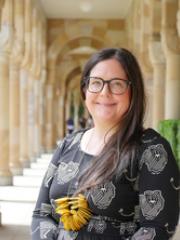
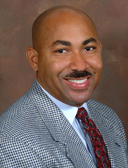
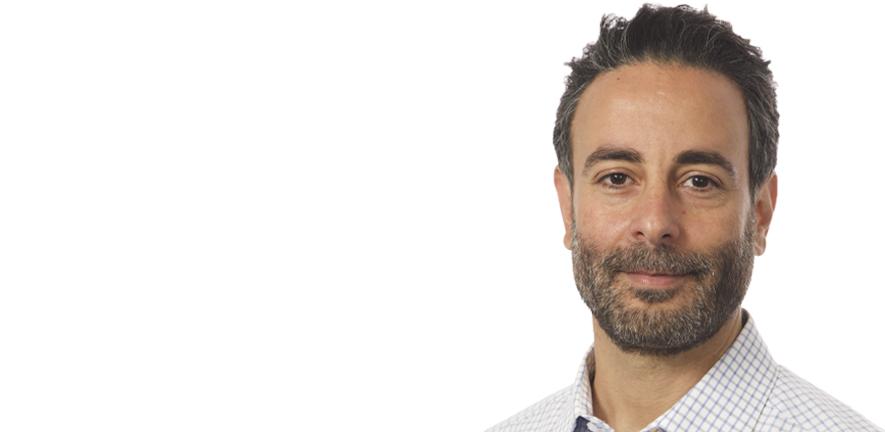
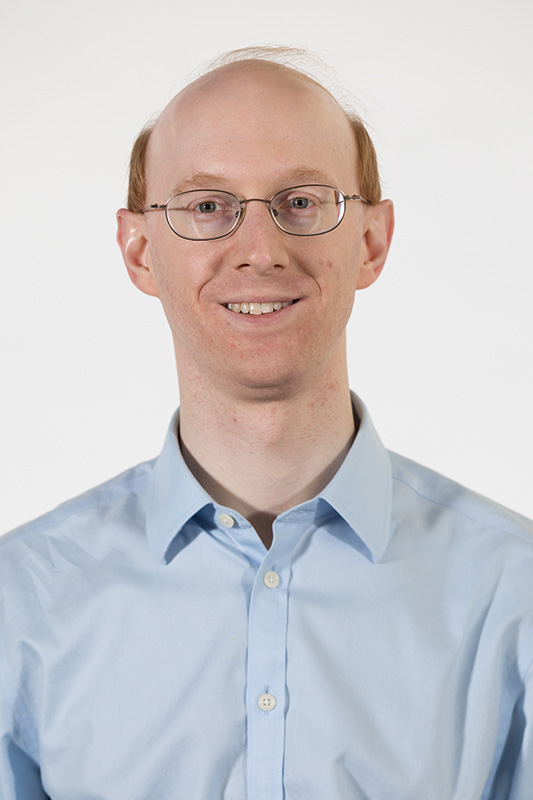
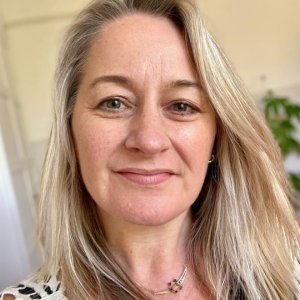
Dr. Stacey Parker is an Associate Professor at the University of Queensland School of Psychology (Faculty of Health, Medicine and Behavioural Sciences). She serves as an Affiliate of both the ARC Research Hub to Advance Timber for Australia's Future Built Environment (Faculty of Engineering, Architecture and Information Technology) and the Centre for Business and Organisational Psychology . With a research focus on balancing occupational well-being and performance, her work spans high-performance industries like healthcare, transport, and elite sports. She employs methodologies such as work simulation, physiology, and experience sampling to explore stress management, energy conservation, and performance optimization. PhD, University of Queensland Bachelor of Arts (UQ) Bachelor of Small Business Management (UQ) Bachelor (Honours) of Arts (UQ) Her research program integrates self-determination theory with practical applications in areas like diversity and inclusion , employee green behavior , compassion science , and social identity . She has developed frameworks for sustainable work design, examining hidden costs of performance systems and stress recovery mechanisms. Recent publications analyze algorithmic HR systems' impact on motivation, compassion training's physiological effects, and supervisor support dynamics. She serves on editorial boards for the Journal of Occupational Health Psychology and European Journal of Work and Organisational Psychology . As a supervisor , she guides doctoral research on topics like AI-regulated psychological practice, algorithmic performance systems, and neonatal care burnout. Her grants include ARC funding for timber sustainability (2023-2028) and work stress recovery (2021-2025).
Jeremiah Zartman is an Associate Professor in the Department of Chemical and Biomolecular Engineering at the University of Notre Dame, affiliated with the College of Engineering. His research is conducted through the Zartman Lab, located in the McCourtney Hall of Molecular Science and Engineering, where he investigates the integration of chemical and mechanical signaling in tissue development and regeneration. His research interests lie at the intersection of developmental biology and engineering, with a focus on understanding how cells coordinate to form functional tissues and organs. Using model systems such as the Drosophila wing disc, his lab combines live imaging , computational modeling , microfluidics , and high-throughput screening to dissect the regulatory networks that govern epithelial patterning, organ size control, and cytoskeletal dynamics. The lab aims to uncover fundamental principles of tissue self-organization that can inform synthetic organ design and regenerative therapies. The Zartman Lab is actively engaged in multidisciplinary research that bridges systems biology with bioengineering. Recent work has explored morphogen-guided tissue growth, real-time calcium signaling, and mechanical feedback mechanisms in development. The lab is currently recruiting graduate students and postdoctoral researchers, indicating active research momentum and funding support. Notable recognition includes receiving an NIH MIRA award, which supports sustained, impactful biomedical research. This award underscores the significance and innovation of his contributions to understanding tissue growth and regeneration. Zartman mentors students and leads a collaborative research team focused on decoding cellular decision-making processes—such as proliferation, differentiation, and apoptosis—and how these scale to robust tissue formation. The lab operates within Notre Dame’s broader research ecosystem, benefiting from advanced facilities including live imaging and engineered culture systems. The lab’s research environment emphasizes innovation and cross-disciplinary collaboration, aiming to answer foundational biological questions: How do individual cells coordinate to build complex, functional structures? By integrating engineering principles with developmental biology, the Zartman Lab contributes to both scientific understanding and the future of regenerative medicine.
Dr. Klein, L. is a prominent researcher at Heidelberg University's Faculty of Medicine, Department of Clinical Radiology, with a primary focus on medical imaging, cancer research, and radiation therapy applications. Their work bridges clinical oncology with advanced imaging technologies and artificial intelligence methodologies, contributing significantly to the German Cancer Research Center (DKFZ) publications database. Research interests center on tumor heterogeneity, radiation dose optimization in CT imaging, pancreatic cancer microenvironments, and AI applications in medical diagnostics. Dr. Klein's work demonstrates particular expertise in translating technical imaging advancements into clinical applications, especially in neuro-oncology and metastatic disease management. Their research spans both theoretical frameworks and practical implementations in radiation physics and cancer treatment. The publication record reveals a strong trend toward interdisciplinary research combining oncology, radiology, and artificial intelligence. Recent articles show increasing focus on spatial tumor biology, radiation dose minimization techniques, and explainable AI applications in medical imaging. This work represents a convergence of traditional radiology with cutting-edge computational approaches to improve cancer diagnosis and treatment. Dr. Klein actively collaborates with researchers across multiple institutions, particularly evident in multicenter studies on hydrocephalus management in leptomeningeal disease and large-scale analyses of radiation therapy techniques. These collaborations span clinical departments, physics laboratories, and AI research groups, reflecting the interdisciplinary nature of modern medical research. The research program operates within DKFZ's infrastructure, leveraging advanced imaging facilities and computational resources for both clinical and preclinical studies. Current work appears focused on optimizing radiation delivery systems while simultaneously developing AI-driven approaches to personalize cancer treatment based on imaging biomarkers and tumor microenvironment characteristics.
Karl-Heinz Dammer is a senior researcher at the Leibniz Institute for Agricultural Engineering and Bioeconomy (ATB) in Potsdam, Germany, specializing in the Agromechatronics department. With over 25 years of experience, his work focuses on sensor-based crop protection , precision agriculture , and machine learning applications for weed and disease detection. He has contributed to projects like Precision PS for targeted pesticide use and FungiDetect for early disease identification. Habilitation : Martin Luther University Halle-Wittenberg (2000) Education : Agricultural Sciences (1980-1985), Doctorate in Phytopathology (1988) Key Research Areas : Image segmentation for weed detection, sensor-guided crop protection, and agricultural robotics His recent publications emphasize deep learning models like U-Net for identifying weeds (e.g., Bur Chervil) and diseases (e.g., stripe rust in wheat) using RGB imagery and UAV-based systems. Collaborations span institutions in Germany, Iran, and international teams. Awards include the LEOPOLDINA Prize (1992) for early career achievements.
Jian Zhuang is a Professor at the Department of Artificial Intelligence, School of Computer Science and Engineering, University of Electronic Science and Technology of China. With over 30 years of academic contributions, he leads research at the intersection of medical image analysis , deep learning , and biomedical engineering . His work focuses on real-time medical imaging solutions for cardiac disease diagnosis and surgical planning. Research highlights include: Pioneering 3D CT and MRI segmentation frameworks for congenital heart disease Developing domain-adapted neural networks for clinical applications Advancing edge computing techniques for low-latency medical image processing Creating large-scale medical datasets like ImageCAS and ImageCHD His publications (90+) in venues such as Medical Image Analysis , IEEE Transactions , and MICCAI demonstrate technical leadership in medical AI and computer vision . Recognized with multiple awards including the MICCAI Best Paper Award and IEEE Access Outstanding Paper Award , he mentors a research group that has produced key tools for cardiac surgical telementoring and image-guided interventions .
Lester Pretlow is a Professor and Dean at Augusta University, serving in the College of Allied Health Sciences. He holds a primary appointment in the Department of Undergraduate Health Professions with a specialization in Medical Laboratory, Imaging and Radiologic Sciences. He is also affiliated with The Graduate School, where he mentors doctoral students through dissertation research supervision. Ph.D. in Biomedical Sciences, Old Dominion University (1997) BA in Chemistry, University of Virginia (1983) AS in Funeral Service and Mortuary Science, John Tyler Community College (1990) His research and academic focus lies at the intersection of clinical laboratory science and patient-centered diagnostics. He is particularly interested in improving diagnostic accuracy through evidence-based practice, managing pre-analytical challenges like hemolyzed specimens, and advancing education in medical laboratory science. His work supports the development of advanced competencies in clinical laboratory professionals. The recent publications reflect a strong emphasis on practical applications in clinical diagnostics, including troponin testing for heart attacks, safety in microbiology labs, and systemic issues in scholarly engagement within the laboratory science community. Collectively, these works highlight a commitment to enhancing both educational standards and operational excellence in clinical laboratories. Lester Pretlow has made significant contributions to the scholarship of clinical laboratory science, particularly in education and diagnostic practice improvement. While no formal awards are listed in the provided text, his leadership as Dean and active publication record underscore his standing in the field. He plays a key role in graduate education, having taught APHS 9300 (Dissertation Research) and guided student investigations. His administrative role as Program Director for Undergraduate Health Professions further demonstrates his involvement in shaping curricula and academic programs. There is no mention of external grants, but his scholarly output suggests sustained academic engagement. Dr. Pretlow’s work is embedded within the academic and clinical infrastructure of Augusta University, particularly through the College of Allied Health Sciences and its collaboration with clinical training sites. His efforts support the development of future laboratory professionals and the advancement of best practices in diagnostic medicine.
Dr. Eyal Maori (University of Cambridge) is a Sir Henry Dale Fellow at the Department of Biochemistry, focusing on RNA communication between organisms. His research explores RNA interconnections in infection, immunity, and genome dynamics, particularly studying RNA transfer between honeybees and its implications for social immunity and epigenetic communication. Key research areas include Establishing methods to study natural RNA transmission in honeybees Characterizing transmissible RNA in recipient honeybees Investigating RNA-primed social immunity across generations Assessing transmissible RNA effects on honeybee physiology and behavior His group employs RNA biochemistry techniques, imaging, and high-throughput sequencing to define RNA transfer mechanisms between cells and organisms. This work aims to develop tools for studying RNA transmission biology across systems, with applications in sustainability, health, and disease control. Publications and patents reveal trends in Plant RNA specificity modification for gene silencing dsRNA applications for pest control CRISPR/Cas9 HIV-1 studies Coffee bean and banana shelf-life enhancements Honeybee-Varroa mite interactions via RNA pathways
Claude PEGARD is a University Professor of Perception and Robotics at Université de Picardie Jules Verne (UPJV) , France, affiliated with research unit UR 4290. His office is located in PR-305 and he can be reached via internal phone extension 5922. His research lies at the intersection of computer vision, robotics, and intelligent control . Over three decades he has advanced autonomous navigation of aerial vehicles , sensor fusion between infrared and visible cameras , robust human detection , and fuzzy-logic-based flight control . Recent work explores AI applications in healthcare , highlighting both opportunities and ethical limits. Vision-based UAV navigation and path planning Photometric visual servoing for micro-air vehicles Multi-spectral human detection for search-and-rescue Nonlinear and fuzzy control of quadrotor platforms His publication trajectory from 1990-2024 shows a clear evolution from foundational work on omnidirectional vision and mobile-robot localization to cutting-edge neural-network-driven control and AI ethics. The 2020-2024 articles emphasize AI integration in safety-critical systems , robust control under uncertainty , and real-time vision algorithms . Laboratory & Teams: While the specific laboratory name is not stated, Prof. PEGARD leads activities within the Perception and Robotics group at UR 4290, mentoring graduate students and collaborating on UAV platform development and vision-based control systems.
Dr. Luke Reisner is an Adjunct Professor in the Department of Electrical and Computer Engineering at Wayne State University's College of Engineering. His research focuses on surgical robotics, Raman spectroscopy, and medical visualization, with applications in autonomous camera control for medical, military, and space domains. Education: Ph.D. in Computer Engineering (Wayne State University, 2012), M.S.E. in Computer Engineering (University of Michigan–Dearborn, 2005), B.S.E. in Computer and Electrical Engineering (University of Michigan–Dearborn, 2003) Research Interests: Surgical robotics: Developing autonomous camera systems for the da Vinci Surgical System, focusing on task analysis, remote presence interfaces, and recording/playback platforms for surgical training. Key innovations include entropy-based bleeding detection algorithms and sensor-integrated robotic systems. Raman Spectroscopy: Applications in medical diagnostics for ulcerative colitis and pediatric brain tumors, combined with biosensor integration for optimized port placement and real-time analysis in vivo. Medical Visualization: Advancing surgical imaging techniques, including bleeding assessment visualization and sensor-integrated virtual reality for surgical training. Patents: U.S. Patent 9,439,556 (2016): "Intelligent Autonomous Camera Control for Robotics with Medical, Military, and Space Applications" U.S. Application 14/913,793 (2016): "Camera Control System and Method" Labs & Teams: Collaborated with surgical robotics teams to implement autonomous camera control and biosensor-integrated systems. His work bridges engineering principles with clinical applications, emphasizing real-time data processing and human-in-the-loop robotic systems.
Professor Craig Phillip Juergens is a distinguished academic cardiologist at the University of New South Wales, specializing in interventional cardiology and acute coronary syndromes management. Affiliated with Liverpool Hospital's Medicine & Health department, he maintains an active clinical and research practice with extensive international collaboration through multicenter trials. His research interests focus on percutaneous coronary intervention , acute coronary syndromes management , and cardiovascular imaging . Dr. Juergens has established expertise in clinical research methodology and translational cardiology, with particular emphasis on improving procedural outcomes and patient care pathways in interventional cardiology. With 320 journal articles and numerous conference presentations, his scholarly output demonstrates consistent contribution to advancing interventional cardiology knowledge. His work spans clinical trials, technical innovations in PCI, and outcomes research across diverse patient populations including elderly, diabetic, and renal-impaired patients. Fellow of Cardiac Society of Australia and New Zealand Fellow of American College of Cardiology Professor Juergens actively supervises research students across multiple levels (ILP, Honours, Masters, PhD), contributing to the next generation of cardiovascular researchers and clinicians. His laboratory work focuses on optimizing interventional techniques while his clinical research examines real-world outcomes of cardiac procedures.
Vinson Chan is a Clinical Research Fellow in Interventional Oncology at the University of Leeds' School of Medicine, working under Professors Adel Samson and Tze Min Wah. Awarded a competitive Cancer Research UK Pre-doctoral Research Bursary, he completed his MBChB at Leeds Medical School in 2022 (receiving the Hillman Prize in General Medicine) and foundation training at Derby and Burton NHS Trust in 2024. He will commence formal training as an Interventional Radiologist in September 2025. His research interests focus on image-guided ablation techniques for renal, liver and prostate cancers, with particular expertise in biopsy protocols prior to renal cancer treatment, hereditary renal cell carcinoma management, and combination therapies with immunotherapy. His work has significantly influenced European Association of Urology guidelines, particularly regarding the critical role of image-guided biopsy before treating small renal masses. Chan has published over 65 peer-reviewed articles with more than 1000 citations and an h-index of 18. His publications span high-impact journals including European Urology (IF 25.3), Radiology (IF 12.1), and European Radiology (IF 4.7). His research on renal cancer ablation versus partial nephrectomy was awarded the Royal College of Radiologists' Steven Carstairs Prize, while his meta-analysis on prostate cancer diagnosis represents the first level 1a evidence for MRI-guided biopsy protocols. Rolf W. Günther Grant (CIRSE) Steven Carstairs Prize (Royal College of Radiologists) Trainee Research Prize (Radiological Society of North America 2024) Malcolm Coptcoat Prize runner-up (Royal Society of Medicine) Multiple BSIR awards As Engagement and Outreach Lead for the UK Interventional Radiology Trainee Research Collaborative (UNITE), Chan leads national research priority-setting initiatives. He co-founded the Yorkshire Interventional and Imaging Radiology Symposium (YiiRs), which has benefited over 800 attendees and secured £12,500 in industry funding. His medical education work includes the LEARN Study auditing urology teaching across UK medical schools and similar initiatives for interventional radiology curriculum development.
Rasmus Aagaard is a Clinical Associate Professor at Aarhus University's Faculty of Health Sciences, affiliated with the Department of Cardiothoracic and Vascular Surgery. His research focuses on emergency medicine applications of point-of-care ultrasound, resuscitation science, and critical care diagnostics. Primary Affiliation: Department of Clinical Medicine, Aarhus University Department: Cardiothoracic and Vascular Surgery Research Pillars: Emergency Ultrasound, Cardiac Arrest, Pulmonary Embolism Key research areas include: Teleultrasound implementation in critical care Prospective cohort studies for respiratory failure prediction Randomized controlled trials evaluating ultrasound-guided diagnostic pathways Development of scoring systems for critical care His publications span method validation studies, systematic reviews, and clinical trials with significant applications in emergency departments and critical care settings.
Dr. Eugene Maida serves as Assistant Clinical Professor in the Department of Physical Medicine and Rehabilitation at McMaster University with a cross appointment in the Department of Anesthesia. He holds key clinical leadership roles as Medical Director of the Michael G. DeGroote Pain Clinic and Head of Service for Pain Behaviours at Hamilton Health Sciences. His educational background includes: Residency in Physical Medicine and Rehabilitation at McMaster University Subspecialty training in Pain Medicine under McMaster's Department of Anesthesia Sports medicine research fellowship at Mayo Clinic focusing on Ultrasound Guided Musculoskeletal and Peripheral Nerve Interventions Diplomat certification in Sports & Exercise Medicine through CASEM Dr. Maida's research centers on interventional pain management with specialization in musculoskeletal ultrasound applications. His work bridges clinical practice and innovation in spine/musculoskeletal medicine, developing precise ultrasound-guided techniques for nerve blocks, joint injections, and novel pain interventions. Key focus areas include complex regional pain syndrome, osteoarthritis, tendinopathies, and sports-related injuries. Analysis of his recent publications (2013-2025) reveals consistent innovation in ultrasound-guided procedures across anatomical regions (hip, shoulder, foot, peripheral nerves). His work emphasizes technique validation, efficacy measurement of injection therapies, and procedural problem-solving - particularly in nerve visualization and maintaining needle functionality during interventions. Dr. Maida actively contributes to medical education through multiple leadership roles: Section Coordinator for pain medicine teaching in Physical Medicine and Rehabilitation Education Coordinator for Pain Medicine residency program Chair of Anesthesia pain rounds Lecturer for undergraduate medical student pain sessions He maintains significant clinical sports medicine involvement as Head Team Physician for the Hamilton Tiger Cats (CFL), following prior service with McMaster University varsity teams and the Canadian Junior National Basketball Team.
Joseph M. Caruso is a Distinguished Professor in Orthodontics at the Loma Linda University School of Dentistry . With a career spanning over three decades, his work focuses on orthodontic technology, craniofacial growth, and the integration of 3D imaging in dental diagnosis. Doctor of Dental Surgery (LLU, 1973) Master of Science (LLU, 1975) Master of Public Health (LLU, 1975) His research explores 3D imaging accuracy , implant dentistry , and orthodontic biomechanics , with recent projects on aerosol reduction in clinics and 3D printer validation for dental applications. Key trends include Craniofacial morphology , digital orthodontics , and interdisciplinary implantology . He has participated in professional service roles, including committee memberships at LLU and the American Association of Orthodontists, and has presented extensively on topics like miniscrew anchorage and CBCT utilization .
Professor Cally Tann is a distinguished Professor of Neonatal Medicine and Child Health at the London School of Hygiene & Tropical Medicine (LSHTM), working within the Faculty of Epidemiology and Population Health and the Department of Infectious Disease Epidemiology and International Health. She also serves as a Consultant Neonatologist at University College London Hospitals NHS Foundation Trust and holds an Honorary Principal Scientist position at the MRC/UVRI & LSHTM Uganda Research Unit in Entebbe. Professor Tann is the Academic Training Programme Director for paediatrics at NHS England and provides technical expertise to the World Health Organization and the Gates Foundation on newborn and child health interventions. Professor Tann completed her medical training (MBChB) at the University of Birmingham (1991-1997), followed by a MSc in International Health at LSHTM (2002-2003), and a PhD from LSHTM (2010-2013) focused on perinatal infection and newborn brain injury in Uganda. She earned her FRCPCH from the Royal College of Paediatrics and Child Health in 2018. Her pediatric training spanned London, Australia, and Uganda, providing her with extensive international clinical experience. Professor Tann's research focuses on newborn health and early childhood outcomes, particularly newborn brain health among term and preterm infants. She leads studies examining risk factors and early outcomes related to newborn conditions in Africa, with emphasis on early identification and intervention for children with developmental disabilities resulting from perinatal events. A co-founder of the Baby Ubuntu program, she has developed a participatory group approach that promotes inclusion for children with developmental disabilities and their families through partnership with expert parents. Her work also encompasses kangaroo mother care implementation, neonatal Group B Streptococcal infection research, and early child development interventions across multiple countries. Analysis of Professor Tann's recent publications reveals a strong focus on neonatal care in low-resource settings, particularly in sub-Saharan Africa. Her research spans clinical interventions like kangaroo mother care, neurodevelopmental outcomes following neonatal conditions, and innovative approaches to supporting children with developmental disabilities. The OMWaNA trial represents a major contribution to evidence on early kangaroo mother care implementation, while her work on the Baby Ubuntu program demonstrates a commitment to community-based solutions for developmental disabilities. Her publications show increasing collaboration across disciplines including neonatology, neurology, disability studies, and implementation science. Young Investigator of the year - Neonatal Update (2014) for research excellence in neonatal medicine Fred Murgotroyd prize (2003) for academic achievement in MSc Tropical Medicine and International Health Professor Tann has successfully secured substantial funding for her research, including grants from the Bill & Melinda Gates Foundation, Grand Challenges Canada, Medical Research Council, and various trusts supporting the Baby Ubuntu program. As Academic Training Programme Director for paediatrics at NHS England, she mentors numerous trainees and has co-founded the NHSE 'Survival Guide to Neonatal Intensive Care' courses to build knowledge and confidence among pediatric trainees. Her collaborative approach is evident in the extensive list of co-authors across her publications, representing multidisciplinary teams from multiple countries. Professor Tann co-leads the Baby Ubuntu program, which is currently being implemented in 8 countries across sub-Saharan Africa, as well as the UK and India. She works closely with the International Centre for Evidence in Disability at LSHTM and the MARCH Centre. Through her role with the MRC/UVRI & LSHTM Uganda Research Unit, she maintains strong research partnerships in Entebbe, where much of her clinical research takes place. Her leadership extends to numerous committees including the European Cooperation in Science & Technology management committee and the International Society on Early Intervention coordinating committee.