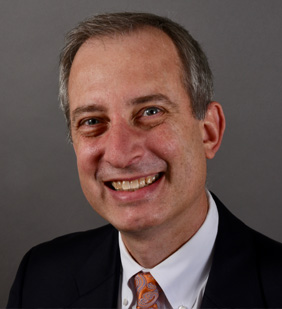
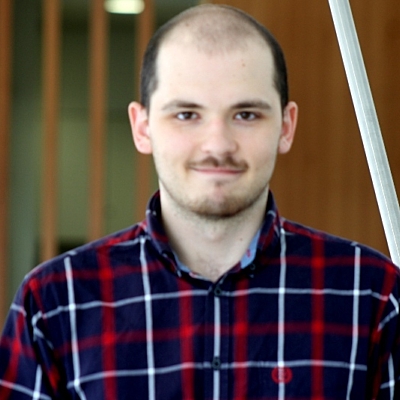
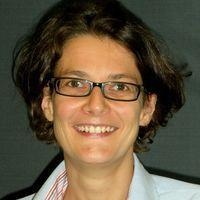
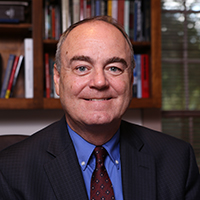
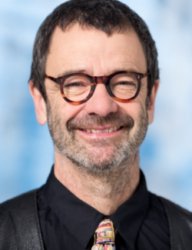
Paul A. Kowert is an Associate Professor of Political Science at the University of Massachusetts Boston's College of Liberal Arts. He specializes in international relations theory, U.S.-Japan relations, foreign policy analysis, and political psychology, with expertise in research design. PhD, Cornell University (1992) MA, Cornell University (1989) His research investigates how leaders process information, form international perceptions, and integrate normative principles into policy decisions. His work bridges political psychology and constructivist theory, emphasizing ideational and cultural influences in international relations. Professor Kowert has authored four major publications, including books co-edited and co-written with scholars like Vendulka Kubálková and Katja Weber. These works explore themes such as groupthink, post-war reconstruction, and ideational alliances in international relations. Recipient of research and teaching grants from the National Science Foundation, Social Science Research Council, Japan Society for the Promotion of Science, and Fulbright Foundation He teaches courses on foreign policy, national security, identity politics, and U.S.-Japan relations, while maintaining active research and mentorship roles.
Dr. Oliver Jacob Watkeys is a Research Fellow at the University of New South Wales (UNSW), Faculty of Medicine & Health, specializing in psychiatric research with a focus on childhood trauma, mental illness development, and suicide prevention. Holding a PhD in Psychiatry from UNSW (2021) and a Bachelor of Psychology from the University of Newcastle (2016), his work integrates epidemiological, genetic, and machine learning approaches to understand risk and protective factors in mental health. Dr. Watkeys' research interests encompass mental illness development processes, childhood trauma, suicidal ideation and self-harm, schizophrenia spectrum disorders, and mental health service utilization patterns. His current work investigates protective factors against adolescent suicidal ideation and self-harm following exposure to adverse childhood experiences. His methodological expertise spans epidemiological studies, genetic risk analysis, and machine learning applications in psychiatric research. Analysis of Dr. Watkeys' recent publications reveals a strong focus on childhood mental health trajectories, the interplay between childhood trauma and mental disorders, and population-level patterns of mental health service utilization. His research frequently employs large-scale longitudinal cohort studies, particularly utilizing Australian population data, with emphasis on developmental pathways from childhood adversity to adolescent mental health outcomes. The work demonstrates sophisticated integration of clinical, epidemiological, and biological approaches to understand mental illness development. Faculty of Science and IT Medal, University of Newcastle – 2016 Professor Barney Fenelon Prize in Neuropsychology, University of Newcastle – 2016 Vice Chancellor's Honours Scholarship, University of Newcastle – 2016 Delta Electricity Undergraduate Excellence Scholarship, University of Newcastle – 2015 Suicide Prevention Australia Post-Doctoral Fellowship (RG233038) Dr. Watkeys has secured competitive research funding including the Suicide Prevention Australia Post-Doctoral Fellowship (2024-25) for his project on protective factors against suicide in the face of adverse childhood experiences. His research leverages the New South Wales Child Development Study and other population cohorts to investigate developmental pathways to mental disorders, with particular attention to service utilization patterns and the continuum of psychosis. His work has significant implications for early intervention strategies and mental health service planning for children and adolescents.
Laure Cabantous is a Professor of Management and Organization Studies at ESCP Business School in Paris, France. Previously, she held a professorship at Bayes Business School in London. Her research focuses on the interplay between management practices (e.g., decision-making, leadership), management consultants, and management theories through a performative and post-humanist lens. Key interests include 'practice' perspectives (Strategy-as-practice, Leadership-as-practice), intuition in decision-making, AI's impact on decision processes, and organizational practices shaping future scenarios. Educated at Ecole Normale Supérieure (ENS Paris-Saclay) in Economics and with a PhD from Toulouse School of Economics, she bridges theoretical and applied research. She serves as Senior Editor at Organization Studies and former Editor-in-Chief of Management , while contributing to editorial boards of journals like Organization Theory and Strategic Organization . Her recent articles explore leadership in hierarchical settings, intuition-driven entrepreneurship, heuristic methods in strategic uncertainty, and the performativity of quantitative models. These works collectively highlight her focus on decision-making dynamics, organizational practices, and the societal implications of strategic tools. Despite no listed awards, her editorial leadership underscores her scholarly influence. Her research emphasizes critical engagement with models, tools, and theories that shape organizational realities. While no specific labs are mentioned, her cross-institutional collaborations and global campuses at ESCP reflect her transnational academic practice.
Leah Chong is an Assistant Professor in the Walker Department of Mechanical Engineering at the University of Texas at Austin. She holds a BS from Rice University (2017), MS and PhD from Carnegie Mellon University (2020-2022), and previously worked as a postdoctoral associate at MIT's Ideation Lab. Her research focuses on human-AI collaboration in engineering design, exploring how computational tools impact designer cognition and creativity, and developing frameworks for effective human-centered design. Education: Bachelor of Science in Mechanical Engineering, Rice University (2017) Master of Science in Mechanical Engineering, Carnegie Mellon University (2020) Doctor of Philosophy in Mechanical Engineering, Carnegie Mellon University (2022) Research Interests: Dr. Chong investigates AI-assisted decision-making, artificial empathy in design, and qualitative design methodologies. Her work combines computational modeling with human-subject experiments to understand how AI integration influences design processes, creativity, and decision-making. Key themes include trust dynamics between humans and AI, confidence calibration, and optimizing collaborative workflows. Awards: ASME Design Theory and Methodology Best Paper Award Carnegie Mellon's Milton Shaw Ph.D. Research Award Carnegie Mellon Presidential Fellowship Research Group: Dr. Chong leads a team exploring cutting-edge topics like LLM-based empathic inference and CAD-prompted generative models. She actively seeks motivated students (undergraduate, MS, PhD) to join her lab, emphasizing innovative research ideas and alignment with her focus areas.
Jonathan Ritson is a Research Fellow in Geography, focusing on environmental science and peatland ecosystems. He is Co-Investigator on a UKRI-funded greenhouse gas removal project and has held roles at Green Alliance and Imperial College London. His research addresses climate change impacts on peatlands, carbon cycling, and sustainable development goals. Ritson holds a PhD in environmental engineering (Imperial College London), MSc in physical geography (King's College London), and BSc in Chemistry (University of York). Research Interests: His work centers on peatland ecology, climate change mitigation, and ecosystem services. Key topics include peat formation, Sphagnum moss resilience, microbial communities in carbon cycling, and policy frameworks for carbon offsetting. Ritson collaborates globally, contributing to UN SDGs related to climate action and sustainable ecosystems. Awards & Activities: Recipient of the Best Outstanding Contribution to Research Impact (2023) Best Speaker Award at the Rank Symposium (2024) Bezos Earth Fund ideation prize (2024) He delivers invited talks on carbon policy and hosts academic visitors. Ritson is a peer reviewer for the British Ecological Society and engages in public outreach via platforms like Pint of Science. Media Impact: His work has been featured in 19+ news outlets, including studies on UK peatland vulnerability and 'super moss' research funded by Amazon.
Robert Schinke is a Full Professor at Laurentian University's School of Kinesiology & Health Sciences and currently serves as the two-term President of the International Society of Sport Psychology (2017-2025). A former competitive equestrian who represented Canada in the Pan-American Games and on the Canadian Equestrian Team, Dr. Schinke earned his Doctor of Education from the University of Alberta and completed post-doctoral work in Positive Psychology at the University of Pennsylvania. His research is supported by the International Olympic Committee Advanced Research Program and the Social Sciences and Humanities Research Council of Canada. Post Doctorate - Positive Psychology - University of Pennsylvania Doctor of Education - University of Alberta Masters of Human Kinetics - University of Ottawa Bachelor of Social Science - University of Ottawa Bachelor of Arts - University of Ottawa Dr. Schinke's research focuses on culturally-sensitive approaches in sport psychology, addressing the significant gap in understanding the cultural identities of athletes. His work with Indigenous communities in Northern Ontario has uncovered personal, coaching and community social support practices of Indigenous athletes. He investigates sport-related challenges faced by new Canadians and refugees within Canada's sport system, with findings that may transform cultural sensitivity in sport offerings globally. His research extends to athlete mental health from a holistic perspective and organization-wide capacity building informed by scientific inquiry. Dr. Schinke has extensive experience working with world champion professional athletes from numerous countries, with his work featured on HBO and ShowTime. His recent publications reveal a strong emphasis on cultural competence in sport psychology practice, athlete mental health, refugee and immigrant athlete integration, and career transitions. The research demonstrates increasing attention to systemic issues within sport organizations and the development of culturally-responsive intervention models. There's a clear trajectory toward more collaborative international research and position statements from professional organizations addressing critical issues in the field. Two-time Canadian Sport Science Research Award recipient Two-term Canada Research Chair in Multicultural Sport and Physical Activity (2011-2020) President of International Society of Sport Psychology (2017-2025) President of Association for the Advancement of Sport Psychology (2014-2015) Laurentian University Teaching Fellow in Graduate Student Mentoring (2021) Two-time Macleans Magazine Popular Professor Dr. Schinke has successfully mentored numerous graduate students, with two former PhD students receiving Governor General's Gold Medals for their dissertation projects and one named the International Society of Sport Psychology's Developing Scholar Award Recipient for 2017. His students' publications have received Paper of the Year honors from both the European Federation of Sport Psychology (2020) and the American Psychological Association Division 47 (2022). His research has been consistently funded through multiple Social Sciences and Humanities Research Council of Canada grants, with him serving as principal investigator five times, co-applicant four times, and collaborator once. As Co-Editor of the International Journal of Sport and Exercise Psychology (IF 4.3) and Editor-in-Chief of Journal of Sport Psychology in Action (IF 1.65), he significantly influences the direction of scholarly work in the field. Dr. Schinke maintains strong international connections, serving as a Distinguished International Professor at Tsing Hua University (2017-2021) and as a Visiting Professor at Beijing Sport University (2022-23). He has conducted research onsite at major games events including the 2016 Rio Olympic Games and the 2021 Olympic Games, demonstrating his commitment to bridging research and practice in high-stakes competitive environments.
Subigya Nepal is an experimental computer scientist serving as Assistant Professor at the University of Virginia's Computer Science Department (effective Fall 2025). Prior to this role, he completed a Postdoctoral Fellowship at Stanford University's Human-Centered AI Institute (2024-2025) following his PhD in Computer Science from Dartmouth College (2024). Stanford HAI Postdoctoral Fellowship recipient Developer of StudentLife app for behavioral telemetry Principal investigator of College Experience Study Dataset His research at the intersection of Human-Centered AI , Digital Health , and Behavioral Sensing creates groundbreaking frameworks for: Real-time mental health detection via smartphone telemetry Personalized AI interventions for depression and stress Longitudinal behavioral analysis during global crises Integration of Large Language Models with sensor data Key article trends reveal expertise in: Context-aware mobile health systems Smartphone-based depression diagnostics Speech and image analysis for mental health Academic stress monitoring Workforce burnout prevention Behavioral biomarker discovery Scientific contributions include: Stanford HAI Postdoctoral Fellowship Release of largest mobile sensing dataset for mental health research Breakthrough work in smartphone image analysis for depression detection Development of 5-year longitudinal behavioral sensing infrastructure As lab director at UVA, he focuses on: Training PhD students in human-centered computing Building AI systems for real-world mental health support Creating adaptive intervention frameworks for diverse populations Establishing international collaborations with clinical experts
Claire Jones is a Senior Lecturer in Psychology at the University of Wolverhampton within the Faculty of Education, Health, and Wellbeing. She specializes in Educational and Developmental Psychology with a focus on cognitive processes involved in belief formation and maintenance. Jones began her career at Wolverhampton as a Demonstrator in Psychology in 2010, progressed to Lecturer in 2016, and was promoted to Senior Lecturer in 2019 where she currently serves as module leader for Advanced Research Methods in Psychology and Core Debates in Psychology. Her educational background includes: PhD in Cognitive Psychology from the University of Wolverhampton BSc (Hons) Psychology from the University of Wolverhampton Postgraduate Certificate in Higher Education (2013) Dr. Jones's research primarily focuses on cognitive mechanisms underlying belief formation, with particular emphasis on conspiracy theories and misinformation. She co-leads the 'Applied Cognition and Individual Differences' research cluster and leads the 'Conspiracy Theories and Misinformation' special interest group. Her work examines how thinking styles, reasoning abilities, and cognitive processes influence susceptibility to misinformation and conspiracy theories, particularly among adolescents and young adults. She has also conducted significant research on bereavement processes and cognitive aspects of video gaming. Her publication record demonstrates a strong trajectory in understanding belief systems, with recent systematic reviews on conspiracy theories in adolescent populations and continuing bonds following bereavement showing methodological rigor and comprehensive evidence synthesis. Her work spans cognitive, social, and clinical psychology domains with practical applications for addressing misinformation in educational settings. Her scientific recognition includes: Fellow of the Higher Education Academy (2013) Dr. Jones actively supervises multiple PhD and Professional Doctorate students across diverse topics including magical ideation, reconciliation in polarized environments, prebunking strategies against misinformation, and bereavement processes. She has secured research funding including a Lord Paul Fellowship for studying conspiracy theory beliefs and a University of Wolverhampton Doctoral College grant for research on terrorism perceptions. Her professional activities include serving on the Psychology Ethics Committee and presenting research at numerous national and international conferences. She co-leads the 'Applied Cognition and Individual Differences' research cluster and heads the 'Conspiracy Theories and Misinformation' special interest group, fostering collaborative research on cognitive processes related to belief formation and maintenance.
Lou Farrer is an Associate Professor at the Centre for Mental Health Research within the School of Medicine and Psychology at The Australian National University (ANU) . She specializes in digital mental health interventions , focusing on the development and implementation of telehealth and online therapy programs for depression and anxiety disorders . Her work bridges clinical service delivery and technological innovation, examining factors influencing program adherence and dissemination in diverse settings. Dr. Farrer previously held an Australian Research Council DECRA (2019-2024) to study digital mental health implementation in clinical practice. She leads initiatives like the Uni Virtual Clinic , a digital tool for improving university student mental health, and contributes to implementation science research. Her projects include cluster randomized trials in schools and workplace telehealth training programs. Recent publications highlight her expertise in transdiagnostic interventions , syndemics , and suicidal ideation mechanisms. Awards include the DECRA , and she has extensive experience in randomized controlled trials and qualitative research . Dr. Farrer collaborates globally on mental health projects and has over 90 research outputs.
Stephen E. Hanson is the Lettie Pate Evans Professor in the Department of Government at William & Mary, where he also served as Vice Provost for Academic and International Affairs from 2011 to 2022. He previously led the Reves Center and held leadership roles at the University of Washington. His academic background includes a Ph.D. in Political Science from UC Berkeley and a B.A. from Harvard University. B.A. in Social Studies, Harvard University (1985) Ph.D. in Political Science, University of California, Berkeley (1991) Hanson’s research centers on comparative politics, particularly democratization, political ideology, and institutional change in post-communist societies. His work emphasizes Russia, Eastern Europe, and Central Asia, with a strong methodological focus on qualitative analysis and historical comparison. He has contributed extensively to debates on the legacies of empire, the design of democratic institutions, and the role of ideology in shaping political systems. The 15 most recent articles reflect a sustained engagement with post-communist transitions, democratic theory, and comparative institutional analysis. His publications span major journals in political science and area studies, demonstrating interdisciplinary reach and theoretical depth. Recurring themes include ideological persistence, authoritarian resilience, civil society development, and the challenges of democratic consolidation in post-Soviet contexts. Notable scientific awards include the Wayne S. Vucinich Book Award, University of Washington’s Distinguished Teaching Award, and the Outstanding Undergraduate Mentor Award. William & Mary received the Senator Paul Simon Award for Campus Internationalization during his tenure as Vice Provost. Wayne S. Vucinich Book Award (1998) UW Distinguished Teaching Award (2004) UW Outstanding Undergraduate Mentor Award (2005) Senator Paul Simon Award (2016, institutional) Hanson has advised major academic initiatives, including serving as Academic Director of PONARS and team lead on Russian domestic politics for the Obama 2008 foreign policy advisory group. He has secured research funding from the Social Science Research Council, U.S. Department of State, U.S. Department of Education, and the Henry M. Jackson Foundation. His visiting appointments at Harvard, Yale, Oxford, and the Wilson Center highlight his international scholarly impact. He has been actively involved in academic governance, serving on editorial boards of Slavic Review , Comparative Politics , Comparative Political Studies , and Demokratizatsiya . From 2002 to 2009, he was Assistant General Editor of Cambridge University Press’s Series in Comparative Politics, contributing to the dissemination of high-impact scholarship.
Leif Kalev is a Professor of State and Citizenship Theory at the School of Governance, Law and Society, Tallinn University. His work bridges theoretical political science with practical policy design, focusing on citizenship, democracy, and governance. He has held leadership roles in academic administration and government advisory bodies, including the Estonian Ministry of the Interior. Education: PhD in Government and Politics (Tallinn University, 2006), MA in Sociology (University of Tartu, 2002, cum laude) Key Expertise: Citizenship theory, migration policy, EU integration, democratic governance His research explores the interplay between political communities and institutional frameworks, with recent publications analyzing post-pandemic migration policies, parliamentary systems, and sustainable development goals. Kalev's work emphasizes practical applications of political theory to enhance civic engagement and policy efficacy. Notable awards include the Federation of Estonian Student Unions recognition (2001), a cum laude MA degree (2002), and recognition as the best teaching person in student surveys (2004). He has contributed to national strategies, including Estonia's internal security and population development frameworks.
Dr. Monika Angerer is a Senior Scientist in the Department of Psychology at the University of Salzburg, affiliated with the Laboratory for Sleep, Cognition & Consciousness Research within the Faculty of Natural Sciences. She holds a PhD in Natural Sciences (Dr. rer. nat.) and is concurrently completing clinical psychology training at the Austrian Academy for Psychology. Since March 2024, she has also served as a Psychologist at the Hospital 'Barmherzige Brüder' in Salzburg, integrating clinical and research expertise. Her educational background includes a Master’s in Psychology (cognitive neuroscience), a Bachelor’s in Educational Science, and dual Bachelor’s degrees in Psychology and Nursery Education. She has been continuously involved in research at the University of Salzburg since 2016, progressing from Research Assistant to Senior Scientist. Dr. Angerer’s research focuses on disorders of consciousness, chronobiology, circadian rhythms in brain-injured patients, prenatal and postnatal influences on infant development, early dyadic interactions, and attachment . Her work combines neurophysiological measurements (e.g., actigraphy, HRV) with behavioral and developmental assessments. She has led and co-led significant research projects, including an FWF-funded study on prenatal programming and cognitive development. Her 15 most recent publications reveal a strong trajectory in sleep science, neurorehabilitation, infant development, and pandemic-related mental health . Key themes include circadian rhythm entrainment through daylight exposure, neural speech tracking in newborns, maternal mental health, and parent-infant interaction. Her work spans high-impact journals such as Sleep , BMC Medicine , and European Journal of Neurology . Dissertation Prize for Natural Sciences 2023 (University of Salzburg) Wilhelm Strubreither Prize 2022 (Austrian Association for Neuropsychology) Christian-Doppler-Award 2021 (Land Salzburg) Multiple merit scholarships and presentation awards Dr. Angerer has been actively involved in academic service, including serving as Early Career Researcher Representative for the Austrian Association for Psychology (2020–2023). She regularly presents at international conferences such as ESRS, SLTBR, and ASSC. While no formal advisees are listed, she collaborates extensively with researchers and students in the Sleep Lab. She is a member of several professional societies and serves as a reviewer for journals including Clocks & Sleep , Clinical Neurophysiology , and Sleep .
Associate Professor Bernadette Fitzgibbon is Deputy Director of Research at Monarch Mental Health Group and holds academic appointments as Associate Professor at the Australian National University (ANU) and Monash University. Her work bridges clinical neuroscience, mental health, and chronic pain management, with a focus on innovative treatments such as brain stimulation and psychedelic therapies. Associate Professor, ANU – College of Health and Medicine, School of Medicine and Psychology Associate Professor, Monash University – Central Clinical School, Department of Psychiatry Deputy Director of Research, Monarch Mental Health Group Her research centers on understanding and treating chronic pain and mental illness through neurostimulation techniques like transcranial magnetic stimulation (TMS) and theta burst stimulation (TBS), as well as exploring the therapeutic potential of psychedelic compounds. She integrates neuroimaging, neurophysiology, and clinical trials to develop next-step treatment services. Bernadette’s recent publications highlight her leadership in clinical brain stimulation research, with studies on depression, fibromyalgia, PTSD, autism, and meditation. Her work demonstrates strong translational impact, with several trials already influencing clinical practice. Key themes include neuromodulation efficacy, biomarker discovery, and biopsychosocial mechanisms of pain and mental health. Her scientific contributions have been recognized through multiple awards: Vice-Chancellor's Commendation for Doctoral Thesis Excellence (2013) Young Researcher of the Year (2014) Young Tall Poppy Science Award (2014) Australasian Brain Stimulation Society Early Career Award (2018) Invited Tess Cramond Lecturer (2021) Plenary speaker at the Neuromodulation Society of Australia & New Zealand (2022, 2024) Bernadette has secured over $2.5 million in research funding and led multiple clinical trials as Primary Chief Investigator. She has served on national advisory boards, including as Chair of the Australian Brain Alliance EMCR Network (2017–2021) and Executive Member of the Australian Brain Alliance. She is also an editorial board member of the Journal of Clinical and Translational Neuroscience and has organized STEM leadership programs for mid-career women. Her external affiliations include: Research Affiliate, Epworth Foundation (2019–present) Honorary Senior Fellow, Department of Physiotherapy, University of Melbourne (2019–present) Honorary Researcher, Alfred Hospital (2016–present)
Professor Manuel Eisner is the Wolfson Professor of Criminology and Deputy Director at the Institute of Criminology , University of Cambridge. He also directs the Violence Research Centre, focusing on global interpersonal violence prevention and its intersection with sustainable development. Fields of Interest: Criminology, historical violence trends, developmental psychology, public health, gender equality, and sustainable development. Key Projects: Collaboration with eight low/middle-income countries (Jamaica, Ghana, Romania, South Africa, Pakistan, Sri Lanka, Vietnam, Philippines) on adversity, violence against women during pregnancy, and child outcomes. His research emphasizes interdisciplinary approaches linking mental well-being, urban planning, and gender equality to SDGs. Manuel's work with organizations like WHO and the Global Partnership to End Violence against Children aims to strengthen child protection and violence prevention globally. Scientific Awards: 2011 Sellin-Glueck Award, American Society of Criminology 2017 ESC European Criminology Award 2021 Jerry Lee Lifetime Achievement Award
Gerard Bell is an academic researcher specializing in the intersection of generative artificial intelligence, cognitive neuroscience, and product design engineering. His work explores how AI-generated stimuli can enhance visual working memory research, the neural mechanisms underlying creative ideation in designers, and the development of intuitive gesture-based interfaces for 3D object manipulation in conceptual design. Research Interests Generative AI for stimulus creation Neuroscience of creative design and ideation EEG-based brain-computer interfaces Human-computer interaction in design contexts Gesture vocabulary for 3D modeling The 15 most recent publications reveal a consistent focus on bridging artificial intelligence with cognitive processes in design engineering. Key trends include real-time neural feedback systems (2024), structural alignment models for design concepts (2022), and systematic analysis of gesture interfaces in HCI (2019). The research spans experimental validation of AI-generated stimuli (2025) to neuroimaging studies of professional designers (2020-2019).