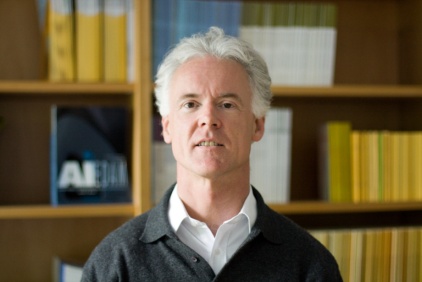
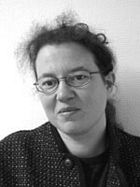
Dr. Soonja Choi is a Research Professor in the Comparative Psycholinguistics Group at the University of Vienna and Director of the Korean Studies Program at San Diego State University (SDSU), where she holds the title of Professor Emerita of Linguistics. She earned her Ph.D. in Linguistics from the University of Buffalo (1986) and holds advanced degrees from institutions in France and South Korea. Her research focuses on language and thought, semantics, spatial language, and Korean linguistics, with a particular emphasis on cross-linguistic studies of spatial categorization and its cognitive implications. Research Contributions: Her work has explored how language influences spatial perception and cognition, notably through long-term collaborations with the Max Planck Institute for Psycholinguistics and the National Science Foundation. Key contributions include studies on spatial term development in Korean/English children and cross-linguistic comparisons of spatial semantics between German, Korean, and English. Grants & Awards: Secured over $1.4M in grants including a EUR 600,000 Vienna Science Fund grant (2016-2020) and multiple NSF awards. Elected to the Academy of Europe (2019) as an Ordinary Member. Professional Roles: Served as Chair of SDSU's Department of Linguistics and Oriental Languages (1997-2000, 2001-2002), Graduate Advisor (multiple terms), and editorial board member for Language, Interaction, and Acquisition . Active in academic governance and international linguistic organizations.
Wolfgang Kunz is a Full Professor (C4, W3) and Chair of Electronic Design Automation at the Technische Universität Kaiserslautern since 2001. His academic career spans multiple prestigious institutions, including Goethe-University Frankfurt/Main and the University of Massachusetts, Amherst. He has held leadership roles such as Dean (2005-2007) and Vice-Dean (2007-2009) at TU Kaiserslautern. Habilitation (Dr. rer. nat. habil.), Computer Science, University of Potsdam (1996) Doctoral degree (Dr.-Ing.), Electrical Engineering, University of Hannover (1992) Dipl.-Ing. degree, Karlsruhe Institute of Technology (1989) His research focuses on hardware verification, security, and optimization, particularly in embedded systems and processors. His work on formal verification methods has been commercialized by companies like Synopsys, Mentor Graphics, and Siemens EDA. His 2016-2021 publications address critical security issues such as Spectre/Meltdown and introduce innovative verification frameworks adopted by industry leaders like Infineon and OneSpin Solutions. Scientific awards include the IEEE Fellow (2006), German IT Society Award (2005), and TU Kaiserslautern Distinguished Teaching Award (2016). He has served on editorial boards of major journals and coordinated the Erasmus Mundus European Master Program in Embedded Computing Systems since 2010. Key students: Jörg Bormann, Raik Brinkmann, Tobias Ludwig Collaborations: Siemens EDA, Infineon, AbsInt, Intel SCAP Spin-offs: LUBIS EDA, OneSpin Solutions
François Peeters is a Full Professor of Physics at the University of Antwerp, Belgium, holding the position since 2000 (with Dutch title 'gewoon hoogleraar' since 2003). He previously served as Research Director (FWO-VI) at the University of Antwerp (1996-1999), Research Leader (NFWO) (1992-1996), and Senior Research Assistant (NFWO) (1988-1992), establishing a distinguished academic career spanning over three decades. His educational background includes a Ph.D. in Physics from the University of Antwerp (1982), followed by a Habilitation (Hoger aggregaat) from the same institution (1987), and a postdoctoral fellowship at Bell Laboratories in Murray Hill, New Jersey (1982-1983). His academic journey also featured research periods at prestigious institutions including the High Magnetic Field Laboratory in Grenoble, University of California Berkeley, Oxford University, and several Brazilian and Australian universities. Peeters' research focuses on theoretical condensed matter physics , specializing in the electronic, optical, and magnetic properties of nanostructured systems. His work encompasses semiconductors , superconductors , graphene , and hybrid quantum systems , with particular emphasis on strong correlations in both classical (colloids, dusty plasma) and quantum (quantum dots) environments. His theoretical frameworks bridge fundamental quantum mechanics with practical nanotechnology applications, driving innovations in spintronics and quantum device design. Analysis of his publication record reveals a clear evolution from foundational work on polaron physics and quantum Hall systems in the 1980s-1990s toward contemporary research on graphene, topological materials, and programmable quantum nanodevices. His most cited works demonstrate consistent leadership in mesoscopic physics, with recent publications showing increased focus on spin-dependent transport phenomena and two-dimensional material systems. His scientific recognition includes: Fellowship in the American Physical Society (2005) APS Outstanding Referee award (2008) Doctor Honoris Causa from University of Szeged, Hungary (2009) Peeters has supervised 26 completed PhD theses and currently leads the Condensed Matter Theory research group comprising 3 ZAP researchers, 16 PhD students, and 8 postdocs. His grant portfolio includes coordination of an EU Marie Curie Training site on 'Electrons on helium', participation in multiple EU projects, COST actions, and ESF networks, demonstrating sustained success in securing competitive international funding. The Condensed Matter Theory group maintains extensive international collaborations, evidenced by Peeters' research visits to over 10 institutions worldwide and regular hosting of 3-4 international visitors at postdoc or professorial levels. The group's output of over 770 refereed publications with 12,000+ citations reflects its position at the forefront of theoretical condensed matter physics research.
Irmgard Marboe serves as Associate Professor at the University of Vienna's Institute for European, International and Comparative Law, where she is based in the Department of International Law and International Relations at the Juridicum building. Her academic leadership includes serving as Head of Austria's National Point of Contact for Space Law and Director of the Vienna International Christian-Islamic Summer University. Professor Marboe's research spans multiple critical domains of international law with particular emphasis on space law and its intersections with other legal frameworks. Her work addresses contemporary challenges including space security, international investment disputes, and the complex relationship between international legal systems and Islamic jurisprudence. She has developed significant expertise in human rights applications within diverse cultural contexts and serves as Deputy Chair of the University of Vienna's Arbitration Commission. Her scholarly output demonstrates consistent focus on emerging legal challenges in space governance and international dispute resolution. The publications she has supervised reveal growing scholarly attention to space commercialization, space debris management, and the intersection of trade regulations with space technology development. Professor Marboe maintains active professional engagement through numerous prestigious appointments including membership in the International Institute for Space Law, the International Academy of Astronautics, and the European Centre for Space Law. She previously served as Chair of the Working Group on National Space Legislation for the UN Committee for the Peaceful Use of Outer Space (2008-2012) and as Co-Rapporteur for the International Law Association's Committee on Islamic and International Law (2008-2018). She oversees a substantial academic team including Student Assistant Noa Lucienne Hasler, Project Assistant Adela Zinschitz, and is supported by Secretariat member Brigitte Weidinger. Her consultation hours are held Thursdays from 4:00-5:00 p.m., with separate appointments available during lecture-free periods.
Vienna University of Economics and BusinessAustria
Assoc. Prof. Zehra Eksi-Altay holds a position at the Institute for Statistics and Mathematics at Vienna University of Economics and Business (WU). Her research focuses on financial mathematics, stochastic modeling, and partial information control problems in finance. She has expertise in credit risk modeling, derivatives pricing, and commodity markets. Eksi-Altay has a PhD in Financial Mathematics (2011) and completed her Habilitation in 2017. She has advised one doctoral thesis and has published extensively in top-tier journals like Quantitative Finance and Journal of Computational and Applied Mathematics . Her work bridges theoretical advancements with practical applications in areas such as regime-switching models, optimal portfolio strategies, and liquidity analysis. Education: BSc, MSc (2005), PhD (2011) Habilitation: 2017 Key Research Themes: Partial Information Models, Stochastic Control, Credit Risk, Algorithmic Trading Her recent work explores regime-switching affine term structures, optimal trading strategies under uncertainty, and dark pool liquidity analysis. Eksi-Altay has received one academic prize, though its specific name is not detailed in the provided text. Her contributions span both theoretical developments and applied finance, often collaborating with institutions like WU’s Institute for Statistics and Mathematics.
Dorret I. Boomsma is a Full Professor of Biological Psychology at the Free University of Amsterdam and the Free University Medical Centre, Amsterdam, where she has served as Head of Department since 1998. She has built a substantial research group of over 40 people, largely funded through competitive grants and awards received over the past two decades. Her educational background includes a BA in Psychology (cum laude, 1979), MA in Psychophysiology (cum laude, 1983), and a PhD in Quantitative Genetics (cum laude, 1992), all from the Free University of Amsterdam. She also earned an MA in Biological Psychology and Behavior Genetics from the University of Colorado. Professor Boomsma's research focuses on the genetic and biological basis of individual differences in normal and abnormal behavior, health, and cognition. Her work explores etiological pathways to complex behavioral and neuropsychiatric traits and common diseases, with particular emphasis on twin studies and large-scale longitudinal genetic-epidemiological research through the Netherlands Twin Register (NTR). She has made significant contributions to understanding the genetics of twinning and has conducted extensive genetic linkage, association, and expression studies through the NTR Biobank project. Her publication record reflects a strong focus on genetic epidemiology, with numerous high-impact papers in prestigious journals. Her work spans diverse areas including ADHD, migraine genetics, brain development, smoking behavior, and the genetic architecture of complex traits. She has published over 730 papers with more than 19,000 citations, demonstrating the significant impact of her research in the field of behavioral genetics. Her scientific achievements have been recognized with numerous prestigious awards: Spinoza Premium (2002) - the highest scientific award in the Netherlands ERC Advanced Grant (2008) Hendrik Muller Award (2009) from the Royal Netherlands Academy of Arts and Sciences KNAW Merian Prize (2011) NARSAD established investigator award (2011) James Shield Award (2002) from the International Society for the Study of Twins Membership in the Royal Netherlands Academy of Sciences (KNAW) (2001) Professor Boomsma has demonstrated exceptional ability in securing research funding, which has allowed her to grow her research team from 12 members in 1998 to over 40 members by 2009. Her group attracts outstanding PhD students, postdoctoral researchers, and professional colleagues. She is also committed to public outreach, ensuring that the results of her scientific work reach beyond academic circles. She directs the Netherlands Twin Register Biobank, a significant resource for genetic epidemiological studies that has enabled numerous genome-wide association studies and other genetic research. Her work with the NTR has established it as one of the world's leading twin registries.
Vienna University of Economics and BusinessAustria
Dr. Franz-Karl Skala is a Senior Lecturer at the Vienna University of Economics and Business (WU) in the Business Education department, with over 15 years of academic and professional experience in higher education. He has held teaching and research positions at institutions including the University of Graz, University of Applied Sciences Burgenland, and Fachhochschule Wiener Neustadt. Current Senior Lecturer at WU (since 2012) Teaching focus on programming didactics and e-learning Specializes in business informatics didactics and vocational training Research interests center on curriculum development for hybrid education models, digital transformation in business training, and vocational education reform. His recent FLUENT project (2022-2025) develops flexible universal education models for AI-era learning. He has secured multiple Erasmus+ grants for international education initiatives in Central Asia. Scientific awards include four Vienna University of Economics and Business Innovative Teaching Awards (2020, 2019, 2017, 2010), University of Graz teaching excellence recognition (2020), AK Science Prize (2013), and Leopold-Kunschak Science Prize (2013). Developed modular curriculum frameworks Created e-learning platforms for entrepreneurs Conducted comparative studies on vocational vs academic degrees
Susanne Reichl is a full Professor at the Department of English and American Studies within the Faculty of Philological and Cultural Studies at the University of Vienna. She serves as Head of the interdisciplinary research platform Mediatised Lifeworlds: Young people's narrative constructions, connections and appropriations, a position she has held since autumn 2021 for its second period. Reichl maintains an active teaching schedule, offering courses on contemporary British literature, children's and young adult literature, and teaching methodology for literature and culture. Her research interests span contemporary British literature and culture, children's and young adult literature, cognitive approaches to literature, tales of time travel, Black and Asian British literature, and teaching literature at university and school. Reichl's work demonstrates a consistent focus on how young people engage with literature and media, particularly examining narrative construction in digital environments and the intersection of reading practices with identity formation. Reichl's recent publications reveal a strong trend toward interdisciplinary research connecting literary studies with media studies, cognitive science, and educational theory. Her work on youth media practices, particularly through the #YouthMediaLife platform, demonstrates innovative approaches to understanding how young people navigate contemporary digital landscapes through narrative construction. She has made significant contributions to understanding time travel narratives, multimodal literature, and social reading practices, particularly on platforms like Goodreads. Figdor-prize of the Austrian Academy of Sciences for literary studies (2005) Erwin-Schrödinger international scholarship by the FWF (Austrian research fund) (2005/2006) Reichl has supervised numerous master's students, though she has announced she cannot take on new master supervision until March 2026. Her research platform Mediatised Lifeworlds has secured significant institutional support at the University of Vienna, indicating successful grant acquisition. Reichl maintains an active research agenda with consistent publication output across multiple formats including monographs, edited collections, journal articles, and book chapters. As Head of the interdisciplinary research platform Mediatised Lifeworlds, Reichl leads a collaborative team examining young people's narrative constructions in digital environments. This platform brings together researchers from multiple disciplines to investigate how youth appropriate and connect through mediatised experiences, with particular attention to the narrative frameworks they employ in social media and other digital spaces.
Manuel Serrano is a Research Professor at the Catalan Institute for Research and Advanced Studies (ICREA) and serves as Program Chair and Group Leader at the Institute for Research in Biomedicine (IRB) in Barcelona, Spain. He is internationally recognized for his groundbreaking work in tumor suppression, cellular senescence, aging, and cellular reprogramming. He earned his PhD from the University of Madrid (UAM) in 1991. From 1991 to 1996, he conducted postdoctoral research at Cold Spring Harbor Laboratory under David Beach, where he discovered the p16 gene, a key tumor suppressor and inducer of senescence. In 1997, he returned to Spain to lead research groups at the National Center of Biotechnology (CNB) and later at the Spanish National Cancer Research Center (CNIO) from 2003 to 2017. In 2017, he moved to IRB Barcelona. His research interests include: Tumor suppressors – mechanisms and therapeutic implications Cellular senescence – its role in aging and cancer Cellular reprogramming – in vivo reprogramming for tissue regeneration Aging – molecular pathways and interventions Fibrotic diseases – lung, kidney, and heart fibrosis His lab pioneered the generation of genetically modified mice resistant to cancer and damage, and was the first to demonstrate in vivo cellular reprogramming into pluripotency within tissues, recognized as the Advance of the Year 2013 by Nature Medicine . Scientific Awards: Léopold Griffuel Award (2020) ERC Proof of Concept (2020) Severo Ochoa Award (2018) ERC Advanced Grants (2008, 2014) EMBO Membership (2000) Multiple national and international honors Grants & Recognition: Serrano has secured multiple ERC grants and national awards. His work is supported by top-tier funding bodies and has led to over 37,000 citations and an H-index of 75. Labs & Teams: He leads the Serrano Lab at IRB Barcelona, focusing on translational applications of senescence and reprogramming in degenerative diseases and cancer therapy.
Wolfgang Nejdl is a Full Professor of Computer Science at Leibniz Universität Hannover since 1995 and the Head of the L3S Research Center since 2001. His research focuses on Web Science, search and information retrieval, semantic web technologies, peer-to-peer infrastructures, databases, technology-enhanced learning, and artificial intelligence. Education: M.Sc. (1984) and Ph.D. (1988) in Computer Science from Vienna University of Technology. Previous Positions: Assistant Professor in Vienna (1988–1992), Associate Professor at RWTH Aachen (1992–1995), and visiting professor/researcher at Xerox PARC, Stanford, University of Illinois at Urbana-Champaign, EPFL Lausanne, and PUC Rio. His research spans foundational and applied Web technologies, including social networks, trust and reputation, Web infrastructure, digital libraries, semantic web, collaborative filtering, and privacy-preserving systems. Recent projects like PHAROS, OKKAM, LiWA, and LivingKnowledge highlight his work in audio-visual search, web entities, web archive management, and diversity bias algorithms. Wolfgang Nejdl published over 230 scientific articles and held leadership roles as General Chair for AH'08 and PC Chair for WWW'09. He co-founded iSearch IT Solutions in 2006 to commercialize digital library and web engineering research from L3S projects. Scientific Awards: Founding member and head of the L3S Research Center The L3S Research Center, with a 2009 budget of €6 million (75% third-party funding), focuses on connecting the Web to real-world entities through research in Web Science, service computing, and security. Funding comes equally from the European Union and national/industry sources.
Prof. Dr. Paulina Jo Pesch is an Assistant Professor in the Department of Law and Technology at Friedrich-Alexander-University Erlangen-Nürnberg (FAU), Germany. Her research focuses on Internet/IT law, data protection law, electronic payments, and decentralized virtual currencies. She has held postdoctoral positions at the University of Münster (part-time) and University of Innsbruck, alongside legal training as a Trainee Lawyer in Berlin’s judicial system, including roles at the Berlin Public Prosecutor’s Office, Berlin Commissioner for Data Protection, and law firms. Education includes a Ph.D. (Dr. iur.) in Law from the University of Münster (2016), a specialization in Information/Telecommunication Law, and legal examinations (First and Second State Examinations). Her work bridges legal and technical domains, addressing challenges posed by emerging technologies like blockchain, AI, and generative models under GDPR and cybersecurity frameworks. Publications emphasize regulatory frameworks for cryptocurrencies, AI ethics, digital forensics, and consent management in ad-tech. She co-authored the BITCRIME project’s recommendations for cryptocurrency regulation and contributed to studies on financial sector cybersecurity for Germany’s BaFin. Her research frequently intersects cybercrime prevention, intellectual property, and cross-border legal harmonization. Prof. Pesch’s career combines academic rigor with practical legal experience in tech sectors. She advises on IT security law, participates in interdisciplinary projects, and teaches at FAU. Current work explores generative AI’s legal implications, blockchain governance, and data protection in decentralized systems.
Institute of Science and Technology AustriaAustria
Thomas Henzinger is a Professor at the Institute of Science and Technology Austria (IST Austria) since 2009, serving as its President from 2009 to 2022. He holds honorary doctorates from Fourier University and Masaryk University. His research focuses on formal methods for improving software reliability in concurrent and embedded systems, with contributions to quantitative verification, quantum computing, and algorithmic fairness. He leads the Henzinger Group , which addresses challenges in software correctness, safety-critical systems, and AI ethics. Education: PhD from Stanford University (1991), followed by postdoctoral work at Université Joseph Fourier (1991). Research Interests: Concurrent and embedded systems, formal methods, quantum algorithms, fairness in AI, and runtime verification. His team develops mathematical foundations and tools to ensure software robustness in complex systems. Recent Trends in Publications: Focus on advancing formal verification techniques for neural networks, quantum computing, and ethical AI. Key contributions include fairness shields for decision systems and middleware for third-party monitoring (VAMOS). Awards: Royal Society Fellow (2024), US National Academy of Sciences Member (2020), Wittgenstein Award (2012), and numerous test-of-time awards. Advising & Grants: Advised over 20 PhD students. Secured ERC Advanced Grants (VAMOS, QUAREM) and FWF grants (Wittgenstein Award). Labs/Teams: Leads the Henzinger Group , collaborating on projects like SPyCoDe (semantic security) and VAMOS (third-party monitoring middleware).
Vienna University of Economics and BusinessAustria
Univ.-Prof. Dr. Martin Spitzer holds the Chair of Civil Law and Civil Procedure at the Vienna University of Economics and Business (WU Wien), where he has been a full professor since 2011. He serves as Program Director for Business Law and Institute Director at WU. Professor Spitzer is Editor-in-Chief of the Austrian Jurists' Journal (ÖJZ) and the Austrian Legal Archives (ÖJA), and co-editor of prominent legal commentaries including the ABGB commentary ("KBB"). His academic work spans both traditional civil law topics and modern commercial legal challenges. Professor Spitzer's research interests focus on the intersection of substantive and procedural civil law, with particular emphasis on banking law, inheritance law, insolvency law, collective legal protection, credit security law, tort law, and contract law. His work often takes comparative and historical perspectives, examining how civil law principles apply in contemporary commercial contexts. He has published extensively across all fields of civil and civil procedure law, with recent work exploring digitalization of legal processes, climate change liability, and human rights violations in global supply chains. His recent scholarly output demonstrates a clear trend toward addressing contemporary legal challenges through traditional civil law frameworks. Many publications examine how digital transformation impacts civil procedure, with particular focus on video hearings and electronic evidence. Other significant themes include banking regulation in times of crisis, consumer protection in financial services, and the evolving relationship between administrative decisions and civil proceedings. His work consistently bridges theoretical legal scholarship with practical applications for legal professionals. Excellent Teaching Award (2021, 2020, 2016) Innovative Teaching Award (2017) Insolvency Law Prize (Main Prize, 2014) Cardinal Innitzer Promotion Prize (2012) Walther Kastner Main Prize (2012) Capital Markets Prize (2012) Professor Spitzer plays a significant role in legal education through his position as Program Director for Business Law at WU Vienna. He co-founded Austria's best-selling legal textbook series (PSK, Bürgerliches Recht) with Stefan Perner, now in its 7th edition. He has supervised numerous doctoral students and research assistants who contribute to the chair's publication projects. Beyond academia, he maintains strong connections with legal practitioners through continuing education events for the judiciary and legal profession, including the Vienna Civil Court Day and Austrian Lawyers' Civil Law Day. His work extends to media commentary, expert opinions for public and private clients, and projects addressing social responsibility such as pharmaceutical supply chain resilience. The chair under Professor Spitzer organizes several major scientific events including the Banking Law Forum (since 2019), Forum for Civil Law (since 2016), Private Law Course including Civil Procedure (since 2014), Insurance Law Day (since 2021), Vienna Civil Court Day (since 2019), and Vienna Civil Law Day (since 2023). These events bring together academics, practitioners, and judges to discuss current developments in civil law. The chair also houses the editorial team for the Austrian Jurists' Journal and oversees publication of standard commentaries on key Austrian legal codes.
Professor Kriszta Eszter Szendröi is a distinguished academic at the University of Vienna, where she serves as Professor of Theoretical and Experimental Linguistics in the Department of Linguistics within the Faculty of Philology and Cultural Studies. Her extensive teaching portfolio includes courses on morphology, syntax, Yiddish language, and information structure across multiple semesters including upcoming 2025W and 2025S terms. Professor Szendröi's primary research interests span theoretical and experimental linguistics with a specialized focus on Yiddish linguistics. Her groundbreaking work documents significant grammatical changes in Contemporary Hasidic Yiddish (CHY), including the complete loss of morphological gender and case marking across global Hasidic communities. She has conducted extensive fieldwork resulting in over 100 hours of recordings with speakers from Israel, New York, Montreal and London, examining both theoretical linguistic analysis and sociolinguistic context. Her scholarly output reveals a consistent focus on the syntax-prosody interface, particularly regarding focus movement and its acquisition across languages. Szendröi has pioneered research on CHY as a distinct linguistic variety, examining innovations in its pronominal system and the Hebrew/Aramaic component within the language. Her work also extends to community engagement, notably translating critical health information during the COVID-19 pandemic for Hasidic communities worldwide. Professor Szendröi has secured significant research funding through an AHRC-funded project on Contemporary Hasidic Yiddish conducted with Lily Kahn. The project involved international collaboration and extensive fieldwork across multiple countries, resulting in numerous publications in top linguistics journals and edited volumes. She has mentored doctoral students including Riccardo Pulicani (on quantifier raising and information structure) and Cecile Larralde (on focus effects on negation-disjunction interactions). Her collaborative research network spans international institutions, working with scholars from the University of Edinburgh, University of Potsdam, and others on language acquisition studies involving children in Hasidic communities. Professor Szendröi leads the YUNG YiDiSH WIEN initiative, a dedicated space for Yiddish language and culture in Vienna that serves both the academic community and local Yiddish-speaking Orthodox populations. Her research team has made significant contributions to documenting and analyzing Contemporary Hasidic Yiddish as a living, evolving language variety, establishing it as a distinct linguistic phenomenon worthy of scholarly attention.
Virginie Mamadouh is a Senior Lecturer in Political and Cultural Geography at the University of Amsterdam's Department of Geography, Planning and International Development Studies. With affiliations to research institutes including the Amsterdam Institute for Social Science Research (AISSR) and former roles at the Amsterdam Metropolitan and International Development Studies (AMIDSt) and its predecessor AME, she has maintained a long-standing academic presence at UvA since 1996. 2005–present: Senior Lecturer (Universitair Hoofddocent) at UvA 1999–2005: Assistant Professor (Universitair Docent) at UvA 1999–2003: Lecturer at University College, Utrecht University Mamadouh's research explores geopolitical narratives, migration dynamics, and the spatial dimensions of governance. Her work bridges political geography with cultural theory, focusing on transnational identity formation, electoral geography, and multilevel governance in the European Union. Key publications analyze immigration discourses, Eurozone governance challenges, and institutional transplantation mechanisms. Her research integrates cultural theory frameworks with empirical studies on territorial identity, media representation of conflict, and transnational policy transfer. 2012–2016: Steering Committee member, IGU's Commission on Political Geography 1992–1996: KNAW research fellowship