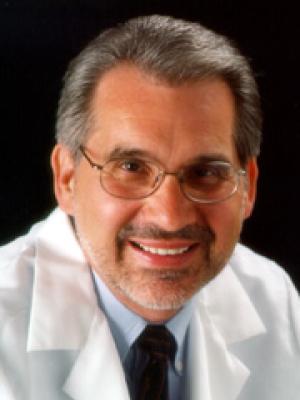
Carlos Alberto Guzmán is a prominent researcher whose work spans immunology, virology, and biomedical research, with significant contributions to vaccine development and immune response modulation. His research focuses on innovative strategies for combating viral infections such as SARS-CoV-2 and influenza, leveraging computational modeling, adjuvant development, and RNA-based vaccine platforms. Editorial roles: Review Editor for Microbial Immunology (Frontiers in Immunology) and Guest Associate Editor for Virus and Host (Frontiers in Cellular and Infection Microbiology) His recent publications highlight interdisciplinary approaches integrating immunology, virology, and computational biology to address challenges in vaccine design and inflammatory response regulation. While his institutional affiliation is not explicitly stated, his collaborative work extends to fields like biobanking, radiation-induced viral inactivation, and neonatal immunization.
Professor Kang Chen is a faculty member at the Wayne State University School of Medicine with joint appointments in the Department of Obstetrics and Gynecology , Biochemistry, Microbiology and Immunology , Oncology , and the Center for Molecular Medicine and Genetics . He co-chairs the Immunology Focus Group across Wayne State University, Karmanos Cancer Institute, and Henry Ford Health. PhD : Weill Cornell Medicine, Memorial Sloan-Kettering Cancer Center, Hospital for Special Surgery BSc (First-Class Honours): National University of Singapore Dr. Chen's research focuses on immune regulation of cancer , reproductive disorders , and mucosal immunity . His lab investigates antibody diversification mechanisms in B cells, immunoglobulin class switching and somatic hypermutation dysregulation in diseases, and maternal-fetal immune interactions affecting pregnancy outcomes. Recent publications highlight his work on WWC proteins in tumor suppression (2025), gene therapy for mesothelioma (2024), IgD-basophil interactions (2023), Maspin in cancer stem cell regulation (2022), and preterm labor immunoprotection (2017). His studies span immunology , oncology , and reproductive medicine . Scientific Awards American Association of Immunologists Travel Awards (2023, 2025) College Teaching Awards (2020, 2017) Research Excellence Award (2016) Burroughs Wellcome Fund Investigator (2014) NIH MIST Young Investigator Award (2013) Dr. Chen teaches Immunology , Cancer Immunotherapy , and Reproductive Biology courses at Wayne State University. His lab collaborates with academic and clinical partners across institutions, leveraging molecular, cellular, and animal model approaches to develop novel therapeutics for cancer and immune-related reproductive disorders. As principal investigator, he leads studies on maternal-fetal immune crosstalk , antibody diversification , and mucosal immunology , with patents in therapeutic antibody generation and preterm labor prevention .
Juan José Lasarte Sagastibelza is a Full Professor of Immunology at the University of Navarra, affiliated with the School of Medicine and the Department of Internal Medicine. He serves as a Principal Investigator in the Immunomodulation and Tumor Microenvironment group at Cima Universidad de Navarra, while also contributing to the Cancer Center Clínica Universidad de Navarra. PhD in Sciences, University of Navarra (1992) Bachelor in Biological Sciences, University of Navarra (1988) Research Interests: His work focuses on immunology and the development of antiviral/antitumor immunotherapies. Key areas include: Characterization of mechanisms inducing cellular/humoral immune responses Development of synthetic peptides as biological process inhibitors Study of tumor immune evasion and regulatory T cell function CAR-T cell therapies and EDA vaccination platform (licensed to Formune Vaccines) Scientific Contributions: He has co-invented 20 patents, including p144 (anti-TGF-beta peptide for systemic sclerosis clinical trial), and developed CD25-targeted nanoliposomes for tumor regression. His research spans EU Horizon 2020, Carlos III Health Institute, and private-industry collaborations (e.g., Hoffman-La Roche). Teaching & Leadership: He has supervised 15 PhD theses (5 awarded Extraordinary Doctorate) and authored 6 books. Active in academic leadership as co-director of the Immunology and Immunotherapy Program and coordinator of the Spanish Network of Cancer Immunotherapy (REINCA).
Rachel Tanner is an Associate Professor and Lecturer in Human Sciences at Wadham College, University of Oxford, with additional appointments as Research Fellow at Wolfson College and Access Officer for the Institute of Human Sciences. Her research focuses on tuberculosis vaccine development through analysis of immune correlates, particularly the humoral response to BCG vaccination and development of functional in vitro assays. Education MA in Biological Sciences, University of Oxford DPhil in Clinical Medicine, University of Oxford Her work addresses critical gaps in TB vaccine development by: Identifying humoral immune correlates of protection Developing in vitro mycobacterial growth inhibition assays (MGIA) to reduce animal use Investigating controlled human infection models Exploring non-specific effects of BCG vaccination Advancing bovine TB vaccine research She leads initiatives aligning with the 3Rs principles for animal research. Notable scientific awards include: TBVI Young Scientist Award (2017) CTVD Early Career Scientist Award (2018) 'Women of the Future' Award for Science (2019) Current research projects involve: Comparative analysis of BCG and MTBVAC vaccines Route-specific antibody functionality Development of novel TB vaccine candidates Standardisation of functional immune assays She contributes to scientific governance through roles on: British Society for Immunology Vaccine Affinity Group Acid Fast Club committee Oxford University Animal Care and Ethical Review 3Rs subcommittee Scientific Reports Editorial Board
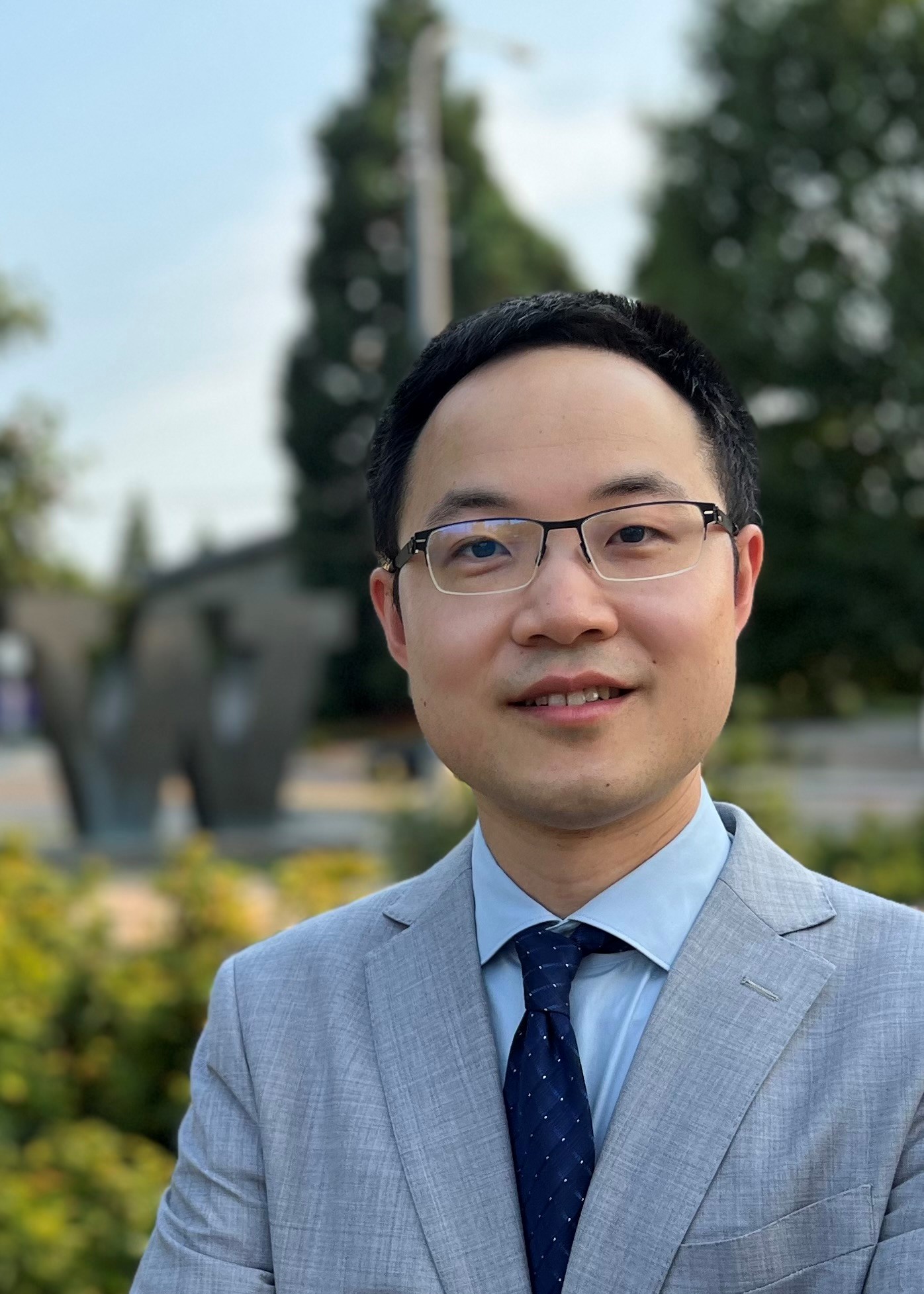
Dr. Shijie Cao serves as an Assistant Professor in the Department of Pharmaceutics at the University of Washington School of Pharmacy, where he leads the Cao Lab focused on innovative drug delivery approaches for immunological disorders. His research bridges pharmaceutical sciences with immunology to develop novel therapeutic strategies targeting the microbiome and immune system. Dr. Cao earned his Bachelor of Science in Pharmacy from Fudan University in Shanghai, China in 2013, followed by a PhD in Bioengineering from the University of Washington in 2018. He completed postdoctoral training in Molecular Engineering at the University of Chicago from 2019-2023 before joining the UW faculty in June 2023. His research program centers on mucosal immunoengineering and microbiome pharmaceutics , with the goal of developing translatable tools to prevent and treat immunological disorders including allergies, inflammation, autoimmune diseases, and infectious diseases. The lab specifically focuses on developing therapeutics that modulate the immune system by targeting the microbiome and its associated metabolites. By leveraging advanced drug delivery tools and microbiome modulation strategies, Dr. Cao's team aims to unravel the complex interplay between the microbiome and various organ systems to improve human health. Analysis of Dr. Cao's recent publications reveals a strong trajectory in developing microbiome-targeted therapies, particularly using butyrate and other microbial metabolites for autoimmune conditions and food allergies. His work demonstrates increasing sophistication in delivery systems, with recent publications focusing on glycosylation-modified antigens for tolerance induction, serine-conjugated butyrate prodrugs with high oral bioavailability, and injectable butyrate-prodrug micelles for long-acting immune modulation. The research spans applications from autoimmune arthritis and neuroinflammation to peanut allergy treatment and chronic wound healing. Dr. Cao actively collaborates with prominent researchers including Jeffrey A. Hubbell and maintains strong connections with his previous mentors at the University of Chicago. His work frequently appears in high-impact journals including Nature Biomedical Engineering, Cell Reports Medicine, and Biomaterials, reflecting the significance and innovation of his contributions to pharmaceutical sciences. The Cao Lab is currently accepting graduate students and maintains active research programs in two primary areas: developing tolerance-inducing vaccines for food allergies and autoimmune conditions, and creating microbiome-targeted delivery systems for inflammatory and autoimmune diseases. The lab employs interdisciplinary approaches combining nanotechnology, immunology, and microbiome science to address unmet medical needs in immune-mediated disorders.
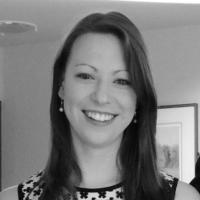
Dr Alice Denton is a Lecturer in the Centre for Inflammatory Disease at Imperial College London, where she has worked since January 2020. Her research focuses on understanding how fibroblasts influence immune responses during vaccination and aging. She leads a small lab team and has secured significant funding, including an MRC Career Development Award and a Dunhill Medical Trust Seed Award. Education: PhD, University of Melbourne (2006-2010) Postdoc, University of Cambridge (2010-2015) BBSRC FL Fellowship, Babraham Institute (2016-2019) Alice's research explores the interplay between fibroblasts and immune cells in lymph nodes, particularly how inflammation and aging affect fibroblast function. Her work aims to improve vaccine efficacy through better understanding of stromal-immune crosstalk. Key themes include germinal center immunology , lymph node stromal cells , aging immunity , and inflammatory microenvironment . Her recent publications emphasize fibroblast-immune interactions in tertiary lymphoid structures, podoplanin signaling , and TLR4 targeting for vaccine enhancement. She also investigates spatial organization of immune cells during aging and the role of lymphoid stromal cells in supporting macrophages and germinal centers. Scientific Awards: MRC Career Development Award Dunhill Medical Trust Seed Award Alice collaborates with colleagues at Imperial College London and manages multiple responsibilities including teaching, supervision, and lab work. Outside academia, she enjoys baking (especially sourdough bread), creating cat-themed art, and distilling experimental flavors like pea-flavored gin.
Andrew B. Ward is a Professor in the Department of Integrative Structural and Computational Biology at The Scripps Research Institute. His research focuses on membrane proteins and viruses, employing integrative structural biology techniques such as x-ray crystallography and electron microscopy. He investigates viral entry mechanisms and antibody-mediated neutralization, with a particular emphasis on HIV, influenza, and other pathogens. Ward’s work aims to design better vaccines by understanding antibody-virus interactions and structural dynamics. Education: Ph.D., The Scripps Research Institute, 2008 B.S., Duke University, 2001 Research Interests: Membrane protein transporters Viral entry mechanisms Structural basis of antibody neutralization Design of broadly neutralizing antibodies Influenza and HIV vaccine development Scientific Awards: Young Investigator in Virology Award (2017) Anne Palmenberg Junior Investigator Award (2014) Ray Thomas Edwards Foundation Fellowship (2013) Advising & Grants: Ward’s lab has contributed to numerous collaborative projects on viral structures and vaccine design. Grants include funding from NIH and the National Science Foundation. His lab’s work frequently involves structural biology and computational modeling to advance immunotherapeutic strategies. Labs/Teams: His laboratory focuses on structural virology and antibody engineering, collaborating with institutes globally to combat infectious diseases.
Tim R. Mosmann is a Professor and Director of the Human Immunology Center at the University of Rochester, leading the David H. Smith Center for Vaccine Biology and Immunology. He holds the Michael and Angela Pichichero Director's Endowed Chair. His academic journey includes B.S. degrees in Chemistry, Physiology, and Microbiology from the University of Natal and Rhodes University in South Africa, followed by a Ph.D. in Microbiology from the University of British Columbia. After postdoctoral training at the University of Toronto and Glasgow University, he held academic positions at the University of Alberta before joining the University of Rochester in 1998. Dr. Mosmann is renowned for discovering the Th1/Th2 T cell subsets, a pivotal contribution to understanding immune regulation and vaccine design. His research focuses on cytokine networks, T cell differentiation, and immune responses to infections and vaccines. He has authored over 250 publications and holds patents on technologies for immune response detection, including arrayed sensor systems for influenza and HPV immunity analysis. His awards include the Novartis Prize for Basic Immunology, multiple Pillars of Immunology recognitions, and election to the Royal Society of Canada. His work bridges immunology, vaccinology, and clinical translation, emphasizing the role of T cell subsets in health and disease. Collaborations span academia and industry, advancing methodologies in flow cytometry and automated data analysis.
Carola Vinuesa is a leading immunologist currently serving as Principal Group Leader and Royal Society Wolfson Fellow at The Francis Crick Institute (London, UK). She previously held academic leadership roles at the Australian National University (ANU), including Professor of Immunology (2010) and Head of Department (2011). Education : MD (University Autónoma of Madrid, 1992), PhD (University of Birmingham, 2000) Leadership : Founder/co-Director of NHMRC Centre for Personalised Immunology (2014), Director of China-Australia Centre for Personalised Immunology (2022), Advisory Professor at Jiaotong University (2018) Her research focuses on immunology , genetics , and autoimmune diseases , particularly identifying T cell subsets (Tfh, Tfr) that regulate antibody responses and autoimmunity. She connects genetic variation to lupus pathogenesis and explores mechanisms of immune tolerance. Recent publications highlight her work in genetic immunology , with studies on TLR7 gain-of-function variants , ZEB2 in B cell aging , and neuritin in Tfr cell function . Her team integrates genomics , flow cytometry , and model organisms to study immune checkpoints. Scientific Awards : Royal Society Fellow (2022), Gottschalk Medal (AAS), Lupus Insight Prize (2023), Johann Anton Merck Award (2023), Life Scientist of the Year (2008) She collaborates with institutions in Australia, China, and the UK, advancing personalized immunology and translational research . Her lab’s work informs diagnostic strategies and targeted therapies for autoimmune conditions.
Dr. Lee S. Berk is the Associate Dean of Research at the School of Allied Health Professions and an Associate Research Professor in the Department of Pathology and Human Anatomy at the School of Medicine , Loma Linda University . His research spans psychoneuroimmunology , focusing on the physiological effects of mirthful laughter , humor , and neuroendocrine responses on stress, immune function, and brain health. Dr. Berk has served on numerous committees, including the Loma Linda University Health Research Oversight Committee and Board of Directors of the American College of Lifestyle Medicine . He has been an Editorial Board Member for the Journal of Physical Therapy and Rehabilitation and Advances in Mind-Body Medicine . His advisory roles include mentoring doctoral candidates Olivia Moses and Micheline Vargas . Over his career, Dr. Berk has been extensively featured in media outlets (e.g., CNN , NPR , Newsweek ) and has contributed to over 150 peer-reviewed publications. His work explores EEG gamma wave modulation , anti-oxidant effects on autism , and exercise interventions for inflammation and metabolic health . Current projects include studies on brain health , type 2 diabetes , and religious cognitive-behavioral therapy outcomes.
Maria Rosaria Capobianchi is a distinguished professor of Molecular Biology at Saint Camillus International University of Health and Medical Sciences (Unicamillus) in Rome, where she contributes to the Master’s Degree in Medicine and Surgery. She has held key leadership roles at the National Institute for Infectious Diseases "L. Spallanzani," including Director of the Virology Laboratory and Director of the Department of Epidemiology, Preclinical Research, and Advanced Diagnostics. She is actively involved in the WHO Collaborating Center for Highly Infectious Diseases and collaborates with WHO, ECDC, and the Italian Ministry of Health. Her research focuses on virology, molecular biology, emerging infections, antiviral defense mechanisms, and innovative diagnostic methods . She has led and participated in numerous national and international research projects funded by European, US, and regional bodies. Her work spans pathogenesis, viral evolution, host immune responses, and public health preparedness. The analysis of her recent publications reveals a strong emphasis on SARS-CoV-2, including viral variants, vaccine effectiveness, immune response dynamics, genomic surveillance, and diagnostic innovation. Her work integrates molecular virology with clinical and epidemiological insights, contributing significantly to pandemic response and preparedness. Her scientific honors include: Knight of Merit of the Republic Inclusion in the "Top Italian Scientists" list by Via-Academy She has mentored numerous researchers and students through her leadership in research projects and academic roles, though specific advisees are not listed. She has been a consultant to the National Transplant Center on viral infections in transplantation and has contributed to public health policy and training initiatives. Her work continues to influence clinical virology, infectious disease management, and global health security. She is affiliated with: Laboratory of Virology, INMI "L. Spallanzani" Department of Epidemiology, Preclinical Research and Advanced Diagnostics, INMI WHO Collaborating Center for Clinical Care, Diagnosis, Response, and Training on Highly Infectious Diseases
Bin Tian, Ph.D., is a Professor in the Department of Biochemistry and Biophysics at The Wistar Institute and serves as Program Co-Leader of the Genome Regulation and Cell Signaling Program at the Ellen and Ronald Caplan Cancer Center. He is also the Director of the Center for Systems & Computational Biology. His research integrates molecular biology, computational genomics, and functional studies to understand RNA processing, particularly alternative polyadenylation (APA), and its roles in cancer and immunity. His educational background includes a B.S. in Biochemistry from East China University of Science and Technology and a Ph.D. in Molecular Biology from Rutgers Biomedical and Health Sciences (formerly UMDNJ). He completed postdoctoral training in bioinformatics and genomics at Johnson & Johnson before establishing his independent lab at Rutgers New Jersey Medical School in 2003, where he became a tenured professor in 2014. He joined The Wistar Institute in 2020. His research focuses on molecular systems biology of RNA, including functional genomics of cleavage and polyadenylation, regulation of gene expression through early transcriptional termination, spatial and temporal control of mRNA metabolism via alternative 3’UTRs, and cleavage and polyadenylation inhibition (CPAi) as a cancer therapeutic strategy. His lab has developed key bioinformatics resources like PolyA_DB, APAlyzer, and MAAPER. His recent publications show a strong trend in dissecting APA mechanisms across physiological and pathological contexts, including cancer, neuronal function, and immune cell differentiation. The work combines high-throughput sequencing, single-cell analysis, and computational modeling to uncover how APA regulates mRNA stability, localization, and function. He mentors a team of postdoctoral fellows, predocotoral trainees, and research assistants, contributing to training the next generation of scientists. His lab is actively pursuing novel therapeutics targeting mRNA 3’ end processing in cancer and immune disorders.
Professor Deborah Williamson is Dean of Medicine and Head of the School of Medicine at the University of St Andrews, UK, where she also holds the position of Professor of Medicine within the School of Medicine and the Department of Medical & Biological Sciences. She brings extensive leadership experience from academic and public health institutions across Australia, New Zealand, and the UK, and is a globally recognized clinician-scientist in infectious diseases. Her research focuses on leveraging genomics and innovative technologies to combat infectious diseases such as syphilis, gonorrhea, SARS-CoV-2, and Salmonella . With over 300 journal publications and significant research funding, her work contributes to global public health and the UN Sustainable Development Goals, particularly in health and well-being. The recent publications highlight a consistent focus on molecular diagnostics, pathogen genomics, and public health implementation. Her research spans clinical microbiology, serological assay evaluation, quality assurance in diagnostics, and immune responses to viral infections. The work is collaborative, translational, and globally impactful, especially in low-resource and regional settings. Scientific Awards: L'Oreal-UNESCO Women in Science Fellowship Professor Williamson actively advises research teams and has secured significant funding for her work. She continues to mentor early-career researchers and is deeply involved in advancing medical education at St Andrews. Her leadership integrates clinical service, research innovation, and academic training. She leads a dynamic research group focused on infectious disease genomics and collaborates widely across international networks, particularly in the Indo-Pacific region. Her lab contributes to large-scale surveillance initiatives, including the GenomeTrakr project for Salmonella enterica .
Professor Judah Aryeh Denburg is a leading academic in Allergy and Clinical Immunology at McMaster University, affiliated with the Faculty of Health Sciences and the Department of Medicine . He serves as Director and Chief of Service of Clinical Immunology and Allergy at Hamilton Health Sciences, McMaster Division, and holds the William J. Walsh Chair in Medicine . Education : MD, Hebrew University, Jerusalem (1971) FRCPC in Internal Medicine (1976) and Hematology (1977), Royal College of Physicians and Surgeons of Canada His research focuses on hematopoietic progenitor cells in allergic inflammation, eosinophil/basophil biology, and neuroimmune interactions in autoimmune diseases like systemic lupus erythematosus (SLE). Recent studies link early-life immune development to microbiome exposure and allergic outcomes. Key trends in his 2025–2017 publications include SARS-CoV-2 vaccination responses, epigenetic mechanisms in cord blood, and the role of TSLP in asthma. Collaborative work spans microbiome effects , allergic disease prediction , and immunomodulatory therapies . Scientific Awards : Immunology Research Award, Canadian Society of Allergy and Clinical Immunology (2000) Burton Zweiman Lectureship (2009) Jack Hirsh Award, McMaster University (2012) Canadian Academy of Health Sciences inductee (2016) As Scientific Director of AllerGen NCE Inc. , he bridges basic and clinical immunology, mentoring leaders in allergy research. His work has positioned Canada as a global authority in asthma and allergic disease management.
Associate Professor Grant Logan is a Senior Lecturer at the University of Sydney and a Research Scientist at the Children’s Medical Research Institute. He also serves as an Honorary Hospital Scientist at the Children’s Hospital at Westmead, where he develops serological tools to assess gene therapy eligibility. University of Sydney Children’s Medical Research Institute Children’s Hospital at Westmead Logan’s research focuses on the immunobiology of gene therapies using adeno-associated virus (AAV) vectors . His work explores host-vector interactions, pre-existing immunity, and strategies to enhance gene therapy efficacy for autoimmune and rheumatological disorders . He has contributed to understanding AAV vector tolerogenicity and immune modulation. Recent publications highlight his work on AAV vector engineering for liver-specific expression, DNaseI delivery in lupus models, and anti-AAV antibody characterization in spinal muscular atrophy patients. Honorary Hospital Scientist at Children’s Hospital at Westmead Member, Gene Therapy Technical Advisory Committee to Australian Office of the Gene Technology Regulator Collaborations with biotech industry and multiple patents Key grants include: 2024: NHMRC Ideas Grant for AAV bioengineering to escape pre-existing immunity 2022: NHMRC Ideas Grant for pharmaco-genetic autoimmune kidney disease treatment 2020: NHMRC Ideas Grant for anti-capsid immunity in SMA gene therapy