

Ronald T. Michener is a Professor and Department Chair of Systematic Theology at Evangelische Theologische Faculteit Leuven , Belgium. He holds a Dr. theol. (Ph.D.) in Systematic Theology (2003) and D.E.S. (2000) from the Faculté Universitaire de Théologie Protestante de Bruxelles , Belgium, along with an M.A. (1987) and B.A. (1983) in Christian Thought and Philosophy from Western Seminary and Judson Baptist College, USA. Academic Positions: Professor (2013–present), Associate Professor (2007–2013), Lecturer/Assistant Professor (2000–2006) at ETF Leuven; Guest Teacher (2014) at Greek Bible College, Greece; Adjunct Faculty at Tyndale Theological Seminary (2000–2010) and Western Seminary (1986–1989). Research Interests: Michener specializes in Systematic Theology, Postmodern Theology, Deconstructive Theology, and Theopoetics. His work bridges Continental Philosophy (e.g., Levinas, Derrida) with Evangelical Theology, emphasizing themes like humility, hospitality, and theological responses to postmodern challenges. Publications: Author of Engaging Deconstructive Theology (2007) and co-editor of the Handbook on Postconservative Theological Interpretation (2024). His recent articles (2020–2024) explore postmodern ecclesiologies, theopoetic sensibilities, and ethical implications of social media. Affiliations: Member of the American Academy of Religion, European Academy of Religion, and Fellowship of European Evangelical Theologians.
جستوجوی استاد و پژوهشگر
استاد راهنما، استاد دانشگاه یا پژوهشگر مناسب برای مسیر پژوهشیتان را پیدا کنید و با او ارتباط بگیرید.
نمایش ۴۶-۶۰ از ۸۷۶ استاد راهنما
اطلاعات این پروفایلها از صفحات عمومی دانشگاهها جمعآوری شده و ممکن است بهروز نباشد.
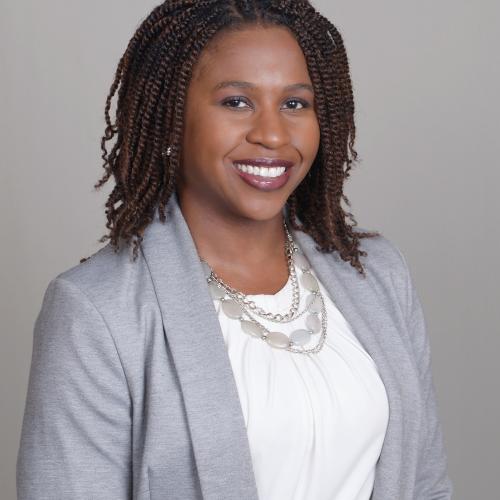
Celeste Maloneمشاهده پروفایل
دانشیار
Celeste Malone, PhD, is an Associate Professor and Coordinator of the School Psychology Program at Howard University's School of Education. She holds a PhD in School Psychology from Temple University and postdoctoral training from Johns Hopkins University. Her research focuses on multicultural competence in school psychology, diversification of the profession, and culturally responsive practices. She leads the Multicultural School Psychology Research Group (MSPRG), developing tools like the School Psychology Multicultural Competence Scale. Dr. Malone has held leadership roles in NASP (2022–2023 President, first Black woman in the role) and APA, advocating for equity. She received presidential awards from NASP, APA Division 16, and others. Education: Brown University (BA Psychology), Johns Hopkins (MS Counseling), Temple University (PhD School Psychology) Research interests include bridging research-practice gaps, addressing microaggressions, and improving mental health access for marginalized youth. Notable contributions include frameworks for MTSS (Multi-Tiered Support Systems) in anti-racist schooling and pandemic-era advocacy for educational equity. Key awards: 2024 Outstanding Article Award (School Psychology Review), Jean Baker Mid-Career Service Award (APA) Her work emphasizes social justice through leadership development, policy advocacy, and anti-oppressive training. Current projects explore faculty diversity recruitment, LGBTQ+ competency in training, and liberatory mentoring practices.
Helen Martin is a Lecturer in the School of Education at the University of Aberdeen. She holds a BSc (Hons) in Mathematics from the University of St. Andrews, a PGDE(S) in Mathematics from the University of Edinburgh, and a PhD in Mathematics Education from the University of Aberdeen. Her research focuses on innovative pedagogical approaches, particularly in mathematics education, Indigenous education, Arctic pedagogy, and the integration of drama into teaching practices. She has collaborated with organizations like the Scottish Mathematical Challenge and Techfest Setpoint on initiatives such as Enterprising Maths Challenge and Royal Institution Maths Masterclass. Her work emphasizes culturally responsive teaching methods, the revitalization of minority languages (e.g., Scots and Sámi), and the intersection of education with healing and community engagement. Recent publications explore topics such as cognitive dissonance in Indigenous education, Sámi perspectives in leadership, and Arctic pedagogy through Scots language revitalization. She is also involved in editorial roles for the Education in the North journal, overseeing thematic issues on drama conventions, northern pedagogy, and vocational education. Her teaching responsibilities include courses on mathematics education for undergraduate and postgraduate programs (BEd and PGDE). She actively engages in educational collaborations, promoting inclusive and community-centered learning approaches. Her research often intersects with global educational challenges, addressing equity, cultural preservation, and the adaptation of teaching methods to diverse contexts.
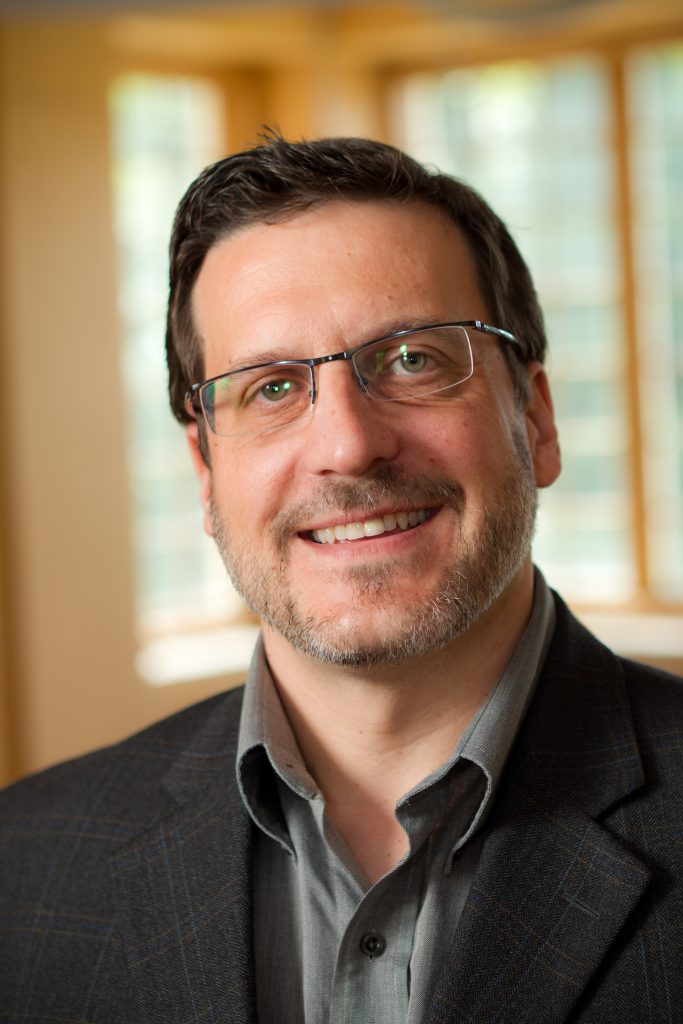
Will Fleeson is a Professor of Psychology at Wake Forest University, specializing in personality dynamics, moral behavior, and the integration of trait theories with dynamic systems. His research focuses on understanding how personality traits manifest in real-world behaviors, particularly in contexts involving morality, psychopathology, and virtue ethics. He leads the Fleeson Lab, exploring topics such as honesty, virtue profiles, and the interplay between personality and psychological well-being. Central to his work is the Whole Trait Theory, which emphasizes the dynamic nature of personality as both structural and process-oriented. Fleeson employs methodologies like experience sampling and multilevel modeling to examine intra-individual variability and situation-based contingencies. His studies often bridge philosophical and psychological perspectives, particularly in defining moral exceptionalism and intellectual virtues. Key research themes include the dynamics of borderline personality disorder symptoms, the measurement of honesty and virtue, and the motivational underpinnings of moral behavior. Fleeson’s contributions challenge traditional static trait models, advocating for frameworks that account for temporal fluctuations and situational influences. Despite the absence of listed awards or grants in the provided text, his extensive publication record underscores his influence in advancing dynamic personality theory and moral psychology. His lab’s website (linked) highlights ongoing projects and collaborations, though specific advisees or teams are not detailed here. Fleeson’s work consistently emphasizes the practical implications of personality research for understanding mental health, ethical behavior, and individual flourishing.

Chad Hoggan is a Professor in the Department of Educational Leadership, Policy, and Human Development at North Carolina State University's College of Education. He serves as Co-director of the Institute of Civic Studies and Learning for Democracy and holds editorial leadership roles as Co-editor of the Journal of Transformative Education and The Good Society: A Journal of Civic Studies , while also contributing as Consulting Editor for Adult Education Quarterly . Doctor of Education in Adult Learning & Leadership, Teachers College, Columbia University (2011) Master of Education in Adult Education, NC State University (2006) Bachelor of Science in Business Administration, Brigham Young University (1993) Hoggan's research centers on transformative learning theory and its applications in civic education, with particular focus on migration contexts. His work examines how transformative experiences reshape individuals' engagement with democratic societies, drawing from studies with refugees, military veterans, cancer survivors, and postsecondary students. Since 2019, he has conducted extensive research on migrant integration in Central and Eastern Europe following refugee influxes from Syria and Ukraine, collaborating with institutions in Germany and Italy while co-founding the Deutsch-Ukrainischer Dialog association to support Ukrainian refugees. His recent publications reveal a strong trajectory toward civic learning in democratic societies, with 2022-2025 works addressing epistemic crises in post-truth contexts, radicalization processes, and democratic infrastructure. The scholarship demonstrates consistent application of transformative learning frameworks to contemporary challenges in migration, political extremism, and democratic resilience, with increasing emphasis on practical applications for civic engagement. Cyril O. Houle Award for Outstanding Literature in Adult Education (2020) for Transformational Learning in Community Colleges International Adult & Continuing Education Hall of Fame induction NCSU College of Education Outstanding Global Engagement Award UNESCO Chair of Lifelong Learning Professional Education appointment (2021) Hoggan advises doctoral students in transformative learning theory and civic education while leading international collaborations through the Institute of Civic Studies. His work bridges academic research with community engagement, particularly through refugee support initiatives in Germany and Ukraine-focused educational projects. Current research examines democratic learning structures in migration societies and the ethical dimensions of transformative education in polarized political contexts.

Sharon L. Youmansمشاهده پروفایل
استاد بالینی
Sharon L. Youmans is a Clinical Professor in the Department of Clinical Pharmacy at the University of California San Francisco (UCSF) School of Pharmacy , where she serves as Executive Vice Dean . She received her PharmD from UCSF in 1985 and MPH from San Jose State University in 2005. She oversees strategic priorities including DEI (Diversity, Equity, Inclusion) , global partnerships , PharmD program leadership , and pharmacy practice partnerships . PharmD, University of California San Francisco (1985) MPH, San Jose State University (2005) Licentiate in Pharmacy, California State Board of Pharmacy (1985) Her research focuses on pharmacy education administration , curriculum transformation , health communication , health disparities , and global health . She has led significant PharmD curriculum reform and telehealth education programs during the pandemic. Her work extends to LGBTQ+ healthcare education , counterfeit medication prevention , and international pharmacy education partnerships with institutions in Malawi and Tanzania. Recent publications highlight her 2023 study on academic pharmacy administration , 2021 PharmD curriculum innovation , and 2020 telehealth interventions for vulnerable populations. She has published extensively on pharmacy education , health disparities , and interprofessional training since 2003. 2023 ASHP-ABHP Joint Leadership Award 2016 Founder's Champion Award for DEI contributions 2013 APhA Fellowship 2008 AETNA African American History Calendar Profile 2005 Sam Radelfinger Award As Executive Vice Dean, she has shaped pharmacy education policy through roles on the Accreditation Council for Pharmacy Education (ACPE) , Xavier University's Health Disparities Advisory Board , and AACP Council of Deans . She teaches public health , pharmacist-patient communication , and cultural humility curricula.
Azadeh Blockمشاهده پروفایل
دانشیار
Dr. Azadeh Block is an Associate Professor of Social Work at PennWest University, specializing in cultural humility, competence, and immigrant/refugee populations. She has held faculty positions at Slippery Rock University, University of Pittsburgh, and Youngstown State University, with a career rooted in mental health services research. Her research focuses on culturally grounded interventions for refugees, adolescent mental health treatment dynamics, and diversity education in social work. She collaborates with community partners in Southwestern Pennsylvania to advance social justice initiatives. Dr. Block's work spans disciplines including: Cultural Competence Refugee Integration Group Therapy Adolescent Mental Health Neurodevelopmental Studies

Christopher Raymond is a Professor of Sustainability Science at the University of Helsinki, where he is based at the Ecosystems and Environment Research Program within the Helsinki Institute of Sustainability Science (HELSUS). He is also affiliated with the Department of Economics at the University of Helsinki and leads the transdisciplinary Human-Nature Transformations Research Group. Raymond serves as Executive Director of the International Association of Society and Natural Resources and Director of the Enabling Multispecies Transitions of Cities and Regions (MUST) Strategic Research Council Project. His research group hosts over 15 researchers committed to "Transforming human-nature relationships for a just, healthy and sustainable future." PhD in Philosophy, University of South Australia (2012) BAppSc (Honours) in Environmental Management, University of South Australia (2005) Guest Professor, Swedish University of Agricultural Sciences (2019-2021) Professor Raymond's research focuses on conceptualizing and assessing the diverse values of nature and finding new ways to embed them into sustainability transformations. His work examines innovative approaches to represent and engage diverse communities (including other species) in nature-based solutions planning in urban areas. He has authored seminal works on Senses of place, socio-cultural valuation of Ecosystem services, and served as Coordinating Lead Author of the IPBES Values Assessment, where his team co-created "an inclusive typology of values for navigating Transformations towards a just and sustainable future." His research contributes significantly to urban and regional planning, biodiversity conservation, restoration planning, Sustainability science, and human geography. Raymond's recent publications demonstrate a strong focus on multispecies justice, urban nature-based solutions, and the integration of diverse values into sustainability governance. His work increasingly examines the temporal dimensions of urban green infrastructure, the role of listening in interdisciplinary scholarship, and the application of role-playing for justice awareness in educational contexts. A consistent theme across his recent work is the exploration of how to better incorporate relational values and justice considerations into environmental policy and planning, particularly in urban contexts where climate, biodiversity, and human health intersect. World's Most Cited Scholar (2019) World's Most Cited Scholar (2020) Professor Raymond serves as Supervisor in the Doctoral Programme in Interdisciplinary Environmental Sciences and has supervised Master's theses for students including Juulia Lehtinen and Anna Ahdekivi. His research is supported by numerous grants including GREEN TALENT (2025-2029), GoGreenNext (2024-2028), MUST (2023-2026), and CO CARBON (2023-2026) projects. These projects focus on urban sustainability transitions, carbon sequestration in urban green infrastructure, and multispecies justice in nature-based solutions. Raymond leads the Human-Nature Transformations Research Group, which actively engages in the Helsinki Institute of Sustainability Science (HELSUS) and carries out research through collaborative projects including MUST, Transformative Cities, RECONNECT, GO GREEN NEXT, GREEN TALENT and SusTra Doctoral Pilot. The group utilizes acoustic recorders for long-term socio-ecological monitoring across Finland as part of their research infrastructure.
Reuven Firestone serves as the Regenstein Professor in Medieval Judaism and Islam at the Hebrew Union College-Jewish Institute of Religion. He holds dual academic and religious credentials, having earned his M.A. and rabbinic ordination from Hebrew Union College alongside a Ph.D. in Arabic and Islamic studies from New York University. Firestone's research focuses on the intersection of Jewish and Islamic traditions, with particular expertise in medieval religious texts, interfaith relations, and Abrahamic narratives. His scholarly work examines how Jewish and Islamic traditions interpret shared biblical figures and concepts, with special attention to the Abraham-Ishmael stories that connect both faiths. His publications reveal a consistent scholarly trajectory exploring comparative religious concepts across the Abrahamic traditions, particularly examining how Judaism and Islam understand holy war, chosenness, and interreligious dialogue. Firestone has developed practical resources for interfaith communication while conducting deep historical analyses of religious concepts. Learned Ignorance: Intellectual Humility among Jews, Christians and Muslims Holy War in Judaism: The Fall and Rise of a Controversial Idea Who Are the Real Chosen People?: The Meaning of Chosenness in Judaism, Christianity and Islam Firestone's academic contributions bridge scholarly research with practical interfaith applications, creating resources that serve both academic and religious communities seeking to understand the connections and distinctions between Jewish and Islamic traditions.

Victoria Rimell is a Professor of Latin Language and Literature at the University of Warwick since 2018, with a career spanning prestigious institutions including Sapienza University of Rome and the University of Cambridge. Her work bridges Latin literature, critical theory, and the cultural history of the Roman Empire. Education PhD (2001), University of London (King’s College) MPhil in Classics (1996), University of Cambridge BA (MA) in Classics (First Class, 1995), King’s College, Cambridge Rimell’s research explores the reception of Classics through lenses of spatial theory and literary criticism . Her books, including The Closure of Space in Roman Poetics (2015), interrogate how Roman authors like Ovid, Martial, and Seneca conceptualized imperial space and identity. Her forthcoming articles in journals like the American Journal of Philology examine themes such as care ethics in Seneca’s writings and the poetics of dislocation in ancient literary theory. Recent work focuses on intersections of literary theory , epigram , and imperial ideology , with contributions to edited volumes like Complex Inferiorities (2018) and The Production of Space in Latin Literature (2018). Her scholarship often reinterprets canonical texts through modern theoretical frameworks, emphasizing gender , power , and knowledge systems . Scientific Awards 2016 PROSE Awards Honorable Mention for The Closure of Space in Roman Poetics 2009 W.B. Stanford Memorial Lectures at Trinity College Dublin Editorial board member of Classical Philology Council member of The Society for the Promotion of Roman Studies Rimell has held administrative roles such as Director of Research (2017) and Coordinator for joint degrees in Classics and English/Philosophy (2016). She has contributed to academic advisory roles at the American Academy in Rome and collaborated on projects like Imagining Empire (2017) with Markus Asper.
Ziya Eteمشاهده پروفایل
استادیار
Ziya Ete is an Assistant Professor in Leadership and Organizational Behavior at Durham University Business School. He holds a Ph.D. from Durham University (2024) and a Master’s degree from Pennsylvania State University (2015). Previously, he served as a Research Associate and Teaching Fellow at Durham. His research focuses on leadership dynamics, behavioral integrity, leader identity, and ethical leadership. Key areas include how leaders’ self-concepts influence their consistency in words and actions, and the impact of such alignment on leader-follower outcomes. Education: Ph.D. in Leadership and Organizational Behavior, Durham University, 2024 Master’s Degree, Pennsylvania State University, 2015 Research interests emphasize behavioral integrity, authenticity, and transgressions in leader-follower relationships. His work explores character development, ethical leadership, and the role of identification processes in shaping follower behavior. Recent studies investigate leader locus of control, shame, and repair strategies post-transgressions. Publications span top journals like Leadership Quarterly , Journal of Business Ethics , and Journal of Managerial Psychology . His 2025 work examines leader word-action misalignment through a locus of control lens, while his 2022 study links behavioral integrity to follower outcomes via identification processes. Ziya has no listed awards but contributes to impactful research on leadership character and ethical practices. His advisory and grant activities are not detailed in the provided text, though his research projects suggest active engagement in organizational behavior studies.

Michael C. Ashton is a Professor in the Department of Psychology at Brock University, Canada. He holds a Ph.D. from Western University and specializes in personality psychology, focusing on personality structure, measurement, and their applications to social psychology and evolutionary theory. His research explores traits such as Honesty-Humility, Agreeableness, and the HEXACO model, emphasizing self-report and observer-based assessments. He has authored key texts like Individual Differences and Personality (2018) and co-authored The H Factor of Personality (2012), examining personality correlates of life outcomes, political attitudes, and religious behavior. His work spans cross-cultural studies, integrity testing, and the relationship between personality and pro-social behaviors. Ashton’s research integrates theoretical and empirical approaches, addressing issues like the predictive validity of personality inventories, age-related changes in personality traits, and the role of HEXACO factors in workplace behavior. He has contributed to debates on the structure of personality dimensions, advocating for a six-factor model (HEXACO) over traditional five-factor frameworks. Current interests include birth order effects, prosocial lying, and the interplay between personality and environmental attitudes. His academic outputs include influential papers on personality assessment methodologies, the Dark Triad traits, and the role of personality in predicting academic and professional outcomes. Notable collaborations with Dr. Kibeom Lee have solidified the HEXACO model’s international recognition. Ashton is also involved in graduate supervision, though he is currently not accepting new students.
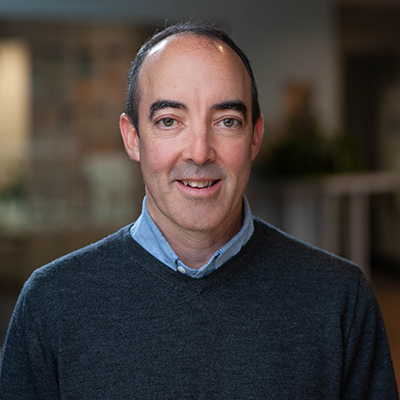
Brendan Kane is a Professor in the Department of History at the University of Connecticut, affiliated with the College of Liberal Arts and Sciences. He holds a Ph.D. from Princeton University and specializes in early modern British and Irish history, with a focus on the Reformation and the early modern Atlantic World. His research explores Gaelic political thought, the legitimacy of power in Ireland, gender and politics, and the revival of Early Modern Irish language studies through digital humanities initiatives like Léamh.org. Education: B.A. in History, University of Rochester M.Phil in Irish Studies, National University of Ireland, Galway Ph.D., Princeton University Affiliations: Vice-President/President-elect, Celtic Studies Association of North America Elected Council Member, North American Conference on British Studies Co-director of Léamh.org (digital humanities project) Associated with UConn Human Rights Institute and Humility & Conviction in Public Life His work bridges historical analysis with modern digital tools, emphasizing marginalized languages and cultures. Recent research trends include analyzing how Gaelic perspectives interacted with British colonial frameworks, the role of honor in aristocratic politics, and gendered interpretations of early modern texts. His 2010 award-winning article on Geoffrey Keating’s work highlights his expertise in bridging literary and religious traditions. Grants and advising are central to his contributions: he has directed major digital projects and advised initiatives like the Dodd Research Center. His involvement with Léamh.org reflects a commitment to accessibility in historical scholarship, particularly for underrepresented languages. Current projects focus on early modern Atlantic World connections and the digital preservation of Gaelic texts.
Dr. Guy Bennett-Hunter is a philosopher affiliated with the School of Divinity at the University of Edinburgh, serving as Executive Editor of the Expository Times , a leading religious studies journal. His academic background includes a PhD from the University of Cambridge and roles at Durham, Aberdeen, and Edinburgh universities. Specializing in existential phenomenology, philosophy of religion, and aesthetics, he explores ineffability, religious experience, and the intersection of theology with art and language. Bennett-Hunter holds Fellowships with the Royal Society of Arts and the British Psychological Society, reflecting his interdisciplinary contributions. His research bridges philosophy, theology, and psychology, with recent work analyzing interreligious communication, divine ineffability, and the sacred’s pre-theistic roots. Over 25 publications span books, articles, and edited volumes, addressing topics from Wittgensteinian fideism to the legacy of Ronald W. Hepburn. His clinical work as a Senior Psychological Wellbeing Practitioner in forensic settings further highlights his commitment to applying philosophical insights to human well-being. Education: PhD, University of Cambridge (2011) MSc (Distinction), Psychology, University of East London (2020) MA (Distinction), Philosophy, University of Durham (2008) BA (Hons.), Philosophy and Theology, University of Durham (2006) Research Interests: Ineffability in religious and mystical contexts Phenomenology of existential experience Aesthetic and theological interpretations of the sacred Interreligious dialogue and Wittgensteinian philosophy Recent Work: His 2024 report on Cornel West’s Gifford Lectures and 2019 analyses of interreligious communication exemplify his engagement with contemporary philosophical and theological debates. His edited volume on Ronald W. Hepburn (2018) underscores his role in advancing interdisciplinary scholarship.
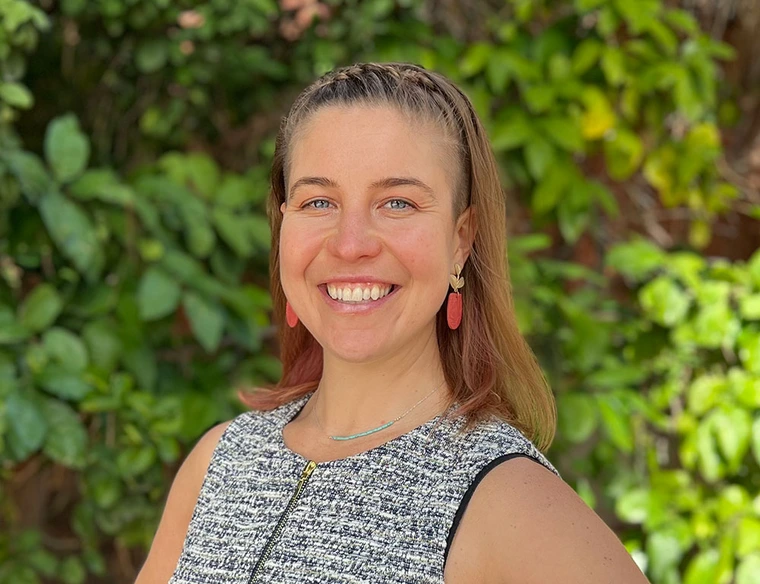
Sarah Brattمشاهده پروفایل
استادیار
Sarah Bratt is an Assistant Professor at the University of Arizona College of Information Science (InfoSci), focusing on Digital Curation & Preservation. Her research explores scholarly communication, research data management, and the science of science, aiming to advance long-term data sustainability and actionable science policy. BS in Philosophy from Ithaca College MS in Library and Information Science with a Data Science certificate from Syracuse University Her work addresses practices, metrics, and infrastructures for data-intensive science, including international collaborations and AI applications in libraries. Recent projects analyze GenBank metadata, dataset co-authorship, and software use in computational biology. She has presented at ASIS&T, 4S, ICSSI, and NetSci conferences. Masters’ prize in Library & Information Science at Syracuse University 2022 Better Scientific Software (BSSw) Fellow honorable mention Bratt collaborates with institutions like UIUC, University of Tennessee, and Metadata Lab @Syracuse University. She co-supervises students with Dr. Cristian Román-Palacios and leads the Metadata Analytics Lab at UA.