Kelly Arnold is an Associate Professor in the Department of Biomedical Engineering at the University of Michigan. Her research integrates systems engineering principles with immunology to investigate variability in immune responses across infection, vaccination, and injury, with a focus on computational modeling and clinical translation. Research Focus Systems-level immune response modeling Vaccination and antibody functionality Vaginal microbiome-host interactions Chronic lung disease progression Computational serology and proteomics Recent Work Her 2025 studies examine SARS-CoV-2 vaccination responses in cancer patients and computational frameworks for vaginal probiotics. Earlier works (2024-2007) span COPD progression, lupus fibrosis, HIV susceptibility, and tissue engineering for fertility preservation. Methodologies include proteomic profiling, network modeling, and microfluidic systems.
Prof. Waldemar Kolanus leads the Molecular Immunology and Cell Biology department at the University of Bonn's Life & Medical Sciences Institute (LIMES) . His research bridges immunoregulation , stem cell dynamics , and metabolic stress responses in immune cells. Unit 2 member at LIMES Principal investigator in SFB 704 and ImmunoSensation Cluster Leads a multidisciplinary lab with postdocs, PhD students, and technical staff His work focuses on intracellular signaling pathways connecting immune activation to tissue homeostasis, particularly through: Cytohesin proteins in integrin-mediated adhesion and migration TRIM71 in stem cell regulation and congenital hydrocephalus High-salt environments affecting macrophage function Publication trends show expertise in immune cell migration , genetic models , and chemical inhibition , with frequent use of mice and zebrafish for in vivo studies. Key articles explore: TRIM71's dual role in auditory development and germ cell maintenance Cytohesin family's Golgi regulation and insulin signaling Ruxolitinib's off-target migration inhibition of dendritic cells Contact details: Address: LIMES Institute, Carl-Troll-Straße 31, Bonn Email: kolanus.sekretariat@uni-bonn.de Phone: +49 228 73-62788
Christian Becker is an Associate Professor in the Department of Dermatology at the University of Münster, where he leads the Becker Research Group focused on "Adaptive and innate T cell Immunity." His work bridges immunology, dermatology, and vascular biology, with particular emphasis on understanding T cell responses in inflammatory conditions and thrombosis. Dr. Becker's research interests include: T cell function and differentiation Myeloid cell differentiation Nanoparticle-mediated tumor therapy Humanized mouse models Regulatory T cells in tissue repair Monocytes in chronic venous insufficiency His recent work has explored how cyclic adenosine monophosphate (cAMP) serves as a signaling messenger in immune regulation, how specialized regulatory T cells control venous blood clot resolution through SPARC, and how nanoparticle-based therapies can be used for melanoma treatment. His research combines molecular immunology with translational approaches to develop novel therapeutic strategies for inflammatory and thrombotic conditions. Dr. Becker has published extensively in high-impact journals including Nature Communications, Blood, and Circulation Research. His publication record demonstrates a consistent focus on the intersection of immunology and vascular biology, particularly examining how T cells and monocytes interact in thrombotic and inflammatory conditions across multiple disease contexts. His laboratory recently relocated from Mainz to Münster, where he continues to expand his research program. Dr. Becker actively mentors doctoral student Doğa Uncuer and master's student Friederike Pauline Neesen, and is seeking additional talented scientists to join his team.
Lacy Alexander is a Professor of Kinesiology and Research Professor in Charge at The Pennsylvania State University’s Department of Kinesiology, within the College of Health and Human Development. Her research focuses on microvascular dysfunction mechanisms in diseases like hypertension and aging, using the cutaneous circulation as a model. She holds a Ph.D. (2007) and M.S. (2002) in Kinesiology/Human Physiology from Penn State and University of Oregon. Her work investigates nitric oxide signaling, inflammatory pathways, and pharmacological interventions (e.g., aspirin) in vascular health. Key research areas include thermal regulation, endometriosis-related cardiovascular risks, and preeclampsia aftermaths. She leads NIH-funded projects and has published over 129 peer-reviewed articles. Notable studies address heat stress mitigation in vulnerable populations, estrogen’s role in endothelial function, and holistic endometriosis care. Affiliations include the Center for Healthy Aging and Integrative and Biomedical Physiology. She co-edits the Journal of Applied Physiology and actively promotes gender equity in science. Her grants total over $5 million, emphasizing translational research in vascular biology and clinical applications.
James Pearson is an Associate Professor in the Human Physiology & Nutrition department at the Helen and Arthur E. Johnson Beth-El College of Nursing and Health Sciences , University of Colorado Colorado Springs. His research focuses on cardiovascular and thermal physiology, particularly in extreme conditions such as heat stress and hemorrhagic challenges. He has contributed extensively to understanding human thermoregulation, cerebral blood flow, and vascular responses in both healthy individuals and burn survivors. Research Interests Human responses to heat stress and dehydration Hemorrhagic tolerance mechanisms Cerebral and cardiovascular hemodynamics Thermoregulation in burn survivors Effects of hyperthermia on autonomic function Contact Information Email: jpearso5@uccs.edu Phone: (719) 255-3806 Office: Hybl Center 419
Katherine Dauge-Roth is an Associate Professor of Romance Languages and Literatures at Bowdoin College, specializing in the literature, history, and culture of the early modern Francophone world with a focus on the history of the body and material culture. She is a core faculty member in both the Romance Languages and Literatures department and the Francophone Studies program, teaching across the curriculum from language instruction to advanced seminars. Professor Dauge-Roth earned her PhD and MA in French Literature from the University of Michigan, a DEUG in Lettres Modernes from Université de Caen, and an AB in French and History from Colby College. Her educational background reflects her dual expertise in French language and historical studies. Her research examines how the body served as a privileged surface for displaying authority and identity during periods of increased global circulation in the early modern period. She has made significant contributions to understanding skin marking practices including tattooing, branding, stigmata, and other corporeal inscriptions, with particular attention to their intersections with writing and print culture. Her work spans Native American tattooing practices, criminal branding, devotional stigmata, and the representation of race in early modern France. Professor Dauge-Roth's scholarly impact is evident in her monograph Signing the Body: Marks on Skin in Early Modern France (Routledge, 2020) and the co-edited volume Stigma: Marking Skin in the Early Modern World (Penn State University Press, 2023), which brings together international scholars to examine body marking from a global perspective. Karofsky Teaching Prize (2005) National Endowment for the Humanities grant (summer 2023) Executive Director of the Society for Interdisciplinary French Seventeenth-Century Studies President of Bowdoin's Alpha of Maine chapter of Phi Beta Kappa Professor Dauge-Roth is deeply committed to inclusive pedagogy and developing students' linguistic and cultural fluency. She has co-authored several pedagogical articles on teaching the early modern period and contemporary France. Her teaching portfolio includes innovative courses such as 'Spoken Word and Written Text,' which examines oral and written sources from the Middle Ages through the abolition of enslavement in 1848, and 'Contemporary France through the Media,' where students analyze current French social and political issues. She is an active member of the Early Modern Race reading group and the Skin Studies reading group, contributing to scholarly conversations that bridge historical inquiry with contemporary concerns about race, embodiment, and cultural representation.
Professor Özge Aydemir is a distinguished academic in the Department of Internal Medicine Sciences at Eskisehir Osmangazi University's Faculty of Medicine, specializing in Neonatology and Pediatrics. She has been serving as a full Professor since 2021, following her tenure as Associate Professor from 2014 to 2021. She actively participates in university governance as an Ethics Committee Member since 2022 and previously served on the Faculty Management Board (2019-2021) and Faculty Board (2017-2021). Undergraduate Degree: Hacettepe University, Faculty of Medicine (1996-2002) Expertise in Medicine: Hacettepe University, Department of Internal Medicine Sciences (2002-2008) Post-Doctorate: University of Health Sciences, Zekai Tahir Burak Maternity Teaching Hospital, Department of Pediatrics, Division of Neonatology (2008-2011) Professor Aydemir's research primarily focuses on neonatal care, with particular emphasis on preterm infants, breast milk composition, oxidative stress, gastrointestinal disorders, and neonatal infections. Her work bridges clinical practice with laboratory research, examining how various interventions affect neonatal outcomes. She has published extensively in high-impact journals, with over 180 publications indexed in Web of Science and significant citation metrics including an h-index of 11 in Web of Science and 12 in Google Scholar. Analysis of her recent publications reveals a consistent focus on neonatal nutrition, particularly breast milk composition and fortification strategies, as well as the physiological responses of preterm infants to various clinical interventions. Her research group has made significant contributions to understanding the microbiome of human milk, the effects of feeding methods on gastrointestinal function, and the management of infections in neonatal intensive care units. Professor Aydemir has supervised four theses at the Expertise in Medicine level, demonstrating her commitment to training the next generation of neonatologists. She has also led multiple research projects, contributing to the advancement of neonatal care practices in Turkey and internationally. Her work with interdisciplinary research teams has resulted in numerous collaborative publications addressing critical issues in neonatal medicine.
Sara Ferguson, MD, is an Associate Professor in the Department of Dermatology at an unspecified university. Her research focuses on the intersection of skin physiology, vascular function, and health interventions. Key research themes include psoriasis pathophysiology, microvascular responses to ultraviolet radiation, and nitric oxide mechanisms Explores health disparities through vitamin D supplementation studies in African American college students Investigates cost-effective healthcare delivery models in dermatology via bundled payment systems Recent publications highlight her work on sunscreen protection for cutaneous microcirculation, HPV vaccination in immunosuppressed patients, and disease-specific vascular impairments in psoriasis. While specific awards or educational background aren't publicly listed in the provided text, her Scopus h-index of 8 and 338 citations indicate significant academic impact.
Koen Van de Wetering, DVM, PhD, serves as an Assistant Professor in the Department of Dermatology & Cutaneous Biology at Thomas Jefferson University's Sidney Kimmel Medical College. His research program centers on ATP-binding cassette (ABC) transporters, particularly the C subfamily, and their critical roles in dermatological conditions and ectopic mineralization disorders such as pseudoxanthoma elasticum (PXE). Dr. Van de Wetering's work has redefined understanding of ABCC6-mediated ATP release and its connection to pyrophosphate-dependent mineralization inhibition. Dr. Van de Wetering's laboratory employs innovative metabolomics-based approaches to identify in vivo substrates of ABC transporters. His landmark discovery that ABCC6 facilitates ATP secretion from hepatocytes—subsequently converted to mineralization-inhibiting pyrophosphate—explains the systemic pathology of PXE despite ABCC6's hepatic localization. Current research focuses on molecular mechanisms of ABCC6 function and therapeutic translation, including pyrophosphate supplementation and small-molecule correctors for PXE. His group also investigates orphan transporters like ABCC5 and newly identified metabolites such as N-lactoyl amino acids. Analysis of Dr. Van de Wetering's publication record reveals sustained investigation into heritable mineralization disorders, bridging fundamental transporter biology with clinical applications. His work demonstrates consistent progression from mechanistic studies (ABCC6-ATP-pyrophosphate axis) to therapeutic development (enzyme replacement, nucleotide analogs), with increasing emphasis on translational models and human pathophysiology. Scientific recognition includes: American Hair Research Society Mentorship Grant for Short-Term Training Opportunities with Experts Dr. Van de Wetering actively contributes to the PXE research community through the PXE International Biennial Research Symposium, where his group presents pathomechanism insights and treatment strategies. His mentorship activities extend to training opportunities supported by specialized grants, fostering next-generation researchers in dermatology and mineralization biology. While specific laboratory infrastructure details are not provided in source materials, Dr. Van de Wetering's research environment integrates molecular biology, biochemistry, and advanced metabolomics to dissect transporter functions. His collaborative approach is evident in cross-institutional studies on mineralization disorders and therapeutic development pipelines.
Cüneyt BOZER is an Associate Professor in the Department of Anatomy at Trakya University Faculty of Medicine, where he was promoted from Assistant Professor in 2018. His academic career spans over 15 years with continuous scholarly contributions in anatomical sciences and complementary medicine. His educational background includes a Doctoral Degree (2007), Bachelor's Degree (1999), and High School graduation (1992). Doctoral Degree: 2007 Bachelor's Degree: 1999 High School: 1992 BOZER's research integrates classical anatomy with complementary medicine, focusing on auricular neuroanatomy for acupuncture applications, vascular variations with surgical implications, and biomechanical analysis of human movement. His work bridges structural anatomy with clinical applications in pain management, neural therapy, and gait analysis, demonstrating exceptional translational relevance. Recent publications reveal increasing emphasis on gut-brain-heart axis interactions and sex-specific physiological responses. Analysis of his 15 most recent publications shows dominant themes in auricular neuroanatomy (35%), vascular variations (20%), and biomechanics (25%), with growing interest in autonomic physiology and interdisciplinary connections between anatomy and complementary medicine systems. His work consistently demonstrates clinical applicability through meticulous anatomical documentation. BOZER has advised two Master's theses on anatomy education and acupuncture point localization, and led a 2013 project enhancing medical education with anatomical models. His editorial roles span the Journal of Medical Case Reports since 2013 and multiple open-access anatomy journals, while his referee work covers biomechanics and anatomy publications. He also serves as Farabi Unit Coordinator in the Anatomy Department and holds acupuncture certification.
Mel Ziman is an Honorary Professor in the School of Medical and Health Sciences at Edith Cowan University (ECU), where she has built a distinguished academic career spanning over two decades. Her journey at ECU progressed from Lecturer (2001-2003) to Senior Lecturer (2003-2005), Associate Professor (2005-2013), Professor (2013-2020), and currently Honorary Professor (2020-present). Her research expertise centers on melanoma and Huntington's disease, with significant contributions to understanding the role of developmental genes in disease processes including cancer proliferation, differentiation, and migration. Professor Ziman earned her Bachelor of Science Honours and Doctor of Philosophy from institutions in South Africa, completing her PhD in 1983. Her educational foundation has enabled her extensive research career focused on developmental genetics and its applications to human disease. Her research program bridges basic science with clinical applications, investigating how developmental genes like PAX3/PAX7 contribute to cutaneous malignant melanoma and neurodegenerative conditions such as Huntington's disease. A major focus involves characterizing circulating cells in melanoma and exploring multidisciplinary therapy approaches for neurogenesis in Huntington's disease. She has pioneered work on liquid biopsy techniques using circulating tumor DNA (ctDNA) and circulating tumor cells (CTCs) for melanoma diagnosis and monitoring, while simultaneously investigating how structured rehabilitation programs impact disease progression in Huntington's patients. Analysis of Professor Ziman's recent publication record reveals a strong emphasis on translational research with dual tracks in melanoma and Huntington's disease. Her melanoma work spans from fundamental research on developmental genes in cancer pathogenesis to clinical applications of liquid biopsy for disease monitoring and treatment response assessment. In Huntington's disease research, she has established a robust program investigating how multidisciplinary rehabilitation approaches affect brain structure, clinical outcomes, and quality of life in premanifest and manifest patients. This research demonstrates measurable impacts on hypothalamic volume preservation and dual-task performance. Professor Ziman's exceptional contributions have been recognized with numerous prestigious awards: 2012: UniJobs Lecturer of the Year Award for the Top 10 Lecturers at ECU in 2011 2012: ECU award for Excellence in Postgraduate Supervision 2011: VC Excellence Award for Engagement in Research 2010: VC Citation for excellence in development of a Teaching and Research Nexus 2010: Citation for Outstanding Contribution to Student Learning – Australian Learning and Teaching 2008: VC Citation for excellence in development of a Teaching and Research Nexus 2008: Citation for Outstanding Contribution to Student Learning – Australian Learning and Teaching Council (Carrick) 2008: ECU Certificate of excellence in Learning and Teaching – UTEI over 85 2005: ECU award for Excellence in Postgraduate Supervision As an educator and mentor, Professor Ziman has supervised numerous PhD and Master's students across diverse topics related to melanoma biology, Huntington's disease mechanisms, and diagnostic techniques. Her research program has attracted substantial funding exceeding $10 million from competitive sources including NHMRC, Cancer Council of WA, Lotterywest, and industry partners. These projects range from foundational research on developmental genes in cancer to clinical translation of liquid biopsy techniques and community implementation of rehabilitation protocols for Huntington's disease. Professor Ziman's research teams operate at the intersection of basic science and clinical application, involving collaborations with clinicians, molecular biologists, and rehabilitation specialists. Her melanoma research group focuses on advancing liquid biopsy technologies for early detection and treatment monitoring, while her Huntington's disease team develops and evaluates multidisciplinary rehabilitation approaches that can be implemented in community settings to improve patient outcomes and quality of life.
Zachary Martin is a Research Fellow at Emory University's Department of Epidemiology, focusing on cardiovascular physiology and health disparities among African American populations. His work bridges psychosocial stress mechanisms with vascular function, particularly in Black women. Education: B.S. in Exercise Science (Saginaw Valley State University), M.S. in Exercise Physiology (Ball State University), Ph.D. in Integrative Cardiovascular Physiology (University of Texas at Arlington) Key research areas include cardiovascular diseases , health disparities , social determinants of health , exposome , and cardiometabolic disease pathogenesis . His 15 most recent publications (2025-2017) analyze vascular reactivity patterns, psychosocial stress impacts, and dietary interventions in Black populations. Clinical Collaborations: NIH-funded METRIC T32 Program Professional Affiliations: American Heart Association, American Physiological Society, American College of Sports Medicine, Society for Biopsychosocial Science and Medicine
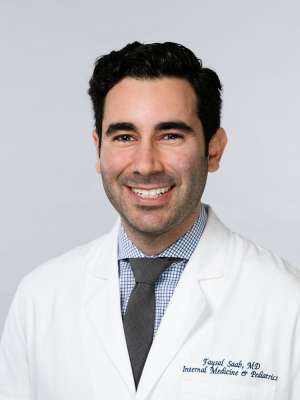
Dr. Faysal Saab is an Assistant Clinical Professor in Internal Medicine and Pediatrics at UCLA's David Geffen School of Medicine. He specializes in hospital medicine, providing care for both adults and children at UCLA Medical Center. His roles include supervising medical students and residents, serving as a core instructor in the Foundations of Practice course, and directing the Internal Medicine Global Health Pathway. Education: BA in Psychobiology (UCLA), MD (David Geffen School of Medicine), completed Internal Medicine/Pediatrics residency with Chief Resident distinction. Research Interests: Global health (Malawi collaborations), medical education innovation, point-of-care ultrasound, medical simulation training, and cognitive bias mitigation in clinical practice. His work emphasizes equity-focused healthcare delivery through projects like telemedicine partnerships with Lilongwe, Malawi. He holds a Diploma in Tropical Medicine and Hygiene from Doctors Without Borders' program. Dr. Saab actively contributes to resident wellness initiatives and has developed machine learning tools to enhance pandemic response capacity. Key clinical interests include managing complex cases in both adult and pediatric populations, with an emphasis on evidence-based, family-centered care approaches. His research spans tropical diseases, emerging adult healthcare transitions, and innovative diagnostic algorithms. Awards: Chief Resident in Internal Medicine (UCLA), Diploma in Tropical Medicine and Hygiene. Teaching Roles: Associate Director of Global Health Pathway, core instructor in medical education programs. Dr. Saab's work demonstrates a commitment to bridging clinical practice, education, and global health equity through multidisciplinary collaborations and technology-driven solutions.
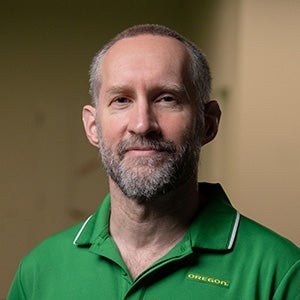
John Halliwill is a Professor of Human Physiology at the University of Oregon's College of Arts and Sciences. He co-directs the Exercise & Environmental Physiology Labs , established the Evonuk Environmental Physiology Core , and co-founded the Bowerman Sports Science Center . His research focuses on post-exercise hypotension and cardiovascular responses to environmental/physical stressors. BS in Zoology (1991), The Ohio State University PhD in Physiology (1995), Medical College of Virginia Postdoc at Mayo Clinic (1995-1999) Assistant Professor of Anesthesiology (Mayo Clinic, 1999) University of Oregon faculty (2002-present) Halliwill's work investigates how histamine , thermal stress , and autonomic regulation influence post-exercise cardiovascular dynamics. His articles reveal consistent themes in exercise physiology , thermoregulation , and histamine's role across human studies involving athletes, astronauts, and clinical populations. Key article trends show: 2025-2023: Histamine's molecular transduction in endurance training 2023-2021: Thermal therapies (heat/cold immersion) on blood pressure 2021-2017: Vasodilation mechanisms and autonomic control 2017-2015: Post-exercise recovery as physiological window 2015-2010: Histamine receptor blockade and vascular responses Scientific recognition includes Fellow, American Physiological Society (FAPS) Fellow, American College of Sports Medicine (FACSM) Multiple awards from APS and Journal of Applied Physiology Halliwill's career spans 25+ years of interdisciplinary research, with collaborations in cardiovascular medicine , space physiology , and elite sports science . His work bridges molecular mechanisms (histamine dynamics) to applied outcomes (exercise prescriptions, military equipment testing).
Dr. Matt Maley is a Lecturer in Environmental Ergonomics at Loughborough University, specializing in extreme environmental conditions' impact on human health and performance. He holds a PhD in Human Physiology from the University of Portsmouth and has held roles including Senior Research Associate at the University of Portsmouth and Research Fellow for the US Department of Defence and Queensland Fire and Emergency Services. His research focuses on heat and cold stressors affecting military personnel, emergency responders, and vulnerable populations, with notable contributions to non-freezing cold injury studies and protective gear cooling systems. Collaborations include Ministry of Defence projects and ASTM standard evaluations. Academic credentials include a PGCE from Birmingham City University and MRes/BSc from Coventry University. Research interests include thermoregulation, occupational safety, and physiological responses to extreme environments. Key projects address heat stress mitigation in protective clothing, biomarkers for cold injuries, and ethnic variability in thermal responses. His work integrates applied physiology with real-world solutions for high-risk professions. Grants and funding include major projects with US Department of Defence and Queensland Fire Services. He advises on thermal strain reduction strategies and has pioneered methods for deep body temperature monitoring in protective gear. Active in interdisciplinary research teams, Dr. Maley's work bridges environmental physiology with ergonomic design for occupational safety.