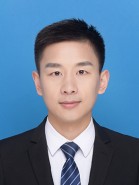
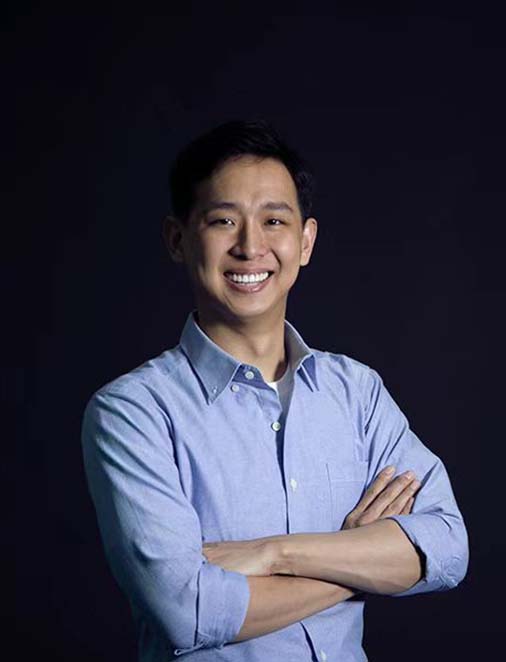
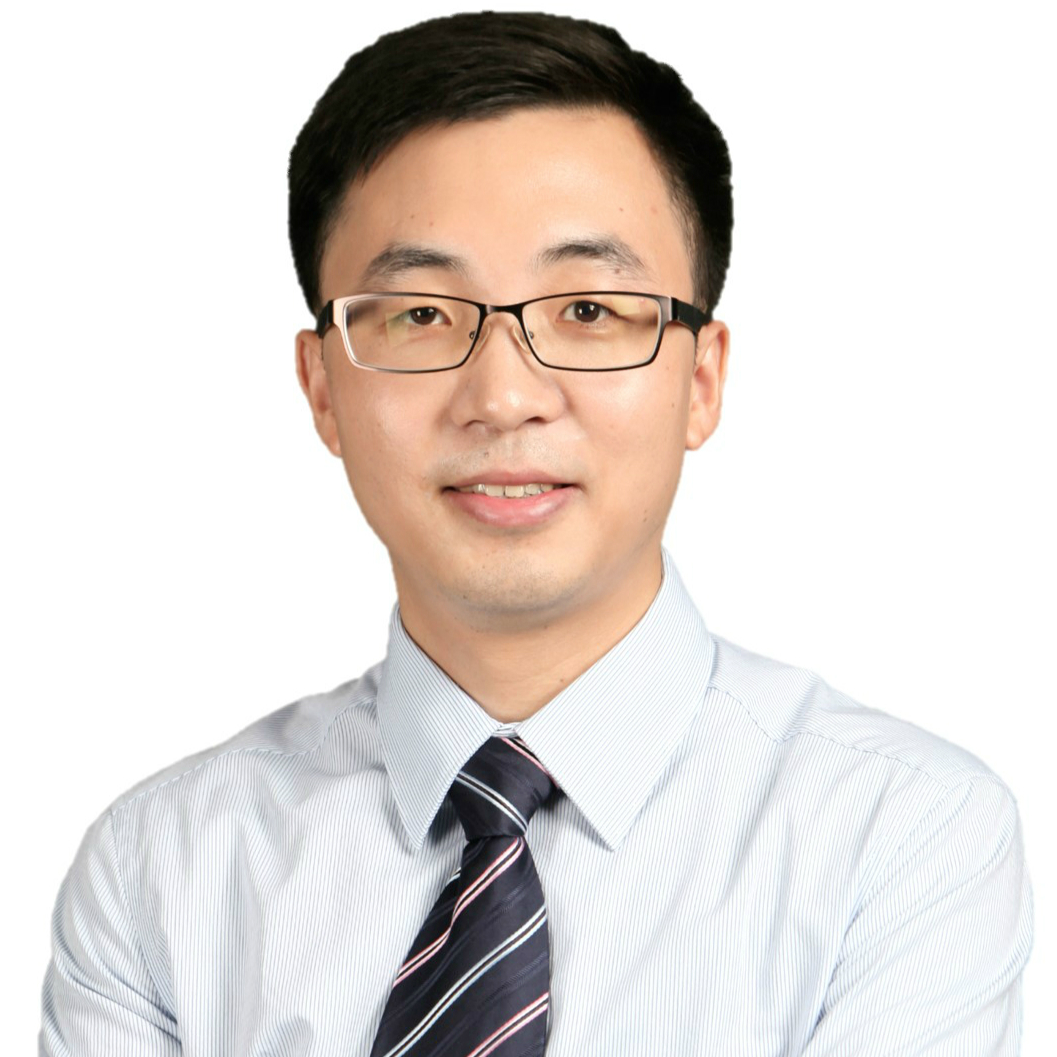
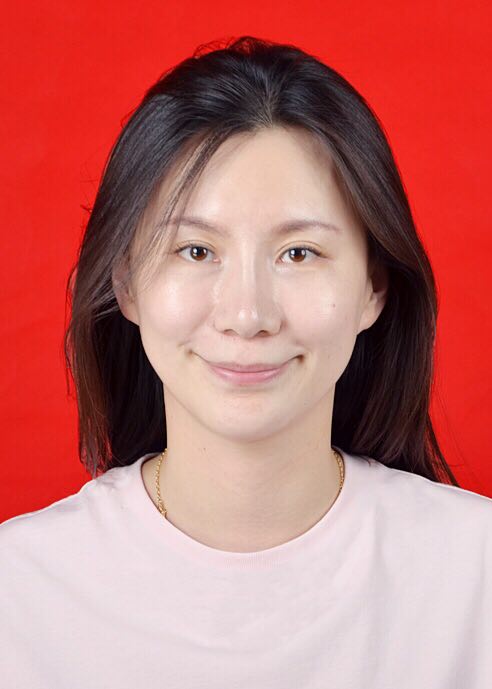
Dr. Yi Ava Wu is a ZJU100 Young Professor at the School of Management, Zhejiang University, where she serves as a doctoral supervisor. Her research focuses on Financial Accounting, Financial Analysis, Integrated Reporting, and Audit Quality. She is based in Hangzhou, China, and can be contacted at avayi_wu@zju.edu.cn. Her work bridges accounting practices, regulatory frameworks, and organizational behavior, with recent studies examining auditor litigation risk, analyst behavior, and the impact of integrated reporting on corporate strategy. Education details are not explicitly provided, but her role as a doctoral supervisor suggests advanced academic credentials in accounting or finance. Her research emphasizes empirical studies on market efficiency, regulatory effectiveness, and the application of technology in education and healthcare, as seen in her work on automated feedback systems and mobile healthcare surveillance. Publications highlight trends in audit quality evaluation, analyst decision-making under regulatory changes, and cross-disciplinary innovations in information systems. While no awards are noted, her prolific output across accounting, finance, and technology underscores her contributions to multiple academic domains. She advises doctoral students and has engaged in diverse research collaborations spanning both theoretical and applied fields.
Liu Yun serves as a Tutor and Deputy Director of the Office at the Media Experiment and Practice Teaching Center within Tongji University's School of Art and Media. She holds dual Master's degrees in Design from Tongji University and Media Arts and Media Design from Bauhaus-Universität Weimar, Germany, alongside a Bachelor's in Animation from Tongji University. Education: Master of Arts, Design, Tongji University (2014–2017) Master of Arts, Media Arts and Media Design, Bauhaus-Universität Weimar, Germany (2015–2017, Dual Degree) Bachelor of Arts, Animation, Tongji University (2010–2014) Her research centers on digital media and interactive design, with specialized expertise in 3D animation, immersive imaging, and cross-cultural applications. She pioneers projects integrating traditional Chinese handicrafts into university curricula and develops augmented reality narratives for historical education, such as Holocaust storytelling. Her work bridges technical innovation in virtual environments with artistic expression and cultural preservation, emphasizing societal impact through educational technology. Liu Yun's publications reveal a consistent focus on extended reality (XR) for cultural heritage and pedagogy, evolving from foundational service design in community charity systems (2017) to immersive dome alternatives (2019) and Holocaust education (2020), culminating in practical frameworks for cultural education using traditional crafts (2021). This trajectory highlights her commitment to applying immersive technologies to real-world educational and societal challenges. Scientific Awards: Fifth National Digital Creative Teaching Skills Competition, second prize (2022) Tongji University Teaching Achievement Award, third prize (2021) Shanghai Higher Education First-Class Undergraduate Course (2021) National First-Class Undergraduate Course (2020) Guoqing Cup National College Art and Design Works Exhibition Award (2018) Tongji University Teacher Ethics and Style Outstanding Teacher (2022) Tongji University Young Female Teacher Talent Development Fund (2022) Tongji University Jiayuan-Kaisheng Reward Fund (2021) Liu Yun has secured significant research funding, including the Shanghai Art Science Planning Project on immersive storytelling with red cultural resources (2021, ¥150,000) and multiple university-level curriculum reforms. She has trained over 500 public cultural professionals through Shanghai's municipal training programs (2019–2021) and developed virtual simulation courses recognized as national and municipal first-class courses. While not listed as a primary thesis advisor, she contributes to experimental teaching projects and mentors students through courses like Media Experiment and Practice Workshop. As Deputy Director, she manages the Media Experiment and Practice Teaching Center's operations, which houses the Omnimedia Research Institute and supports cutting-edge facilities for XR development, 3D animation, and interactive media production. The center serves as a hub for cross-disciplinary collaboration between faculty, students, and industry partners in Shanghai's cultural sector.
You Fang is a Professor at Tongji University's School of Art and Media, serving as PhD Supervisor in Design and Automotive Engineering. As Director of the Automotive Interaction Design Lab/User Experience Lab, they lead cutting-edge research in intelligent cognitive interaction, smart cockpit design, and embodied cognition applications. Their work bridges academia and industry through collaborations with Huawei, Baidu, and SAIC, while maintaining international partnerships with institutions in Germany, Australia, and Finland. PhD in Computer Software and Theory (Sun Yat-sen University, 2003) Master's in Computer Animation (Bradford University, 2005) Engineering Master's in Fashion Design (Northwest Institute of Textile Technology, 2000) Research focuses on three core areas: 1. Cognitive Interaction Design for autonomous vehicles, 2. Hybrid Spatial Information systems integrating physical and virtual environments, and 3. Art Therapy Applications using traditional movement cognition. Their work spans from theoretical studies in cognitive science to practical implementations in commercial automotive systems. Recent publications reveal a strong emphasis on AR-HUD interface optimization (7/15 papers), human-vehicle collaboration (4/15), and multimodal interaction (5/15). Key themes include driver trust assessment, spatial perception modeling, and non-verbal communication mechanisms in intelligent transportation. Scientific Recognition : 2022 Chinese Cultural and Tourism Government Award 2021 Tongji Yucai Award (2nd Prize) Multiple Ministry of Education Technology Progress Awards 27 invention patents (2017-2022) As educational innovator, they developed the award-winning Interaction Design: Design Thinking and Practice textbook adopted by 10+ Chinese universities, and pioneered digital education sandboxes for interactive design pedagogy.
Shangfei Wang is a full Professor at the School of Computer Science and Technology, University of Science and Technology of China (USTC). His research focuses on pattern recognition, affective computing, and probabilistic graphical models, with significant contributions to facial expression analysis, emotion recognition, and multimodal human-robot interaction. He leads the Key Laboratory of Computing and Communication Software of Anhui Province and has received multiple international competition awards including placements in the OMG Empathy Prediction Challenge and Detecting Depression with AI Sub-Challenge. PhD in Computer Science, USTC (2002) MSc in Electronic Science and Technology, USTC (1999) BSc in Electronic Engineering, Anhui University (1996) His work combines domain knowledge with advanced machine learning techniques, including adversarial learning, dual learning, and multimodal deep regression Bayesian networks. Research themes include: Emotion-aware medical consultation systems Thermal image-based facial recognition Privileged information learning for emotion detection Spontaneous vs. posed expression differentiation EEG and physiological signal integration AI applications in mental health support Key projects include multiple National Nature Science Foundation of China grants and international collaborations with French institutions. He serves as Associate Editor for IEEE Trans. on Affective Computing and ACM Trans. on Multimedia Computing, and organized several international conference tracks.
Guoan Chen, M.D., Ph.D., is Associate Professor in the School of Medicine, Department of Human Cell Biology and Genetics, Southern University of Science and Technology (SUSTech) . After obtaining his medical degree from Xi’an Jiaotong University (1986) and advanced degrees in Pulmonary Medicine (1992) and Oncology (1999), he completed post-doctoral training at the University of Michigan, where he rose through the faculty ranks from Research Fellow to Associate Research Scientist. In 2018 he returned to China to join SUSTech. Education & Training 1981–1986 B.S. in Medicine, Xi’an Medical University (now Xi’an Jiaotong University) 1988–1992 M.S. in Pulmonary Medicine, Xi’an Jiaotong University 1996–1999 Ph.D. in Oncology, Peking Union Medical College / Chinese Academy of Medical Sciences 2000–2003 Post-doctoral Fellow, Tumor Biology Laboratory, University of Michigan Research Interests Dr. Chen’s laboratory integrates genomics, proteomics and bioinformatics to dissect the molecular basis of lung cancer. Using high-throughput platforms—gene expression microarrays, SNP arrays, miRNA arrays, RNA-seq, single-cell sequencing—his group identifies driver alterations that govern patient survival, early detection and therapeutic response. A major focus is the functional characterization of non-coding RNAs (microRNAs, lncRNAs, circRNAs) as diagnostic and prognostic biomarkers, and as therapeutic targets for overcoming metastasis and drug resistance in lung cancer. Scientific Output & Impact Across more than 130 peer-reviewed publications, Dr. Chen’s work has appeared in Nature Medicine, Nature Biotechnology, Cancer Cell, JNCI, Nature Communications, PNAS, Clinical Cancer Research, Journal of Thoracic Oncology, Autophagy and other leading journals. His studies have been cited >13 000 times (h-index 57), reflecting broad influence in thoracic oncology, cancer genomics and translational medicine. Patents & Translation U.S. Patent 7 597 890 – Methods and compositions for diagnosing lung cancer U.S. Patent Applications 20120295803 & 20150153346 – Lung cancer molecular signatures Teaching & Mentoring Since 2019 Dr. Chen has designed and taught core undergraduate courses at SUSTech: Medical Molecular Biology, Integrated Biomedical Experiments, Physiology & Pathophysiology . From 2010-2018 at the University of Michigan he mentored 2-4 visiting scholars or research fellows annually; earlier in Xi’an he instructed >150 medical students in Internal Medicine and Diagnostics and supervised residents and post-doctoral fellows. Laboratory & Collaboration Dr. Chen runs an active translational laboratory at SUSTech and maintains collaborative networks with clinicians at SUSTech Hospital and international partners, aiming to translate multi-omic discoveries into precision diagnostics and targeted therapies for lung cancer.
Andrew Hutchins is an Associate Professor in the Department of Biology at Southern University of Science and Technology (SUSTech). His research bridges computational and experimental approaches, focusing on next-generation sequencing technologies to study epigenetics, transposable elements, and their roles in cell biology and human disease. PhD from John Innes Centre and University of East Anglia (UK), 2004 BSc from University of Wolverhampton (UK), 2000 His research explores how transposable elements contribute to epigenetic control and cell fate decisions, with implications for understanding developmental processes and diseases. Key areas include chromatin accessibility, single-cell transcriptomics, and reprogramming mechanisms. Recent publications highlight his expertise in computational genomics, RNA-seq, and epigenetic regulation of transposable elements across stem cells and developmental contexts. His work employs advanced bioinformatics tools to analyze chromatin dynamics and transcriptome modulation. At SUSTech, he teaches Bioinformatics and Genomics and Scientific Writing postgraduate courses. He collaborates with international institutions and leads the Chrom Lab, which focuses on interdisciplinary research integrating genomic technologies and computational methods.
Wei Huang (Wayne) is a Chair Professor and founding dean of the College of Business at Southern University of Science & Technology (SUSTech) in Shenzhen, China. He holds the prestigious National Yangtze Chair in Management Information Systems and has over 35 years of full-time teaching and research experience across multiple continents. His academic career spans renowned institutions including University of New South Wales (Sydney, Australia), National University of Singapore (NUS), Harvard University, Chinese University of Hong Kong (CUHK), and Xi'an Jiaotong University. His research interests focus on Management Information Systems , specifically on using IS/IT to support decision-making and collaboration, and business analytics. Dr. Huang has published over 200 research papers in top-tier journals including MIS Quarterly (MISQ), Journal of Management Information Systems (JMIS), Journal of the Association for Information Systems (JAIS), and IEEE Transactions, with his work being cited by leading journals such as Management Science and ISR. His recent publications demonstrate a clear trend toward integrating emerging technologies like artificial intelligence, blockchain, and IoT with traditional business analytics to create more robust decision support systems. The research spans multiple subfields including machine learning, data visualization, collaborative technologies, and cross-cultural aspects of information systems adoption, reflecting both the breadth and depth of his scholarly contributions. AIS Fellow (2020) - second professor from a Chinese university to receive this honor Sandra Slaughter Outstanding Services Award (2018) - first mainland Chinese scholar to receive this award National Yangtze Chair in Management Information Systems Outstanding SIG Award for AIS SIG-ISAP (2017) Highest Quality Rating from the British Library Outstanding Professional Service Award of ICIS Dr. Huang has secured significant research funding from diverse sources including the Australian Research Council (ARC), National Science Foundation of China, National University of Singapore, Chinese University of Hong Kong, and Harvard University. His leadership extends beyond research to academic service where he has served as PACIS Council Chair (2019-2022), founding President of AIS SIG-ISAP for over 15 years, and key founding member of China AIS Chapter. He currently serves as Vice Chairman of the Teaching Steering Committee for Management Science and Engineering Programs at Guangdong Universities, Honorary Dean of the China Guoxin Credit Big Data Research Institute, and several other high-level advisory roles with Chinese governmental bodies.
Seungwoo JE is an Assistant Professor at the School of Innovation and Creative Design at Southern University of Science and Technology (SUSTech). A maker, User Experience (UX), and Human-Computer Interaction (HCI) researcher, he leverages emerging technologies to create novel user interactions. Education : Ph.D., Master’s, and BS in Industrial Design from KAIST, Korea. Research interests span UX innovation, haptic interfaces, and maker technologies. His work integrates tactile feedback, shape-changing systems, and augmented reality to redefine human-computer engagement. Articles in ACM CHI , UIST , and IEEE Transactions on Haptics highlight his contributions to wearable haptics and immersive design. Awards include the prestigious Global Ph.D. Fellowship (Korean Ministry of Education), Red Dot , iF , and IDEA Awards . He holds international patents in Korea and the U.S. and has secured industry funding from Samsung and Hyundai , alongside national grants from National Research Foundation (NRF) Korea .
Yepang Liu is a tenured Associate Professor in the Department of Computer Science and Engineering at Southern University of Science and Technology (SUSTech). He leads the Software Quality Lab and directs the Trustworthy Software Research Center under the Research Institute of Trustworthy Autonomous Systems. His academic journey includes a B.Sc. in Computer Science from Nanjing University (2010) and a Ph.D. in Computer Science and Engineering from The Hong Kong University of Science and Technology (HKUST) in 2015, followed by postdoctoral research at HKUST's CASTLE Lab and Cybersecurity Lab (2015–2018). Research interests focus on Software Testing and Analysis Empirical Software Engineering AI for Software Engineering (AI4SE) Trustworthy AI Mobile Computing Software Security Current projects explore automated testing for emerging technologies like HarmonyOS and extended reality (XR), leveraging large language models (LLMs) and reinforcement learning. Awarded thrice with ACM SIGSOFT Distinguished Paper Awards (ICSE 2021, ASE 2016, ICSE 2014) and a Platinum Level Research Artifacts Honor (FSE 2016), Liu has also received teaching accolades, including SUSTech's Junior Faculty of the Year (2021) and the Top-10 Most Popular Instructor Among 2024 Graduates. His work is funded by the National Natural Science Foundation of China, National Key Research and Development Program of China, and industry partnerships.
Thomas Fischer is a Professor at the School of Design, Southern University of Science and Technology (SUSTech), with over 25 years of international academic experience. He leads the Design Cybernetics Group at SUSTech and serves as Chief Design Officer of anabrid technology company. Previously, he held teaching positions at The Hong Kong Polytechnic University (Interactive Systems Design & Industrial Design, 10+ years) and Xi’an Jiaotong-Liverpool University (Architecture & Industrial Design, 10 years), along with visiting positions at National Cheng Kung University and Humboldt University. Double PhD: Education (University of Kassel), Architecture & Design (RMIT University) Certification: Graduate Certificate in Cybersecurity (Harvard University) Research Focus: Design cybernetics, computational design theory, autopoietic systems, and digital media. His work bridges cybernetics with architectural and product design, emphasizing indeterminism, circular causality, and epistemic processes. Academic Contributions: Over 100 peer-reviewed publications with notable works on non-trivial machine design, BIM adoption models, and cybernetic design epistemology. Key journals include Kybernetes , International Journal of Architectural Computing , and Frontiers of Architectural Research . Fellow, Design Research Society Fellow, Cybernetics Society Certified Talent, International Academy for Systems & Cybernetic Sciences Recipient, Warren McCulloch Award (American Society for Cybernetics) Collaborations: Active partnerships with Christiane M. Herr, Guillermo Sánchez Sotés, and other systemic design researchers. His recent publications appear in Constructivist Foundations and Materials & Design , focusing on autopoietic architecture and cross-morphological performance analysis.
Dr. Zhang Jiaxin is an Assistant Professor at the School of Automation and Intelligent Manufacturing, Southern University of Science and Technology. She holds a PhD in Human-Computer Interaction from The Hong Kong Polytechnic University (2021) and completed postdoctoral research there (2021-2022). Her academic journey includes teaching at Guangzhou Academy of Fine Arts (2020-2021) and graduate studies at South China University of Technology (B.Eng 2013, M.Eng 2016). Education : B.Eng (SCUT), M.Eng (SCUT), PhD (PolyU) Current Role : Assistant Professor at SUSTech's Smart System Design Lab Her research focuses on human-computer interaction , gerontechnology , and digital health , with particular emphasis on: Smart healthcare systems for aging populations Human factors in telehealth technology User experience for digital therapies Multimodal interaction design Context-aware security interfaces Recent publications examine AI-driven healthcare communication , exergaming for Parkinson's rehabilitation , and privacy-aware medical apps . She currently leads an NSFC Youth Fund project on haptic feedback mechanisms in elderly rehabilitation systems . Scientific Recognition : Pengcheng Peacock Plan awardee (Shenzhen, 2023) Hong Kong Ergonomics Society Outstanding PhD Award (2021/22) PolyU UGC-funded PhD Scholarship (2016-2019) Dr. Zhang has served as reviewer for multiple HCI journals and conferences, and her work has appeared in Computers in Human Behavior , International Journal of Human-Computer Studies , and Age and Ageing journals.
Hao Wang is an Assistant Researcher in the Department of Computer Science and Technology at Nanjing University, China. He is affiliated with the Reasoning & Learning Group and conducts research at the intersection of data management and machine learning. Bachelor of Mathematics, Nanjing University (2005) Master of Computer Science, Nanjing University (2008) Ph.D. in Computer Science, The University of Hong Kong (2014) His research interests span Data Management and Machine Learning , with recent focus on rank-aware query processing, recommender systems (especially location-based), reinforcement learning, and transfer learning. His work often integrates user behavior modeling, efficient indexing, and scalable algorithms for large-scale data. Hao Wang's publication record shows a consistent trend in solving practical problems in data-intensive AI systems. His recent articles focus on personalized location recommendation , crowdsourced data labeling , distributed learning for imbalanced data , and reinforcement learning transfer . These works appear in top venues such as VLDB, SIGMOD, ICDM, AAAI, and journals like TKDE and GeoInformatica, indicating strong technical depth and interdisciplinary impact. Hao Wang has not been explicitly mentioned as receiving scientific awards in the provided text. He has collaborated extensively with researchers such as Yang Gao, Nikos Mamoulis, and David Cheung. While no formal advisees are listed, his involvement in supervising PhD work (as co-supervisor) and publishing with students suggests an active mentoring role. His research has been supported through academic collaborations and institutional affiliations, though specific grant details are not provided. Hao Wang is a member of the Reasoning & Learning Group at Nanjing University, where he contributes to advancing intelligent systems that combine logical reasoning with statistical learning. The group focuses on foundational and applied aspects of AI, particularly in data mining, knowledge discovery, and autonomous decision-making.
Wei Chen is a Professor at the State Key Laboratory of CAD&CG, College of Computer Science, Zhejiang University, Hangzhou, China. His academic journey began and ended at Zhejiang University, where he earned both his Bachelor's (1996) and Ph.D. (2002) in Computer Science, followed by a visiting Ph.D. position at the Fraunhofer Institute in Germany (2000-2002) and a visiting scholar role at Purdue University (2006-2008). Research Focus: Visualization, Visual Analytics, Biomedical Image Computing, Big Data Analytics. Academic Leadership: Served on editorial boards of journals like IEEE Transactions on Visualization and Computer Graphics, Journal of Visual Informatics, and as Chair of IEEE Pacific Visualization Symposium. Impact: Over 110 IEEE/ACM Transactions and CCF-A papers, four Chinese textbooks on visualization, and two monographs on big data technology. His recent publications (2023-2024) span domains like visual analytics for health insurance fraud detection, quantum circuit visualization, federated learning visualization, urban mobility modeling, and AI-enhanced cultural heritage preservation. A thematic trend shows integration of deep learning, large language models, and human-in-the-loop systems with visual interfaces. Scientific Awards include the Zhejiang Province Natural Science First Prize (2021, 2017), CCF Technology Invention First Prize (2020), Wu Wenjun Artificial Intelligence Science and Technology Progress First Prize (2023), and multiple Best Paper/Poster recognitions at IEEE VIS and Pacific Visualization conferences. He actively mentors graduate students and leads the Visual Analytics Group , contributing to national and international standards in visualization research. His editorial and organizational roles in top conferences further solidify his influence in shaping the field.
Cai Tao serves as an Associate Professor at Tongji University's School of Art and Media since 2002, specializing in visual communication and interaction design. His academic foundation includes a Master's degree with international training at Berlin's Weissensee University and the University of Westminster. Education: 2002: Graduated from School of Design, Jiangnan University 2003: Studied at Weissensee University, Berlin, Germany 2008: Studied at University of Westminster, UK Research Focus: Professor Cai's work centers on visual communication systems , human-computer interaction behavior , and creative industry frameworks . His methodology integrates behavioral law research with practical applications in advertising design and computer graphics, evidenced by major projects like the Shanghai World Expo commemorative materials. Current investigations explore cognitive patterns in interface design through experimental creative video production. Professional Practice: He leads high-impact design initiatives including Tongji University's centennial stamp series, Shanghai World Expo venue stamp albums, and Jing'an District's新能源exhibition hall. Teaching encompasses Visual Communication Design Theory, Advertising Project Development, and Creative Video Production within the university's media curriculum.
Xiao ZHANG is a Faculty Tutor at the School of Civil Engineering, Shandong University, specializing in advanced robotics, teleoperation systems, and machine learning applications in manufacturing. Their work bridges human-robot interaction, surgical robotics, and materials engineering. Research focuses on improving precision in telemanipulation, optimizing additive manufacturing processes, and developing context-aware robotic systems for healthcare and industrial automation. Key research interests include gaze-based control mechanisms, intent recognition in human-robot collaboration, and AI-driven quality assessment in manufacturing. Xiao ZHANG has extensively explored applications of neural networks and multi-agent systems to enhance robotic dexterity and safety, particularly in scenarios requiring real-time adaptation like laparoscopic surgery and autonomous vehicles. Recent Trends: Recent publications emphasize integrating machine learning with traditional manufacturing processes (e.g., laser additive manufacturing) and advancing human-centric robotics through shared control frameworks. Awards: No specific awards listed, but contributions span over two decades of peer-reviewed work. Grants/Advising: No explicit grants or student advisees mentioned in the provided text. Labs/Teams: Affiliated with robotics and manufacturing research groups at Shandong University, focusing on experimental and computational methods.