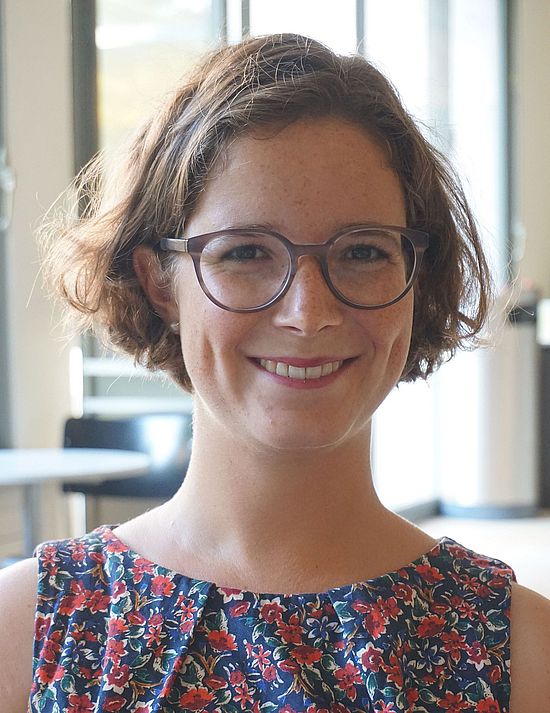
Andrea Maurino is a Full Professor at the University of Milano-Bicocca and leads the Insid&s LAB. His research focuses on data quality, knowledge graphs, machine learning, and their applications in healthcare, finance, urban planning, and organizational analysis. He explores cutting-edge techniques like Large Language Models (LLMs) for decision support systems and semantic annotation of tabular data. Key research interests include improving data quality frameworks for large RDF datasets, developing enterprise knowledge graphs for organizational insights, and applying AI to social media analysis and hate speech detection. His work bridges theoretical advancements with real-world applications such as smart city mobility prediction and nutritional strategies for healthy aging. Notable contributions include scalable tools like ABSTAT-HD for knowledge graph profiling and the 3d-clost mobility prediction model. Maurino’s interdisciplinary approach integrates data science with fields like psychology (ICD-11 decision support) and environmental science (ESG activity detection in financial texts). His lab collaborates on projects like Food NET, combining nutrition science with social network analysis. While no formal awards are listed here, his prolific publication record reflects sustained innovation in data-driven methodologies.
Timothy Rawlings is an Associate Professor in the Department of Biology at Cape Breton University. He holds a BSc (Honours) and MSc in Zoology from the University of British Columbia and a PhD from the University of Alberta. His research focuses on the evolutionary ecology and molecular ecology of freshwater and marine invertebrates, particularly examining factors influencing their evolution in response to environmental and anthropogenic pressures. Dr. Rawlings' expertise spans invertebrate zoology, marine ecology, and molecular analysis. His work often integrates morphological and genetic approaches, as seen in studies of vermetid snails, hydroids, and invasive molluscs. He has conducted research at the Bamfield Marine Sciences Centre and contributed to biodiversity assessments in Cape Breton and Pacific coral reefs. His publications explore topics such as phylogenetic relationships, species delimitation, and ecological adaptations of marine organisms. Recent work includes investigations into novel shell morphologies, invasive species dynamics, and the evolutionary strategies of sessile invertebrates. Dr. Rawlings emphasizes the importance of understanding human impacts on marine ecosystems, including the introduction of non-native species and climate change effects on coastal communities.
Dr Doğa Istanbulluoglu is a Lecturer in the Department of Marketing at the Birmingham Business School, University of Birmingham . She holds a PhD in Marketing from the same institution and teaches undergraduate courses such as 'Research Methods'. She also serves as the EDI Representative for the Marketing Department and PGTA Coordinator for both Marketing and Strategy & International Business Departments. Education: Postgraduate Certificate in Academic Practice (Distinction), Centre for Learning and Academic Development, University of Birmingham (2017) PhD in Marketing, University of Birmingham (2014) MSc in Marketing (Merit), University of Birmingham (2008) BSc in Business Management (High Honour), Bilkent University, Turkey (2007) Her research focuses on online consumer behavior , particularly on social media platforms. She investigates negative consumer behaviors such as complaining, negative word-of-mouth, boycotts, and anti-consumption, as well as problematic technology use including smartphone addiction. Her work emphasizes post-purchase behaviors and the psychological and social dynamics behind consumer dissatisfaction and resistance. The recent articles show a strong trend in digital consumer behavior , with recurring themes in anti-consumption , fake online reviews , complaint handling , and technology overuse . Her research combines marketing theory with psychological and sociological insights, often using empirical methods to analyze consumer responses in digital environments. Dr Istanbulluoglu has published in leading journals such as European Journal of Marketing , Computers in Human Behavior , and Information Technology & People . Her work contributes to understanding ethical issues in digital marketing and strategies for effective online customer engagement and service recovery. She supervises postgraduate research and is involved in academic leadership through her PGTA and EDI roles. While no formal grants or doctoral students are listed, her collaborative publications suggest active research partnerships. She does not appear to lead a dedicated lab but contributes to interdisciplinary discussions on consumer ethics and digital behavior.
Andreas Ek serves as a Senior Lecturer in the Department of Economics at Lund University, Sweden. His research focuses on the intersection of macroeconomics, labor economics, and finance with cultural sociology, particularly examining how cultural values shape macroeconomic outcomes across nations. He earned his Ph.D. in Economics from the London School of Economics. His academic profile demonstrates deep engagement with interdisciplinary economic analysis, bridging quantitative economic methods with sociological frameworks. Ek's research program centers on cultural values as determinants of economic behavior, with significant contributions to understanding productivity differentials , labor market dynamics , and cross-national economic variations . His work employs rigorous empirical methodologies to analyze how societal norms influence economic performance, particularly through cultural transmission channels affecting workforce behavior and policy responses. His recent publications reveal a consistent focus on cultural drivers of economic outcomes: the 2024 Journal of Political Economy article establishes causal links between cultural values and productivity, while the 2021 Labour Economics study examines leisure preference variations across immigrant populations. Both works demonstrate methodological sophistication in handling cross-country datasets and cultural metrics. Scientific recognition includes: Arthur Berge stipend (2024) Ek maintains active scholarly engagement through peer review for top-tier journals including Journal of Political Economy, Scandinavian Journal of Economics, and Economic Development and Cultural Change. His invited talk on market-level discrimination of immigrants (2024) and media interviews regarding cultural productivity research demonstrate real-world impact of his work. No formal student supervision or grant information appears in current records. His research fingerprint shows dominant concentration in Macroeconomics (100%), Economics (100%), Cultural Values (100%), and Productivity (100%), with significant presence in Human Resources (100%), Labor Market (66%), and Country of Origin studies (66%).
Dr. Marie Monfils is Professor of Psychology and Neuroscience at the University of Texas at Austin, where she leads the Monfils Memory Lab in the Department of Psychology within the College of Liberal Arts. Her research focuses on understanding fear memory mechanisms and developing interventions to attenuate maladaptive fear memories. Dr. Monfils received her Ph.D. in behavioral neuroscience from the Canadian Centre for Behavioural Neuroscience and conducted a postdoctoral fellowship at New York University. Her work bridges basic rodent models with translational applications for anxiety, trauma-related, and addiction disorders. Her research program investigates three primary streams: Post-consolidation manipulations that can persistently attenuate fear memories Factors underlying affiliative kinship and social transmission of information Individual differences and their impact on fear attenuation Her work integrates behavioral, neural, and molecular approaches to understand memory modification processes, with particular focus on reconsolidation and extinction mechanisms. Dr. Monfils' publication record demonstrates consistent contributions to understanding fear memory mechanisms. Her recent work examines CO2 reactivity as a biomarker for treatment response, social transmission of fear in rodent models, and optimizing fear attenuation techniques through reconsolidation-extinction interactions. Her research spans both basic neuroscience and clinical applications, with implications for improving exposure therapy for anxiety disorders. 2025: Published work on neural mechanisms of social learning, mechanisms of change in exposure therapy, and social context as a source of variability 2024: Published research on fear attenuation collaborations, carbon dioxide reactivity predicting fear expression, and social transmission dynamics 2023: Published updates on reconsolidation-extinction interactions, estrous cycle effects on behavior, and retrieval-extinction effects on alcohol seeking Dr. Monfils actively mentors graduate students and is accepting applicants for Fall 2026 and 2027. Her lab follows rats through their lifespan with a commitment to humane treatment, euthanizing only when necessary to minimize suffering or at the end of life. She acknowledges the Indigenous lands of Turtle Island where her research takes place, specifically recognizing the Alabama-Coushatta, Caddo, Carrizo/Comecrudo, Coahuiltecan, Comanche, Kickapoo, Lipan Apache, Tonkawa and Ysleta Del Sur Pueblo.
Professor Cynthia H.Y. Fu is a leading researcher in the Department of Psychology & Human Development at the University of East London's School of Childhood and Social Care. She serves as an Honorary Consultant Psychiatrist at the South London and Maudsley NHS Foundation Trust and holds a Visiting Professor position at the Centre for Affective Disorders, King's College London. Her research focuses on identifying brain regions affected by depression and how they change with various treatments including talking therapies, antidepressant medication, and neurostimulation techniques like transcranial direct current stimulation (tDCS). Professor Fu pioneered work demonstrating that neural activation patterns during sad facial processing can accurately diagnose depression in individual patients and predict treatment response. Her research has direct translational potential in developing biomarkers for diagnosis and prognosis based on brain imaging. Professor Fu's work spans multiple disciplines including affective neuroscience, computational psychiatry, and neuromodulation. Her recent publications reveal strong trends in applying machine learning to neuroimaging data for depression classification, investigating home-based tDCS treatment protocols, and exploring the relationship between physiological markers and psychological states in real-world contexts like driving and commuting. British Association for Psychopharmacology Award National Alliance for Research in Schizophrenia and Depression (Brain & Behavior Research Foundation) Award Professor Fu has secured significant research funding from major organizations including the Medical Research Council, Wellcome Trust, GlaxoSmithKline, and Eli Lilly. Her work regularly appears in top-tier journals and is consistently cited among the most influential publications in psychiatry. She leads research investigating how brain responses can predict individual treatment responses, potentially enabling personalized depression treatment approaches. Her laboratory focuses on multimodal neuroimaging approaches combined with machine learning to identify neural signatures of depression and treatment response. Current projects include home-based tDCS treatment protocols with remote supervision, biomarker development for predicting antidepressant response, and computational approaches to understanding stress responses in everyday contexts.
Dr. Amanda Ferguson is a Programme Leader at the Medical Research Council Cognition and Brain Sciences Unit (MRC CBU) at the University of Cambridge . Her research focuses on understanding cognitive and behavioral mechanisms in digital environments, particularly social media's impact on mental health and decision-making processes. Key areas: Empathy avoidance, reinforcement learning, digital parenting, and mindfulness-based interventions. Recent work: Investigates how adolescents adapt to digital environments and the cognitive costs associated with empathy. Notable contributions: Development of the Empathy Selection Task for behavioral assessment, validation of digital parenting scales, and exploration of open science challenges in educational technology. Her publications reflect interdisciplinary collaborations bridging psychology, neuroscience, and technology.
Professor Katja Röper is an Affiliated Professor in the Department of Physiology, Development and Neuroscience at the University of Cambridge and a Principal Investigator at the MRC Laboratory of Molecular Biology. She leads an active research laboratory investigating the cellular mechanisms that determine organ shape during embryonic development. Her research focuses on: Cell biology of dynamic epithelia during organ formation Cytoskeletal mechanisms (actomyosin cortex and microtubules) in morphogenesis Tubular organ formation through epithelial sheet transformation Drosophila salivary gland development as a model system Human renal organoids for understanding nephron morphogenesis Dr. Röper's work addresses how cell shape determination and coordination between neighboring cells creates complex three-dimensional organ structures from simple epithelial sheets. Her research has significant implications for understanding diseases related to defective tube formation such as Spina Bifida and Polycystic Kidney Disease, as many critical organ systems (intestinal tract, kidney, liver, lung, vasculature) maintain epithelial tubular structures. Her recent publications demonstrate a consistent focus on cytoskeletal organization, tissue patterning, and morphogenetic mechanisms across multiple model systems. She employs both Drosophila embryogenesis and human stem cell-derived organoids to investigate fundamental questions at different biological scales. Dr. Röper maintains active collaborations and publishes in leading journals including Development, eLife, and Nature Communications, demonstrating ongoing contributions to the field of developmental and cell biology.
Professor Karin Sanders serves as Associate Dean (Research) at the UNSW Business School, where she is affiliated with the School of Management and Governance. With over two decades of academic experience, she has established herself as a leading scholar in Human Resource Management, particularly focusing on the HR process approach and employee perceptions of HR practices. Her research has been published in top-tier journals including HRM (Wiley), Academy of Management Learning & Education, Human Resource Management Journal, and International Journal of HRM. Professor Sanders' research primarily centers on the HR process approach, examining how employees' perceptions, understanding, and attributions of HR practices influence their attitudes and behaviors. Her work explores critical areas such as informal learning activities, cooperative behavior, commitment, knowledge sharing, team learning, and absenteeism. She has made significant contributions to understanding the effects of alignment between line managers and HR managers on organizational climate, defined as shared perceptions of the organization among employees within a team. Her methodological approach often employs multi-actor, multi-level, and multi-method research designs, reflecting the complexity of HR phenomena in organizational contexts. As an influential academic leader, Professor Sanders serves as Editor for Special Issues at the International Journal of HRM and Associate Editor for Human Resource Management and Frontiers of Business Research in China. She sits on the Editorial Boards of six HRM and management journals. Previously serving as Head of School for Management between 2015 and 2019, she was also a member of the Executive Committee of the HR Division Academy of Management from 2013 to 2018. Her recent work has increasingly focused on HRM during crises, including the development of HR analytics and responses to the pandemic. Professor Sanders has secured substantial research funding, including an Australian Research Council Linkage Project on capacity building in the Not-For-Profit sector and multiple industry collaborations. She has edited several books, including the "Handbook on HR Process Research" (2021) with Huadong Yang and Charmi Patel. Her scholarly contributions bridge theoretical rigor with practical relevance, influencing both academic discourse and HR practice worldwide.
Priyanko Guchait is a tenured Full Professor and Program Director of the Doctorate in Global Hospitality Leadership (DGHL) at the Conrad N. Hilton College of Global Hospitality Leadership , University of Houston. His research focuses on organizational behavior, leadership, human resources, and service management in hospitality contexts, with over 75 peer-reviewed articles published. Education: B.E. in Mechanical Engineering, University of Pune, India M.S. in Hospitality Management, University of Missouri M.S. in Human Resources and Employment Relations Ph.D. in Hospitality Management, The Pennsylvania State University Research Interests include error management culture, psychological safety, service recovery performance, leader behavioral integrity, and AI’s impact on hospitality workers’ mental health. His work examines shame, forgiveness climate, and team dynamics in service environments. Article Trends show a focus on multi-level error management, human-robot collaboration in service recovery, diversity inclusion climates, and cross-cultural leadership studies. Recent papers explore AI ethics, pandemic response strategies, and emotional labor in hospitality roles. Awards & Honors Stephen Rushmore/HVS Research Excellence Award (2023, 2015) Donald Greenaway Excellence in Research, Teaching, and Service Award (2022) Best Paper Award, The Service Industries Journal (2023) ICHRIE Faculty Collegiality Award (2021) ICHRIE McCool Breakthrough Award (2021) Honored as 50-in-5 Scholar (2021) Provost’s Excellence Award (2015) Best Reviewer Awards (IJCHM 2016-2017) Committee & Editorial Roles include Associate Editor of IJCHM, Coordinating Editor of IJHM, and leadership positions at ICHRIE (President 2020-2021, Vice President 2019-2020). He has served on university curriculum, research, and Ph.D. selection committees.
Dr. Hilary Martin is a Group Leader in Human Genetics at the Wellcome Sanger Institute and a College Research Associate at St John's College, Cambridge. Her research focuses on medical and population genomics, analyzing high-throughput sequence and genotype data from large cohorts to address various medical and population genetic questions. She leads the Martin Group which studies the genetic architecture of rare and common disorders in diverse populations, with particular emphasis on populations with high levels of parental relatedness. BSc (Human Genetics) from the University of Queensland, Australia PhD from the Wellcome Trust Centre for Human Genetics in Oxford Postdoctoral research at Sanger Institute with Jeff Barrett Group Leader at Sanger Institute since September 2018 Dr. Martin's research program spans several key areas in human genetics. Her group analyzes large-scale genetic and electronic health record data to explore fine-scale population structure, its impact on disease risk, and the genetic architecture of both rare and complex diseases. A particular focus is on populations with high levels of parental relatedness (consanguinity), where her team investigates how autozygosity affects disease risk across the phenotypic spectrum. Her work on developmental disorders examines the role of rare recessive variants and polygenic risk, while her research with South Asian populations explores the genetic basis of cardiometabolic diseases. Analyzing her recent publications reveals a strong trend toward multi-ancestry studies, particularly focusing on British Pakistani and Bangladeshi populations through the Genes & Health project. Her research increasingly integrates rare variant analysis with polygenic risk scores to understand the full genetic architecture of complex traits. There's also a growing emphasis on understanding how population structure, consanguinity, and founder effects influence disease risk across diverse populations. Her work bridges fundamental population genetics with clinical applications, particularly in neurodevelopmental disorders and cardiometabolic diseases. Extensive publication record in top journals including Nature, Cell, and Nature Genetics Leadership in major collaborative projects like Deciphering Developmental Disorders (DDD) Key contributions to understanding the role of consanguinity in disease architecture Development of methods for analyzing recessive variants in diverse populations Dr. Martin leads a dynamic research group comprising PhD students, postdoctoral fellows, and staff scientists. Her group works closely with multiple large-scale studies including the Avon Longitudinal Study of Parents and Children (ALSPAC), Millennium Cohort Study, Born in Bradford, Deciphering Developmental Disorders study, Genomics England, and Genes & Health. She maintains strong collaborations with clinical and research teams across the UK and internationally, particularly with groups studying South Asian populations. Her research has secured significant funding through institutional support and collaborative grants that enable large-scale genomic analyses. The Martin Group operates within the Human Genetics Programme at the Wellcome Sanger Institute, maintaining close ties with the Hurles Group and other related teams. They collaborate extensively with the East London Genes and Health project, which is one of the world's largest community-based genetics studies focusing on people of Pakistani and Bangladeshi heritage. The group maintains strict data security and confidentiality procedures while working closely with the communities they study through community engagement and dissemination of scientific findings.
Steven Semken is a President's Professor of Geology and Education in the School of Earth and Space Exploration at Arizona State University. He holds additional affiliations as an Affiliated Faculty member with the Humanities for the Environment Global Network, the Global Drylands Center, the Osher Lifelong Learning Institute, the Global Futures Scientists and Scholars program, and the Division of Teacher Preparation at the Mary Lou Fulton College for Teaching and Learning Innovation. Dr. Semken earned his educational credentials from prestigious institutions: Certificate in Diné (Navajo) Educational Philosophy, Diné College, 1991 Ph.D., Materials Science (Ceramics), Massachusetts Institute of Technology, 1989 M.S., Geochemistry, University of California, Los Angeles, 1984 S.B., Earth and Planetary Science, Massachusetts Institute of Technology, 1980 As an ethnogeologist and geoscience-education researcher , Dr. Semken's work spans multiple interconnected domains that bridge scientific inquiry with cultural understanding. His primary research focuses on place-based and culturally responsive geoscience teaching methods, which he has developed through extensive fieldwork in geologically and culturally diverse regions of southwestern North America and Latin America. His research specifically investigates how sense of place influences geoscience learning, particularly among Indigenous and Latina/o communities, and how teaching approaches can be modified to honor cultural connections to land. This work extends to studying geological heritage and developing virtual field geology education experiences that maintain the pedagogical value of traditional fieldwork while increasing accessibility. His scholarship also encompasses the geological evolution of southwestern North America , which informs both his research and teaching practices. Analysis of Dr. Semken's recent publications reveals several key trends in his scholarly work. His research increasingly focuses on the integration of virtual and immersive technologies in geoscience education, particularly examining how virtual field experiences compare with traditional in-person fieldwork. There is also a strong emphasis on culturally responsive pedagogy , with numerous studies exploring how Indigenous knowledge systems can inform and enhance geoscience teaching. His work consistently bridges cognitive and affective domains of learning, recognizing that emotional connections to place are as important as intellectual understanding in geoscience education. Additionally, his scholarship demonstrates growing attention to issues of accessibility and inclusion in geoscience field education, developing methods to make geological field experiences available to students with diverse abilities. Dr. Semken's scientific achievements have been recognized with numerous prestigious awards: Fellow of the Geological Society of America Past-President and former Distinguished Speaker of the National Association of Geoscience Teachers ASU President's Professor (2025) 2014-2015 Zebulon Pearce Distinguished Teaching Award in Natural Sciences Highest awards for science teaching at Diné College in 1990, 1991, 1992, and 1995 Goodwin Medal (highest award for graduate teaching assistants at MIT) in 1985 Winner of the 2020 JGE Outstanding Paper Award from the National Association of Geoscience Teachers Winner of the 2015 Best Geologic Guidebook Award from the Geoscience Information Society Dr. Semken has been deeply involved in mentoring graduate students and early-career educators through numerous professional development workshops and research collaborations. He has co-organized and led over 20 educator professional-development workshops since 2009, focusing on place-based teaching, cultural context in geoscience education, and virtual field experiences. His grant-funded work includes collaborations with NASA, the American Geosciences Institute, and the EarthScope National Office, particularly supporting teacher leadership academies and workshops for Native American science educators. As a Principal Investigator and Co-PI on multiple NSF-funded projects, he has secured significant resources to advance research on the affective domain in geoscience education, place-based learning methodologies, and culturally responsive teaching approaches. Dr. Semken's research activities are supported by multiple collaborative teams and initiatives. He is associated with the Julie Ann Wrigley Global Futures Laboratory and is a Community Member of the Science Education Resource Center (SERC). His work on the "Trail of Time" at Grand Canyon National Park represents a significant public-facing educational initiative that combines geological time education with place-based interpretation. He has also developed the "Regional Geology of the Southwest" course as a living laboratory for place-based education research. His current research group includes graduate students working on projects related to virtual field experiences, ethnogeological knowledge systems, and cross-cultural science education. Through his leadership in the Earth Educators' Rendezvous and other professional networks, he has helped establish communities of practice focused on innovative geoscience teaching methods.
Nina Goldman is a human geographer and lecturer at the University of Basel's Department of Environmental Sciences. Currently, she is based at the University of Manchester on a two-year mobility fellowship from the Swiss National Science Foundation. Her work focuses on understanding social connection in urban environments and addressing loneliness through place-based interventions. She also conducts research for the World Health Organization and serves as a guest editor for a special issue on "Loneliness and the Built Environment" in the Journal Health & Place. Dr. Goldman teaches an annual introductory course in social science methods for the Land Use Changes research group at the University of Basel and has developed various courses since 2017, including "Introduction to Empirical Social Research" and "Urban Geography and Urban Health." Her teaching extends to field excursions across Switzerland, Germany, France, and China, focusing on urban health, poverty, sustainability, and spatial transformations. Her research interests center on the intersection of human geography, urban health, and social connection. Specifically, she investigates which place-based factors are most crucial in determining social connection in cities that, despite offering abundant opportunities for social contact, often leave residents feeling isolated. This work combines geographical analysis with social science methodologies to understand urban loneliness and develop interventions. Dr. Goldman's scholarly work reveals a strong evolution from spatial epidemiology of influenza transmission (reflected in her PhD "The Taming of the Flu") to her current emphasis on loneliness as a critical urban health challenge. Her publications demonstrate an interdisciplinary approach bridging geography, public health, and social science, with increasing focus on policy implications across 52 countries. Swiss National Science Foundation Mobility Fellowship Dr. Goldman has advised numerous students through her courses and field excursions. Her research for the World Health Organization on governmental approaches to addressing loneliness represents a significant contribution to public health policy. She organizes international workshops on place-based interventions for loneliness, fostering global collaboration on this pressing issue. While not explicitly mentioned as leading a formal lab, Dr. Goldman collaborates with the Land Use Changes research group at the University of Basel and participates in international research initiatives related to urban health and social connection. Her work with the World Health Organization and her guest editorship for the Journal Health & Place indicate active engagement in shaping research agendas in her field.
Lillian Lee is a Professor of Computer Science at Cornell University, affiliated with the College of Computing and Information Science. Her research bridges natural language processing (NLP) and social interaction, focusing on how computational methods can analyze and facilitate socially embedded processes. She co-developed the course “Natural Language Processing and Social Interaction” and leads the Cornell NLP Group. Her work spans sentiment analysis, computational social science, and multimodal interaction, with notable contributions to understanding language features in persuasion, online debate dynamics, and humor comprehension. Key research interests include analyzing digital traces of social interaction, evaluating AI systems through human-centered criteria, and exploring the interplay between language structure and societal influence. Recent projects examine pivotal moments in mental health counseling, cross-cultural historical narratives on Wikipedia, and the role of wording in message propagation. Awards: ACM Fellow, ACL Distinguished Service Award (2021), Test of Time Award, Fellow of the Association for Computational Linguistics Labs/Teams: Member of the Cornell Natural Language Processing Group Advising: Mentored numerous students whose work has driven impactful projects in NLP and computational social science
Prof. Jeroen de Ridder is a Full Professor at the Vrije Universiteit Amsterdam (Faculty of Humanities, Department of Epistemology and Metaphysics). His primary roles include teaching epistemology, philosophy of science, business ethics, and occasional philosophy of religion courses. He holds ancillary roles such as Director/Owner of De Ridder Onderwijs en trainingen (Gouda, 2020–present) and Member of the Scientific Advisory Board at Driestar educatief (Gouda, 2023–2028). He also chairs committees for syllabus development and research integrity in Utrecht and Amsterdam. Education: He earned a Ph.D. in Philosophy from Delft University of Technology (2007), an M.A. in Philosophy (cum laude) from Vrije Universiteit Amsterdam (2007), and an M.Sc. in Systems Engineering and Policy Analysis (cum laude) from Delft University of Technology (2000). Research Interests: De Ridder’s work centers on social epistemology, philosophy of science, and philosophy of religion, with a focus on collective and political epistemology. He explores whether groups can possess beliefs/knowledge, collective intellectual virtues, and how political beliefs form in liberal democracies. His research applies epistemic frameworks to democratic institutions and scientific practices. Grants & Awards: He secured notable grants including the Templeton World Charity Foundation’s Epistemic Progress in the University (2020) and Epistemic Responsibilities of the University (€1.75M, 2016). His projects address topics like online political conflict frames, knowledgeable democracy, and the university’s epistemic role. Advising & Grants: De Ridder has led multiple grants (e.g., NWO Open Competition for Digitalization SSH, 2020–2024; NWO Veni/Vidi projects). He examines epistemic responsibilities in academia and advises doctoral candidates. His work bridges theoretical philosophy with practical ethics in education and research. Labs/Teams: Collaborates across disciplines through projects like Epistemic Progress in the University and Knowledgeable Democracy , involving researchers from institutions like ASCoR (UvA) and Templeton Foundation initiatives.