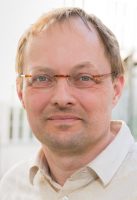
Dominik Schörkhuber is a PreDoc Researcher at the Vienna University of Technology (TU Wien) in the Computer Vision department. With a background in Informatics (BSc, Dipl.-Ing.), he focuses on computer vision applications for autonomous driving, robotics, and human-machine interaction. His work spans driver action recognition, pedestrian prediction, and adaptive lighting systems. Current projects: Empathic Vehicle (2024–2026), SyntheticCabin (2021–2025), SmartProtect (2020–2025) Research themes: Video transformers, synthetic data transfer learning, multi-task learning, and sensor-lighting integration Specializes in 3D sensing, nighttime driving analysis, and mobile video creation tools
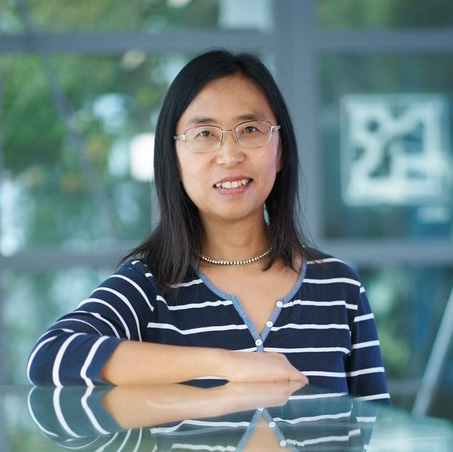
Zhao Guoying is an Academy Professor at the Academy of Finland and holds a tenured Full Professorship at the University of Oulu, Finland. His research focuses on human behavior understanding, emotion AI, and computer vision. He has held visiting positions at institutions including Stanford University and Aalto University. He earned his PhD (2005) in Computer Science from the Chinese Academy of Sciences. His work has led to pioneering contributions in facial expression analysis, micro-expression recognition, and remote physiological signal measurement. Zhao has secured over €19.8 million in research grants as PI, including the prestigious Academy Professor Grant (2021-2026) and Profi-7 Hybrid Intelligence funding. He has supervised 22+ PhD students and 16+ postdocs, many of whom hold academic and industry leadership roles. His awards include IEEE Fellow (2022), IAPR Fellow (2020), and Finland’s Most Publishing AI Researcher (2017). His research interests span machine learning, affective computing, and feature representation. Notable contributions include the first systems for spontaneous micro-expression analysis, novel methods for face anti-spoofing, and remote health monitoring via video. He actively organizes conferences (e.g., Arctic AI Days) and chairs committees such as the Finnish AI Society board.
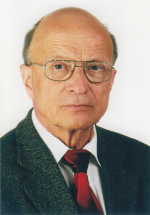
Markus Vincze is an Associate Professor at the Institute of Automation and Control Engineering (ACIN) at Vienna University of Technology (TU Wien). He founded the Vision for Robotics (V4R) group in 1996 to advance robotic perception, particularly in real-world environments and homes. His work focuses on cognitive computer vision techniques for robotics. Education: Diplom in Mechanical Engineering (1988) and PhD (1993) from TU Wien; M.Sc. (1990) from Rensselaer Polytechnic Institute. V4R coordinates EU projects like ActIPret, robots@home, HOBBIT, and national initiatives like vision@home. Markus has edited a book on Robust Vision with Gregory Hager and authored 62 peer-reviewed journal articles and over 400 reviewed publications. His recent research explores zero-shot 6D pose estimation, sim-to-real transfer, and transparent object detection. Markus has served as program chair for ICRA 2013 and organized HRI 2017 in Vienna. He has advised numerous students and secured grants from the Austrian Academy of Sciences for work at HelpMate Robotics and Yale's Vision Laboratory. The V4R group leads innovations in robotic vision, including frameworks for synthetic data generation (Unrealgensyn), depth completion (CAGT), and educational robotics applications for sustainability. Their work spans household robotics (RH3), agricultural robotics (EdgeSoil), and human-robot collaboration.
Claudia Paganini serves as a University Assistant at the Institute for Christian Philosophy, University of Innsbruck, since 2010. Her academic focus spans Animal Ethics, Human-Animal Studies, Media Ethics, and Medical Ethics, critically examining human-animal relationships and challenging anthropocentric dominance frameworks within philosophical discourse. Her research integrates lived experience with theoretical inquiry through direct engagement with rescued horses (Amie, Shadow, and Shy), whom she saved from slaughter. Paganini emphasizes that animals possess inherent value beyond utilitarian human purposes, applying this perspective through animal-assisted interventions where she brings students to observe equine behavior. This practice grounds abstract ethical concepts in tangible reality while demonstrating her commitment to making academic research accessible and socially relevant. Dr. Paganini actively bridges theory and public understanding by involving students in stable visits, illustrating how philosophical ethics manifests in real-world human-animal interactions. She maintains this scholarly approach while balancing family life with three children in Natters, Austria, near her birthplace of Innsbruck.
Mathias Benedek is an Associate Professor at the Institute of Psychology, Faculty of Natural Sciences, University of Graz, Austria. He directs the Creative Cognition Lab and is actively involved in several research networks, including the "Complexity of Life" profile area, the "Brain and Behavior" research network, and the "FUTURE EDUCATION" research network at the University of Graz. His research focuses on the cognitive and neural mechanisms underlying creative thinking, with particular emphasis on the role of memory processes, metacognition, and eye movement patterns during creative ideation. Dr. Benedek's work bridges psychological theory with empirical research methods including eye tracking, neuroimaging, and computational modeling of creative processes. His research has important implications for understanding how creative potential develops and how it can be assessed and nurtured in educational and professional contexts. Dr. Benedek's publication record demonstrates a consistent focus on creative cognition across multiple dimensions. His recent work has expanded into emerging areas such as human-AI collaboration for creative tasks, automated assessment of creativity using large language models, and the relationship between physical activity and creative performance. His research shows a strong trajectory toward more ecologically valid methods for studying creativity in real-world contexts, moving beyond traditional laboratory paradigms. Seraphine Puchleitner Anerkennungspreis (PhD Supervision Award), University of Graz, 2021 William-Stern-Preis, German Psychological Society, 2019 Research Prize, University of Graz, 2017 Research Prize (Publication Category), Initiative Gehirnforschung, 2016 Berlyne Award, Division 10, American Psychological Association, 2015 Dr. Benedek has demonstrated strong commitment to mentoring the next generation of researchers, as evidenced by his 2021 PhD Supervision Award. His research has been supported by multiple grants from national and international funding bodies, though specific grant details are not provided in the available information. His professional service includes leadership roles in the Initiative Gehirnforschung Steiermark since 2010 and active membership in several psychological societies across Europe and North America. Dr. Benedek leads the Creative Cognition Lab at the University of Graz, which employs a multidisciplinary approach to studying creative processes. The lab integrates methods from cognitive psychology, neuroscience, and computational modeling to investigate the mechanisms underlying creative thought. Current research projects examine the relationship between eye movements and internal cognitive processes, the development of automated assessment tools for creativity, and the application of creativity research to educational contexts.
University of Natural Resources and Life Sciences ViennaAustria
Lea Atanasova is a Senior Researcher and Principal Investigator at the Institute of Food Technology, Department of Biotechnology and Food Science, University of Natural Resources and Life Sciences Vienna (BOKU). She holds a PhD (Dr. rer. nat.) and a Master’s degree (Mag. rer. nat.) and has extensive postdoctoral experience in fungal molecular biology and genomics. Her research is centered on mycoparasitic fungi such as Trichoderma and Clonostachys , with a focus on carbohydrate-active enzymes, signal transduction, gene expression, and ecological genomics. Her research interests span molecular biology, genetics, genomics, microbiology, mycology, and enzyme technology. She investigates the functional roles of genes and proteins in fungal biocontrol, nutrient acquisition, and host interactions. Her work integrates comparative genomics, transcriptomics, and functional proteomics to understand fungal evolution and ecological niches. The most recent publications highlight a strong trend in understanding fungal signaling pathways (e.g., TOR and MAPK), enzyme diversification (e.g., CDHs, pectate lyases), and the molecular mechanisms of mycoparasitism. Her work also extends to fungal secondary metabolites, host-microbe interactions, and advanced imaging techniques for protein localization. Scientific Awards: Carl Trygger scholarship for research at SLU (Uppsala, Sweden) GSA fungal meeting award, Genetics Society of America (Asilomar, CA, United States) FEMS Young Scientist Meeting Grant, Federation of European Microbiological Societies (Sant Feliu de Guíxols, Spain) Price Award for best Master-/Diploma research, Ecological Society of Germany, Austria and Switzerland (GFÖ) (Bayreuth, Germany) Austria National Park Research Award, Austrian Federal Ministry of Agriculture, Forestry, Environment and Water Management (Vienna, Austria) Ad Futura Special Achievements Fellowship for studies abroad, Slovene human resources development and scholarship fund (Ljubljana, Slovenia) Lea Atanasova has supervised several Master’s and Diploma theses on topics related to fungal biotechnology and enzymology. She leads an Austrian Science Fund (FWF)-funded project on GMC oxidoreductases in Clonostachys rosea . She is actively engaged in the scientific community, serving on editorial boards and as a guest editor. She has organized and chaired sessions at major conferences, including ECFG, and frequently presents her research internationally. She is a key member of the research community at BOKU, contributing to knowledge transfer through student supervision, editorial roles, and conference participation. Her work bridges fundamental fungal biology with applications in agriculture and biotechnology.
Dietmar Jannach is a Full Professor at the University of Klagenfurt, Austria, affiliated with the Institute for Artificial Intelligence and Cybersecurity where he leads the Research Group for Information Systems. His academic roles include membership in the university's Senate and Curricular Commissions for Liberal Arts and Information Management. His research spans: Core Areas : Artificial Intelligence, Recommender Systems, and Software Engineering. Methodological Focus : Algorithm reproducibility, fairness in AI, sequential recommendations, and hybrid learning models. Emerging Interests : Generative AI for group decision support, ethical recommender systems, and foundation model applications. Jannach's recent publications critically evaluate reproducibility challenges in AI research, advocate for calibrated recommendations to mitigate bias, and explore agentic paradigms in group recommender systems. He emphasizes real-world validation, with studies on deployment challenges and developer experiences in software processes. He actively contributes to academic governance and mentors through research groups, though specific student advisees are not listed. Contact via Dietmar.Jannach@aau.at .
Jacqui Smith is a Professor of Psychology at the University of Michigan, Ann Arbor, USA, with appointments as a Research Professor at the Survey Research Center and Center for Research on Group Dynamics at the Institute for Social Research. She holds an Honorary Professorship at the Free University Berlin (since 2003) and was previously a C4 (Full) Professor at the Technical University Dresden (2003-2004). Her academic career spans institutions including the Max Planck Institute for Human Development (1990-2006) and Macquarie University (1979-1983). Smith's research focuses on cognitive aging, experienced wellbeing after age 50, and the dynamics of development and aging at both individual and couple levels. She explores psychological functioning, health determinants in midlife and old age, and the interplay between intelligence, skills, and wisdom in adulthood. Her publications highlight aging trajectories, conscientiousness effects on well-being, and self-perceptions of aging. Themes include cognitive decline, health psychology, longitudinal aging studies, and behavioral science, with subfields like wisdom ontogeny, social dynamics in aging, and compensatory behaviors in older couples. 2003: Elected Member of the Academia Europaea (Social and Behavioral Sciences Section) 2004: Fellow of the American Psychological Association (Division 20: Adult Development and Aging) 2005: New South Wales Government Return Award for Expatriate Researcher 2006: Fellow of the Gerontological Society of America 2009: Fellow of the Association of Psychological Science Smith's affiliations with interdisciplinary research centers and her longitudinal studies on aging underscore her contributions to understanding the complexities of cognitive and behavioral changes in later life.
Peter Jackson is Professor of Human Geography at the University of Sheffield, a position he has held since 1993. Previously, he served as Lecturer and Senior Lecturer in Geography at University College London from 1980 to 1993. His academic career spans over four decades, with significant contributions to the field of human geography, particularly focusing on food-related studies. His educational background includes: BA Hons Geography, Oxford University, First Class (1976) Diploma in Social Anthropology, Oxford University (1977) DPhil in Geography, Oxford University (1980) Professor Jackson's research primarily focuses on food security and sustainability, social and cultural geography, and geographies of consumption. His work explores the complex relationships between food, culture, and society, with particular attention to consumer behavior, food anxieties, and the cultural dimensions of food systems. He has made significant contributions to understanding how food practices are shaped by social, cultural, and economic factors, and how these practices reflect broader societal changes and concerns. His research often employs interdisciplinary approaches, combining insights from geography, anthropology, sociology, and cultural studies. His recent publications demonstrate a consistent focus on food studies, particularly examining convenience food, food anxieties, and the concept of freshness in different cultural contexts. The research shows a progression from examining broader food systems to more specific aspects of food consumption and production, with an increasing emphasis on cross-cultural comparisons and interdisciplinary methodologies. His notable awards and honors include: Fellow of the British Academy (FBA) (2017) European Research Council, Advanced Investigator Grant (2008-2012) Victoria Medal of the Royal Geographical Society (2007) Fellow of the Academy of Social Sciences (FAcSS) (2001) Professor Jackson has secured substantial research funding throughout his career, including a £1.2m Leverhulme Trust grant for the 'Changing Families, Changing Food' program and a £1.3m European Research Council Advanced Investigator Grant for research on 'Consumer culture in an age of anxiety'. He has held leadership positions including Director of Research for the Social Sciences at the University of Sheffield (2004-2007) and Director of Sheffield Sustainable Food Futures (2016). Currently, he serves as Co-Director of the University Research Institute for Sustainable Food (since 2019). He directs the Sheffield Sustainable Food Futures (SheFF) initiative and leads the consumer research strand of the N8 agri-food program. His work has significant policy implications, as evidenced by his service on the Food Standards Agency's Social Science Research Committee (2008-2017, Chair 2011-2017) and his membership in the Department for Environment, Food and Rural Affairs' Social Science Expert Group (since 2017).
Winfried Hacker is a distinguished academic serving as Professor at TH Dresden from 1966 to 2001. He holds a PhD (1961) and Habilitation (1965) from the same institution. His research focuses on cognitive psychology, experimental psychology, and problem-solving processes, particularly in design and organizational contexts. He has contributed to understanding reflective practices in problem-solving and innovative work processes. Key honors include membership in the Saxon Academy of Sciences (1991), Academia Europaea (1992), the German Psychology Prize (1996), and an honorary doctorate from the University of Bern (2005). His work bridges theoretical psychology with practical applications in economics and workplace innovation. Publications (2004) explore topics like reflection in design thinking, knowledge exchange in organizations, and cognitive processes in aging populations. His research emphasizes human-centered approaches to work design and decision-making under uncertainty.
Christine Bauer is a Professor of Interactive Intelligent Systems at the Department of Artificial Intelligence and Human Interfaces (AIHI), University of Salzburg, Austria. She is also Co-Lead of the interdisciplinary focus area InterMediation. Music—Effect—Analysis at the inter-university organization Wissenschaft & Kunst. Her research lies at the intersection of artificial intelligence, human-computer interaction, and human-centered computing, with a strong emphasis on fairness, context-awareness, and multi-method evaluation in recommender systems. Doctoral degree in Social and Economic Sciences (Business Informatics), 2009, University of Vienna MSc in Business Informatics, 2011, TU Wien Diploma in International Business Administration, 2002, University of Vienna Study of Jazz Saxophone, Konservatorium der Stadt Wien Her research interests center on interactive intelligent systems , particularly recommender systems in music and media, with a human-centered approach. She investigates how technology can align with societal and individual needs, focusing on fairness in algorithms , culture-aware recommendation , and multi-stakeholder evaluation . Her work often integrates interdisciplinary methods and real-world impact. The recent publications highlight a consistent trend in fairness and diversity in music and news recommendation, cross-cultural user behavior , and evaluation frameworks . Her research bridges technical rigor with ethical considerations, particularly in algorithmic bias and artist equity. She has made significant contributions to understanding gender imbalance , cultural granularity , and user conformity in digital music ecosystems. Elise Richter laureate (FWF) 6 best paper awards, 5 nominations Women in RecSys Journal Paper of the Year Award (2023, 2024) 5 awards and 6 recognitions for reviewing excellence Christine Bauer has supervised over 70 theses and taught at 17 institutions worldwide. She is deeply involved in academic service, including editorial roles (AE at TOIS, TORS, JITT), conference organization (RecSys, CHI, CIKM), and mentoring initiatives (WiMIR, LEA, Allyship at CHI). She leads impactful projects such as FairRecKit and SpART: Spotlight on Artists in Recommender Systems , aiming to create more equitable and transparent recommendation technologies. She frequently engages in public outreach through keynotes, media appearances, and policy discussions. She is affiliated with the University of Salzburg as her primary institution and was previously associated with JKU Linz and the University of Klagenfurt. Her labs and research teams focus on interactive intelligent systems , music recommenders , and fair AI , often in collaboration with interdisciplinary partners in arts and social sciences.
Prof. Dongheui Lee is a Full Professor at TU Wien's Institute of Computer Technology, Faculty of Electrical Engineering and Information Technology, and leads the Human-centered Assistive Robotics Group at the German Aerospace Center (DLR). She holds a PhD from the University of Tokyo (2007) and has held academic roles at Technical University of Munich (TUM), the University of Tokyo, and KIST. Her research focuses on human-robot interaction, assistive robotics, and machine learning applications in robotics. Education: PhD, Information Science and Technology, University of Tokyo, 2007 MS, Kyung Hee University, 2003 Research Interests: Her work spans human motion understanding, assistive robotics, human-robot collaboration, and control systems. Key areas include robotic balance assistance, motion imitation, and safety-aware robotics. She has pioneered methods for light touch support in human-robot interaction and developed frameworks for dynamic task execution. Recent Trends in Publications: Recent work emphasizes variable stiffness control, motion retargeting, and multimodal anomaly detection. Publications highlight advancements in assistive robotics, human motion prediction, and reinforcement learning for locomotion. Articles often integrate robotics with machine learning to improve safety and adaptability in human-robot systems. Awards: Carl von Linde Fellowship (TUM Institute for Advanced Study, 2011) Helmholtz professorship prize (2015) Best Intelligence Paper Award (2024) Projects & Grants: Leads projects like LunarAssembly (robotic assembly on the Moon) and INVERSE (interactive robots through reasoning). Funded initiatives include EU Horizon, BMBF, and industry collaborations. Coordinates teams for projects like PERSEO (service-oriented robotics) and SOLAR (body representation studies). Labs/Teams: Directs the Human-centered Assistive Robotics Group at DLR and collaborates with TU Wien's Autonomous Systems unit. Her teams focus on real-world applications in healthcare, manufacturing, and human-centered robotics.
Jakob Pietschnig is an Assistant Professor in the Department of Developmental and Educational Psychology at the Faculty of Psychology . His work focuses on intelligence research, meta-analytic methods, and measurement invariance across cultures and populations. He has contributed to understanding the Flynn Effect, generational changes in cognitive abilities, and the psychometric properties of psychological scales. Research Projects: Evolution of human intelligence: The Flynn effect (2024–2027) Computerdiagnostik (2024–2026) How biased is the literature in Psychological Science? (2018–2021) Reward: John B. Carroll Award for Research Methodology (2011) Research Interests: Pietschnig's research explores the structural and temporal dynamics of intelligence, including the Flynn Effect, measurement invariance of psychological scales, and cross-cultural comparisons of well-being and personality traits. He employs advanced statistical methods, such as meta-analyses and multiverse approaches, to address biases and variability in psychological science. Public Engagement: He has provided expert commentary on topics like intelligence trends and cognitive health in media outlets.
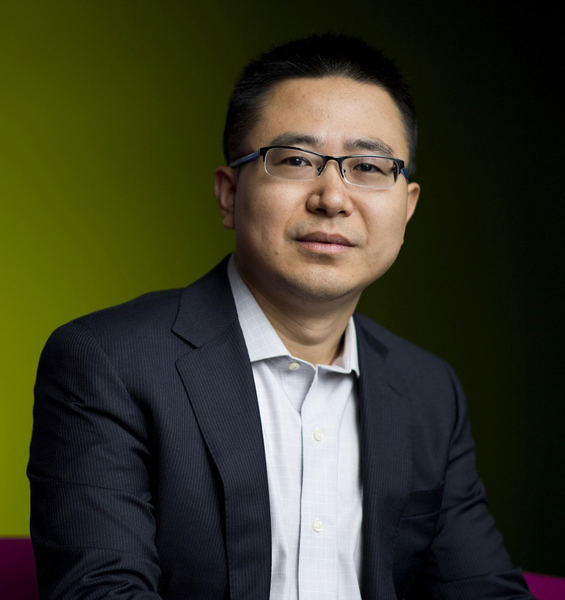
Yun Fu is a tenured Professor in the Department of Electrical and Computer Engineering at Northeastern University, with a joint appointment in the Khoury College of Computer Science. He has established himself as a leading researcher in Artificial Intelligence, with over 500 publications in top-tier venues including IEEE/ACM transactions and major AI conferences. His work spans both theoretical foundations and practical applications, with significant impact in computer vision and machine learning. Professor Fu earned his Ph.D. in Electrical and Computer Engineering from the University of Illinois at Urbana-Champaign. His academic career progressed from Assistant Professor at SUNY Buffalo to his current position as tenured Professor at Northeastern University, where he has held appointments since 2012. His educational background includes a Beckman Graduate Fellowship at UIUC (2007-2008). His research focuses on advancing Artificial Intelligence with particular emphasis on Computer Vision, Pattern Recognition, and Machine Learning. His seminal work includes the "Residual Dense Network for Image Super-Resolution" presented at CVPR 2018, which was ranked among the Top 10 Most Influential CVPR papers. His research interests span image processing, anomaly detection, multimodal learning, and trajectory prediction, with applications ranging from healthcare to consumer technology. Analysis of his recent publications reveals a strong trend toward developing efficient and robust AI systems that bridge computer vision with language understanding. His work increasingly focuses on multimodal learning, trajectory prediction for multi-agent systems, anomaly detection in complex environments, and model validation techniques for black-box systems, while maintaining practical applications in real-world scenarios. Professor Fu's extensive recognition includes: Fellow of IEEE (2018), OSA (2019), SPIE (2018), IAPR (2016), AAIA (2021), and AAAI (2025) Member of Academia Europaea (2022) and European Academy of Sciences and Arts (2023) Fellow of National Academy of Inventors (2023) Multiple Young Investigator Awards from NAE, ONR, ARO, IEEE, ACM, and INNS 12 Best Paper Awards from major conferences Industrial Research Awards from Google, Amazon, Samsung, JPMorgan, and others Professor Fu has successfully mentored numerous Ph.D. students who now hold prominent positions in academia and industry at institutions including Amazon, Microsoft, Meta, Adobe, and major universities. His entrepreneurial ventures include founding Giaran (acquired by Shiseido in 2017) and co-founding TVision Insights, demonstrating his commitment to translating research into real-world impact. He has secured significant research funding from both government agencies and industry partners. As the PI and Founding Director of the SmiLe Lab at Northeastern University, Professor Fu leads a dynamic research group focused on advancing the state-of-the-art in AI and Computer Vision. The lab fosters interdisciplinary collaboration across computer science, electrical engineering, and applied mathematics, with ongoing projects in efficient deep learning, multimodal understanding, and practical AI applications.
Samuli Ripatti is a Professor of Biometry in the Department of Public Health at the University of Helsinki's Faculty of Medicine. He serves as Director of the Institute for Molecular Medicine Finland (FIMM) since 2023 and leads the Academy of Finland's Center of Excellence in Complex Disease Genetics. His research integrates genetics, statistics, and clinical medicine to advance understanding of cardiometabolic diseases and genomic risk prediction. Education: Statistics major, University of Helsinki PhD in Mathematical Statistics, Stockholm University (2002) Docent in Statistics, University of Helsinki (2007) Research interests focus on cardiometabolic diseases, polygenic risk scores (PRS), and genetic epidemiology. He has pioneered PRS for disease prevention and developed clinical risk algorithms, with applications in precision medicine and global health initiatives. Recent publications highlight trends in polygenic risk modeling across diverse diseases, lipidomics, sleep disorders, and trauma outcomes. His work spans genomics, bioinformatics, and translational medicine. Scientific awards: Knight, First Class, of the Order of the White Rose of Finland (2021) Highly Cited Researcher (2018, 2017, 2016) Ripatti chairs doctoral programs in life sciences and the EU-funded INTERVENE project, which develops genomic risk prediction methods. He has led research groups at FIMM-EMBL, the Broad Institute, and the Wellcome Trust Sanger Institute. As Director of FIMM and member of scientific advisory boards (e.g., NMRC Singapore, EXCEED), he shapes global genomic research collaborations and biobank infrastructure.