
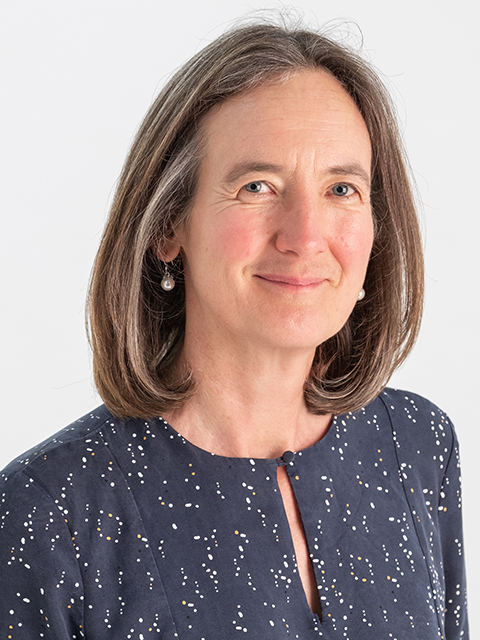
Katherine V. Gough is Professor of Human Geography at Lund University, Sweden, with a 30-year research focus on housing/home, work/entrepreneurship, youth/elderly geographies, mobility, urbanisation, and climate change across Africa, Latin America, and Asia-Pacific. She collaborates with Loughborough University's Clear Climate team on extreme heat mitigation in Ghana and leads the 'Trocha de Paz' project for Colombia's 'Total Peace' agenda. Research Themes Extreme Heat in Ghana Peacebuilding in Colombia Rural-Urban Dynamics Her multidisciplinary approach bridges academia, policy, and communities through projects like VEWEC, REFIT, and Paz Alto Cauca. Current work emphasizes: Climate-resilient housing design Post-conflict governance Informal sector innovation Scientific Engagement: British Academy funded VEWEC and REFIT projects Principal Investigator for Trocha de Paz (Colombia) Her collaborative research strengthens stakeholder networks in: West African urban livelihoods Colombian territorial peacebuilding Tropical climate adaptation
جستجوی استاد راهنمای دانشگاهی
برای مسیر پژوهشیتان، استاد راهنما، استاد دانشگاه و پژوهشگر مناسب را پیدا کنید و با آنها ارتباط بگیرید.
نمایش ۱-۱۵ از ۷۲۲ استاد راهنما
اطلاعات پروفایلها از صفحات عمومی دانشگاهها گرفته شده و ممکن است بهروز نباشد.

Daniel Duttonمشاهده پروفایل
دانشیار
Dr. Daniel Dutton is an Associate Professor in the Department of Community Health and Epidemiology at Dalhousie University's Faculty of Medicine, based at the Dalhousie Medicine New Brunswick campus in Saint John. His research focuses on how social environments influence health outcomes and the role of government policies in mitigating these impacts, particularly in areas like poverty, homelessness, and health economics. He holds adjunct roles at the University of New Brunswick (Sociology) and is the Scientific Director of APPTA, a hub bridging aging research and policy. He teaches courses in epidemiology, population health, and statistics. Education: PhD in Community Health Sciences (University of Calgary) MA in Economics (University of Calgary) BA Honours in Economics (Queen’s University) Research Interests: Dr. Dutton examines population-level health determinants, government policy effectiveness, and socioeconomic disparities. His work employs large datasets and econometric models to analyze topics such as homelessness incidence, healthcare cost savings through preventive measures, and the distributional impacts of public spending. Key Contributions: Scientific Director of the APPTA aging and technology hub. Co-founder of the IMPART research collaborative. Author of influential studies on Housing First programs, opioid prescribing patterns, and the fiscal benefits of guaranteed annual income policies. Advising & Grants: Supervises multiple MSc students and has collaborated on grants analyzing healthcare utilization in New Brunswick and Alberta. His work often intersects with policy-making, emphasizing actionable insights from quantitative research. Labs & Teams: Leads the Dutton Research Group, which uses mascot Odin the Saint Bernard to foster team cohesion. Active in interdisciplinary collaborations across public health, sociology, and economics.
Claudia Acciaiمشاهده پروفایل
پژوهشگر
Claudia Acciai is a Guest Researcher at SODAS (Sociology Department) at the University of Copenhagen, where she works on the research project "Quantifying institutional and country-related Matthew effects in science." She holds a PhD in Political Science and Sociology from the Scuola Normale Superiore, with a dissertation focused on policy design in the Research and Innovation sector. Her academic journey includes research visits at Alliance Manchester Business School, Science Po Paris, and Copenhagen Business School. Her research interests lie at the intersection of comparative public policy, innovation studies, and science of science. She combines computational and experimental methods with qualitative content analysis techniques to examine policy design, institutional effects in science, and research evaluation. Her work frequently addresses how policy instruments function in complex governance environments and investigates gender-related differences in academic publishing. Analyzing her recent publications reveals a strong focus on the science of science, with particular attention to bibliometrics, policy instrument effectiveness, and gender dynamics in academic careers. Her work spans multiple disciplines including political science, sociology of science, and innovation studies, often employing mixed-methods approaches that combine quantitative analysis with qualitative insights. Acciai is an active member of the Knowledge, Organization and Politics research group at the Department of Sociology. Her collaborations span multiple countries and institutions, reflecting the international nature of her research on comparative policy and science studies. She has conducted significant work for research projects funded by the Italian Ministry of Education, including analyses of policy analysis capacity in Italian policymaking and governance changes in higher education systems.

- Immigrant and migrant communities
- Urban agriculture and food system planning
- Urban and planning history
Domenic Vitiello is an Associate Professor of City and Regional Planning at the University of Pennsylvania’s Weitzman School of Design. He holds a Ph.D. in History from the University of Pennsylvania (2004). His research focuses on immigrant communities, urban agriculture, and the history of urban planning. Vitiello’s work examines how migration patterns, food systems, and historical policies shape contemporary urban landscapes. He teaches courses on metropolitan food systems, migration and development, and the role of immigrant communities in urban contexts. His scholarly contributions include studies on the transformation of Chinatowns, the politics of sanctuary cities, and the ecological and economic potential of urban agriculture. Vitiello’s research bridges historical analysis with contemporary urban challenges, emphasizing questions of equity, sustainability, and community resilience. His work often intersects with themes of urban policy, cultural preservation, and transnational migration. Notable projects include analyses of Philadelphia’s urban development history, the impact of immigrant labor on cultural economies, and the role of food systems in community revitalization. Vitiello’s interdisciplinary approach combines urban studies, environmental sociology, and historical methodologies to address pressing urban issues.
- Globalization studies
- Urban studies
- Immigration
- +۴ مورد دیگر
Saskia Sassen is the Robert S. Lynd Professor of Sociology at Columbia University and Co-Chair of the Committee on Global Thought. Her research focuses on globalization, urban studies, immigration, and inequality, with key contributions to understanding the sociology of globalization, global cities, and systemic expulsions in the global economy. Major Projects: Global cities theory, expulsions framework, denationalization processes, and ethics of the city research. Books: The Global City , Expulsions: Brutality and Complexity in the Global Economy , Territory, Authority, Rights , and A Sociology of Globalization . Research Themes: Sassen's work interrogates how globalization reshapes economic, social, and environmental systems. She examines the interplay between territory and digitalization, the rise of expulsions beyond traditional inequality frameworks, and the privatization of urban spaces. Her scholarship bridges sociology, political economy, and environmental studies, emphasizing the need for new theoretical approaches to address complex global systems. Scientific Awards: Prince of Asturias Prize in Social Sciences (2013) Multiple doctor honoris causa (Delft University of Technology, DePaul University, Universite de Poitiers, Royal Stockholm Technical University, Ghent University, Warwick University, Universidad de Murcia, European University Institute, Universidad Nacional de Buenos Aires, Universidad Nacional de Cordoba, Universidad de Valencia, Universidad de Guadalajara, Ecole Normale Superieure) Member of Academia Europaea, Council on Foreign Relations, and Royal Academy of Sciences of the Netherlands Professional Activities: Sassen has led major research initiatives including the Transnationalism Project at the University of Chicago, the Herrhausen Foundation's Urban Age project, and the European Union Research Council-funded Cities at War: Global Insecurity and Urban Resistance . She advises governments, international organizations, and academic institutions on urban governance, migration, and global economic systems.
Daniel Carriónمشاهده پروفایل
استادیار
Dr. Daniel Carrión is an Assistant Professor of Epidemiology at the Yale School of Public Health, Department of Environmental Health Sciences. His work bridges climate science , energy transitions , and health equity , focusing on structural inequality’s role in exposure and health disparities. Education: PhD in Environmental Health Sciences (Columbia University, 2019); MPH in Environmental Health Sciences (New York Medical College, 2011); BA in Environmental Studies (Ithaca College, 2008). His research examines how home and neighborhood environments serve as intervention points for climate and health equity . Recent studies include modeling heat vulnerability in U.S. housing, geospatial analysis of lead water lines, and clean cooking interventions in Ghana. Articles span climate change , air pollution , and social determinants , with methodological focus on exposure science and case-crossover designs . Scientific honors include: Senior Fellow, Agents of Change in Environmental Justice (2022) Fellow, New York Academy of Medicine (2022) Senior Fellow, Environmental Leadership Program (2019) He contributes to community service as a member of the New York State Minority Health Council (2016–present) and the International Society for Environmental Epidemiology (2018–present). His work integrates satellite data , machine learning , and policy evaluation to address energy insecurity , racial segregation , and climate justice .
Dr. Pranita Shrestha is a Researcher at the University of Sydney's School of Architecture, Design and Planning. Her work focuses on urban planning, housing policy, and informal settlements, with particular attention to platform-mediated housing markets and their socio-economic impacts. Her research spans topics such as cultural heritage management, rural community resilience, and policy responses to urban housing challenges. Shrestha has contributed to significant studies including analyses of Airbnb's impact on housing markets, post-disaster rehabilitation in Kathmandu Valley's World Heritage Sites, and the role of digital platforms in enabling informal housing practices. Her work often intersects with issues of equity, policy effectiveness, and spatial justice. Key projects include the AHURI-funded study on short-term rental accommodations and collaborative research on social housing marketization in New South Wales. Her research outputs include peer-reviewed articles, book chapters, and policy reports addressing global urban challenges. Shrestha's expertise is reflected in her interdisciplinary approach, combining policy analysis with field studies in diverse contexts such as Kathmandu, Sydney, and Turkey's Behramkale region. She actively engages with both academic and policy communities to advance evidence-based solutions for urban sustainability and affordability.

Yoon Ji-hyun is a Professor in the Department of Food and Nutrition at Seoul National University's College of Human Ecology. Her work focuses on food service management, nutrition policy, and dietary behavior analysis, with a particular emphasis on multicultural dietary practices and sustainable development in food systems. Education: Bachelor's in Food and Nutrition (SNU), BBA (SNU), MS in Hotel, Restaurant, and Institution Management (Iowa State University), PhD in Hospitality and Tourism Management (Purdue University). Leadership Roles: Associate Dean (2019-2021), Director of Ho-Am Faculty House (2010-2012), and multiple directorships in nutrition policy centers. Her research integrates public health and consumer behavior, analyzing topics like pandemic-induced dietary changes, school lunch standards, and food safety anxiety. She has led projects on non-face-to-face food safety management, food education policies, and sodium-reduced environments, funded by South Korea's Ministry of Food and Drug Safety, Ministry of Education, and others. Professor Yoon's work also addresses urban dietary trends, including single-person households' kitchen needs and workers' meal patterns, using data from national health surveys and time-use studies. She has contributed to regional and inter-Korean comparative studies on nutritional disparities and dietary guidelines. She teaches courses on foodservice management, consumer market analysis, and graduate-level research methodologies, while serving as Vice President in several academic societies, including the Korean Society of Dietary Culture and Korean Cancer Association.

Marit Rosol is a Professor of Economic Geography at Julius-Maximilians-Universität Würzburg (since 2022) and an Adjunct Professor at the University of Calgary's Department of Geography (since 2022). She holds a Canada Research Chair (2016-2022) and has earned international recognition for her work on alternative food networks, urban governance, and critical political ecology. Education: Habilitation in Geography (Goethe-Universität Frankfurt, 2012), PhD in Geography (Humboldt-Universität Berlin, 2006), Dipl.-Ing. in Urban & Regional Planning (TU Berlin, 2001) Her research focuses on Critical Food Studies , exploring alternative economies in urban agriculture, post-political urban governance, and transformative food systems. She examines tensions between environmental and social justice in food initiatives, state-led gentrification, and participatory urban planning frameworks. Recent publications analyze: Urban-rural food system transformations Smart city justice frameworks Commons-based land access models Anthropocene food challenges Scientific awards include: Senior Fellow, Freiburg Institute for Advanced Studies (2022) Canada Research Chair Tier II (2016-2022) 2015 RIBA President's Award for Outstanding Urban Agriculture Research She has supervised: PhD students: Hanna Augustin Master students: Natalie Bakko, Abby Landon, Ricardo Barbosa Jr. Postdocs: Dr. Rebecca Laycock Pedersen, Dr. Charlotte Spring, Dr. Lauren Kepkiewicz Major grants from SSHRC, Hans-Böckler Foundation, and DAAD have supported her work on food insecurity linkages, urban food justice, and global comparative studies of food systems. She co-founded the Food Studies Interdisciplinary Research Group at the University of Calgary and serves on editorial boards for Canadian Food Studies and sub\urban .

- Urban Planning and Policy
- Housing
- Urban Governance
- +۱۶ مورد دیگر
Luisa Sotomayor is an Associate Professor in the Faculty of Environmental and Urban Change at York University, where she also serves as the Director of the City Institute. Her academic work bridges urban planning, governance, and socio-spatial justice, with a strong focus on inequality, housing, informality, and participatory planning. She is actively engaged in research across Latin America and Canada, contributing to critical debates on urban policy and citizenship. Education: PhD in Planning, University of Toronto MSc in Planning, University of Toronto BA in Sociology, National University of Colombia Her research interests center on urban inequality, housing precarity, socio-legal exclusions, and the formation of informal urban peripheries. She critically examines how state and non-state actors, community activism, and legal frameworks shape urban planning agendas. Her work questions the capacity of planning to address socio-spatial injustices and foster more equitable, democratic cities. The recent publications reflect a strong engagement with judicialization of urban planning in Bogotá, student housing precarity in Toronto, sanctuary city policies, and the impacts of social urbanism in Medellín. Collectively, her scholarship reveals a transnational, interdisciplinary approach that connects urban theory with grassroots realities, emphasizing legal mobilization, policy mobility, and the lived experiences of marginalized populations. Scientific Awards and Recognitions: MITACS Accelerate (2023-2024) EUC Dean’s Service Award (2021-2022) York University Academic Innovation Fund Award (2020-2021, 2021-2022) SSHRC Insight Grant (2022-2025) MITACS Global Link (2019) MITACS Accelerate (2021, 2022) SSHRC Partnership Engage Grant (2020-2021) SSHRC Connections Grant (2018-2019) SSHRC Doctoral Award (2011-2015) International Development Research Centre, Doctoral Award (2011) Luisa Sotomayor supervises graduate students in Environmental Studies, Geography, and Planning programs. She has led major funded research projects including SSHRC Insight and Partnership Engage Grants, focusing on issues such as vertical peripheries in Colombia, policy mobility in Latin American cities, legal mobilizations in urban planning, and student housing affordability in Toronto. Her collaborative work with institutions across Canada and Latin America underscores her commitment to engaged, interdisciplinary scholarship. She is involved in research labs and teams through the City Institute at York University and leads multi-institutional collaborations such as StudentDwellTO, which brings together faculty and students from OCAD University, Toronto Metropolitan University, University of Toronto, and York University to address student housing challenges. Her work continues to influence urban planning theory and practice in both the Global North and South.
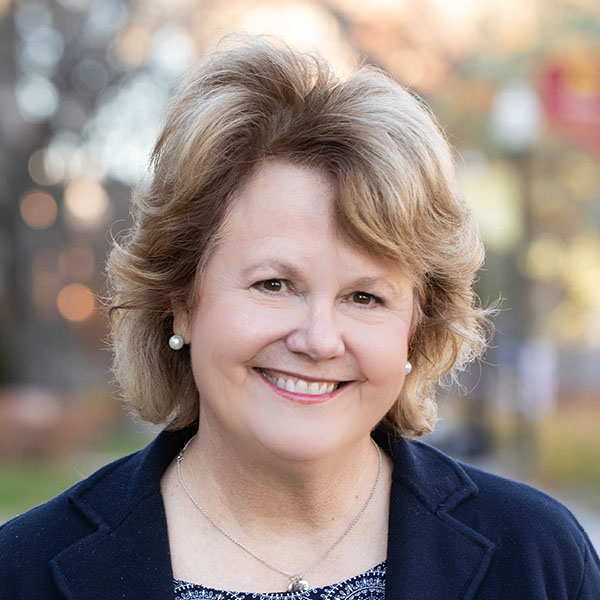
Lynn Blewett is a Professor in the Division of Health Policy & Management at the University of Minnesota's School of Public Health. She serves as the Director of the State Health Access Data Assistance Center (SHADAC), a research and policy center funded by the Robert Wood Johnson Foundation that supports state efforts to monitor and evaluate programs to increase access and coverage. PhD in Health Services Research, Policy and Administration, School of Public Health, University of Minnesota MA in Public Affairs, Hubert H. Humphrey School of Public Affairs, University of Minnesota BA in Psychology, University of Wisconsin Dr. Blewett's research focuses on health care policy and access to care, with expertise in health disparities, Medicaid/CHIP, immigrant health, survey research, and international health systems. As an advocate for information access, she helped bring a Census Research Data Center to the University of Minnesota, which is the only RDC with a health services and policy focus. Her work bridges academic research with practical policy applications at the state level. Analysis of Dr. Blewett's publications reveals a consistent focus on health insurance coverage, access to care, and state-level health policy implementation. Her research spans methodological approaches including survey research, policy analysis, and data resource development. Recent work has increasingly addressed the impacts of the COVID-19 pandemic on healthcare access and material hardship, while maintaining her longstanding focus on underinsurance, Medicaid policy, and state health policy monitoring systems. Dr. Blewett directs SHADAC, which provides high-level access to federal surveys for state policymakers. Her work has been instrumental in developing state capacity to monitor health coverage and access. While specific awards aren't listed in the available information, her leadership of a major Robert Wood Johnson Foundation-funded center indicates significant recognition in her field. As Director of SHADAC, Dr. Blewett leads a team focused on supporting state efforts to monitor and evaluate health access and coverage programs. Her work involves collaborating with state policymakers, researchers, and advocates to translate data into actionable policy insights. The Census Research Data Center she helped establish at the University of Minnesota serves as a critical resource for health services and policy researchers requiring access to restricted federal data.
Taylor McLindenمشاهده پروفایل
استاد پژوهش
Taylor McLinden, PhD is an Adjunct Research Professor in the Department of Epidemiology and Biostatistics at Western University's Schulich School of Medicine and Dentistry. He serves as the Manager of the Health Data Research Network Canada (HDRN Canada) Pragmatic Trials Training Program and holds positions at ICES Western, HDRN Canada, and the London Health Sciences Centre. Previously, he worked as a Scientific Officer at the British Columbia Centre for Excellence in HIV/AIDS and completed postdoctoral training at the same institution. Dr. McLinden received his PhD in Epidemiology from McGill University (2013-2017), an MSc in Epidemiology from the University of Guelph (2011-2013), and an Honours BSc in Biomedical Sciences from Brock University (2007-2011). His research focuses on epidemiology, causal inference, and administrative health data analysis, with particular expertise in HIV/AIDS research, social determinants of health, food insecurity, and pragmatic trials methodology. Dr. McLinden has made significant contributions to understanding the intersection of HIV, overdose crises, housing stability, and social determinants of health among marginalized populations in British Columbia. His recent publications demonstrate a strong emphasis on population health research using linked administrative data, with particular attention to HIV outcomes, health disparities, and methodological innovations in epidemiologic research. His work often addresses critical public health challenges including the overdose crisis, social isolation among people living with HIV, and the impact of structural factors on health outcomes. Dr. McLinden has secured significant research funding, including a CIHR Operating Grant ($480,992 over 2 years) focused on the impact of the COVID-19 pandemic on drug overdoses among people with and without HIV, and a CIHR Project Grant ($994,500 over 5 years) addressing engagement of marginalized populations in primary health care in Vancouver's downtown east side. As Manager of the HDRN Canada Pragmatic Trials Training Program, Dr. McLinden plays a key role in building capacity for pragmatic clinical trials across Canada. His work bridges academic research with practical health system applications, contributing to evidence-informed healthcare decision-making through rigorous epidemiologic methods.
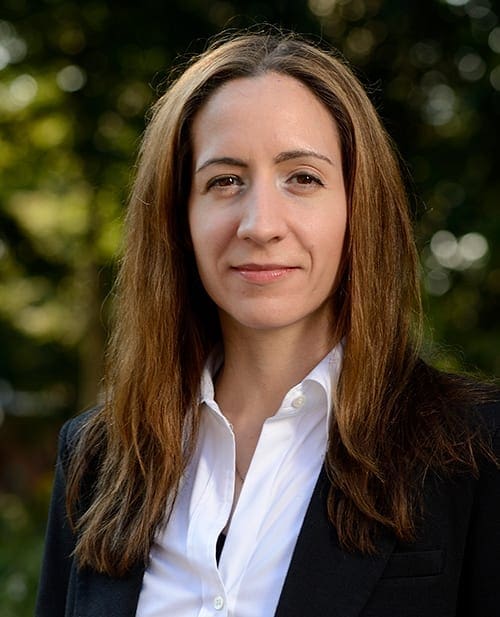
Meredith Greifمشاهده پروفایل
دانشگاهی
- Homelessness
- Housing Policy
- Urban Inequality
- +۵ مورد دیگر
Meredith Greif is an Assistant Research Professor of Sociology at Johns Hopkins University, specializing in the intersection of race, space, and housing. Her work examines systemic inequities in housing policy and their impacts on marginalized communities, particularly through the lens of landlord-tenant dynamics and urban housing crises. Education: PhD in Sociology from Pennsylvania State University. Her research focuses on homelessness, urban inequality, racial stratification, and mental health, with a particular emphasis on how housing insecurity perpetuates racial and economic disparities. She has published extensively on topics including administrative burdens in housing voucher programs, unintended consequences of tenant protection laws, and global urban health challenges in contexts like Accra and Nairobi. Her 2022 book Collateral Damages: Landlords and the Urban Housing Crisis analyzes how legal systems fail vulnerable renters and exacerbate urban crises. Current research explores neighborhood satisfaction, mental health outcomes linked to housing instability, and racial segregation mechanisms in housing markets. Key themes in her work include policy evaluation, structural inequality, and interdisciplinary approaches to urban studies. No specific grants or advising roles are detailed in the provided materials.

Torin Monahan is a Professor in the Department of Communication at the University of North Carolina at Chapel Hill and co-Editor-in-Chief of Surveillance & Society , the leading journal on surveillance studies. He earned his PhD and MS from Rensselaer Polytechnic Institute and BA/MA from California State University, Northridge. His research focuses on the social and cultural dimensions of surveillance, particularly racial and gender inequalities, digital platforms, urban studies, and dual-career academic dynamics. Education: PhD, Science and Technology Studies – Rensselaer Polytechnic Institute MS – Rensselaer Polytechnic Institute BA, MA – California State University, Northridge Research Interests: Monahan's work explores surveillance systems' intersection with race, gender, and technology. He has authored seven books, including the award-winning Surveillance in the Time of Insecurity (2010), and investigates AI surveillance in higher education. Current studies include visual and performance art critiques of surveillance and racializing effects of security protocols. Publication Trends: Recent articles address dual-career academic challenges ( Discover Education , 2024), ethical surveillance impossibility (2025), and urban surveillance impacts of ride-hailing platforms ( Cities , 2022). His scholarship spans Surveillance & Society , The Qualitative Report , and International Journal of Cultural Studies , emphasizing critical race theory, data politics, and community resistance. Scientific Awards: Surveillance Studies Book Prize (2011) Expert Testimony to the European Commission Invited Discussant, U.S. Office of the Director of National Intelligence Grants & Collaborations: Monahan has received multiple U.S. National Science Foundation grants. He collaborates with scholars like Jill Fisher and David Murakami Wood, focusing on dual-career couples, hospital information systems, and critical surveillance theory. His 2024 Discover Education paper synthesizes institutional challenges for dual-career academic hiring.
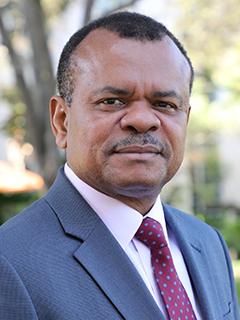
- Anthropology
- Migration Studies
- Haiti Studies
- +۶ مورد دیگر
Louis Herns Marcelin is a Professor in the Department of Anthropology at the College of Arts and Sciences, University of Miami. His academic work bridges anthropology, epidemiology, and public health with a specialized focus on Haiti and Haitian diaspora communities across the Americas. Dr. Marcelin's research examines the complex intersection of migration, structural inequality, and public health crises. His work frequently analyzes how political instability, natural disasters, and pandemics impact vulnerable populations in Haiti, with particular attention to educational systems, healthcare access, and socioeconomic disparities. He employs interdisciplinary methodologies including ethnographic network tracing, mixed-methods research, and longitudinal studies to document Haitian migration patterns and the experiences of Haitian communities both in Haiti and in diaspora settings like Miami. His recent publications (2022-2024) reveal a consistent analytical focus on Haitian social dynamics, addressing topics ranging from sickle cell disease management to the cultural dimensions of migration expressed through Haitian music. Dr. Marcelin's research demonstrates how historical patterns of inequality create path dependencies that shape contemporary vulnerabilities. Dr. Marcelin has received significant research funding including a National Institute on Drug Abuse (NIDA)-funded study examining structural racism experienced by Haitian families interfacing with the juvenile justice system. His collaborative work spans multiple institutions and disciplines, reflecting the complex nature of the social challenges he investigates. His contributions to understanding South-South migration, remittance economies, and the socio-political dimensions of natural disasters in Haiti position him as a leading scholar in Haitian studies and transnational migration research. Dr. Marcelin's work consistently connects academic inquiry to practical implications for policy and community interventions.