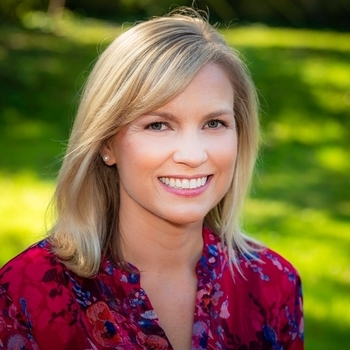
Kelly Arnold is an Associate Professor in the Department of Biomedical Engineering at the University of Michigan. Her research integrates systems engineering principles with immunology to investigate variability in immune responses across infection, vaccination, and injury, with a focus on computational modeling and clinical translation. Research Focus Systems-level immune response modeling Vaccination and antibody functionality Vaginal microbiome-host interactions Chronic lung disease progression Computational serology and proteomics Recent Work Her 2025 studies examine SARS-CoV-2 vaccination responses in cancer patients and computational frameworks for vaginal probiotics. Earlier works (2024-2007) span COPD progression, lupus fibrosis, HIV susceptibility, and tissue engineering for fertility preservation. Methodologies include proteomic profiling, network modeling, and microfluidic systems.
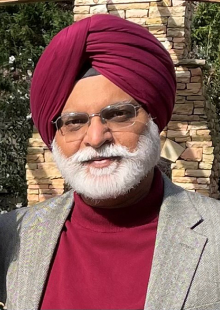
Preet Singh is a Professor and Associate Chair for Graduate Studies in the School of Materials Science and Engineering at Georgia Tech, with affiliations to the College of Engineering. His research focuses on corrosion science, electrochemistry, and environmental degradation of materials, particularly metals and alloys. Prior to joining Georgia Tech in 2003, he was a faculty member at the Institute of Paper Science and Technology (IPST), where he investigated corrosion issues in the pulp and paper industry. Professor Singh's work explores fundamental mechanisms of material degradation in industrial environments, aiming to develop mitigation strategies against environment-induced failures. Key research areas include corrosion fatigue, hydrogen embrittlement, stress corrosion cracking, and oxidation behavior. His group employs experimental approaches to study material reliability under varying chemical and mechanical conditions. Recent publications demonstrate interdisciplinary collaboration across oncology, agriculture, and energy systems, reflecting broad applications of materials science principles. Research trends show increased focus on biomedical materials and sustainable technologies alongside core corrosion studies. Professor Singh advises graduate students including Abdullah Alzubail, Yousif Al Rabie, Sai Shreeya, Yara, and Sean Li. He directs the Corrosion and Materials Reliability Laboratory (CMCRL), which partners with industry to solve practical engineering challenges related to material performance.
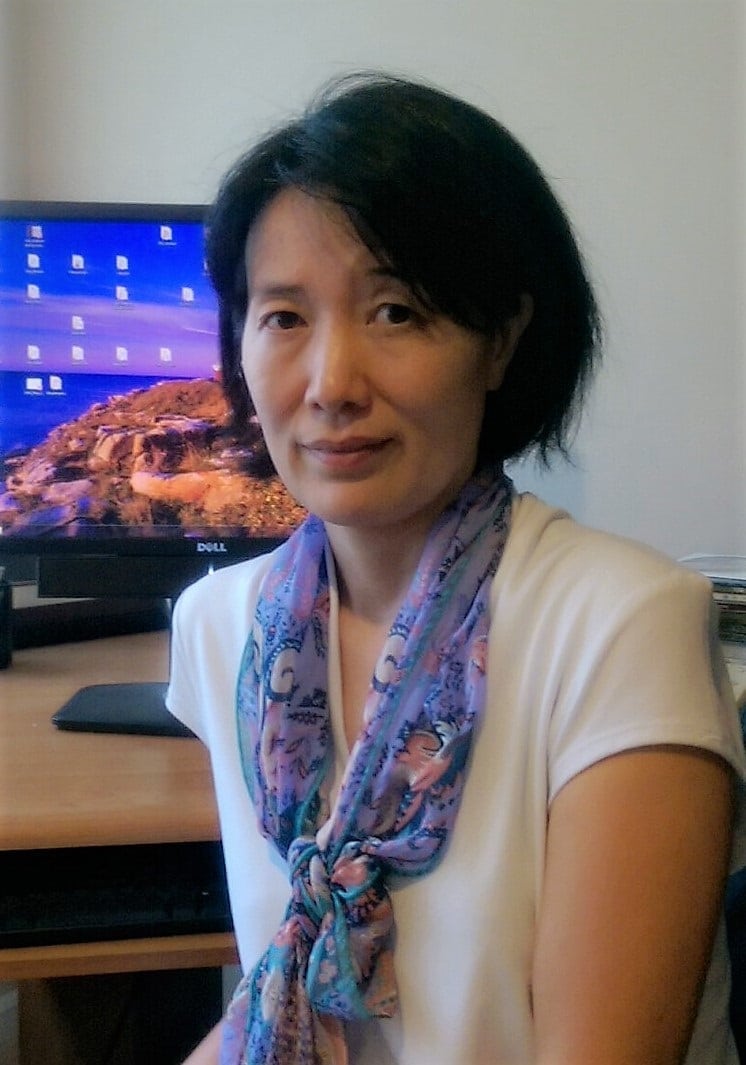
Joanne Wang is Professor of Pharmaceutics at the University of Washington School of Pharmacy and an Affiliate Investigator at the Fred Hutchinson Cancer Research Center. She holds additional appointments in multiple research centers including the Obstetric-fetal Pharmacology Research Unit (OPRU), Plein Center for Aging Faculty, and Pharmaceutics Faculty. Her educational background includes: PhD in Pharmaceutical Chemistry, University of California, San Francisco (UCSF) MS in Biochemistry, University of Illinois at Chicago BS in Biochemistry, Peking University Dr. Wang's research focuses on solute carrier (SLC) and ATP-binding cassette (ABC) transporters that shuttle drugs, nutrients, neurotransmitters, and hormones across cell membranes. Her work encompasses elucidating mechanisms and clinical impact of transporters in nutrient and drug disposition and their potential as drug targets. Ongoing projects include identification and functional characterization of transporters in human placenta, mechanisms of drug secretion into breastmilk using PBPK modeling, and investigation of transporters in the disposition of meta-iodobenzylguanidine for cancer therapy. Analysis of her recent publications reveals a strong emphasis on transporter-mediated drug disposition in special populations, particularly during pregnancy and lactation, and at the blood-brain barrier. Her work spans from basic transporter characterization to clinical applications, with increasing focus on translational aspects including PBPK modeling and clinical implications of transporter polymorphisms. Dr. Wang is actively involved in mentoring, as evidenced by her lab accepting students. Her research has been supported by significant grants including a UC2 grant from NICHD for placental transporter research. Her multidisciplinary approach integrates in vitro models, in vitro-in vivo extrapolation, and PBPK modeling to address critical questions in drug disposition. She is affiliated with several research centers including the Obstetric-fetal Pharmacology Research Unit (OPRU), Plein Center for Aging, and the Washington Entrepreneurial Research Evaluation and Commercialization Hub (WE-REACH), reflecting the breadth and impact of her work across multiple domains of pharmacology and therapeutics.
Dijin Xu is an Associate Research Scientist in the Department of Microbial Pathogenesis at Yale School of Medicine, Yale University. His research focuses on lipid metabolism, immunology, and molecular mechanisms underlying metabolic disorders and host-pathogen interactions. He holds a PhD from Tsinghua University (2016). Education: PhD in Microbiology, Tsinghua University, 2016 Research Interests: Dr. Xu’s work spans immunology (e.g., B cell biology and somatic hypermutation), lipid metabolism (lipid droplet dynamics and adipose tissue homeostasis), and virology (antiviral defense mechanisms against SARS-CoV-2). His studies integrate cellular biology, molecular genetics, and biochemical approaches to understand disease processes. Publications Overview: His recent work explores mechanisms of lipid droplet regulation, metabolic disorder prevention, and immune system function. Notable contributions include studies on Rab GTPases in lipid storage and ELOF1’s role in antibody diversification. Labs & Affiliations: He is affiliated with the West Campus Integrative Science & Technology Center at Yale University, focusing on interdisciplinary research in cellular and molecular biology.
Doron Betel serves as an Assistant Professor at Weill Cornell Medicine's Graduate School of Medical Sciences, with affiliations in both the Physiology, Biophysics & Systems Biology and Computational Biology programs. He directs the Applied Bioinformatics Core (ABC), a central service group providing specialized computational and analytical support for biomedical research across multiple institutions. Dr. Betel's research focuses on developing computational genomic tools for studying human diseases and cellular development, with emphasis on integrative analyses of genomic and epigenomic data from high-throughput assays. His work addresses specific questions related to disease progression, treatment response, stem cell differentiation, and neurological processes through two closely interacting research groups: the Applied Bioinformatics Core and his independent research lab. The analysis of his recent publications reveals a strong emphasis on single-cell and spatial genomics, cross-species data integration, and machine learning applications in cancer immunology and neurodegenerative disease modeling. His research spans multiple high-impact areas including cancer immunotherapy, stem cell biology, diabetes research, and cardiovascular regeneration, with numerous publications in top journals like Nature, Cell, and Nature Immunology. Through the Applied Bioinformatics Core, Dr. Betel provides extensive analytical support across various genomic platforms including single-cell RNA-seq, spatial transcriptomics, ChIP-seq, ATAC-seq, and variant calling. The Core serves as a vital resource for researchers at Weill Cornell Medicine and the broader Tri-Institutional network, offering specialized analysis, computational pipelines, and training services. Dr. Betel maintains extensive collaborations with leading researchers including Lorenz Studer at MSKCC for stem cell and neurodegenerative disease research, Tuomas Tammela for cancer genomics, and multiple immunology researchers studying T cell function in autoimmunity and cancer. His work bridges computational methodology development with direct biomedical applications across multiple disease areas.
Mayo Clinic College of Medicine and ScienceUnited States
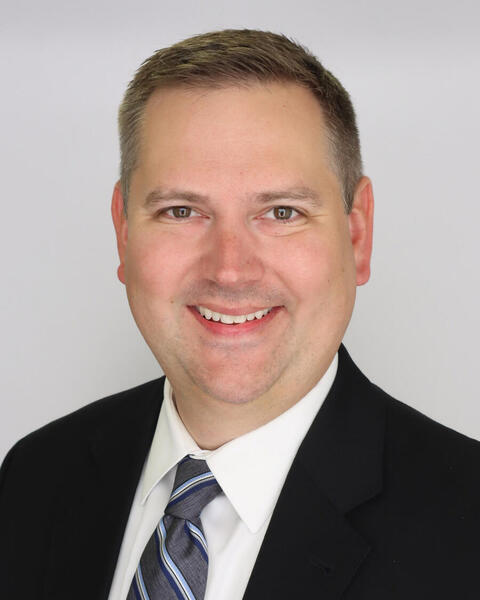
Trenton R. Foster, M.D., is an Associate Professor of Surgery at Mayo Clinic College of Medicine, serving as a Consultant in the Division of Endocrine Surgery within the Department of Surgery. He holds multiple leadership positions including Associate Program Director for the General Surgery Residency Program and Associate Director of Student Clerkships Programs. Dr. Foster is also the Physician Lead for the Collaborative Endocrine Surgery Quality Improvement Program (CESQIP) and serves on several important committees including the Clinical Competency Committee and the Department of Surgery Equity, Inclusion, and Diversity Committee. Dr. Foster's research focuses on optimizing surgical management of endocrine disorders, with particular emphasis on determining appropriate surgical extent for thyroid cancer, improving preoperative localization for parathyroid disease, and refining diagnostic approaches for adrenal tumors. His work utilizes national and institutional databases to understand disease behavior and improve patient outcomes through evidence-based practice. Analysis of Dr. Foster's recent publications (2023-2025) reveals a strong focus on clinical outcomes research across the spectrum of endocrine surgery. His work addresses critical questions regarding optimal surgical approaches for thyroid, parathyroid, and adrenal conditions, with particular attention to minimally invasive techniques, long-term outcomes, and quality improvement initiatives. The research demonstrates expertise in analyzing complex surgical datasets to derive practical clinical insights that directly impact patient care. His scientific achievements include: 2025 Focused Practice Designation in Adult Complex Thyroid and Parathyroid Surgery from the American Board of Surgery 2019 Dennis Wasson, M.D. Award for Outstanding Graduating Chief Resident from Yale University Multiple research awards from 2015-2016 including the SVS Foundation Resident Research Prize and Department of Surgery Best Basic Science Research Award at Yale Golden Key National Honor Society membership during undergraduate studies Dr. Foster actively mentors residents and medical students through his roles in the General Surgery Residency Program and student clerkships. He collaborates extensively with colleagues in endocrinology, radiology, and pathology to provide comprehensive, multidisciplinary care for patients with endocrine disorders. His research directly informs clinical practice, leading to improved preoperative evaluation, optimized surgical approaches, and enhanced postoperative care protocols while maintaining safety and effectiveness.
Laura Sanchez is an Associate Professor in the Department of Chemistry and Biochemistry at the University of California, Santa Cruz (UCSC). She leads a research lab focused on imaging mass spectrometry and natural products discovery, with a particular emphasis on microbial interactions, metabolomics, and applications in women’s health. Previously, she was at the University of Illinois at Chicago (UIC) before relocating to UCSC in 2021. Education: B.A. in Chemistry from Whitman College (Walla Walla, WA) followed by a Ph.D. in Chemistry at UCSC under Professor Phil Crews. Postdoctoral training included work under Professors Roger Linington (UCSC) and Pieter Dorrestein (UC San Diego as an NIH IRACDA Fellow). Her research integrates advanced mass spectrometry techniques with biological systems to study small molecule communication in microbial communities and cancer metabolism. Research Interests : Specialization in imaging mass spectrometry (MALDI-TIMS-MS2), microbial metabolomics, and development of novel techniques like SICRIT (Soft Ionization by Chemical Reaction in-Transfer). Her lab investigates how microbial interactions influence metabolite production and explores metabolomic signatures in ovarian cancer progression. Recent work includes spatial quantification of signaling molecules (e.g., c-di-GMP in biofilms) and the role of neurotransmitters like norepinephrine in cancer cell survival. Awards : K12 BIRCWH Scholar (2016–2017) 2019 UIC Rising Star in the Life Sciences 2022 ACS Infectious Diseases Young Investigator Award 2022 American Society for Pharmacognosy Matt Suffness Young Investigator Award Grants & Collaboration : Developed the Natural Products Atlas (open-access knowledge base) and contributed to workflows like TIMSCONVERT. Collaborations span microbiology, oncology, and bioinformatics, with a focus on translational research in women’s health. Current projects include analyzing fallopian tube-ovary cross-talk in high-grade serous ovarian cancer and optimizing mass spectrometry for high-throughput screening. Labs & Teams : Directs an interdisciplinary lab at UCSC, emphasizing open-source method development and collaborative microbiome research. Her team includes graduate students and postdocs working on microbial communication, cancer metabolomics, and imaging technology innovation.
Dr. Deborah Goberdhan is an Associate Professor at the University of Oxford , affiliated with the Department of Physiology, Anatomy and Genetics (DPAG) . She leads an independent research group investigating amino acid sensing , mTORC1 signaling , and exosome-mediated communication in cancer progression using both human cancer cells and Drosophila models . She serves on the Cancer Research UK Oxford Centre Research Committee , teaches Medical and Biomedical Sciences undergraduates , and acts as Academic Public Engagement Lead for her department. Her research focuses on cell growth regulation through Proton-assisted Amino acid Transporters (PATs) , which function as 'transceptors' modulating mTORC1 activity . This work has expanded to examine exosome heterogeneity and therapeutic delivery mechanisms with support from BBSRC and Cancer Research UK . She co-founded Oxosome , the Oxford extracellular vesicle interest group , to foster interdisciplinary collaboration. Key research areas include Cancer cell communication via exosomes Amino acid signaling in tumor progression Drosophila as cancer model system Clinical collaborations with Prof Adrian L Harris , Prof Freddie C Hamdy , and Prof Clare Verrill Recent publications highlight her group's contributions to exosome biogenesis (2023), brain-targeted siRNA delivery (2021), and nutrient stress responses in cancer (2020). She actively promotes scientific communication through ISEV social media initiatives.
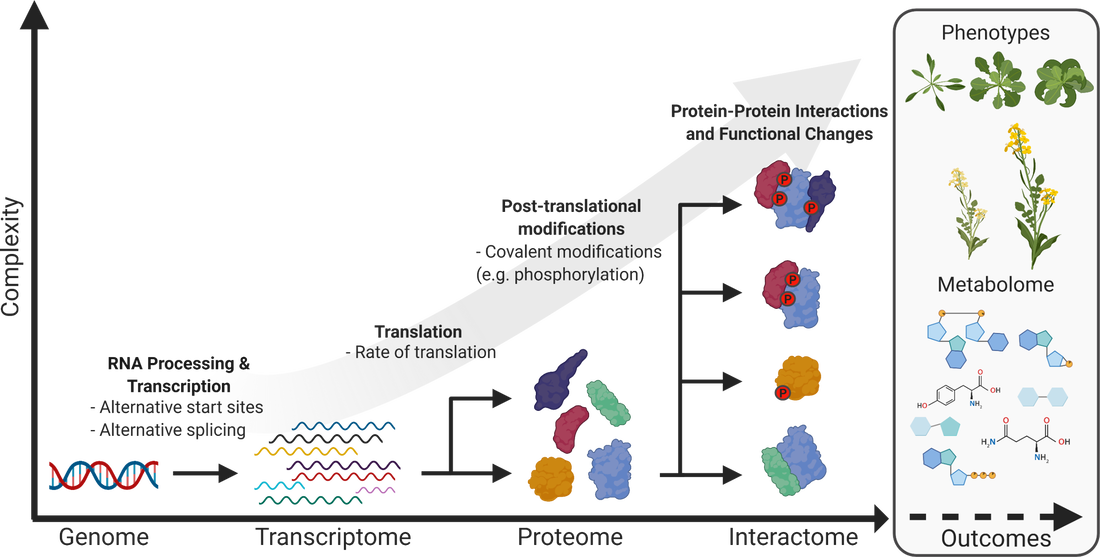
R. Glen Uhrig, PhD, is an Associate Professor of Plant Biology at the University of Alberta within the Department of Biological Sciences, Faculty of Science. His research focuses on plant functional genomics and proteomics, particularly examining diurnal regulation of cellular processes via quantitative proteomics in Arabidopsis thaliana and agriculturally relevant crops. The Uhrig Lab investigates post-translational modifications (PTMs) such as phosphorylation and acetylation to understand plant adaptation to environmental changes. Educationally, he holds a B.Sc.H. (2005) and M.Sc. (2008) from Queen’s University, followed by a Ph.D. from the University of Calgary (2013). His postdoctoral training at the Swiss Federal Institute of Technology (2017) furthered his expertise in plant systems biology. R. Glen Uhrig teaches courses including BIOL 343/543 (Macromolecular Characterization Techniques) and BOT 380 (Drug Plants), emphasizing hands-on proteomics and plant biotechnology. His awards include the ASTech Award (2022), NSERC Post-Doctoral Award (2015–2017), and the Marie Curie Plant Fellowship (2013–2015). His work bridges fundamental research with applications in agri-food production and crop resilience. Key research themes include: 1) Diurnal regulation of plant proteomes and PTMs, 2) Molecular mechanisms of plant immunity and stress responses, and 3) Leveraging proteomics to enhance crop productivity. The lab employs cutting-edge tools like quantitative mass spectrometry and multi-omics integration to address these questions.
Tom Wenseleers is a Professor at KU Leuven's Department of Biology within the Faculty of Science, where he leads the Laboratory of Socioecology and Social Evolution. His research spans theoretical and experimental approaches to evolutionary biology, with particular focus on social insect systems. Research spans social insects (ants, bees, wasps), microbes, viruses, and human systems Primary model organisms: social insects studying major evolutionary transitions Current projects examine caste determination, chemical communication, and evolutionary conflicts His research integrates theoretical modeling with experimental, behavioral, and comparative studies. Recent work combines genomic techniques and high-throughput GC/MS analysis to decipher chemical communication systems. Current trends show increasing interdisciplinary work spanning virology (SARS-CoV-2 variants), microbial ecology (antibiotic resistance), and robotics (pollinator behavior monitoring). The research demonstrates consistent application of evolutionary theory to diverse biological systems while maintaining social insects as the core model. Wenseleers actively mentors PhD students and postdocs, with recent graduates including Kamiel Debeuckelaere and Viviana Di Pietro. His lab receives substantial funding through multiple concurrent research projects, including Promotor roles on grants examining caste development in bee societies and microbial metabolite screening. The laboratory maintains strong international collaborations across Europe and South America. The lab operates within the Ecology, Evolution and Biodiversity Conservation unit at KU Leuven, with physical location at Naamsestraat 59, box 2466, 3000 Leuven. The research group maintains active outreach programs including science workshops for schools and public engagement events focused on insect conservation.
Professor Craig Sale holds the position of Professor of Human Physiology and Nutrition at Manchester Metropolitan University (MMU) and previously led research initiatives at Nottingham Trent University (NTU). He specializes in investigating exercise and nutrition interventions, particularly focusing on bone and muscle adaptations. His roles include Co-Lead of NTU’s Health & Wellbeing Strategic Research Theme, Director of the SHAPE Research Centre, and REF Unit of Assessment Coordinator for UoA C24. His research spans bone metabolism, muscle performance, genetics, sports nutrition, biomechanics, and environmental physiology, with a commitment to impactful real-world applications. His research has addressed topics such as beta-alanine supplementation for exercise performance, diet/exercise interventions for bone health in athletes, and the biological actions of carnosine. He has supervised 17 completed PhD students and currently guides 8 more. His awards include Fellowship in the American College of Sports Medicine (ACSM) and a Section Editor role at the European Journal of Sports Sciences. Recent work emphasizes bone biomarker responses to exercise, myocardial carnosine roles, and pregnancy’s legacy on athletic performance.
Lars Aagaard is an Associate Professor at the Department of Biomedicine - Research and Education, Aarhus University, Denmark. He is based at the Bartholin Building in Aarhus C and is actively engaged in research and teaching in the fields of gene therapy, RNA interference, and genome editing. His work focuses on developing viral vectors, particularly AAV and lentiviral vectors, for ocular gene therapy targeting retinal diseases such as age-related macular degeneration and diabetic retinopathy. His research interests include the development of Dicer-independent RNAi systems, combinatorial gene therapy using microRNA and CRISPR/Cas9, and the delivery of RNA- and protein-based therapeutics. He also teaches Genetics and Personalized Medicine and supervises postdoctoral researchers, PhD, master's, and undergraduate students. The recent publications (2022–2024) reflect a strong trend in RNAi therapeutics, viral vector engineering, and translational applications in ocular and systemic diseases. Themes include gene silencing, immune modulation, and regenerative approaches using engineered cells. Aagaard actively contributes to the scientific community as a reviewer for journals such as Nature and Molecular Therapy . He has participated in key international conferences including ARVO, ASGCT, and ESGCT, demonstrating ongoing engagement with the global gene therapy community. Supervision of postdocs, PhD, master’s, and undergraduate students Active participation in international conferences and workshops Collaborative research across institutions, including Universidade Federal de Sao Paulo He is involved in both basic and translational research, with potential for clinical applications in gene and cell therapy.
Verena Siewers is a Research Professor at the Department of Biology and Biological Engineering, Chalmers University of Technology. Her work focuses on synthetic biology and metabolic engineering of yeast cell factories for producing biofuels, pharmaceuticals, nutraceuticals, and bioplastics, with particular emphasis on developing biosensor tools for pathway optimization. Key research themes: yeast-based biosensors, lipid metabolism engineering, CRISPRi/a applications, and dynamic gene regulation Notable projects include: Development of acetic acid tolerance mechanisms Optimization of fatty acid ethyl esters production Engineering phosphoketolase pathways for acetyl-CoA overproduction Her recent articles reveal trends in: CRISPR-mediated pathway engineering Stress response transcriptional profiling Heterologous plant gene expression in yeast Promoter and transcription factor engineering Funding sources: VINNOVA Novo Nordisk Foundation Carl Tryggers Stiftelse EU Horizon grants Swedish Research Council (VR) Formas
University of Maryland, Baltimore CountyUnited States
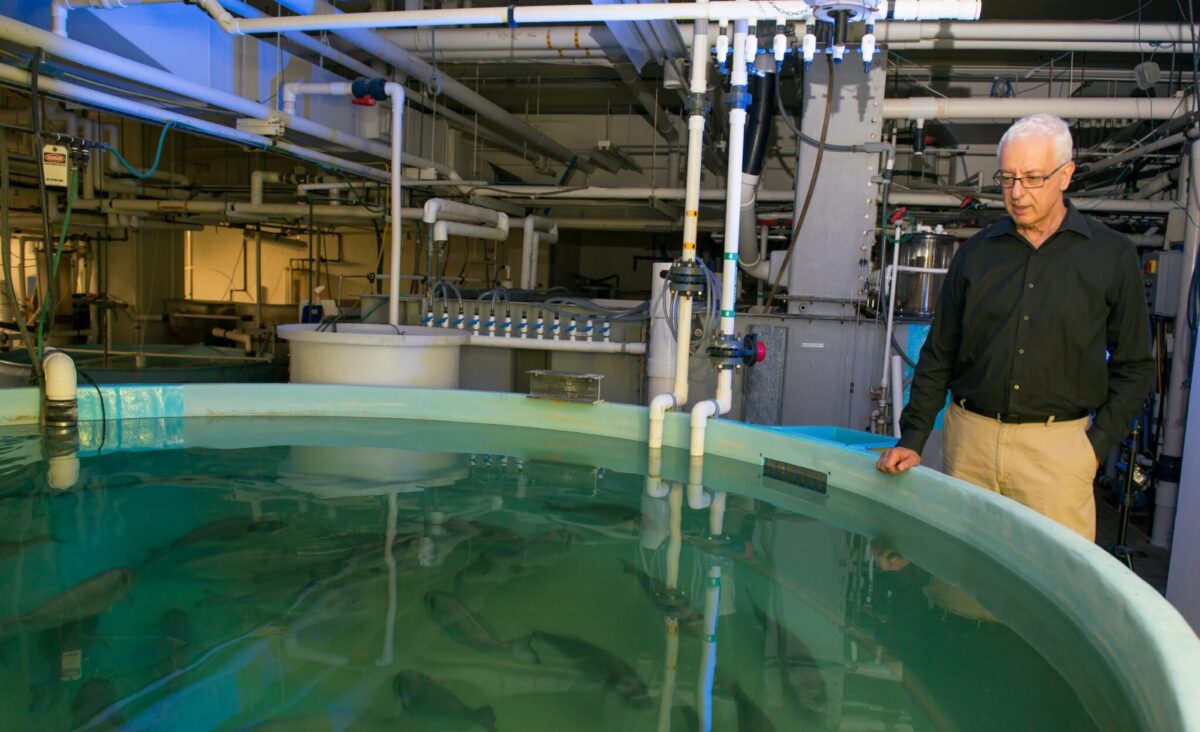
Yonathan Zohar is a Professor of Marine Biotechnology at the University of Maryland, Baltimore County (UMBC), leading research at the Institute of Marine and Environmental Technology (IMET). His work focuses on advancing sustainable aquaculture and fish reproductive biology. He has pioneered land-based aquaculture systems to address environmental and logistical challenges, including year-round salmon spawning and waste management innovations. Zohar’s research combines fundamental endocrinology with applied solutions, such as developing sterile fish strains and biodegradable waste systems. In 2020, he received the International Society for Fish Endocrinology’s Lifetime Achievement Award for his transformative contributions. His research interests span fish endocrinology, reproductive physiology, and aquaculture sustainability. Notable projects include manipulating fish reproduction cycles using environmental cues and converting fish waste into biogas to reduce energy costs. With a $10M USDA grant, he collaborates globally to commercialize land-based aquaculture. Zohar’s work emphasizes environmental responsibility and economic viability, aiming to reduce overfishing and meet rising seafood demand. Key Projects: Year-round salmon spawning, biogas production from fish waste, sterile fish development Funding: USDA grant ($10M), BARD Fund (U.S.-Israel partnership) Scientific contributions include over 50 peer-reviewed articles on fish endocrinology and aquaculture. His teams at IMET and the Aquaculture Research Center (ARC) address industry bottlenecks like sludge management and seasonal reproduction limits. Awards: Lifetime Achievement Award (2020) Collaborations: U.S. and international government/industry partnerships
Patrik Rorsman is a Professor of Diabetic Medicine at the University of Oxford, affiliated with Harris Manchester College and the Oxford Centre for Diabetes, Endocrinology and Metabolism (OCDEM). His research focuses on pancreatic islet physiology, particularly the regulation of insulin and glucagon secretion in health and diabetes. He leads a multidisciplinary group studying cellular mechanisms underlying hormone secretion, including metabolic signaling, ion channel function, and intercellular communication within islets. Key research interests include α-cell and δ-cell function, electrical coupling between islet cells, and the pathophysiological defects in diabetes. Notable contributions include discoveries on glucagon regulation by AVP, nicotinic signaling, and somatostatin receptor antagonists. His team employs advanced electrophysiology, imaging, and stem cell models to explore therapeutic targets for diabetes. Awards: Fellow of the Royal Society (FRS) and Fellow of the Academy of Medical Sciences (FMedSci). Grants/Funding: Supported by Wellcome Trust, Diabetes UK, JDRF, and MRC. Collaborations: Prof Frances Ashcroft, Prof Antony Galione, Prof Bernard Thorens. Current projects include investigating α-cell heterogeneity, optogenetic control of δ-cells, and clinical trials (e.g., LEGEND-A study). The Rorsman Group also trains PhD candidates and postdoctoral researchers, emphasizing translational research to improve diabetes treatment.