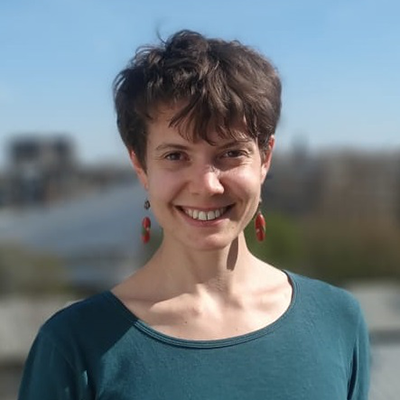
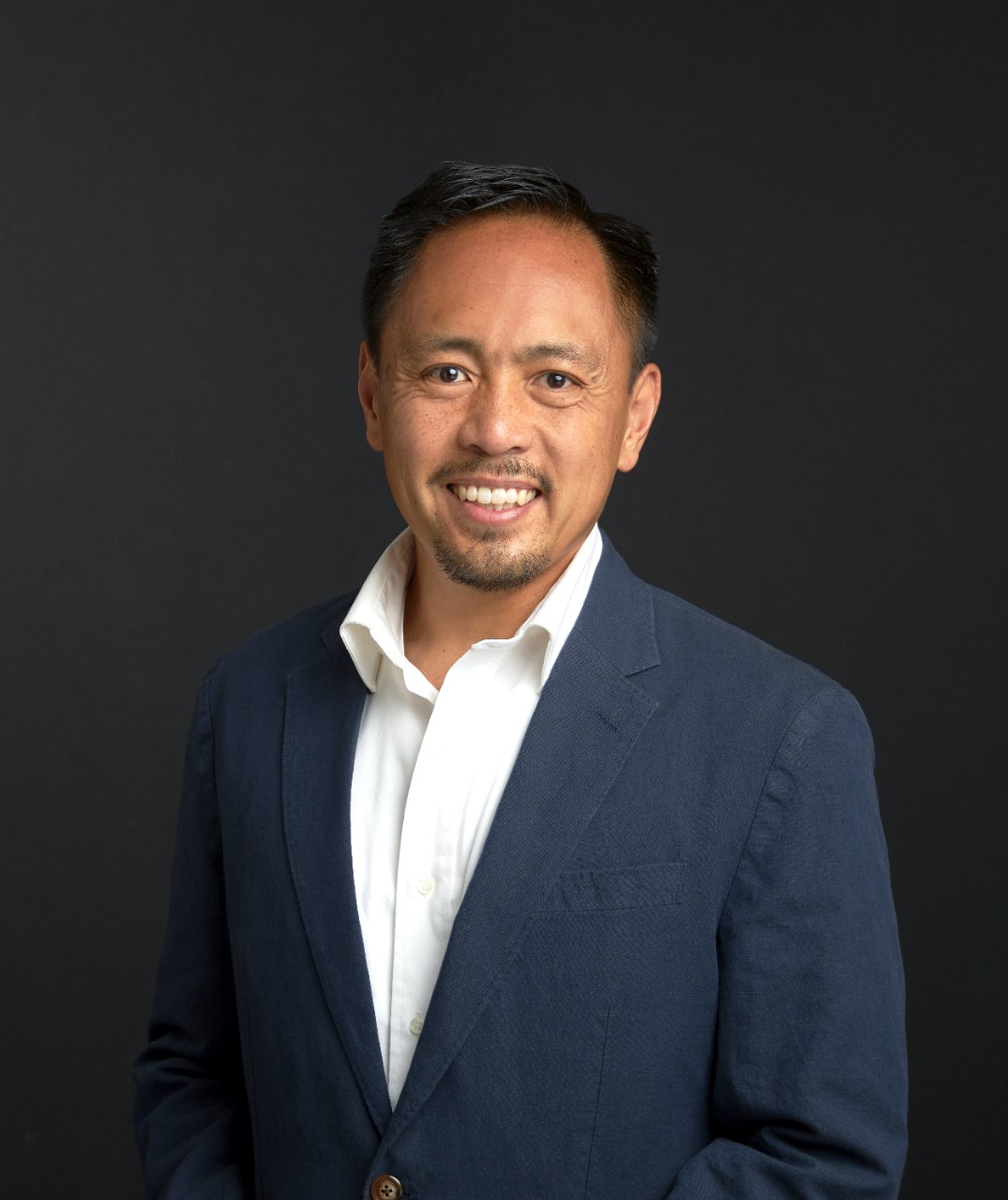
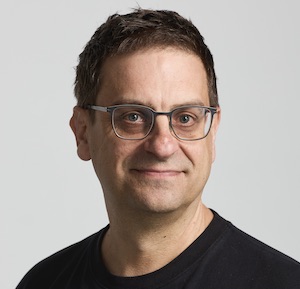
Marion Leroutier is an Assistant Professor at CREST-ENSAE in Paris, specializing in applied environmental economics. She focuses on ambient air pollution and climate change , particularly their societal, economic, and health impacts. Her work explores the determinants of support for green policies , gender disparities in carbon footprints , and economic costs of pollution . Affiliated with the IFS , Misum , and IPP as a research affiliate Teaches Introduction to Economics (Bachelor) and Empirical Environmental Economics (Master) at ENSAE Her research integrates granular data on individual behavior with environmental metrics, revealing how socioeconomic factors and preferences shape emissions. Recent studies quantify the economic benefits of aligning air quality with WHO guidelines and the health potential of cycling. She has presented at conferences such as EAERE , LSE Environment Week , and Misum Conference , with media coverage in The Guardian , The Economist , and Le Monde . For collaboration or inquiries, contact her directly at marion.leroutier@ensae.fr .
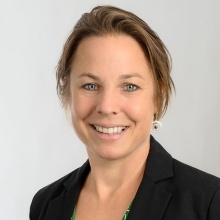
Sabine Schulte im Walde is an Apl. Prof. (Adjunct Professor) at the Institute for Natural Language Processing (IMS) , University of Stuttgart. Her research bridges computational linguistics and cognitive semantics, focusing on noun compounds, semantic change, and multimodal representations. Key research areas: semantic drift, compositionality, German particle verbs Instrumental in creating datasets for semantic change detection (DWUGs, DURel) Recent work explores BERT's limitations in compound semantics and cross-lingual metaphor detection She contributes to major European NLP initiatives, with publications in top venues like ACL. The IMS group specializes in language-technology intersections, managing 6 professorships, 50+ researchers, and 200+ students in NLP programs.
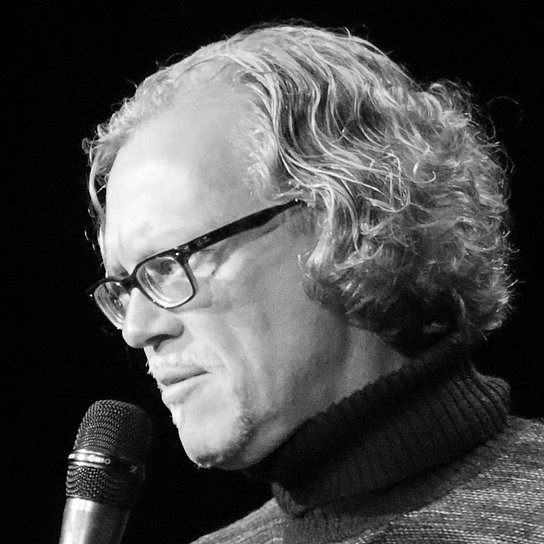
Prof. Dr. Rainer Nonnenmann serves as Adjunct Professor of Musicology at Cologne University of Music and Dance (HfMT Köln) since 2012, where he has taught since 2005. He also holds positions at International Ensemble Modern Academy Frankfurt (since 2018) and previously taught at music academies in Düsseldorf (2011-2016) and Freiburg (2008-2020). His institutional affiliations include editorial roles at MusikTexte , neue musikzeitung , and DAS JOURNAL of HfMT Köln, alongside music criticism for Kölner Stadt-Anzeiger . His research spans contemporary music (20th-21st century), with particular focus on Helmut Lachenmann, Luigi Nono, and Bernd Alois Zimmermann. Key interests include music theater, relationships between music and society/politics/media, Beethoven/Schumann/Wagner/Mahler reception, and historical turning points around 1900. His work examines contemporary compositional engagements with musical tradition since 1960 through interdisciplinary lenses connecting philosophy, visual arts, and social theory. Analysis of his 15 most recent publications reveals consistent exploration of musical materiality, institutional structures, and historical reinterpretation. His scholarship demonstrates deep engagement with German-speaking new music traditions while addressing contemporary digital culture, political relevance, and interdisciplinary performance practices. The works show methodological diversity spanning historical analysis, aesthetic theory, and sociological perspectives. Deutscher Musikeditionspreis 'BEST EDITION' (2013) for Lachenmann-Nono correspondence study Ernst von Siemens Musikstiftung Förderpreis (2004) Paul Sacher Stiftung Research Fellowship (1999) Graduate Scholarship from NRW (1997-1999) 1st Prize Jugend musiziert Baden-Württemberg (1986/87) As former chairman of Kölner Musiknacht (2006-2015) and speaker for Freie Musik initiative, Nonnenmann has significantly shaped Cologne's contemporary music landscape. His editorial work and frequent symposium presentations demonstrate sustained engagement with both scholarly and public music discourse. Current research examines metamorphoses of human-technology relationships in performance contexts.
Julio de Paula is Professor of Chemistry at Lewis & Clark College with dual appointments in Chemistry and Health Studies departments. He leads an interdisciplinary research program combining chemistry, archaeology, and art history through fieldwork in Mallorca, Spain, collaborating with the University of Barcelona and University of Portland. His research focuses on the chemistry of color and light-matter interactions, specializing in pigment analysis of Renaissance paintings and Roman artifacts using portable x-ray and laser spectroscopy. This work bridges scientific analysis with cultural heritage preservation, examining molecular origins of color in historical contexts and detecting undocumented restorations through modern pigment identification. Dr. de Paula actively mentors undergraduate students in instrument operation, data analysis, and field research methodology. His students gain interdisciplinary skills spanning chemistry, physics, and art history while contributing to authentic archaeological investigations in Spain. Prior to joining Lewis & Clark after 16 years at an East Coast liberal arts college, he developed expertise in photosynthetic systems and light-responsive conductive materials. He has directed overseas programs including the 2017 Berlin program and advocates for liberal arts education as essential for comprehensive issue analysis.
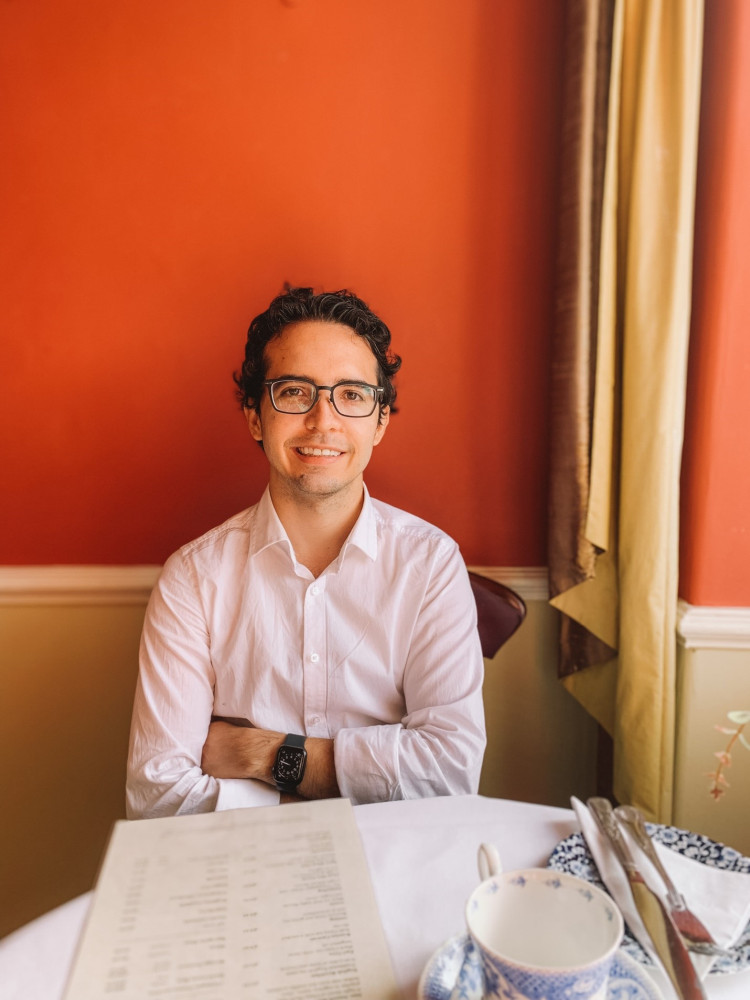
Sebastian Murgueitio Ramirez is an Associate Professor in the Department of Philosophy at Purdue University, specializing in the philosophy of physics and metaphysics of natural laws. His academic journey includes a PhD in the history and philosophy of science and a master’s in physics from the University of Notre Dame, along with dual bachelor’s degrees in philosophy and physics from Universidad de los Andes (Colombia). His research focuses on symmetries in quantum mechanics, the metaphysics of physical laws, and the historical foundations of quantum theory. He has contributed to journals like The British Journal for the Philosophy of Science and Studies in the History and Philosophy of Modern Physics . His work spans empirical significance of symmetries, relativistic principles, and causation in general relativity. His recent publications examine non-relational empirical significance, shape dynamics, and the intersection of local symmetries with measurement theory. He also led the digitization of Epistemological Letters , a pivotal 1970s journal for Bell inequality discussions, and created studia.app , a free physics pedagogy resource. Postdoctoral Fellowship, University of Oxford (2021-2022) Collaborator, Event Horizon Telescope project (2023)
Vincent Cho serves as Associate Professor and Program Director for the Educational Leadership (Ed.D.) and Professional School Administrator Program (PSAP) at Boston College's Department of Educational Leadership & Higher Education. His research bridges educational leadership theory with practical technology integration challenges in K-12 settings, focusing on the human dimensions of digital transformation in schools. His academic credentials include: Ph.D. from the University of Texas at Austin M.Ed. from the University of Houston B.A. from Boston College Cho's research examines how technologies reshape school discipline systems, data-informed decision processes, and professional identities of educators. With extensive experience as a former classroom teacher and school administrator, he investigates the 'people problems' that emerge during technology implementation, particularly how digital tools create unintended consequences in school organization and culture. His work emphasizes practical solutions for educational leaders navigating the digital age. Analysis of his recent publications (2016-2024) reveals three evolving research trajectories: (1) the impact of behavior management technologies on school discipline equity, (2) data system implementation challenges in educational leadership, and (3) social media's role in professional learning networks. His 2024 work on 'The New Discipline Machinery' critically examines algorithmic behavior tracking apps, while earlier award-winning research (2012-2021) established foundational insights into Twitter-based knowledge brokering among school leaders. His scholarly recognition includes: Carol Weinstein Outstanding Research Award from AERA's Classroom Management SIG (2021) Early Career Scholar of Color award from AERA's Committee on Scholars of Color (2013) Best Paper Award from AERA's Organizational Theory SIG (2012) As Program Director for BC's Ed.D. program, Cho mentors doctoral candidates in educational leadership while maintaining active research collaborations. His current affiliations include serving as Affiliate Faculty for UCEA's CASTLE Center (2021-present) and Advisory Board Member for UMass-Lowell's Center for Program Evaluation (2020-present), reflecting sustained engagement with national educational technology initiatives. Funded projects include EU Parliament presentations on digital-era school innovation and multi-year studies of data system impacts on student achievement.
Irene Rocchi is an Associate Professor in the Department of Environmental and Resource Engineering, specializing in Geotechnics & Geology at the Technical University of Denmark (DTU). Her research integrates experimental soil mechanics with innovative engineering solutions, focusing on ground characterization, soil behavior across scales, and sustainable geotechnical practices. She leads key projects such as SoIA (Soil is alive) and B-test, contributing to advancements in geotechnical instrumentation and interdisciplinary soil science. PhD, City University of Hong Kong (2010–2014) MSc in Civil Engineering, Politecnical School of Turin (2007–2009) Bachelor in Civil Engineering, University of Bologna (2004–2007) Her research interests center on experimental soil mechanics, with a strong focus on laboratory and field characterization, unsaturated soils, micro-scale analysis, and the influence of biological factors on soil behavior. She emphasizes innovation and the translation of research into practical engineering applications, particularly in flood protection, ground improvement, and sustainable infrastructure. The recent publications reflect a consistent trend in advanced geotechnical testing, probabilistic modeling, and interdisciplinary biogeotechnics. Her work spans from fundamental soil behavior studies to applied technologies like digital twins and energy storage in geomaterials, demonstrating a strong integration of mechanics, sustainability, and innovation. Semper Ardens Excellence Grant (Carlsberg Foundation) InnoExplorer Grant (B-test project) Irene Rocchi actively supervises PhD students and contributes to major research projects at DTU. She has been involved in industrial collaborations and has led funded projects focusing on sustainable underground construction, soil swelling, and infrastructure performance. Her work bridges academic research and real-world engineering challenges. She is involved in the SoIA research group and contributes to DTU’s Sustainable Geotechnics initiative, where she develops new sensing technologies and promotes interdisciplinary approaches to soil science. Her lab focuses on advanced soil testing, NMR-based homogeneity assessment, and biologically influenced soil mechanics.
Maria Sappho is a Research Fellow at the University of Huddersfield's School of Arts and Humanities, specializing in Digital Playgrounds for Music. She leads the Chimere Communities project, addressing Western dominance in AI research through international artistic collaboration. PhD in Interactive Research in Music (IRiMaS) MMus and BMus from Royal Conservatoire of Scotland Her research bridges artificial intelligence, experimental music, and feminist theory, focusing on multi-species collaboration with AI and mushrooms. Key projects include the Chimere Communities and Digital Playgrounds for Music impact project. Recent publications include a 2025 Oxford University Press book on collaborative creativity and articles in Psychology of Music and Liminalities . Her 2024 exhibition Ça pourrait être mieux critiques AI's cultural narratives. BBC Radiophonic Daphne Oram Award (2021) Dewar Award (2018) New Piano Stars Competition Winner (2015) As module coordinator at Royal Conservatoire and tutor at the Institute for Contemporary Music Performance, she mentors emerging artists globally.
Maria N. Ivanova is a Lecturer in Economics in the Department of Politics and International Relations at Goldsmiths, University of London. She joined in September 2013 after teaching positions at New York University (2005-2011) and the University of Kassel, Germany (2011-2013). She holds degrees in Politics and Economics from Sofia University and the University of Bonn. Her teaching portfolio includes undergraduate and postgraduate courses such as Topics in International Economics , Boom and Bust: Economic Crises in Theory and History , Global Capitalism: Theory and History , and The United States in the World Economy . Previously, she taught Introduction to Economics, International Trade, and International Political Economy. Dr. Ivanova's research explores critical dimensions of contemporary capitalism through these interconnected themes: Monetary theory & financial systems: Marxian analysis of money, financial instability, and central banking policies Crisis dynamics: Comparative study of economic collapses including the Great Recession and Great Depression US political economy: Housing markets, consumerism, inequality, and dollar hegemony Global economic structures: International trade imbalances, transnational production, and currency systems Her publications demonstrate consistent focus on crisis theory and monetary policy, with recent work examining unconventional monetary instruments, inequality-financialization linkages, and comparative crisis analysis. The research integrates historical context with contemporary financial transformations. Dr. Ivanova supervises graduate research in: International monetary economics (global imbalances, reserve currencies) US political economy (housing, labor markets, Federal Reserve policy) Theories of money (Marxian, Keynesian, and Post-Keynesian frameworks)
Caleb Kelly is an Associate Professor in the Faculty of Arts, Design and Architecture at the University of New South Wales (UNSW). His research focuses on sound in the fields of media arts, gallery arts, and music, leading to a rethinking of how art is listened to, historically and in contemporary practice. Kelly coordinates the research group Sound, Energies and Environments (SEE), which explores the intersection of sound, energy, and environmental concerns in contemporary art practices. His educational background includes: Bachelor of Arts in Art History & Philosophy from the University of Otago, New Zealand (1993) Master of Arts (Hons) in Art History from the University of Auckland, New Zealand (1996) Doctor of Philosophy in Creative Communications from the University of Canberra, Australia (2007) Kelly's research centers on sound studies , particularly examining the role of sound in contemporary art and gallery contexts. His work explores cracked media (the sound of malfunction), imperfection in experimental instruments , and feedback systems in artistic practice. He investigates how sound functions within visual art spaces, challenging traditional distinctions between visual and auditory experience. His research has led to significant contributions in understanding gallery sound , audio installations , and the materiality of sound in contemporary art. Kelly's approach combines art historical analysis with practical experimentation, often working directly with artists to understand the technical and conceptual dimensions of sound-based art. Kelly's publications reveal a consistent focus on the intersection of sound, media, and contemporary art practices. His work traces the historical development of sound art exhibitions while simultaneously exploring cutting-edge sonic art practices. A notable trend is his sustained interest in imperfection, malfunction, and error as creative forces within media art. His research spans from historical examinations of sound art exhibitions to contemporary investigations of ecological concerns in media practices. Kelly's writing frequently addresses the material dimensions of sound, examining how physical substances and technological systems shape auditory experiences in gallery settings. Among his notable recognitions: Edgard Varèse Guest Professor at the Technische Universität Berlin (2015) Kelly has supervised numerous doctoral and master's students working at the intersection of sound, art, and technology. His current and completed students have explored diverse topics including cello performance with long-throw speakers, improvisational feedback systems, underwater sound experiences, electro-acoustic feedback, neural networks in music, sound surveillance, ecological sound practices, video feedback art, electromagnetic constellations in radio, and organizational structures in experimental music. His supervision emphasizes practice-based research, encouraging students to develop both theoretical frameworks and creative outputs. While specific grant information isn't detailed in the provided text, his research activities suggest involvement in substantial funding projects supporting his publications, exhibitions, and research group activities. Kelly coordinates the research group Sound, Energies and Environments (SEE), which serves as a hub for interdisciplinary research on sound in contemporary art. The group brings together artists, curators, and scholars to explore how sound functions within gallery contexts and beyond. SEE has facilitated numerous exhibitions, publications, and collaborative projects examining the relationship between sound, energy systems, and environmental concerns. The group's work has contributed significantly to the field of sound studies, particularly in understanding how sound operates within institutional art spaces.
Professor Tomasz Rokosz serves as Head of the Department of Ethnomusicology and Hymnology at the Institute of Art Sciences, Faculty of Humanities, John Paul II Catholic University of Lublin. His academic journey includes habilitation at the University of Silesia in Katowice (2017) and doctorate at Maria Curie-Skłodowska University in Lublin (2005) under Professor Jerzy Bartmiński. His research spans ethnomusicology, cultural studies, and Polish philology with particular focus on ritual studies, traditional music, and folklore transformations. Rokosz has conducted extensive field research in Poland and abroad, examining the intersection of music, language, and ritual in cultural contexts. His work reveals how traditional practices adapt in contemporary settings while maintaining core cultural significance. Analysis of his recent publications shows consistent focus on Polish ritual traditions, particularly Midsummer and Christmas celebrations, with growing interest in urban ethnology and instrument reconstruction. His research methodology combines ethnographic fieldwork with archival analysis, emphasizing the preservation of intangible cultural heritage. Marie Curie Scientific Award 2011 for contributions to Polish folk song research Folk Phonogram of the Year 2000 for album 'Się Gra' Rokosz has supervised numerous master's and doctoral theses while serving on academic committees for folklore competitions and cultural festivals. His research grants include international projects on traditional music preservation and cultural heritage documentation. As founder of the Podlasie Culture and Regional Research Workshop, he has built collaborative networks across academic and cultural institutions. His field research teams regularly conduct ethnographic expeditions, particularly in southeastern Poland, documenting musical traditions and ritual practices. Rokosz also participates in international organizations including the Polish Ethnological Society and International Organization of Folk Art (IOV), contributing to global discourse on cultural preservation.
César García Álvarez is a Professor at the Universidad de León , affiliated with the Faculty of Philosophy and Letters and the Department of Artistic and Documentary Heritage . His research focuses on Art History with particular emphasis on Renaissance symbolism , cathedral iconography , and the interplay between geometry and symbolism in architectural contexts. He earned his doctorate in 1999 with a thesis on Fantastic Iconography and Symbolism in the Renaissance . Primary Affiliation : Universidad de León Research Group : HUMTC HUMANISTAS His publications highlight a deep engagement with Gaudí's architectural symbolism, medieval and Renaissance art, and the hermeneutics of artistic spaces. Notable works include analyses of the Cathedral of León and Gaudí's Palacio Episcopal de Astorga . He explores themes like symbolic geometry , allegorical dimensions , and artistic deception across diverse mediums such as furniture, paintings, and musical instruments. His research spans interdisciplinary domains, connecting art history with philosophy (e.g., Nelson Goodman, Arthur Danto), literary analysis (Don Quixote's symbolic infinity), and material culture . He has contributed to debates on just transition policies in Europe and Latin America, though this appears tangential to his core art historical work.
Eric C. H. de Bruyn is Professor of Modern and Contemporary Art at the Institute of Art History, Freie Universität Berlin, where he has served since 2017. Previously, he held academic positions at University of Leiden (2010-2017), University of Groningen (2003-2010), and various institutions in the United States including SUNY, NYU, and Indiana University-Purdue University. His research focuses on modern and contemporary art within Western and non-Western contexts, with particular emphasis on post-1945 art, photography, and film in Europe, North and South America. De Bruyn's work explores the history and theory of the avant-garde, art criticism, ecologies of art and media, critical theory, postcolonial theory, and the theory and history of documentary film and photography. His scholarship has been instrumental in establishing dialogue between art history and media studies, film studies, and science studies. His publications include essays on artists such as Allan Sekula, Marcel Broodthaers, Dan Graham, David Lamelas, Lawrence Weiner, and contemporary figures including the Otolith Group and Wendelien van Oldenborgh. He is currently working on two book projects: Beyond Measure: Topologies of Post-War Art and Media and a volume of collected essays on artist film. De Bruyn serves as editor of Grey Room , a journal publishing essays in architecture, art, media and politics. He has curated film programs at major institutions including the Whitney Museum, Tate Modern, MuMOK, and Pompidou Museum, and has served on international award committees such as the Andy Warhol Foundation and Terra Foundation. He currently supervises PhD students including Yelena Pozdnyakova ( The Lifelike Art Project: From Happenings to Services ), João G. Rizek ( Forms of Misrepresentation: Brazilian People Between Art and Politics 1968-1978 ), and Luise M. Willer. His teaching includes courses on new media, theories and methods in modern art, and contemporary art practices.
Peter Lucas Hulen is a Professor in the Music Department at Wabash College , where he has taught for nearly 25 years. His work bridges classical acoustic composition with experimental computer-generated electronic music, informed by his classical training and later shift toward digital techniques. Research interests include: Electronic music history Music technology pedagogy Digital synthesis methods (FM, subtractive, granular) Integration of acoustic and electronic sound Algorithmic composition Interdisciplinary applications His compositions explore: Microtonal scales using superparticular ratios Wireless performance interfaces Choral liturgy adaptation Cultural sound symbolism Speaker array design Temporal structure manipulation Recent works combine academic rigor with technical innovation: 2017: Homage and Refuge , Wobbly 2015: Organum IV 2014: Magnificat , Sitting 328b 2013: Les substances botaniques , Primitive 2012: Lamentationes Jeremiae I He developed a systematic electronic music curriculum including: History and Literature Computer Programming (Max/MSP) Performance Ensembles Theory and Composition
Steven Boxer is the Camille Dreyfus Professor of Chemistry at Stanford University. His research focuses on the physical aspects of biological systems, with particular emphasis on protein electrostatics, membrane biophysics, and photosynthesis. He has made significant contributions to understanding the role of electric fields in enzyme catalysis and the photophysics of fluorescent proteins. Dr. Boxer received his PhD in Physical and Physical-Organic Chemistry from the University of Chicago in 1976 and his BS with Honors in Chemistry from Tufts University in 1969. His research program investigates several interconnected themes: Excited State Dynamics in GFP & Split GFP Electrostatics and Dynamics in Proteins Model Membranes Energy and Electron Transfer in Photosynthesis His lab develops innovative experimental methods including Stark spectroscopy to measure electric fields in proteins and has pioneered the use of vibrational probes to map electrostatic environments in biological systems. Recent publications demonstrate his continued leadership in applying physical chemistry approaches to biological problems, with particular focus on quantifying electric fields in enzyme active sites and their role in catalysis. His work bridges chemistry, physics, and biology to provide fundamental insights into biomolecular function. As the Camille Dreyfus Professor of Chemistry, Dr. Boxer has received significant recognition for his contributions to chemical research and education. Dr. Boxer leads an active research group that combines experimental and computational approaches to study biological systems with a strong physical perspective. His lab has developed numerous innovative techniques and continues to train the next generation of scientists at the interface of chemistry and biology. The Boxer Lab maintains a strong research presence with multiple ongoing projects exploring the physical basis of biological phenomena, including advanced instrumentation for measuring electric fields in proteins and developing novel membrane models.