Peter Bartschمشاهده پروفایل
پژوهشگر
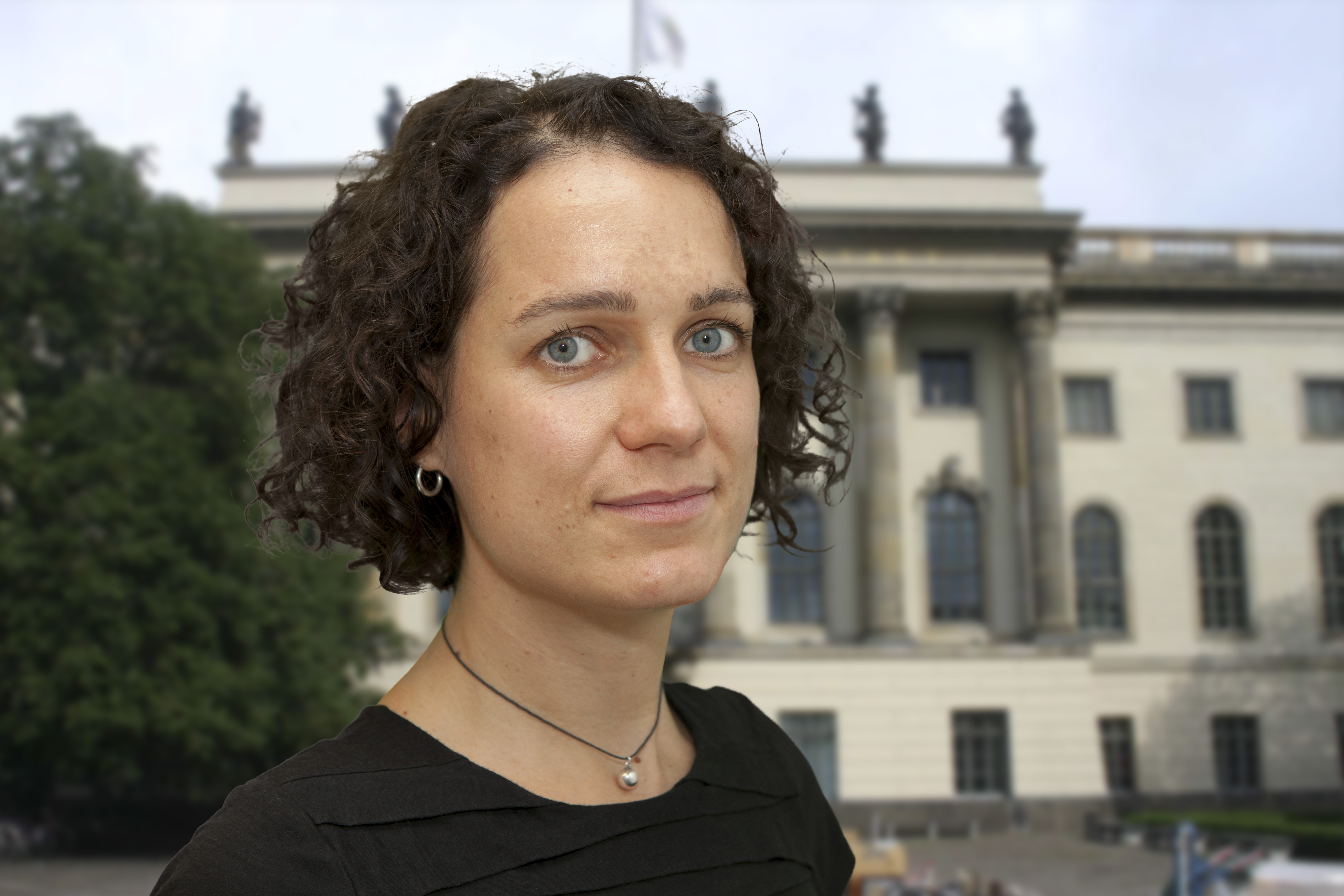
Dr. Peter Bartsch serves as curator of the fish collection and construction project officer at the Museum für Naturkunde (MfN), Leibniz Institute for Evolution and Biodiversity Science, which is affiliated with Humboldt University Berlin. With expertise in ichthyology, embryology, and comparative anatomy, Dr. Bartsch has been instrumental in the museum's collection management and building renovation projects since joining the institution as a research associate before becoming curator in 2000. Dr. Bartsch received his academic training in ichthyology, embryology, and comparative anatomy at the University of Cologne. His academic career includes positions as a research assistant at the University of Tübingen and a postdoctoral fellowship at the Natural History Museum in Stockholm before joining the Museum für Naturkunde. Dr. Bartsch's primary research focuses on the evolution and systematics of major groups of bony fishes (Osteichthyes), with particular emphasis on primitive ray-finned fish lineages. His work integrates morphological analysis of both fossil and extant species to understand evolutionary relationships. A significant portion of his research centers on the developmental biology of ancient fish groups, especially the Polypteridae (bichirs), examining embryonic development, skeletal formation, and sensory systems. More recently, his interests have expanded to include the logistics and optimal management of research collections, reflecting his administrative responsibilities at the museum. Analysis of Dr. Bartsch's recent publications reveals a consistent focus on fish morphology, evolution, and development, with particular attention to primitive actinopterygian lineages. His work spans both systematic taxonomy and functional morphology, with increasing attention to museum collection management challenges. The publications demonstrate expertise in comparative anatomy across diverse fish groups including chondrichthyans (sharks, rays, and chimaeras) and basal actinopterygians. Recent work shows integration of molecular phylogenetic approaches with traditional morphological analysis. Dr. Bartsch has held significant administrative roles at the Museum für Naturkunde, serving as head of the collections department from 2011 to 2013. He was responsible for the museum's construction program for the east wing reconstruction, completed in 2010, which created modern facilities for the storage and scientific processing of the museum's wet collections. Currently, he manages the second phase of the building's renovation that began in 2011 and participates in planning for the future development of the museum's facilities. The Museum für Naturkunde houses extensive ichthyological collections that form the basis for Dr. Bartsch's research. His work involves close collaboration with various research teams within the museum, particularly in the areas of molecular phylogenetics, collection preservation, and paleontological research. The museum's facilities include specialized laboratories for morphological analysis, molecular studies, and collection management that support his research activities.