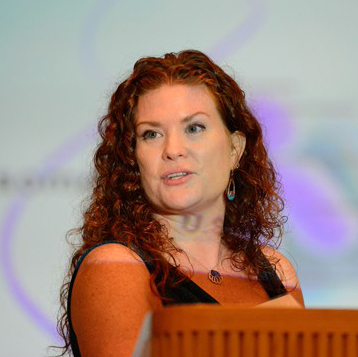
Arunika Das is an Assistant Professor in the Department of Biomedical Sciences at the Cornell University College of Veterinary Medicine , where she leads the Das Lab. Her research focuses on the genetic and epigenetic mechanisms governing chromosome inheritance during meiosis and early development, with a particular emphasis on centromere biology and aneuploidy. Education: PhD in Cell and Developmental Biology (Rutgers University, 2016), MS in Biochemistry (University of Calcutta, 2009), BS in Chemistry (St. Xavier’s University, 2007) Research Highlights: Investigates centromere inheritance through reproductive and embryonic challenges Studies aneuploidy mechanisms in early embryos Uses mouse, fly, and horse models for comparative genome stability analysis Active in Cornell Center for Reproductive Sciences and Center for Vertebrate Genomics Scientific Awards: Society for the Study of Reproduction - Emerging Investigator Award (2024-2025) S. Walter Englander Postdoctoral Research Award (2022) Keith R. Porter Award Honorable Mention (2022) Marine Biological Laboratory Fellowship (2017) Teaching: Leads curriculum development for a reproductive medicine MS program and teaches in Cornell’s Veterinary School. Mentors graduate, undergraduate, and capstone projects.
Maria M. Viveiros is an Associate Professor and Assistant Department Head in the Department of Physiology and Pharmacology at the University of Georgia’s College of Veterinary Medicine. Her research integrates experimental approaches like live cell imaging, molecular biology, and genetic mouse models to study meiotic division accuracy in oocytes, genomic stability, and the effects of environmental toxicants on embryonic development. She co-leads the Dr. Viveiros’s Lab and participates in interdisciplinary programs such as the Interdisciplinary Toxicology and Regenerative Biosciences Programs. Dr. Viveiros holds a PhD in Physiology and Pharmacology from the University of Guelph (Canada), an MSc from the same institution, and a BSc from McMaster University (Canada). She coordinates multiple graduate courses, including Integrative Systems Physiology I and II (VPHY 8210 and VPHY 8250), and leads the Endocrine and Reproductive Systems I course (VETM 5194). Her research interests focus on cell and developmental biology, regenerative medicine, reproductive physiology, and toxicology. Key projects address mechanisms regulating meiotic spindle assembly, monitoring chromosome attachment, and assessing how aging and environmental factors disrupt these processes. She explores epigenetic control of oocyte maturation, centromere function, and the impact of chemicals like bisphenol on gamete and embryo health. Publications highlight her work on pericentric satellite transcription, bisphenol toxicity, and epigenetic modifiers in oogenesis. Her contributions bridge molecular and cellular mechanisms with broader implications for human health, such as Down Syndrome and pregnancy loss linked to meiotic errors. She also investigates the role of proteins like ATRX, NEDD1, and Aurora Kinase A in spindle stability and chromosome segregation.
Professor Ronald van Rij holds the position of Professor of Experimental Virology and Head of the Laboratory of Experimental Virology at Radboud University Medical Center in Nijmegen, Netherlands. He also serves as a Guest Professor at the University of Pavia, Italy. His research focuses on antiviral mechanisms in insects, particularly the roles of RNA interference (RNAi) and piRNA pathways in Drosophila melanogaster and Aedes aegypti mosquitoes. He has pioneered studies on viral defense in insects and vector competence, with translational work on antiviral compounds against pathogens like Zika and SARS-CoV-2 through the international 'COVID Moonshot' project. Education includes a PhD from the University of Amsterdam (2002) and postdoctoral fellowships at UCSF (USA) and the Hubrecht Institute (Netherlands). He has received prestigious grants such as ERC Consolidator and VICI awards, and was honored as Lecturer of the Year (2019) and PhD Supervisor of the Year (2017). Awards: ERC Proof of Concept Grant (2020), NWO VICI (2017), ERC Consolidator (2014), NWO VIDI (2008), EMBO Fellowship (2002). Teaching: Coordinates courses on virology, non-coding RNA, and innate immunity at Radboud University. Labs: Manages a BSL-3 facility for studying vector-borne pathogens in mosquitoes. His work bridges basic science and translational medicine, with emphasis on small RNA pathways and arbovirus control.
Matthias Peter is a Professor of Biochemistry at ETH Zurich, leading research into mechanisms governing cell growth and division. His laboratory focuses on ubiquitin-dependent regulation of DNA replication and mitosis, and autophagy's role in cellular quality control. He chairs the Department of Biology (2011-2015) and holds leadership roles in Switzerland's research infrastructure, including Vice Chair of ScopeM's microscopy platform. His academic career includes roles at ISREC (1996-2002) and postdoctoral training at UCSF (1991-1996). Education: PhD in Biochemistry from ISREC (1991), ETH Zurich diploma in Gene Technology (1987). Research interests span molecular mechanisms of cell division, ubiquitin systems, and autophagy. Awards include ERC Advanced Grant (2011) and UBS Excellence in Research (2002). Leadership: Member of Swiss National Research Council, SNF selection committee, and SWTR council. Over 20 years of committee service in national research programs. His lab's work is published in top journals like Science, Nature, and Molecular Cell.
Angelo Porciuncula is an Associate Research Scientist in the Department of Pathology at Yale School of Medicine, affiliated with the Schalper Lab. He holds a PhD from the University of Navarra. His research focuses on immunology, cancer therapy, and stem cell biology, with a particular emphasis on immune microenvironment modulation in oncology and translational drug development. Key projects include studying STING pathway activation via antibody-drug conjugates (e.g., TAK-500) targeting CCR2-expressing myeloid cells, as well as investigating immunotherapeutic biomarkers in lung cancer and glioblastoma. His work spans clinical-stage drug evaluation, tumor immunology, and epigenetic reprogramming of stem cells. Publications highlight contributions to understanding senescence mechanisms in cancer, pancreatic differentiation of iPSCs, and the role of OX40/OX40L pathways in tumor immunity. Porciuncula collaborates widely, including with Kurt Schalper and teams at Takeda Pharmaceuticals. His research bridges basic science and clinical applications, aiming to advance targeted therapies and regenerative medicine strategies.
John Rouse is a Professor and Scientific Programme Leader (MRC) of Chromosome Biology at the MRC PPU. His research focuses on DNA repair mechanisms, chromatin structure, and genome maintenance. He leads projects funded by the Medical Research Council (MRC) and other institutions, including collaborative efforts on chromatin remodelling and DNA interstrand crosslink repair. Key roles: MRC QQR Programme Leader (2018–2024), Investigator on multiple collaborative grants. Research interests: Chromosome biology, DNA damage response, histone chaperones, and kinase signaling pathways. His work contributes to understanding genome integrity and has implications for cancer therapy and neurodegenerative diseases. Notable projects include the study of NEK1 kinase in ALS and the development of targeted cancer therapies using PROTAC technology. John has been involved in public engagement activities, such as the Discovery Days 2012 event, promoting science outreach.
J. Ross Chapman is a Professor of Genome Maintenance Biology at the University of Oxford, affiliated with the MRC Molecular Haematology Unit. He holds fellowships from Cancer Research UK and the Lister Institute, and is part of the EMBO Young Investigator Programme. His research focuses on DNA repair mechanisms, particularly the balance between accurate and mutagenic repair pathways in cancer and immune disorders. Career highlights include roles as a Sir Henry Wellcome Fellow and Principal Investigator. His group studies genetic recombination mechanisms, aiming to develop cancer therapies targeting repair pathway dysfunctions. Key research areas include the role of BRCA1, BARD1, 53BP1, and CST complexes in DNA repair. Awards include CRUK and Lister Institute Fellowships, alongside EMBO recognition. His lab’s work spans genomic stability, immune system development, and cancer therapy strategies. Recent studies explore chronic inflammation in leukemia evolution and synthetic lethality in BRCA-deficient cells.
Lucy Glover is a Researcher and Group Leader of the Trypanosome Molecular Biology laboratory at the Department of Parasites and Insect Vectors, Institut Pasteur, Paris, France. She joined the institute in March 2016 as a G5 group leader, focusing on the molecular mechanisms of antigenic variation and DNA repair in Trypanosoma brucei , the causative agent of Human African Trypanosomiasis. Her research integrates molecular, biochemical, and high-throughput approaches to study DNA recombination and immune evasion. Institut Pasteur, Paris (2016–Present) PhD, London School of Hygiene and Tropical Medicine Her research interests center on antigenic variation , DNA repair , and homologous recombination in trypanosomes. She investigates how DNA double-strand breaks influence variant surface glycoprotein (VSG) switching, a critical process for parasite survival in the host. Her lab uses advanced techniques such as RIT-seq, phosphoproteomics, and CRISPR-based tools to dissect these mechanisms at the molecular level. The recent publications of Lucy Glover span molecular parasitology, DNA damage response, and diagnostic development. Key themes include the role of the MRN complex in DNA repair, phosphoproteomic profiling of DNA damage responses, and the design of CRISPR-based diagnostics for HAT. Her work reveals how chromosomal context influences repair pathways and antigenic variation, contributing to a deeper understanding of parasite biology. While no formal scientific awards are listed in the provided text, her contributions are evident through high-impact publications and leadership in collaborative research projects. Lucy Glover advises several PhD and postdoctoral researchers, including Emilia MacLaughlin, Nuria Sima Teruel, and Alix Thivolle. Her lab is supported by institutional initiatives such as LabEx IBEID and transversal drug discovery programs. She collaborates with teams working on host-pathogen interactions, genomics, and infectious disease epidemiology. Her laboratory is part of the Department of Parasites and Insect Vectors and participates in departmental retreats and seminars. The team includes post-docs, research engineers, and administrative staff, reflecting a collaborative and interdisciplinary research environment focused on combating neglected tropical diseases.
Simone Bachleitner is a Researcher at the Institute of Microbiology and Microbial Biotechnology within the Department of Biotechnology and Food Science at University of Natural Resources and Life Sciences, Vienna (BOKU) . Her work focuses on fungal genetics, epigenetic regulation, and metabolic engineering of yeast for organic acid production. She actively investigates chromatin structure's role in secondary metabolite gene expression in Fusarium species and develops engineered Komagataella phaffii strains for bio-based acid production from methanol. Her research bridges molecular biology, industrial biotechnology, and plant pathology. Recent publications highlight her contributions to: H3K27me3 epigenetic regulation in plant pathogens Mxr1/Mit1 transcriptional activation for lactic acid production Nonribosomal peptide synthetase cluster analysis in Fusarium Methanol-based itaconic acid bioprocess optimization She supervises graduate students and contributes to collaborative projects funded by the Austrian Science Fund (FWF) and European Commission.
Professor Aideen Sullivan is Head of the Department of Anatomy and Neuroscience at University College Cork (UCC). With a career spanning over two decades at UCC, she leads research on neuroprotective therapies for Parkinson's disease, focusing on growth factors, stem cell applications, and epigenetic mechanisms. She established Ireland's first BSc in Neuroscience and co-developed the cross-College BSc in Medical and Health Sciences (CK707). BSc (First Class Honours) in Pharmacology, University College Dublin (1992) PhD in Neuropharmacology, University of Cambridge (1995) Her research program investigates Parkinson's disease through five key themes: viral vector delivery of neurotrophic factors, molecular mechanisms of neuroprotection, biomarker discovery, neuronal degeneration models, and stem cell-based treatments. She has secured significant grants from Health Research Board, Enterprise Ireland, and the Wellcome Trust. Recent publications (2022-2020) emphasize epigenetic regulation (HDAC inhibitors), microbiome-gut-brain axis interactions, and novel neurotrophic strategies. Articles highlight GDF5's neuroprotective effects, miRNA modulation, and molecular pathways like BMP-Smad and p38-MAPK. Scientific awards include: Postgraduate Certificate in Teaching and Learning (UCC, 2006) FETAC Certificate in Peer-Mentoring (2010) Leadership Foundation Aurora Programme Scholarship (2015) Over €2 million in research grants She mentors undergraduate and postgraduate students, chairs UCC's Athena SWAN 'Flexible Working' group, and serves as Editor-in-Chief of Neuronal Signaling . Her work spans laboratory research, public engagement, and educational innovation.
Julie K. Schwarz, MD, PhD, FASTRO is a tenured Professor of Radiation Oncology at Washington University School of Medicine, where she serves as Vice-Chair of Research and Director of the Cancer Biology Division. She also holds appointments as Professor of Cell Biology and Physiology and is affiliated with the Roy and Diana Vagelos Division of Biology & Biomedical Sciences, specifically within the Cancer Biology and Molecular Cell Biology programs. Dr. Schwarz is a key member of the Siteman Cancer Center and co-leads one of only five centers comprising the NIH's Radiation Oncology-Biology Integration Network (ROBIN). Dr. Schwarz completed her BS in Biology at Duke University (1995) followed by an MD/PhD in Cell and Molecular Biology at Washington University School of Medicine (2004) through the Medical Scientist Training Program. She completed her Internal Medicine internship (2005) and Radiation Oncology residency (2009) at Barnes-Jewish Hospital, becoming board-certified by the American Board of Radiology in Radiation Oncology (2010). Her research program focuses on translational studies of gynecologic cancers, particularly cervical cancer, with emphasis on tumor metabolism, biomarker discovery, and treatment resistance mechanisms. Dr. Schwarz's laboratory maintains one of the largest tumor repositories for cervical cancer, which includes specimens collected before and during chemoradiation treatment. Her work has demonstrated the critical role of pretreatment and post-treatment FDG-PET scanning for cervical cancer patients and has identified alterations in PI3K/Akt pathway genes associated with treatment response. Recent research directions include studying obesity's paradoxical favorable impact on cervical cancer outcomes, glucose and glutamine metabolism as targets for cancer therapy, and the role of tumor immunology in therapy resistance. Analysis of Dr. Schwarz's most recent publications reveals a strong focus on cervical cancer biology, tumor metabolism, and novel therapeutic approaches. Her work integrates clinical data with laboratory research to identify biomarkers and develop improved treatment strategies. Current research emphasizes the interface between tumor metabolism, the microenvironment, and response to therapy, with particular attention to HPV-related cancers, tumor imaging, and metabolic targets for radiosensitization. Fellow of American Society for Radiation Oncology (ASTRO) (2024) Danforth WashU Physician-Scientist Scholar Award (2024) Elected into American Society for Clinical Investigation (2022) Michael Fry Research Award for Outstanding Junior Investigator: Radiation Research Society (2012) Fellow: National Cancer Care Network (2008) RSNA Roentgen Resident/Fellow Research Award (2008) As a dedicated mentor, Dr. Schwarz has guided numerous trainees across all levels including undergraduates, graduate students, medical students, residents, fellows, and postdoctoral researchers. Her Schwarz Lab is highly collaborative and actively recruits students and researchers, with recent successes including Leahan Castillo receiving an Honorable Mention at AACR and Brett Tortelli developing significant research on the vaginal microbiome's relationship to cervical cancer treatment response. Dr. Schwarz is R01-funded and leads multiple research projects, including work on the TARGET Center which focuses on understanding the biologic effects of radiation therapy in cancer treatment. She actively participates in national organizations including the ASTRO/NCI Radiobiology Consensus Workshop, AACR Radiation Oncology Think Tank, and the ASTRO Community of Radiation Oncology Physician Scientists. Dr. Schwarz directs the Schwarz Lab, which is growing and actively recruiting postdocs, staff scientists, and graduate students. The lab employs a multidisciplinary approach combining well-annotated clinical databases, prospectively collected patient tumor banks, and state-of-the-art sequencing technologies. Current research directions include single-cell sequencing approaches to study treatment effects on tumor cells and immune cells within the tumor microenvironment, glucose and glutamine metabolism as targets for cancer therapy, and targeting myeloid-derived cells to improve anti-tumor immunity. The lab is highly collaborative and studies multiple tumor types including cervical, pancreatic, and ovarian cancers.
Andrea Kasinski is a Professor of Biological Sciences and Deputy Director of the Purdue Institute for Cancer Research at Purdue University. Her research focuses on non-coding RNAs (microRNAs, lncRNAs, circRNAs) in cancer development and their therapeutic applications. She leads a multidisciplinary team investigating RNA delivery systems, extracellular vesicle biology, and epigenetic regulation in cancer. Key projects include ligand-mediated delivery of miRNAs, exosome-based therapies, and high-throughput screens for miRNA inhibitors. Education: PhD in Molecular & Systems Pharmacology (Emory University, 2009), Postdoctoral Fellowship in Genetics (Yale University, 2013). Awards include NIH Pathway to Independence Award (2013), American Cancer Society Research Scholar (2017), and multiple grants from NIH/NCI (R01 CA205420, R01 CA226259). Her lab has pioneered 'FolamiRs' – folate-targeted miRNA therapeutics – and developed novel strategies for endosomal escape of RNA payloads. Major contributions include identifying miRNA drivers of drug resistance, demonstrating exosome-mediated tumor progression, and advancing miR-34a as a clinical candidate. The lab maintains active collaborations with institutions including Harvard Medical School, MD Anderson Cancer Center, and the National Cancer Institute. Current initiatives focus on KMT5C-mediated epigenetic regulation in EGFR-resistant lung cancers and translational development of fully modified miR-34a (FM-miR-34a).
Prof. Dr. Katrien De Bock is a Full Professor and Deputy Head of the Department of Health Sciences and Technology at ETH Zurich. Her research focuses on angiogenesis, metabolic crosstalk in muscle microenvironments, and the impact of exercise on muscle regeneration. She leads a team investigating cellular interactions in skeletal muscle, particularly how metabolic signals regulate blood vessel growth and muscle repair. Key areas include understanding fibroadipogenic progenitors' role in muscle physiology, the role of histamine in exercise responses, and age-related muscle decline. Her work integrates molecular biology, single-cell transcriptomics, and computational approaches to dissect mechanisms underlying tendon pathologies, ischemic muscle injury, and metabolic adaptations to exercise. She supervises Master's programs in Human Movement Science and collaborates on projects involving muscle stem cell therapies and vascular engineering. Prof. De Bock also explores interventions like NAD+ precursors to counteract age-related sarcopenia and promotes translational research in regenerative medicine. Research Interests: Exercise-induced metabolic pathways in muscle repair Angiogenesis regulation in health and disease Hypoxia signaling in tendons and muscles Epigenetic modifications during tissue regeneration Stem cell fate determination in muscle microenvironments Notable Projects: Developing AI-driven histologic analysis for tendinopathy diagnosis Mapping the human brain vasculature at single-cell resolution Testing sulfur amino acid restriction to enhance exercise capacity
Dr. Vibhu Jha is an Assistant Professor at the Institute of Cancer Therapeutics , part of the School of Pharmacy & Medical Sciences at the University of Bradford . He holds a PhD from the University of Pisa (Italy) with a focus on computational drug discovery, followed by postdoctoral research at the University of Gothenburg (Sweden) and the University of Dundee (UK). His expertise lies in computational modeling techniques (e.g., molecular docking, machine learning) for anticancer drug design, targeting pathways like 1C metabolism and EGFR-driven resistance. Education: B.Pharm, Chhattisgarh Swami Vivekananda Technical University (2008–2012) M.S. Pharm (Medicinal Chemistry), National Institute of Pharmaceutical Education and Research (2013–2015) PhD, University of Pisa (2017–2021) Research Focus: Dr. Jha’s work integrates AI/ML with conventional computational methods to study protein interactions (e.g., protein-ligand, protein-DNA) and develop inhibitors against cancer targets. Key projects include: Targeting MTHFD2/SHMT2 in breast/colorectal cancers Designing dual EGFR/ACK1 inhibitors for lung cancer Developing topoisomerase-HDAC dual inhibitors His research also explores drug repurposing and collaborative projects with institutions in Italy, Sweden, Germany, and India. Awards: 8 awards (specific names not listed in available texts). Advising & Collaboration: Supervised master’s projects at the University of Gothenburg. Collaborates with Prof. Raj Kumar (Central University of Punjab), Prof. Leif Eriksson (University of Gothenburg), and Prof. Tiziano Tuccinardi (University of Pisa). Active in computational drug design, AI-driven predictive models, and structure-based drug design. Labs & Teams: Based at the Institute of Cancer Therapeutics, Bradford. Engaged in cross-disciplinary teams focused on computational oncology and translational drug discovery.
Rachel O'Neill serves as a Board of Trustees Distinguished Professor in the Department of Molecular and Cell Biology at the University of Connecticut's College of Liberal Arts and Sciences. Her research bridges molecular genetics, cytogenetics, and computational genomics to investigate fundamental mechanisms of genome stability and evolution across diverse eukaryotic species. Her primary research interests focus on retroelement transcription, centromere function, chromosome evolution, and species-specific genomic adaptations. O'Neill's lab pioneers telomere-to-telomere (T2T) genome assembly methodologies using next-generation sequencing technologies, establishing non-traditional model organisms including marsupials, monotremes, birds, marine species, plants, and insects for comparative genome biology studies. Human Telomere-to-Telomere Consortium Primate T2T Consortium Gibbon T2T Consortium Earth Biogenomes Project Ruminant T2T Consortium Fly T2T Consortium Deep Ocean Genomes Project Antarctic Genomes Consortium Colossal Foundation UConn’s Biodiversity and Conservation Genomics program O'Neill's recent publications (2021-2025) demonstrate leadership in large-scale genomics initiatives, with significant contributions to understanding centromere biology, sex chromosome evolution, and conservation genomics. Her work spans marsupial mole genomics, ruminant chromosome evolution, and epigenetic regulation of X-chromosome inactivation, reflecting her lab's broad impact across evolutionary biology, conservation, and fundamental genome science. Her laboratory actively trains students through cohort-based programs including the RaMP Cohort and Biodiversity and Conservation Genomics Program, securing substantial collaborative funding through multi-institutional consortia. The lab maintains strong infrastructure for advanced genome assembly and epigenomic analysis, with particular expertise in challenging repetitive regions and non-model organism genomics.