
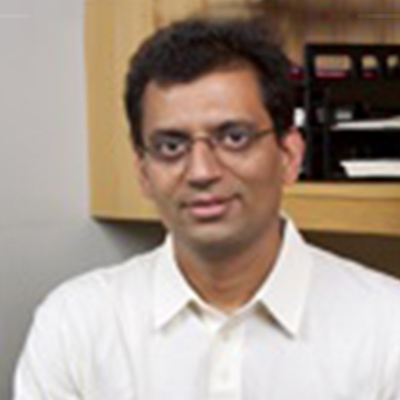
Mayank R. Mehta is a Professor at the University of California, Los Angeles (UCLA), holding joint appointments in the Departments of Physics & Astronomy, Neurology, and Neurobiology. He is a member of the Brain Research Institute and the W. M. Keck Center for Neurophysics at UCLA. His research bridges experimental and theoretical neuroscience, focusing on how neuronal networks encode space-time, the role of brain rhythms in learning and memory, and the impact of sleep and virtual reality on neural dynamics. His recent publications highlight breakthroughs in understanding hippocampal spatiotemporal selectivity, dendritic activity during behavior, and the causal influence of visual cues on memory neurons. Notable findings include the discovery that dendrites generate ten times more spikes than neuronal cell bodies and the modulation of hippocampal theta rhythms in virtual reality. Research Themes: Neurophysics of spatial-temporal coding Dendritic contributions to learning Virtual reality and brain plasticity Neural oscillations in memory consolidation Key Collaborators: Bert Sakmann (Max Planck Florida Institute) Thomas Hahn (Bernstein Center Heidelberg/Mannheim) Maryam Ghorbani (UCLA) Mehta's lab at UCLA trains graduate and postdoctoral researchers in cutting-edge techniques combining hardware development, electrophysiological recordings, and biophysical modeling. His work has significant implications for treating learning and memory disorders like Alzheimer's disease.
جستجوی استاد راهنمای دانشگاهی
برای مسیر پژوهشیتان، استاد راهنما، استاد دانشگاه و پژوهشگر مناسب را پیدا کنید و با آنها ارتباط بگیرید.
نمایش ۱-۱۵ از ۸۳۵ استاد راهنما
اطلاعات پروفایلها از صفحات عمومی دانشگاهها گرفته شده و ممکن است بهروز نباشد.
David Clewettمشاهده پروفایل
استادیار
David Clewett, Ph.D. , is an Assistant Professor of Psychology at University of California, Los Angeles (UCLA) , where he leads the Dynamic Arousal and Memory Lab. His research explores how emotional arousal, stress, and neuromodulatory systems like norepinephrine and dopamine shape the way we encode, organize, and retrieve memories. He joined UCLA in July 2020 after completing his Ph.D. in Neuroscience at the University of Southern California and a postdoctoral fellowship at NYU and Columbia University. Education: Ph.D. in Neuroscience, University of Southern California (2016) B.S. in Biopsychology with minor in English, University of California, Santa Barbara Research Focus: Dr. Clewett’s lab investigates how physiological arousal influences attention and memory, using a multimodal approach that includes fMRI, pupillometry, eye-tracking, and pharmacological methods. His work spans four major themes: The role of emotion and arousal in selective memory enhancement or suppression. How contextual shifts and emotional states structure episodic memory into meaningful events. Techniques to weaken or update traumatic or unwanted memories. The dynamic effects of attention and arousal states on neural and memory representations. Publications and Impact: His work has been published in top-tier journals such as Nature Communications , Journal of Neuroscience , Hippocampus , and Trends in Cognitive Sciences . His research has contributed to understanding how neuromodulators like norepinephrine and dopamine interact with memory systems to prioritize salient information, and how these processes can be leveraged for therapeutic intervention in PTSD, depression, and aging-related memory decline. Students and Lab Team: Dr. Clewett mentors a diverse team of graduate students and research assistants. Current graduate students include Jacinda Taggett, Ringo Huang, Erin Morrow, Bailey Harris, and Brandon Katerman. Former lab members have gone on to Ph.D. programs at Harvard, UC Berkeley, and other top institutions. Lab and Facilities: The lab is located in Pritzker Hall at UCLA, and is equipped with tools for fMRI, pupillometry, eye-tracking, and behavioral testing. The lab also collaborates with researchers across UCLA and other institutions, including NYU, Columbia, and USC.
- Proteomics
- Quantitative Mass Spectrometry
- Cell Biology
- +۱۱ مورد دیگر
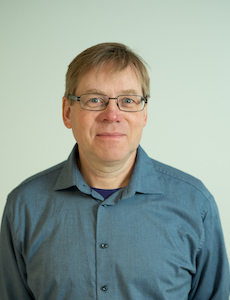
Jens S. Andersen is a Professor in the Department of Biochemistry and Molecular Biology at the University of Southern Denmark, where he leads research in Biomedical Mass Spectrometry and Systems Biology. His work is centered on the development and application of quantitative mass spectrometry and microscopy-based proteomics to study human cell biology, particularly the structure and function of organelles such as centrosomes, cilia, autophagosomes, and mitochondria. His research focuses on determining the protein composition and dynamic properties of cellular organelles, the roles of specific protein groups, and their contributions to biological processes and diseases. He investigates cell signaling mediated by post-translational modifications, especially within the DNA damage response, autophagy, and immune systems. His lab, the Jens S. Andersen Lab, is part of the Research Section of Biomedical Mass Spectrometry. The analysis of his recent publications reveals a strong interdisciplinary trend combining proteomics, structural biology, and cell signaling. His work spans cilia biology, RNA metabolism, DNA repair, and cancer mechanisms, with frequent use of advanced techniques like mass spectrometry, CRISPR, and live-cell imaging. The integration of systems biology approaches is evident across his research outputs. Professor, Department of Biochemistry and Molecular Biology, University of Southern Denmark Head of Research, Biomedical Mass Spectrometry and Systems Biology Principal Investigator, Jens S. Andersen Lab ORCID: 0000-0002-6091-140X While no specific scientific awards are mentioned in the provided texts, his extensive publication record in high-impact journals such as Science , Nature Communications , Molecular Cell , and EMBO Journal reflects significant scholarly contributions. He has supervised research projects and collaborated widely across Europe, though specific names of students are not listed. His research is supported by multiple ongoing projects, reflecting sustained funding and academic leadership. The Jens S. Andersen Lab operates at the intersection of proteomics and cell biology, contributing to fundamental understanding of organelle dynamics and disease mechanisms. The lab's work is highly collaborative, involving partnerships with groups in structural biology, RNA research, and cancer biology.
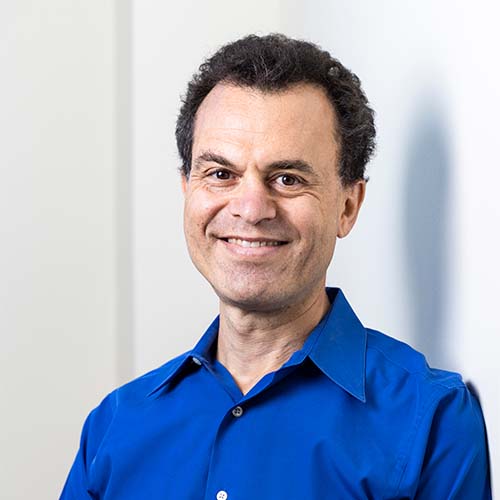
Giorgio Ascoli is a University Professor in the Department of Bioengineering at George Mason University, where he has been since 1997. He is the Founding Director of the Center for Neural Informatics, Structures, & Plasticity (CN3) and Founding Editor-in-Chief of the journal Neuroinformatics . His affiliations span computational neuroanatomy, neuroinformatics, and hippocampal modeling. Education : PhD in Biochemistry and Neuroscience (1996), Scuola Normale Superiore; MS in Chemistry and Biochemistry (1993), Pisa University; BS in Chemistry and Physics (1991), Scuola Normale Superiore. Dr. Ascoli investigates the relationship between brain structure, activity, and function from cellular to circuit levels. His research focuses on anatomically plausible neural networks to model mammalian brains, particularly the hippocampus, with implications for understanding human memory and consciousness . He pioneered computational neuroanatomy, developing tools like L-Neuron for neuronal shape modeling and curating NeuroMorpho.Org , a central repository for digitally reconstructed neurons. His recent publications emphasize neuronal classification , connectome analysis , and biologically informed machine learning . Awards include the 2012 Outstanding Faculty Award (Virginia), 2022 AIMBE fellowship , and 2023 Presidential Faculty Excellence Awards . He has mentored over 20 graduate students and postdoctoral fellows, with funding from NIH, NSF, DARPA, and private foundations. Scientific Contributions : Over 137 peer-reviewed articles, 4 patents, 2 authored/edited books, and leadership in NeuroMorpho.Org and Hippocampome. Grants : $20M+ in cumulative funding, including NIH R01s, NSF BRAIN EAGERs, and Burroughs-Wellcome Trust support. Labs : Leads the Computational Neuroanatomy Group within CN3, focusing on hippocampal modeling, neuronal morphology, and consciousness theories.
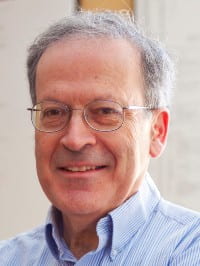
Leslie Valiant is the T. Jefferson Coolidge Professor of Computer Science and Applied Mathematics in Harvard University's School of Engineering and Applied Sciences, where he has held a faculty position since 1982. A foundational figure in theoretical computer science, his work bridges artificial and natural computational phenomena across multiple disciplines. His academic background includes education at: King's College, Cambridge Imperial College, London Ph.D. in Computer Science from Warwick University (1974) Valiant's research spans computational complexity , machine learning theory , parallel systems , and computational neuroscience . He pioneered the PAC (Probably Approximately Correct) learning framework that established computational learning theory as a rigorous field. His holographic algorithms work revealed deep connections between computational complexity and statistical physics, while his neuroidal model and evolvability theory provide computational explanations for cognitive processes and biological evolution. Current investigations focus on cortical computation primitives and knowledge infusion architectures. His publication trends show increasing integration of neuroscience with computational theory since 2010, with dominant themes in holographic computation (2006-2018), cortical modeling (2012-2018), and evolvability (2009-2017). The work consistently applies computational complexity analysis to biological and cognitive systems. Major recognitions include: Nevanlinna Prize (1986) for mathematical aspects of computer science Knuth Award (1997) for foundational algorithms contributions EATCS Award (2008) for theoretical computer science impact Turing Award (2010) for computational learning theory and complexity Fellowship in the Royal Society and National Academy of Sciences Valiant's research has been supported by NSF and international grants enabling cross-disciplinary work in computational neuroscience and evolutionary algorithms. While specific advisees aren't documented in source materials, his theoretical frameworks have shaped generations of researchers in machine learning and complexity theory. His current research group explores neuroidal architectures for cognitive computation, investigating how cortical circuits achieve robust information processing through in-circuit testing methodologies. Ongoing projects aim to identify fundamental computational primitives in neural systems and develop biologically inspired AI frameworks.

- Cellular Metabolism
- Metabolomics
- Systems Biology
- +۵ مورد دیگر
Joshua D. Rabinowitz is a Professor of Chemistry and the Lewis-Sigler Institute for Integrative Genomics at Princeton University, where he also serves as Director of the Ludwig Princeton Branch. His research focuses on achieving a quantitative, comprehensive understanding of cellular metabolism, with applications in both basic science and medical research. Dr. Rabinowitz's research interests span multiple areas of metabolism and systems biology: Quantitative analysis of metabolic networks and regulation Metabolomics and measurement of metabolite concentrations and fluxes Cancer cell metabolism and therapeutic targeting Metabolic regulation in microbes (E. coli, Saccharomyces cerevisiae) Biofuel production (focusing on Clostridium acetobutylicum) Metabolic impact of pathogen infection (viral infection of human cells) His laboratory has developed innovative methods for measuring cellular metabolites using state-of-the-art mass spectrometry technology and approaches for quantitating metabolic fluxes through isotope-labeling data interpretation. Analysis of recent publications reveals a strong focus on NAD+ metabolism, cancer metabolism, metabolic adaptations in disease states, and the intersection of metabolism with immunology and neuroscience, particularly in areas like T cell metabolism, Alzheimer's disease, and cardiac function. Dr. Rabinowitz has received recognition as a Highly Cited Researcher by Web of Science, indicating significant impact in his field. He advises several graduate students and has mentored numerous alumni, including Michel I. Nofal, Edmundo Leiva III, and Sean Hackett. His research is supported by multiple programs including NIH NHGRI Training Program and QCB Graduate Program. The Rabinowitz Lab operates at the intersection of chemistry, biology, and computational science, with all projects involving a mix of biological experiments, metabolomics, and computation to achieve their goal of a holistic understanding of cellular metabolism.

- Cognitive Neuroscience
- Memory
- Motivation
- +۳ مورد دیگر
Dr. Matthias Gruber is a Reader (Associate Professor) in Cognitive Neuroscience at Cardiff University's School of Psychology. He leads the Cardiff University Motivation and Memory Lab at CUBRIC, where his research investigates the neuroscience of motivation and its effects on memory using multimodal neuroimaging techniques (structural/functional MRI, M/EEG). His work focuses on how intrinsic motivational states like curiosity enhance learning and memory consolidation. Education includes: PhD in Cognitive Neuroscience, University College London (2007-2011) Research Assistant position at University of Regensburg (2003-2006) Research explores: Neural mechanisms of curiosity and motivation Effects of reward anticipation on memory encoding Hippocampal-prefrontal interactions during learning Developmental aspects of curiosity from childhood to adulthood Real-world applications of motivation research His publications consistently demonstrate how motivational states modulate memory systems, with recent work focusing on spatial exploration dynamics and educational applications. Awards and honors: Sir Henry Dale Fellowship (Wellcome/Royal Society, 2019-2024) Laird Cermak Award (2016) Michael S. Gazzaniga Prize for Cognitive Neuroscience (2015) Elected to Memory Disorders Research Society (2017) Research funding includes major grants from Wellcome Trust, Royal Society, and European Commission. He leads the Motivation and Memory Lab at CUBRIC and is currently accepting expressions of interest from potential research trainees.

- Cognitive Aging
- Neuroimaging
- Alzheimer's Disease
- +۹ مورد دیگر
Denise Head is Professor of Psychological & Brain Sciences and Associate Chair at Washington University in St. Louis, with an additional appointment as Associate Professor in Radiology. Her research integrates cognitive neuroscience and neuroimaging to study cognitive aging and Alzheimer's disease. PhD, University of Memphis MS, University of Memphis BS, University of New Orleans Her research focuses on age-related cognitive changes and their neural underpinnings. Key areas include spatial navigation deficits in aging, the role of lifestyle factors (exercise, sleep, stress) in brain aging, and interventions to support cognitive function in older adults. She uses virtual reality, mobile eye-tracking, and neuroimaging techniques such as fMRI and DTI. The recent publications highlight a consistent trajectory in cognitive neuroscience and aging research, with emphasis on neuroimaging biomarkers, structural brain changes, and cognitive performance in normal and pathological aging. Her work bridges psychology, neurology, and radiology, contributing to early detection and understanding of Alzheimer's disease. Scientific Awards: No awards listed in the provided text. Dr. Head advises graduate students and leads a research lab focused on cognitive aging, though specific student names are not listed. Her lab investigates mediators of brain aging and develops methods to support spatial navigation in older adults. While specific grants are not mentioned, her ongoing research and recent publications suggest active external funding. She leads a research team in the Department of Psychological & Brain Sciences, utilizing advanced neuroimaging and behavioral methods to study aging and dementia. The lab integrates real-world and virtual experimental designs to understand spatial cognition and brain health in older populations.
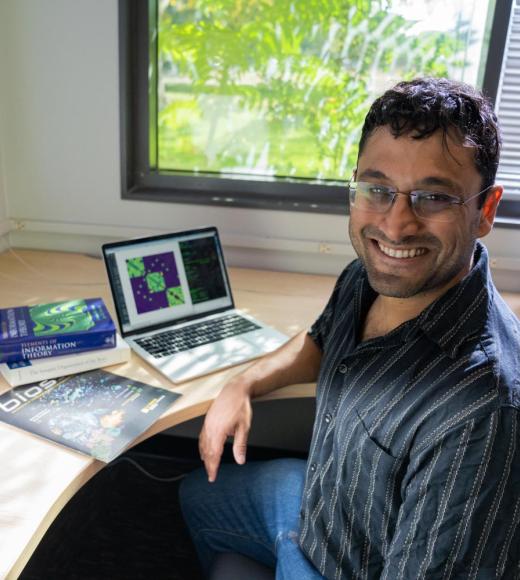
Rishidev Chaudhuri is an Associate Professor at the University of California, Davis in the Department of Neurobiology, Physiology and Behavior within the College of Biological Sciences. His research focuses on computational neuroscience and neural dynamics, employing mathematical models to investigate how neural circuits generate cognitive processes such as memory, perception, and decision-making. His work explores neural dynamics through models of memory systems, attentional mechanisms, and probabilistic inference. Recent publications highlight advances in understanding hippocampal memory scaffolds, parietal-frontal interactions, and neuromorphic computing inspired by brain architecture. Education: BA in Physics (Amherst College), PhD in Applied Mathematics (Yale University) Centers: Center for Neuroscience; affiliated with Applied Mathematics and Neuroscience Graduate Groups Scientific awards and honors are not explicitly mentioned in the provided materials.

- Cognitive Psychology
- Memory Studies
- Neuroscience
- +۳ مورد دیگر
Dr Andrea Greve is a Lecturer in the Department of Psychology at the University of Cambridge . Her research focuses on cognitive processes related to memory, prediction error, and learning mechanisms. Key areas of interest include declarative memory formation, semantic predictions, and the influence of novelty on memory retention. She has explored topics such as word learning in variable-choice paradigms, the role of hippocampal lesions in memory binding, and predictive coding in neuroimaging contexts. Her work integrates experimental psychology with neuroscience methodologies, particularly leveraging neuroimaging techniques to investigate memory systems. Notable contributions include studies on false memory effects, the nonmonotonic relationship between object-location memory and expectedness, and the impact of prior knowledge on memory encoding. Dr. Greve has also contributed to methodological advancements, such as improved MRI anonymization for MEG coregistration. While her research spans multiple decades, recent efforts (2023–2025) emphasize predictive frameworks and their applications in understanding cognitive phenomena like semantic surprise and episodic memory formation. Her findings challenge traditional assumptions about fast mapping in adults and highlight the importance of integrating computational models with empirical data. Dr. Greve collaborates extensively with neuroimaging and cognitive science teams, contributing to interdisciplinary projects that bridge theoretical and applied research in memory systems. Her work maintains a strong focus on methodological rigor, particularly in experimental design and data interpretation.
Simon Hanslmayr is a Professor in the School of Psychology & Neuroscience at the University of Glasgow. His research investigates neural oscillations' role in attention and memory processes, employing EEG, fMRI, and transcranial stimulation techniques. He focuses on healthy populations and clinical conditions like Schizophrenia and PTSD. His lab develops tools like the Brain Time Toolbox for electrophysiological data analysis. Education: Ph.D. in Cognitive Neuroscience (not explicitly detailed in text) Research interests include understanding how precise neural timing via oscillations underpins cognitive functions. Key areas: hippocampal memory coding, theta phase synchronization in associative memory, and causal effects of rhythmic stimulation on memory plasticity. Recent articles highlight mechanisms linking theta oscillations to memory formation, thalamocortical interactions in perception, and hippocampal-neocortical coupling. His work bridges experimental and computational approaches to model memory dynamics. Grants: Sensory stimulation for memory impairment (BIAL Foundation, 2025-2026) EU-funded studies on neural oscillations and memory (2020-2021) Awards: None explicitly listed, but active grant recipient. Supervised students include Kiera Capstick, Eleonora Marcantoni, and others. Collaborates with researchers worldwide through lab affiliates and visiting scholars. Current work emphasizes scalable neurotechnologies for cognitive enhancement and memory rehabilitation. Labs/Teams: Leads the Memory & Oscillations Lab at the University of Glasgow, collaborating with institutions like the University of Zurich and Maastricht University on neuroimaging and clinical studies.
Hideyuki Takahashi is an Associate Research Scientist in the Department of Neuroscience at Yale University School of Medicine. He holds a PhD from Waseda University (2005) and has established himself as a prominent researcher in neurodegenerative diseases, particularly focusing on lysosomal biology and protein aggregation mechanisms. Dr. Takahashi's research primarily investigates the role of progranulin, TMEM106B, and other molecular players in neurodegenerative conditions including Alzheimer's disease, frontotemporal dementia, and tauopathies. His work spans multiple approaches from molecular and cellular neuroscience to animal models of disease. His recent publications demonstrate a strong focus on lysosomal dysfunction in neurodegeneration, with particular attention to how TMEM106B interacts with other proteins to influence disease progression. The research trends show increasing emphasis on therapeutic interventions targeting specific molecular pathways involved in protein aggregation and synaptic loss. ORCID: 0009-0004-4969-977X Dr. Takahashi maintains active collaborations with several leading researchers at Yale, most notably with Stephen Strittmatter (with whom he has 16 common publications), as well as Anita Huttner, Anthony Koleske, and Le Zhang. His research program appears well-integrated within Yale's neuroscience community, contributing significantly to our understanding of neurodegenerative disease mechanisms.
Xiaoxiao Zhouمشاهده پروفایل
استادیار
- Causal Inference
- Bayesian Modeling
- Biostatistics
- +۷ مورد دیگر
Xiaoxiao Zhou is an Assistant Professor in the Department of Biostatistics at the University of Alabama at Birmingham (UAB), affiliated with multiple centers including the Center for Outcomes and Effectiveness Research and Education (COERE), Center for Clinical and Translational Science (CCTS), and the Global Center for Craniofacial, Oral and Dental Disorders (GC-CODED). She holds a PhD in Statistics from The Chinese University of Hong Kong (2022) and completed a postdoctoral fellowship at Duke University's Department of Statistical Science. Her research focuses on causal inference, Bayesian methods, longitudinal data analysis, and survival analysis, with applications in Alzheimer’s disease, cardiovascular conditions, and neurodegenerative disorders. Dr. Zhou’s work integrates advanced statistical techniques with medical and behavioral data, including neuroimaging and latent variable modeling. Key areas include handling intercurrent events in clinical trials, causal mediation analysis, and joint modeling of longitudinal and survival outcomes. She collaborates widely with clinicians and biostatisticians to address real-world challenges in healthcare and disease progression studies. Her scholarly contributions span over a dozen peer-reviewed articles, emphasizing methodological innovations in biostatistics and their practical applications. She advises students such as Zhenying Ding and actively participates in academic committees. Outside academia, she enjoys outdoor activities like mountain hiking and weight lifting.
Gagan Wigمشاهده پروفایل
دانشیار
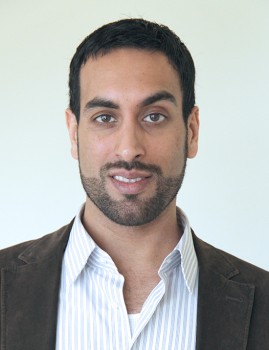
Gagan Wig is an Associate Professor at the University of Texas at Dallas, School of Behavioral and Brain Sciences, with adjunct appointments in Psychiatry at UT Southwestern Medical Center. He directs the Wig Neuroimaging Lab, focusing on brain network connectivity across lifespan, healthy/pathological aging, and brain health disparities. His research employs structural/functional MRI, DTI, and TMS to study large-scale brain networks and their relationship to memory and attention. Professional preparation includes: Post-doctoral Associate in Neurology, Washington University School of Medicine (2012) Post-doctoral Associate in Psychology, Harvard University (2009) Ph.D. in Cognitive Neuroscience, Dartmouth College (2006) B.S. in Behavioral Neuroscience, University of British Columbia (2001) Research explores how brain networks change during aging and how socioeconomic status moderates these changes. His work reveals that education protects against brain network decline and that participant diversity is crucial for advancing brain aging research. Publications focus on neuroimaging of lifespan changes, Alzheimer's biomarkers, socioeconomic impacts on brain health, and methodological innovations in network analysis. Recent work demonstrates how functional network organization supports cognition despite Alzheimer's pathology and how data quantity affects network segregation measures. Awards include the Understanding Human Cognition Scholar Award from James S. McDonnell Foundation (2006). He has received significant funding including a $2.9M NIH grant studying socioeconomic links to Alzheimer's susceptibility and DARPA support for novel data sonification approaches.
Richard Burnsمشاهده پروفایل
دانشیار
- Mental Health
- Wellbeing
- Global Disease Burden
- +۷ مورد دیگر
Associate Professor Richard Burns is a Senior Fellow at the Australian National University's National Centre for Epidemiology and Population Health, working within the Department of Health Economics, Wellbeing and Society. With a distinguished academic career spanning epidemiology and population health, he contributes significantly to global health research initiatives including the Global Burden of Disease Study. BMus (ANU) BA (CSU) PGDE (UC) MSc (Manchester) MBiostats (USyd) PhD (USQ) Professor Burns' research focuses primarily on mental health, wellbeing, and the global disease burden, with particular expertise in life expectancy, psychological wellbeing, and dementia. His work bridges epidemiological methods with practical applications for population health improvement. His research fingerprint shows strong concentration in mental health (100%), wellbeing (49%), global disease burden (47%), and life expectancy (25%). His recent publication record demonstrates remarkable productivity, with 112 research outputs including 18 publications in 2024 alone. These works span high-impact journals including The Lancet, The Lancet Neurology, and Genes, focusing on global health metrics, mental health services, cognitive function, and healthy aging across diverse populations. His research shows a clear trend toward interdisciplinary approaches combining epidemiology, neuroscience, and public health policy. Professor Burns has successfully secured multiple research projects, including the Internal Validation of Defence Wellbeing Measure (2023-2025), Mental Health Analysis and Modelling, and the Request for Quotation application: Defence Wellbeing Research Framework. He collaborates extensively with researchers across Australia and internationally. As a registered supervisor, Professor Burns mentors students in epidemiology and population health research. His laboratory work focuses on the PATH through Life Project and other longitudinal studies examining mental health trajectories across the lifespan. His team employs advanced statistical modeling and neuroimaging techniques to understand the complex interplay between biological, psychological, and social determinants of health.
نمایش نتایج تا ۷۵۰ مورد اول. برای یافتن نتایج دقیقتر، جستجوی خود را با فیلترها محدود کنید.