Karin Ortmayrمشاهده پروفایل
استادیار
- Phytochemistry
- Biodiscovery
- Metabolomics
- +۴ مورد دیگر
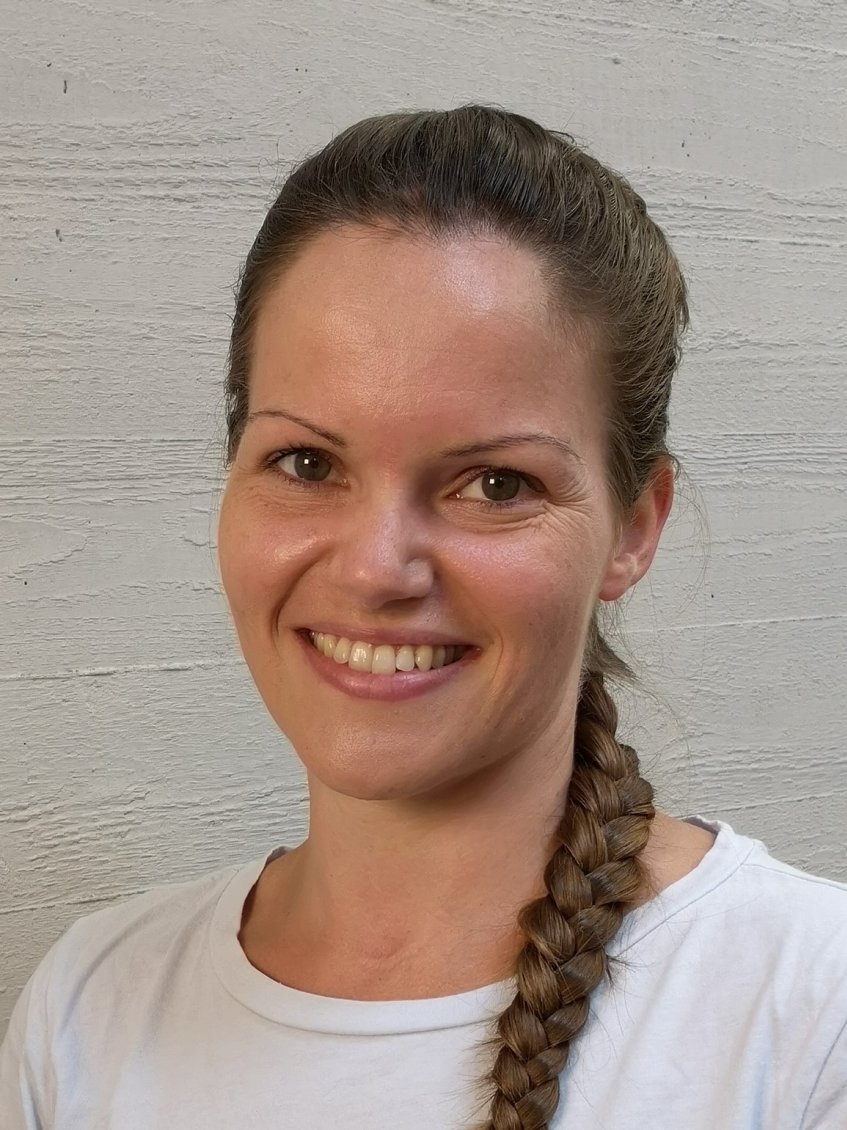
Karin Ortmayr serves as an Assistant Professor at the University of Vienna within the Faculty of Life Sciences, Department of Pharmaceutical Sciences, specifically in the Division of Pharmacognosy. Her research laboratory is located in room 2G 154 (floor 1) at Josef-Holaubek-Platz 2, A-1090 Vienna, Austria. Her primary research interests focus on Phytochemistry & Biodiscovery , Molecular Targets , and MS-based metabolome profiling . Dr. Ortmayr investigates the impact of cellular plasticity on cellular metabolism and responses to stress & bioactive compounds. Her work addresses fundamental questions on the interplay between different cell states, cellular metabolism, and the action of bioactive compounds, with particular emphasis on (1) harnessing cell state-specific vulnerabilities to target disease-relevant cell subpopulations like quiescent cancer cells (cancer recurrence), and (2) considering cell state switches to improve cell-based systems for drug discovery. Her research employs advanced analytical tools in mass spectrometry-based metabolomics for systematic studies in human health and disease. She utilizes combined metabolic- and phenotypic profiling approaches, with technologies including mass spectrometry-based metabolomics (non-targeted and targeted), in vitro cell cultivation and multiparallel perturbation studies (96-well format), live-cell microscopy imaging, and integrative computational data analysis. Her publication record demonstrates consistent research output from 2014 through 2025, with a recent focus on metabolic mapping of pharmacological perturbations, biopharmaceutical profiling of natural compounds, and the relationship between cellular plasticity and metabolism in disease contexts. Her work spans microbiology, cancer research, metabolomics, and phytochemistry, reflecting interdisciplinary approaches to understanding metabolic pathways and their therapeutic applications. Dr. Ortmayr utilizes mass spectrometry-based metabolomics as her primary analytical approach, with applications ranging from antibacterial compound discovery to cancer cell metabolism and natural product analysis. Her research bridges fundamental metabolic understanding with practical applications in drug discovery and disease treatment. Her laboratory work involves in vitro cell cultivation, high-throughput perturbation studies, live-cell imaging, and computational data analysis to investigate metabolic responses to various stressors and bioactive compounds. This integrated approach allows for comprehensive analysis of cellular metabolic states and their implications for disease mechanisms and therapeutic interventions.