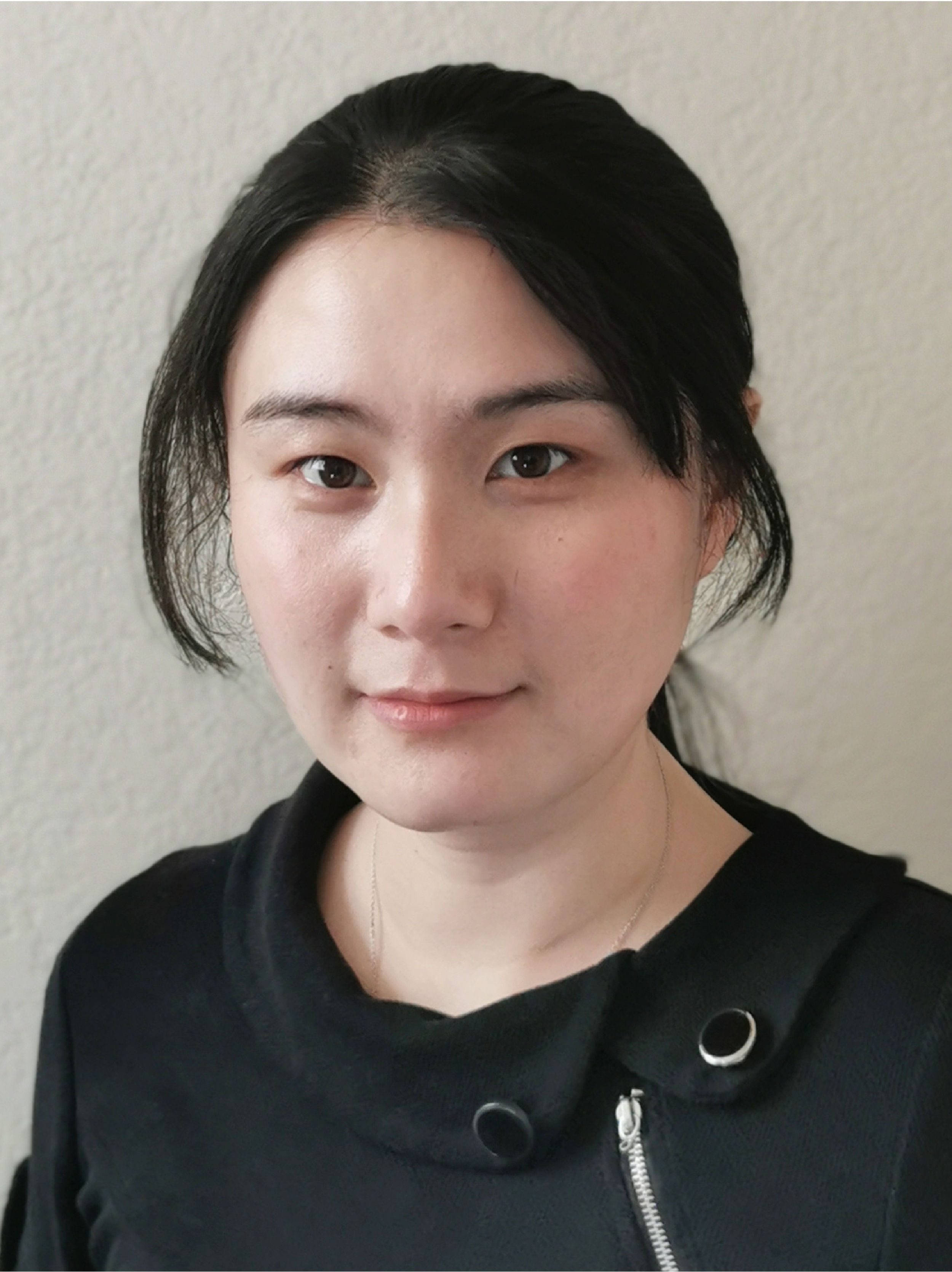
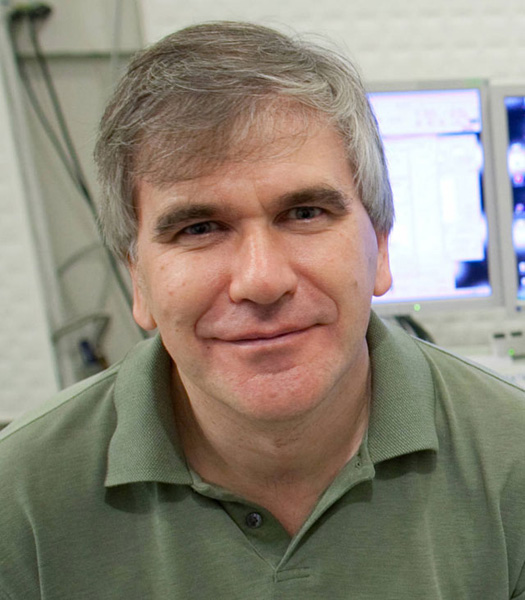
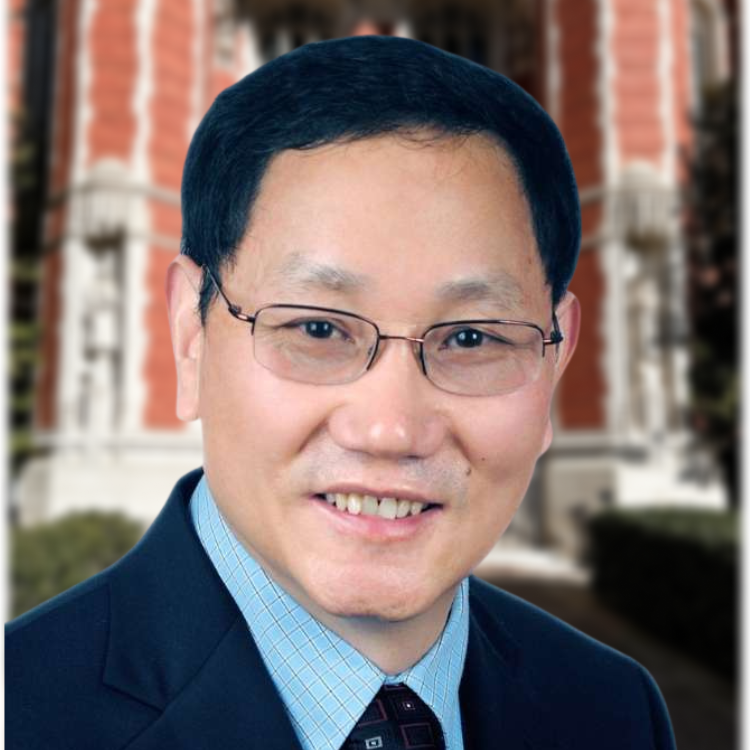
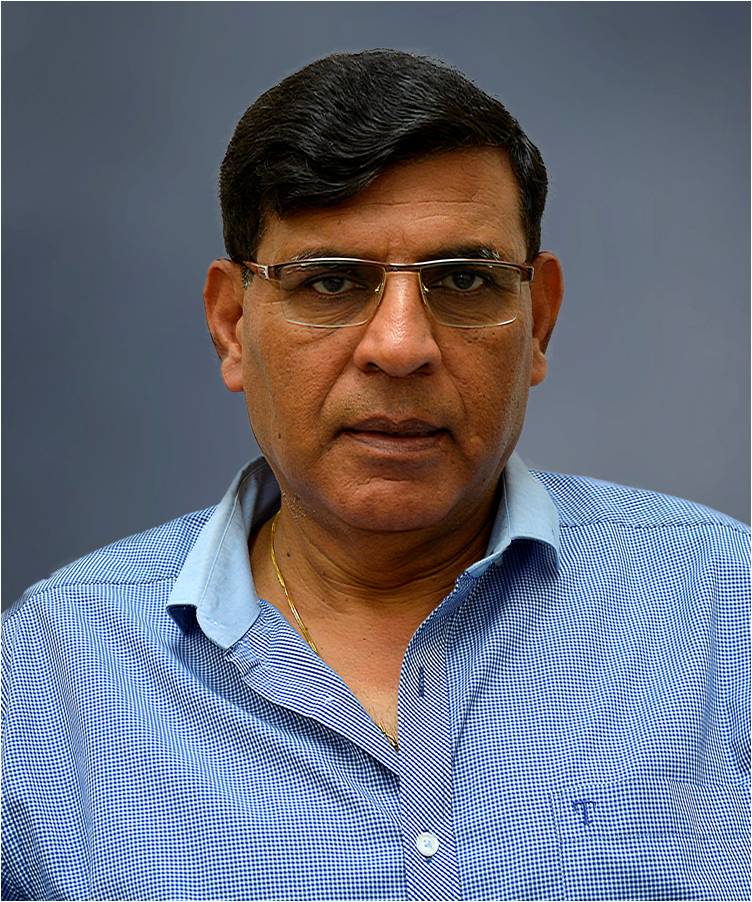
Yasutoshi Makino is a researcher specializing in ultrasound-based haptics, tactile feedback systems, and human-computer interaction. He has collaborated extensively with Hiroyuki Shinoda and other colleagues, focusing on mid-air haptic displays, noncontact object manipulation, and sensory reproduction. Research Interests Makino's work explores the intersection of acoustics, neuroscience, and engineering to create immersive tactile experiences without physical contact. His innovations include ultrasound-driven actuation mechanisms, thermal sensation rendering, and real-time human motion prediction for robotic systems. Recent Publications The 15 most recent articles highlight advancements in airborne ultrasound tactile displays, texture synthesis via GANs, and applications in guide dog training analysis, virtual reality, and interactive robotics. Key themes include dynamic pressure control , multi-stimulus integration , and low-latency systems . Collaborations Co-authored with Masahiro Fujiwara (43 papers) Collaborated with Hiroyuki Shinoda (145 papers) Worked with Shun Suzuki, Takaaki Kamigaki, and Ryoya Onishi on thermal and mechanical haptic feedback systems.
Jin Zhang is an Associate Professor in the Department of Geology and Geophysics at Texas A&M University, specializing in mineral physics and planetary science. Their research focuses on high-pressure-temperature experiments to understand Earth and planetary interiors using tools like Brillouin spectroscopy and synchrotron facilities. They moved to Texas A&M in 2022 from the University of New Mexico. Education includes a Ph.D. in Geology (mineral physics) from the University of Illinois at Urbana-Champaign (2014) and a B.S. in Geology from Nanjing University (2008). Research interests encompass mantle dynamics, phase equilibria, magma viscosity, and volatile transport. They lead the Mineral Physics & Experimental Petrology Lab, offering training in sample preparation, laser spectroscopy, and diamond anvil cell techniques. Key awards include the NSF CAREER Award (2019) and COMPRES Lecturer (2020-2021). Recent publications address Martian basalt phase equilibria, mantle transition zone composition, and seismic anisotropy linked to mineral elasticity. Collaborations span material sciences and planetary geophysics.
Jacob Wenegrat is an Assistant Professor in the Department of Atmospheric and Oceanic Science at the University of Maryland, College Park. His research focuses on submesoscale ocean processes (0.1-10 km scales), combining theory, high-resolution numerical simulations, and observational data. Key research areas include ocean submesoscale dynamics, air-sea interaction, boundary layer turbulence, and multi-scale fluid dynamics. He teaches courses such as Physical Oceanography (AOSC420/670) and Oceanography of the Chesapeake and Mid-Atlantic (AOSC421). His group actively collaborates with observationalists and large-scale modelers to bridge fundamental dynamics with interdisciplinary applications like climate science and marine ecosystems. Wenegrat advises a diverse group of graduate students and postdocs working on topics including submesoscale turbulence, coastal oceanography, and numerical modeling. His lab utilizes advanced computational tools and field data from initiatives like the Sub-Mesoscale Ocean Dynamics Experiment (S-MODE). Recent research highlights include studies on marine heatwaves in the Chesapeake Bay, turbulent dynamics of submesoscale vortices, and the role of submesoscale processes in global ocean boundary layers. His work emphasizes connecting small-scale physics to broader environmental and climate systems.
Carlos Iván Del Valle Morales is an Adjunct Professor at Carlos III University of Madrid. His research focuses on visible light communication (VLC), Li-Fi systems, and energy-harvesting technologies. He leads projects in the Grupo Universitario de Tecnologías de Identificación (GUTI), developing optical communication interfaces for IoT, high-power LED characterization, and indoor positioning systems using trilateration and angular diversity. Recent work emphasizes perovskite photovoltaic applications for self-powered IoT nodes and hybrid RF-VLC positioning systems. His publications span 2020–2024, addressing energy efficiency, bandwidth optimization, and hardware design for VLC systems in automotive and multimedia contexts.
Sylvia Bohnenstengel is a researcher at the University of Reading's Department of Meteorology, specializing in urban meteorology, climate change impacts, and air quality. Her work involves numerical weather prediction, boundary layer dynamics, and urban energy balance studies. Her research interests include: Urban heat island effects and mitigation Anthropogenic heat emissions Scalar dispersion in urban environments Climate change adaptation for cities Atmospheric turbulence and flow Surface energy balance parameterization Recent publications analyze: 2024: Urban heat flux evaluation via scintillometry 2024: Convective motions' impact on dispersion models 2022: Turbulence dynamics in idealized urban geometries 2018: Sea-breeze detection algorithms 2016: Urban heat island effects on health Multi-decadal urban climate modeling (2004-2015) She contributed to the ClearfLo project (2015) examining London's meteorology-air quality-health nexus, and participated in international urban energy balance model comparisons (2010-2011). Her work bridges meteorology, urban planning, and public health.
Ian Brown is a Professor of Electrical and Computer Engineering at Illinois Institute of Technology, part of the Armour College of Engineering. He holds a Ph.D. (2009), M.S. (2003), and B.S. (1999) in Electrical and Computer Engineering from the University of Wisconsin-Madison and Swarthmore College. His research focuses on energy conversion, electric machines, and renewable energy systems, with emphasis on sensorless control, machine design optimization, and traction motor development for electric vehicles. He has extensive industry experience as a principal engineer at A.O. Smith, contributing to electric machine and drive technologies. Research interests include adjustable speed drives, high-power density motors, and applications in sustainable energy. He has advised multiple graduate students and published over 50 peer-reviewed articles in IEEE Transactions and conferences. His recent work explores superconducting circuit breakers, thermal management systems, and advanced winding designs to minimize harmonic distortions. Brown's contributions bridge academic research with industrial applications, particularly in improving energy efficiency and reliability in power conversion systems. He is affiliated with the IEEE and has contributed to journal editorials on electric machines in renewable energy. His lab focuses on experimental prototyping and simulation-driven optimization of electric drives. Current projects include developing brushless capacitive excitation systems for traction motors and analyzing driving cycle-based machine design optimization strategies. Teaching responsibilities include graduate courses on electric machines and power electronics. He maintains active collaborations with industry partners like A.O. Smith and Siemens, emphasizing translational research with commercialization potential.
Ali Tuğcan Ünlüer is a Researcher at the Department of Geological Engineering of Istanbul Technical University (ITU), specializing in mineral deposits and geochemistry. He holds a PhD in Geological Engineering from ITU (2017) following a Master's (2014) and Bachelor's degree (2010) in Geological Engineering from ITU and Balikesir University, respectively. His academic role since 2015 includes research and teaching activities. His research focuses on rare earth elements (REEs), radioactive elements, and carbonatite magmatism, with contributions to understanding mineralization processes in NW Anatolia and central Turkey. Key areas include the Ozvatan carbonatite complex, Gölcük volcanic-derived REE deposits, and tectono-magmatic evolution of Anatolian regions. Publications emphasize geochemical and isotopic analyses of magmatic and metamorphic systems, with notable work on granitoids, alkaline intrusions, and hydrocarbon potential in oil shales. His studies often integrate field-based spectroscopy and GIS techniques for resource exploration. No scientific awards are explicitly listed, and no advisee students are documented. His work supports ITU's Department of Geological Engineering and contributes to strategic mineral resource research in Turkey.
Christopher J. Kiely is the Harold B. Chambers Senior Professor of Materials Science and Chemical Engineering at Lehigh University (USA) and, since 2017, Professor of Electron Microscopy and Catalysis in the School of Chemistry at Cardiff University (UK). He also serves as Co-Director of the Cardiff Catalysis Institute and Director of the Materials Characterisation Facility at Lehigh. Education Ph.D., Microstructural Physics, Bristol University, 1986 B.Sc. (1st Class Honours), Chemical Physics, Bristol University, 1983 Research Focus Professor Kiely is internationally recognised for applying aberration-corrected analytical electron microscopy (AC-AEM), scanning transmission electron microscopy (STEM) XEDS/EELS spectrum imaging, and electron diffraction to the study of nanoscale features in particulate materials and interfaces. His work spans catalyst design, nanoparticle self-assembly, quantum dots, carbonaceous materials, and heteroepitaxial interfaces, with a strong emphasis on elucidating structure–activity relationships in supported gold, gold-palladium, and other bimetallic nanocatalysts. Scientific Awards & Distinctions Member of Academia Europaea (2019) Fellow of the Microscopy Society of America (2017) Fellow of the Learned Society of Wales (2015) Harold B. Chambers Senior Professorship (2010) Honorary Visiting Professor, Cardiff University (2009–2016) Innovator Award, NanoTECH Briefs (2005) Personal Chair in Materials Chemistry, University of Liverpool (1999) Leadership & Outreach Dr Kiely has directed the Lehigh Microscopy Summer Schools for two decades (2004–2024), sits on the Council of the Microscopy Society of America, and is a founding member and grant-holder of the UK’s SuperSTEM facility at Daresbury. He has published >350 journal papers and delivered numerous invited lectures across Europe and the United States.
Jizhong Zhou is a George Lynn Cross Research Professor and Presidential Professor at the University of Oklahoma, leading the Institute for Environmental Genomics . His primary affiliations are the School of Biological Sciences, School of Civil Engineering and Environmental Sciences, and School of Computer Science. With a PhD from Washington State University, his expertise spans microbial ecology, genomics, and bioinformatics, addressing climate change, bioremediation, and ecosystem functions. Research Interests: Molecular community ecology and metagenomics in terrestrial and aquatic systems Theoretical ecology, including network ecology and community assembly mechanisms Experimental evolution and functional genomics of environmental microbes High-throughput genomic technologies and computational tools for microbial analysis Awards & Honors: 2025 Member, National Academy of Sciences 2024 SURA Distinguished Scientist Award 2023 American Academy of Arts & Sciences Member 2022 ISME-IWA BioCluster Award 2019 ASM Environmental Research Award 2014 DOE Ernest Orlando Lawrence Award 2001 Presidential Early Career Award Lab & Teams: Directs the Institute for Environmental Genomics, leading global initiatives like the Global Water Microbiome Consortium . Collaborates on projects such as the ENIGMA multi-institution program.
Dr. Agata Gitlin-Domagalska serves as an Adjunct Professor at the Faculty of Chemistry, University of Gdańsk, where she leads research in the Department of Molecular Biochemistry and Laboratory of Bioorganic Chemistry. Her work bridges peptide chemistry and bioorganic drug design, focusing on innovative synthetic strategies and therapeutic applications. Academic Affiliation: Faculty of Chemistry, University of Gdańsk Department: Department of Molecular Biochemistry Laboratory: Laboratory of Bioorganic Chemistry Specializing in peptide synthesis and prodrug development , Dr. Gitlin-Domagalska investigates strategies to enhance oral bioavailability of charged peptides through lipophilic charge masking and non-covalent inhibition of serine proteases like matriptase and furin . Her research extends to antimicrobial peptide conjugates with dual therapeutic functions and Zika virus suppression via protease inhibition. Recent publications highlight her expertise in peptide splicing mechanisms , solid-phase synthesis optimization , and nanoparticle-based delivery . She has developed cyclic RGD prodrugs for targeted intestinal permeability and bicyclic furin inhibitors using combinatorial chemistry approaches. Her work contributes to antibiotic conjugates with leukemia-selective antifungal activity , neuroprotective humanin analogs , and vasopressin derivatives with expanded therapeutic potential. Current trends emphasize matriptase-selective inhibitors and earthworm-derived antimicrobial nanoparticles . Dr. Gitlin-Domagalska employs model membrane biosensing for drug-membrane interaction studies and has pioneered high-shear mixing techniques to improve amide bond formation efficiency in peptide synthesis processes.
Prof. Anand S. Khanna is a faculty member in the Department of Metallurgical Engineering and Materials Science at the Indian Institute of Technology Bombay (IIT Bombay). He holds a Ph.D. in Metallurgical Engineering from Madras University, an M.Tech. from IIT Kanpur, and an M.Sc. in Chemistry from Delhi University. His academic and research career is centered on materials degradation and protection, particularly in extreme environments. M.Sc. (Chemistry), Delhi University, 1974 M.Tech. (Metallurgical Engineering), IIT Kanpur, 1980 Ph.D. (Metallurgical Engineering), Madras University, 1986 His research interests include high-temperature corrosion , surface modifications , organic paint coatings , and rebar corrosion . He has made significant contributions to the development of protective coatings such as sol-gel derived hybrid coatings and CrN thin films, as well as laser-based surface engineering techniques for enhancing corrosion resistance in industrial materials like pipeline steels and superalloys. The selected publications reflect a consistent focus on corrosion mechanisms and advanced surface protection technologies. His work spans from fundamental surface characterization to applied solutions in oil and gas, aerospace, and civil infrastructure. Key trends include the use of laser processing , hybrid coatings , and high-performance alloys to combat oxidative, sulphidative, and CO 2 -induced corrosion. While no formal scientific awards are listed in the provided text, his publications in high-impact journals and conference proceedings (e.g., Corrosion Reviews, Corrosion 2002) indicate recognition in the corrosion science community. There is no information available about graduate students advised or research grants received. However, his long-standing presence at IIT Bombay and publication record suggest involvement in student mentoring and funded research projects, likely in collaboration with industrial partners or national laboratories. Although specific labs or research teams are not mentioned, his work on laser surface alloying, ion beam deposition, and sol-gel coatings implies leadership or active participation in advanced materials characterization and surface engineering laboratories within the department.
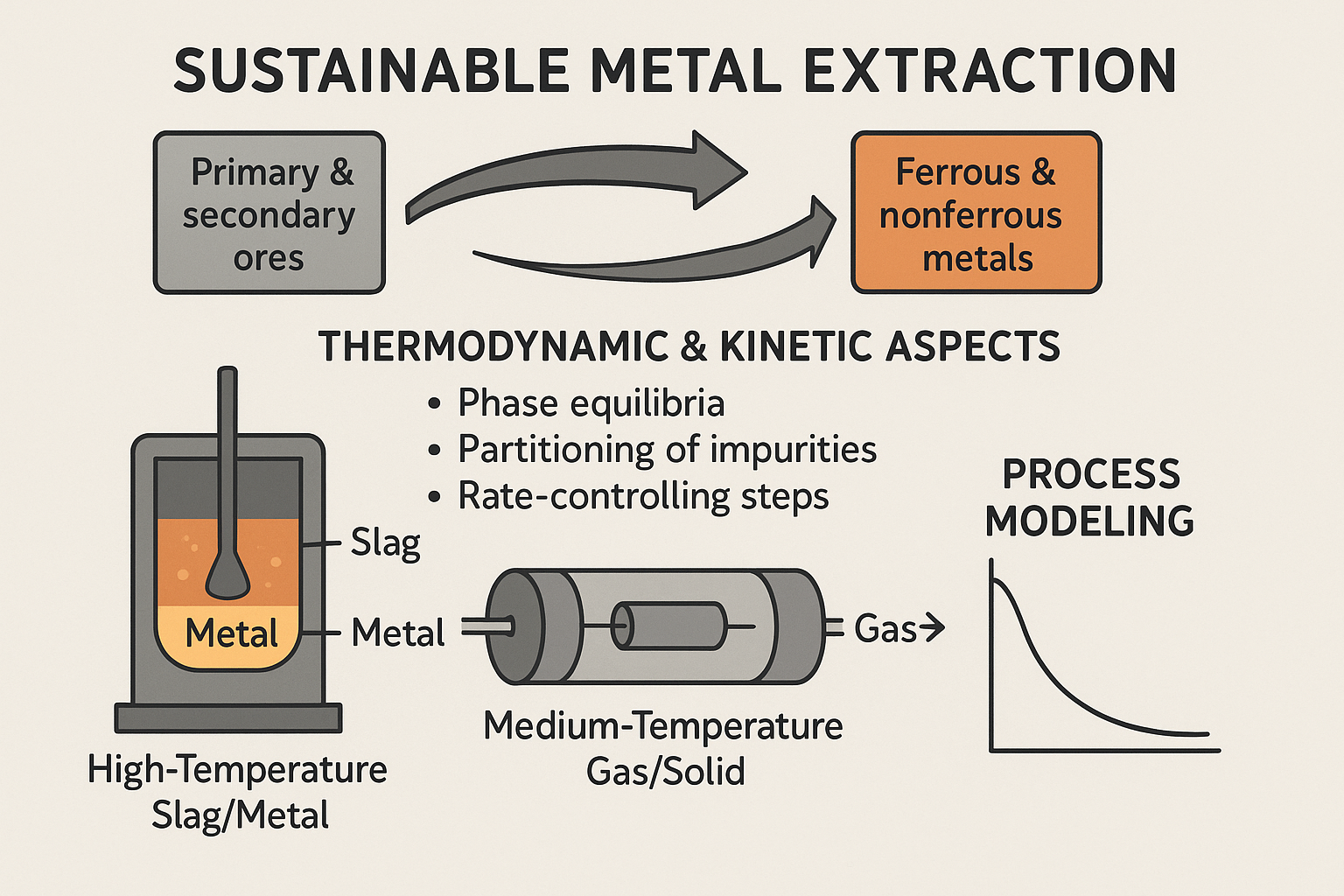
Dr. Jayasree Biswas is an Assistant Professor in the Department of Metallurgical Engineering and Materials Science at the Indian Institute of Technology Bombay, where she has been serving since February 2024. Her research is centered on sustainable metal extraction and green metallurgical processes. Education: Ph.D. in Process Metallurgy, Department of Materials Science and Engineering, McMaster University, Canada (2021) M.Tech. in Process Engineering, Department of Metallurgical Engineering and Materials Science, IIT Bombay, India (2015) B.E. in Metallurgical and Materials Engineering, Jadavpur University, India (2013) Her research interests include sustainable metal extraction, metal recycling from e-waste and batteries, green steelmaking, high-temperature kinetics, metal refining thermodynamics, and process modeling. She employs experimental studies involving slag/metal and gas/solid reactions, along with computational modeling, to understand phase equilibria, impurity partitioning, and rate-controlling steps in metallurgical processes. The recent publications reflect a strong focus on decarburization, dephosphorization, sulfation roasting for battery recycling, and the innovative integration of reinforcement learning for process control in pellet induration. These works span high-temperature reaction kinetics and digital optimization in metallurgical systems. Scientific Awards: No specific awards listed in the provided text. Dr. Biswas advises research through her Laboratory of Sustainable Metal Extraction at IIT Bombay. She is currently leading a post-doctoral project funded by the Ministry of Steel in collaboration with Tata Steel on green steelmaking. While no formal students are listed, she is actively recruiting post-doctoral fellows, indicating the development of her research group. Her prior experience includes a post-doc at Aalto University, Finland, and industry research at TCS TRDDC, Pune.
Dr. Wenming Yang is an Associate Professor at the Department of Mechanical Engineering, National University of Singapore (NUS). He has been with NUS since 2000, progressing from Research Fellow to Assistant Professor in 2011 and Associate Professor since 2017. His research focuses on combustion technologies across multiple scales and applications. Current research areas include internal combustion engines using biofuels, emulsion fuels, and natural gas Development of high-efficiency, low-emission boilers (grate biomass, pulverized coal, CFB, incinerators) Design of micro thermophotovoltaic power generators Active collaboration in computational modeling and experimental validation Dr. Yang's recent publications (2003-2015) primarily address combustion optimization, emissions control, and microscale energy systems. His work spans fundamental chemical kinetics to applied engine modeling, with a strong emphasis on sustainability and alternative fuels. Scientific Recognition Dean’s Chair Professor (2020) – NUS College of Engineering Academic Contributions Teaches Energy Conversion Process (ME3221), Internal Combustion Engine (ME4227), and Air-Conditioning and Building Automation (ME5204) Leads the GSTPG Lab, focusing on combustion innovation and energy systems Actively seeks Ph.D. candidates for research in IC engines, WTE plants, and biomass boiler technologies
Joe Charles Campbell is the Lucien Carr III Professor of Electrical and Computer Engineering at the University of Virginia. Previously, he held the Cockrell Family Regents Chair in Engineering at the University of Texas at Austin (1989–2006). His research focuses on optoelectronic devices, particularly high-performance photodetectors for fiber optics communications, including avalanche photodiodes (APDs), Si-based optoelectronics, and mid-infrared detection technologies. He has authored over 400 journal articles and 400 conference presentations, with notable contributions to low-noise avalanche photodiodes and material innovations like AlInAsSb alloys. His work emphasizes high-speed, low-noise, and radiation-tolerant photodetection systems. Education: B.S. Physics (University of Texas at Austin, 1969), M.S. and Ph.D. Physics (University of Illinois at Urbana-Champaign, 1971 and 1973). Postdoctoral research at University of Illinois (1973–1974). Early career included roles at Texas Instruments (integrated optics) and AT&T Bell Labs (optoelectronic devices). Research Highlights : Development of AlInAsSb-based APDs for single-photon counting and mid-infrared detection. Advances in high-power, high-linearity photodiodes and flip-chip bonded designs for thermal dissipation. Pioneering work in staircase avalanche photodiodes with optimized excess noise characteristics. Awards & Recognition : Member of the National Academy of Engineering (2002). Lucien Carr III Professorship (University of Virginia). Labs & Teams : Leads the Photonic Devices Group at UVA, focusing on optoelectronic materials and device fabrication. Collaborates on radiation-tolerant photodetectors and integrated photonic platforms.
Professor Shashi Paul is a leading academic in nanoscience and nanotechnology at De Montfort University, affiliated with the School of Engineering and Sustainable Development and the Emerging Technologies Research Centre (EMTERC). He holds a PhD from the Indian Institute of Science, Bangalore, and has previously worked at Cambridge University, Durham University, and Rutgers University. University: De Montfort University School: School of Engineering and Sustainable Development Research Centre: Emerging Technologies Research Centre (EMTERC) Email: spaul@dmu.ac.uk ORCID: 0000-0002-7077-8235 His research focuses on the development and application of nano-materials in energy, electronics, and sensors. Key areas include photovoltaic solar cells , emerging electronic memory devices (including neuromorphic computing), flexible and printed electronics , and low-carbon manufacturing processes . He has pioneered work on nanocomposite memory devices using organic materials, metallic nanoparticles, and graphene oxide, with applications in sustainable and low-cost electronics. The body of his recent publications reveals a consistent trajectory toward next-generation electronic devices and energy-efficient materials . His work spans from fundamental charge storage mechanisms in nanocomposites to scalable fabrication techniques like inkjet printing and Mist CVD. There is a strong emphasis on commercialization and real-world impact , evident in patents and funded projects aimed at reducing carbon footprint and manufacturing costs. Scientific recognition includes: Ribbon award – MRS Fall Meeting 2004, Boston, USA Guest Editor, Philosophical Transactions of the Royal Society A (2009) Reviewer for leading journals in electronic materials Visiting Professor at Alexandru Ioan Cuza University, Romania (2011–2013) Prof. Paul has secured significant research funding from EPSRC, UKRI (ICURe), National Physical Laboratory, and Energy Catalyst programs. He has supervised numerous PhD students and led projects on silicon nanostructures for Li-ion batteries, low-temperature solar cell manufacturing, and commercialization of energy storage technologies. His leadership extends to organizing international conference sessions on smart materials and memory devices. He is an active member of the scientific community, participating in conferences such as IEEE, MRS, and CIMTEC, and contributing to the advancement of nanotechnology through patents, publications, and collaborative research.