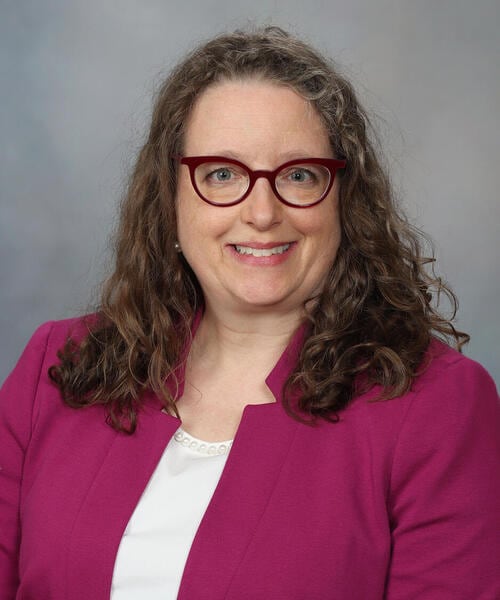
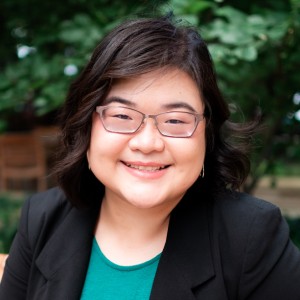
Megan Cesta serves as a Clinical Assistant Professor of Obstetrics and Gynecology at Northeast Ohio Medical University's College of Medicine, with clinical affiliation through Summa Health. Her clinical expertise spans: High-risk pregnancy management Gynecologic surgery Reproductive health services Preventive women's healthcare As a faculty member at NEOMED—a dedicated health sciences institution training physicians, pharmacists, and dentists—she contributes to medical education within Ohio's public university system. Her practice integrates clinical service with academic instruction for medical students and residents. Contact details: email cestam@summahealth.org, telephone (330)375-4094 at NEOMED's Rootstown campus.
Godwin Meniru serves as an Assistant Professor in the Department of Obstetrics and Gynecology at Northeast Ohio Medical University's College of Medicine. Based at NEOMED's Rootstown, Ohio campus, he contributes to clinical education and patient care within the university's healthcare mission focused on training transformational healthcare leaders. His professional work centers on women's reproductive health, encompassing obstetric care, gynecological services, and maternal-fetal medicine. Dr. Meniru's clinical practice informs his teaching approach, emphasizing evidence-based interventions for complex gynecological conditions and high-risk pregnancies within community healthcare settings. As an educator, he mentors medical students and residents in clinical rotations, developing future physicians through hands-on training in obstetrics and gynecology. His work aligns with NEOMED's institutional priorities in health services research and community-focused clinical care across Northeast Ohio.
Sania Almousa is a Postdoctoral Researcher at the School of Physiotherapy, Royal College of Surgeons in Ireland (RCSI), where she contributes to significant research initiatives in musculoskeletal health and sports medicine. She currently works on two major projects: "An Education and Exercise Intervention (EDX-Ireland) for Gluteal Tendinopathy in an Irish Setting" and "Advancing Practice – impact of interface musculoskeletal triage embedded in integrated pathways on access to care, clinical and cost outcomes" (MSK-ACCESS), both led by Prof French. Her research interests span several critical areas in contemporary physiotherapy: Musculoskeletal conditions, particularly gluteal tendinopathy and osteoarthritis Female athlete health and injury prevention mechanisms Women's health issues including urinary incontinence and pelvic girdle pain Evidence-based exercise interventions for pain management Dr. Almousa's publication record demonstrates a methodological strength in systematic reviews and clinical trials, with recent work examining multisite pain outcomes in osteoarthritis, electrophysical therapies, and risk factors for lower limb injuries in female athletes. Her research shows a clear trajectory from foundational work on female athlete health to current clinical implementation studies in the Irish healthcare context. As an active contributor to her field, Dr. Almousa provides peer-review services for international journals and regularly presents at national and international conferences. Her work bridges clinical practice and research, with particular attention to translating evidence into practical interventions that can be implemented within existing healthcare systems.
Thomas Bergholt is a Clinical Professor in the Department of Clinical Medicine at the University of Copenhagen's Faculty of Health and Medical Sciences. He specializes in Obstetrics and Gynaecology with a clinical appointment at Region H (the Capital Region of Denmark). His research focuses on critical areas of maternal health including gestational diabetes, pregnancy complications, and perinatal outcomes. His research interests span obstetrics, gynaecology, and perinatal medicine with particular emphasis on gestational diabetes management, pregnancy complications, labor dystocia, and maternal health outcomes. He has developed clinical prediction models for labor complications and investigates nutritional interventions during pregnancy. Analysis of his recent publications (2023-2025) reveals a strong focus on clinical trials and systematic reviews in obstetrics. His work demonstrates expertise in gestational diabetes management, perineal trauma prevention, iron supplementation during pregnancy, and risk prediction models for labor complications. His research combines clinical practice with epidemiological methods to address practical challenges in maternal healthcare. Dr. Bergholt has published 87 research outputs including journal articles, book chapters, conference abstracts, reviews, and editorials. His work appears in high-impact journals such as BMJ Open, International Urogynecology Journal, and PLoS ONE. He actively collaborates with researchers across multiple institutions on clinical trials including the INTENSE-GDM trial for gestational diabetes management and the PRE-STORK trial for childhood obesity prevention. His research has received attention in social media and academic platforms with mentions on X (Twitter) and readership on Mendeley.
Sangeetha Reddy serves as an Assistant Professor in the Department of Internal Medicine at UT Southwestern Medical Center, where she joined the faculty in 2019 and is an active member of the Division of Hematology and Oncology. Her academic foundation includes: Bachelor's degree in biochemical sciences from Harvard University Medical degree from the University of California Los Angeles Geffen School of Medicine Internal medicine residency training at McGaw Medical Center of Northwestern University Master's degree in clinical science Fellowship in medical hematology and oncology at The University of Texas MD Anderson Cancer Center Dr. Reddy's research and clinical work centers on aggressive breast cancer subtypes, with emphasis on metastatic progression, triple-negative biology, inflammatory mechanisms, and pregnancy-associated tumor dynamics. Her investigations aim to translate clinical observations into targeted therapeutic strategies for high-risk patient populations. Her contributions have been recognized through prestigious accolades: Cancer Prevention and Research Institute of Texas Recruitment Award Disease-Oriented Clinical Scholar designation These awards provide critical funding for her translational breast cancer research program, supporting innovative clinical trials and biomarker discovery initiatives at UT Southwestern.
Jennifer L. Fang, M.D. is a Clinical Professor at Mayo Clinic College of Medicine, serving in the Department of Pediatric and Adolescent Medicine with a specialization in Neonatology. She holds several leadership positions including Medical Director for Mayo Clinic's Teleneonatology Program and Vice Chair of Quality for the Division of Neonatal Medicine. Dr. Fang's research focuses on neonatal telemedicine, quality improvement in NICU care, and birth defects epidemiology. Her work has significantly advanced the field of neonatal telemedicine, with applications for improving newborn care quality, safety, and cost-effectiveness. Her recent publications demonstrate expertise in analyzing cleft lip/palate incidence and birth defect patterns in international populations. Dr. Fang has received numerous awards including multiple 'Top Doctors' recognitions from Minnesota Monthly (2020-2025), the Distinguished Pediatric Quality Leader Award, and several Outstanding Quality Improvement Project Awards. Her leadership extends to national organizations where she chairs the American Academy of Pediatrics Executive Committee of the Section on Telehealth Care. 2025 Top Doctors (Minnesota Monthly) 2024 Distinguished Pediatric Quality Leader Award 2023-2024 Multiple Quality Improvement Awards 2020 Telehealth Program Leader Recognition 2019 DPAM Favorite Faculty Award 2016 ATA Student Paper Award Dr. Fang actively mentors trainees through Mayo Clinic's educational programs and serves on multiple quality committees focused on improving neonatal outcomes. Her Neonatal Telemedicine Program represents an innovative approach to extending specialized care to remote locations, demonstrating her commitment to improving access to high-quality neonatal care.
Dr. Margaret E. Long is an Assistant Professor in the Department of Obstetrics and Gynecology at Mayo Clinic College of Medicine and Science in Rochester, Minnesota. She provides comprehensive care for women with benign gynecologic conditions while actively engaging in research and education, training residents and fellows at Mayo Clinic. Dr. Long earned her MD from the Medical College of Georgia at Augusta University in 1992, where she also completed her Obstetrics & Gynecology residency in 1996. She received her undergraduate degree cum laude in Chemistry with minors in Biology and Math from Southern Methodist University in 1988, where she was both a President's Scholar (full tuition) and Lazenby Scholar (full room and board). Dr. Long's research focuses on cervical cancer screening , HPV management , and contraception , with particular expertise in special populations including immunosuppressed women and those in perimenopause. Her work has significantly contributed to national guidelines for cervical cancer screening, especially through her involvement with the American Society for Colposcopy and Cervical Pathology (ASCCP). She has published extensively on cervical dysplasia management, contraceptive options for women with complex medical conditions, and the appropriate timing for discontinuing cervical cancer screening in menopausal women. Dr. Long's recent publications (2021-2025) demonstrate a strong focus on evidence-based guidelines for cervical cancer screening, HPV testing methodologies, and the impact of the COVID-19 pandemic on obstetric and gynecologic care. Her work frequently appears in leading journals including Journal of Lower Genital Tract Disease , Obstetrics & Gynecology , and Menopause . A significant portion of her research addresses screening recommendations for special populations, such as immunosuppressed women and those who have undergone solid organ transplantation. Dr. Long has received numerous prestigious awards for her contributions to the field: 2023 Kermit E. Krantz Award Paper from the Central Association of Obstetrics and Gynecology 2023 National Health Information Award (bronze) 2023 Faculty Award from the Society of Academic Specialists in General Obstetrics and Gynecology 2020 Service Recognition Award for Development and Publication of the ASCCP Risk-Based Management Consensus Guidelines 2014 Charles S. Field Award from the Department of Obstetrics & Gynecology 2013 Dr. Kermit E. Krantz Memorial Paper from the Central Association of Obstetrics and Gynecology As an educator, Dr. Long trains residents and fellows at Mayo Clinic and has received recognition for her teaching excellence, including the 2004 Excellence in Teaching Recognition from Mayo Medical School. She serves in leadership roles including Chair of the Knowledge Content Board for Women's Health/Obstetrics & Gynecology for AskMayoExpert and as a Panel Member for the Society for Academic Specialists in General Obstetrics and Gynecology. Her extensive committee work demonstrates her commitment to developing evidence-based clinical guidelines and improving patient care through quality initiatives. Dr. Long maintains active involvement in multiple professional organizations including the American College of Obstetricians and Gynecologists (as a Fellow), the American Society for Colposcopy and Cervical Pathology, and the Society for Academic Specialists in General Obstetrics and Gynecology. Her clinical practice focuses on providing comprehensive gynecologic care with special expertise in complex contraceptive management and the diagnosis and treatment of cervical, vaginal, and vulvar conditions.
Birgitte Fagerlund is a Professor in the Department of Psychology at the University of Copenhagen. Her research focuses on developmental psychology, cognitive neuroscience, and neurodevelopmental disorders, with particular emphasis on maternal-child health outcomes and cognitive aging across the lifespan. Professor Fagerlund's research interests span multiple domains within developmental psychology and cognitive neuroscience. She investigates how prenatal and early life factors influence neurodevelopmental trajectories, with specific focus on dietary patterns during pregnancy, inflammatory markers, and their impact on child cognitive development and risk for neurodevelopmental disorders. Her work also extends to cognitive aging research, examining reserve factors and brain health in older populations. Through large-scale longitudinal cohort studies, she has made significant contributions to understanding the complex interplay between biological, environmental, and psychological factors across the lifespan. Analysis of Professor Fagerlund's recent publications reveals a strong focus on maternal-child health outcomes, particularly examining how prenatal factors influence neurodevelopment. Her research employs sophisticated longitudinal designs to track developmental trajectories from pregnancy through childhood and adolescence. Key themes include the impact of maternal diet and inflammation on child cognitive development, risk factors for neurodevelopmental disorders, and interventions for conditions like autism. Her work bridges developmental psychology, clinical neuroscience, and public health, with implications for early intervention strategies. Professor Fagerlund has been involved in numerous research collaborations, as evidenced by her extensive publication record including articles in high-impact journals such as Nature Metabolism, JAMA Psychiatry, and PLoS Medicine. While specific grant information isn't provided in the available text, her participation in large cohort studies suggests substantial research funding support. Her work appears to be conducted within collaborative research networks focused on developmental psychology and cognitive neuroscience, likely involving interdisciplinary teams of psychologists, neuroscientists, epidemiologists, and clinicians working on longitudinal cohort studies and clinical trials.
Morten Arendt Rasmussen is an Associate Professor in Chemometrics/Multivariate Statistical Data Analysis at the University of Copenhagen, Faculty of Science, with a primary appointment in the Department of Food Science and affiliation with COPSAC (Copenhagen Studies on Asthma in Childhood). His academic career bridges statistical methodology with biological applications, particularly in health and nutrition research. His educational background includes a Ph.D. in Chemometrics/Multivariate Statistical Data Analysis from the University of Copenhagen (2007-2012), a Master's in Dairy Science and Technology (2005-2007), and a Bachelor's in Food Science with Dairy internship (2001-2005). He has also been a Visiting Scholar at Stanford University's Department of Statistics and a Visiting Researcher at Harvard School of Public Health. Rasmussen's research focuses on developing and applying data-driven mathematical and statistical methods for modeling complex biological systems, with special emphasis on chemometrics, metabolomics, and microbiome within health and nutrition contexts. His work is inherently interdisciplinary, connecting research communities across statistics, food science, and clinical epidemiology. He has made significant contributions to understanding how dietary patterns affect health outcomes from pregnancy through childhood development, as well as developing advanced statistical methods for analyzing complex biological data. His recent publications demonstrate strong trends in applying sophisticated statistical methods to large-scale biological datasets, particularly in the areas of microbiome analysis, metabolomics, and longitudinal studies of health outcomes. His work frequently appears in high-impact journals across nutrition, epidemiology, and statistical methodology fields. Bruce Kowalski Award in Chemometrics (2014) Birgit and Svend Igor Pock-Steens Award (2016) Journal of Chemometrics 2018 Kowalski Prize (2018) Rasmussen has served as main supervisor for two PhD projects and two Bachelor projects at the University of Copenhagen, and as co-supervisor for multiple Master's and PhD projects at both the University of Copenhagen and DTU. He has secured substantial research funding, including grants from the Research Foundation Norway (13.424.000 NOK), Novo Nordisk Foundation (1.500.000 DKK), National Institute of Health RO1 US (2.000.000 USD with Harvard), TRYGfonden (4.600.000 DKK with BOMI), and RegionH (300.000 DKK). He is responsible for metabolomics studies at COPSAC and serves as a statistical supervisor and mentor at the center, contributing to research on asthma pathogenesis through the integration of genetic, environmental, and metabolic factors.
Tonny Studsgaard Petersen serves as a Clinical Associate Professor in the Department of Clinical Medicine with a specialization in Clinical Pharmacology at the University of Copenhagen's Faculty of Health and Medical Sciences. His research spans multiple critical areas of pharmacology including oncology drug development, psychopharmacology, and toxicology. Dr. Petersen's research interests focus on drug safety and regulation, particularly examining the interface between cancer treatments and cardiovascular outcomes, regulatory pathways for oncology drugs across different jurisdictions, and the safety profile of medications in vulnerable populations including pregnant women and patients with hematological malignancies. His work demonstrates a strong commitment to understanding drug effects in real-world clinical settings and improving patient safety through rigorous pharmacovigilance. Analysis of his recent publications reveals a consistent pattern of research in clinical pharmacology with particular emphasis on drug regulation, safety outcomes, and specialized patient populations. His work bridges the gap between regulatory science and clinical practice, examining how drug approvals translate to real-world patient outcomes across different healthcare systems. Dr. Petersen actively collaborates with researchers across multiple institutions as evidenced by his co-authorship on numerous publications. His work appears in high-impact journals including The Lancet Oncology, JAMA Oncology, and British Journal of Clinical Pharmacology, indicating recognition of his contributions to the field of clinical pharmacology and drug regulation.
Judith Bello Rodríguez serves as a Postdoctoral Researcher within the Department of Cellular and Molecular Medicine at the University of Copenhagen's Faculty of Health and Medical Sciences. Affiliated with the Molecular Aging Program and Hoffmann Group, her work bridges reproductive biology and immunological research in a leading European academic medical center. Her research focuses on critical intersections of molecular aging, embryonic development, and viral pathogenesis during pregnancy. Key interests include SARS-CoV-2 transmission dynamics in maternal-fetal units, antibody transfer mechanisms across trimesters, and molecular regulators like PRDM10 in oocyte-to-embryo transitions. This work addresses urgent gaps in reproductive immunology and developmental biology through rigorous cohort methodologies. Analysis of her publication record reveals consistent contributions to high-impact journals including Nature Communications and International Journal of Molecular Sciences, with emphasis on translational pregnancy research and fundamental molecular mechanisms. Her SARS-CoV-2 studies have generated significant scientific discourse, evidenced by extensive media coverage, policy references, and substantial academic engagement across social platforms. As an active member of the Hoffmann Group, Dr. Rodríguez maintains robust international collaborations, particularly within Nordic research networks. Her current projects integrate molecular aging frameworks with clinical obstetrics, positioning her at the forefront of reproductive science innovation through the University of Copenhagen's specialized research infrastructure.
Dr. David Garcia is an Academic Professor in the Division of Hematology and Oncology at the University of Washington School of Medicine. He also serves as the Associate Medical Director of Anti-Thrombotic Therapy at UW Medicine. His clinical practice is based at the Fred Hutchinson Cancer Center - South Lake Union in Seattle, Washington. Dr. Garcia's primary research and clinical interests focus on thrombotic disorders, with particular expertise in antiphospholipid syndrome and cancer-associated venous thromboembolism. His work spans the fields of hematology, oncology, and anticoagulation therapy, with a strong emphasis on evidence-based approaches to thrombosis prevention and management. His extensive publication record, with over 190 articles spanning from 2002 to 2025, demonstrates sustained contributions to the understanding and treatment of thrombotic disorders. His research has evolved from foundational work on anticoagulants to more recent studies on direct oral anticoagulants, classification criteria for antiphospholipid syndrome, and specialized anticoagulation management in complex patient populations including those with cancer and renal disease. Dr. Garcia has contributed to major clinical guidelines including the American College of Chest Physicians Evidence-Based Clinical Practice Guidelines on antithrombotic therapy and the ACR/EULAR Antiphospholipid Syndrome Classification Criteria. His work often appears in high-impact journals such as The New England Journal of Medicine, Circulation, and Blood. His clinical expertise includes management of anemia, bleeding disorders, blood disorders, cellular hematology, clotting disorders, and cytopenia, with a specialized focus on complex thrombotic conditions requiring sophisticated anticoagulation strategies.
Professor James J Walker serves as a Clinical Professor and Section Head of Obstetrics and Gynaecology at the University of Leeds' School of Medicine within the Faculty of Medicine and Health. Appointed in 1994 after progressing to Senior Lecturer/Reader at Glasgow University, he maintains active clinical and academic roles at St James's University Hospital while leading research initiatives at the Leeds Institute of Medical Research. Education and Qualifications: MBChB, University of Glasgow (1976) MD FRCP(Edin) FRCPS (Glasgow) FRCOG Walker's research revolutionized pre-eclampsia management through pioneering antenatal day units, oral labetalol protocols for blood pressure control, and 'run them dry' fluid replacement strategies that reduced UK maternal mortality to the world's lowest rate (approximately 1 death annually). His genetic research established the largest pre-eclamptic pregnancy collection globally, demonstrating fetal genetic links and co-founding the SCOPE study on predictive markers. His clinical governance work emphasizes patient safety systems, investigation methodologies, and guideline development across obstetric care. Current research explores placental invasion pathophysiology and inflammatory mechanisms in pregnancy complications. As an educator, Walker redeveloped Leeds' undergraduate Obstetrics curriculum, chaired the Medical School Assessment Committee, and created innovative theme-based teaching sessions integrating patient involvement. He supervises postgraduate research and delivers global health instruction to first-year students while maintaining clinical teaching responsibilities. Based at Level 8 of the Clinical Science Building, St James's University Hospital, he leads collaborative international research networks focused on pregnancy pathology and clinical safety systems.
David G Peters is a Professor of Obstetrics, Gynecology and Reproductive Sciences and Professor of Human Genetics at the University of Pittsburgh. He leads a research laboratory at the Magee-Womens Research Institute focused on developing non-invasive diagnostic methods using cell-free nucleic acids. Dr. Peters combines translational genomics with computational approaches to detect and phenotype silently progressing human diseases across multiple clinical domains including prenatal medicine, neonatal care, and women's health. His work aims to reduce disease burden through earlier and more accurate diagnosis that informs personalized treatment approaches. Dr. Peters' research centers on understanding the biology and utility of cell-free nucleic acids present in human fluid reservoirs such as plasma, stool, and cerebrospinal fluid. His laboratory develops blood tests and other non-invasive methods for early detection of complex human diseases including preterm birth, necrotizing enterocolitis, ovarian cancer, and treatment-refractory depression. Key research areas include epigenomic liquid biopsy for preterm birth risk detection, non-invasive analysis of methylated cell-free DNA in neonatal diseases, and novel platforms for ovarian cancer diagnosis. His work consistently bridges basic science with clinical applications to create diagnostic tools with real-world impact. Analysis of Dr. Peters' recent publications reveals a strong focus on methylation signature analysis across multiple clinical domains. His research spans prenatal medicine, neonatal care, women's health, and neuropsychiatry, demonstrating the versatility of cell-free nucleic acid analysis. A consistent theme is the development of high-resolution epigenomic techniques for non-invasive phenotyping, with applications ranging from stool-based detection of necrotizing enterocolitis to cerebrospinal fluid analysis for neurological conditions. His work on algorithm development for non-invasive prenatal testing has advanced the field beyond traditional aneuploidy screening to include microdeletion detection. Dr. Peters currently leads multiple significant research projects funded by NIH, DOD, and private foundations. His active grants include development of non-invasive liquid biopsy screening for preterm birth (NIH/NICHD R01HD110579), analysis of methylated cell-free DNA in necrotizing enterocolitis (NIH/NIDDK R01 DK124614), and a novel platform for ovarian cancer diagnosis (DOD U01OC200494). Previous funding includes work on non-invasive detection of fetal aneuploidy (NIH/NICHD R01 HD068578-02) and metabolomics of treatment-refractory depression. In December 2024, he was featured in MWRI news about faculty receiving over $18 million in NIH grants. Dr. Peters leads a research team at the Magee-Womens Research Institute including Annie Shaw (Senior Research Assistant), Camille Boufford (Senior Research Assistant), Tianjiao Chu (Associate Professor, OB/GYN), Lucas Tavares Naief (Senior Research Assistant), Michaela Ednie (Research Assistant), and Laken Ritzert (Research Assistant). His laboratory, located at 204 Craft Avenue, B405, Pittsburgh, PA 15213, combines wet lab genomic techniques with computational analysis to advance non-invasive diagnostic methods. The team collaborates with clinicians across multiple specialties to ensure their research addresses real clinical needs and can be translated into practical diagnostic tools that improve patient care while reducing risks associated with traditional diagnostic procedures.
Dr. Nancy C. Jao is an Assistant Professor in the Department of Psychology at Rosalind Franklin University of Medicine and Science's College of Health Professions. She serves as the Director of the Health, Behaviors, and Tobacco Use (HaBiT) Research Lab, where she leads innovative research on tobacco products and their impact on health outcomes. Dr. Jao received her PhD in Clinical Psychology with an emphasis in Behavioral Medicine/Health Psychology from Northwestern University Feinberg School of Medicine. She completed her clinical psychology internship at the Warren Alpert Medical School of Brown University and served as an NIH Post-Doctoral Research Fellow funded by the National Heart, Lung, and Blood Institute (NHLBI) T32 Cardiovascular Behavioral Medicine Research Fellowship. Dr. Jao's research program utilizes a translational science approach to understand the impact of tobacco products and characteristics on dependence and health outcomes. She specializes in examining underlying biobehavioral relationships to understand how smoking affects biological processes, contributing to nicotine dependence and health disparities. Her work particularly focuses on tobacco use in vulnerable and minoritized populations including pregnant women, racial minorities, and clinical populations. Current research examines the behavioral and health effects of characterizing flavors in combustible tobacco products to inform regulatory policies, with a primary clinical trial studying menthol cigarette effects on cardiovascular health. Dr. Jao's publication record demonstrates consistent growth in tobacco research, with increasing focus on vulnerable populations and regulatory implications. Her work spans multiple methodologies including clinical trials, epidemiological studies, and biomarker analysis, with recent publications emphasizing racial disparities, pregnancy outcomes, and policy implications of tobacco product characteristics. Dr. Jao has received significant recognition for her work: NIH Post-Doctoral Research Fellow (NHLBI T32 Cardiovascular Behavioral Medicine Research Fellowship) As a dedicated mentor, Dr. Jao advises multiple graduate students in Clinical Psychology PhD and Clinical Counseling MS programs. Her research is supported by the National Heart, Lung, and Blood Institute, demonstrating her commitment to advancing knowledge in tobacco control and public health policy. She actively engages with the community through the HaBiT Research Lab's Instagram page (@rfuhabitlab) to share research findings and promote awareness about tobacco-related health risks. Dr. Jao leads the Health, Behaviors, and Tobacco Use (HaBiT) Research Lab, which employs diverse methodologies including biospecimen collection, longitudinal clinical trials, ecological momentary assessments, and laboratory experimental studies. The lab is particularly focused on populations disproportionately affected by cigarette smoking, including various minoritized and clinical populations who continue to experience high smoking rates despite overall declines in tobacco use in the US.